Provost
Provost occupies a Rhode Island Avenue address in Washington D.C.'s emerging Northeast corridor, placing it at the intersection of neighborhood dining and the city's broader push toward locally rooted, community-forward food culture. The space rewards the kind of visitor who tracks a city's dining evolution by neighborhood rather than by award tier alone.
Pearl is the En Primeur Club membership app — saves, bookings, and concierge access live there. Same editors, same standards.
- Address
- 2129 Rhode Island Ave NE, Washington, DC 20018
- Phone
- +12022009852
- Website
- provostdc.com
- Directions
- Get directions
 Saves & bookings on Pearl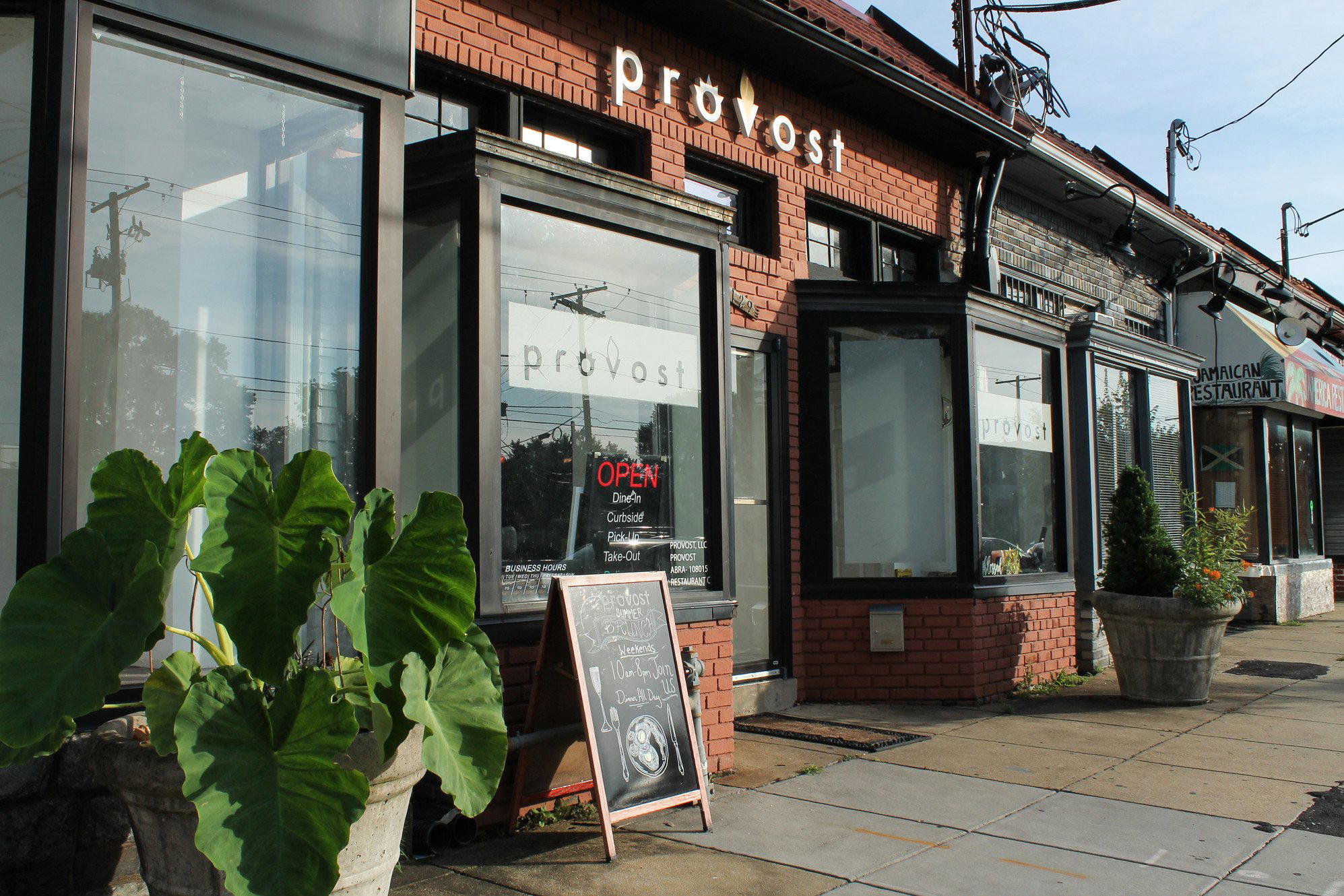
Rhode Island Avenue and the Shift Northeast
Washington D.C.'s dining story has long been told through the lens of its established corridors: the 14th Street rebuild, Shaw's rise, the Penn Quarter anchor institutions. The Northeast quadrant has moved more slowly, but Rhode Island Avenue NE has been accumulating the kind of operations that signal a neighborhood crossing from transitional to established. Provost, at 2129 Rhode Island Ave NE, sits inside that shift, occupying a position that reflects a wider pattern across American cities where serious independent operators plant early in neighborhoods still finding their footing.
That geography matters beyond real estate economics. Restaurants that open in emerging corridors tend to develop a different relationship with their immediate community than those arriving into already-saturated scenes. The physical environment of Rhode Island Avenue NE carries its own texture: wider streets, a mix of residential and commercial scale, the particular quiet of a neighborhood where the dining scene is still being written. Provost reads in that context.
The Atmosphere and What It Communicates
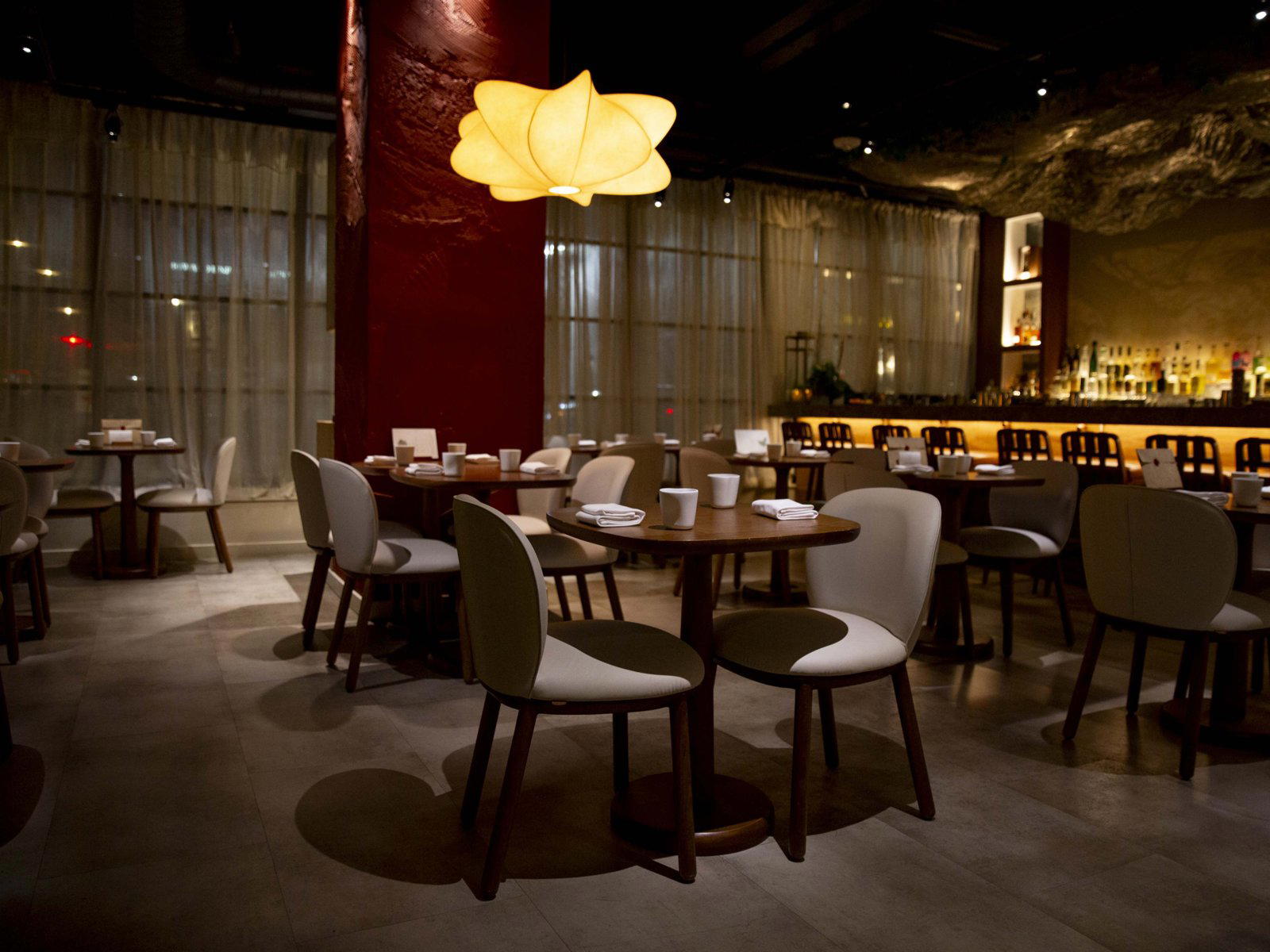
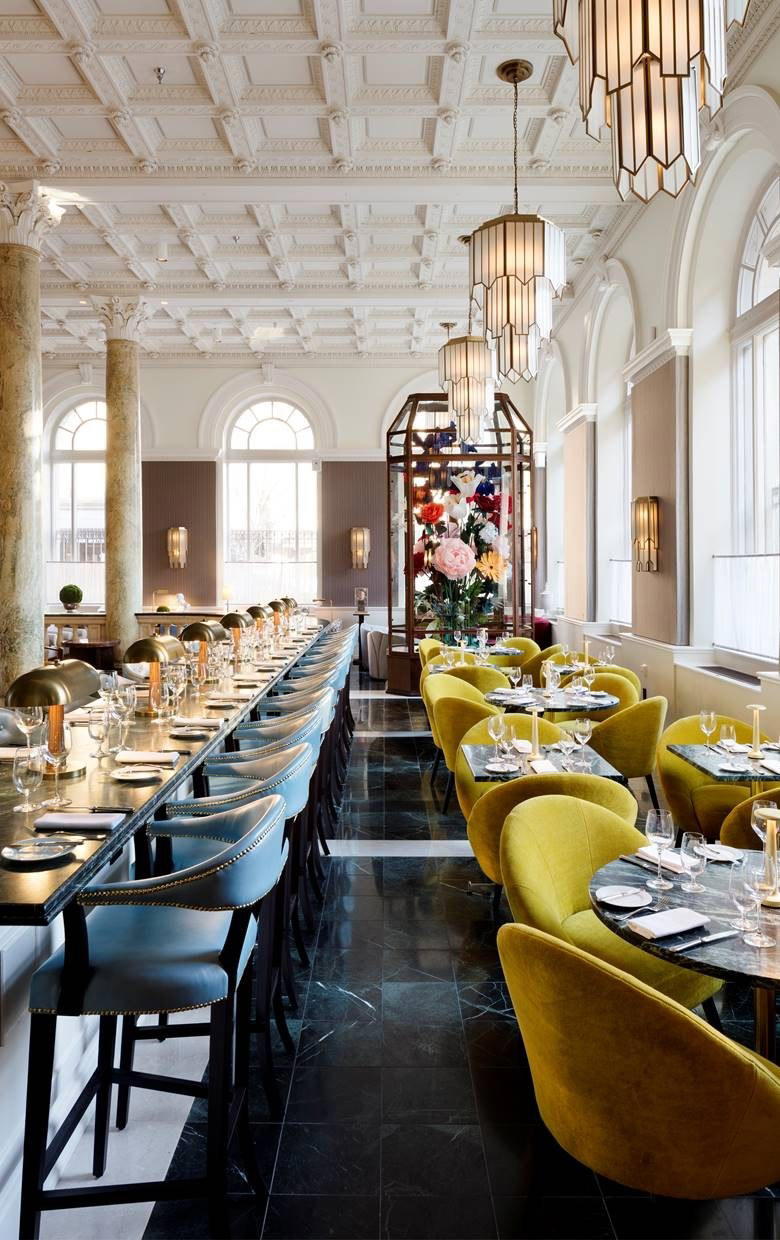
The sensory register of a room tells you something about what a restaurant believes its job is. Northeast D.C. operations in this corridor have generally moved away from the maximalist interior gestures that defined the 14th Street wave, favoring spaces where the material choices feel intentional rather than decorative. The sounds tend toward controlled rather than amplified, the lighting toward warm rather than theatrical. A room calibrated this way is making an argument: that the food and the company are the event, not the backdrop.
For visitors calibrating expectations, this is a neighborhood restaurant in the meaningful sense of that phrase, not a diminished one. The distinction matters in D.C. specifically, where Jônt and minibar define one pole of the market and neighborhood-anchored independents define another, with relatively little in between. Provost occupies the latter category with apparent intention.
Where Provost Sits in D.C.'s Dining Architecture
The D.C. restaurant market has been reorganizing around a clearer set of tiers than it had a decade ago. At the leading end, tasting-menu operations have consolidated around known formats and credentials. In the middle, a generation of chef-driven casual concepts that opened in the 2014 to 2019 window have either expanded, closed, or found their stable audience. The more interesting movement has been at the neighborhood level, where operators are building restaurants that function as genuine community anchors rather than destination draws.
Against D.C. peers at the $$$$ tier, venues like Causa and Albi have staked out specific culinary identities that travel well beyond their immediate neighborhoods. Oyster Oyster has built recognition through a sustainability-driven New American format that speaks to a particular segment of the market. These are restaurants whose audience comes to them from across the city and from out of town. Provost's Rhode Island Avenue address suggests a different orientation, one where the neighborhood relationship shapes the offer rather than the destination logic.
Nationally, the comparison set for this kind of operation would include Lazy Bear in San Francisco, which built a community-facing format before earning broader recognition, or Blue Hill at Stone Barns in Tarrytown, which placed agricultural sourcing at the center of its identity and location logic. The scale and ambition differ, but the instinct to let geography and community define the offer rather than suppress it runs through all of them.
The Northeast D.C. Context
Rhode Island Avenue NE connects the Trinidad, Woodridge, and Brentwood neighborhoods, areas with strong residential character and a food culture that has historically centered on community rather than critical attention. The avenue itself has seen incremental investment over several years, with the broader momentum of D.C.'s Northeast growth providing the demographic backdrop for new hospitality openings. For visitors, this means a part of the city that rewards lateral exploration rather than itinerary optimization. The experience of getting to Provost, of moving through neighborhoods that don't appear on standard dining maps, is part of what makes the visit legible as a choice rather than a convenience.
The Broader American Comparison
The pattern Provost represents has parallels across the American dining scene. Neighborhood-anchored independents that operate outside established dining corridors have produced some of the more durable restaurant stories of the past decade. Addison in San Diego built a Michelin-starred operation in a location that required visitors to seek it out deliberately. The Inn at Little Washington, though operating in a different format and scale, built its entire identity around the deliberateness of the journey to reach it.
At the other end of the formality register, the community-dining model has proven itself in cities from New York to Chicago, where Alinea occupies one tier and neighborhood anchors occupy another, with both finding audiences that are specifically theirs. The question for any neighborhood restaurant is whether it is building the kind of repeat relationship with its immediate community that sustains operations across market cycles. Rhode Island Avenue NE, with its residential density and the demographic investment of longtime and newer residents alike, provides that foundation.
Visitors coming to D.C. from cities with developed neighborhood dining cultures, whether they know Le Bernardin in New York City, Providence in Los Angeles, or Atomix in New York City, will recognize the type: a room where the physical environment, the pricing, and the operational pace all communicate a specific set of values about what a restaurant is for. The address and the format speak clearly enough about which side of that argument it has chosen.
How It Stacks Up
Comparable venues nearby, for context on price, style, and recognition.
| Venue | Cuisine | Price | Notes |
|---|---|---|---|
| ProvostThis venue — the venue you are viewing | Southern Soul Food American | $$ | Not listed |
| No Goodbyes | American Cafe with Chesapeake Bay Sourcing | $$ | Lanier Heights |
| Buck's Fishing & Camping | Seasonal American Bistro | $$ | Chevy Chase |
| Songbyrd Music House | American Gastropub with Live Music | $$ | Capital City Market |
| Little Engine | Revved-Up Rotisserie & Wings | $$ | Eastern Market |
| 1339 H St NE | American Pie Shop | $$ | Near Northeast |
Continue exploring
More in Washington DC
Restaurants in Washington DC
Browse all →
Bars in Washington DC
Browse all →
Hotels in Washington DC
Browse all →

At a Glance
- Lively
- Cozy
- Trendy
- Brunch
- Casual Hangout
- Celebration
- Rooftop
- Craft Cocktails
- Organic
- Local Sourcing
- Street Scene
Current opening hours
- Monday
- Closed
- Tuesday
- Closed
- Wednesday
- Closed
- Thursday
- Closed
- Friday
- 5–10 PM
- Saturday
- 10 AM–10 PM
- Sunday
- 10 AM–10 PM
Hours can change for holidays and private events. Last verified .
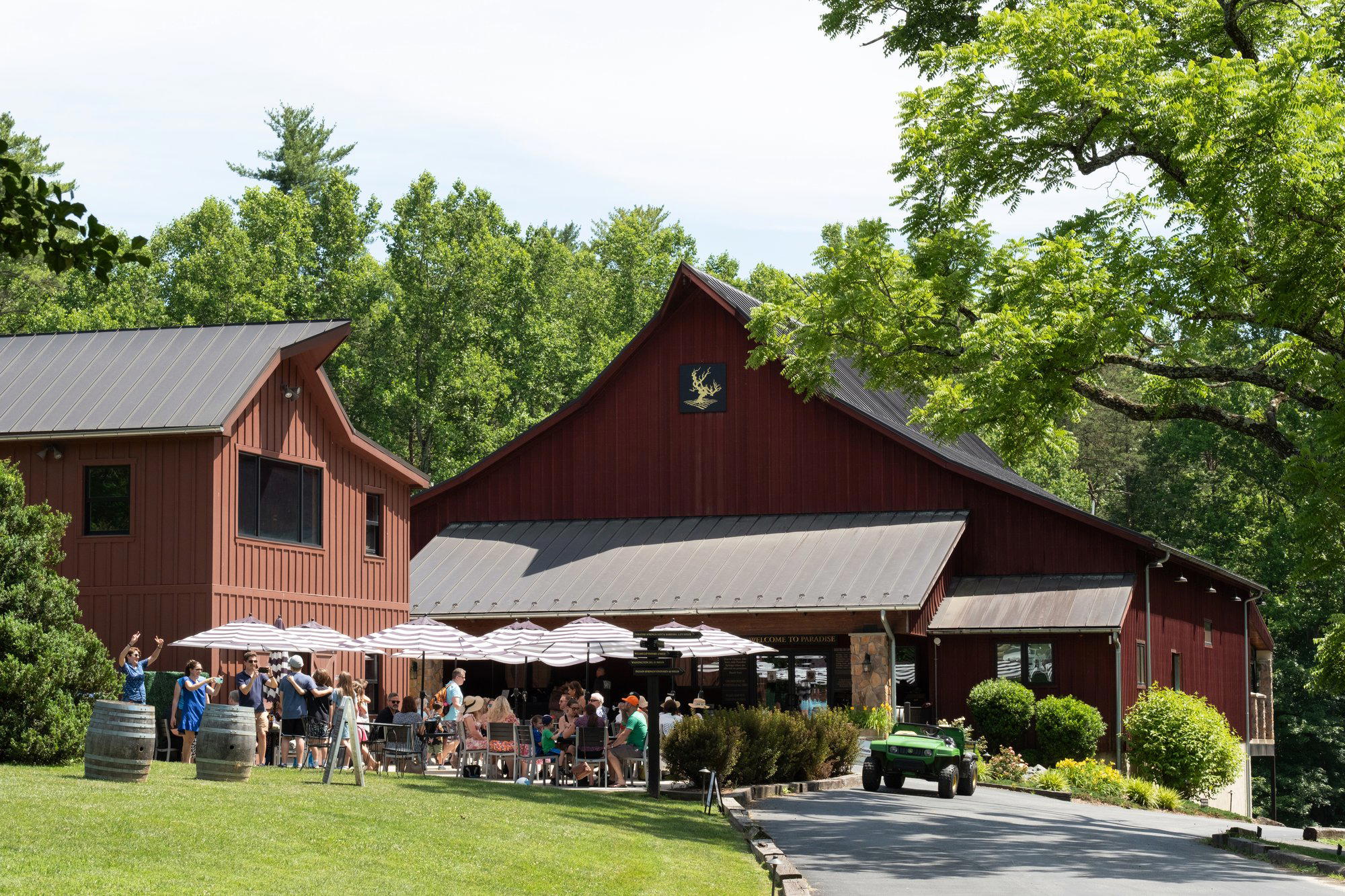
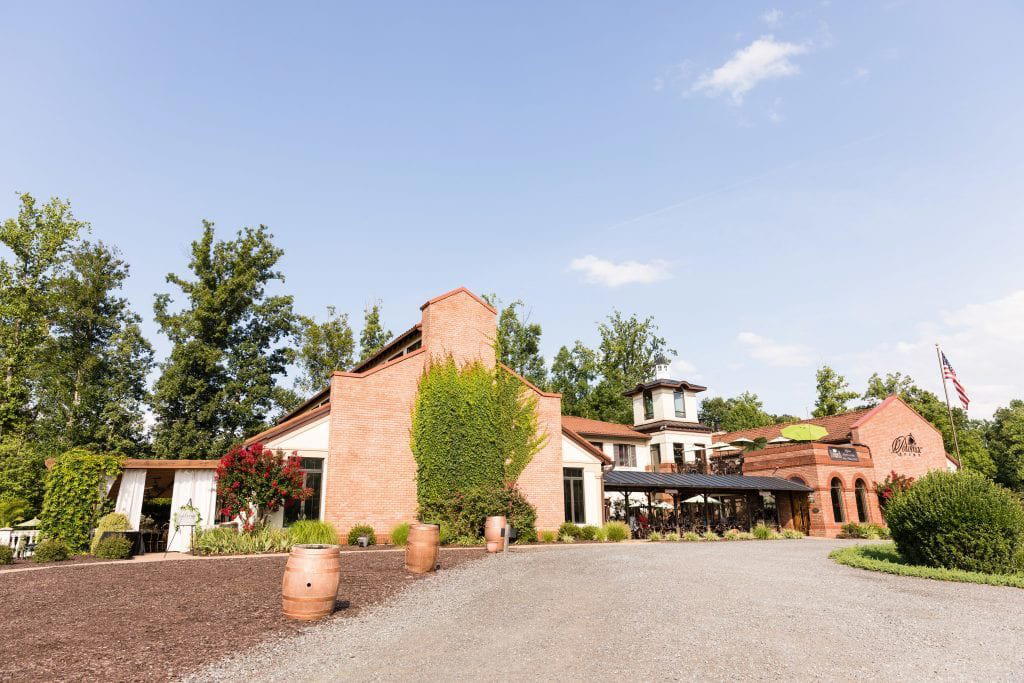
Laid-back gorgeous setting with rooftop views, lively community hub showcasing local artists, well-suited for good times and casual hangs.