No Goodbyes
No Goodbyes occupies a residential stretch of Adams Morgan at 1770 Euclid St NW, sitting within one of Washington's most densely layered dining neighborhoods. The name signals something about the experience: a reluctance to leave, a room designed to hold its guests. In a city that has increasingly rewarded collaborative, front-to-back hospitality programs, No Goodbyes positions itself as a neighborhood anchor with serious intent.
Pearl is the En Primeur Club membership app — saves, bookings, and concierge access live there. Same editors, same standards.
- Address
- 1770 Euclid St NW, Washington, DC 20009
- Phone
- +12028644180
- Website
- thelinehotel.com
- Directions
- Get directions
 Saves & bookings on Pearl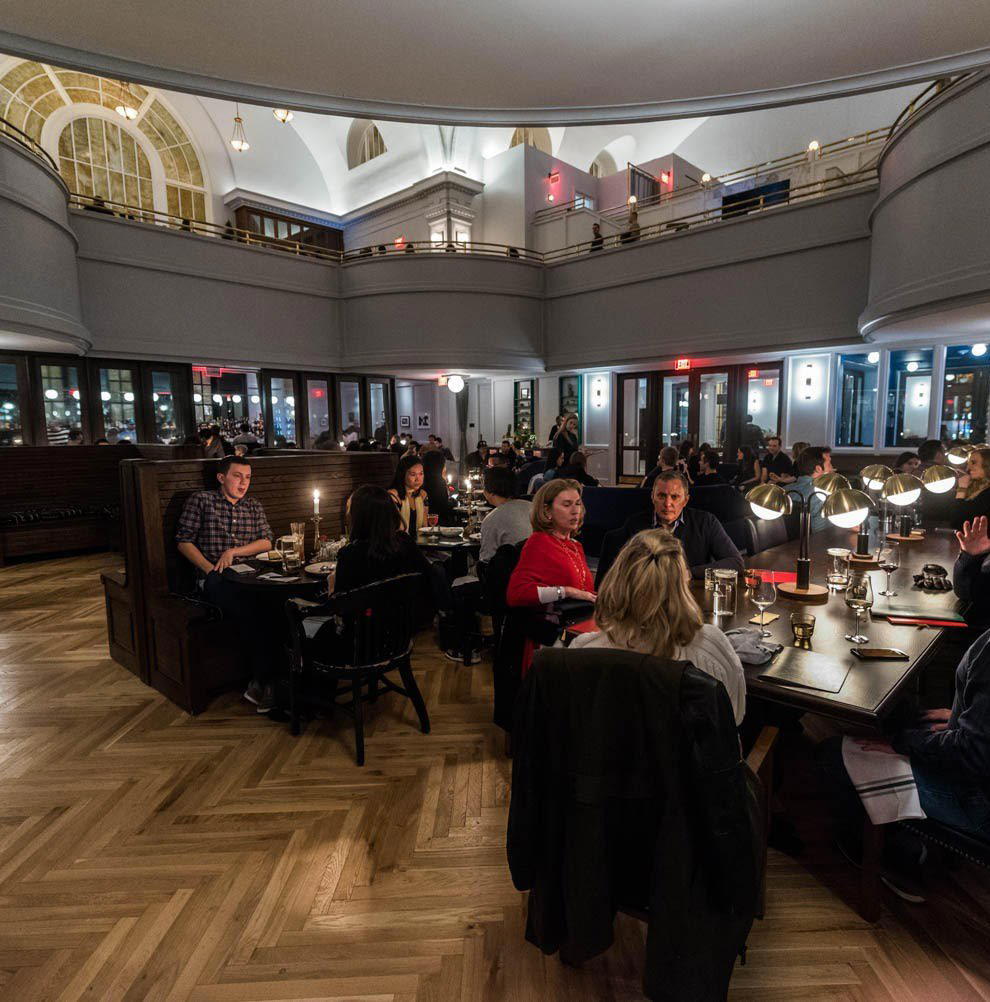
Adams Morgan and the Case for Staying
Washington's Adams Morgan neighborhood has long operated as a proving ground for independent restaurants that don't fit neatly into the power-lunch or tasting-menu categories that define much of the city's dining press. Euclid Street NW, where No Goodbyes sits at number 1770, runs through a corridor where Colombian bakeries, vintage record shops, and decade-old bars share sidewalk space with newer, more considered openings. The area rewards the kind of restaurant that anchors a block rather than auditions for a different zip code.
That neighborhood context matters when assessing No Goodbyes. Adams Morgan's dining scene has historically skewed casual and international, making it a less obvious destination for the kind of intentional hospitality program that has defined Washington's recent critical conversation. The restaurants drawing that conversation in recent years, Jônt in Georgetown, Albi in Navy Yard, and Causa downtown, are scattered across the city, each claiming a distinct geographic identity. No Goodbyes claims its own in a neighborhood that historically has not needed that kind of claim.
Collaboration as the Working Model
Across American dining, the restaurants that have built particularly durable reputations in the last decade share a structural characteristic: they are built around team-driven programs rather than single-name kitchens. The front-of-house and back-of-house operate as a single integrated system, where sommelier input shapes menu development, service choreography informs dish pacing, and the host's knowledge of the room is as technically precise as the cook's knife work. This model is visible at nationally recognized programs, from Single Thread Farm in Healdsburg to Atomix in New York City, where the dining experience reads as authored by a collective rather than a single biography.
The restaurant, by name and by placement in Adams Morgan's relatively unscripted hospitality terrain, suggests an approach that prioritizes the guest's experience of staying over the kitchen's need to perform. The name itself is a service philosophy made literal: a room that makes departure feel unnecessary. In that framing, what happens on the floor matters as much as what arrives from the kitchen. Beverage direction, the pacing of courses, the temperature of conversation between staff and guests, these are the coordinates of the experience, not secondary considerations.
Washington has developed a notable concentration of restaurants where sommelier and front-of-house programs have become selling points in their own right. Oyster Oyster's beverage program, for instance, is as editorially interesting as its produce-driven plates. The collaborative model at minibar has always been kitchen-forward, but the service architecture is equally precise. The restaurant operates in a city that has learned to read these signals.
The comparable set in Washington's Independent Tier
Washington's independent restaurant tier has matured considerably since 2018. The city now sustains a cohort of mid-to-upper price-point venues that are neither white-tablecloth formalists nor fast-casual operators, a bracket that includes places like Causa at the $$$$ tier and Oyster Oyster at the $$$ level, each staking a distinct identity through cuisine, sourcing, or format. Albi holds the Middle Eastern-American position at the upper price tier with James Beard recognition. These venues compete not on geography but on category and mission.
The restaurant, sited in Adams Morgan rather than the neighborhoods that cluster Washington's most-discussed openings, occupies a specific position in this map: a destination that draws on neighborhood loyalty while competing for citywide attention. That dual positioning is not unusual in cities like San Francisco, where Lazy Bear built a nationally recognized program in a neighborhood not historically associated with that tier, or in New York, where neighborhood anchors regularly generate city-level press. The model works when the experience is strong enough to justify the trip from across town.
For readers approaching Washington's restaurant scene as outsiders, the relevant frame is this: the city has moved past the era when its dining identity was synonymous with power meals near K Street or tourist-facing operations near the Mall. The current generation of independent operators, represented by the venues in this paragraph and by the restaurant in Adams Morgan, is making the case for neighborhood-specific destinations that reward deliberate planning.
Where No Goodbyes Sits in the National Conversation
The restaurants that attract sustained national attention in the United States share a tendency to develop a recognizable point of view across all three axes of hospitality: kitchen, floor, and beverage. This is true at the formal end, where The French Laundry in Napa, Le Bernardin in New York City, and Alinea in Chicago all operate as complete systems where no department outpaces the others. It is equally true at the more accessible end, where Blue Hill at Stone Barns in Tarrytown and Providence in Los Angeles have built durable reputations on the coherence of their programs rather than the fame of a single component.
The restaurant does not occupy that tier of national recognition. What it does occupy is an address and a name that signal a specific kind of ambition: a room in Adams Morgan that wants guests to lose track of time. In Washington, where the dining calendar is increasingly structured around advance reservations and tasting-menu commitments, a neighborhood restaurant that earns repeat visits on the strength of its atmosphere and team dynamic is a meaningful position to hold. The Inn at Little Washington and Addison in San Diego represent one end of the formality spectrum in American fine dining; the restaurant, by name and address, suggests the other end, where the guest experience is shaped more by warmth than ceremony.
Know Before You Go
- Address: 1770 Euclid St NW, Washington, DC 20009
- Neighborhood: Adams Morgan
- Price: $25 per person
- Hours: Mon: 7 AM to 10 PM; Tue: 7 AM to 10 PM; Wed: 7 AM to 10 PM; Thu: 7 AM to 10 PM; Fri: 7 AM to 11 PM; Sat: 7 AM to 11 PM; Sun: 7 AM to 4 PM
- Reservations: Recommended
- Dress code: Casual
- Related venues: Albi, Causa, Oyster Oyster
Reputation Context
Comparable venues nearby, for context on price, style, and recognition.
| Venue | Cuisine | Price | Notes |
|---|---|---|---|
| No GoodbyesThis venue — the venue you are viewing | American Cafe with Chesapeake Bay Sourcing | $$ | Not listed |
| Mitsitam Cafe | Native American Regional Foods | $$ | National Mall |
| Wagshal's Market | Classic American Deli | $$ | American University Park |
| Kramers | Modern American with French influences | $$ | Dupont Circle |
| PopUp Bagels | Artisan Bagels & Schmears | $$ | Georgetown |
| Rewind | American Diner with Latin Influences | $$ | Dupont Circle |
Continue exploring
More in Washington DC
Restaurants in Washington DC
Browse all →
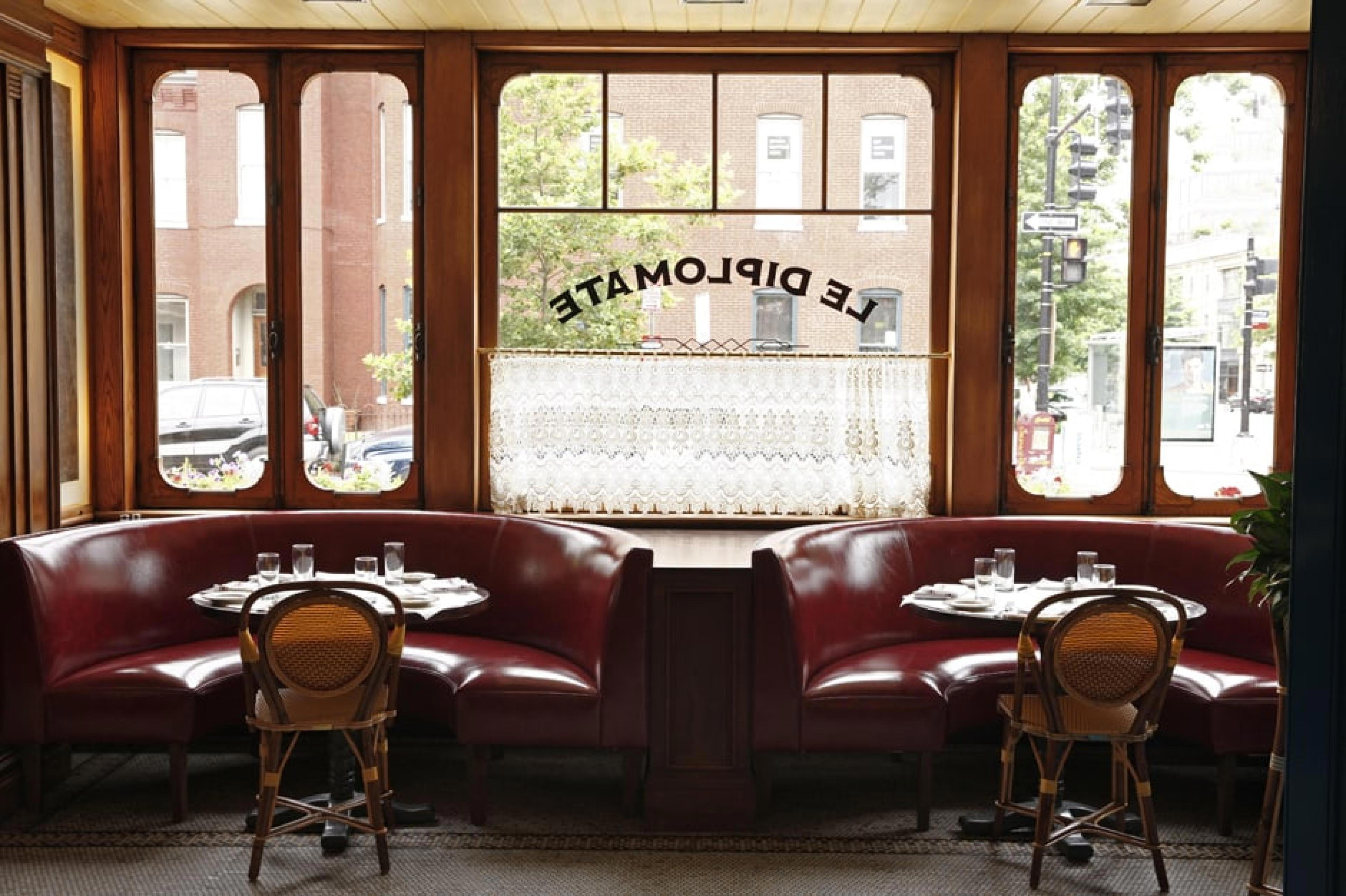
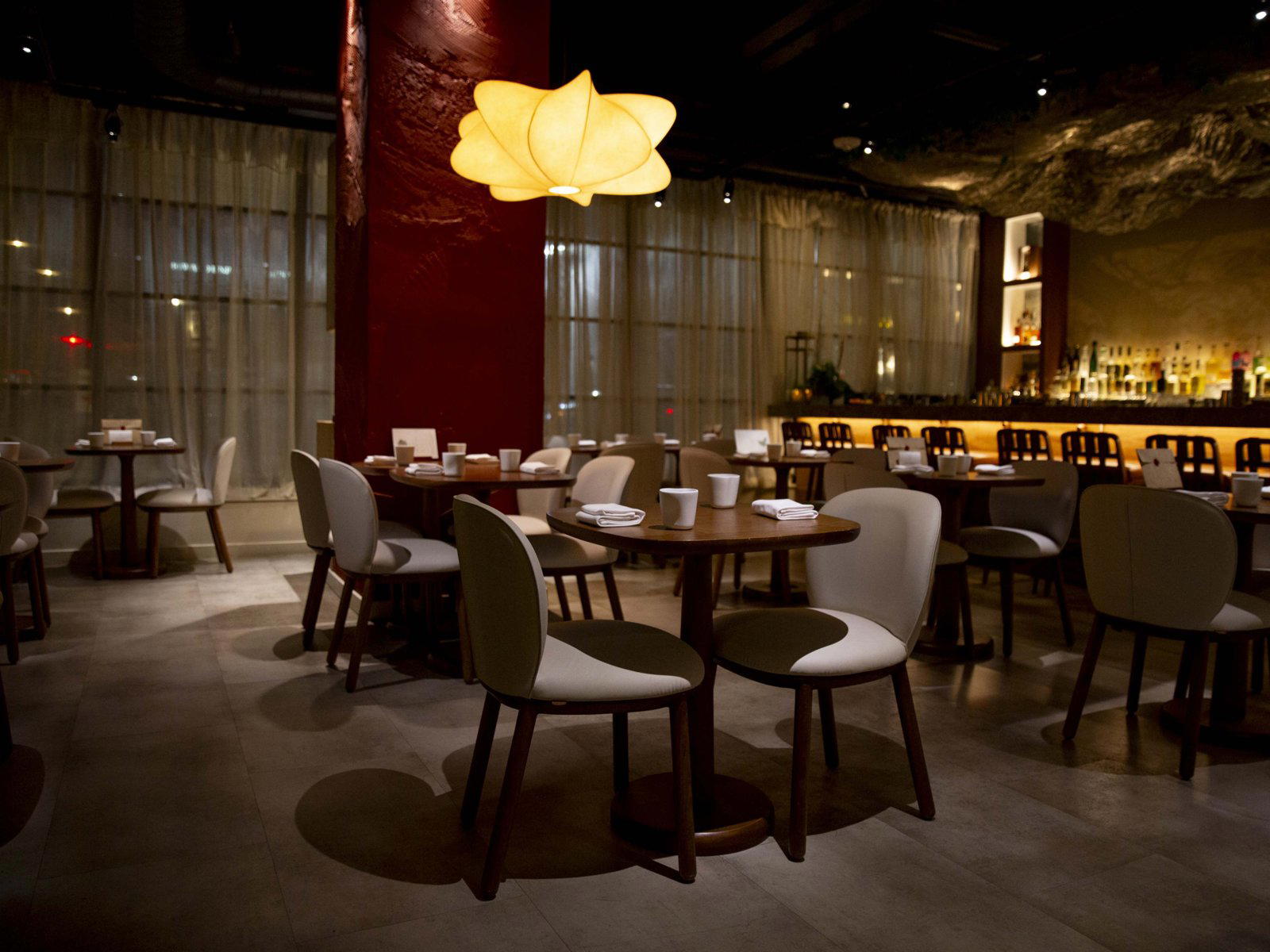
Bars in Washington DC
Browse all →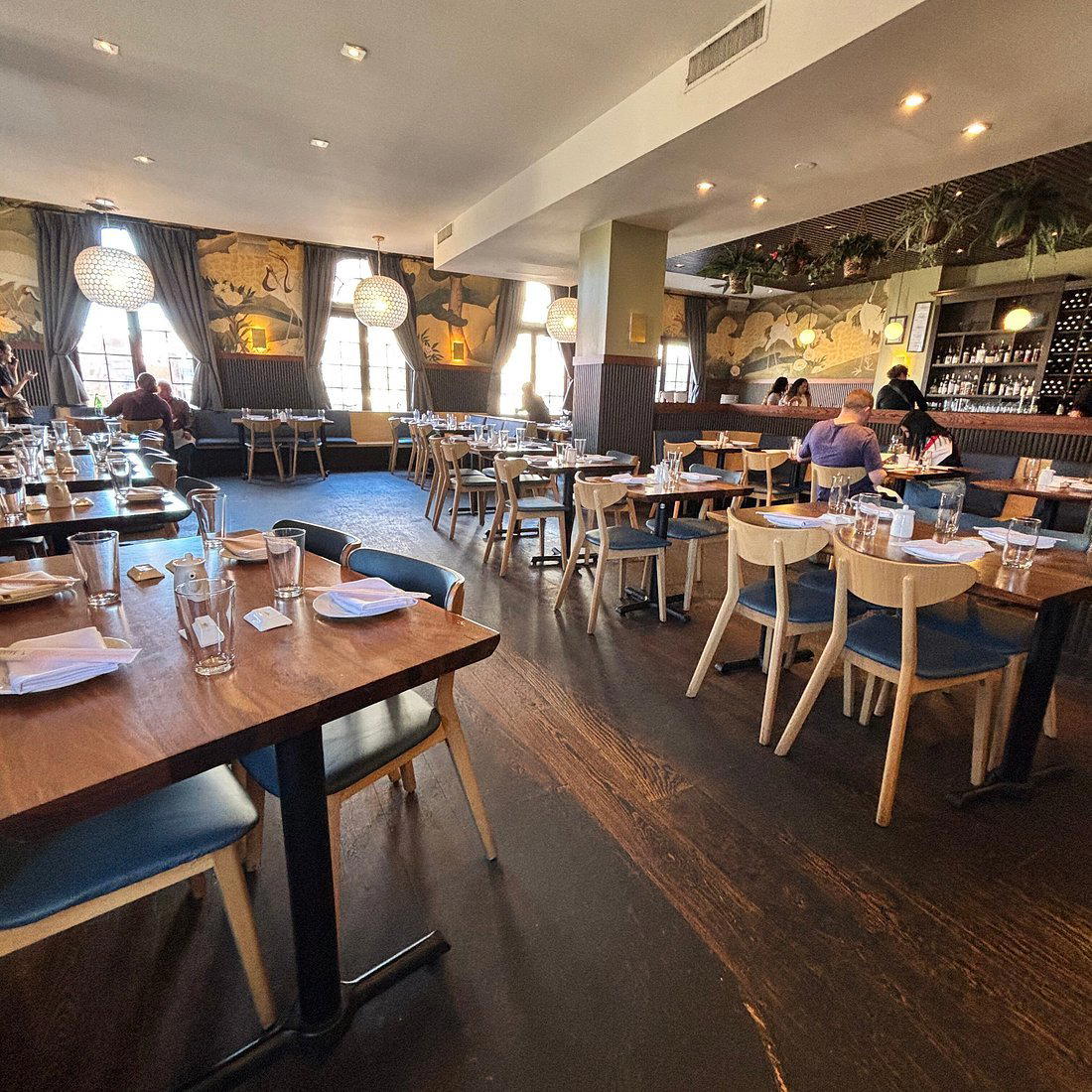
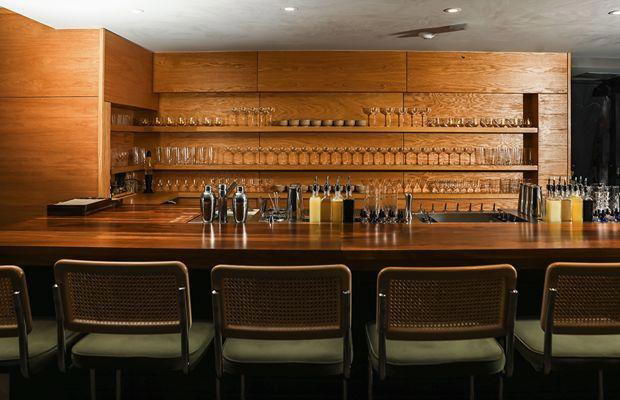
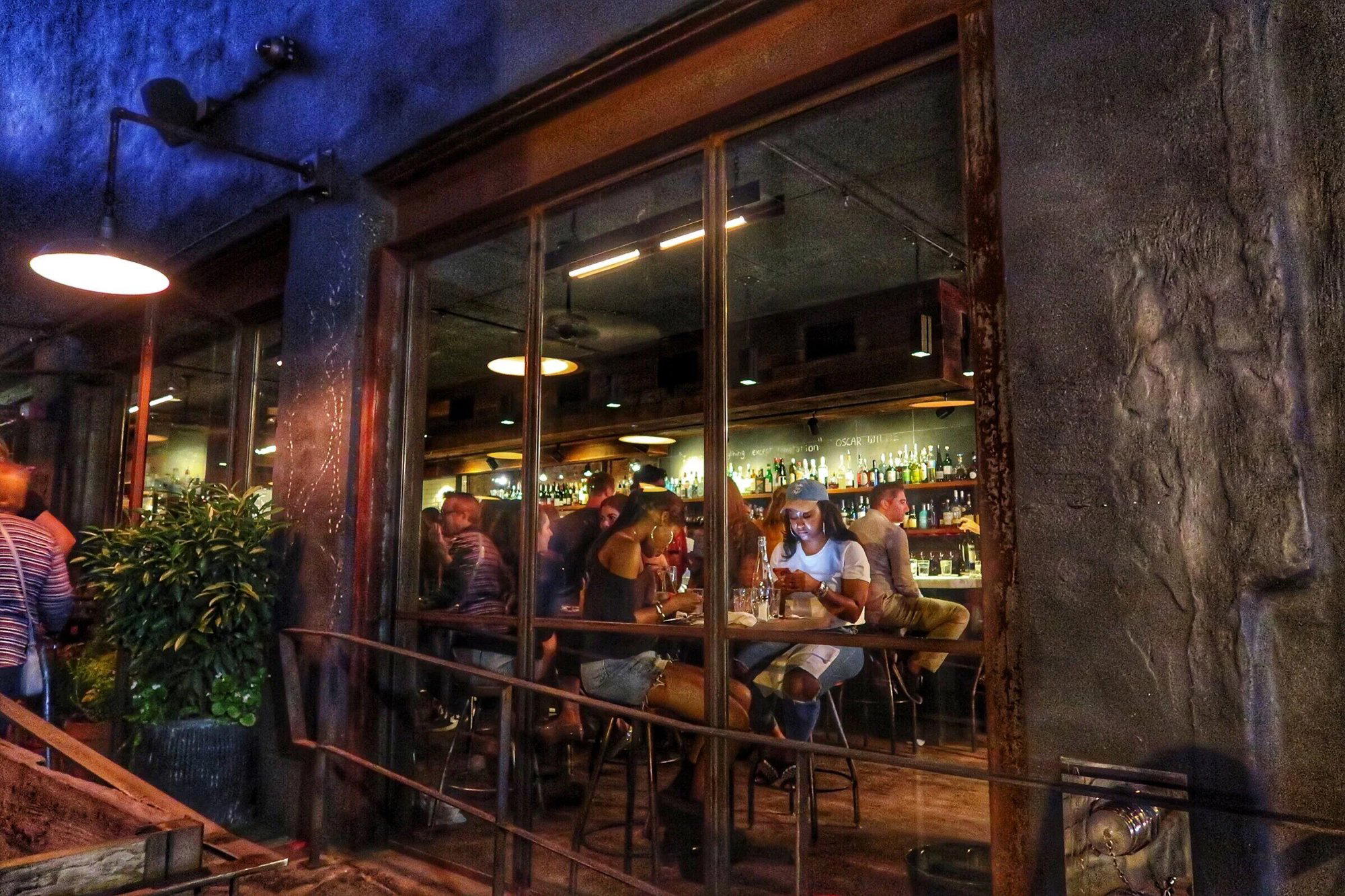
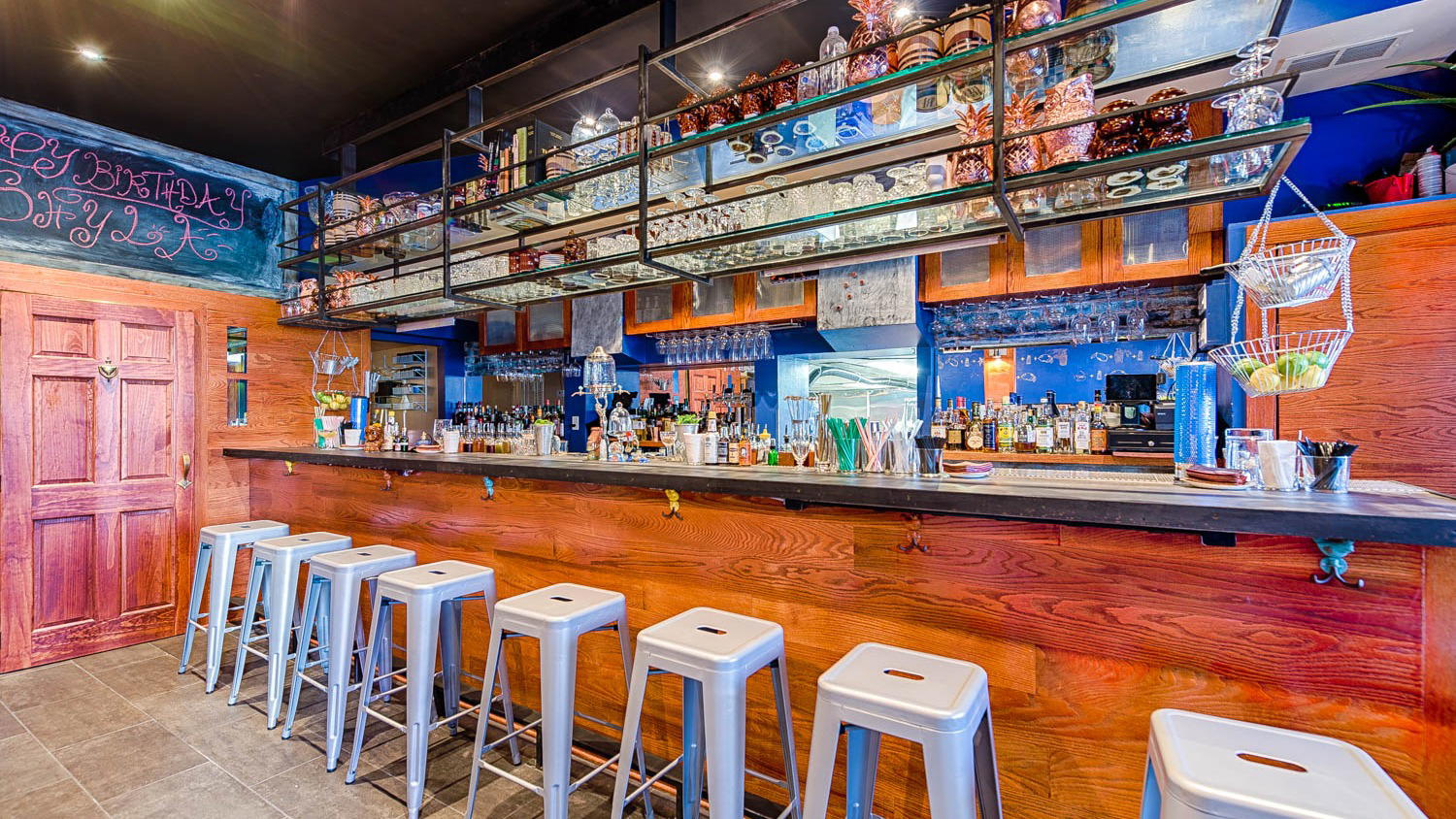
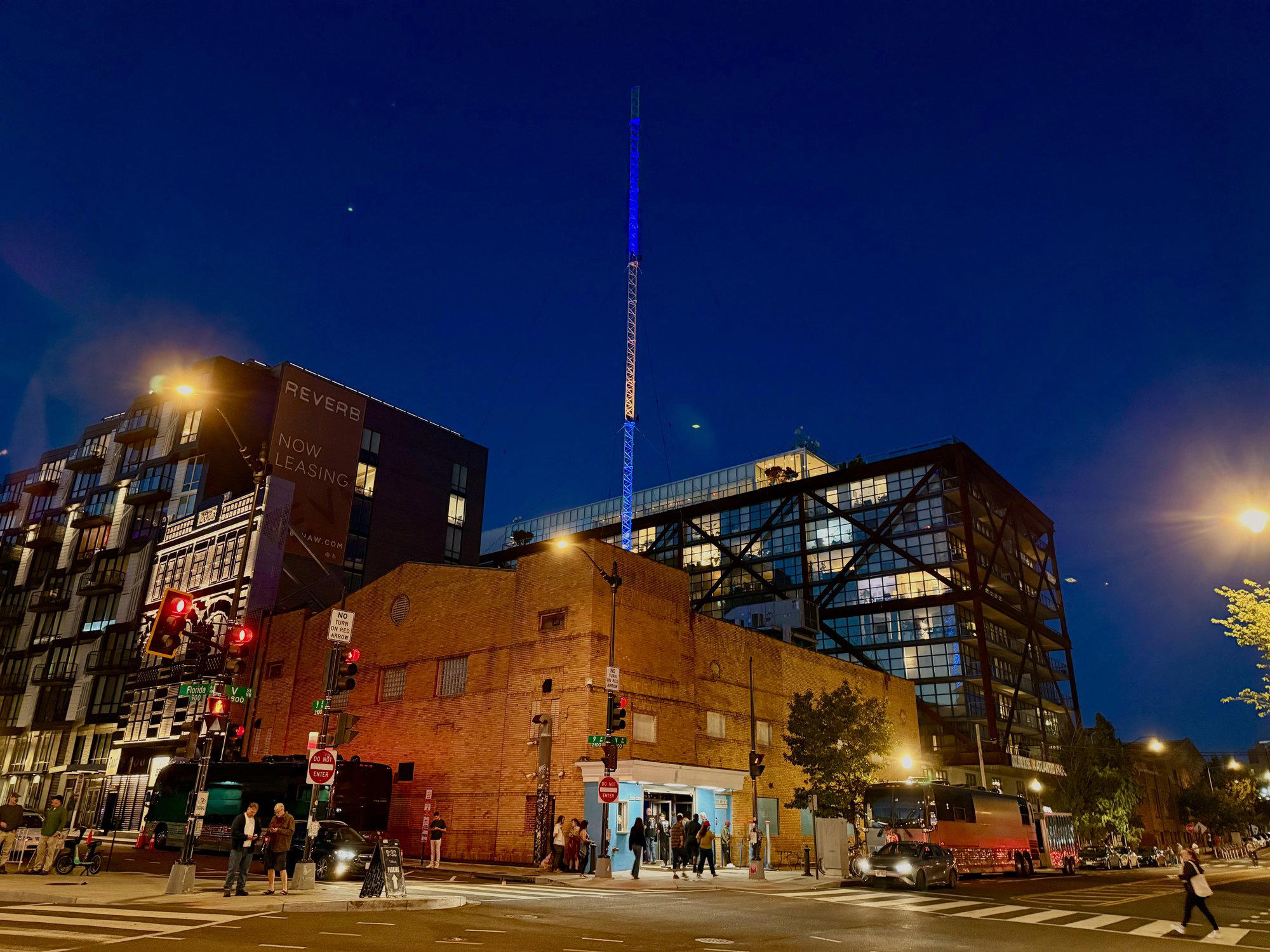
Hotels in Washington DC
Browse all →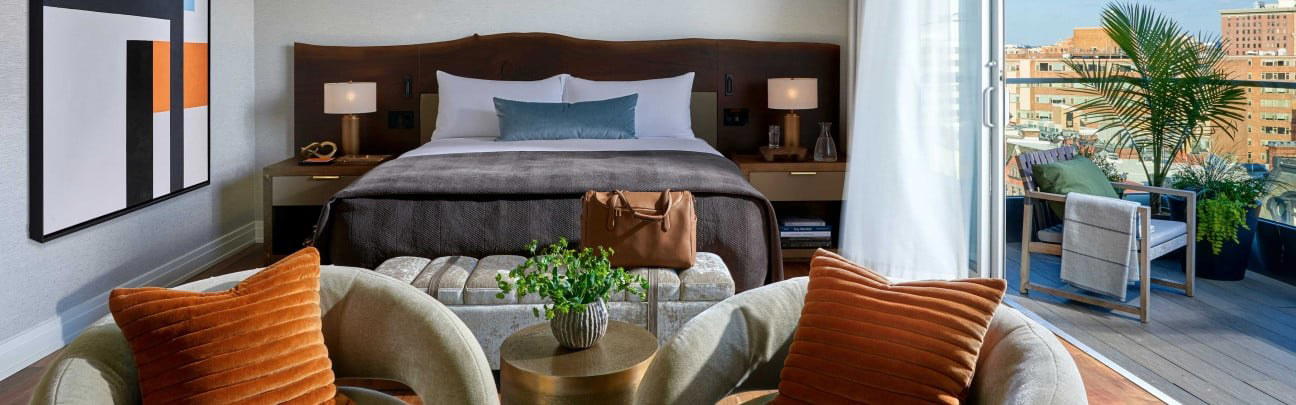
At a Glance
- Cozy
- Trendy
- Lively
- Casual Hangout
- Brunch
- After Work
- Hotel Restaurant
- Open Kitchen
- Craft Cocktails
- Local Sourcing
Current opening hours
- Monday
- 7 AM–10 PM
- Tuesday
- 7 AM–10 PM
- Wednesday
- 7 AM–10 PM
- Thursday
- 7 AM–10 PM
- Friday
- 7 AM–11 PM
- Saturday
- 7 AM–11 PM
- Sunday
- 7 AM–4 PM
Hours can change for holidays and private events. Last verified .
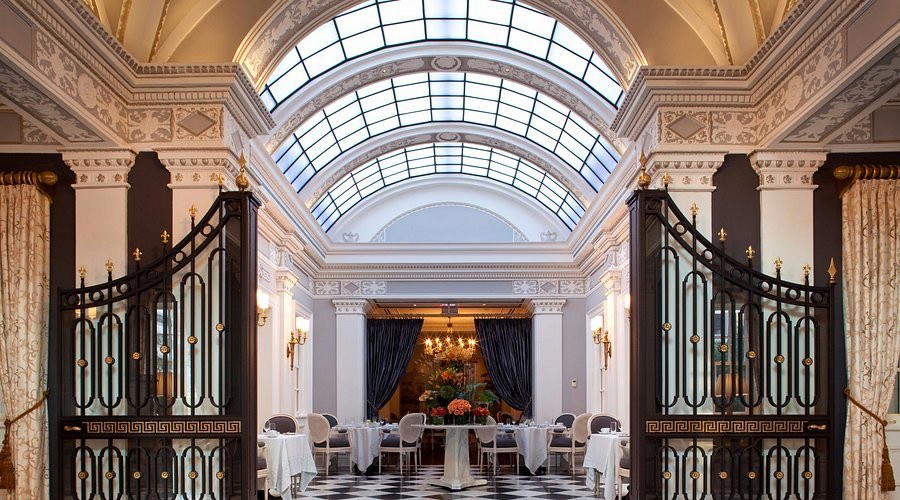
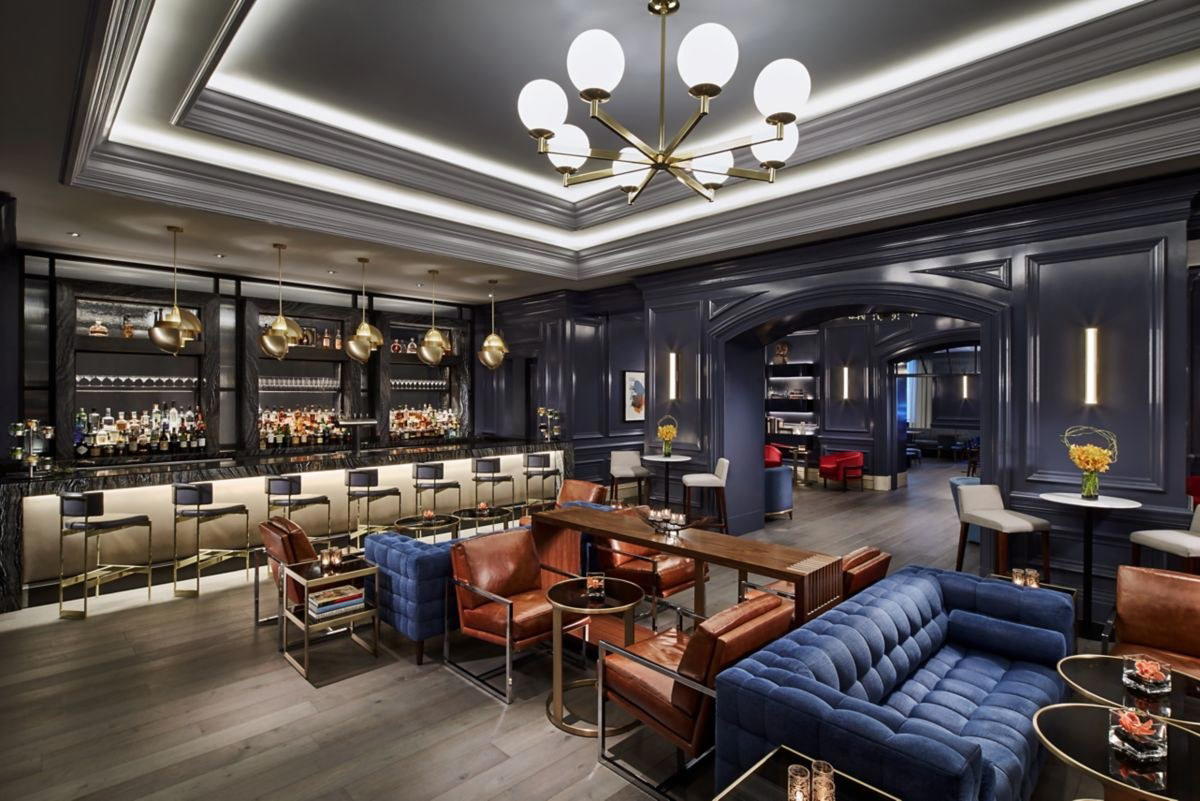
Inviting and comfortable atmosphere with soaring ceilings, beautiful windows, and a majestic mezzanine, praised for its welcoming neighborhood vibe.