Prindsen Hage occupies an address in Oslo's Grünerløkka-adjacent eastern corridor, where the city's sustainability-conscious dining scene has taken hold alongside its more celebrated fine-dining tier. The venue operates in a neighbourhood that rewards visitors who look beyond the headline Michelin addresses, and sits within a city increasingly serious about ethical sourcing and reduced-waste kitchens as a structural commitment rather than a marketing position.
 Discover on Pearl
Pearl is the En Primeur Club membership app — saves, bookings, and concierge access live there. Same editors, same standards.
- Address
- Chr. Krohgs gate 15, 0186 Oslo, Norway
- Website
- prindsenhage.no
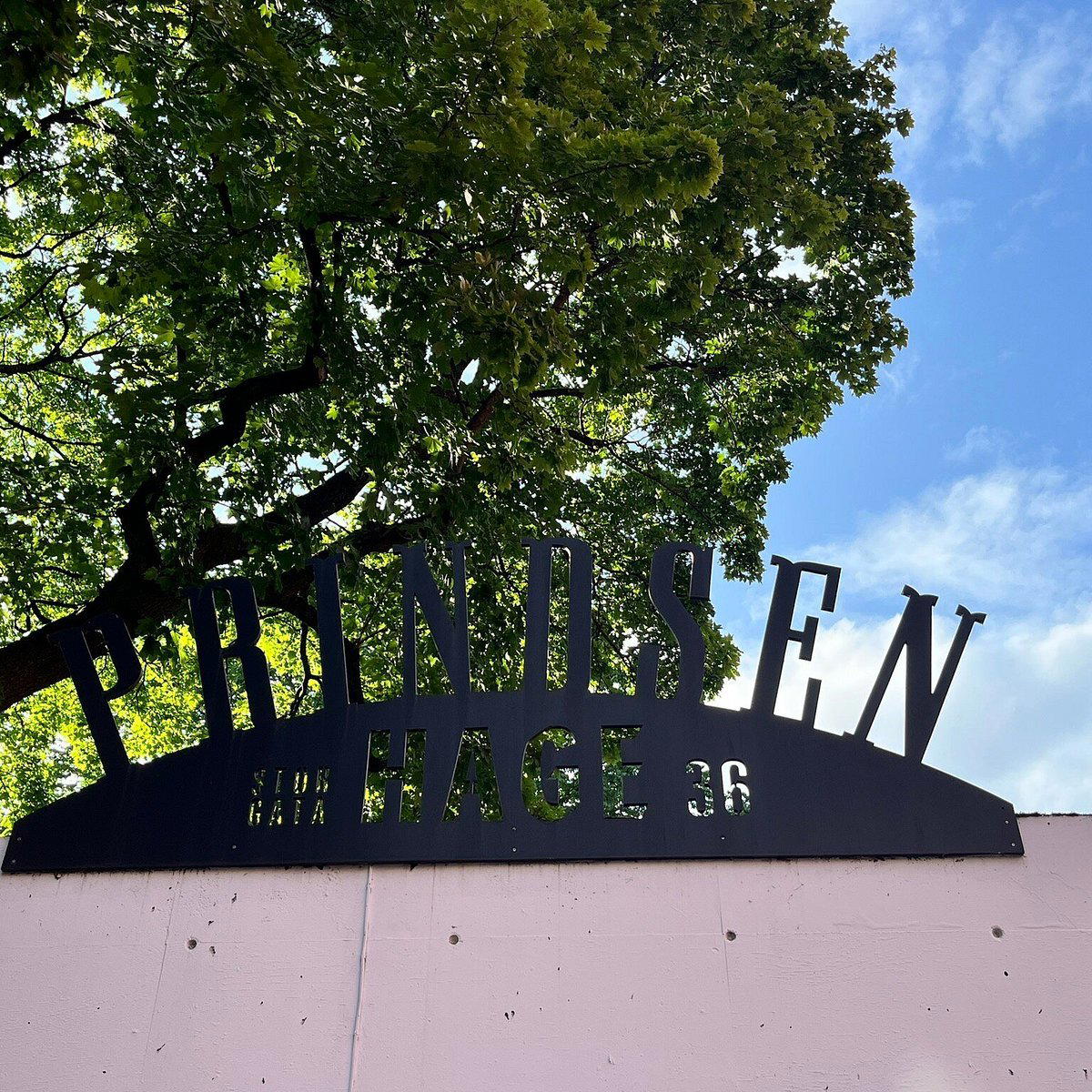
Oslo's Eastern Quarter and the Ethics of the Plate
Norwegian dining has spent the last decade exporting its identity through a handful of high-profile addresses. Maaemo holds three Michelin stars and operates at the furthest edge of New Nordic ambition; Kontrast works a similar register at a slightly lower price tier. Both belong to a category of Oslo restaurant where sourcing philosophy is stated loudly, documented exhaustively, and priced accordingly. What has grown up around them, and in the quieter streets east of Torggata, is a second wave of venues where environmental consciousness is less a selling point than a baseline assumption. Prindsen Hage, a Street Food Garden restaurant at Chr. Krohgs gate 15 in Oslo, occupies that territory.
The address itself signals something. Chr. Krohgs gate runs through one of the few Oslo districts where independent operators have held ground against the commercial pressure pushing hospitality toward the waterfront and Aker Brygge. The street is named after the Norwegian realist painter Christian Krohg, who documented working-class Oslo life in the nineteenth century, a detail that gives the neighbourhood its character of purposeful, unshowy craft. Visitors approaching from central Oslo on foot, or arriving by tram along Thorvald Meyers gate, find a district where the dining offer skews local, seasonal, and operator-owned. That context matters when reading what Prindsen Hage represents within the city's wider dining map.
Sustainability as Structural Commitment, Not Storytelling
Norway's relationship with food ethics runs deeper than the Nordic food movement's international press coverage might suggest. The country's geography, its fjords, its short growing seasons, its fishing culture, has always required an understanding of resource limits that more temperate cuisines could afford to ignore. Oslo's more serious kitchens have built on that baseline: waste reduction, whole-animal and whole-catch approaches, and producer relationships that run closer to supply chain partnerships than to menu garnish credits.
That pattern plays out across the Norwegian dining scene at every price point. At the high end, venues like RE-NAA in Stavanger and FAGN in Trondheim have built Michelin-recognised programs partly on the rigour of their sourcing. Further out, places like Anita's Sjømat in Lofoten operate at the direct intersection of producer and plate, with near-zero separation between catch and kitchen. Prindsen Hage sits in the middle register of that continuum, a city-neighbourhood venue operating under the same ethical framework without the fine-dining pricing architecture.
The broader Oslo scene has also produced venues working sustainability through a more informal lens. Bar Amour and Hot Shop represent a creative, lower-price-point end of the market where provenance still matters but the format is less ceremonial. Mon Oncle takes a French-inflected approach in the same city ecosystem. Prindsen Hage's position relative to these peers is that of a neighbourhood anchor in a district where the demographic tends toward the locally engaged rather than the destination-seeking.
The Grünerløkka Dining Register
Grünerløkka has been Oslo's most discussed neighbourhood for dining development over the past fifteen years, though the conversation has matured considerably since its initial gentrification wave. The area's food scene no longer operates on novelty; its better venues have accumulated track records and returning clientele. The neighbourhood now functions less as an incubator and more as a stable alternative to the city's fine-dining corridor, offering a different relationship between kitchen and guest, less formal, more rooted in daily neighbourhood life.
That register suits a sustainability-forward operation well. Reduced-waste kitchens require flexibility: menus that shift with availability, preparations that use less-prized cuts and less-celebrated vegetables, and a guest relationship built on trust rather than expectation of a fixed canonical dish. Oslo's fine-dining tier, which includes destination experiences like Under in Lindesnes and Gaptrast in Bergen further afield, can enforce that trust through price and reputation. In a neighbourhood setting, the same trust is built more gradually, through frequency and consistency.
For visitors arriving from markets where ethical sourcing remains aspirational rather than operational, those more familiar with Le Bernardin in New York or the ambitious tasting-menu format of Atomix, Prindsen Hage represents a distinctly Norwegian approach to the same underlying question of where food comes from and what a kitchen owes the supply chain that feeds it.
Planning a Visit
Chr. Krohgs gate 15 is accessible from central Oslo without difficulty; the address sits within reasonable walking distance of the city centre, and tram connections through Grünerløkka serve the surrounding streets. As with most independent operators in this part of the city, The broader Grünerløkka area rewards a longer visit: the streets between Thorvald Meyers gate and Markveien carry a concentration of independent food and drink operators that makes the neighbourhood worth half a day rather than a single reservation. Those planning wider Norwegian travel may also find value in the scenes at Hardanger House in Jondal, Fiskekrogen in Henningsvær, Aurora Restobar in Kirkenes, and Børsen Spiseri in Svolvær, a set of addresses that illustrates the geographic breadth of Norway's current food moment.
The Essentials
Comparable venues nearby, for context on price, style, and recognition.
| Venue | Cuisine | Price | Notes |
|---|---|---|---|
| Prindsen HageThis venue — the venue you are viewing | Vaterland, Street Food Garden | $$ | |
| Pier 42 | $$$ | St. Hanshaugen, Cocktail Bar | |
| Ille brød | Enerhaugen, Artisan Sourdough Bakery | $$ | |
| Posthallen Drinkhub | $$ | St. Hanshaugen, Bar Snacks and Cocktails | |
| Tolvte og Kranen | $$$ | St. Hanshaugen, European Bistro with Norwegian Flair | |
| Mamma Pizza | $$ | St. Hanshaugen, Authentic Neapolitan Pizza & Italian Trattoria |
Continue exploring
More in Oslo
Restaurants in Oslo
Browse all →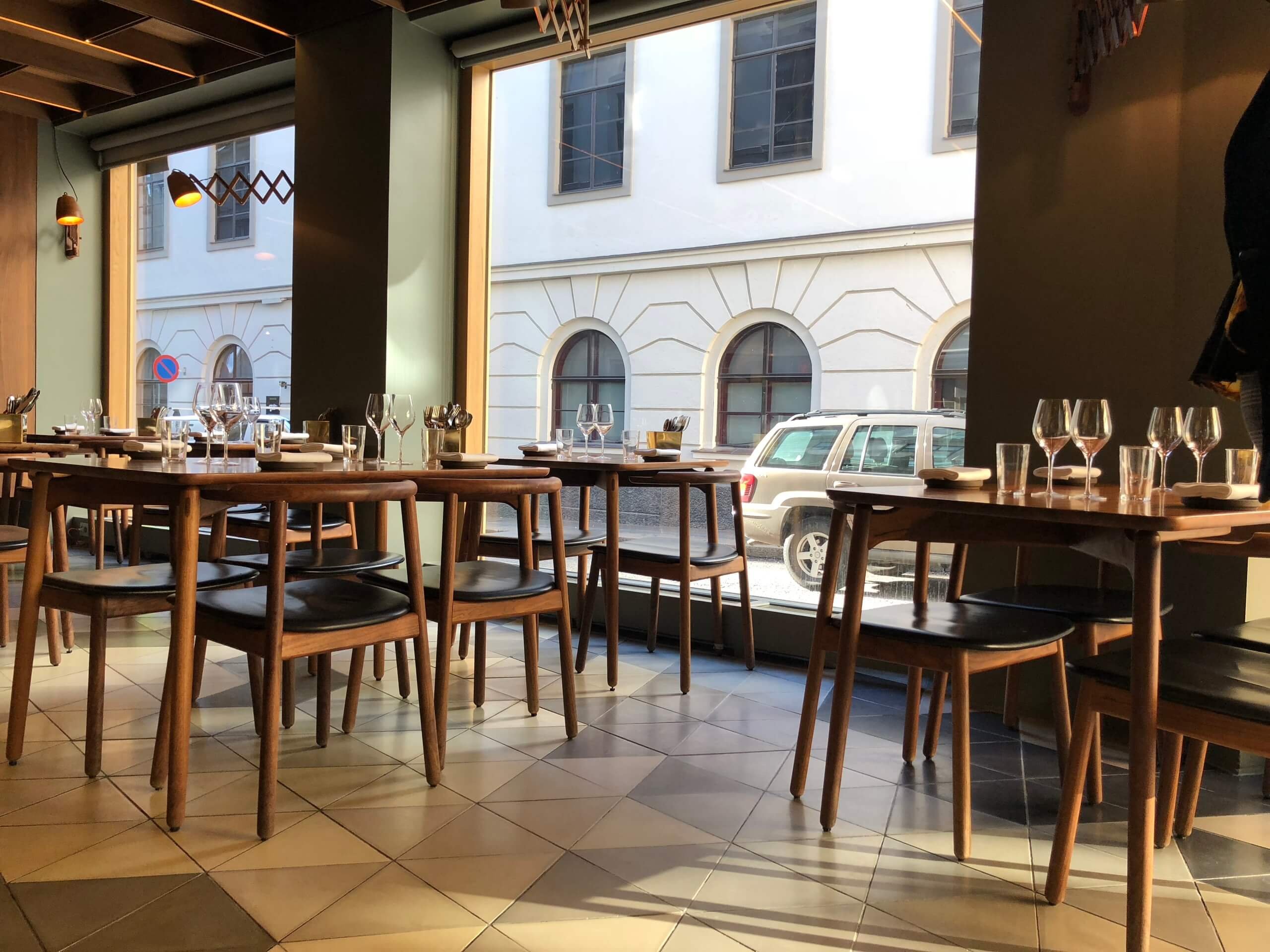
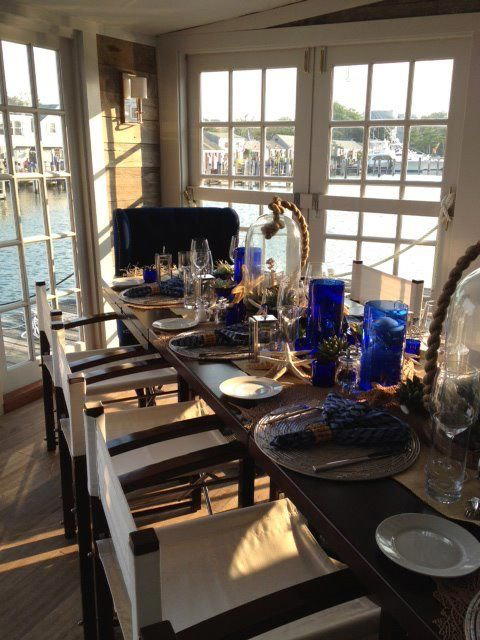
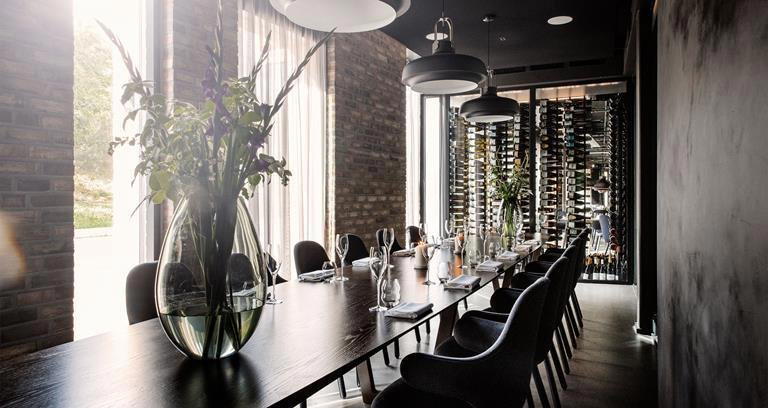
Hotels in Oslo
Browse all →
Wineries in Oslo
Browse all →
At a Glance
- Cozy
- Hidden Gem
- Lively
- Trendy
- Casual Hangout
- After Work
- Garden
- Open Kitchen
- Natural Wine
- Beer Program
- Garden
Relaxed garden setting with flowers, plants, parasols, deck chairs, hammocks, and pleasant music creating a tranquil yet lively vibe.