Posta

Posta holds consecutive Michelin Plates (2024 and 2025), a small spa town in the Bergamo foothills. The menu plants Tuscan cooking firmly in Lombardy: ribollita, pappa col pomodoro, pappardelle with wild boar, and Fiorentina steak share space with local tagliatelle and tortellini. The wine list follows the same Tuscan logic.
Pearl is the En Primeur Club membership app — saves, bookings, and concierge access live there. Same editors, same standards.
- Address
- Viale V. Veneto, 169, 24038 Sant'Omobono Terme BG, Italy
- Phone
- +39 035 851134
- Website
- frosioristoranti.it
- Directions
- Get directions
 Saves & bookings on Pearl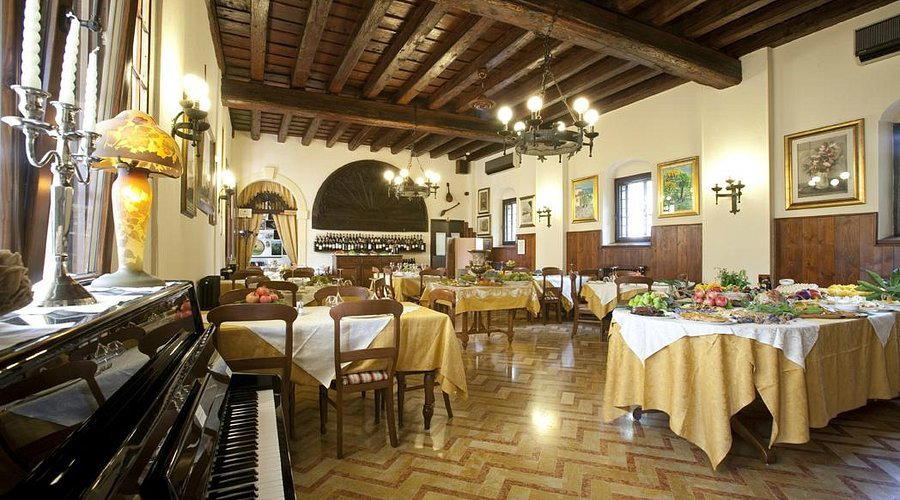
Where Tuscany Arrives in Lombardy
The northern Italian dining scene has long operated on clear regional borders. Bergamo stays resolutely Lombard: polenta, casoncelli, brasato. Thirty kilometres south, Milan codifies risotto and ossobuco as civic identity. Tuscan cooking, with its heavier grain soups, its fire-grilled beef, and its preference for gutsy Sangiovese, belongs to a different Italy entirely, one usually reached by driving four hours down the A1. Posta, sitting on Viale V. Veneto in Sant'Omobono Terme, a quiet spa and resort town in the Bergamo Prealps, makes that case redundant. Here, the Tuscan kitchen arrives intact, with ribollita, pappa col pomodoro, pappardelle with wild boar, and Fiorentina steak forming the spine of the menu alongside Lombard concessions like tagliatelle and tortellini that acknowledge where the building actually stands.
The Logic of a Tuscan Menu at This Latitude
Tuscan cooking is defined by its relationship with poverty-born resourcefulness. Ribollita, the twice-cooked bread-and-cavolo nero soup that turns stale bread into something substantive, and pappa col pomodoro, the dense tomato-and-bread porridge that reads almost like a savoury pudding, both carry that history. These are not dishes that translate easily to a fine-dining register, they resist prettification and rely on long cooking and correct seasoning rather than technical flourish. The presence of both on the Posta menu is an editorial statement about the kitchen's priorities: tradition is the point, not a reference to be spun into something else.
Pappardelle with wild boar cinghiale ragù sits in the same register. The wide, rough-edged pasta ribbons are the standard vehicle in Tuscany for game meat sauces that have cooked for hours; the combination is rural and deliberate, and it travels well to the Bergamo hills, where the surrounding terrain produces similar game. Tripe and beef pepper stew extend the Florentine logic further, lampredotto and peposo are central to the Florentine street-food and trattoria canon, and their inclusion here is less a novelty than a commitment to cooking the full Tuscan repertoire rather than its tourist-friendly highlights.
The Fiorentina steak anchors the meat section with the same directness. A bistecca alla Fiorentina is a specific object: a thick T-bone from Chianina cattle, cooked rare over wood or charcoal, finished only with salt and olive oil, served with the bone. Its quality is entirely dependent on the quality of the cattle and the fire; the kitchen has nowhere to hide. Placing it at the centre of the menu in a Bergamo hill town is a confident move, and the Michelin recognition suggests the kitchen earns that confidence.
A Menu That Acknowledges Its Postcode
The appearance of tagliatelle and tortellini alongside the Tuscan core is worth examining as a structural choice. These are Emilian-Lombard forms, not Tuscan, tagliatelle is Bologna's contribution to the pasta canon, and tortellini carry a protected designation that tethers them firmly to the Po Valley. Their presence on the Posta menu reads less as compromise than as a practical acknowledgement that the kitchen operates in a territory with its own pasta traditions, and that regulars from the Bergamo area reasonably expect to find those traditions represented.
This dual register, Tuscan spine with Lombard-Emilian support, is not common in Italian restaurants operating at the Michelin Plate level, where the tendency is usually to commit to a single regional or creative identity. The fact that Posta maintains both and still earns guide recognition across two consecutive years suggests the kitchen manages the tension without flattening either tradition into something generic.
The Wine Programme
The wine list follows the kitchen's geographic logic with consistency. Tuscan bottles form the majority of what's poured, which is the correct pairing architecture for a menu built around Florentine cuts, cinghiale ragù, and ribollita. Sangiovese in its various Tuscan expressions, Chianti Classico, Brunello, Morellino di Scansano, has the acidity and tannin structure to work against long-cooked meat sauces and bone-in beef without being overwhelmed. The decision to align the cellar with the kitchen rather than stocking a broader Italian or international range is a focused choice that reinforces the restaurant's overall position. For those exploring the broader Italian wine tradition, places like Enoteca Pinchiorri in Florence represent what the Tuscan wine programme looks like at the summit of the category.
Sant'Omobono Terme and the Bergamo Dining Context
Sant'Omobono Terme is not a destination known primarily for its restaurant scene. It functions as a small thermal and mountain resort town in the Val Imagna, drawing visitors from Bergamo and Milan for weekends involving walking, spring water treatments, and the general decompression that mid-altitude Lombard hill towns provide. Dining at this level, Michelin Plate, Tuscan repertoire, structured wine programme, is not the default offer in towns of this profile. The comparison tier for Posta is less the local hillside trattoria and more the focused regional restaurants found across northern Italy: places like Dal Pescatore in Runate or Le Calandre in Rubano demonstrate what full commitment to a regional cooking identity looks like at higher price points, while Posta operates a tier below at €€€, making it accessible to visitors not chasing tasting-menu formats.
For those building a wider Lombardy and northern Italy itinerary, our full Sant'Omobono Terme restaurants guide maps the broader dining offer in the area, and guides to hotels, bars, wineries, and experiences in Sant'Omobono Terme provide fuller context for planning a stay in the Val Imagna.
Posta occupies a specific niche in Italian dining that the guide circuit rarely highlights: a kitchen that has imported a foreign regional identity and committed to it at a level that earns institutional recognition, in a town where dining ambition of this kind is not structurally expected. For context on what Italian cooking looks like at the far end of the creative spectrum, Osteria Francescana in Modena and Enrico Bartolini in Milan represent the highest tier of progressive Italian cooking, while Piazza Duomo in Alba, Reale in Castel di Sangro, and Uliassi in Senigallia show the range of what serious regional cooking looks like across Italy's peninsula. Further afield, Atelier Moessmer Norbert Niederkofler in Brunico, Quattro Passi in Marina del Cantone, and Casa Perbellini 12 Apostoli in Verona each anchor their cooking to a specific Italian territory. For those curious how Italian cooking exports internationally, 8 1/2 Otto e Mezzo Bombana in Hong Kong and cenci in Kyoto trace two distinct answers to that question.
Planning Your Visit
Posta is at Viale V. Veneto 169 in Sant'Omobono Terme, roughly 30 kilometres north of Bergamo city centre. The price range at €€€ places it in the mid-to-upper tier for the area, in line with what the Michelin Plate recognition implies. Booking ahead is advisable, particularly for weekend visits when the town draws day-trippers and weekend guests from the wider Bergamo and Milan basin.
A Quick Peer Check
Comparable venues nearby, for context on price, style, and recognition.
| Venue | Cuisine | Price | Awards | Notes |
|---|---|---|---|---|
| PostaThis venue — the venue you are viewing | Modern Regional Italian | $$$ | Michelin Plate | Not listed |
| Osteria dello Strecciolo | Modern Italian Osteria | $$$ | Michelin Plate | centre of the village |
| Antico Albergo | Classic Italian with Lombard and Seafood Specialties | $$$ | Michelin Plate | Limito |
| Antica Osteria La Rampina | Modern Lombardian Osteria | $$$ | Michelin Plate | San Giuliano Milanese |
| Osteria Al GiGianca | Traditional Lombard Osteria | $$$ | Michelin Plate | Bergamo |
| Trippi | Modern Valtellina Italian | $$$ | Michelin Plate | Montagna in Valtellina |
Recognition history
Dated appearances from independent guides and award organizations, with the underlying list record or original source where available.
Michelin Plate
Michelin
Michelin Plate
Michelin
Michelin Plate
Michelin
Continue exploring
More in Sant'Omobono Terme
Restaurants in Sant'Omobono Terme
Browse all →
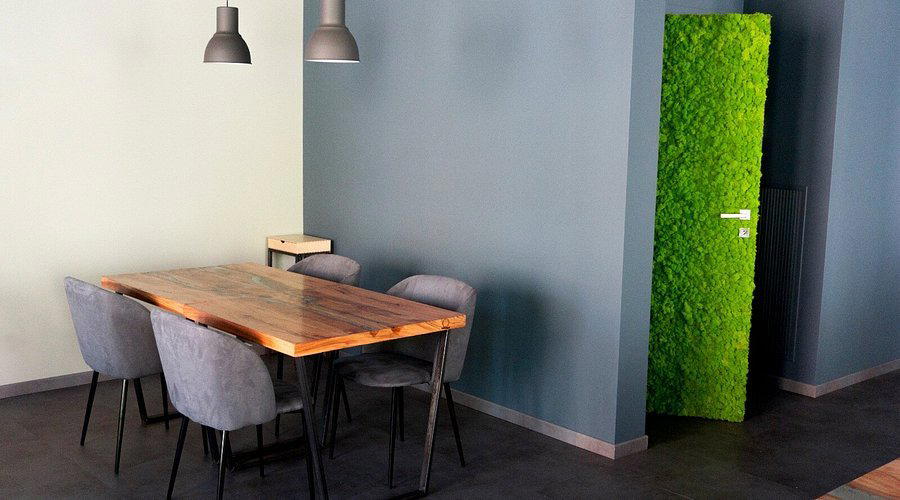
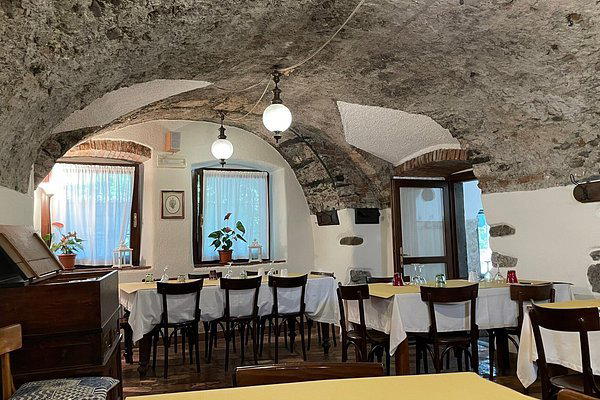
Bars in Sant'Omobono Terme
Browse all →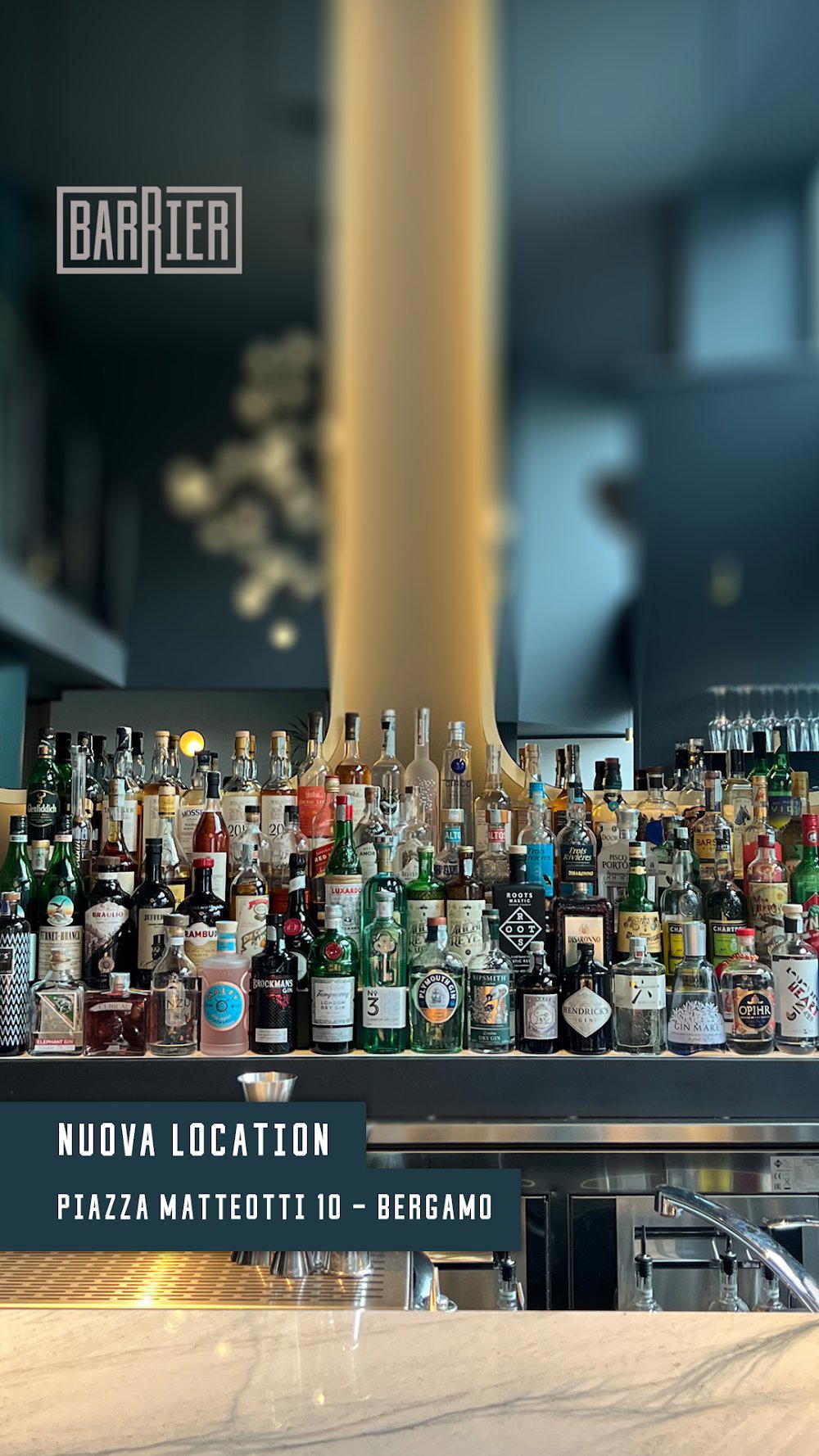
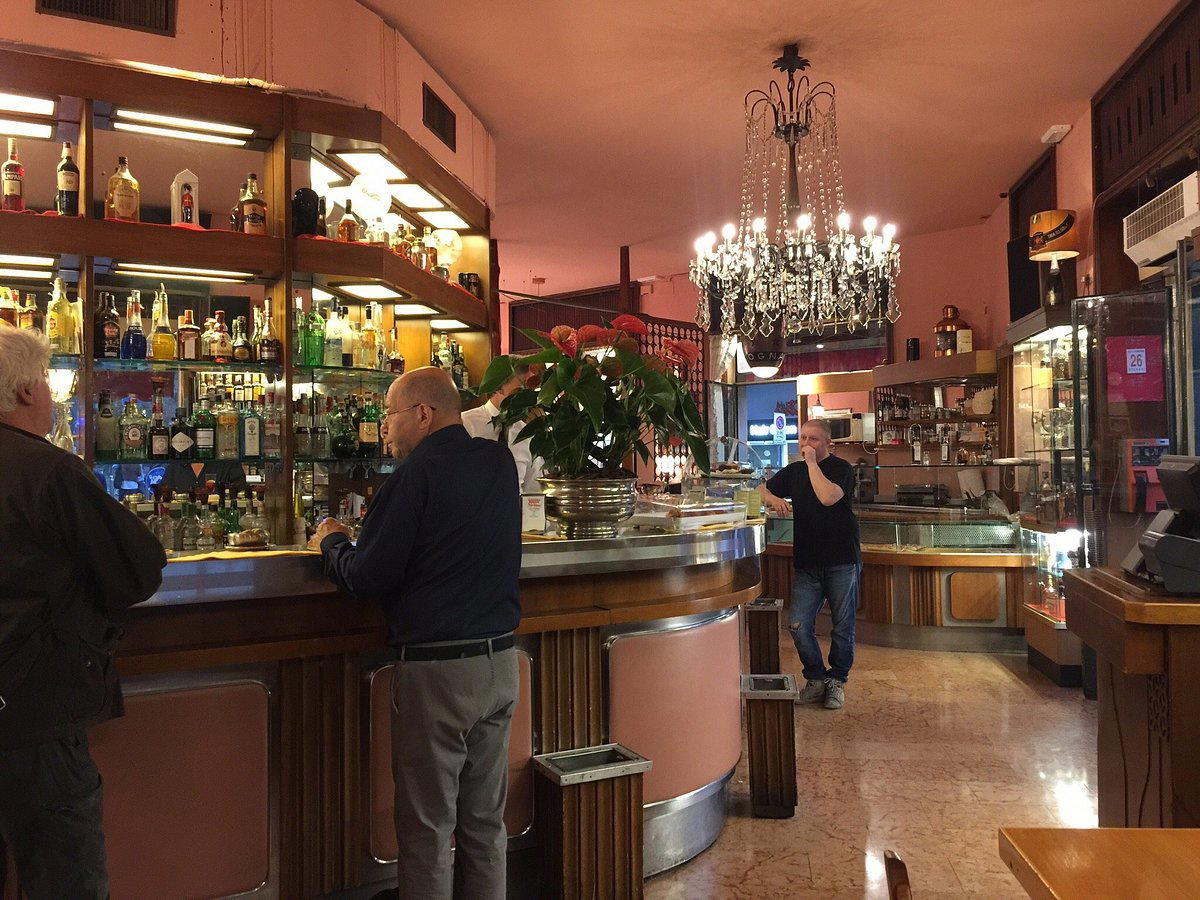
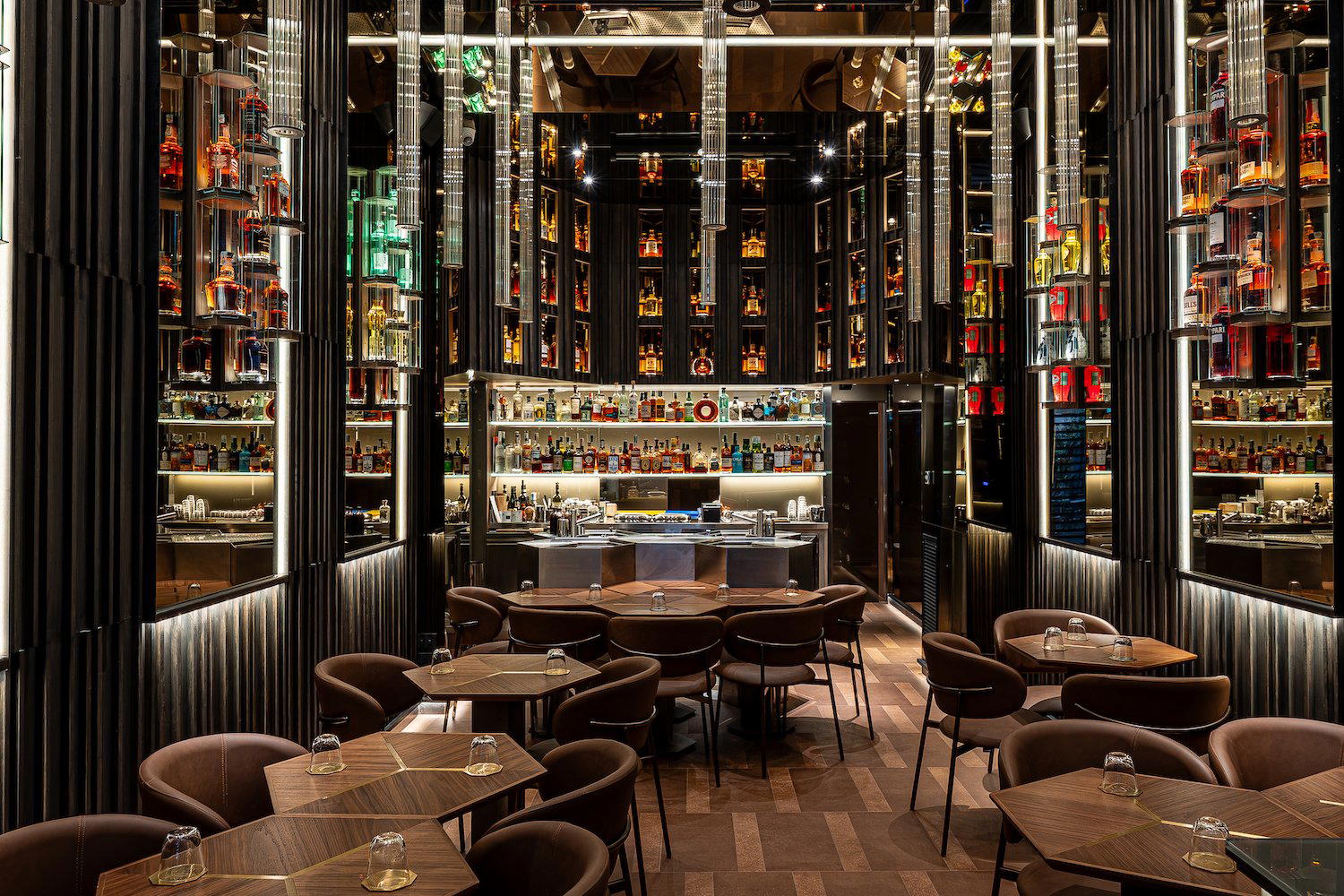
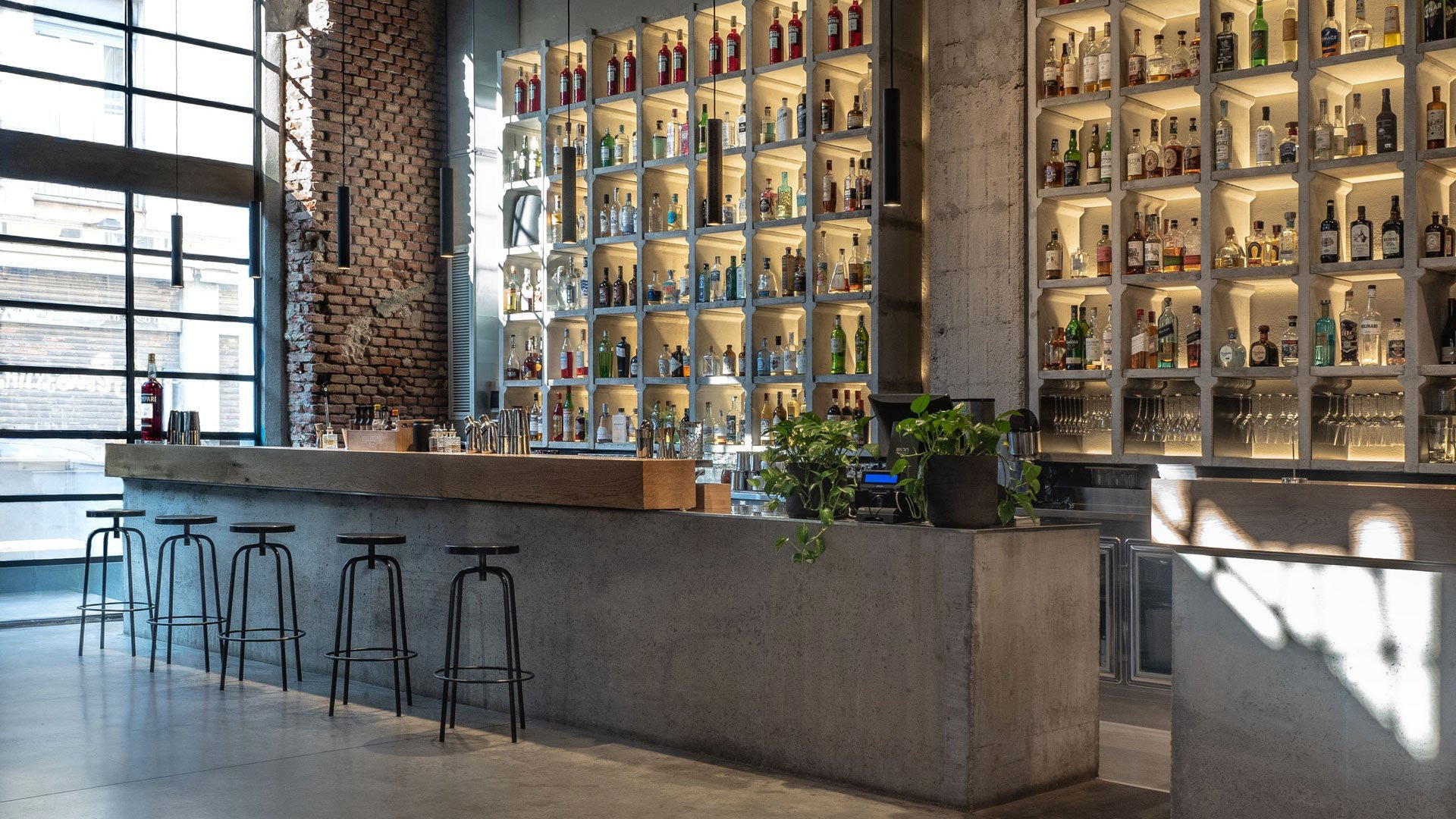
Hotels in Sant'Omobono Terme
Browse all →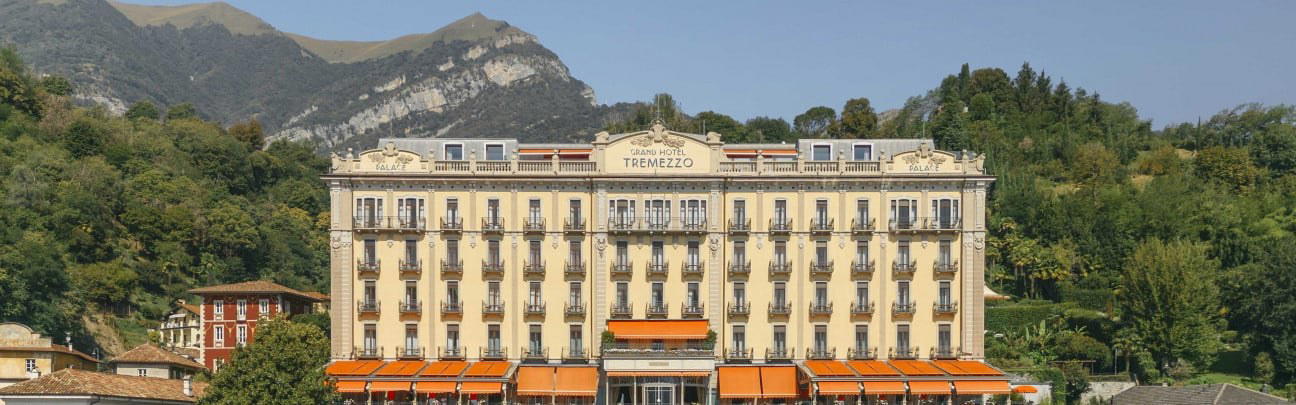

At a Glance
- Elegant
- Cozy
- Intimate
- Sophisticated
- Minimalist
- Date Night
- Special Occasion
- Historic Building
- Extensive Wine List
- Local Sourcing
Current opening hours
- Monday
- Closed
- Tuesday
- Closed
- Wednesday
- 12–2:30 PM, 7:30–10:30 PM
- Thursday
- 12–2:30 PM, 7:30–10:30 PM
- Friday
- 12–2:30 PM, 7:30–10:30 PM
- Saturday
- 12–2:30 PM, 7:30–10:30 PM
- Sunday
- 12–2:30 PM, 7:30–10:30 PM
Hours can change for holidays and private events. Last verified .
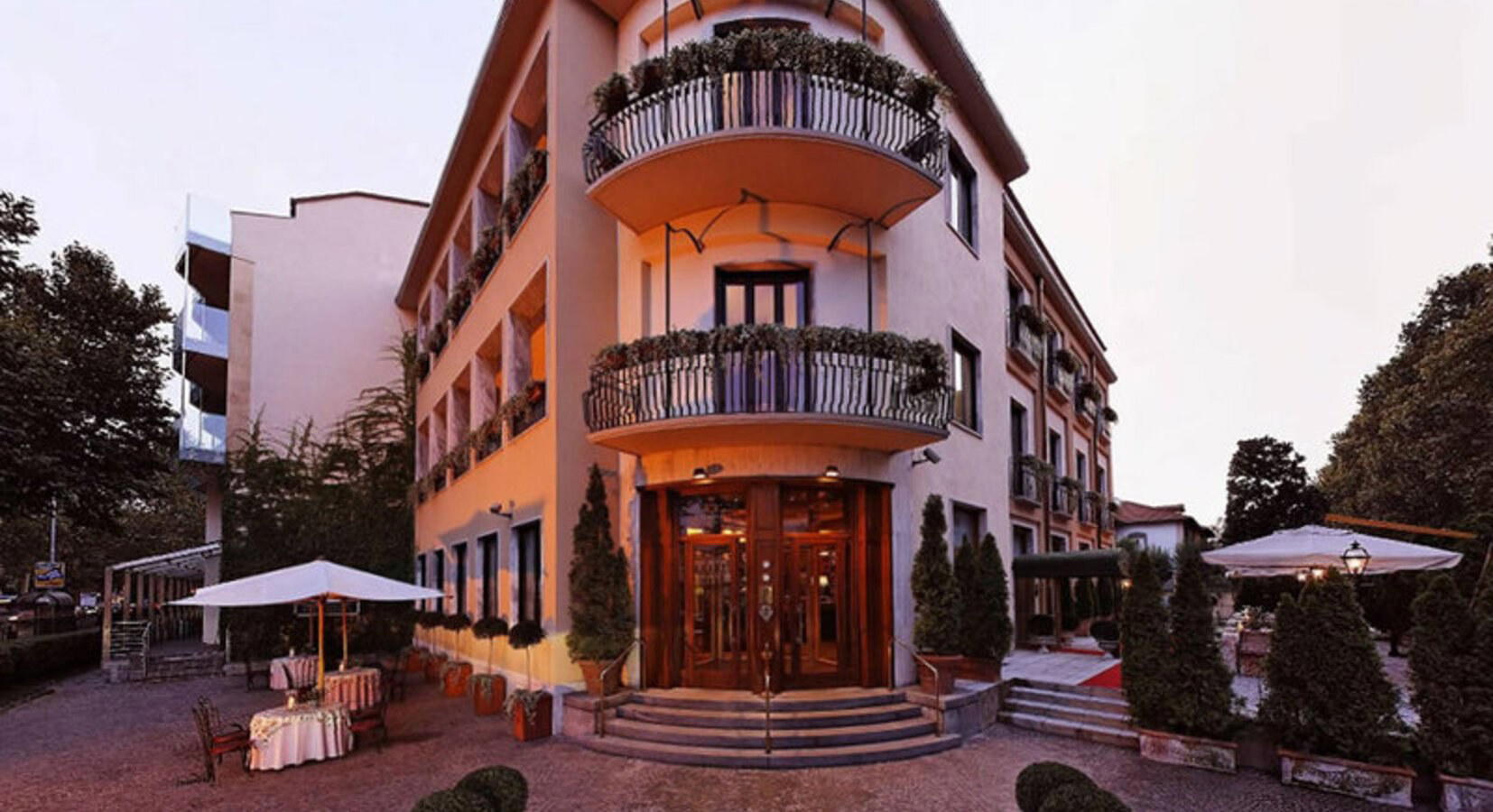
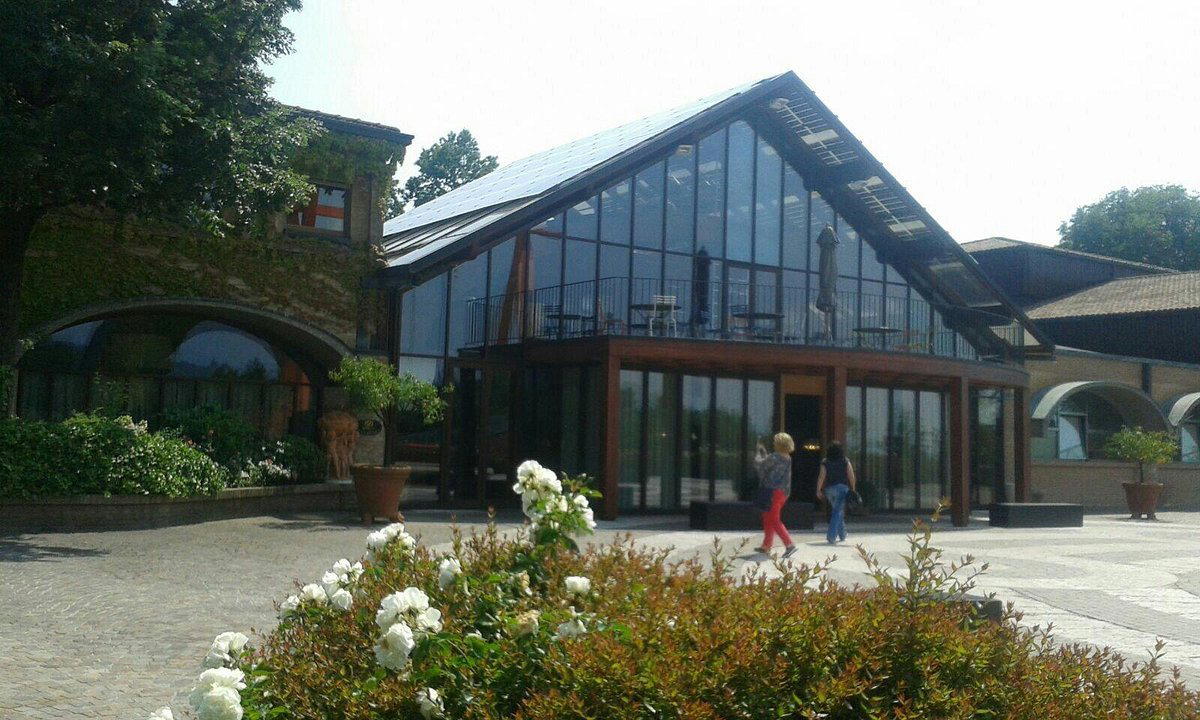
Welcoming and elegant with tasteful minimalist design, relaxed friendly atmosphere, and professional service.