Antica Osteria La Rampina

A Michelin Plate-recognised osteria on the southern edge of Milan, Antica Osteria La Rampina occupies a courtyard with documented Napoleonic-era history and serves Lombardian cooking that holds traditional regional flavour alongside considered modern technique. At the €€€ price point, it sits in a mid-premium tier that rewards diners who prefer rootedness over showmanship.
Pearl is the En Primeur Club membership app — saves, bookings, and concierge access live there. Same editors, same standards.
- Address
- Via Rocca Brivio, 20098 San Giuliano Milanese MI, Italy
- Phone
- +39 02 983 3273
- Website
- rampina.it
- Directions
- Get directions
 Saves & bookings on Pearl
A Courtyard South of Milan, and What Grows Around It
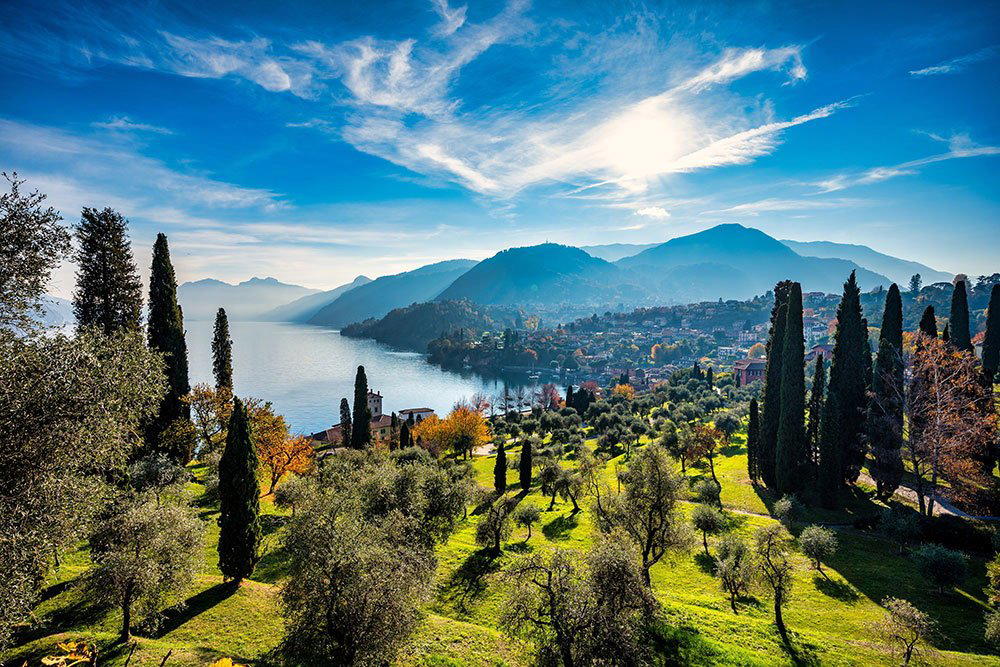
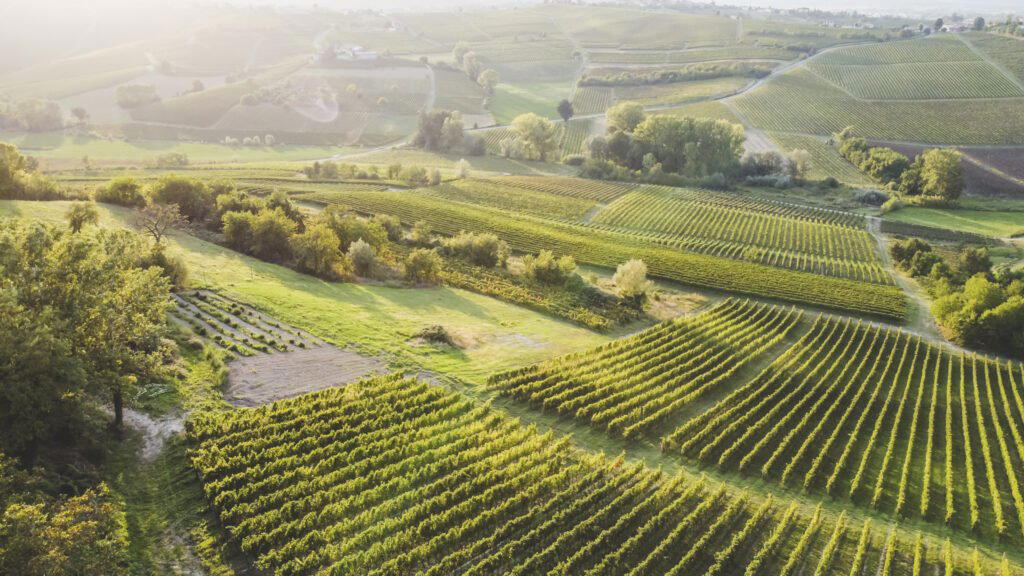
The road south from Milan toward San Giuliano Milanese pulls away from the city's industrial margins into flatter, quieter agricultural ground. This is the Po Plain's northern edge, where Lombardian cooking has historically drawn from the land rather than the sea: risotto finished with local dairy, braised meats from the surrounding farmsteads, produce shaped by the irrigated fields that have defined the area's agriculture for centuries. Antica Osteria La Rampina sits in that landscape, in a courtyard that carries a longer history than most Italian restaurants would claim. General Radetzky's troops camped directly in front of this courtyard during the Five Days of Milan rebellion in 1848. The building predates the unified Italian republic, and the cooking that comes out of its kitchen is shaped, in part, by that continuity with place.
Ingredient Sourcing as the Underlying Argument
Lombardian cooking at its most coherent is an argument about proximity. The cuisine's foundational dishes, ossobuco, risotto alla Milanese, cassoeula, are built on ingredients that the region produces rather than imports. What distinguishes the better osterie in the broader Milan orbit from their urban counterparts is the shorter distance between source and plate. In a city restaurant, the supply chain is often indistinguishable from any other European capital. On the southern periphery, with farmland within a few kilometres, the argument for local sourcing is structural rather than marketing-driven.
La Rampina's menu, guided by Lino and his son Luca, operates within this framework. The balance the kitchen strikes between traditional Lombardian flavour and technical innovation is the kind of positioning that the Michelin Plate, awarded consecutively in 2024 and 2025, tends to flag in restaurants where the cooking is consistent and regionally grounded without reaching for the abstraction that drives higher recognition. The Plate is a recognition signal: this is a kitchen where the food warrants attention. In the context of northern Italian dining, where the Michelin hierarchy concentrates its star allocations at addresses like Enrico Bartolini in Milan or Dal Pescatore in Runate, both operating at the €€€€ level with transformative ambitions, La Rampina's €€€ positioning represents a different contract with the diner.
Where La Rampina Sits in the Regional Hierarchy
Italy's Michelin-starred tier is well-mapped. At the summit of the northern Italian bracket sit addresses like Osteria Francescana in Modena, Le Calandre in Rubano, and Piazza Duomo in Alba, restaurants where the tasting menu format is the primary vehicle and the creative distance from tradition is part of the proposition. Further south, Enoteca Pinchiorri in Florence and Reale in Castel di Sangro operate in similarly rarefied tiers. La Rampina's comparable set is different: it belongs to the category of recognised regional osterie that compete on depth of tradition and sourcing integrity rather than on creative ambition or theatrical presentation.
The Lombardian comparison set is relevant here. Al Gambero in Calvisano and 85 Bistrot in Sesto San Giovanni operate in broadly adjacent territory. Across Italy's mid-to-premium osteria category, the differentiating factors tend to be provenance transparency, generational kitchen continuity, and the relationship between the dining room and the physical setting. La Rampina's documented history and its courtyard environment place it in a cohort where setting and sourcing reinforce each other.
For diners oriented toward the upper end of Italian cooking, addresses like Uliassi in Senigallia, Quattro Passi in Marina del Cantone, or Casa Perbellini 12 Apostoli in Verona, La Rampina occupies a complementary rather than competing position. It is the kind of restaurant you visit when the premise is Lombardian cooking in a historically resonant setting, not when the premise is culinary spectacle.
The Setting and What It Tells You About the Experience
Arriving at La Rampina means leaving the main Milan-Lodi corridor and finding a building that presents itself through its courtyard rather than a city-centre façade. The surrounding nature that the venue's own records emphasise is part of the dining proposition: this is a restaurant where the relationship between the building and the agricultural land around it remains legible. That context is not incidental to the food. Lombardian cooking, particularly at its more traditional end, is most coherent when the physical environment reinforces the sourcing story. The €€€ price range positions the meal for diners willing to commit to a proper table rather than a quick lunch.
At that volume, a 4.5 is difficult to maintain through marketing alone; it reflects repeated visits and reliable kitchen output across different seasons and services.
Planning a Visit
San Giuliano Milanese sits roughly 12 kilometres south of Milan's city centre, accessible by regional rail or car. The restaurant's address is Via Rocca Brivio, 20098 San Giuliano Milanese. The Atelier Moessmer Norbert Niederkofler in Brunico represents the upper end of the northern Italian regional tradition if a higher-format comparison is useful for trip planning.
Questions Worth Asking Before You Go
- Does Antica Osteria La Rampina work for a family meal?
- At €€€ in San Giuliano Milanese, yes, the setting and format suit a longer family table rather than a quick urban dinner.
- Is Antica Osteria La Rampina better for a quiet night or a lively one?
- If the premise is a relaxed, unhurried evening in a historically grounded courtyard setting, it fits. The Michelin Plate recognition and €€€ positioning signal a room that takes the food seriously; if you are arriving expecting the energy of a city-centre trattoria, recalibrate. A quiet, well-paced dinner is the stronger match.
- What do people recommend at the restaurant?
- The kitchen's stated direction is Lombardian cuisine with traditional grounding and measured innovation, guided by Lino and Luca. In that context, the expectation is regionally rooted dishes rather than experimental ones.
Comparison Snapshot
Comparable venues nearby, for context on price, style, and recognition.
| Venue | Cuisine | Price | Awards | Notes |
|---|---|---|---|---|
| Antica Osteria La RampinaThis venue — the venue you are viewing | Modern Lombardian Osteria | $$$ | Michelin Plate | Not listed |
| Botero | Modern Italian Seafood & Lombard | $$$ | Michelin Plate | Centro Storico |
| Il Capestrano | Traditional Abruzzo Cuisine | $$$ | Michelin Plate | Scalo Romana |
| Remulass | Modern Italian Vegetable-Forward Bistro | $$$ | Michelin Plate | Buenos Aires - Porta Venezia - Porta Monforte |
| Hosteria del Platano | Traditional Italian Lake Fish | $$$ | Michelin Plate | Fiumelatte |
| La Perla | Italian Seafood | $$$ | Michelin Plate | Piazza della Motta |
Recognition history
Dated appearances from independent guides and award organizations, with the underlying list record or original source where available.
Michelin Plate
Michelin
Michelin Plate
Michelin
Michelin Plate
Michelin
Continue exploring
More in San Giuliano Milanese
Restaurants in San Giuliano Milanese
Browse all →
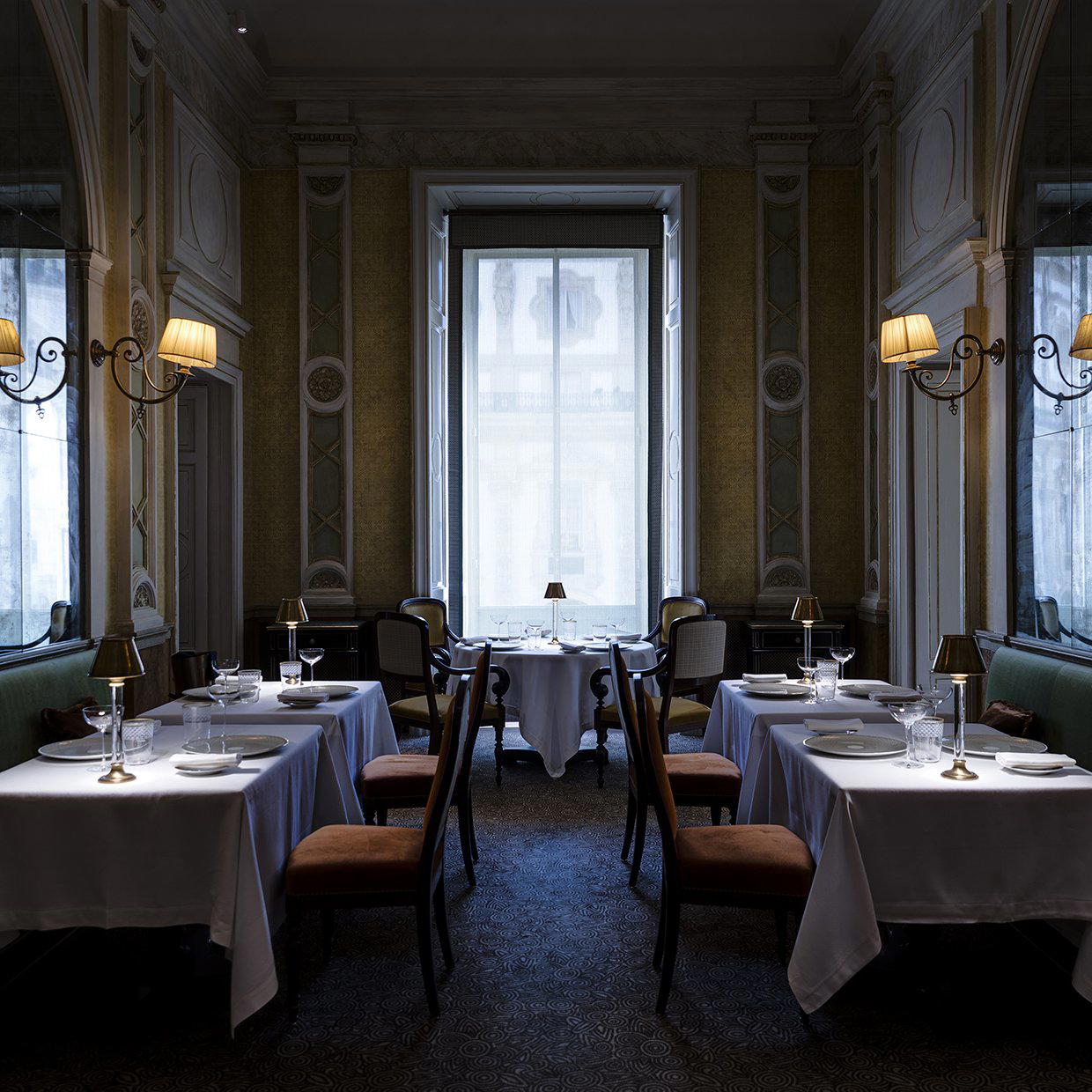
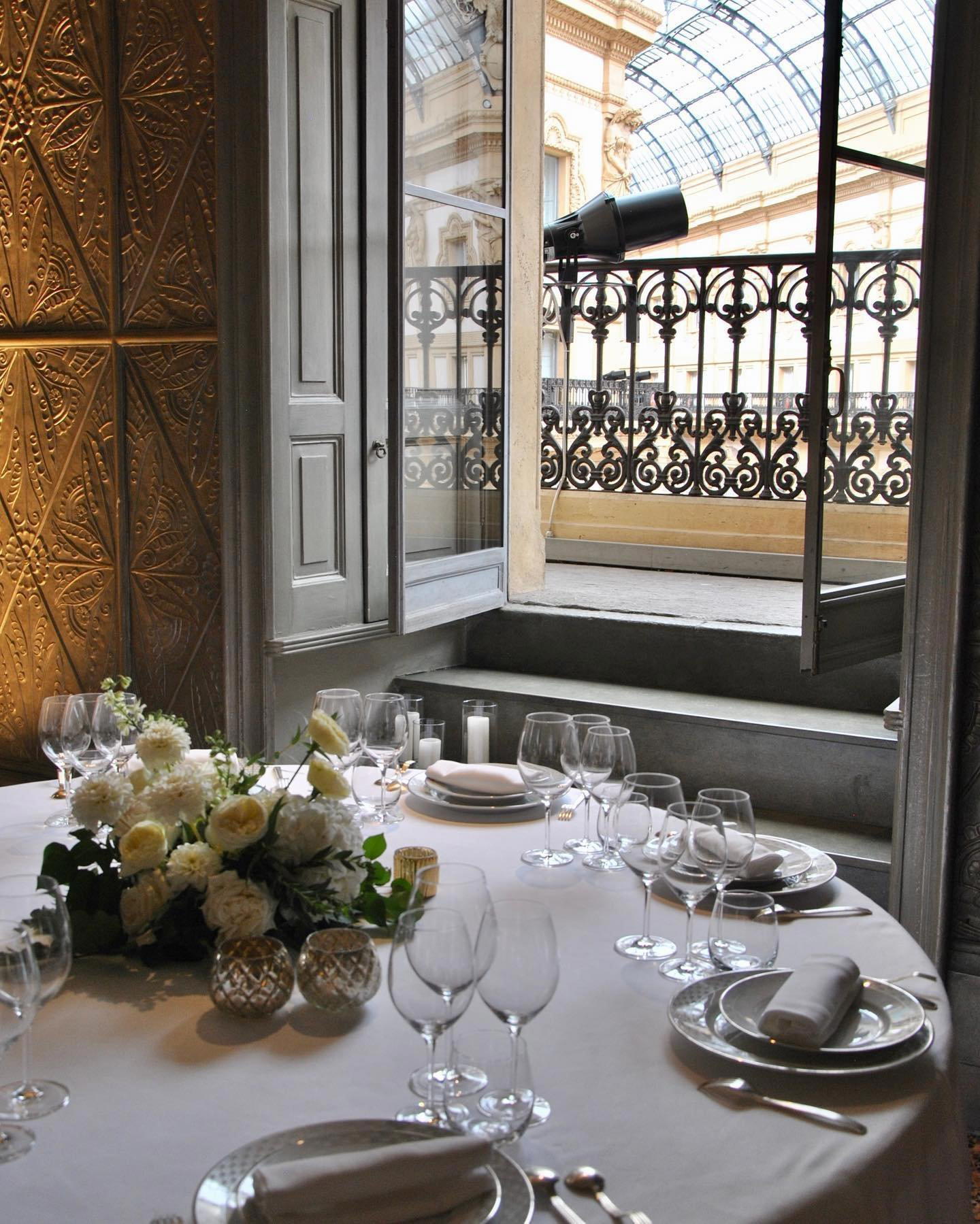
Bars in San Giuliano Milanese
Browse all →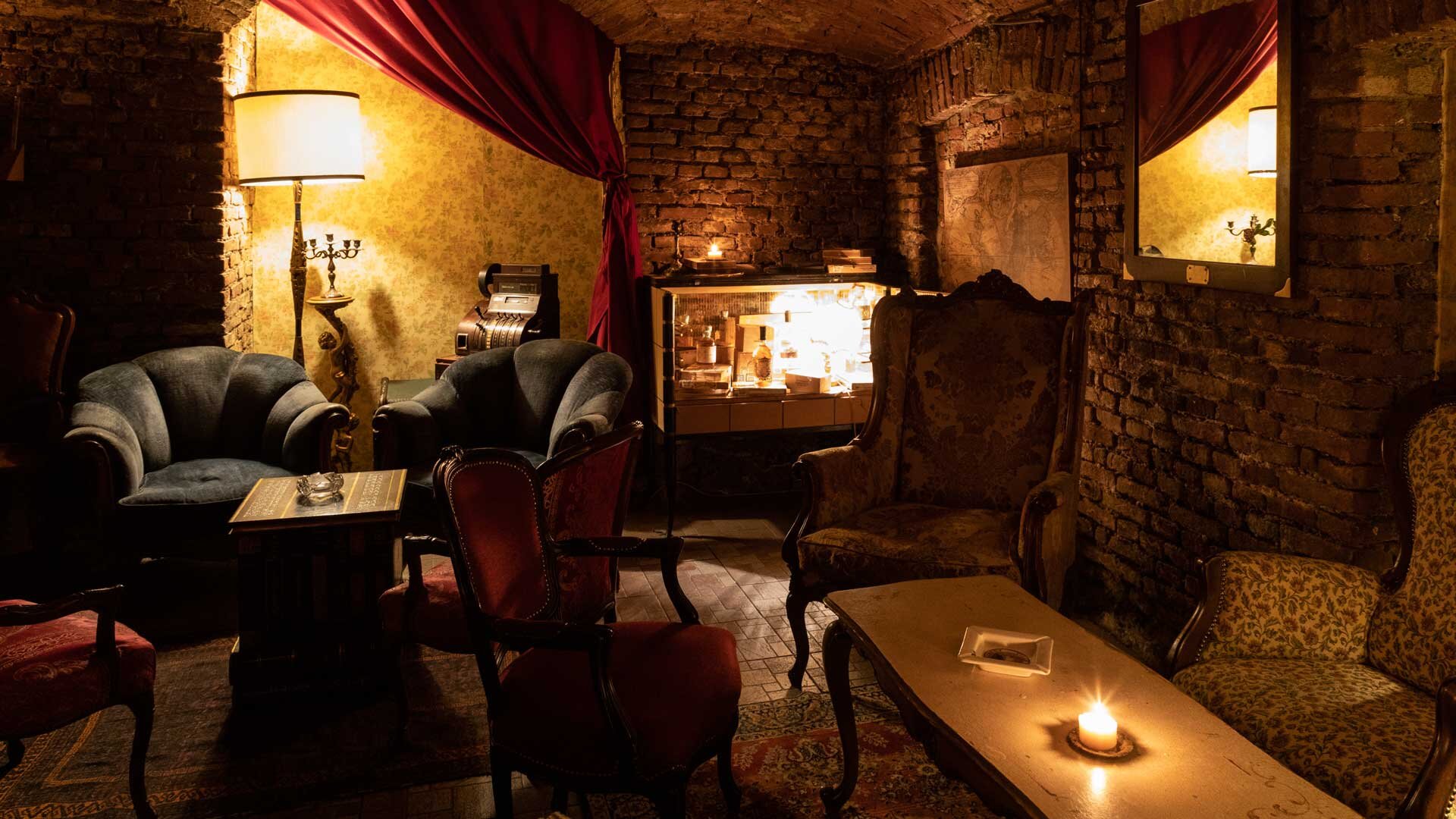
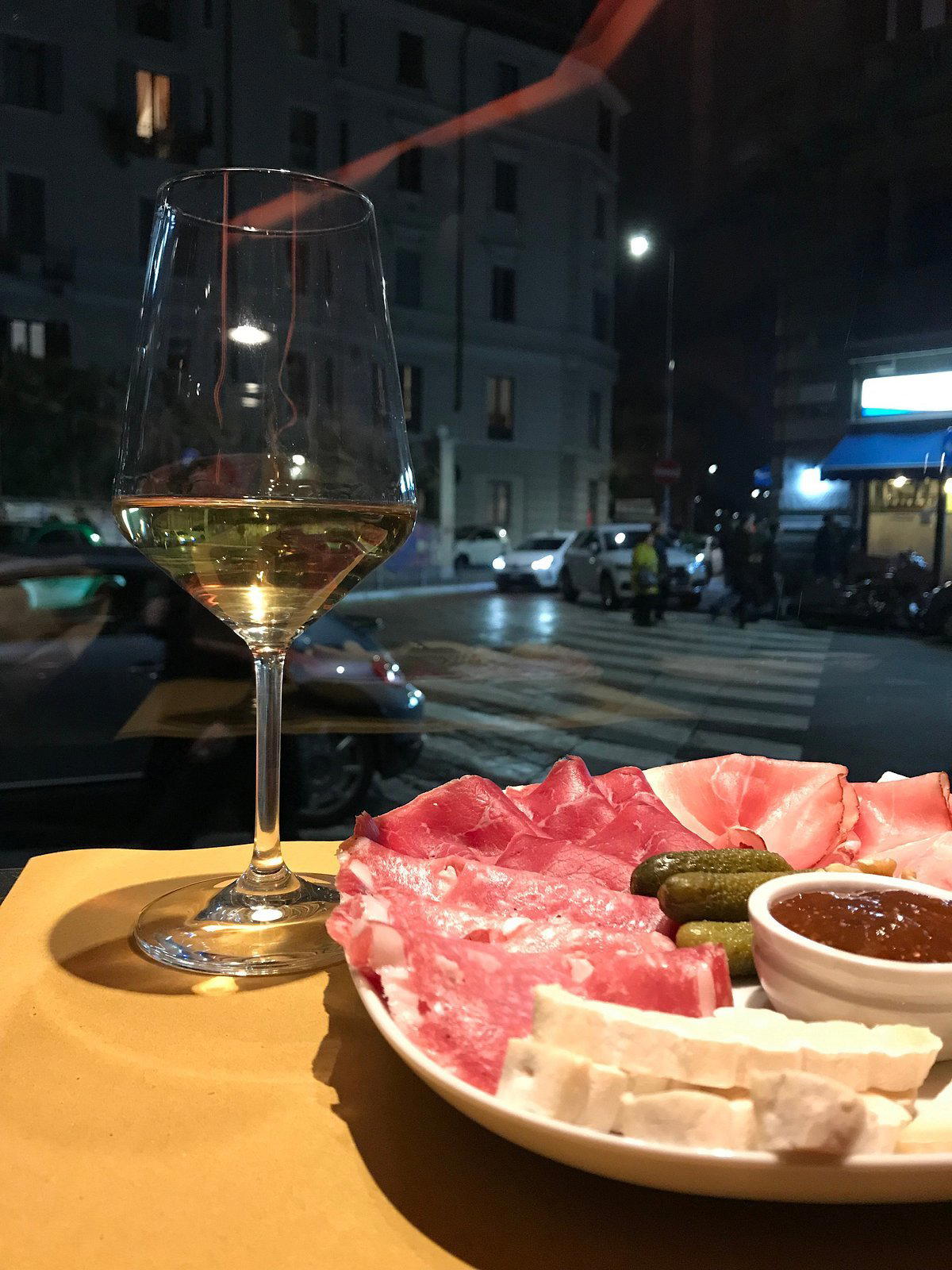
Hotels in San Giuliano Milanese
Browse all →
Wineries in San Giuliano Milanese
Browse all →
At a Glance
- Rustic
- Classic
- Cozy
- Elegant
- Date Night
- Family
- Group Dining
- Special Occasion
- Garden
- Historic Building
- Extensive Wine List
- Local Sourcing
- Garden
Current opening hours
- Monday
- 12–3 PM, 7:30–11 PM
- Tuesday
- 12–3 PM, 7:30–11 PM
- Wednesday
- Closed
- Thursday
- 12–3 PM, 7:30–11 PM
- Friday
- 12–3 PM, 7:30–11 PM
- Saturday
- 12–3 PM, 7:30–11 PM
- Sunday
- 12–3 PM, 7:30–11 PM
Hours can change for holidays and private events. Last verified .
Rustic charm blended with modern comfort in a historic farmhouse setting, featuring a pleasant garden and warm attentive service.