
A long-established address on the edge of Sondrio, Trippi earns consecutive Michelin Plate recognition (2024, 2025) for its grounded approach to Valtellina cooking. Under Gianluca's direction for the past decade, traditional regional dishes sit alongside occasional Mediterranean inflections, backed by a serious local wine list and a takeaway counter stocked with area cheeses and bottles.
Pearl is the En Primeur Club membership app — saves, bookings, and concierge access live there. Same editors, same standards.
- Address
- Via Stelvio, 297, 23020 Montagna in Valtellina SO, Italy
- Phone
- +39 0342 615584
- Website
- ristorantetrippi.it
- Directions
- Get directions
 Saves & bookings on Pearl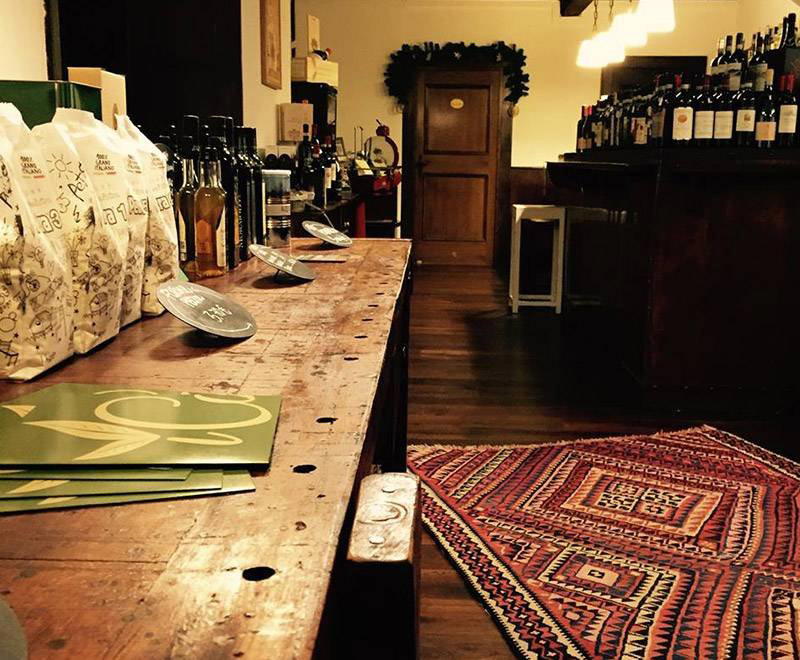
Where the Valley Puts Its Ingredients on the Table
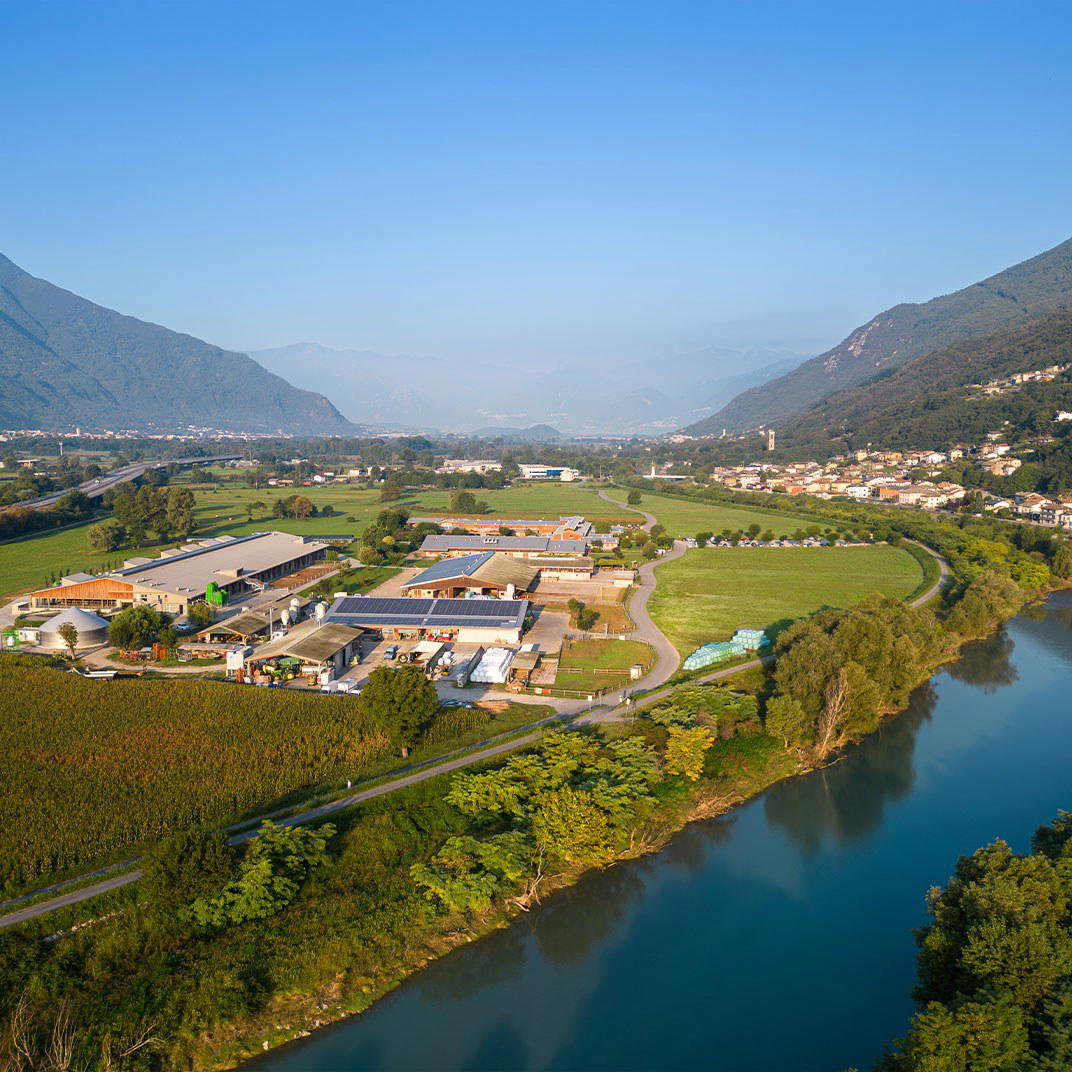
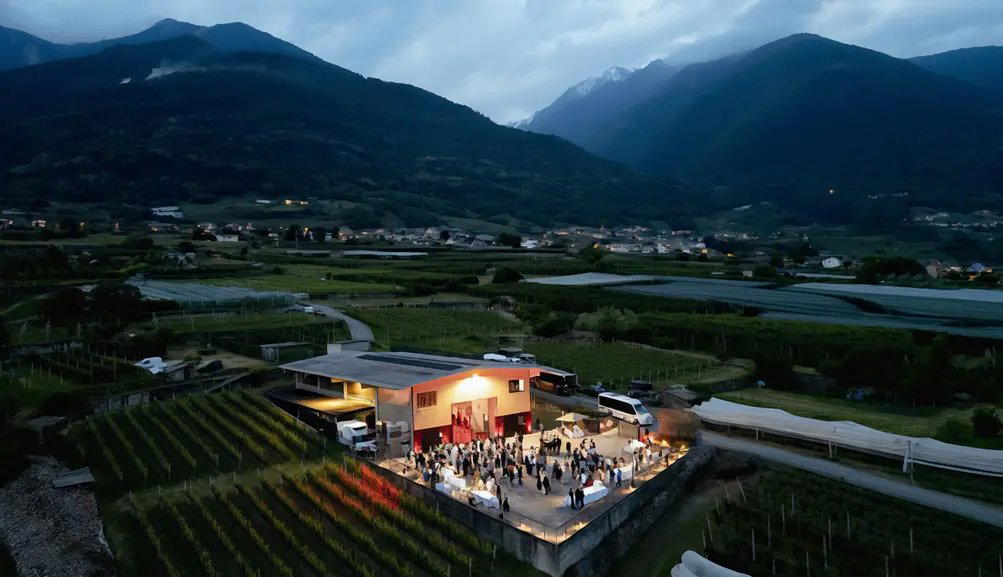
The road out of Sondrio toward the Stelvio pass is lined with small producers and agricultural holdings. Trippi sits on Via Stelvio in Montagna in Valtellina, a short distance from the provincial capital, and the setting frames the cooking before a plate arrives. Trippi sits on Via Stelvio in Montagna in Valtellina, a short distance from the provincial capital, and the setting frames the cooking before a plate arrives. This is the Valchiavenna-adjacent edge of Lombardy, where the Alps compress the growing season, define what can be cultivated, and ultimately determine what lands on the menu.
Valtellina's culinary identity is unusually coherent for a northern Italian valley. Buckwheat grows where wheat cannot; bresaola is cured from beef that grazes on high-altitude pasture; Casera and Bitto cheeses carry PDO status that ties them to specific elevation bands and traditional production methods. The cooking that emerges from these constraints is not merely rustic. It is ingredient-specific in a way that the broader Italian north rarely matches at a comparable price tier. At Trippi, rated €€ and holding the Michelin Plate in both 2024 and 2025, that ingredient logic is the organising principle of the menu rather than an incidental footnote.
The Sourcing Argument for Eating Here
Houses such as Osteria Francescana in Modena, Enrico Bartolini in Milan, and Enoteca Pinchiorri in Florence operate at a price point and level of technical ambition that puts them in a different competitive set entirely. Even relative to the mountain-cooking tradition represented by Atelier Moessmer Norbert Niederkofler in Brunico, or the Lombard pastoral register of Dal Pescatore in Runate, Trippi occupies a different register: accessible, valley-rooted, and priced for locals as much as for visitors.
That accessibility is part of the point. Ingredients like Valtellina Casera DOP and Bitto Storico are expensive by any measure, and restaurants at higher price points in northern Italy often use them as premium accents. Here, they are foundational. The valley's bresaola tradition, which uses air-drying techniques dating back centuries and relies on the specific dry-cold airflow off the Rhaetian Alps, produces a product difficult to replicate at lower altitudes. When a kitchen is physically embedded in that production zone, the supply chain shortens in ways that affect both quality and the seasonal rhythm of the menu.
The occasional Mediterranean inflection that Gianluca introduces into this repertoire is worth noting not as a digression but as a considered calibration. Mountain cooking traditions, when left entirely to their own logic, can close in on themselves. A careful olive oil or a citrus note used against Valtellina's deeper, earthier base flavours opens the cooking without displacing what defines it. This is a different instinct from the progressive reinvention practised at addresses such as Piazza Duomo in Alba or Reale in Castel di Sangro. It is adjustment rather than transformation, and the Michelin Plate, awarded in consecutive years, suggests the calibration is working.
The Lunch Format and the Takeaway Counter
The structure of eating at Trippi rewards a degree of planning. A simpler, shorter menu operates at lunchtime, making a midday visit the more accessible entry point for those passing through on the Stelvio road or moving between the valley and the upper Adda villages. Google's 4.5-star average across 711 reviews points to consistent execution across both services, a harder signal to sustain than a single peak-night rating.
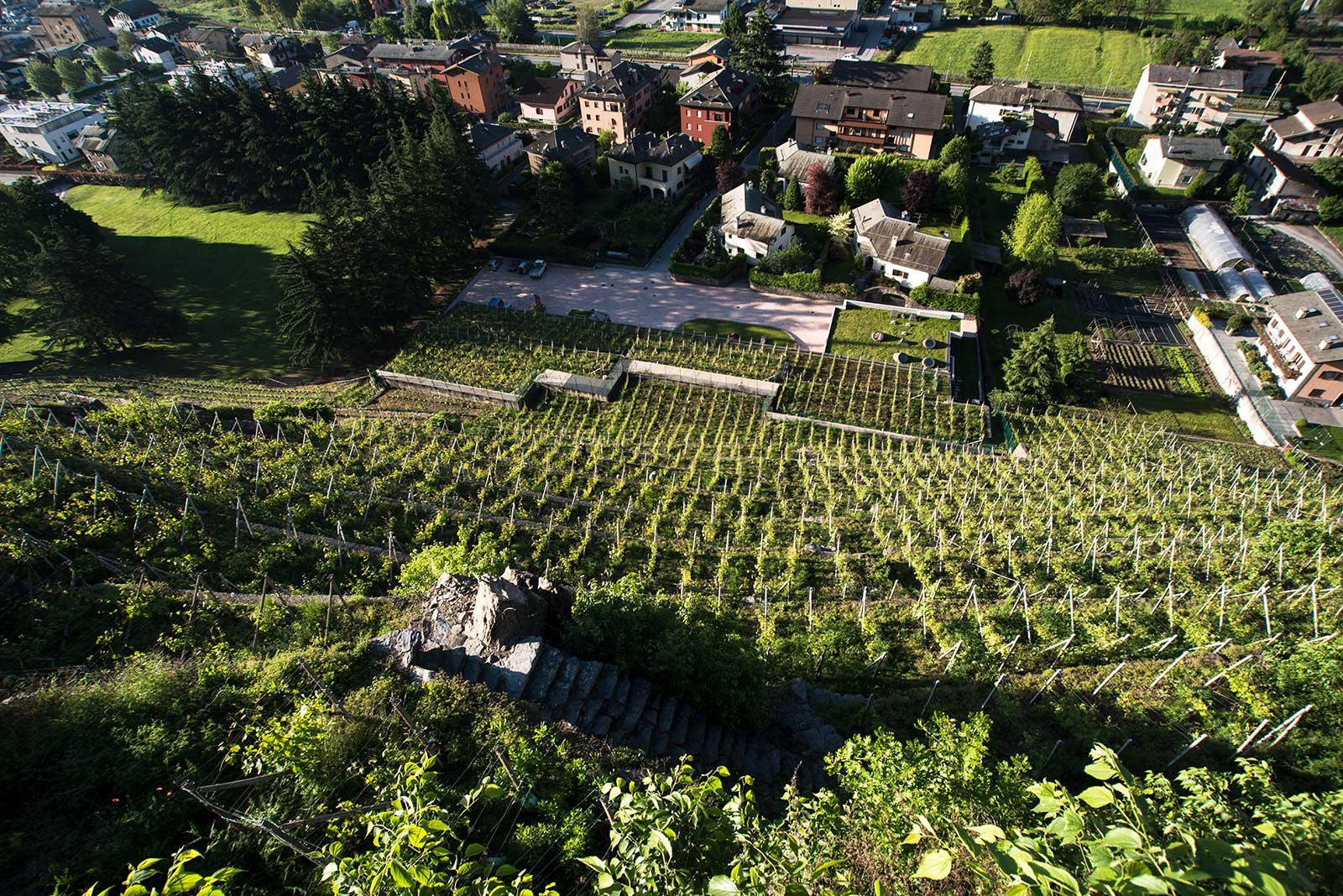
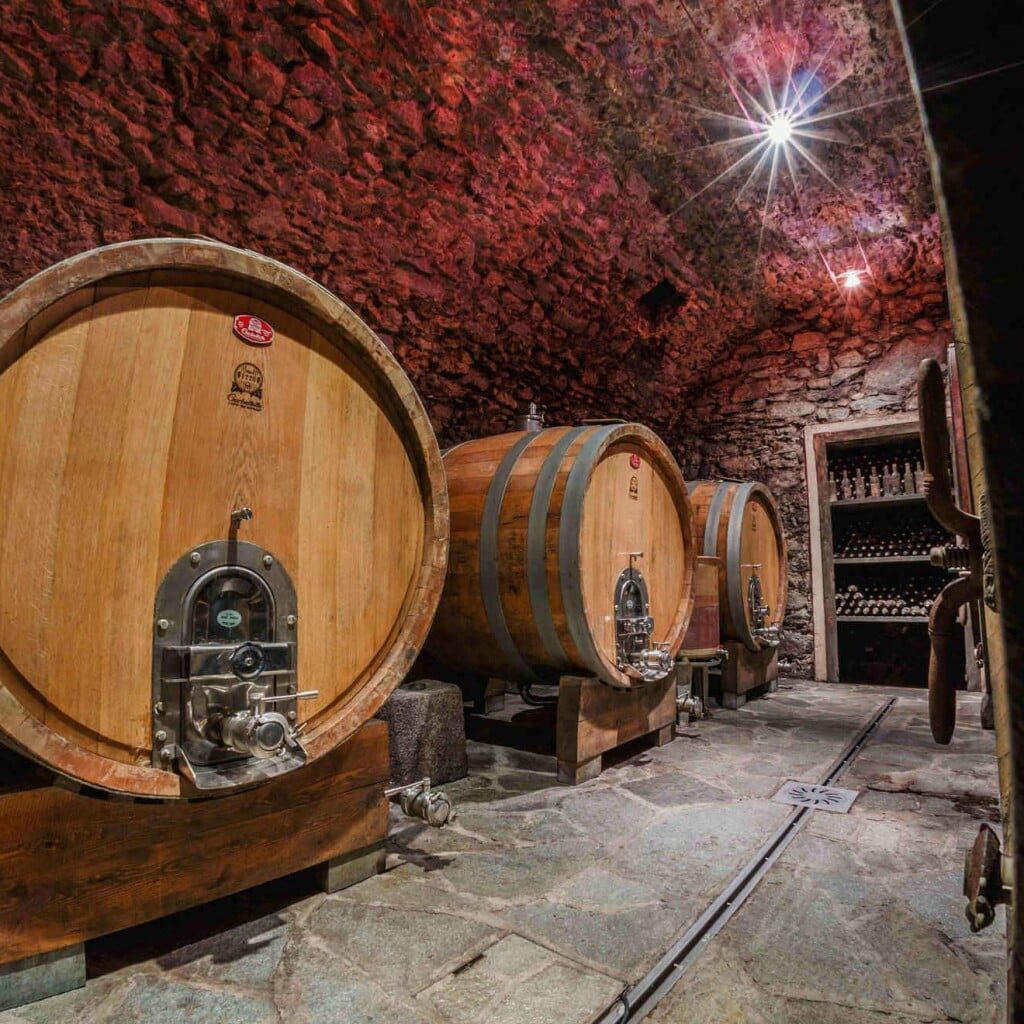
Takeaway section near the entrance, stocked with local wines and cheeses at retail prices, functions as a secondary proposition that reinforces the venue's relationship with its supply base. It is a common format at this tier of Valtellina restaurant, where the line between dining room and producer-showcase has always been permeable. For visitors, it doubles as a practical stop: Valtellina's wine production, centred on Nebbiolo grown on the terraced slopes of the Sassella, Grumello, Inferno, and Valgella subzones, is poorly distributed outside the region, and acquiring bottles at source remains one reliable route.
In the context of Valtellina cuisine, Trippi sits within a small peer group. Altavilla in Bianzone and Crotasc in Mese work the same regional canon from different positions in the valley. Each reflects a slightly different altitude, microclimate, and production emphasis. Taken together, they form a coherent picture of how Valtellina cooking functions across its geography rather than being reducible to a single address. For visitors spending more than a day in the area, reading these restaurants against each other is more instructive than treating any one as definitive.
Planning a Visit
Trippi is located at Via Stelvio 297 in Montagna in Valtellina, a municipality that falls within the Sondrio province. The address is accessible by road from central Sondrio in a short drive, making it practical either as a standalone destination or as part of a wider valley itinerary. The €€ price tier places it comfortably within the range of a midweek lunch or a dinner without special-occasion economics. Reservations are recommended, and the restaurant is closed on Thursdays and Sundays.
The wine infrastructure in particular is worth engaging before or after a meal at Trippi, since the Nebbiolo-based reds of the Valtellina Superiore DOCG form a natural pairing reference for the cuisine and are most legibly understood when tasted in their production zone.
Italy's wider table of reference, including addresses such as Quattro Passi in Marina del Cantone, Uliassi in Senigallia, Le Calandre in Rubano, and Casa Perbellini 12 Apostoli in Verona, operates at a different tier and with a different set of ambitions. Trippi's claim on a visitor's attention is not that it competes with that cohort but that it does something the starred tier cannot by definition replicate: it cooks the valley's ingredients in the valley, at prices that make the visit repeatable, with the kind of accumulated local knowledge that a decade under consistent direction tends to produce.
Comparable Venues
Comparable venues nearby, for context on price, style, and recognition.
| Venue | Cuisine | Price | Awards | Notes |
|---|---|---|---|---|
| TrippiThis venue — the venue you are viewing | Modern Valtellina Italian | $$$ | Michelin Plate | Not listed |
| Il Poggio | Valtellina Country Cooking | $$$ | Michelin Plate | Poggiridenti |
| Josef Stube | Modern Country Cooking | $$$ | Michelin Plate | Madonna di Senales |
| Da Giacomo | Modern Lombard Italian | $$$ | Michelin Plate | Pizzighettone |
| Il Marchese - Osteria Mercato Liquori | Roman Trattoria with Art Deco Elegance | $$$ | Michelin Plate | Brera |
| Kro | Modern Alpine Italian | $$$ | Michelin Plate | Temù |
Recognition history
Dated appearances from independent guides and award organizations, with the underlying list record or original source where available.
Michelin Plate
Michelin
Michelin Plate
Michelin
Michelin Plate
Michelin
Continue exploring
More in Sondrio
Restaurants in Sondrio
Browse all →
Bars in Sondrio
Browse all →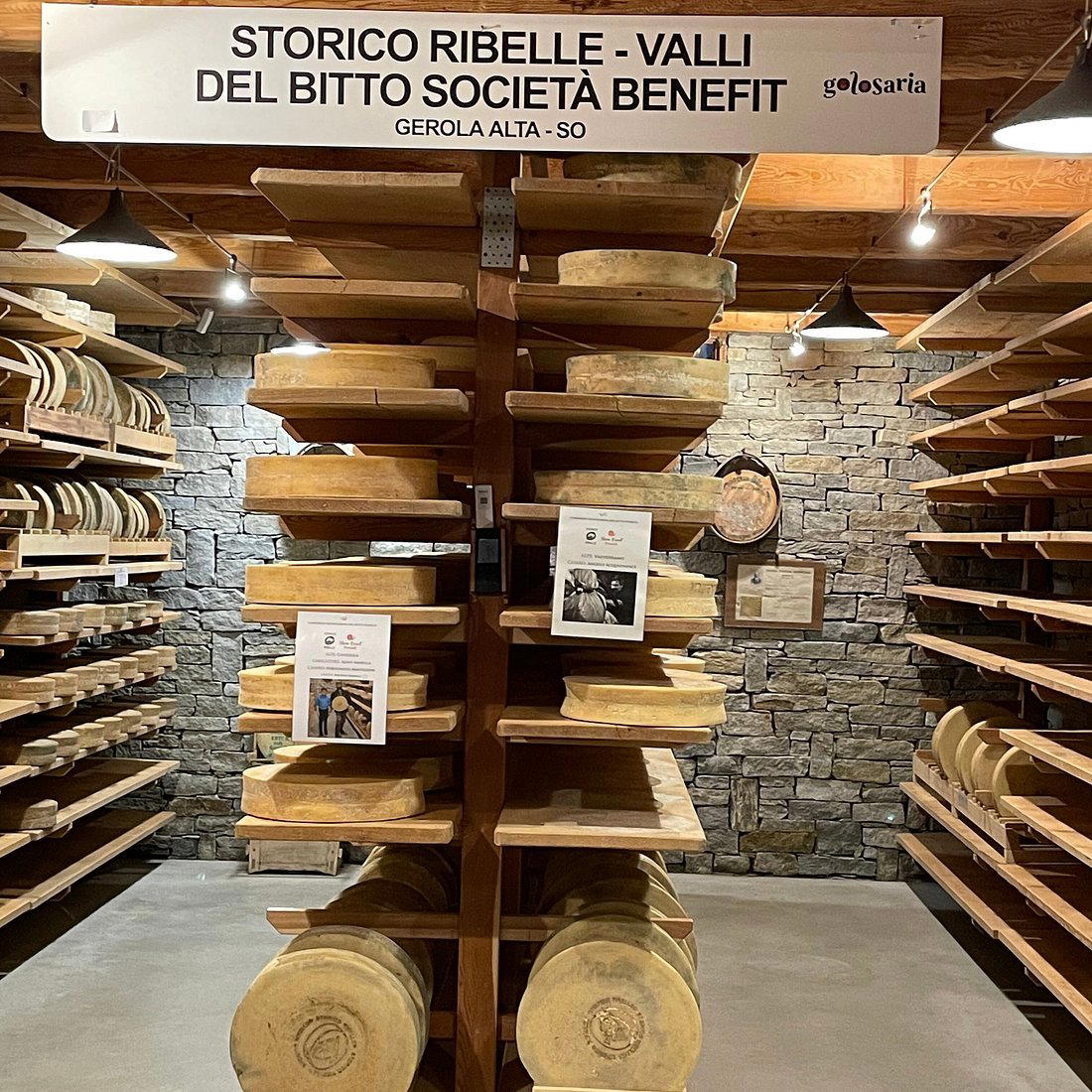

Hotels in Sondrio
Browse all →

At a Glance
- Elegant
- Rustic
- Intimate
- Sophisticated
- Date Night
- Special Occasion
- Standalone
- Extensive Wine List
- Local Sourcing
Current opening hours
- Monday
- 12–3 PM, 7–10:30 PM
- Tuesday
- 12–3 PM, 7–10:30 PM
- Wednesday
- 12–3 PM, 7–10:30 PM
- Thursday
- Closed
- Friday
- 12–3 PM, 7–10:30 PM
- Saturday
- 12–3 PM, 7–10:30 PM
- Sunday
- Closed
Hours can change for holidays and private events. Last verified .
Unassuming yet elegant and sober atmosphere with detail-oriented frugal luxury, offering a genuine Italian experience.