


Operating from Ueno since 1905, Ponta Honke is one of Tokyo's most enduring yoshoku houses, now in its fourth generation under Chef Yoshihiko Shimada. Its Michelin Bib Gourmand recognition reflects what the restaurant has always done: hand-prepared Western-influenced Japanese cooking at a price point that prioritises access over ceremony. The lard-fried pork cutlet is the dish that defines the visit.
Pearl is the En Primeur Club membership app — saves, bookings, and concierge access live there. Same editors, same standards.
- Address
- 3 Chome-23-3 Ueno, Taito City, Tokyo 110-0005, Japan
- Phone
- +81 50-5492-8353
- Website
- g608200.gorp.jp
- Directions
- Get directions
 Saves & bookings on Pearl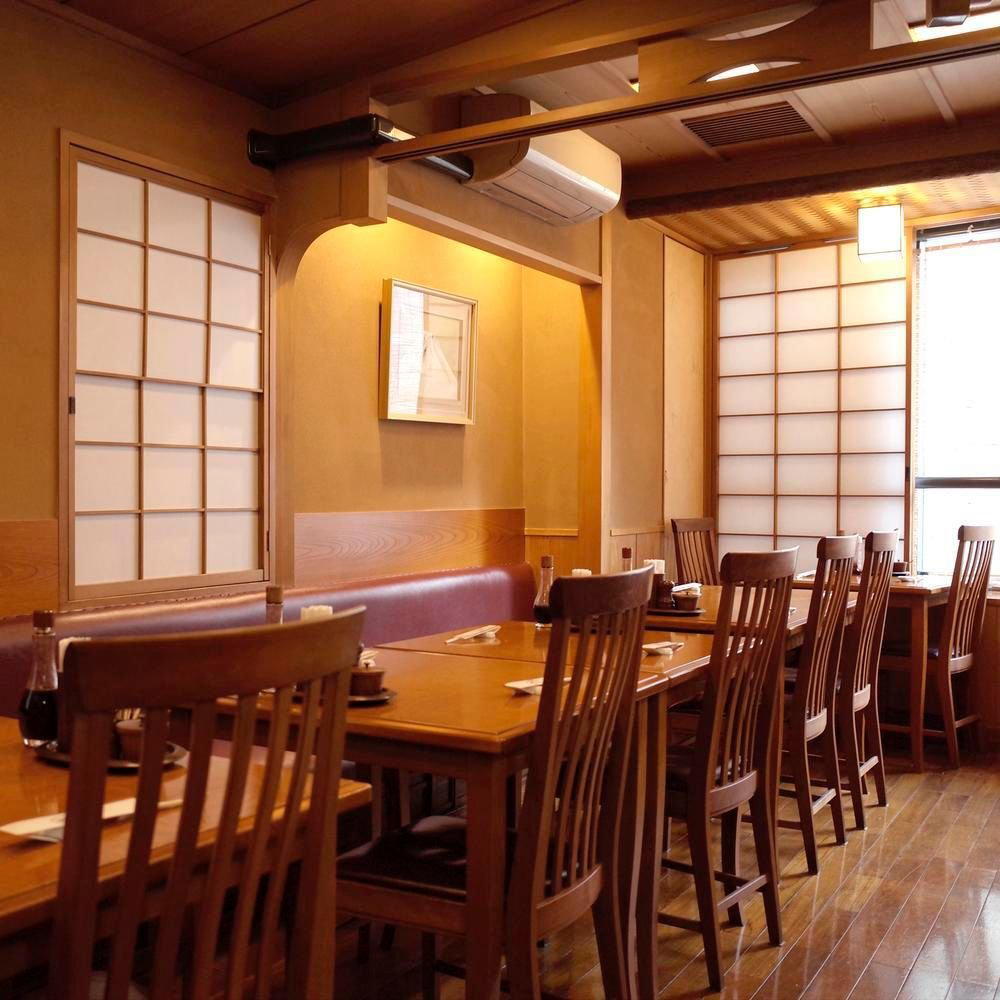
Lard, Cabbage, and Four Generations: Ueno's Yoshoku Anchor
The pork fat is trimmed by hand before the cutlet ever meets the oil. That detail, choosing lard rendered from the same pig being fried, rather than a neutral cooking oil, is a window into how Ponta Honke has operated. In a city where Western-influenced Japanese cooking has splintered into dozens of subgenres, from bistro-casual to omakase-priced, this Ueno house remains tethered to its original method. The oil is specific. The cabbage is chopped by hand. The continuity is not branding; it is the actual practice, carried across four generations of the Shimada family.
Yoshoku in Tokyo: A Tradition That Split Two Ways
Yoshoku, the category of Western-inflected Japanese dishes that took shape during the Meiji and Taisho eras, has always occupied an interesting position in Tokyo's food culture. It was never purely European, and it was never purely Japanese. Tonkatsu, omu-rice, hayashi rice, and korokke emerged as Japan absorbed Western cooking techniques and refracted them through local ingredients and sensibility. For much of the twentieth century, yoshoku was everyday food: affordable, filling, served in family-run dining rooms rather than white-tablecloth settings.
That positioning has shifted in both directions. Some Tokyo yoshoku houses have moved upmarket, charging premium prices for heritage recipes and artisanal sourcing. Others have drifted toward casualisation, absorbed into the izakaya format or replicated at chain scale. YŌSHOKU BISTRO TŌYAMA represents one contemporary iteration of the form, while Mejiro Shunkotei offers another point of comparison within Tokyo's mid-tier specialist dining scene. Ponta Honke sits apart from both: it has not repositioned itself, and its Michelin Bib Gourmand recognition in 2024 fits its price-to-quality logic. The Bib Gourmand is Michelin's signal for cooking that punches above its price bracket, and Ponta Honke's ¥¥ pricing places it well below the high-end Tokyo restaurant tier occupied by counters like Harutaka or tasting-menu houses like L'Effervescence.
The Atmosphere: Ueno's Working-District Register
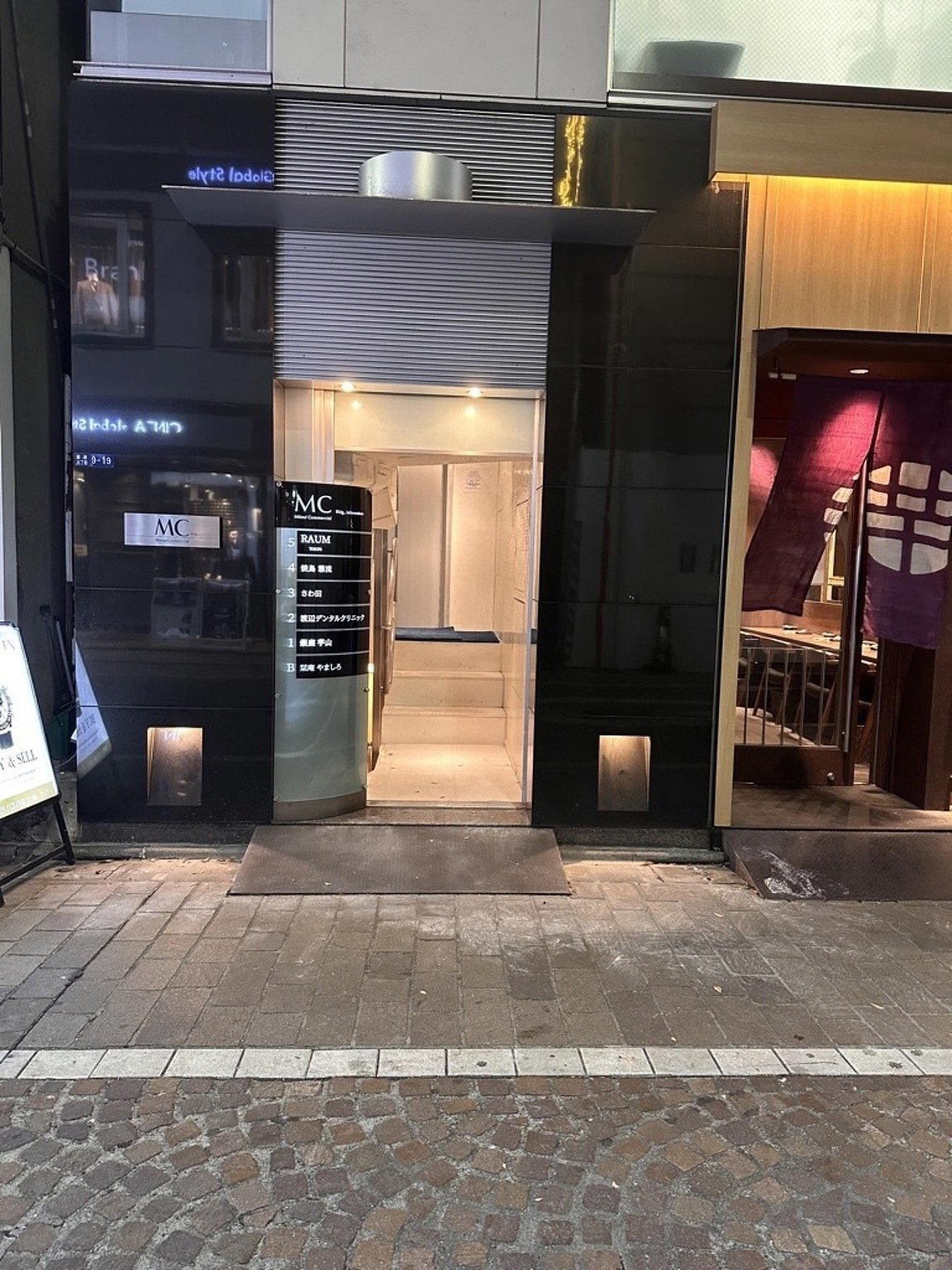
Ueno sets the tone before you arrive. The district is not the polished Minami-Aoyama or the quiet precision of Ginza. It is a working part of the city, home to Ueno Park, Ameyoko market, and a cluster of museums that draw domestic visitors as much as international ones. The restaurant sits at 3 Chome-23-3 Ueno in Taito City, embedded in a neighbourhood that has retained its Showa-era texture more than most central Tokyo areas.
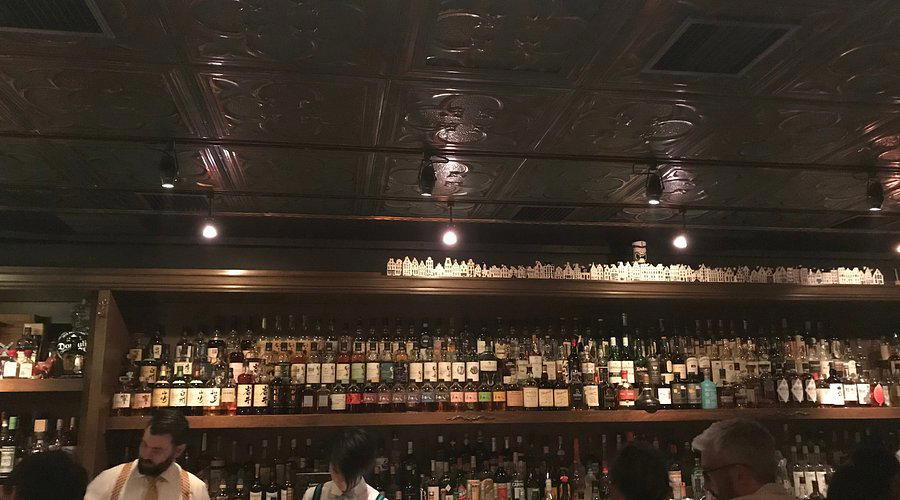
Inside, the atmosphere carries the specific quality of a family enterprise that has never needed to perform nostalgia because the original version remains intact. The room does not signal effort at curation. The sounds are those of a kitchen in use: oil at temperature, the dull thud of a cleaver against a cutting board, the rhythms of preparation that a four-generation house carries in its muscle memory. The smell arrives before the food does, rendered lard has a particular depth that vegetable oil lacks, a rounder, more animal warmth that clings to the air in a way that marks the cooking before you see it. These are not manufactured atmospherics; they are the byproducts of method.
2 across 1,159 reviews is a meaningful signal here. That volume of engagement from a mid-priced Ueno restaurant points to a broad, repeat customer base rather than a surge of first-time visitors drawn by a single media moment. The floor of opinion is stable.
The Cooking: What Hand-Work Means in Practice
Chef Yoshihiko Shimada is the fourth-generation custodian of the kitchen, and the Michelin notation is specific in what it credits: the hand-chopped cabbage, the lard carefully trimmed from the pork, the preparation done entirely by hand as it has been from the founding generation. These are not flourishes. In a city where kitchen efficiency and throughput often determine margins, this level of manual preparation at a ¥¥ price point is a structural choice that limits scale and protects quality.
The tonkatsu, the lard-fried pork cutlet that has anchored the menu across all four generations, is the dish that draws the sustained attention. The logic of frying in lard rendered from the same animal being cooked is old technique, not innovation. It produces a crust with more flavour depth than oil-fried alternatives because the fat carries the specific character of the protein itself. The hand-chopped cabbage served alongside is a detail that sounds minor until you consider what machine-shredded cabbage lacks in texture and moisture retention. These are choices made in service of a particular eating experience, and they are consistent across decades.
For those building a picture of how yoshoku sits across Japan's cities, KORISU in Kyoto and Yoshoku Izumi in Osaka offer regional comparisons in the same category. Tokyo's concentration of the form, from Ueno's older houses to newer interpretations like grill GRAND, makes the city a useful lens for tracing how yoshoku has evolved and, in the case of Ponta Honke, where it has held.
Placing Ponta Honke in Tokyo's Broader Dining Picture
Tokyo's restaurant culture is often discussed through its high-end tier: the Michelin-starred kaiseki houses, the omakase counters with multi-month waitlists, the French-influenced tasting menus that compete with their European counterparts for technical precision. That tier is real and substantial, but it does not represent how most Tokyoites eat with regularity. The Bib Gourmand category, which the restaurant holds, maps a different layer of the city's food culture: places where consistent quality and accessible pricing coexist, often in neighbourhoods that have not been gentrified into destination-dining districts.
For travellers building a Tokyo itinerary that moves across price points and traditions, the restaurant provides a register that the high-end tier cannot. The context of Ueno, its market culture, its museum cluster, its working-district energy, gives the meal a geographic specificity that a restaurant in Roppongi or Marunouchi could not replicate. The restaurant is, in that sense, inseparable from its postcode.
Planning Your Visit
The restaurant is located at 3 Chome-23-3 Ueno, Taito City, Tokyo 110-0005, placing it within easy reach of Ueno Station, one of Tokyo's major rail hubs with access to the JR Yamanote Line, the Tokyo Metro Ginza and Hibiya lines, and the Keisei line for Narita Airport connections. The ¥¥ price positioning means a meal here sits comfortably within a mid-range day budget. The restaurant is recommended for reservations. Hours are Mon: Closed; Tue: 11 AM-2 PM, 4:30-8:20 PM; Wed: 11 AM-2 PM, 4:30-8:20 PM; Thu: 11 AM-2 PM, 4:30-8:20 PM; Fri: 11 AM-2 PM, 4:30-8:20 PM; Sat: 11 AM-2 PM, 4:30-8:20 PM; Sun: 11 AM-2 PM, 4-8:20 PM.
A Tight Comparison
Comparable venues nearby, for context on price, style, and recognition.
| Venue | Cuisine | Price | Notes |
|---|---|---|---|
| Ponta HonkeThis venue — the venue you are viewing | Taitō, Traditional Japanese Tonkatsu | $$$ | Not listed |
| Negima | Toshima, Traditional Edomae Negima Nabe | $$$ | Not listed |
| Tempura Taku | Shinjuku, Tempura Specialty | $$$ | Not listed |
| Ginza Katsukami | Chūō, Tonkatsu Omakase | $$$ | Not listed |
| Shokudo Uyuki | Taitō, Seasonal Japanese Omakase | $$$ | Not listed |
| Kyoryori Aun | Not listed | $$$ | Shibuya, Kyoto-style Kaiseki with Dashi Focus |
Recognition history
Dated appearances from independent guides and award organizations, with the underlying list record or original source where available.
Michelin Bib Gourmand
Michelin
Opinionated About Dining Casual in Japan Ranked #103
Opinionated About Dining
Opinionated About Dining Casual in Japan Ranked #75
Opinionated About Dining
Tabelog 100 #12 · No. 12
Tabelog · Tabelog 100 - Yoshoku - EAST - 2025
Michelin Bib Gourmand
Michelin








At a Glance
- Classic
- Historic
- Cozy
- Intimate
- Solo
- Family
- Casual Hangout
- Open Kitchen
- Historic Building
- Sake Program
Current opening hours
- Monday
- Closed
- Tuesday
- 11 AM–2 PM, 4:30–8:20 PM
- Wednesday
- 11 AM–2 PM, 4:30–8:20 PM
- Thursday
- 11 AM–2 PM, 4:30–8:20 PM
- Friday
- 11 AM–2 PM, 4:30–8:20 PM
- Saturday
- 11 AM–2 PM, 4:30–8:20 PM
- Sunday
- 11 AM–2 PM, 4–8:20 PM
Hours can change for holidays and private events. Last verified .
Traditional and gentle family atmosphere with open kitchen and warm, inviting interior.