

A Michelin Bib Gourmand yoshoku address in Mejiro, Toshima City, where hamburger steaks in demi-glace and béchamel-dressed gratin sit at mid-range prices without compromise on technique. Chef Tatsuhiro Koga applies advanced preparation methods, including decompression cooking, to a canon of Western-derived Japanese comfort dishes that have kept a loyal neighbourhood following returning since the restaurant opened.
Pearl is the En Primeur Club membership app — saves, bookings, and concierge access live there. Same editors, same standards.
- Address
- Japan, 〒171-0031 Tokyo, Toshima City, Mejiro, 2 Chome−39−1 トラッド目白 2階
- Phone
- +81 3-5927-1606
- Website
- shunkoutei.jp
- Directions
- Get directions
 Saves & bookings on Pearl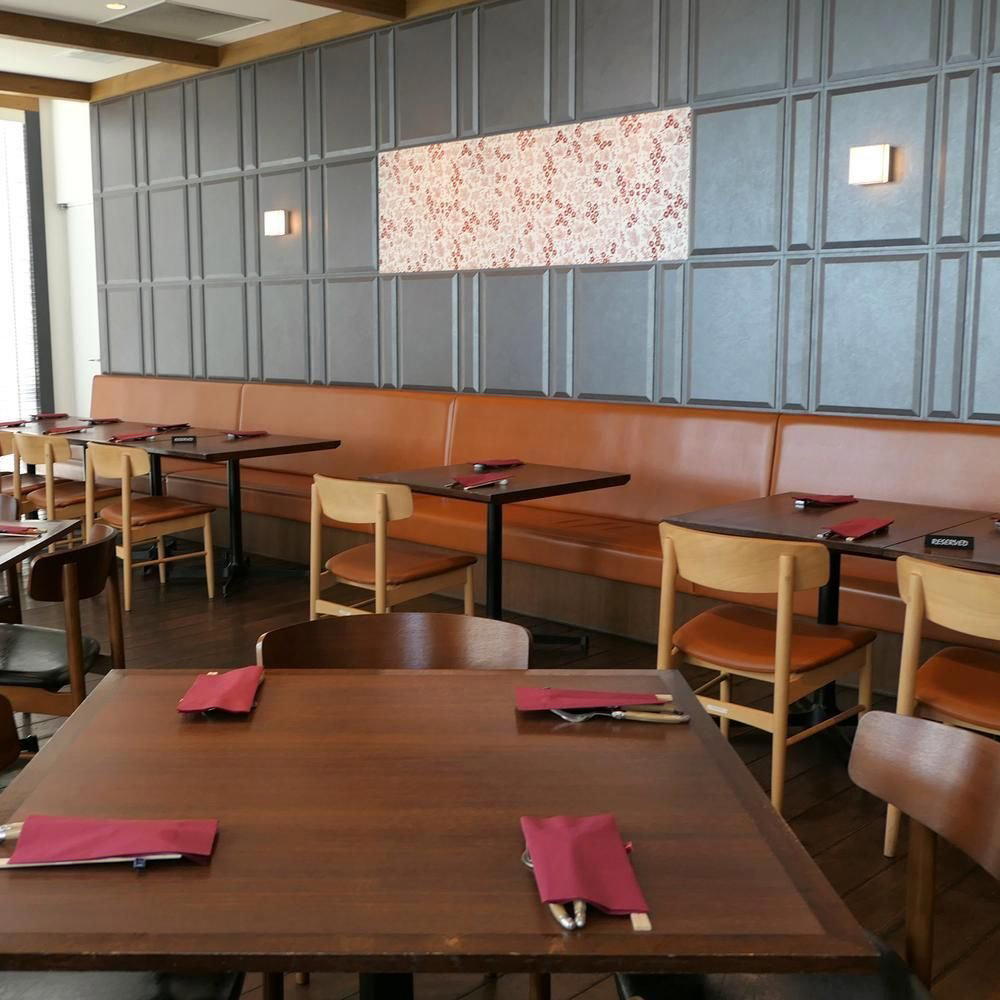
Yoshoku in Tokyo: The Case for the Mid-Range Counter
Tokyo's restaurant conversation tends to orbit extremes, the omakase counter priced above ¥30,000 a head, or the standing ramen bar at ¥900. The yoshoku category, Japan's distinctive adaptation of Western cooking that took root in Meiji-era Tokyo, sits in more ambiguous territory. It draws on French and continental technique filtered through a century of Japanese refinement, producing dishes that feel simultaneously foreign and deeply local. Hamburg steak, omurice, gratin, croquette, these are not fusion novelties but a fixed genre with its own internal standards and a loyal public that measures execution against memory as much as against peer restaurants. Within that genre, Mejiro Shunkotei offers cooking of genuine quality at a price that doesn't require a special occasion to justify. The address is in Toshima City's Mejiro neighbourhood, away from the dense dining corridors of Shinjuku or Ginza, which in part explains the regulars-first character of the room.
The Yoshoku Tradition and Where Shunkotei Sits in It
Understanding what Shunkotei is doing requires a brief account of yoshoku's position in Japanese food culture. The genre emerged in the Meiji period as Japan's interpretation of European, primarily French and British, cooking, filtered through local palates and local ingredients. Over the subsequent century it became a comfort-food staple, associated with family restaurants, department store dining floors, and neighbourhood lunch counters. The tension in contemporary yoshoku, as with any established tradition, lies between preserving the emotional resonance of the original and finding ways to keep execution honest and technically current. Several restaurants in Tokyo and Kyoto, including YŌSHOKU BISTRO TŌYAMA, have approached the genre from a bistro angle, reframing it for younger dining audiences. Shunkotei's theme, described directly in its Michelin notes as 'novel yet nostalgic Western food,' articulates a different position: the goal is not reinvention but a dual fidelity to inherited method and advanced technique. The two commitments are meant to reinforce rather than contradict each other.
The yoshoku tradition has close parallels in other cities across Japan. In Kyoto, KORISU represents the genre in a different regional register, while in Osaka, Yoshoku Izumi provides a further point of reference for how the Western-derived canon reads outside Tokyo. Comparing across these addresses gives a clearer picture of what separates a technically serious yoshoku kitchen from a competent one.
What Keeps Regulars Returning
The regulars at a Bib Gourmand yoshoku counter are not chasing novelty. They know the menu in advance and they return because consistency, in sauce calibration, in protein texture, in the precise richness of a gratin, is the actual product. At Shunkotei, the dishes that anchor that loyalty are the hamburg steak with demi-glace and the gratin with béchamel. These are reference-point dishes for any yoshoku kitchen, the equivalent of a French bistro's steak-frites or onion soup: items whose execution is instantly legible to anyone who knows the form.
What distinguishes the kitchen's approach is the combination of classical preparation with advanced technique, specifically the use of decompression cooking for salad preparation. Decompression processing draws out excess air and moisture from vegetable cells, which concentrates flavour and produces a texture that registers as simultaneously denser and fresher than standard preparation. Applying this method to a salad in a yoshoku context is not a signal of conceptual ambition, it is a practical decision to meet the genre's standard at a higher technical floor. That is the kind of precision that regulars may not be able to articulate but that they register across repeated visits as a difference in quality.
The price range (¥¥ on a four-tier scale) positions Shunkotei well below Tokyo's ¥¥¥¥ fine dining tier, addresses like Harutaka in sushi or L'Effervescence in French, and even below mid-tier multi-course formats. For a neighbourhood regular, this is important. The cost of repeated visits is low enough that Shunkotei functions as a local institution rather than a destination.
Mejiro as a Neighbourhood Context
Mejiro, in Toshima City, lacks the culinary density of Shibuya, Ginza, or Minami-Aoyama. It is a residential neighbourhood served by the Yamanote Line, which connects it efficiently to the city's main hubs, but it does not draw destination diners in the way that Tokyo's premium districts do. That geography shapes the kind of restaurant Shunkotei can be. A ¥¥ yoshoku counter in Ginza would be fighting an identity battle against the neighbourhood's price expectations. In Mejiro, it can be exactly what it is: a technically serious local restaurant that serves a loyal base rather than a revolving tourist audience.
The address, 2F, 2 Chome-39-1 Mejiro, places it on an upper floor of a mixed-use building, a common format for Tokyo neighbourhood restaurants that keeps rents manageable without signalling anything about the cooking inside. Visitors coming from outside the area have direct access via Mejiro Station on the Yamanote Line.
Yoshoku in the Broader Tokyo Context
Tokyo's higher-profile addresses in adjacent categories offer useful comparisons for calibrating where yoshoku fits in the city's dining range. At the premium end of Japanese cooking, restaurants like Ponta Honke, one of Tokyo's older Western-influenced Japanese establishments, and grill GRAND represent the century-spanning institutional side of the genre. Shunkotei's Bib Gourmand positions it as technically credible without reaching for that institutional weight.
Beyond Tokyo, the same instinct to apply rigorous technique to accessible formats recurs across Japan's dining scene. HAJIME in Osaka, Gion Sasaki in Kyoto, akordu in Nara, Goh in Fukuoka, 1000 in Yokohama, and 6 in Okinawa all demonstrate, in different registers, how Japanese kitchens have absorbed external culinary traditions and applied local discipline to them. Yoshoku is the oldest example of that process, and Shunkotei represents its current, technically updated expression.
Planning Your Visit
Location: Trад Mejiro 2F, 2 Chome-39-1, Mejiro, Toshima City, Tokyo. Mejiro Station (Yamanote Line) provides direct access. Budget: ¥¥ price range, mid-range by Tokyo standards, comfortably below the ¥¥¥¥ fine dining tier. Reservations: recommended.
A Pricing-First Comparison
Comparable venues nearby, for context on price, style, and recognition.
| Venue | Cuisine | Price | Awards |
|---|---|---|---|
| Mejiro ShunkoteiThis venue — the venue you are viewing | Yoshoku | $$ | Bib Gourmand |
| Sushidokoro Shigeru | Shinjuku, Traditional Sushi Omakase | $$ | Bib Gourmand |
| Tonkatsu Nanaido | Shibuya, Premium Tonkatsu | $$ | Bib Gourmand |
| Shinjiko Shijimi Chukasoba Kohaku | Ōta, Shijimi Clam Chuka Soba | $$ | Bib Gourmand |
| Chukasoba KOTETSU | Setagaya, Classic Shoyu Chukasoba | $$ | Bib Gourmand |
| Shiosoba Jiku | Suginami, Traditional Shio Ramen | $$ | Bib Gourmand |
Recognition history
Dated appearances from independent guides and award organizations, with the underlying list record or original source where available.
Michelin Bib Gourmand
Michelin
Tabelog 100 #16 · No. 16
Tabelog · Tabelog 100 - Yoshoku - EAST - 2025
Michelin Bib Gourmand
Michelin









At a Glance
- Classic
- Cozy
- Elegant
- Business Dinner
- Date Night
- Family
- Standalone
- Sake Program
- Street Scene
Current opening hours
- Monday
- 11 AM–2 PM, 5–9 PM
- Tuesday
- 11 AM–2 PM, 5–9 PM
- Wednesday
- 11 AM–2 PM, 5–9 PM
- Thursday
- 11 AM–2 PM, 5–9 PM
- Friday
- 11 AM–2 PM, 5–9 PM
- Saturday
- 11 AM–2 PM, 5–9 PM
- Sunday
- 11 AM–2 PM, 5–9 PM
Hours can change for holidays and private events. Last verified .
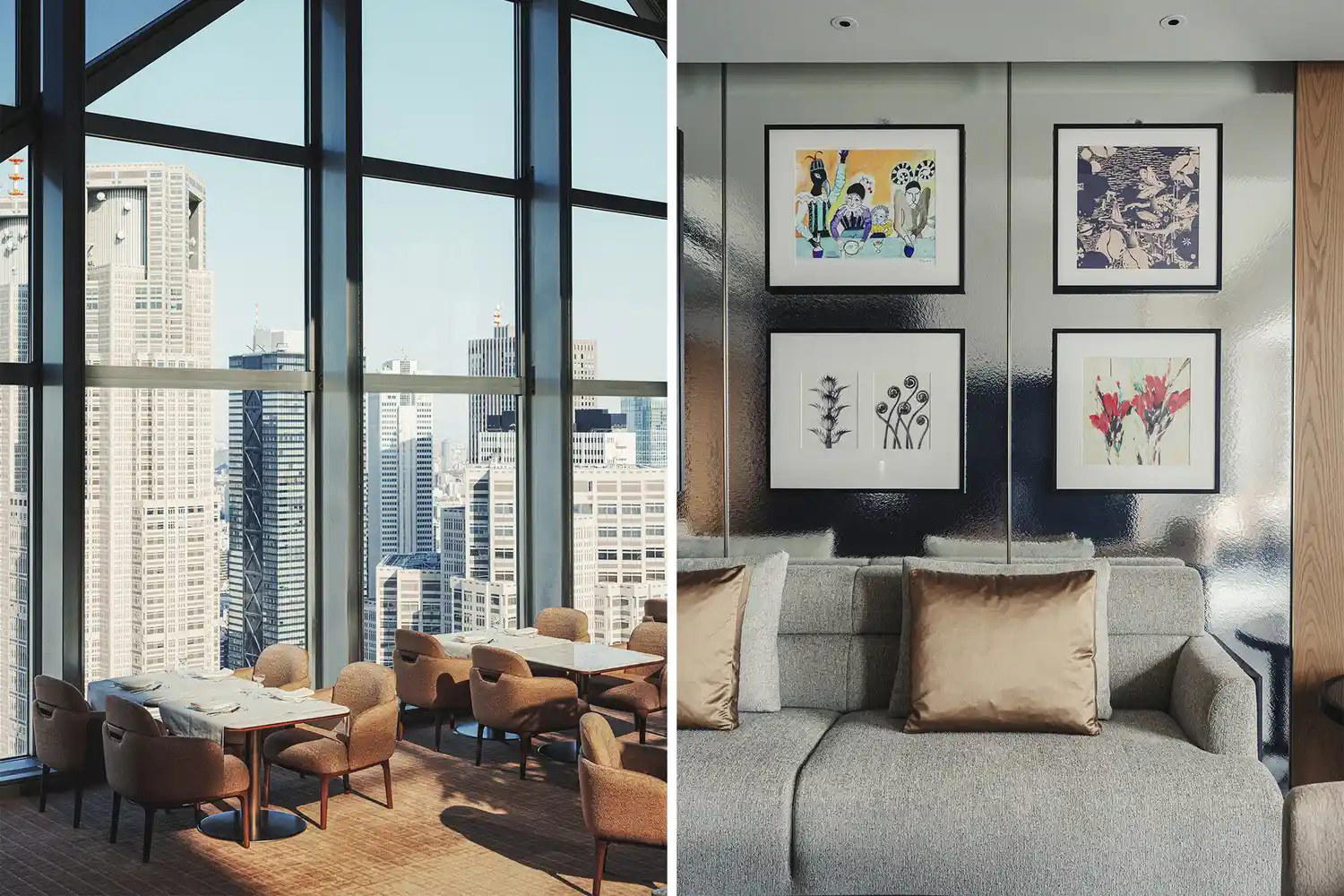
Relaxed and nostalgic atmosphere with window seating and a comfortable, non-oppressive interior.