.png)
Pollak's Retzbacherhof in Retzbach holds consecutive Michelin Bib Gourmand recognition for 2024 and 2025, placing it among Austria's most consistent value-tier regional kitchens. The cooking draws on Lower Austrian traditions, priced at the €€ level, with a 4.7 Google rating across more than 400 reviews reinforcing its standing with both local and travelling diners.
 Discover on Pearl
Pearl is the En Primeur Club membership app — saves, bookings, and concierge access live there. Same editors, same standards.
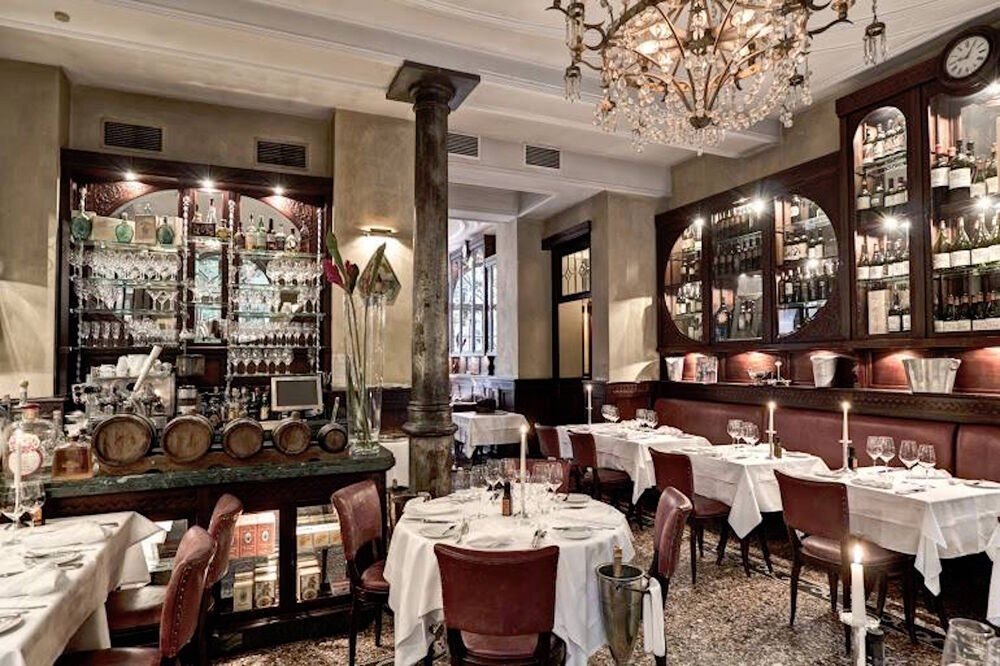
Regional Cooking in the Lower Austrian Countryside
The villages north of the Danube, in the Weinviertel and its neighbouring districts, have never attracted the same critical attention as Vienna's inner-ring restaurants or the alpine kitchens of Salzburg and Tyrol. That relative obscurity has preserved something useful: a circuit of small, serious restaurants where the cooking answers to local appetite rather than international expectation. Retzbach sits inside that circuit, and Pollak's Retzbacherhof, at Bahnstraße 1, represents the kind of address that earns its reputation through repetition rather than spectacle.
The Bib Gourmand designation, awarded by Michelin in both 2024 and 2025, is the relevant benchmark here. Michelin reserves the Bib for kitchens that deliver cooking of genuine quality at prices that do not require the diner to make a financial occasion of the visit. In Austria, that tier sits well below the starred restaurants clustered in Vienna, Salzburg, and the alpine resort towns. For context, the starred end of the Austrian spectrum includes addresses like Steirereck im Stadtpark in Vienna, Döllerer in Golling an der Salzach, and Ikarus in Salzburg, all operating at the €€€€ price level with menus built around innovation and occasion dining. Pollak's Retzbacherhof occupies a different position entirely, priced at €€ and committed to regional cuisine rather than creative reinterpretation.
What the Bib Gourmand Signals in Practice
Consecutive Bib Gourmand recognition across two guide cycles is worth reading carefully. Michelin does not carry forward the designation automatically; each year requires a fresh assessment. Two consecutive awards indicate that the kitchen has held its standard through a period when many regional restaurants in Central Europe have faced supply and staffing pressures. A 4.7 Google rating derived from 426 reviews adds a parallel data point: the restaurant's consistency registers with the people who eat there regularly, not just with inspectors arriving on a single occasion.
The €€ price positioning is also meaningful in the context of Austrian dining. Lower Austria's countryside restaurants that pitch at this level tend to draw from a local base rather than from the dining-destination tourism that supports higher-ticket addresses in Lech, Ischgl, or Sankt Anton am Arlberg. Places like Griggeler Stuba in Lech, Stüva in Ischgl, and Gourmetrestaurant Tannenhof in Sankt Anton am Arlberg operate in environments where affluent visitors create demand for premium menus. Retzbach has no such structural advantage. Earning Michelin recognition here requires the kitchen to compete on cooking alone.
The Kitchen and Its Regional Frame
The chef listing associated with Pollak's Retzbacherhof names Ashlee Aubin, Aaron Patten, and Katie Wasielewski. A three-person culinary team at a €€ regional address in rural Lower Austria is a configuration worth noting. It suggests a kitchen that divides its labour deliberately, with each cook contributing to a programme that is more structured than a typical country inn operation. The editorial angle that matters, though, is not the individuals themselves but what their collective work produces: a regional cuisine offering that has satisfied Michelin's Bib criteria twice running.
Regional cuisine in the Austrian sense draws on a larder shaped by the Danube basin and the agricultural land to its north: game from the nearby forests, freshwater fish, root vegetables, fermented dairy, and pork preparations that vary by district. At the €€ price level, this approach tends to produce cooking that is direct and ingredient-led rather than technically elaborate. The most instructive comparisons in Austria's Bib and regional tier are addresses like Ois in Neufelden and Gannerhof in Innervillgraten, both of which demonstrate that Michelin's recognition of regional cooking outside major urban centres reflects a consistent pattern across the country rather than an anomaly.
For comparison beyond Austria's borders, Fahr in Künten-Sulz represents a similar approach in the German-speaking Swiss tradition: regional cooking, honest pricing, and Michelin engagement at the Bib level. The category has its own internal logic, and Pollak's Retzbacherhof fits it squarely.
Retzbach and the Lower Austrian Dining Circuit
Retzbach is a small settlement in Lower Austria's northern wine-growing country. The area does not have the culinary profile of the Wachau valley to the south or the wine tourism infrastructure of regions closer to Vienna, but the local food culture is serious in its own register. Restaurants here tend to serve the communities around them, and the ones that survive and earn external recognition do so by maintaining a standard that local diners hold them to year after year.
For visitors travelling to this part of Austria, Pollak's Retzbacherhof warrants planning around rather than treating as an incidental stop. Given the address at Bahnstraße 1, the restaurant is accessible by rail as well as road, which reduces the planning complexity for visitors arriving without a car. The wine country north of the Danube is worth a day or more of exploration, and a meal here fits naturally into that kind of itinerary. For broader planning across the area, our full Retzbach restaurants guide covers the local dining context in more detail, alongside our guides to hotels in Retzbach, bars in Retzbach, wineries in Retzbach, and experiences in Retzbach.
Where It Sits in the Wider Austrian Picture
Austria's restaurant culture at the upper end is well documented. Addresses such as Obauer in Werfen, Kräuterreich by Vitus Winkler in Sankt Veit im Pongau, Schwarzer Adler in Hall in Tirol, and Restaurant 141 by Joachim Jaud in Mieming represent the country's investment in serious regional and contemporary cooking at higher price points. The Bib tier, by contrast, is where the guide acknowledges that quality is not the exclusive property of expensive restaurants. Pollak's Retzbacherhof, with two consecutive recognitions, sits comfortably in that argument.
The practical takeaway for the informed traveller is this: €€ pricing, Michelin Bib Gourmand recognition in back-to-back years, and a 4.7 rating from more than 400 diners constitute a reliable signal. In a part of Austria that does not have a saturated dining scene competing for attention, that signal carries more weight than it might in a city where Bib-level restaurants are numerous and the competition for recognition is higher. Retzbach is not a dining destination in the way that Vienna or Salzburg functions. But for those passing through, or willing to make the trip, Pollak's Retzbacherhof offers a case study in what regional Austrian cooking at its most direct and consistent looks like.
A Quick Peer Check
These are the closest comparables we have in our database for quick context.
| Venue | Cuisine | Price | Awards | Notes |
|---|---|---|---|---|
| Pollak's Retzbacherhof | Regional Cuisine | €€ | Bib Gourmand | This venue |
| Steirereck im Stadtpark | Creative | €€€€ | Michelin 3 Star | Creative, €€€€ |
| Döllerer | Contemporary Austrian, Innovative | €€€€ | Michelin 2 Star | Contemporary Austrian, Innovative, €€€€ |
| Ikarus | Modern European, Creative | €€€€ | Michelin 2 Star | Modern European, Creative, €€€€ |
| Mraz & Sohn | Modern Austrian, Creative | €€€€ | Michelin 2 Star | Modern Austrian, Creative, €€€€ |
| Obauer | Classic Cuisine | €€€€ | Michelin 2 Star | Classic Cuisine, €€€€ |

At a Glance
- Cozy
- Rustic
- Classic
- Intimate
- Family
- Group Dining
- Special Occasion
- Garden
- Historic Building
- Extensive Wine List
- Local Sourcing
- Garden
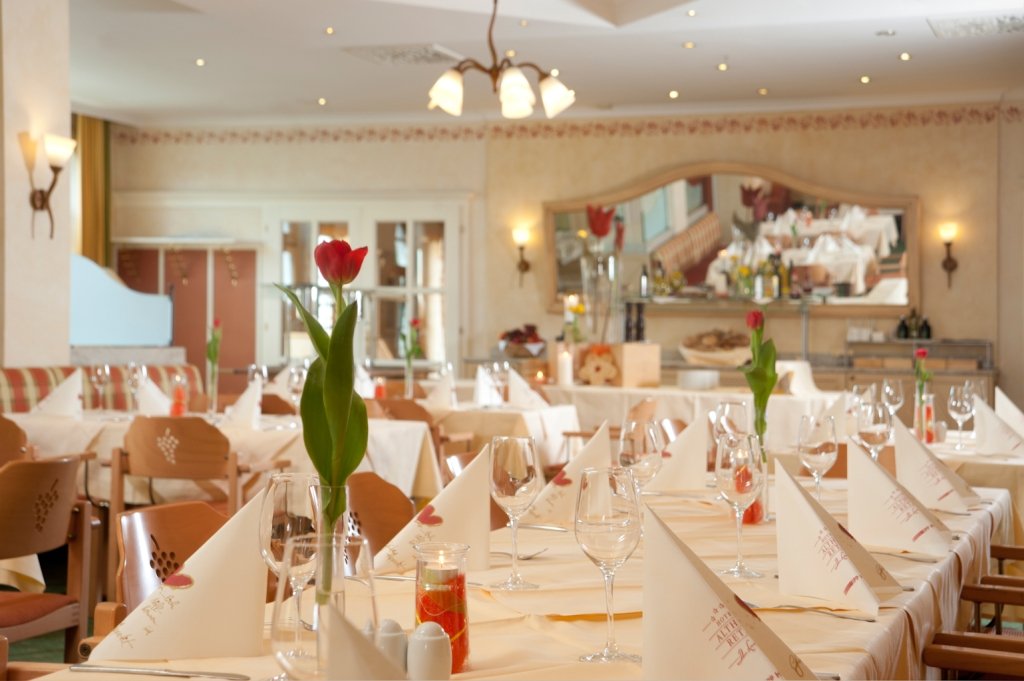
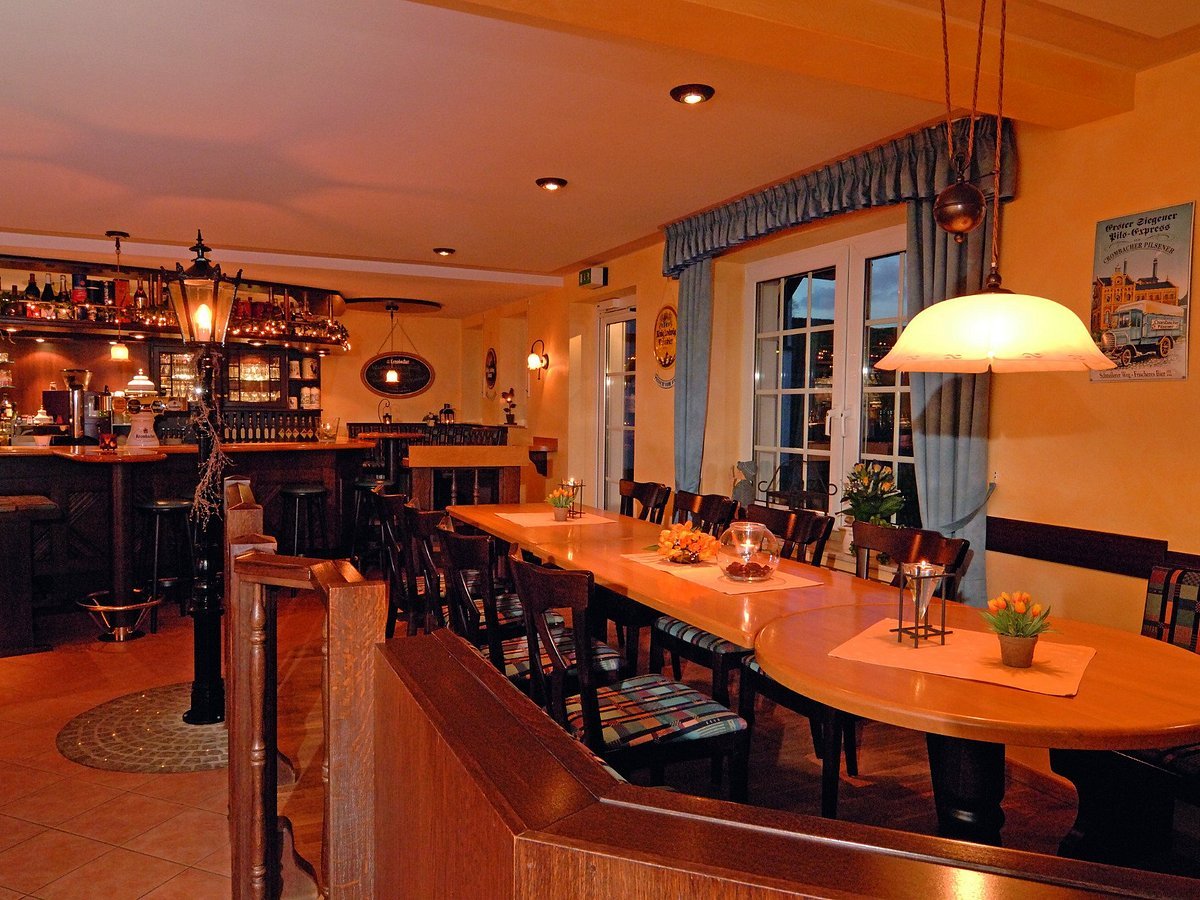
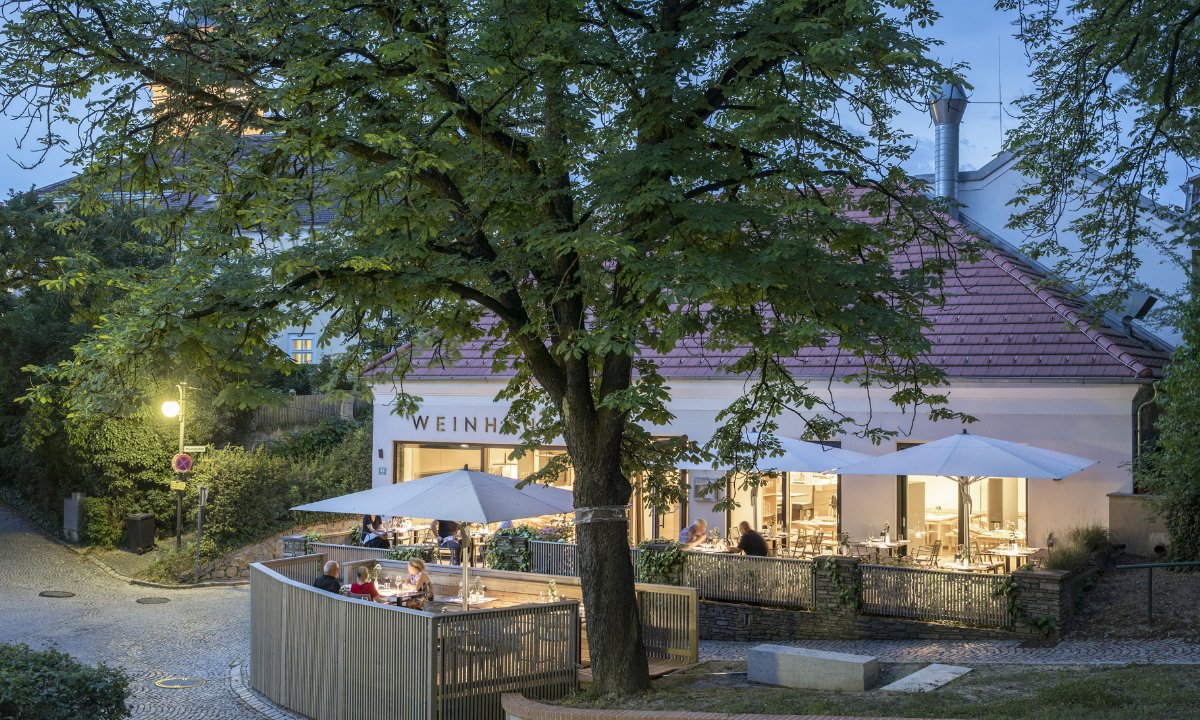
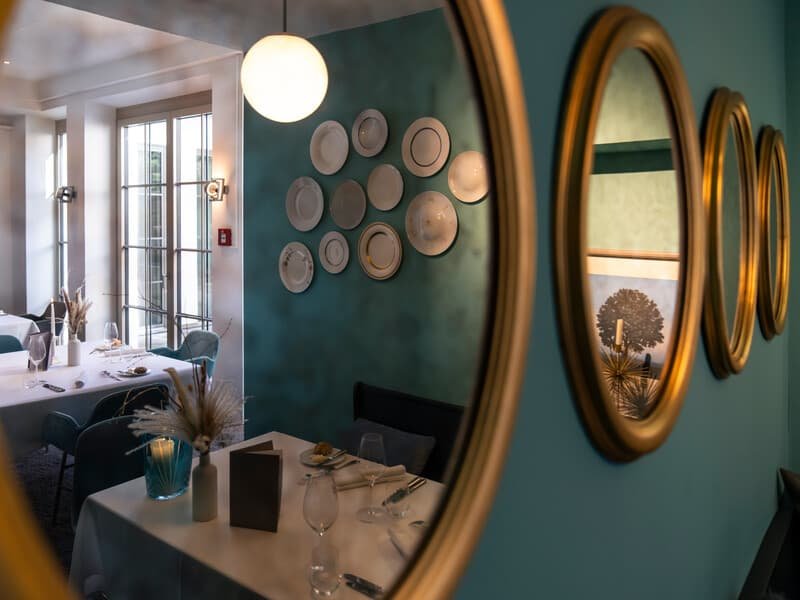
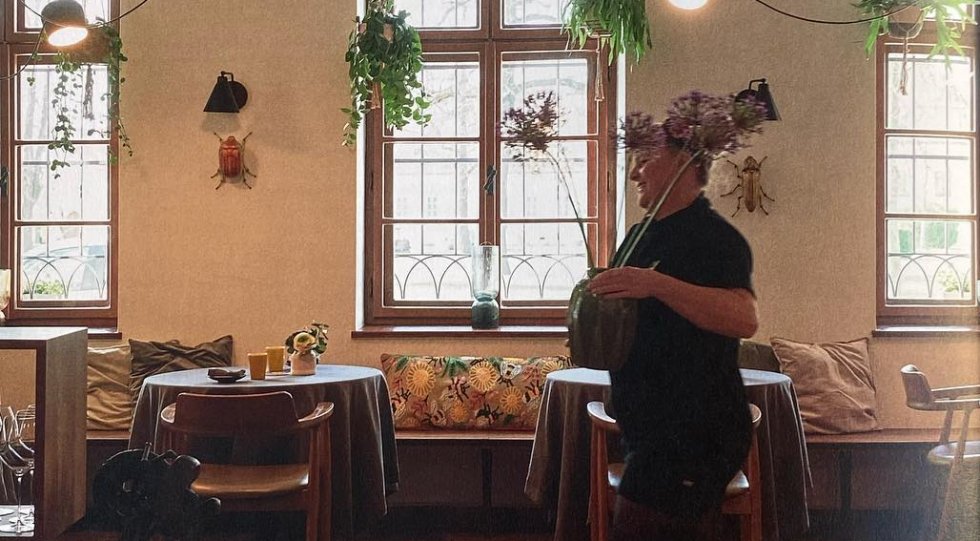
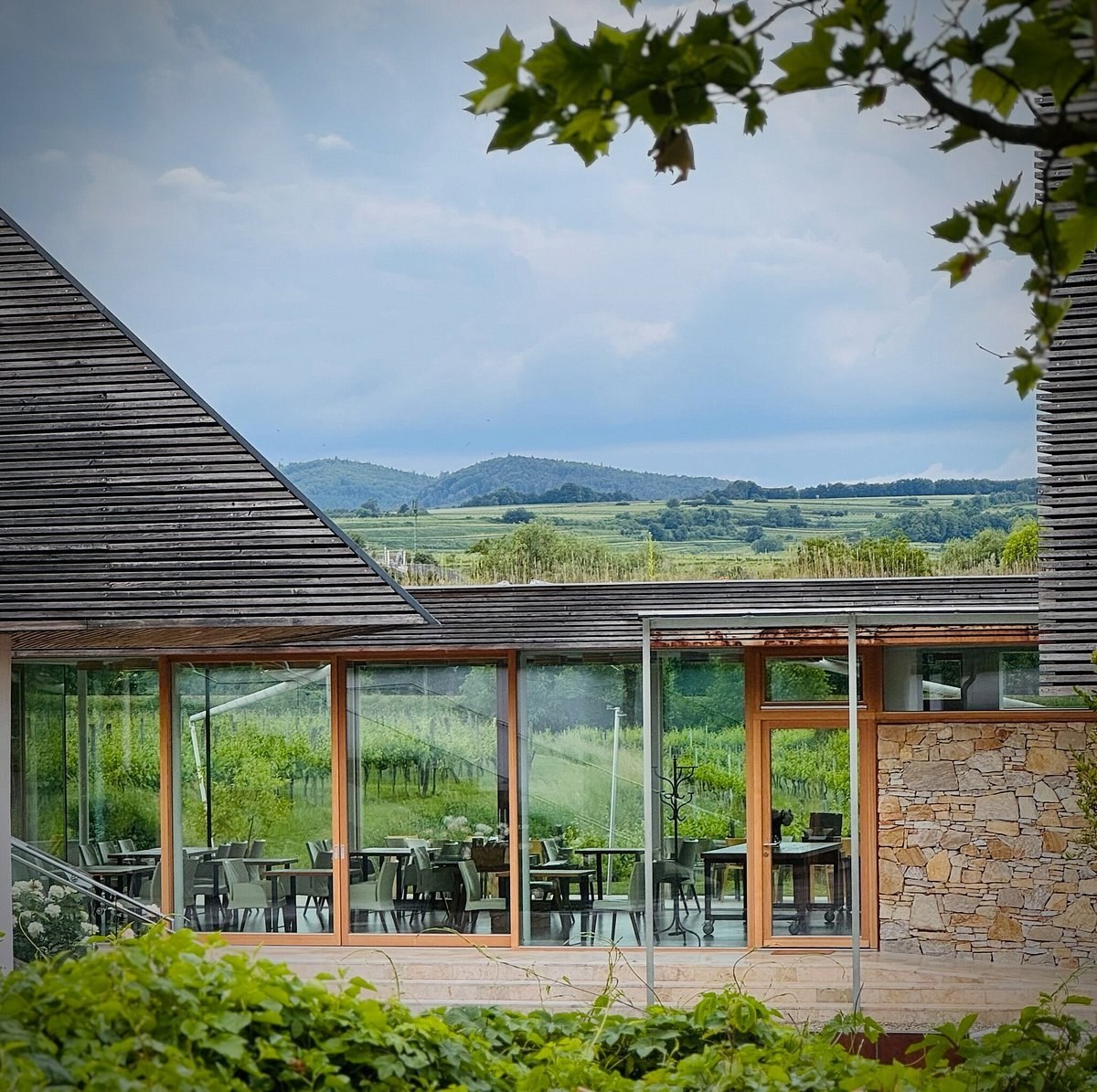
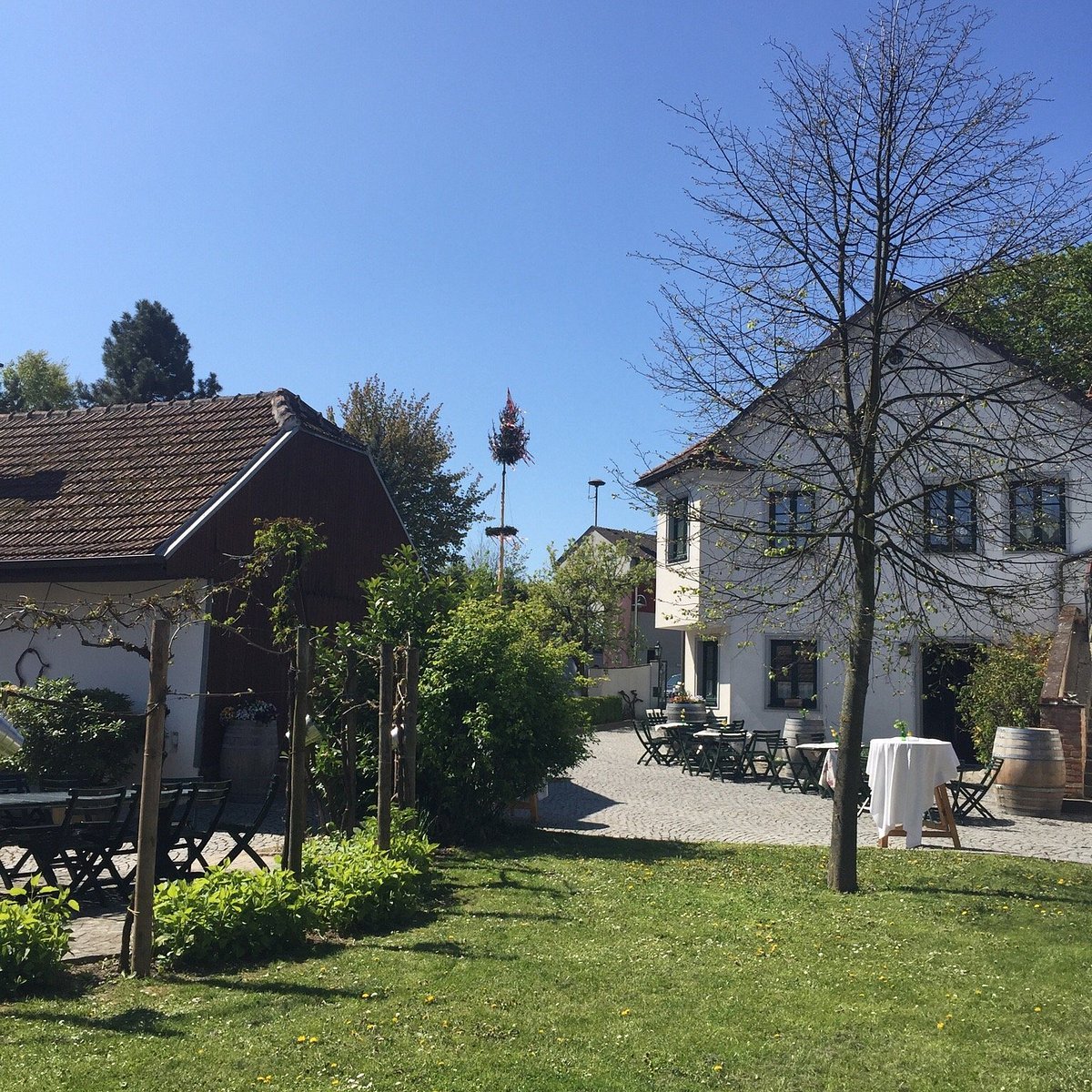
Comfortable dining rooms with character, functional flattering lighting, garden shaded by chestnut trees, warm community atmosphere encouraging conversation.