Weingut Graf Hardegg operates from Seefeld-Kadolz in the Weinviertel, Austria's largest wine-growing region, where loess and sand soils shape a style of notable regional clarity. For those tracing the northern edge of Austrian viticulture, Graf Hardegg is a reference point worth seeking out.
Pearl is the En Primeur Club membership app — saves, bookings, and concierge access live there. Same editors, same standards.
- Address
- 2062 Seefeld-Kadolz
- Phone
- +43 2943 2203
- Website
- grafhardegg.at
 Saves & bookings on Pearl
Where Weinviertel Soil Speaks Loudest
Drive north from Vienna toward the Czech border and the landscape flattens into an unbroken sequence of vine rows, arable fields, and small market towns. This is the Weinviertel, Austria's largest wine-growing region by area, and also its most topographically modest, no dramatic river terraces, no volcanic outcrops, no alpine backdrop. What the region offers instead is a geological argument written in loess, sand, and clay: soils that hold just enough moisture to push wines toward freshness and definition rather than weight. The village of Seefeld-Kadolz sits near the northern edge of this zone, where the regional character is expressed in its most concentrated form.
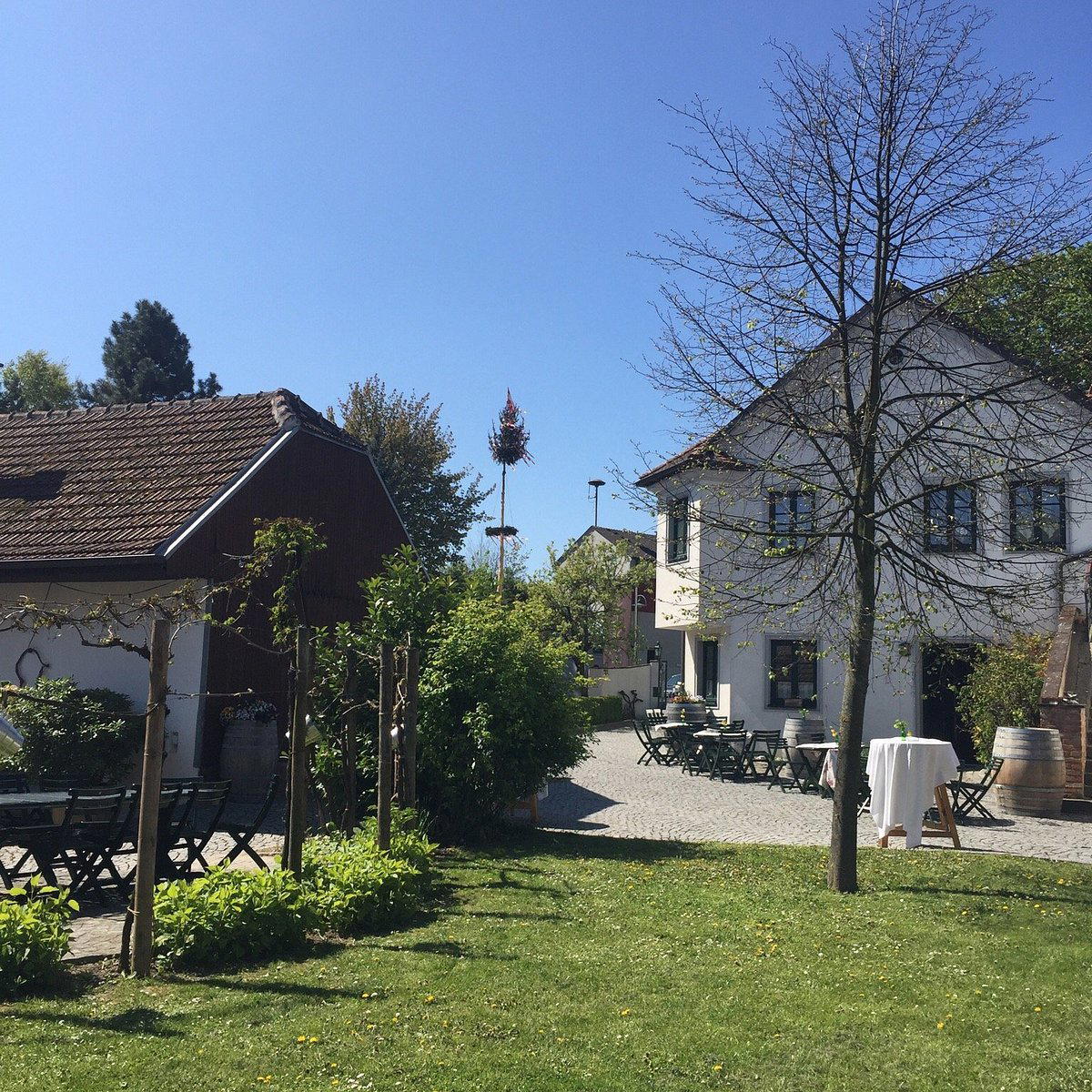
Weingut Graf Hardegg is based here at 2062 Seefeld-Kadolz, a working estate in Lower Austria's Weinviertel region. This is a working estate rather than a tourist-focused stop. It is a working estate anchored to a specific piece of ground, and the wines it produces are the direct result of what that ground gives up.
The Weinviertel's Case for Terroir Specificity
Austrian wine criticism has spent decades navigating a hierarchy that tends to place Wachau and Burgenland at the leading, with Weinviertel treated as a volume producer, an unfair characterisation that a number of estates have worked to correct. The region's DAC designation, centred on Grüner Veltliner, was one of the first in Austria to codify appellation typicity, and it did so for good reason: Weinviertel Grüner Veltliner, at its leading, has a mineral bite and herbal precision that no other Austrian subregion replicates in the same way. The loess soils in the northern reaches around Seefeld-Kadolz contribute to that profile, retaining warmth while allowing good drainage, and the continental climate, warm summers, cold winters, significant diurnal temperature swings, preserves aromatic tension in the grapes.
Graf Hardegg's position in this northern pocket matters because geography here is not interchangeable. The same variety planted twenty kilometres south in warmer, heavier soils will behave differently. Estates that understand and commit to their specific parcel rather than blending across the region tend to produce wines with greater internal logic, and the 2025 Prestige recognition suggests Graf Hardegg has sustained exactly that kind of focus.
Producers working at a similar level of regional ambition include Weingut Bründlmayer in Langenlois and Weingut Emmerich Knoll in Dürnstein, both of whom work from geologically distinct sites in the Kamptal and Wachau respectively. Comparing those estates to Graf Hardegg is instructive: where Knoll's Rieslings carry the weight of schist and granite, and Bründlmayer's Grüner shows the cooling influence of the Kamptal winds, Graf Hardegg's wines are shaped by the quieter, more even-tempered loess belt of the Weinviertel north. Different arguments from different soils.
Reading the Award in Context
Receiving this in 2025 confirms that the estate is producing at a level that reviewers place above the regional median. This matters because the Weinviertel has a large number of producers, the sheer scale of the region means quality varies considerably, and the award functions as a reliable filter for those trying to identify which estates merit attention.
Other Austrian producers recognised at comparable or adjacent levels include Weingut Kracher in Illmitz, one of Burgenland's most recognised sweet wine houses, and Weingut Heinrich Hartl in Oberwaltersdorf, which operates in the Thermenregion to the south of Vienna. These estates offer useful reference points for understanding where Graf Hardegg sits within the broader Austrian premium conversation, not in the same stylistic category, but occupying a similar band of critical recognition.
Planning a Visit to Seefeld-Kadolz
The village of Seefeld-Kadolz is not set up as a wine tourism hub in the way that Retz or Langenlois are, which shapes expectations for anyone considering a visit. Weinviertel wine estates at this level tend to operate on appointment or limited open-door schedules rather than walk-in tastings, and Graf Hardegg is positioned in an agricultural rather than retail environment. Visitors planning to see the estate should contact them in advance; visitors should contact the estate in advance.
Getting to Seefeld-Kadolz from Vienna is manageable by car in under an hour via the north motorway, with the estate sitting close to the Czech border in the far north of Lower Austria. This is a journey that makes most sense as part of a broader Weinviertel itinerary rather than a standalone day trip from the capital. The region's northern wine villages are close enough to one another that combining two or three estate visits in a single day is feasible.
Those with a particular interest in Austrian distilling alongside wine will find regional producers such as Weingut Pittnauer in Gols and Weingut Wohlmuth in Kitzeck worth mapping alongside Graf Hardegg for a broader cross-regional picture of Austrian production. For those extending beyond wine into Austria's spirits producers, 1310 Spirit of the Country Distillery in Sierning, 1404 Manufacturing Distillery in Sankt Peter-Freienstein, and Weingut Scheiblhofer Distillery in Andau represent distinct regional approaches worth knowing. Vienna itself has 1516 Brewing Company as a useful base reference for the city's craft production culture, while A. Batch Distillery in Bergheim and Abfindungsbrennerei Franz in Leithaprodersdorf sit within reasonable driving range of the Weinviertel for those building a multi-stop Austrian itinerary. For international comparison points outside Austria, Aberlour in Aberlour and Accendo Cellars in St. Helena illustrate how terroir-anchored producers operate in different geographic contexts.
At-a-Glance Comparison
Comparable venues nearby, for context on price, style, and recognition.
| Venue | Cuisine | Price | Notes |
|---|---|---|---|
| Weingut Graf HardeggThis venue — the venue you are viewing | Grüner Veltliner, Riesling | $$ | Not listed |
| Loysch Distillery | Winery | Not listed | Klosterneuburg |
| Brennerei Hödl | Winery | Not listed | Klagenfurt |
| Weinberghof Fritsch | Grüner Veltliner, Riesling | $$ | Oberstockstall |
| Weingut Netzl | Zweigelt, St. Laurent | $$ | Göttlesbrunn |
| 1516 Brewing Company Distillery | Winery | Not listed | Vienna |
Continue exploring
More in Seefeld
Wineries in Seefeld
Browse all →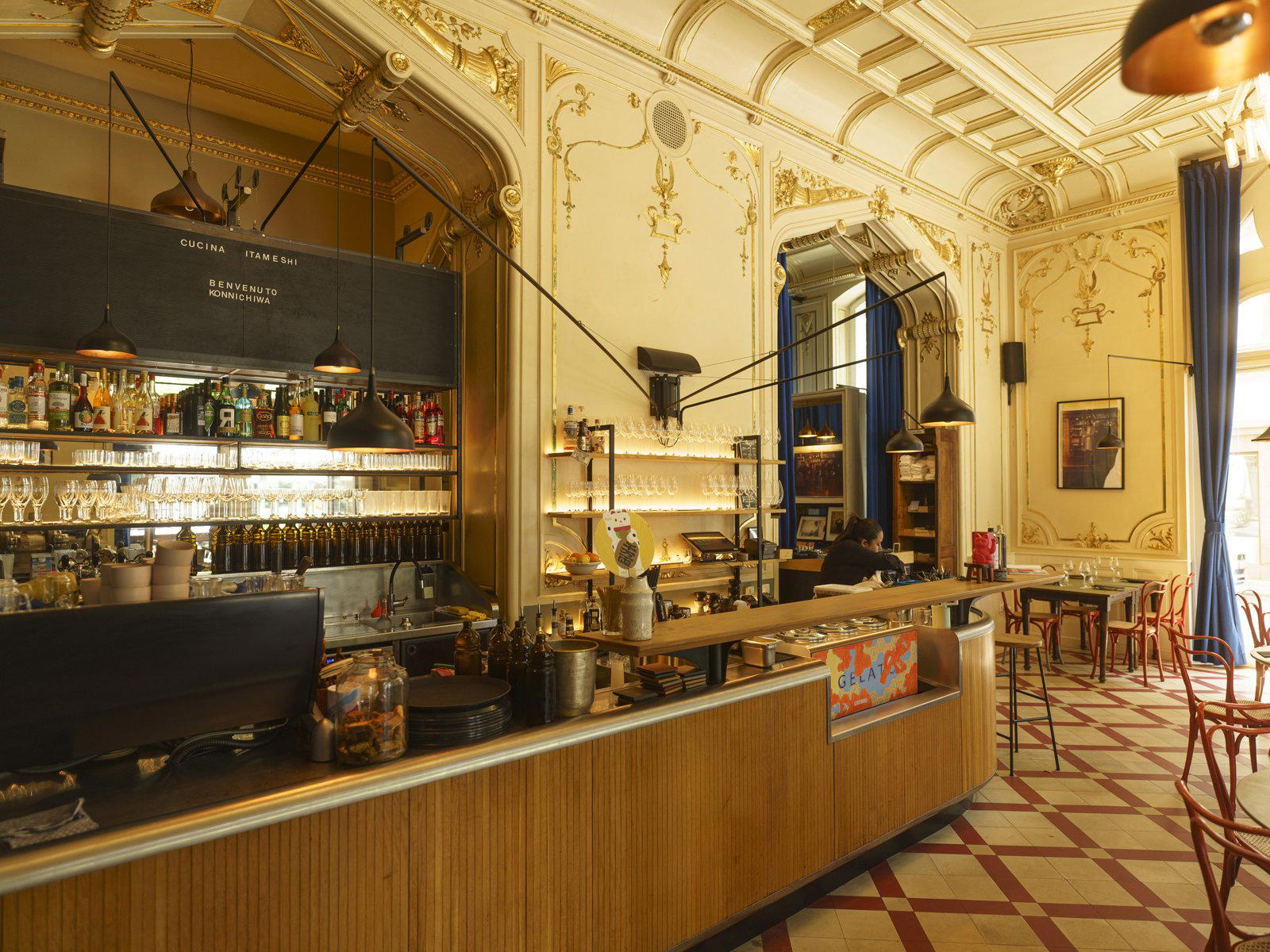
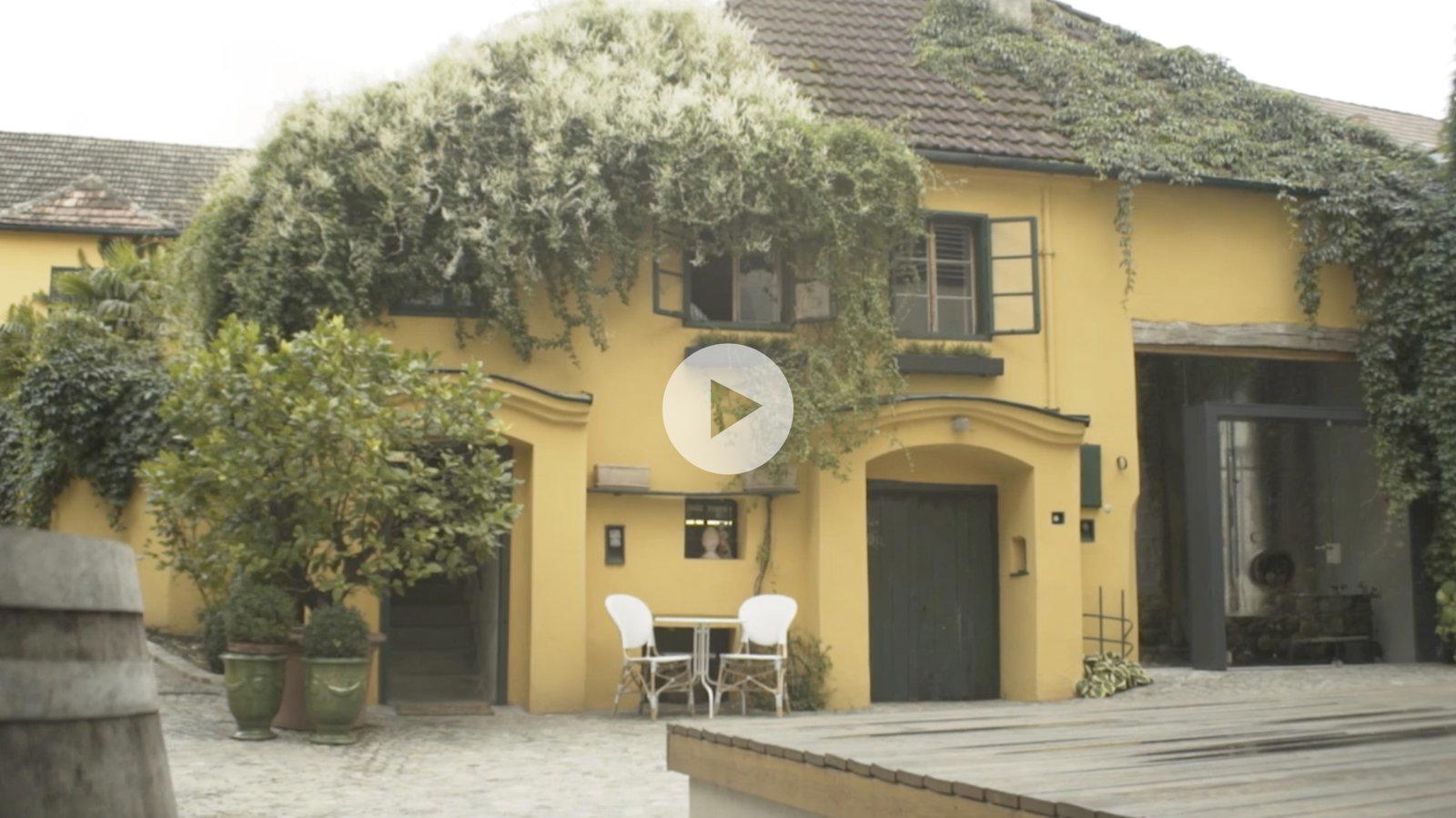
Bars in Seefeld
Browse all →
Restaurants in Seefeld
Browse all →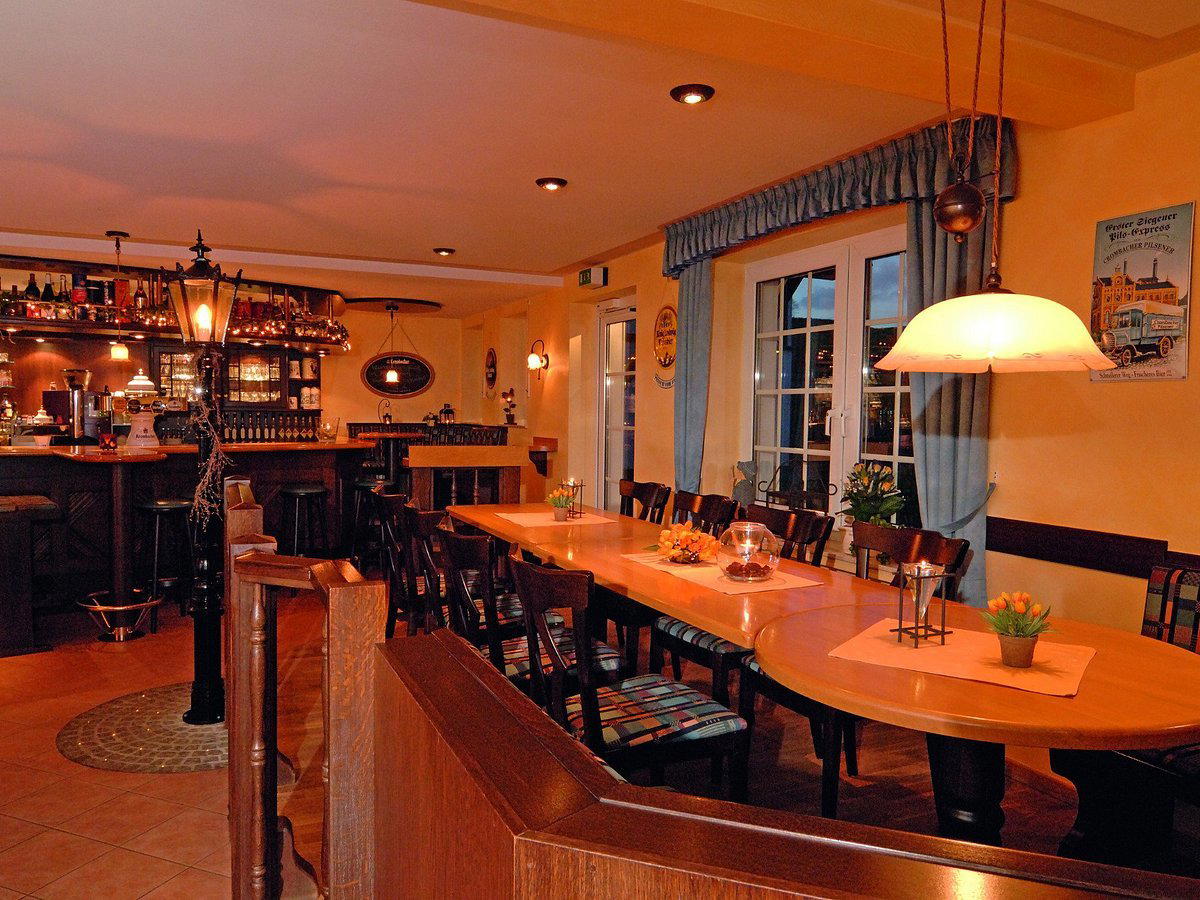
At a Glance
- Rustic
- Scenic
- Elegant
- Classic
- Wine Education
- Solo Exploration
- Special Occasion
- Vineyard Tour
- Estate Grounds
- Historic Building
- Organic
- Vineyard
- Garden
- Weinviertel
- Grüner Veltliner
- Riesling
- Viognier
- Pinot Noir
- Chardonnay
- Zweigelt
- Syrah
- Merlot
- Still White
- Sparkling
- Still Red
- Still Rosé
- Estate Tasting
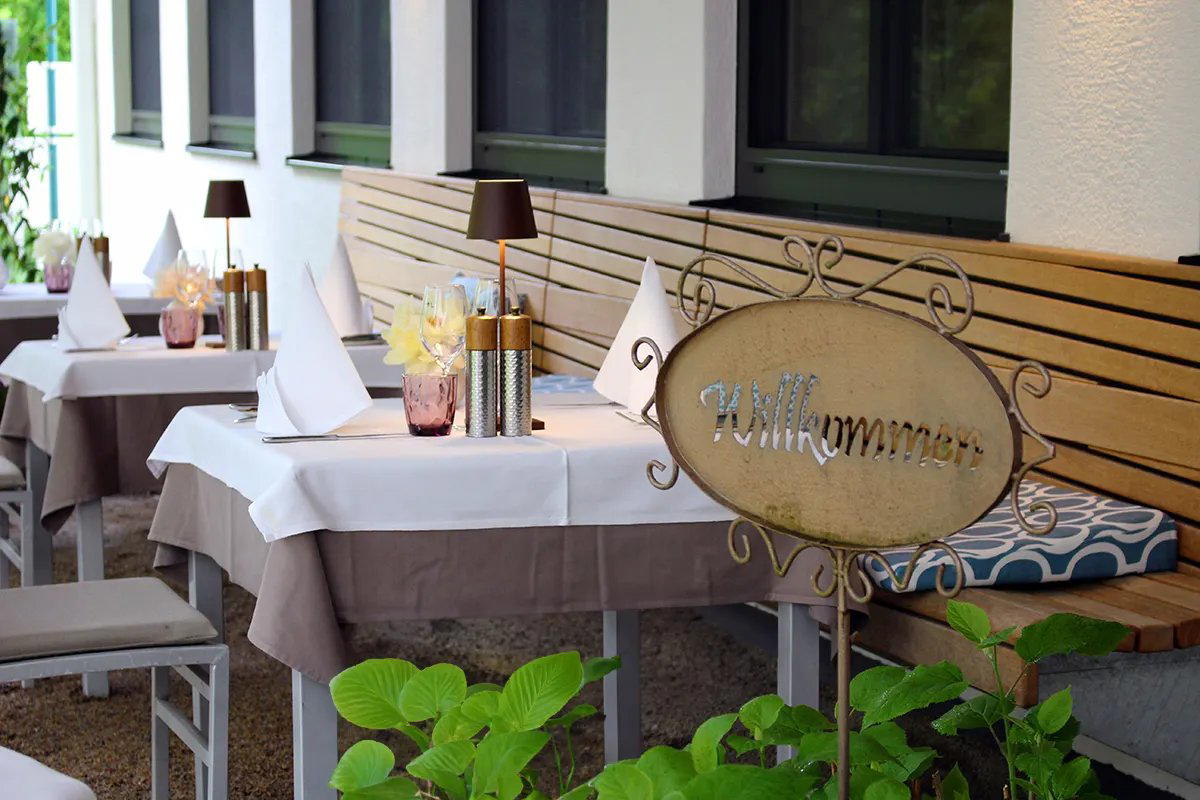
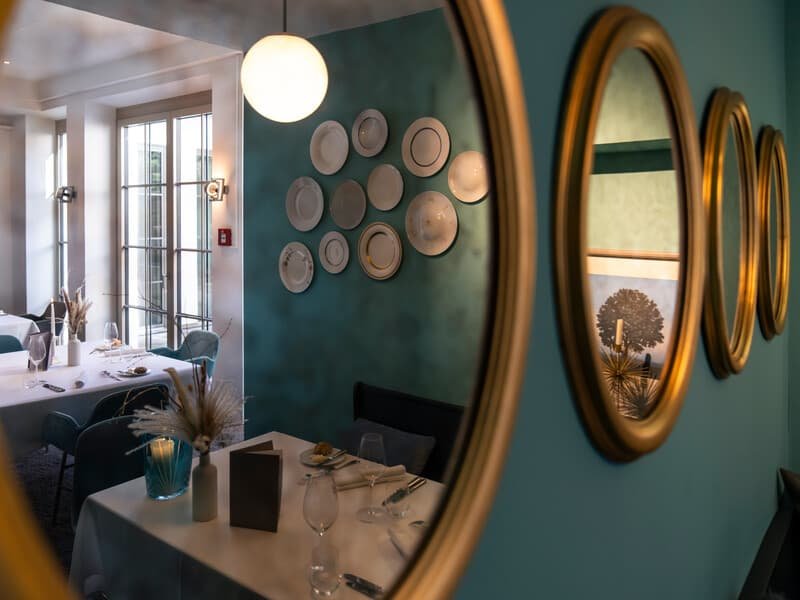
Historic baroque castle setting with labyrinthine cellar corridors from 1640, surrounded by organic vineyards offering a serene, elegant rural atmosphere.