Our verdict
Poivre d'Ane sits in Coux, a small commune in the Ardèche department of southern France, where the broader regional tradition prizes direct sourcing from mountain pastures and river valleys. With limited data in the public record, the restaurant's address in the Espace Onclaire places it within a rural French dining culture that rewards patience and local knowledge over celebrity and spectacle.

Pearl is the En Primeur Club membership app, where members save venues, book tables and use the concierge.
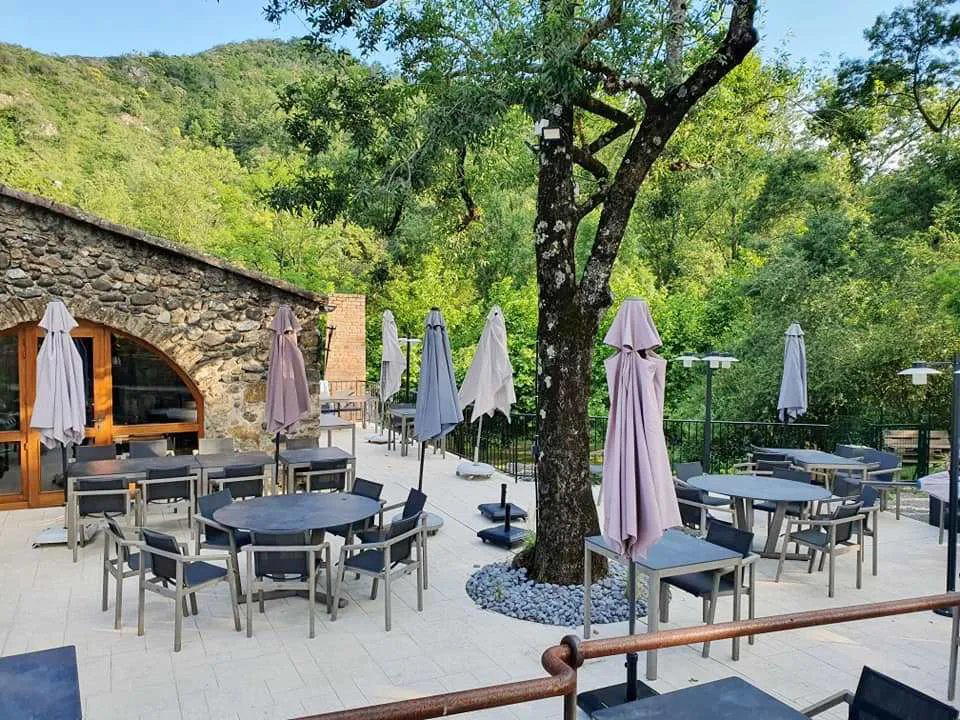
The menu
What to order
- Menu Couxois
- Ravioles aux morilles
- Paleron de bœuf jus au coteaux d'Ardèche
Ardèche at the Table: What Rural Southern France Still Does Right
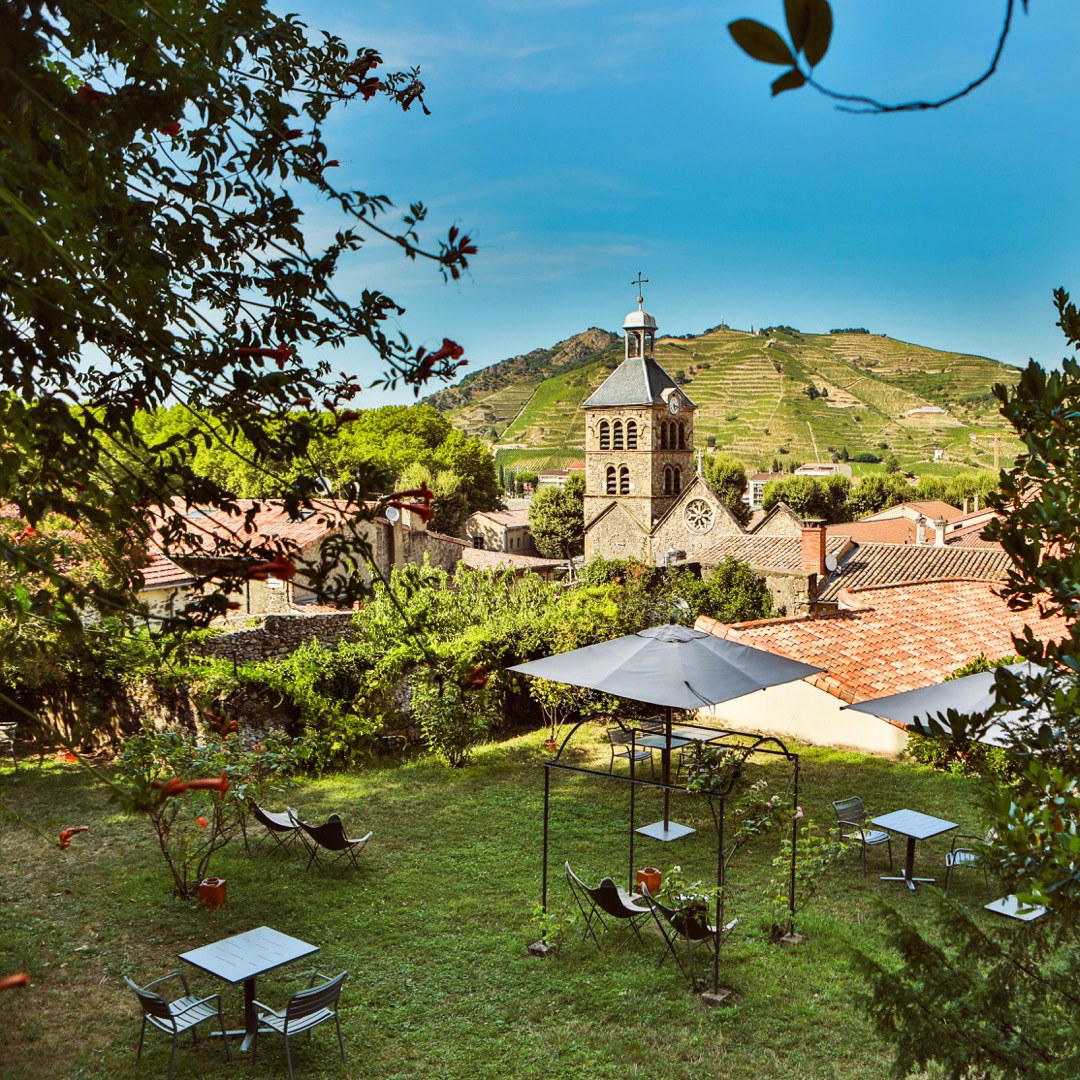
The Ardèche is not a department that plays to the gallery. Wedged between the Massif Central and the Rhône corridor, it produces some of France's least-publicised but most grounded food culture, one built on chestnut forests, volcanic soil, river-caught fish, and livestock that grazes at altitude. In this context, a restaurant address in Coux, a commune just south of Privas, does not signal a detour from serious eating. It signals a different kind of seriousness, the kind rooted in place rather than prestige.
Poivre d'Ane sits at 125 Espace Onclaire in Coux, a setting that frames it within the Ardèche's quiet but genuine food tradition rather than the high-traffic restaurant circuits further south and east. Where the most decorated rooms in France, from Alléno Paris au Pavillon Ledoyen in Paris to Mirazur in Menton, operate within established luxury frameworks and corresponding price structures, a restaurant of this type in this geography operates under a different logic entirely. The question is not whether it competes with a three-star room. The question is whether it understands its own terroir, and translates that understanding onto the plate.
Ingredient Sourcing in the Ardèche: The Regional Logic
The case for eating in the Ardèche is, at its core, a sourcing argument. The department sits at the intersection of several distinct micro-climates and agricultural traditions: chestnut production around Privas, sheep farming on the Mézenc plateau, market gardening along the Eyrieux and Ardèche river valleys, and wild herbs that grow at elevations few flatland kitchens can access. Poivre d'Ane takes its name from the Provençal and southern French common name for savory (sarriette), an aromatic herb used across the region in everything from fresh cheese to grilled lamb. That choice of name is itself an editorial statement about provenance and flavour reference points.
This kind of naming convention is meaningful in French provincial cooking. It signals an orientation toward the herb garden and the hillside rather than the luxury import market. Across the best-regarded regional tables in France, from Bras in Laguiole, where the gargouillou of wild plants became a benchmark for terroir cooking, to Auberge du Vieux Puits in Fontjoncouse, where a single village's identity anchors a three-star experience, the argument is consistent: proximity to ingredients matters as much as technique. The Ardèche has the raw materials to support that argument in its own register.
The Rural French Restaurant in Context
France's most celebrated regional kitchens are frequently set in locations that would read as inconvenient on a map. Georges Blanc in Vonnas draws dedicated visitors to a village in the Bresse. Flocons de Sel in Megève operates at altitude. Troisgros in Ouches relocated away from a town centre to a country setting without losing the thread of what it does. In each case, the distance from metropolitan dining reinforces rather than undermines the sense of purpose. Coux and the surrounding Ardèche ask for that same willingness to travel toward the food rather than wait for the food to come to you.
The contrast with urban formats is instructive. At rooms like AM par Alexandre Mazzia in Marseille or Assiette Champenoise in Reims, the city provides context, foot traffic, and a built-in audience. In rural departments like the Ardèche, the restaurant earns its audience one visit at a time, largely through local loyalty and word of mouth. That dynamic tends to produce menus with a tighter relationship to seasonal availability, because the chef does not have the luxury of importing through a Paris supplier network when the local market can be served directly.
Planning a Visit to Coux
Coux is accessible by road from Privas, the Ardèche prefecture, and sits within reach of the A7 autoroute corridor that connects Lyon to Montélimar and beyond. Visitors arriving from Lyon should allow around two hours by car. From Montélimar, the drive is shorter, passing through the rolling countryside of the Drôme and into the Ardèche's quieter road network. Public transport connections to Coux itself are limited, making a car the practical requirement for any visit to this part of the Ardèche.
Given the absence of a website or published contact in the current public record, confirming hours and availability directly, whether by phone on arrival in the region or through local tourism office listings, is advisable before making the journey. Rural French restaurants of this type often operate on reduced hours outside the main summer season, and closures for annual leave or market days can affect access. Our full Coux restaurants guide carries the most current practical information for planning within the commune.
Visitors touring the Ardèche with fine dining as a secondary priority will find comparison points in nearby regions. The Rhône valley and its surrounds include several high-profile rooms, among them Paul Bocuse at L'Auberge du Pont de Collonges in Collonges-au-Mont-d'Or and L'Oustau de Baumanière in Les Baux, both of which operate at a recognised award level and offer the kind of occasion-dining context that anchors a longer trip. For coastal comparisons, Christopher Coutanceau in La Rochelle and La Marine in Noirmoutier-en-l'île illustrate the kind of sourcing-first philosophy that plays equally well in landlocked southern France.
Frequently asked questions
Is Poivre d'Ane suitable for children?
Coux is a small rural commune in the Ardèche, and restaurants of this type in the region tend to operate in a relaxed, unhurried environment that generally accommodates families. There is no formal children's menu documented for Poivre d'Ane, so it is worth contacting the venue directly before visiting with young children. The address at 125 Espace Onclaire suggests a standalone setting rather than a city-centre room, which typically means space is less of a constraint.
How does Poivre d'Ane fit into the wider Ardèche dining scene?
The Ardèche has no Michelin-starred restaurant in Coux itself, which means venues like Poivre d'Ane carry the regional argument without the scaffolding of major awards. In a department where the sourcing logic is the story, chestnuts, Picodon cheese, river fish, volcanic-soil produce, a restaurant in a small commune like Coux is typically closer to its suppliers than any city-based kitchen could be. That structural proximity to the Ardèche's ingredient base is the clearest credential this address offers.
What do people recommend at Poivre d'Ane?
No specific dish or menu data is currently documented for Poivre d'Ane, so naming individual plates would be speculation. The Ardèche department is known for chestnut-based preparations, sheep's cheese from the plateau, and Rhône-corridor produce, which frequently shapes what regional kitchens in Coux and the surrounding area put forward. Checking recent visitor accounts or contacting the restaurant directly will give the most current picture of what is on the menu.
What's the address for Poivre d'Ane?
Poivre d'Ane is located at 125 Espace Onclaire, 07000 Coux, France, Coux.
What makes Poivre d'Ane worth seeking out?
The case for driving to Coux is largely the case for eating in the Ardèche itself: a department that sits at the crossroads of several micro-climates, producing ingredients that rarely travel far before reaching a plate. Poivre d'Ane operates in a commune that is close to Privas and within reach of the A7 corridor, making it accessible without being on the obvious tourist circuit. That positioning, off the main drag of southern French dining, is precisely what tends to keep the cooking honest and the room local.
Comparable Spots, Quickly
Comparable venues nearby, for context on price, style, and recognition.
| Venue | Cuisine | Price | Notes |
|---|---|---|---|
| Poivre d'AneThis venue (the venue you are viewing) | Traditional French Market Bistro | $30–50 | Not listed |
| Restaurant le traditionnel | Traditional French Bistro | $10–20 | Cours Fauriel |
| Chez Germaine | Regional French Bistro | $20–30 | Macheville |
| Le Casse Museau | Bouchon Lyonnais | $30–50 | Quartier Bas des Pentes Presqu'île |
| Table et Partage | French Bistronomic | $30–50 | Quartier Villette Paul Bert |
| Ludovic B Restaurant | French Bistronomy | Not listed | Quartier Brotteaux |
Continue exploring
More in Coux
Restaurants in Coux
All restaurants in Coux →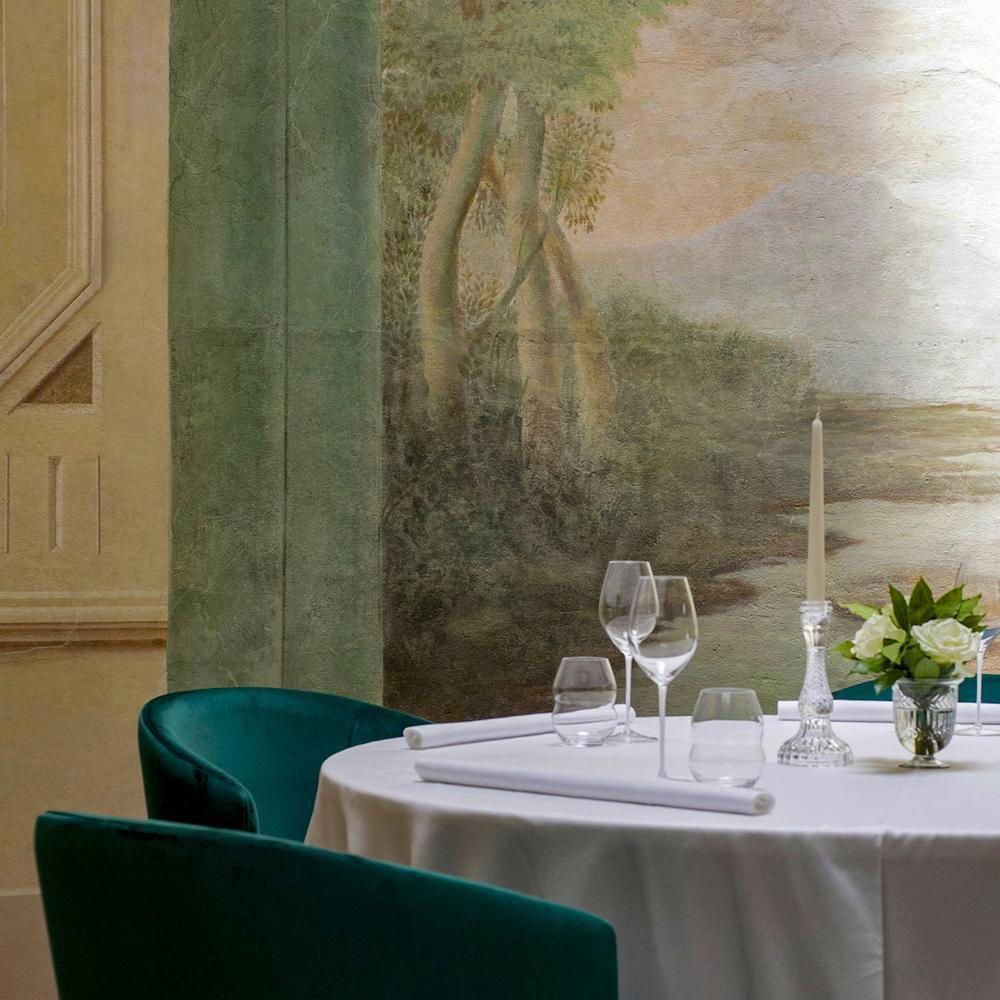
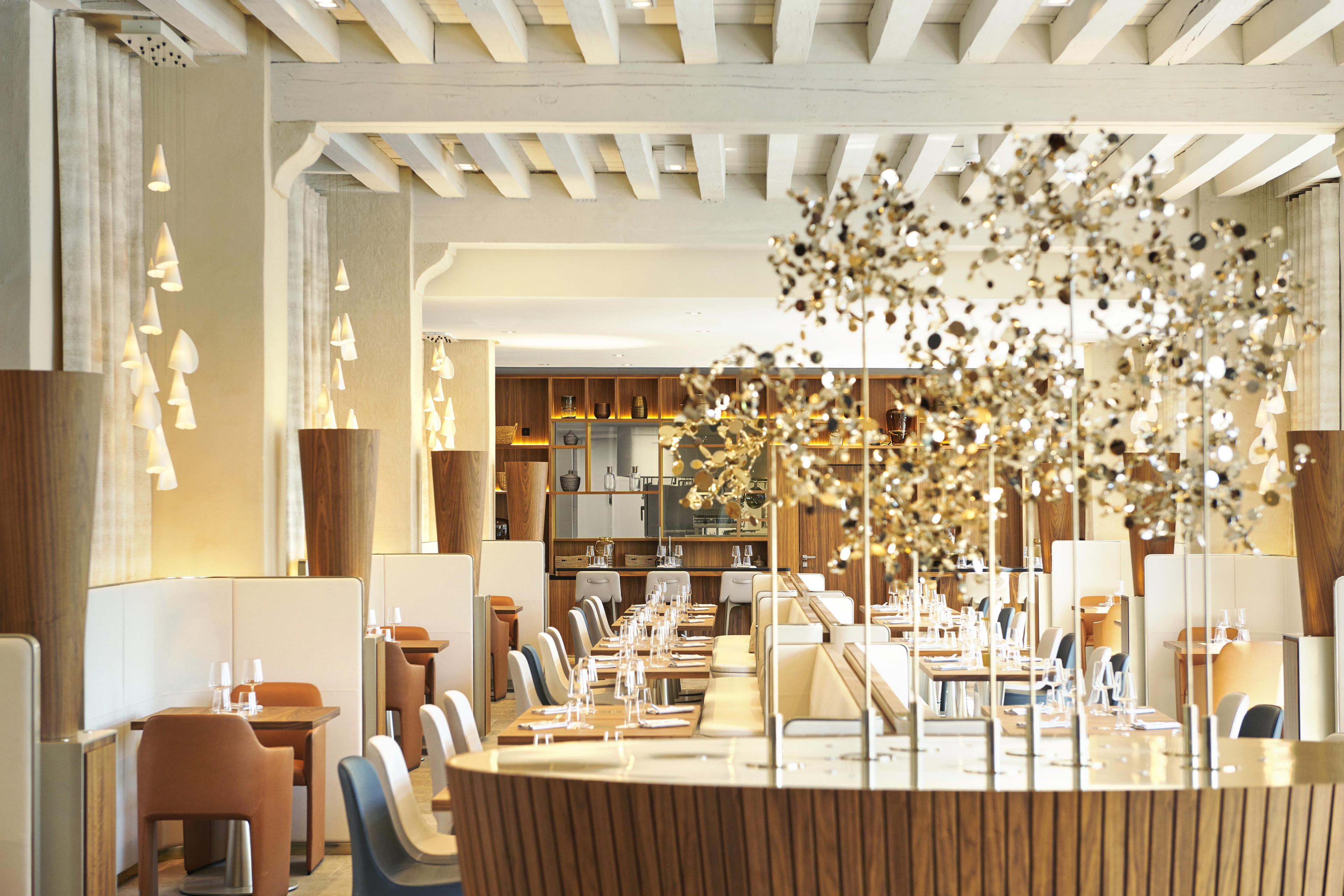

Details
- Rustic
- Cozy
- Family
- Casual Hangout
- Terrace
- Historic Building
- Extensive Wine List
- Local Sourcing
- A La Carte
- Vegetarian Friendly
Current opening hours
- Monday
- Closed
- Tuesday
- Closed
- Wednesday
- 12–2 PM, 7–9 PM
- Thursday
- 12–2 PM, 7–9 PM
- Friday
- 12–2 PM, 7–9 PM
- Saturday
- 12–2 PM, 7–9 PM
- Sunday
- 12–2 PM
Hours can change for holidays and private events. Hours as of .
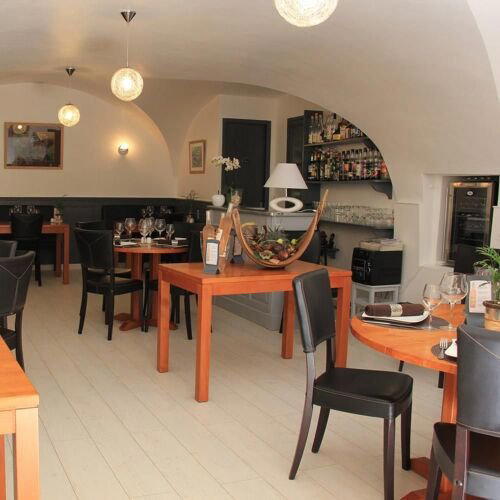
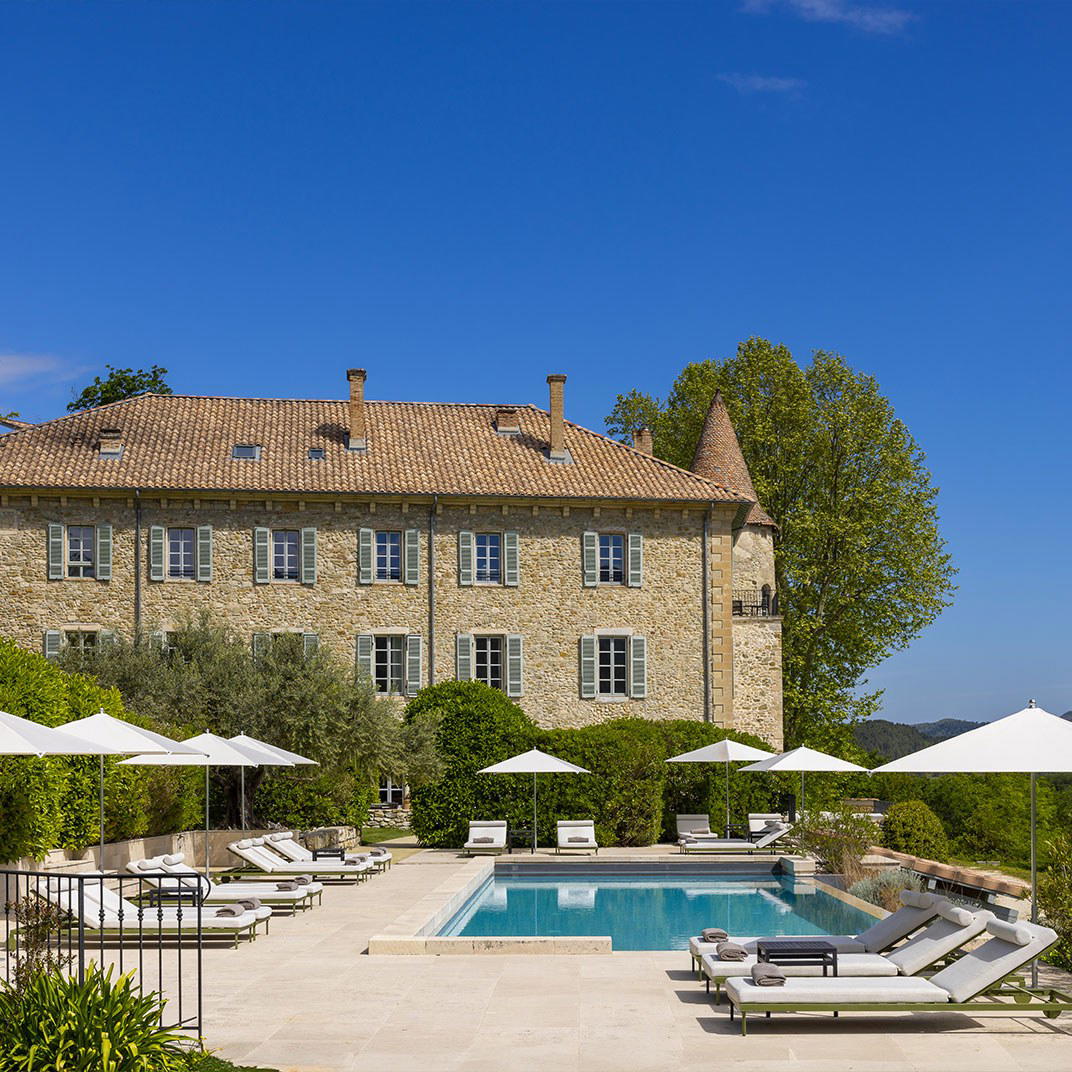
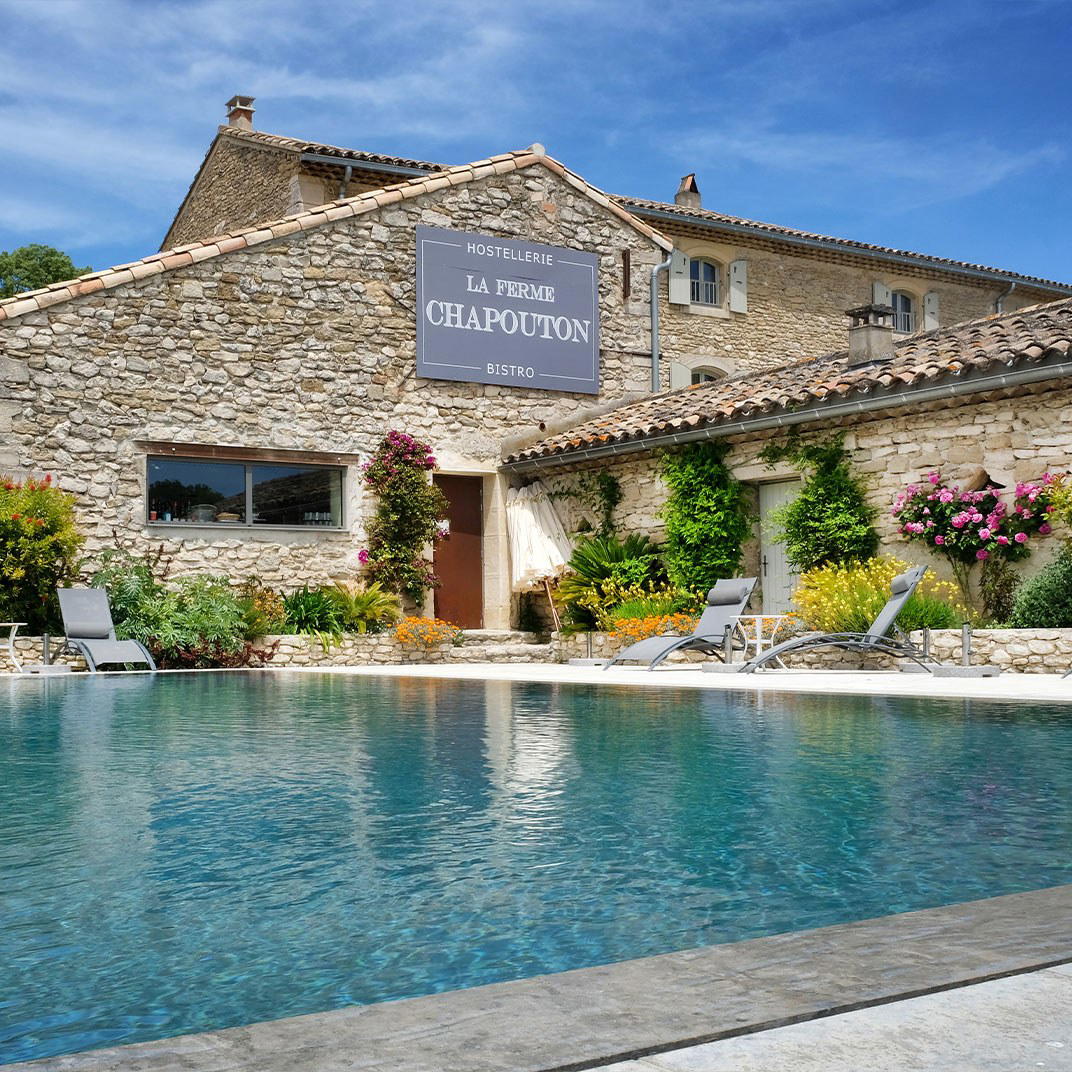
rustic stone walls creating a traditional Provençal atmosphere.