Auberge de Montfleury

A roadside inn outside Saint-Germain that earned its Michelin star in 2024 through a clear division of labour: Angèle Faure runs a polished, unhurried front of house while Richard Rocle builds a menu around pasture-raised pork, hand-picked wild herbs, and Ardèche small producers.
Pearl is the En Primeur Club membership app — saves, bookings, and concierge access live there. Same editors, same standards.
- Address
- 200 Route des Cépages, 07170 Saint-Germain, France
- Phone
- +33 4 75 94 74 13
- Website
- auberge-de-montfleury.fr
- Directions
- Get directions
 Saves & bookings on Pearl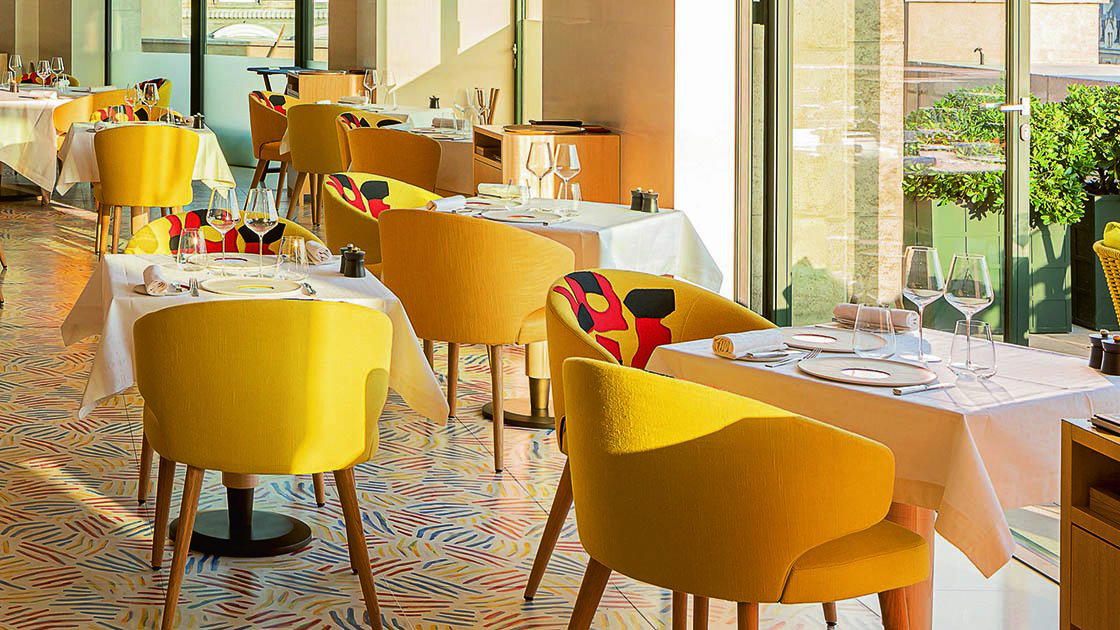
Where the Roadside Inn Meets the Starred Kitchen
France has a long tradition of the auberge that earns serious culinary recognition without relocating to a city arrondissement or a postcard-ready village square. Auberge de l'Ill in Illhaeusern, Bras in Laguiole, and Flocons de Sel in Megève each built their reputations from positions that required the food to do the work, because the setting offered no shortcut. Auberge de Montfleury, on the route des Cépage in Saint-Denis, falls into that same tradition. Its address, a roadside position opposite the station in a stretch of the Ardèche that draws no particular tourist infrastructure, makes no promises on the venue's behalf. The 2024 Michelin star, awarded to a kitchen run by Richard Rocle alongside front-of-house partner Angèle Faure, is the clearest signal that this is a deliberate choice of location rather than a constraint.
The broader context matters. Paris proper has its own densely populated tier of starred modern cuisine, from three-star rooms like Alléno Paris au Pavillon Ledoyen and Le Cinq at the Four Seasons George V to newer one-star addresses such as Accents Table Bourse and Anona. Auberge de Montfleury competes in none of those registers. Its comparable set is the provincial starred inn: places where the dining room reflects its territory rather than an imported aesthetic, and where sourcing from local small producers is a structural commitment rather than a menu footnote.
The Division of Labour That Makes It Work
What distinguishes well-functioning French auberges from their less coherent counterparts is often not the kitchen alone, but the clarity of how responsibility is divided. The front of house and the kitchen need to operate at matching frequencies, particularly in smaller rooms where any gap between service quality and food quality becomes immediately legible to the guest. At Auberge de Montfleury, that division is explicit: Angèle Faure owns the dining room, Rocle owns the kitchen, and the Michelin inspectors noted both when awarding the star in 2024.
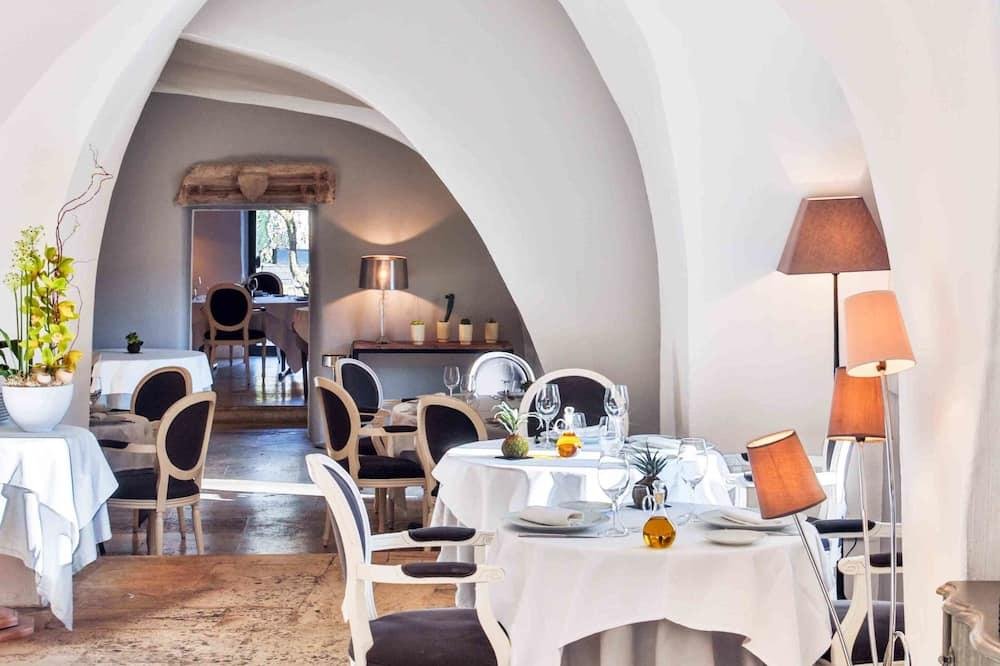
This kind of two-lead structure has a meaningful track record in French regional dining. Troisgros in Ouches and Paul Bocuse's Auberge du Pont de Collonges each built their identities through complementary roles, where the personality of the house extends from both sides of the kitchen pass. At Montfleury, Faure's approach has been described as friendly but slick, a combination that signals professional intent without formality for its own sake. The dining room, characterised as contemporary in its design and current in its atmosphere, provides a frame that positions the cooking as modern without distancing itself from the rural materials it works with.
For comparison, international addresses running a similar model of deliberate front-of-house and kitchen parity include Frantzén in Stockholm, where the integration of service and kitchen is among the more discussed elements of the experience, and FZN by Björn Frantzén in Dubai, which exports that same structural discipline. The scale and price tier differ substantially, but the underlying logic, that a restaurant functions as a coherent system, not a kitchen with support staff, is the same.
The Kitchen's Position: Between Rural Fare and Contemporary Technique
The food at Auberge de Montfleury occupies a specific position that the Michelin description frames clearly: poised between homely rural fare and modernity, with a strong preference for small producers. That positioning is neither rustic cooking dressed up nor urban technique applied to country ingredients. It requires the kitchen to hold two registers simultaneously, letting the origin of the product be legible while the cooking adds a contemporary layer without overwriting it.
The sourcing is specific and local: pasture-raised pigs, snails, saffron, goat's cheese, and wild herbs gathered by hand. These are not generic country ingredients; they are Ardèche territory markers, and their presence on a starred menu in 2024 places Rocle's kitchen within a wider movement in French provincial cooking that has moved away from elaboration for its own sake toward specificity of place. Mirazur in Menton operates at a different scale and price tier, but similarly treats geography as the primary ingredient in any dish. The logic, that a menu should be readable as a map of its surroundings, is consistent across the category, even when the execution varies considerably.
This orientation toward local small producers also carries a practical implication for the menu's character: it will shift with availability, season, and the harvests of specific farms and foragers. That kind of menu is harder to maintain at consistent quality than a supply-chain-controlled format, and its success, as reflected in, suggests the kitchen's judgment on sourcing decisions is reliable.
The Dining Room and Its Atmosphere
The exterior of the auberge, by its own description, reads as nondescript, a roadside inn opposite the station, without the visual cues that prime expectations in either direction. That restraint at the threshold is a deliberate element of the experience in many well-regarded provincial French rooms: the contrast between an unassuming approach and a considered interior has a long tradition in the format, and it functions as a kind of editorial edit, filtering out guests drawn primarily by spectacle.
Inside, the dining room has been described as contemporary and in keeping with current design sensibility, which in a rural Ardèche context means the space has been updated without adopting the heavy modernist gestures common in urban restaurant openings. The atmosphere is friendly rather than reverential, which aligns with the food's positioning between rural tradition and contemporary cooking. A room that felt ceremonial would create a category mismatch with a menu built around hand-picked wild herbs and farm-specific snails.
Restaurants that have managed this tonal calibration well across the French provincial tier tend to retain their ratings more durably than those where the atmosphere overshoots or undershoots the cooking. The 4.8 score across a substantial review base suggests the calibration at Montfleury is working.
Placing It Within the Broader Paris and French Starred Scene
The restaurant's Michelin star sits in a different register from the Paris addresses that occupy the leading tiers of the capital's dining scene. Rooms like 114, Faubourg, Amâlia, and Auguste operate within a city context where competition for attention and reservation slots is intense, and where the price-to-ambition ratio is calibrated against a dense urban comparable set. Montfleury's €€€ pricing occupies a middle tier, below the €€€€ three-star rooms but above casual regional dining, which is consistent with a provincial one-star that sources from small producers and runs a kitchen and front of house at professional level.
The address also places it within the tradition of destination dining outside Paris: the Michelin-starred provincial inn that rewards a deliberate journey rather than a walk from a city hotel. Flocons de Sel in Megève and Auberge de l'Ill in Illhaeusern represent the upper end of that tradition; the restaurant is a newer entrant operating in the same format logic, at an earlier stage in its trajectory.
Planning a Visit
The auberge is located at 200 route des Cépage, Saint-Denis, in the commune of Saint-Germain in the Ardèche department, accessible from the adjacent station. Given the rural position and the Michelin star awarded in 2024, it is reasonable to expect that reservations require planning, particularly for weekend service. The €€€ price range places it in a category where a meal for two with wine represents a considered spend rather than a casual outing.
Cuisine and Credentials
Comparable venues nearby, for context on price, style, and recognition.
| Venue | Cuisine | Price | Awards | Notes |
|---|---|---|---|---|
| Auberge de MontfleuryThis venue — the venue you are viewing | Modern French Fine Dining | $$$ | Michelin 1 Star | Not listed |
| Fleur de Pavé | Modern French Gastronomique | $$$ | Michelin 1 Star | 2nd arrondissement (Sentier/Bourse) |
| Ochre | Modern French Gastronomic | $$$ | Michelin 1 Star | Rueil-Malmaison |
| Le Tout-Paris | Modern Parisian Brasserie | $$$$ | Michelin 1 Star | Saint-Germain-l'Auxerrois |
| Le Violon d'Ingres | Classical French Fine Dining | $$$ | Michelin 1 Star | 7th Arrondissement (Gros-Caillou) |
| Le Chiberta | Modern French Fine Dining | $$$$ | Michelin 1 Star | Étoile |
Recognition history
Dated appearances from independent guides and award organizations, with the underlying list record or original source where available.
Michelin 1 Star
Michelin
Michelin 1 Star
Michelin
Michelin 1 Star
Michelin
Continue exploring
More in Saint Germain
Restaurants in Saint Germain
Browse all →
Hotels in Saint Germain
Browse all →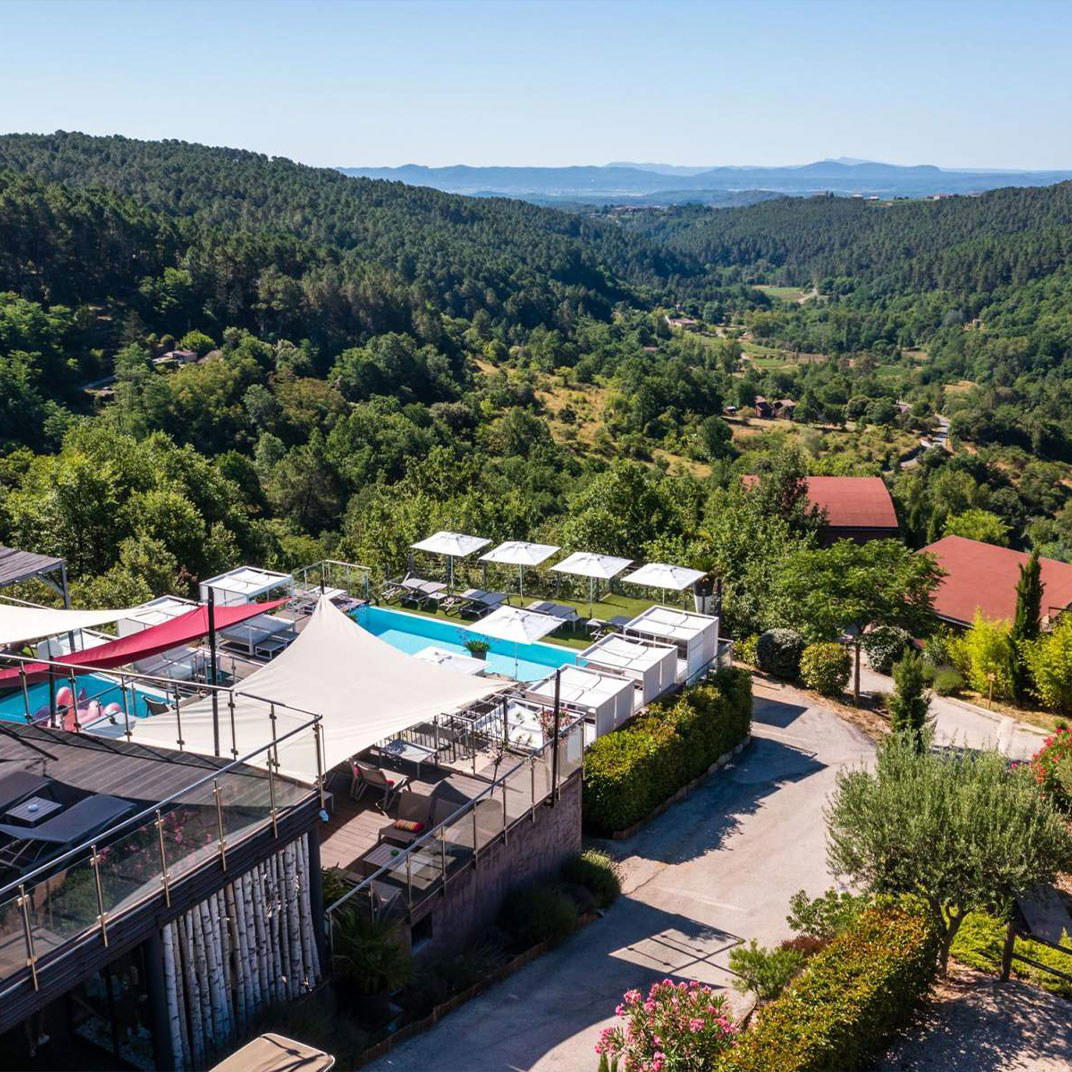
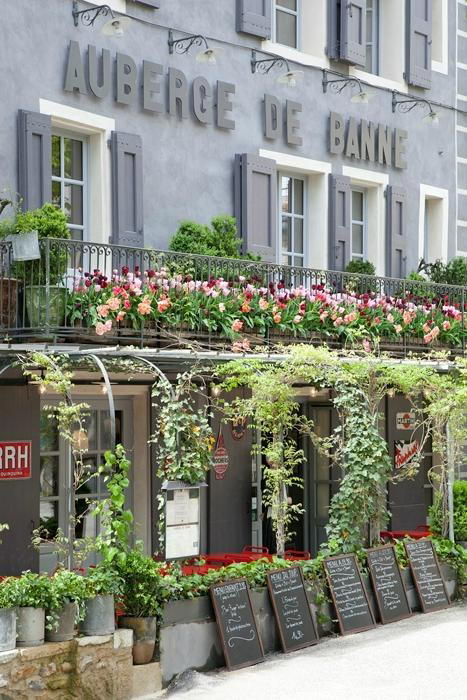

At a Glance
- Elegant
- Modern
- Sophisticated
- Cozy
- Date Night
- Special Occasion
- Celebration
- Open Kitchen
- Chefs Counter
- Extensive Wine List
- Local Sourcing
Current opening hours
- Monday
- Closed
- Tuesday
- Closed
- Wednesday
- Closed
- Thursday
- 12–1:15 PM, 7:30–9 PM
- Friday
- 12–1:15 PM, 7:30–9 PM
- Saturday
- 12–1:15 PM, 7:30–9 PM
- Sunday
- 12–1:15 PM
Hours can change for holidays and private events. Last verified .
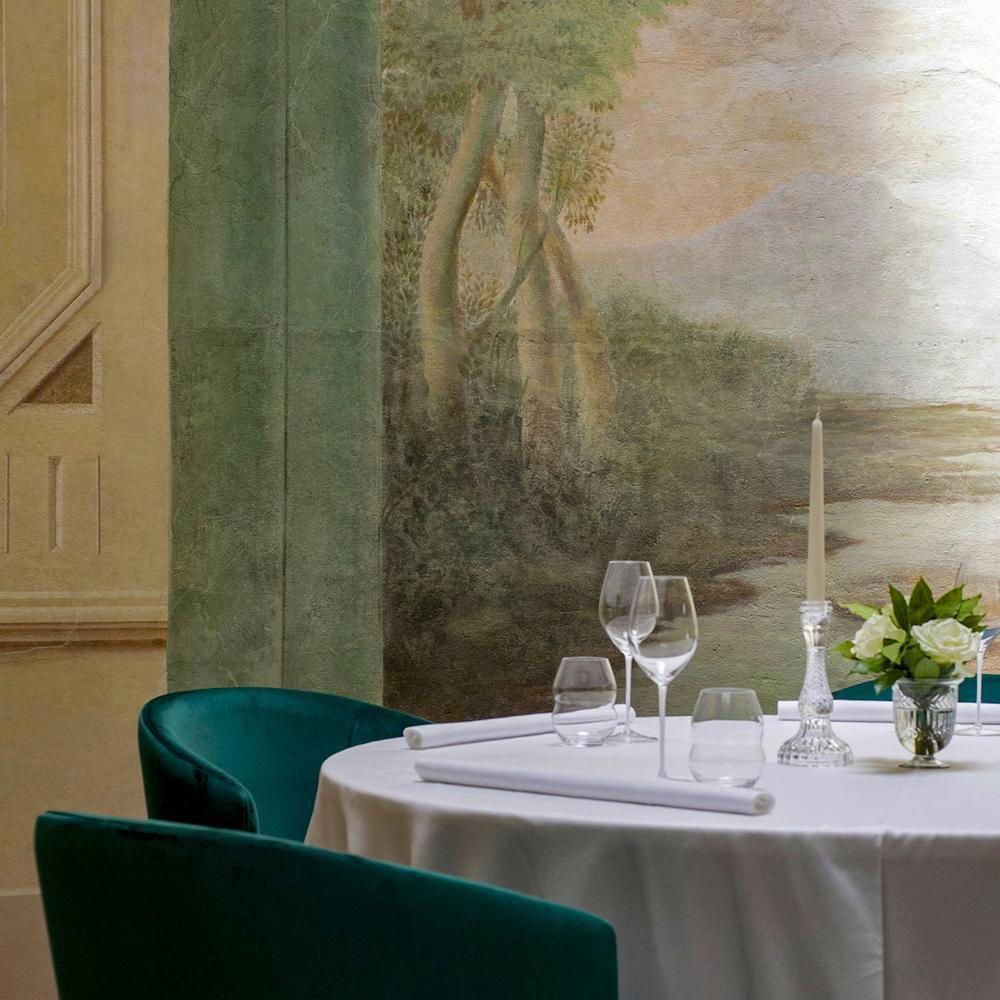
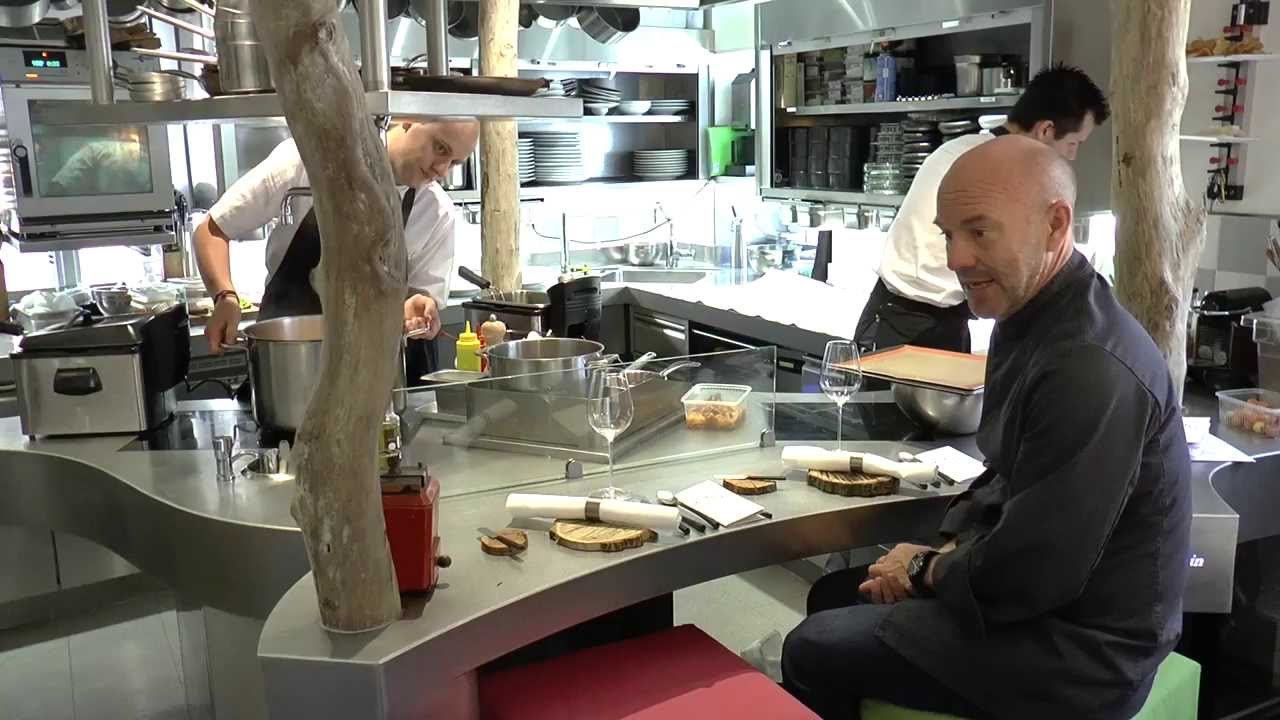
Elegant contemporary dining room with light wood and green tones, open kitchen view, sober decoration, comfortable seating, and warm, professional service.