Restaurant le traditionnel
On Cours Fauriel, one of Saint-Étienne's main southern arteries, Restaurant le traditionnel occupies the kind of address that signals neighbourhood permanence rather than passing trend. The name alone sets an expectation: classical French cooking, executed with the honesty that characterises the city's relationship with its own table. For visitors oriented toward regional tradition over modernity, this is a logical first stop.
Pearl is the En Primeur Club membership app — saves, bookings, and concierge access live there. Same editors, same standards.
- Address
- 68 Cr Fauriel, 42100 Saint-Étienne, France
- Phone
- +33487661508
- Website
- restaurant-letraditionnel.fr
- Directions
- Get directions
 Saves & bookings on Pearl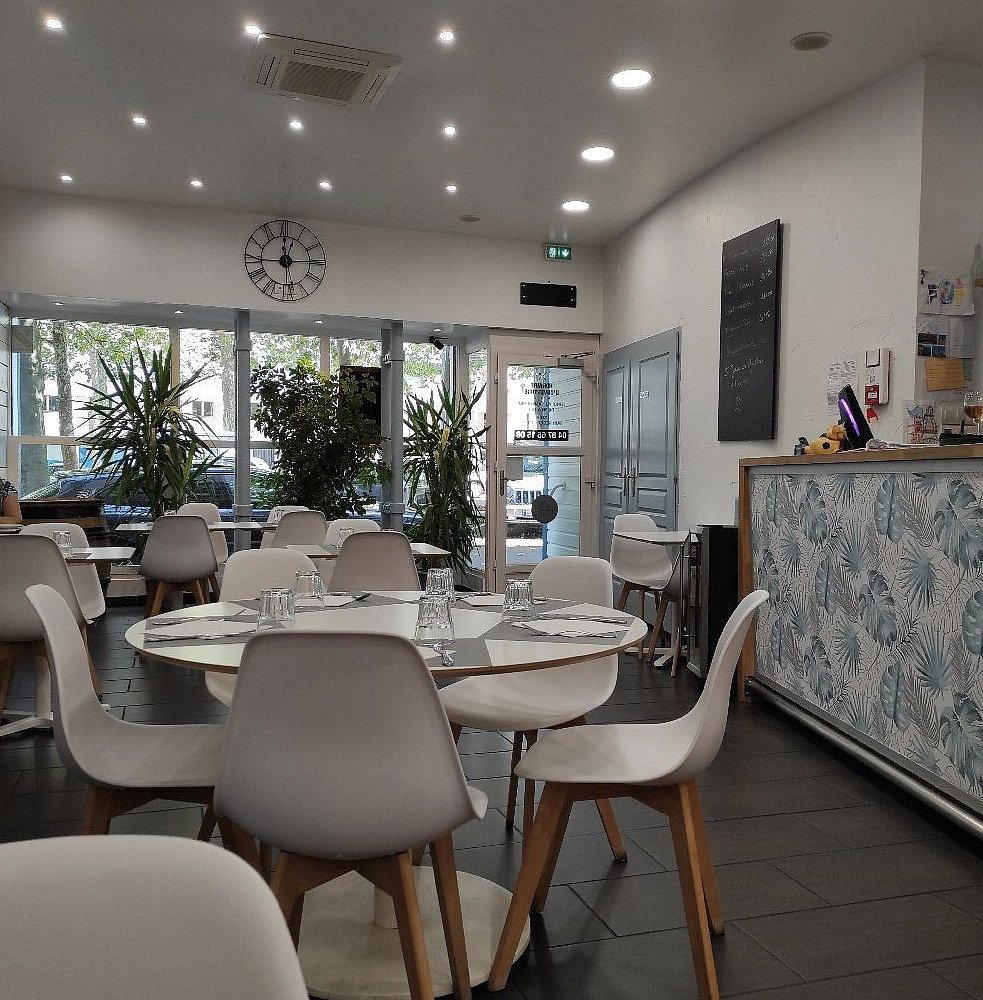
Cours Fauriel and the Grammar of Traditional French Dining
Restaurant le traditionnel is a traditional French bistro in Saint-Étienne, France, at 68 Cr Fauriel, with. Cours Fauriel runs south through Saint-Étienne like a spine, broad and tree-lined, connecting the city centre to quieter residential quarters. Addresses along it tend to carry a certain civic weight, they are not tucked away or accidental. Restaurant le traditionnel at number 68 sits within that civic register: visible, deliberate, and in the part of the city where Saint-Étienne eats as a local rather than performs for a visitor. The room, before a single dish arrives, communicates something about the French provincial dining tradition, one in which the architecture of the meal matters as much as any individual plate.
That tradition is worth understanding on its own terms. French regional cooking in mid-sized industrial cities like Saint-Étienne has historically operated in a different register from the high-modernist cuisine associated with Lyon or the coastal innovation of Marseille. It is a cooking rooted in the rhythms of weekly markets, in cuts that require slow time, and in menus that move with the season rather than against it. Where a city like Lyon has exported its bouchon culture into a global shorthand, Saint-Étienne's table remains less codified, and in some respects more honest for it. The restaurant scene here does not carry the pressure of international expectation, which allows places like Restaurant le traditionnel to function as they are: practical, grounded, and oriented toward the regulars who walk in knowing what they want.
What the Name Promises, and What Menu Architecture Delivers
The word traditionnel in a French restaurant name is not decorative. It is a statement of positioning, a signal to the diner about what the kitchen will and will not attempt. In the broader Saint-Étienne dining scene, this places the restaurant in deliberate contrast to addresses like La Table des Matrus, which operates at the modern cuisine end of the local spectrum, or La Cempote, where the format and cooking approach differ from classical convention. The traditionnel name implies a menu organised around recognisable structures: entrée, plat, dessert, with the plat carrying the weight of the meal and the wine list built to support rather than compete with the food.
In French provincial restaurants of this type, menu architecture is often the clearest lens through which to read the kitchen's priorities. A menu anchored in tradition will typically foreground technique over creativity: a properly made sauce gribiche, a terrine that takes two days to construct, a gratin that requires patience rather than innovation. The structure tells you that the kitchen is not chasing novelty. It is defending a standard. That defence, done well, is its own form of ambition, a more demanding one than the freedom afforded by a tasting menu format where the chef sets all the terms.
Within Saint-Étienne's mid-range dining tier, this positioning is coherent. The city's restaurant ecology includes brasseriev-adjacent addresses such as La Taverne Brasserie and more casual options like Gonzague Burgers Saint-Etienne - Maison Gourmande, while at the other end, addresses such as L'Aile ou la Cuisse occupy their own niche. The restaurant sits within the classical strand of this picture, the part of the scene that holds ground rather than chasing shifts in format or fashion.
Saint-Étienne in the Wider French Regional Context
To understand what a restaurant like this means, it helps to situate Saint-Étienne in the French culinary geography. The Auvergne-Rhône-Alpes region is dense with serious kitchens. Within reasonable distance of the city sits Troisgros - Le Bois sans Feuilles in Ouches, one of the defining three-Michelin-star addresses of modern French cooking, and further afield, reference points like Flocons de Sel in Megève or the monument of Paul Bocuse - L'Auberge du Pont de Collonges in Collonges-au-Mont-d'Or. France's table at its most ambitious is never far away when you are in this part of the country.
That proximity raises the stakes for traditional cooking in a city without Michelin infrastructure. Addresses such as Mirazur in Menton, AM par Alexandre Mazzia in Marseille, or Auberge de l'Ill in Illhaeusern represent what French cooking looks like when it is performing for the world. A neighbourhood restaurant in Saint-Étienne is doing something different: it is performing for the city itself. That is not a lesser ambition. It is a different one, and it deserves to be read on its own terms. For context on how French regional dining compares internationally, the technical precision valued at addresses like Le Bernardin in New York City or the structural rigour of Atomix in New York City shares a common root with the disciplined classical kitchen, even when the expression looks different.
Travellers arriving from further afield might also consider the region more broadly before committing to a single evening in Saint-Étienne. Bras in Laguiole, Assiette Champenoise in Reims, and Alléno Paris au Pavillon Ledoyen in Paris offer useful reference points for anyone mapping France's table across a longer trip. Our full Saint-Étienne restaurants guide provides a wider view of where the city's dining scene currently sits. And Au Crocodile in Strasbourg serves as a useful regional comparison for classical French cooking outside the Lyon axis.
Planning Your Visit
The restaurant is located at 68 Cours Fauriel, in a part of Saint-Étienne that is direct to reach by foot from the city centre or by local transport from the main train station. As with most traditional French restaurants of this type, lunch service tends to be the more structured meal: a fixed-price menu offering better value and, in many cases, a cleaner expression of the kitchen's daily focus. The restaurant's hours are Mon: 9 AM to 5 PM, Tue to Sat: 9 AM to 4 PM, and Sun closed. Reservations are advisable, particularly for weekend lunches, when the neighbourhood clientele fills the room early.
Reputation Context
Comparable venues nearby, for context on price, style, and recognition.
| Venue | Cuisine | Price | Notes |
|---|---|---|---|
| Restaurant le traditionnelThis venue — the venue you are viewing | Traditional French Bistro | $$ | Not listed |
| Restaurant Chimère | Bistronomic French Fusion | $$ | centre-ville |
| L Aile ou la Cuisse | French Rôtisserie | $$ | Place Jean Jaurès |
| La Taverne Brasserie | Traditional French Brasserie | $$ | Centre Gare |
| Madame, table de cheffe | Modern French Creative | $$$ | Villeboeuf |
| little garden restaurant | Authentic Vietnamese | $$ | :null |
Continue exploring
More in Saint-Étienne
Restaurants in Saint-Étienne
Browse all →
Bars in Saint-Étienne
Browse all →
Hotels in Saint-Étienne
Browse all →

At a Glance
- Cozy
- Classic
- Rustic
- Casual Hangout
- Group Dining
- Business Dinner
- Terrace
- Courtyard
- Local Sourcing
Current opening hours
- Monday
- 9 AM–5 PM
- Tuesday
- 9 AM–4 PM
- Wednesday
- 9 AM–4 PM
- Thursday
- 9 AM–4 PM
- Friday
- 9 AM–4 PM
- Saturday
- 9 AM–4 PM
- Sunday
- Closed
Hours can change for holidays and private events. Last verified .
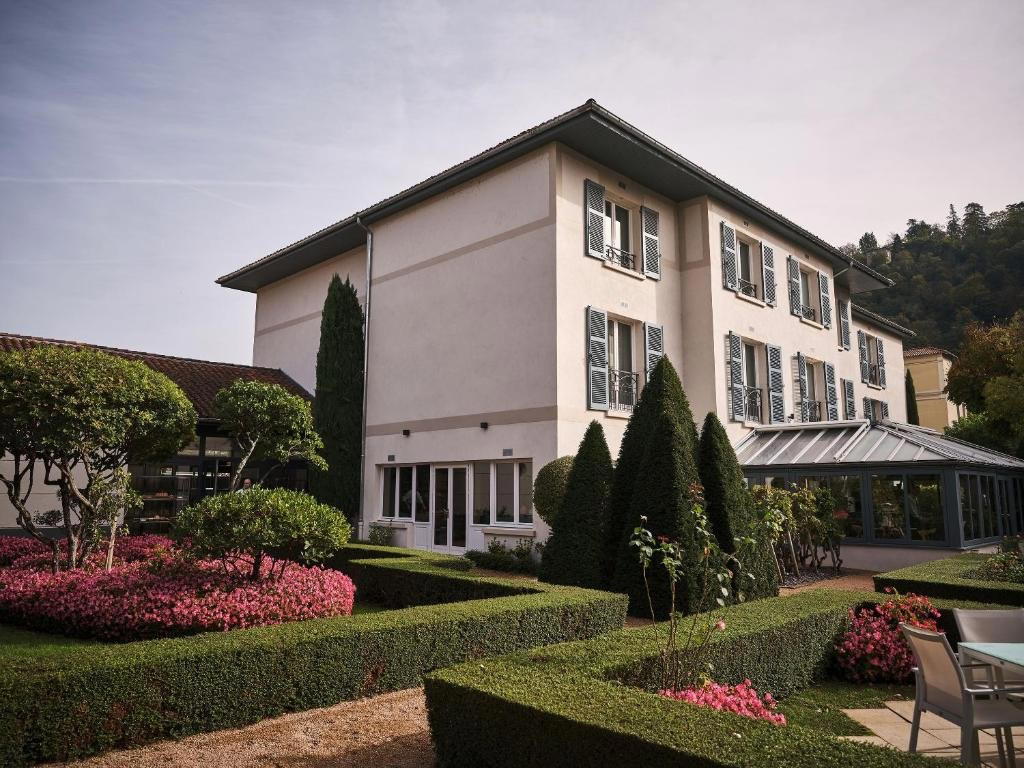
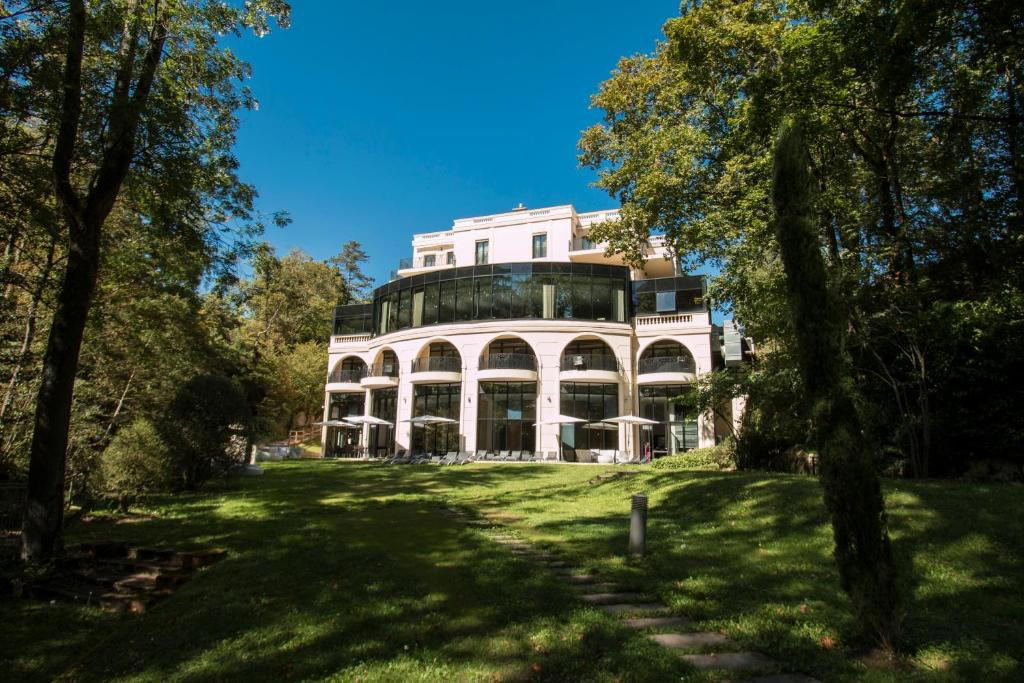
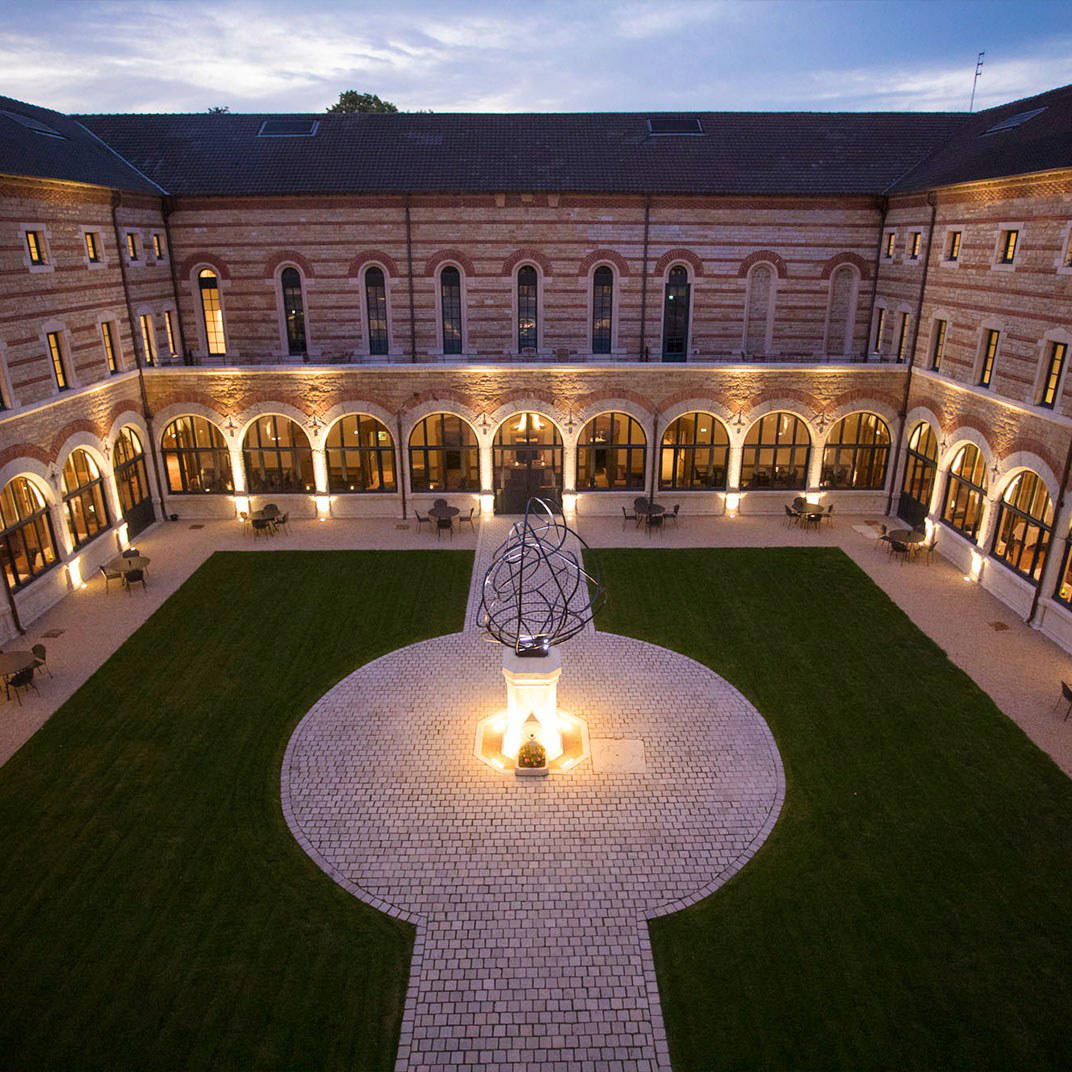
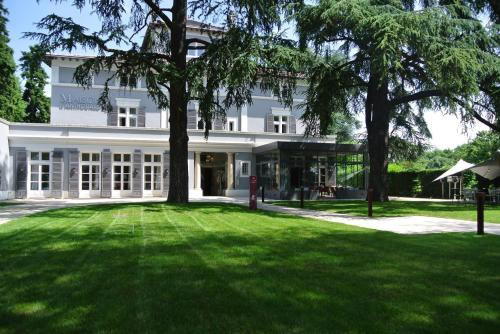
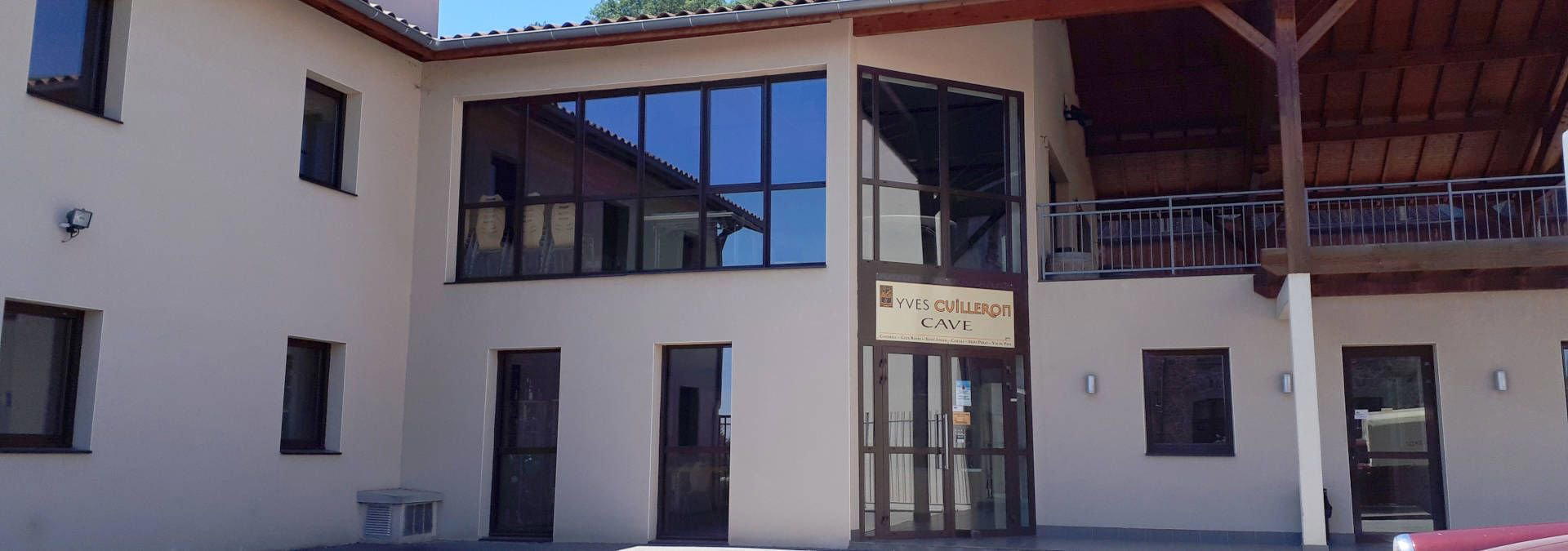
Warm and friendly with a sober, refined aesthetic. Features a shaded and covered courtyard terrace and a climate-controlled dining room.