Pjero sits in Momjan, a hilltop village in Istria's interior where truffle country and Malvazija vineyards define the table before the kitchen does. The address alone, Kremenje 99, deep in the Istrian hinterland, signals a restaurant reached by intention, not convenience. For the wider Croatian fine-dining context, see our full Momjan restaurants guide.
Pearl is the En Primeur Club membership app — saves, bookings, and concierge access live there. Same editors, same standards.
- Address
- Kremenje 99, 52460, Momjan, Croatia
- Phone
- +385955749006
- Website
- konoba-pjero.com
- Directions
- Get directions
 Saves & bookings on Pearl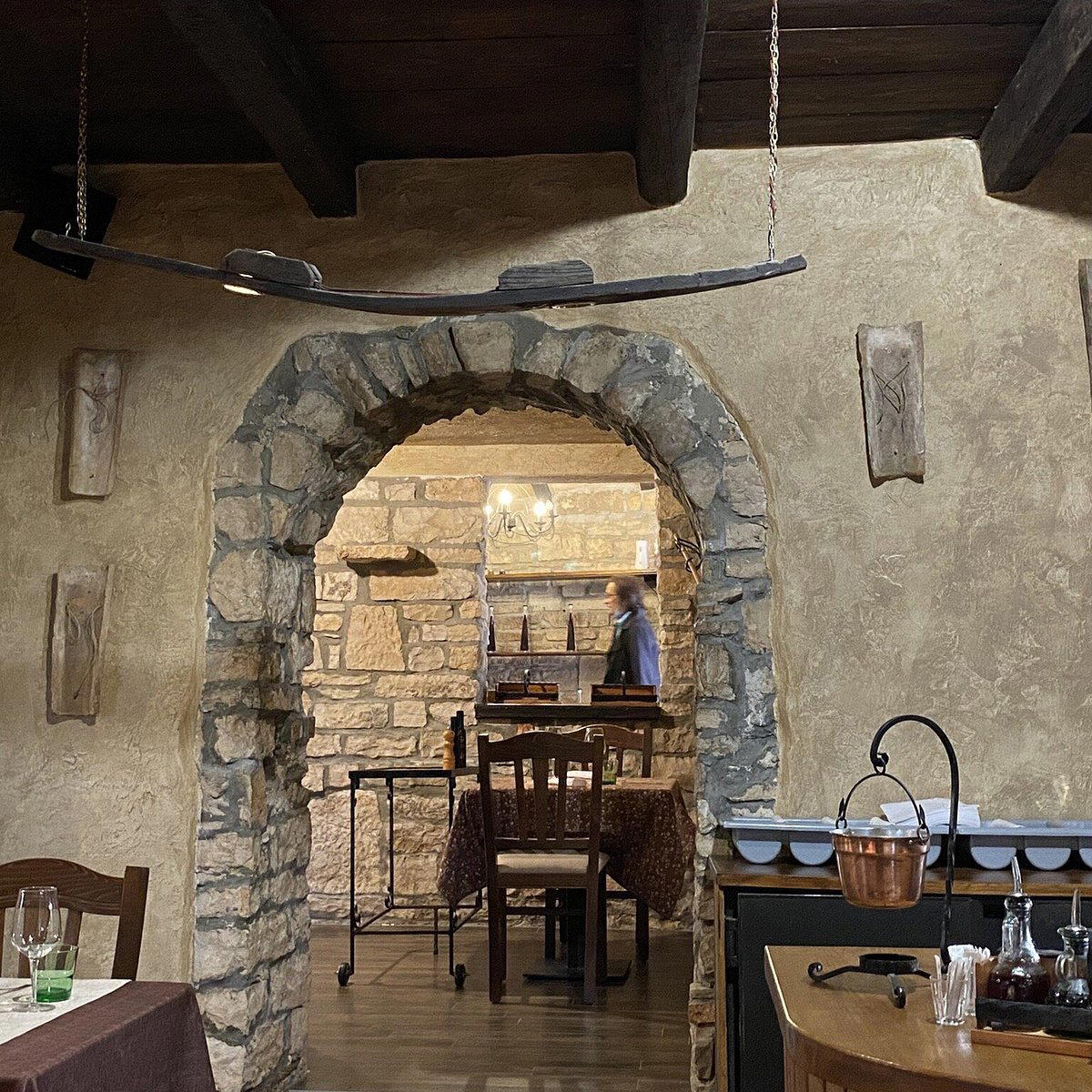
Istria's Interior and the Logic of Cooking in Truffle Country
Momjan occupies a ridge in the Buje municipality of northern Istria, a zone where the vine and the truffle oak share the same iron-red soil. This is not coastal Croatia, with its Adriatic seafood orthodoxy and seasonal rhythms. The interior operates on a different calendar and a different larder: autumn brings white truffles from the Mirna Valley, the olive harvest follows close behind, and Malvazija Istarska, the region's white grape of record, fills cellars that double as dining rooms in villages you would miss at speed. Restaurants that set up in this terrain are making an argument about what Istrian cooking actually is when it is not performing for the coast. Pjero, at Kremenje 99, is a restaurant in Momjan, Croatia, serving Istrian Steakhouse & Trattoria cooking at about $25 per person. It sits inside that argument.
The distinction matters because Croatian fine dining, as represented by properties like Pelegrini in Sibenik or Restaurant 360 in Dubrovnik, has historically anchored itself to dramatic coastal settings. Both operate at the €€€€ tier against panoramic water views. Interior Istria offers a different proposition: the drama is agrarian, the seasons are more pronounced, and the ingredient story is harder to fake because the land that produced it is visible from the table. Among the restaurants that have chosen this register, Pjero in Momjan is the address that keeps appearing in conversations about where Istrian identity on a plate is most legible.
The Approach to Kremenje 99
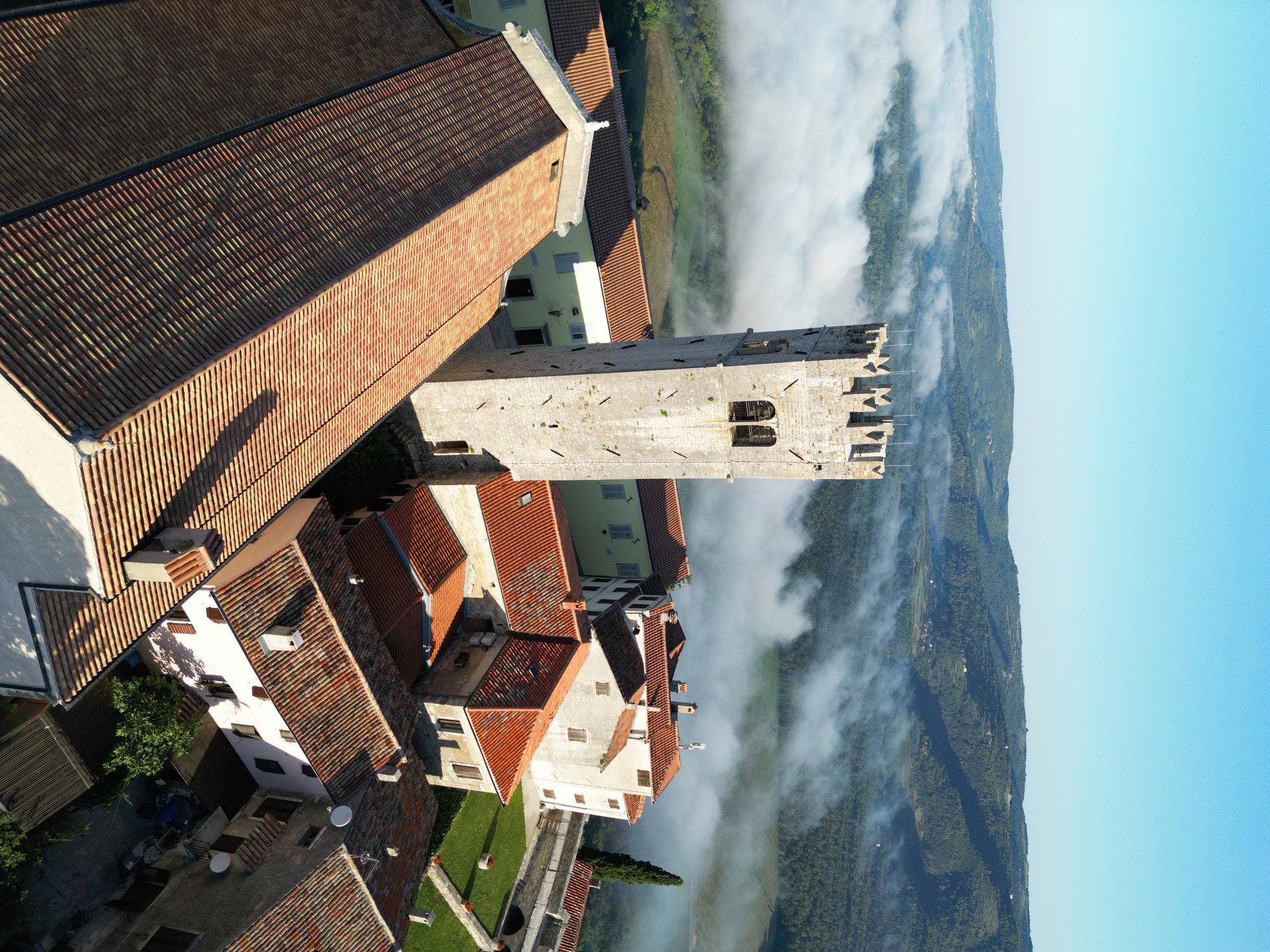
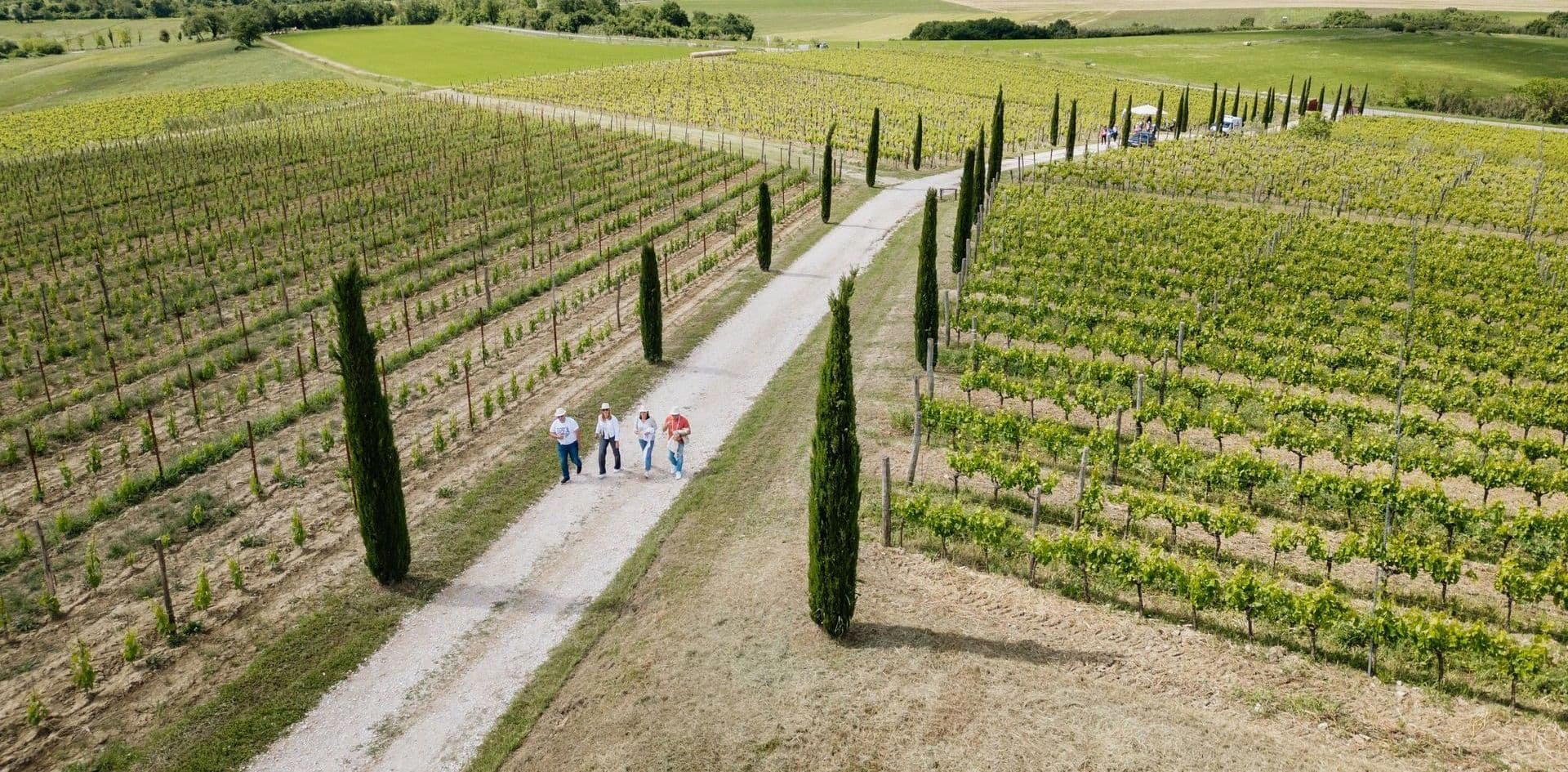
Reaching Momjan requires choosing it. The village sits above the Dragonja valley on roads that reward attention and penalise impatience. That quality of arrival, earned rather than incidental, is part of what the meal delivers. Restaurants in this part of Istria are not stopping points on a larger itinerary; they are the itinerary. The surrounding landscape on the drive in through Buje and up toward Momjan's ridge is a working argument for why you are about to eat what you are about to eat: vineyards on slopes that face southwest for afternoon light, olive groves on terraces, and the particular grey-green of truffle oak forest marking the valley floors.
This is a pattern recognisable across the better tables of Istria's interior, from Marino, also in Momjan, to the island-adjacent ambition of Boskinac in Novalja and the terroir-conscious cooking at Korak in Jastrebarsko. Each property treats its location as a primary ingredient rather than a backdrop. Pjero operates in that same mode.
What the Kitchen is Working With
Istrian cuisine at its most considered is a borderland cuisine. The region changed hands repeatedly across the twentieth century, passing between the Austro-Hungarian empire, Italy, and Yugoslavia before becoming part of independent Croatia in the 1990s. Each transition left traces in the food: pasta shapes with Italian names made with local grains, goulash variants that reference Central European influence, and a fundamental reliance on pork, game, and foraged ingredients that predates all the political geography. White truffle in particular connects Istria to its Italian neighbour Friuli and to Piedmont, but the Istrian variety, sourced primarily from the Motovun forest and its tributaries, has a documented regional identity of its own.
This history means that a kitchen in Momjan working with local materials is not operating from a single culinary tradition but from a layered one. The leading Istrian restaurants treat that layering as complexity to work with rather than a problem to resolve. Alongside Pjero, the Istrian scene includes the Italian-contemporary ambition of Agli Amici Rovinj in Rovinj and the more formal modern Croatian registers at Nebo by Deni Srdoč in Rijeka. Pjero occupies a more village-rooted position in that spectrum.
Placing Pjero in the Croatian Fine-Dining Map
Croatia's premium dining tier has expanded significantly since 2010, with Michelin entering the market and accelerating the formalisation of what had previously been a more informal quality hierarchy. Properties like Dubravkin Put in Zagreb and LD Restaurant in Korčula represent the more metropolitan and resort-adjacent ends of that tier. Smaller properties in rural settings, particularly in interior Istria, operate with a different logic: lower seat counts, shorter seasons, and a closer dependency on what the surrounding terrain produces in any given year.
That model has parallels outside Croatia. At the level of international comparison, the village-restaurant format with deep terroir specificity recalls approaches found in rural France or northern Spain, where the address being difficult to reach is precisely the signal that the kitchen is not optimising for volume. At the opposite end of the formality scale, restaurants like Le Bernardin in New York City or Atomix in New York City represent what Croatian fine dining explicitly is not: urban, theatrical, high-capacity. Interior Istrian restaurants like Pjero represent a counter-argument to that model, one that is gaining credibility as the market for ingredient-provenance cooking deepens internationally.
Other Croatian addresses working in this more grounded register include Krug in Split, BioMania Bistro Bol in Bol, Bodulo in Pag, Burin in Crikvenica, and Cantilly Garden Restaurant in Samobor. The spread of these addresses across the country signals that the premium-rural dining format is not an Istrian anomaly but an emerging pattern in Croatian hospitality more broadly.
Planning a Visit
Momjan is approximately 15 kilometres inland from the coastal town of Novigrad, and around 20 kilometres northeast of Poreč. The village is most practically reached by car; public transport connections to this part of the Buje municipality are sparse. For visitors arriving from the coast, the drive through the Istrian interior is worth building time around rather than compressing. Truffle season runs from late September through December for white truffles, with the black truffle season extending into spring, timing a visit to either window will shape what appears on the table. Reservations are recommended, particularly through autumn when truffle interest drives demand.
Price and Recognition
Comparable venues nearby, for context on price, style, and recognition.
| Venue | Cuisine | Price | Notes |
|---|---|---|---|
| PjeroThis venue — the venue you are viewing | Momjan, Istrian Steakhouse & Trattoria | $$ | Not listed |
| Marino | Not listed | $$ | Momjan, Traditional Istrian Truffle Specialties |
| Pod Napun | Motovun, Traditional Istrian | $$ | Not listed |
| 2. peron | Cerovlje, Istrian Trattoria & Pizzeria | $$ | Not listed |
| Kvarner | Not listed | $$ | Labin, Mediterranean Seafood with Istrian Specialties |
| Ružmarin | Slatina, Mediterranean Pizza & Grill | $$ | Not listed |
Continue exploring
More in Momjan
Restaurants in Momjan
Browse all →
Bars in Momjan
Browse all →
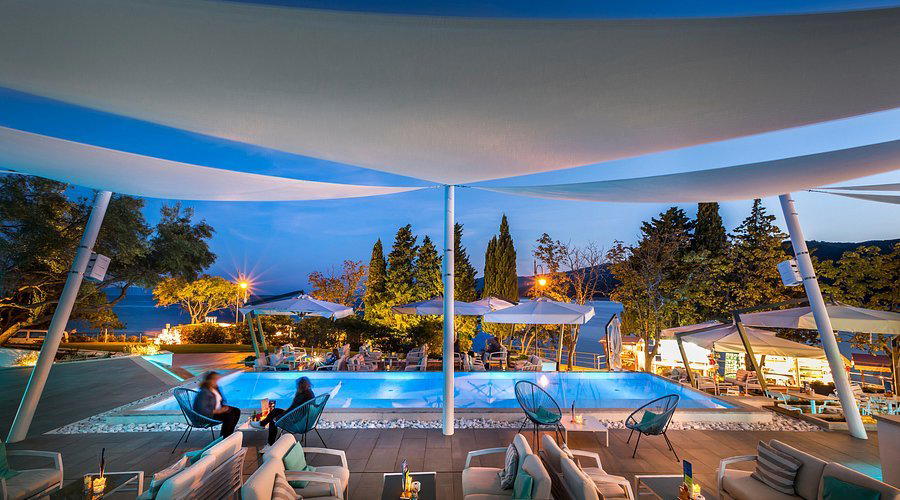
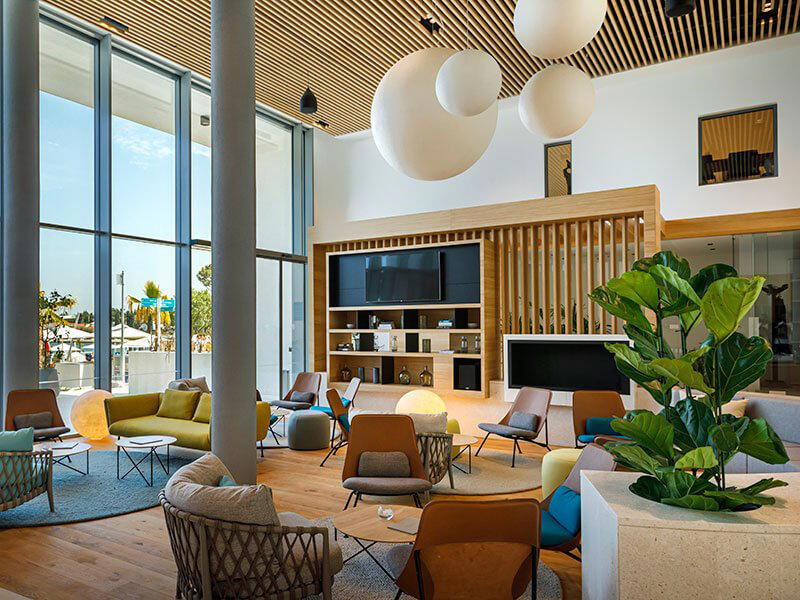
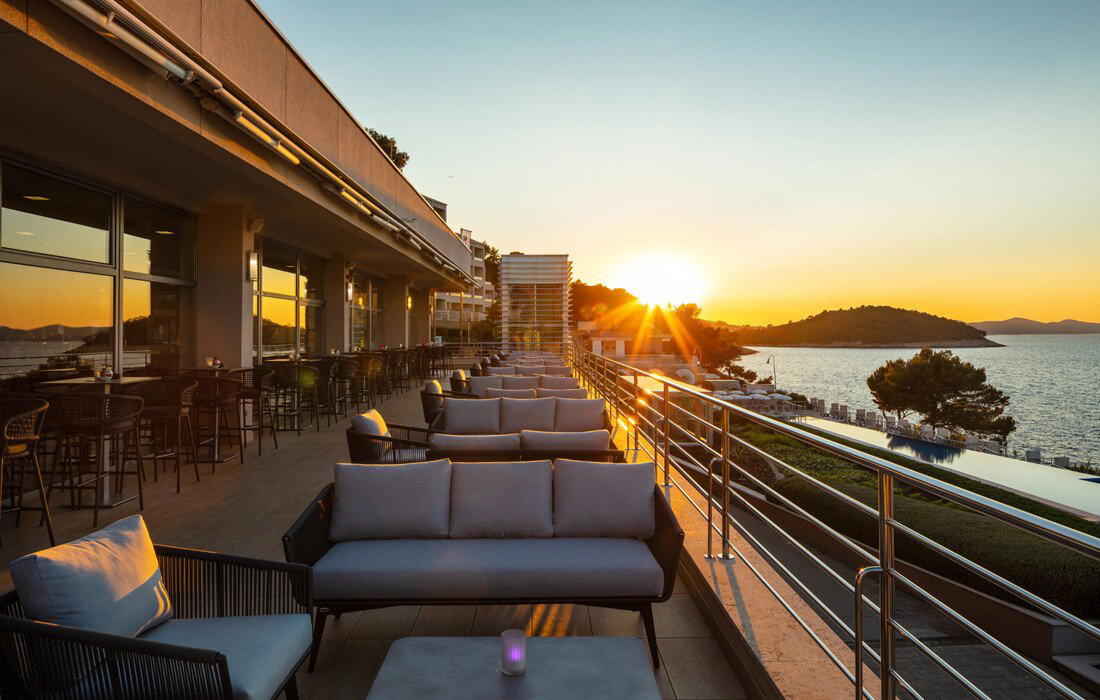
Hotels in Momjan
Browse all →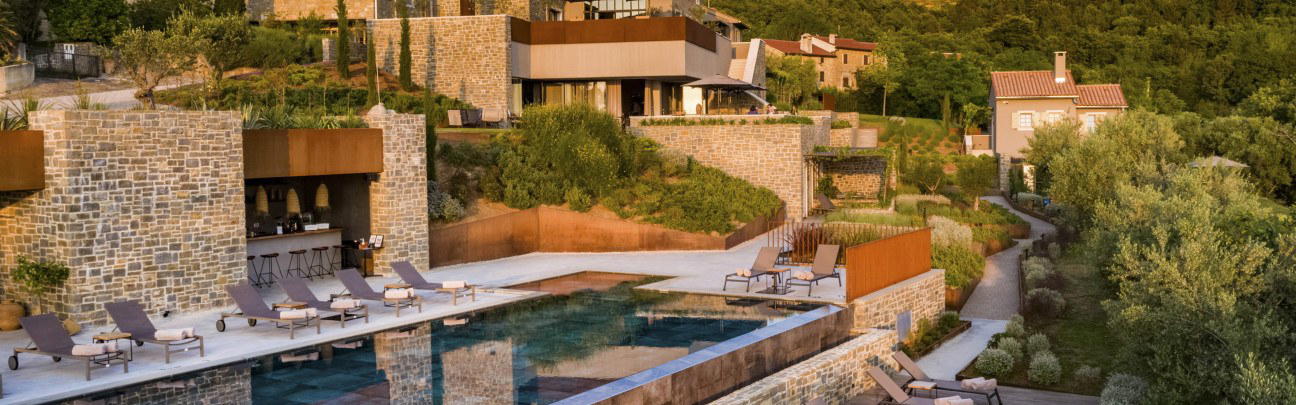

At a Glance
- Rustic
- Cozy
- Scenic
- Family
- Casual Hangout
- Special Occasion
- Terrace
- Courtyard
- Extensive Wine List
- Local Sourcing
- Farm To Table
- Garden
Current opening hours
- Monday
- 1–10 PM
- Tuesday
- 2–10 PM
- Wednesday
- Closed
- Thursday
- Closed
- Friday
- 2–10 PM
- Saturday
- 1–10 PM
- Sunday
- 12–6 PM
Hours can change for holidays and private events. Last verified .
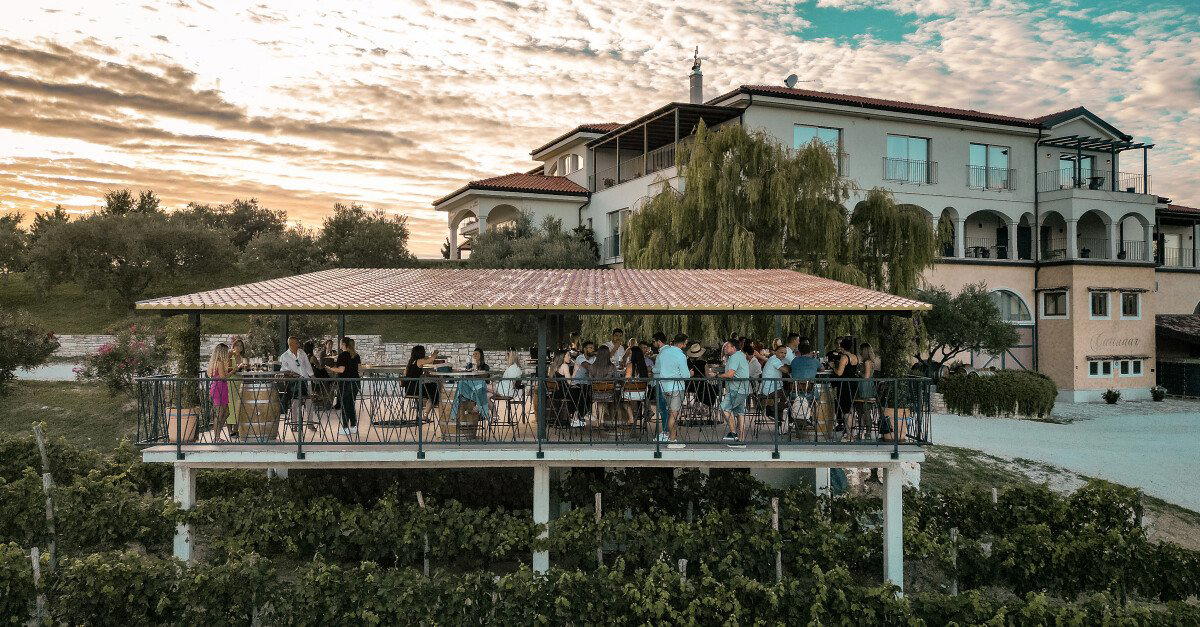
Authentic rustic ambiance in an old stone house with warm hospitality, peaceful surroundings, and a beautiful terrace.