Kvarner pairs Mediterranean Seafood with Istrian Specialties, including Istrian Fuži, grilled fish, and black risotto, on a waterfront terrace in Labin.
Pearl is the En Primeur Club membership app — saves, bookings, and concierge access live there. Same editors, same standards.
- Address
- Šetalište San Marco 3, 52220, Labin, Croatia
- Phone
- +38552852336
- Website
- kvarnerlabin.com
- Directions
- Get directions
 Saves & bookings on Pearl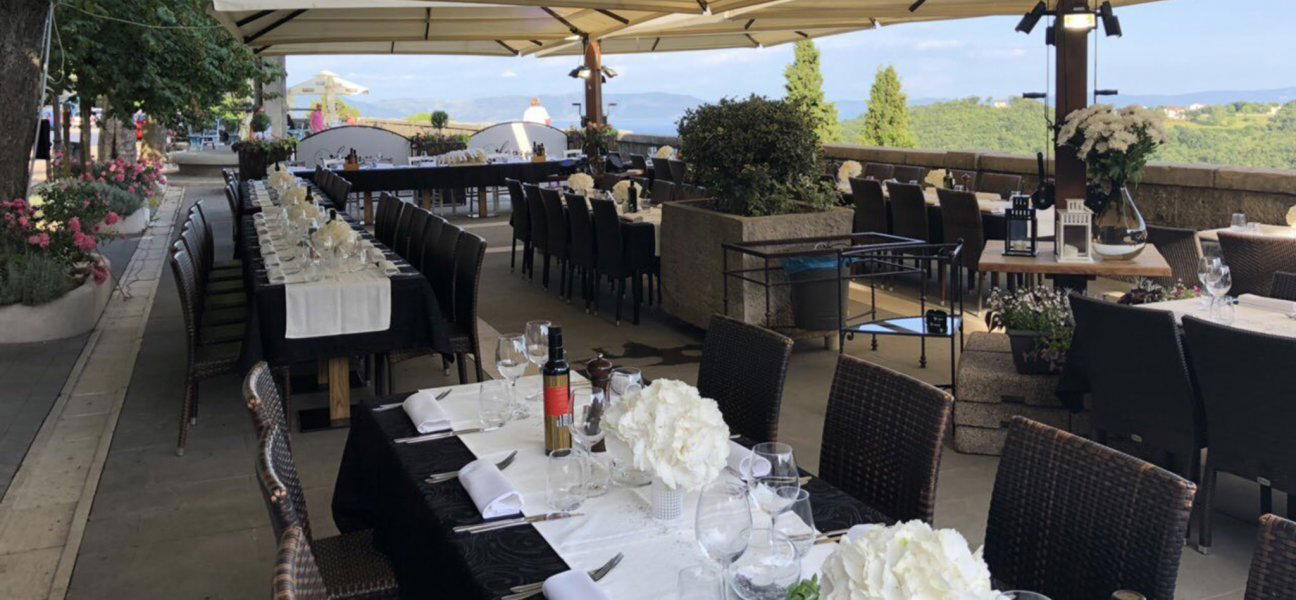
Where the Istrian Hilltown Meets the Kvarner Gulf
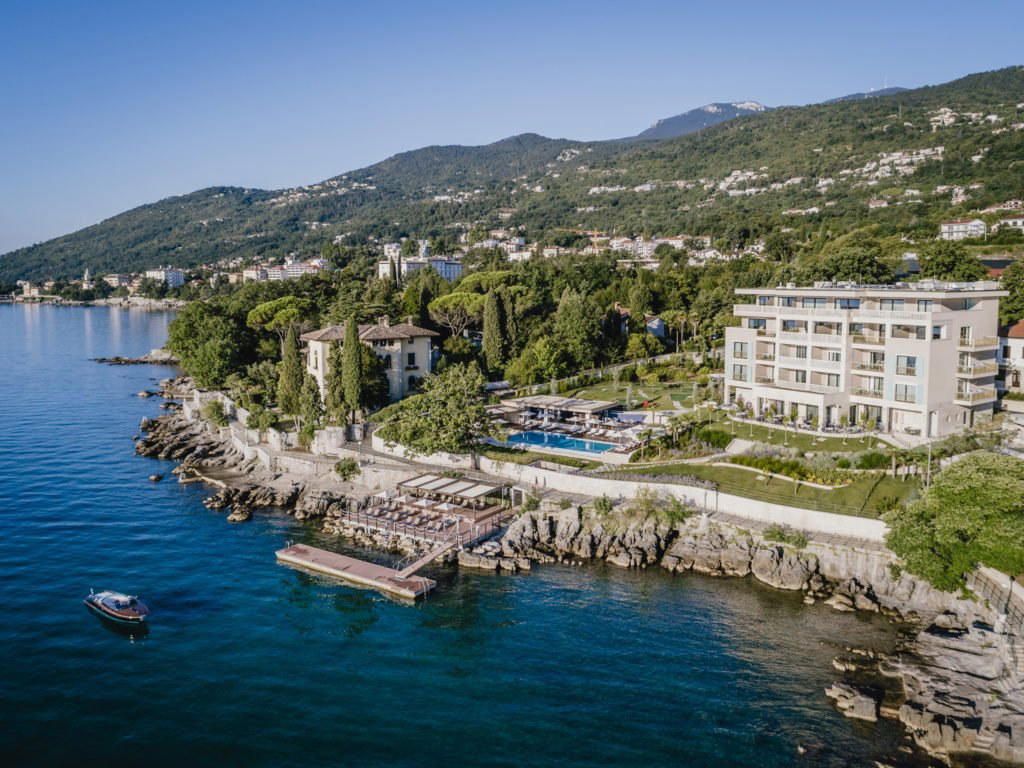
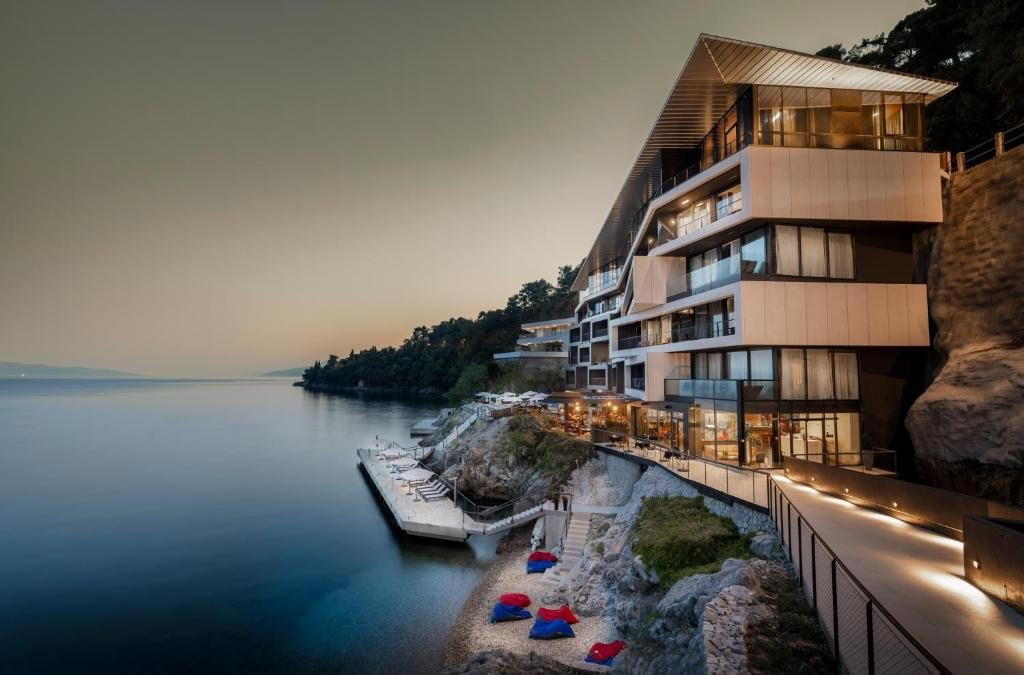
Standing at the edge of Labin's old town, the address at Šetalište San Marco 3 places Kvarner at the precise point where this medieval hilltop settlement opens toward the sea. The promenade here doesn't announce itself loudly. Stone underfoot, the Kvarner Gulf spread in the middle distance, and the particular stillness that Labin's refined position creates, these are the environmental facts that shape any meal taken in this part of town. Restaurants along this stretch operate in a context that is already doing considerable work before the food arrives.
Labin occupies a position in Istrian dining that its more-visited neighbours on the western coast, such as Rovinj and Poreč, have largely outgrown. The tourist infrastructure here is thinner, which means kitchens tend to source more locally and cook more directly for a clientele that includes a meaningful proportion of Croatians alongside visiting Europeans. That dynamic produces a different kind of eating than you find in resort-facing towns, and it's the condition in which a restaurant named after the gulf itself operates.
The Sourcing Logic of a Gulf-Facing Kitchen
The Kvarner Gulf is one of the Adriatic's most productive marine zones. The combination of freshwater inflows from the Učka mountain range and the thermal conditions of the northern Adriatic creates fishing grounds that supply a recognisably distinct catch, smaller, colder-water fish with firmer flesh than the more commonly sold Dalmatian species. Restaurants in towns that face or sit near the Gulf, from Nebo by Deni Srdoč in Rijeka to Alfred Keller in Mali Lošinj, have built menus around this specificity of catch in ways that distinguish the northern Adriatic from Dalmatian cooking further south.
Labin sits at the landward edge of this producing region. The town's kitchen traditions have historically leaned on both the gulf's seafood and the agricultural produce of the Istrian interior, truffles from the Motovun forest, lamb from karst grazing, olive oil from the coastal groves, and wild herbs that grow at altitude around the town itself. This is a dual-source cooking environment, neither purely marine nor purely inland, and it's the kind of confluence that produces menus with range rather than menus built around a single headline ingredient.
Along the Šetalište San Marco promenade, the context for ingredient sourcing is further shaped by proximity to small producers who supply directly to local restaurants. The distribution chains that dominate coastal hospitality in high-season resort towns are less dominant in Labin's quieter market, which tends to keep sourcing more localised by default. This isn't a strategic positioning so much as a structural feature of how the town's food economy works.
Labin in Its Competitive Context
Within Istria, the dining conversation tends to concentrate on a small number of well-credentialed destination restaurants. Agli Amici Rovinj in Rovinj and Boskinac in Novalja represent the kind of formally recognised, destination-tier operations that attract visitors from beyond the region. Labin's restaurant scene operates at a different register, town-scale, less decorated by national or international awards, but serving food that reflects genuine local conditions rather than a curated version of regional identity produced for external audiences.
That distinction matters when choosing where to eat in Croatia. The country's most formally awarded kitchens, including Pelegrini in Šibenik, Restaurant 360 in Dubrovnik, and Dubravkin Put in Zagreb, offer a different kind of experience than a promenade restaurant in a hilltown of Labin's size and character. Both are valid, but they serve different purposes. For a reader whose priority is eating what the town actually produces, in the physical environment that produced it, a venue at this address on this promenade is a more direct line to that experience than any formality-optimised destination restaurant could be.
Among Labin's own options, Kvarner sits alongside Due Fratelli and Restaurant Peteani as part of a small, coherent local scene. Velo Kafe covers a different part of the day and mood spectrum. Each of these addresses a different aspect of eating in Labin, and they are best understood in relation to each other rather than in isolation.
What the Location Signals Before You Sit Down
Šetalište San Marco is a promenade in the functional Istrian sense: a walkable edge between the dense stone town and the open air above the valley. This is not a glamorous seafront in the Riviera mode; Labin's old town is inland and refined, and the views here are of the broader Kvarner landscape rather than direct waterfront access. The physical setting creates a specific mood, unhurried, with the kind of ambient quiet that hilltowns produce when the day's visitors have moved through and the evening settles in.
Restaurants in this position tend to attract diners who have sought them out rather than those who have wandered in from a beach promenade or a busy harbour. That self-selecting quality shapes the pace of service and the character of the room. It also means the kitchen is less subject to the high-turnover pressures that govern coastal restaurants during the July and August peak. Visiting outside peak season, late May through June, or September, tends to produce direct access to this kind of local operation. Across Croatia's Adriatic coast, from Krug in Split to LD Restaurant in Korčula, the shoulder season consistently offers better service conditions and more engaged kitchens than the compressed summer peak.
For comparison elsewhere in the country, places like Korak in Jastrebarsko and Bodulo in Pag demonstrate how Croatia's most interesting eating often happens in towns that are not the primary tourist draw of their region, a pattern Labin fits precisely. Even beyond Croatia, the principle applies: at venues as different in scale as Le Bernardin in New York City and Atomix in New York City, sourcing specificity and locational clarity are what separate memorable meals from serviceable ones. In Labin, those qualities are structural rather than curated. BioMania Bistro Bol in Bol offers a useful Dalmatian parallel for readers thinking about how ingredient-led, locally-rooted kitchens operate outside the major dining centres.
Planning a Visit
Kvarner is located at Šetalište San Marco 3 in Labin's old town. Reservations are recommended. Labin's old town is accessible by car with parking on the lower approaches, or on foot from the Podlabin area via the connecting road. The promenade address is walkable from the town's central square in a few minutes.
Comparable Venues
Comparable venues nearby, for context on price, style, and recognition.
| Venue | Cuisine | Price | Notes |
|---|---|---|---|
| KvarnerThis venue — the venue you are viewing | Mediterranean Seafood with Istrian Specialties | $$ | Not listed |
| Velo Kafe | Traditional Istrian Mediterranean | $$ | Old Town |
| Due Fratelli | Mediterranean Seafood | $$ | Montozi |
| Restaurant Peteani | Modern Istrian Mediterranean | $$$ | Labin old town |
| Stancija Stare Staze | Istrian Mediterranean | $$ | Kršan |
| Restaurant Riviera | Mediterranean & Croatian | $$ | Lovran |
Continue exploring
More in Labin
Restaurants in Labin
Browse all →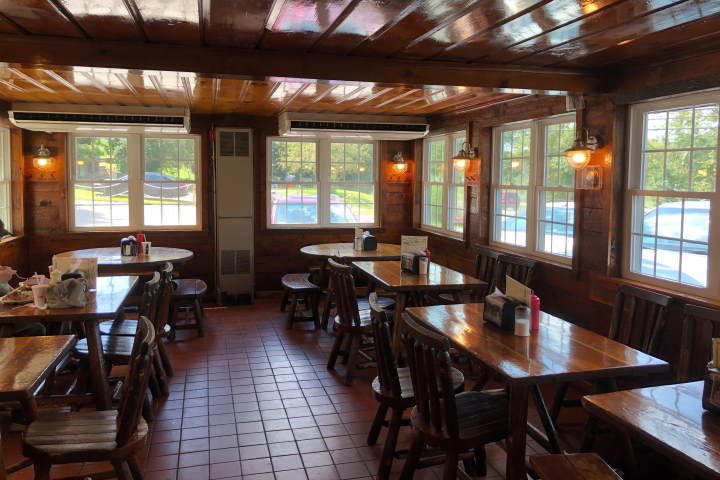
Bars in Labin
Browse all →
Hotels in Labin
Browse all →

At a Glance
- Elegant
- Cozy
- Scenic
- Date Night
- Special Occasion
- Business Dinner
- Waterfront
- Terrace
- Local Sourcing
- Waterfront
Current opening hours
- Monday
- Closed
- Tuesday
- 11 AM–11 PM
- Wednesday
- 11 AM–11 PM
- Thursday
- 11 AM–11 PM
- Friday
- 11 AM–11 PM
- Saturday
- 11 AM–11 PM
- Sunday
- 11 AM–11 PM
Hours can change for holidays and private events. Last verified .
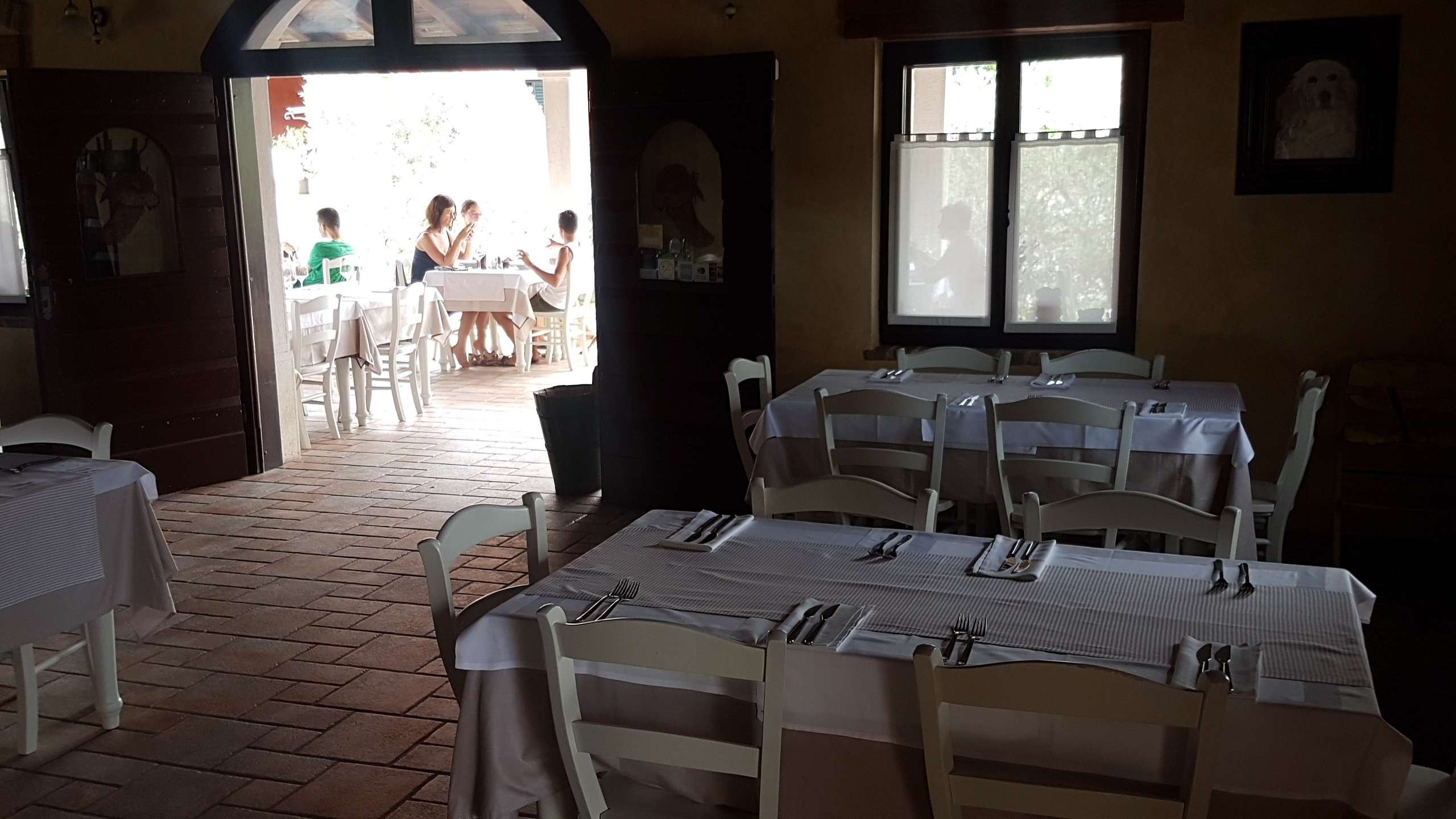
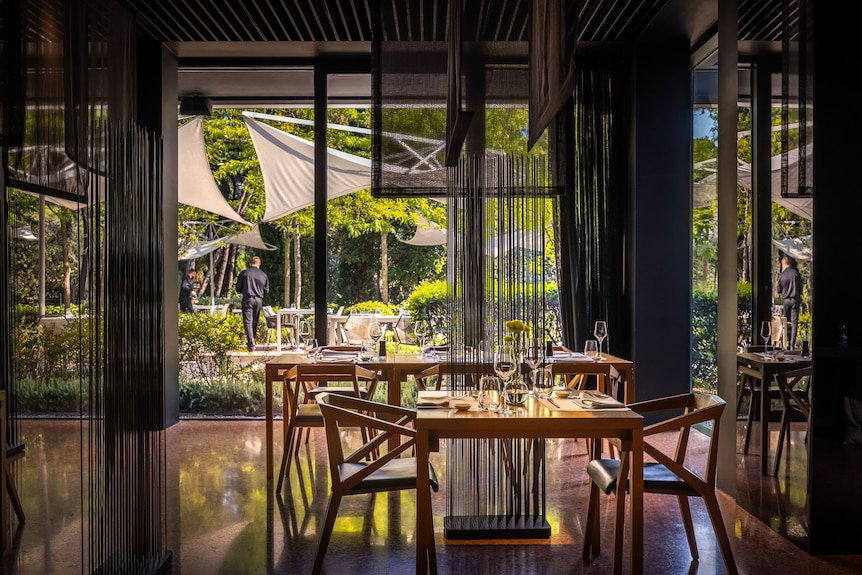
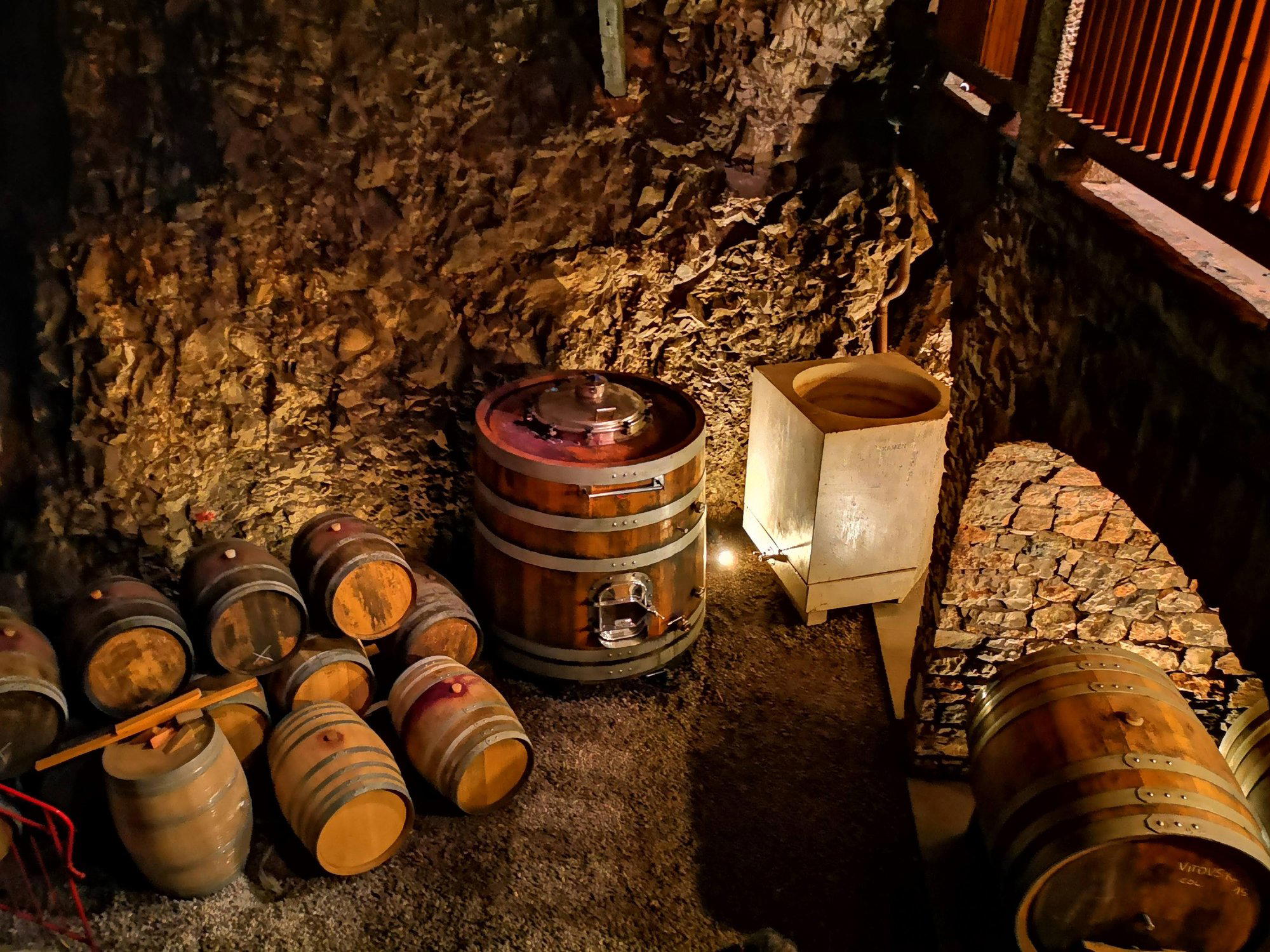
Modern and cozy interior with background music and a relaxed terrace atmosphere.