Marino sits in the Istrian hill village of Momjan, a small settlement where the surrounding countryside has historically defined what ends up on the table. Positioned in the Buje commune, the restaurant draws from one of Croatia's most compelling agricultural pockets, where truffles, olive groves, and indigenous grape varieties shape a regional cuisine that rarely travels far beyond these hills.
Pearl is the En Primeur Club membership app — saves, bookings, and concierge access live there. Same editors, same standards.
- Address
- Kremenje 96b Momjan, 52460, Buje, Croatia
- Phone
- +385994631958
- Directions
- Get directions
 Saves & bookings on Pearl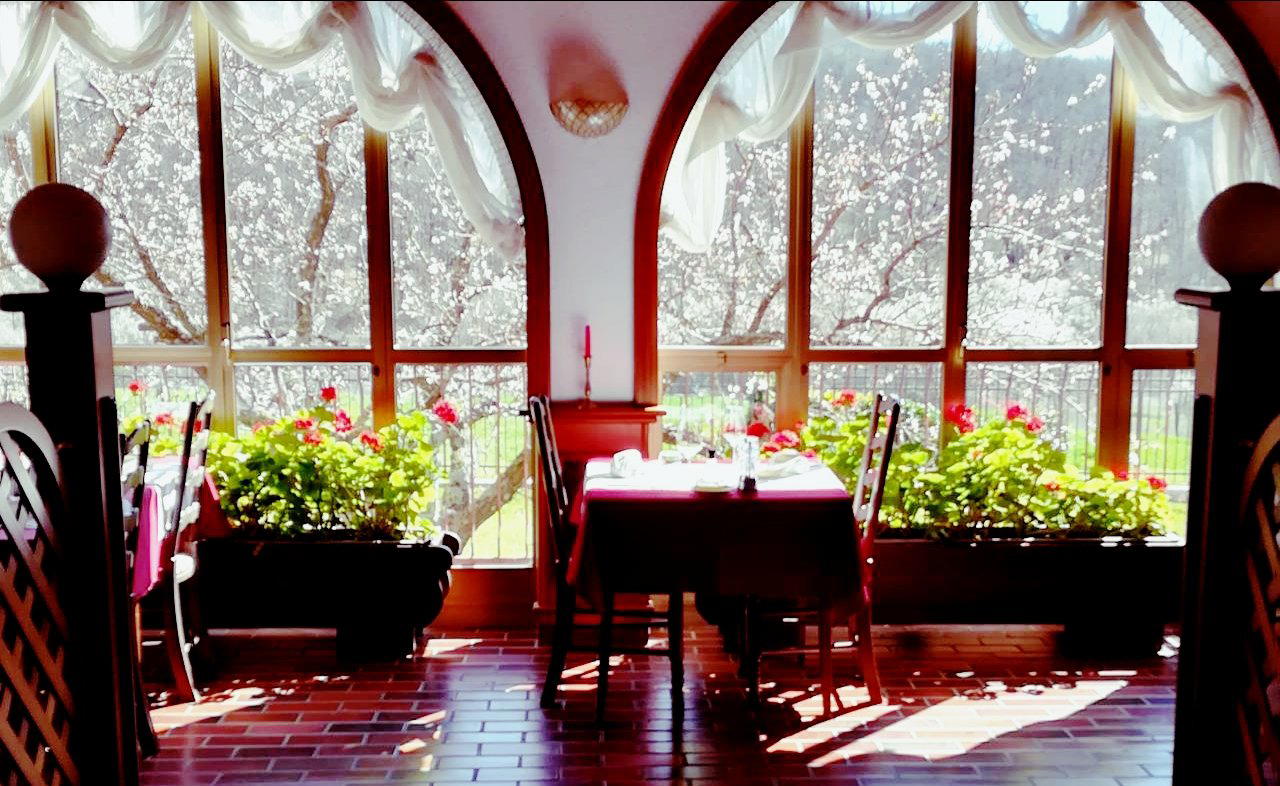
Where the Land Sets the Menu
Istria's interior hill villages operate on a different logic than the Adriatic coast. Where coastal Croatia trends toward seafood-forward menus built around tourism traffic, the inland communes around Buje and Momjan have long anchored their tables to what grows or forages within a few kilometres. Marino, located at Kremenje 96b in the village of Momjan, sits inside that tradition. The address alone signals something: this is not a restaurant positioned near an airport or a marina. Getting here requires intent, and the surrounding agricultural terrain makes clear why the effort is warranted.
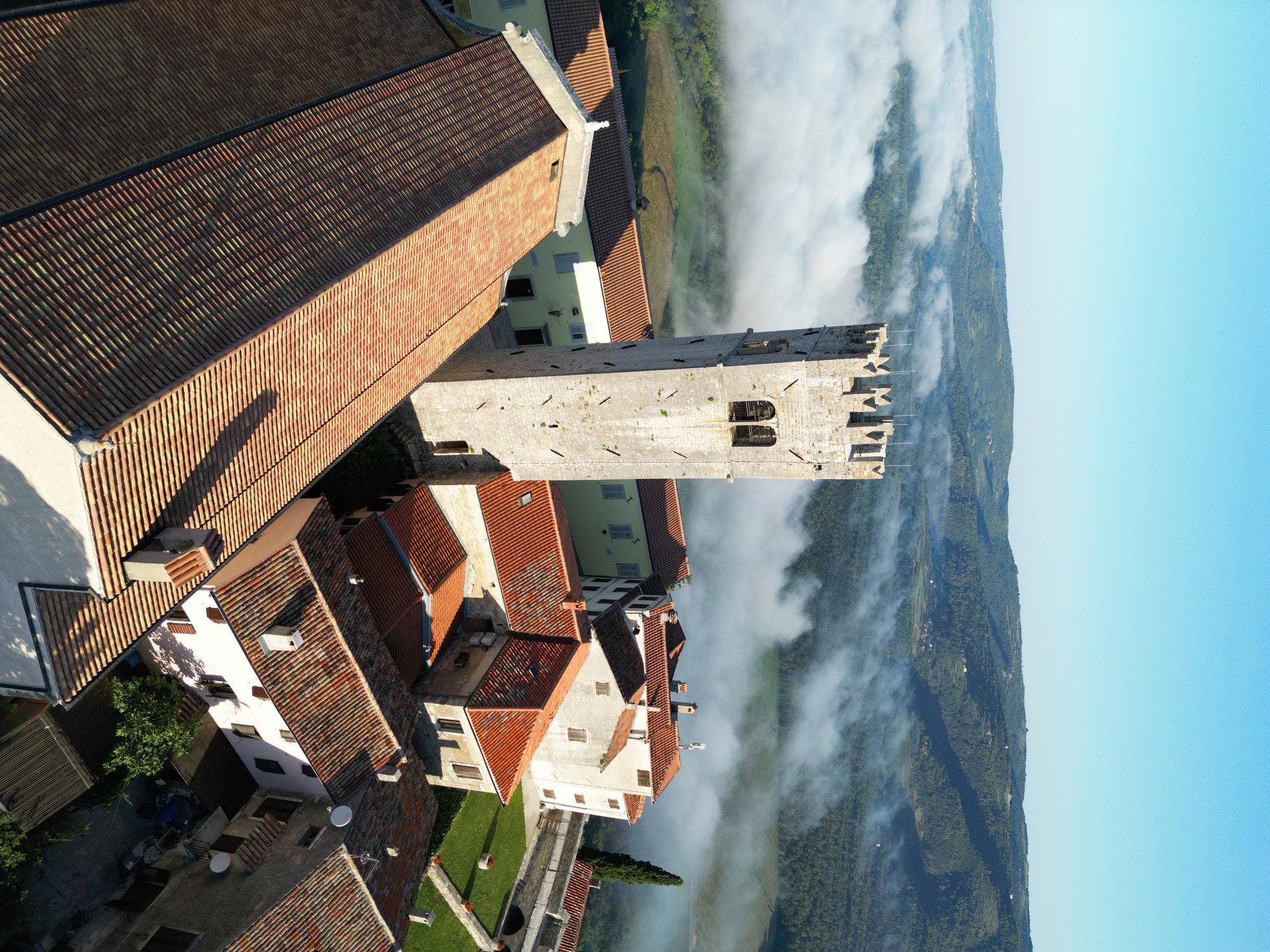
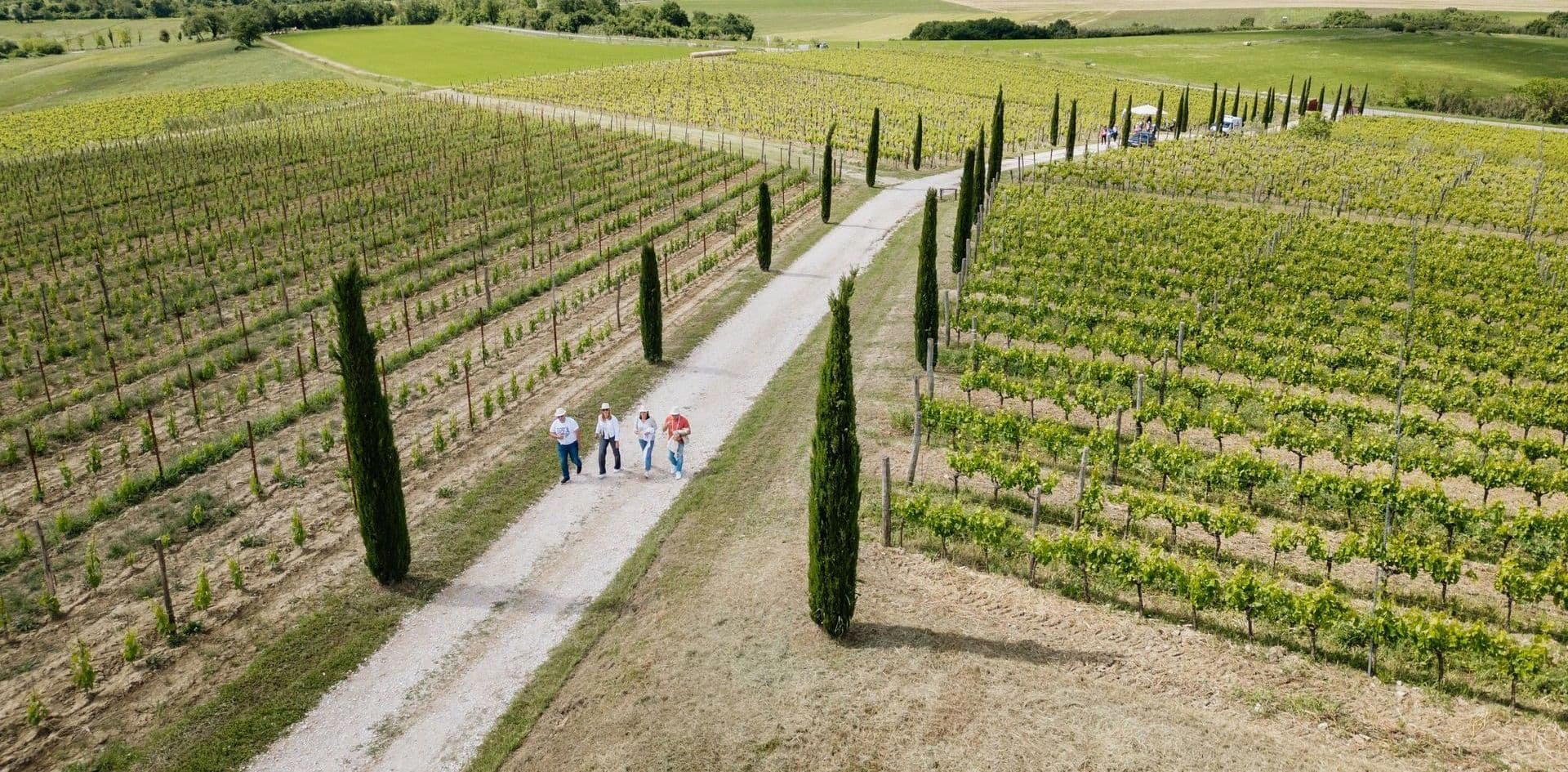
The Momjan area occupies a ridge in northwestern Istria, where the soil composition shifts between the white Karst stone typical of the peninsula and pockets of red earth that locals call terra rossa. That soil variation produces Malvazija Istarska and Teran grapes with measurable minerality, and sustains the truffle oak woodland that has made this corner of Europe disproportionately significant in the luxury ingredient trade. A restaurant operating here is, almost by default, positioned inside among the more ingredient-dense micro-regions in the country.
The Istrian Interior and Its Ingredient Logic
To understand what a place like Marino is working with, it helps to map the sourcing geography. The Motovun forest, roughly 25 kilometres southeast, is among Europe's most productive white truffle territories. Autumn harvests from October through December push fresh Tuber magnatum pico into the kitchens of the surrounding villages at volumes that rarely reach export markets. Domestic consumption absorbs a substantial share, which means a well-connected interior Istrian kitchen has access to fresh truffle at a grade and proximity that coastal and urban Croatian restaurants cannot easily replicate.
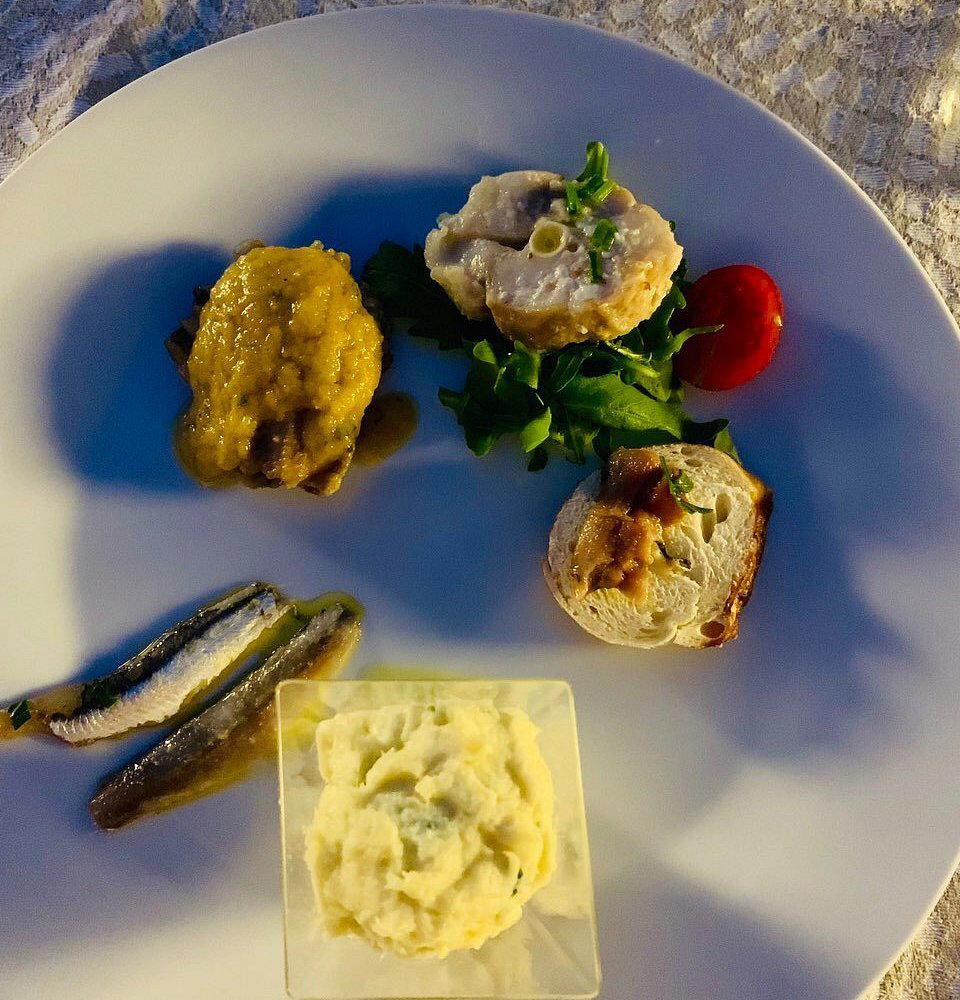
Olive cultivation adds another layer. The Buje commune sits within a designated Istrian olive oil production zone, and cold-pressed oils from varieties like Buža and Rosulja carry protected geographical status. Meat, game, and foraged greens follow the same short-supply logic: wild asparagus in spring, game birds in autumn, and the domestic Boškarin cattle breed, an indigenous Istrian ox with a slow-growth profile that yields meat with a fat distribution unlike imported breeds.
For comparison, Croatia's more prominent fine-dining destinations, Pelegrini in Sibenik or Restaurant 360 in Dubrovnik, operate inside coastal cities where ingredient sourcing is necessarily more distributed. An interior Istrian restaurant like Marino works from a shorter, more specific supply chain, which shapes menu depth in a different way: fewer categories of ingredient, treated with greater repetition and precision across the seasons.
Momjan as a Dining Destination
Momjan is a small settlement, and that scale matters. The village is known locally above all for its muscat wine, Muškat Momjanski, a pale, aromatic white produced in quantities small enough that it circulates almost entirely within the Istrian hospitality circuit rather than reaching export channels. A meal in Momjan carries a reasonable expectation of encountering this wine in a context where it has been grown and consumed continuously for generations, not introduced as a novelty or regional curiosity.
The dining scene here is limited in number but coherent in character. Pjero represents the other notable address in the village, and between the two, Momjan offers a density of quality relative to its population that compares favorably with better-known Istrian stops. The village sits roughly 15 kilometres from the coastal town of Umag and about 20 kilometres from Buje, the nearest larger town. For visitors based on the Istrian coast, it functions as a half-day or full-day inland excursion rather than a standalone destination.
Across Istria more broadly, the standard for inland dining has been set by establishments that treat the truffle-and-wine axis not as a marketing device but as a genuine organizing principle for seasonal menus. That tradition gives a Momjan restaurant a credible frame of reference and a comparable set that includes particularly discussed tables in Croatia, alongside comparisons further afield to restaurants like Agli Amici Rovinj in Rovinj or Boskinac in Novalja, which similarly build menus around hyper-local agricultural and viticultural identity.
Placing Marino in the Croatian Fine Dining Picture
Croatia's restaurant scene has fragmented productively over the past decade. The Michelin Guide's Croatian coverage, which expanded significantly after 2017, gave public recognition to a range of venues beyond Dubrovnik and Zagreb. Istria attracted particular attention, with the peninsula now carrying a disproportionate share of Croatia's Michelin Stars and Bib Gourmand designations relative to its population. That recognition has validated what practitioners in the region have argued for years: that Istrian cuisine, rooted in truffle, olive oil, cured meats, and Adriatic seafood, can sustain serious kitchen ambition.
Within that frame, smaller village restaurants in Momjan and the surrounding Buje commune occupy a specific niche. They are not competing with the urban polish of Dubravkin Put in Zagreb or the theatrical settings of Nebo by Deni Srdoč in Rijeka. The competitive logic is different: proximity to source, depth of local knowledge, and a dining experience shaped by a specific geography rather than by genre or format ambition. That is a legitimate and increasingly sought-after category in European fine dining, visible from the farm-table movement in Italy's Langhe to the natural wine-anchored village restaurants of the Jura.
For visitors who have covered Croatia's headline addresses, LD Restaurant in Korčula, Krug in Split, Alfred Keller in Mali Losinj, Istria's interior offers a different register. The scale is smaller, the setting agricultural, and the connection between what is on the plate and what is visible through the window is more direct than almost anywhere else in the country.
Planning a Visit
Momjan is accessible by car from Umag (approximately 15 kilometres) or Poreč (approximately 35 kilometres), with no reliable public transport serving the village. Visitors planning a meal should account for the inland drive and the limited navigational infrastructure in the smaller hill roads north of Buje. Arriving with daylight means the surrounding vineyard and woodland scenery provides context for the meal itself. Given the restaurant's location and the village's agricultural character, visiting in autumn positions a traveler to encounter Istrian cuisine at its most ingredient-intensive, when truffle season is active and the harvest cycle is at its peak.
Quick Comparison
Comparable venues nearby, for context on price, style, and recognition.
| Venue | Cuisine | Price | Notes |
|---|---|---|---|
| MarinoThis venue — the venue you are viewing | Traditional Istrian Truffle Specialties | $$ | Not listed |
| Pjero | Istrian Steakhouse & Trattoria | $$ | Momjan |
| Konoba Gradina | Traditional Istrian Grill | $$ | Vrsar |
| 2. peron | Istrian Trattoria & Pizzeria | $$ | Cerovlje |
| Restaurant Dijana | Mediterranean | $$ | Crveni Vrh |
| Marina | Traditional Mediterranean Seafood & Istrian Cuisine | $$ | Kukci |
Continue exploring
More in Momjan
Restaurants in Momjan
Browse all →
Bars in Momjan
Browse all →
Hotels in Momjan
Browse all →

At a Glance
- Rustic
- Cozy
- Elegant
- Special Occasion
- Group Dining
- Open Kitchen
- Extensive Wine List
- Local Sourcing
- Vineyard
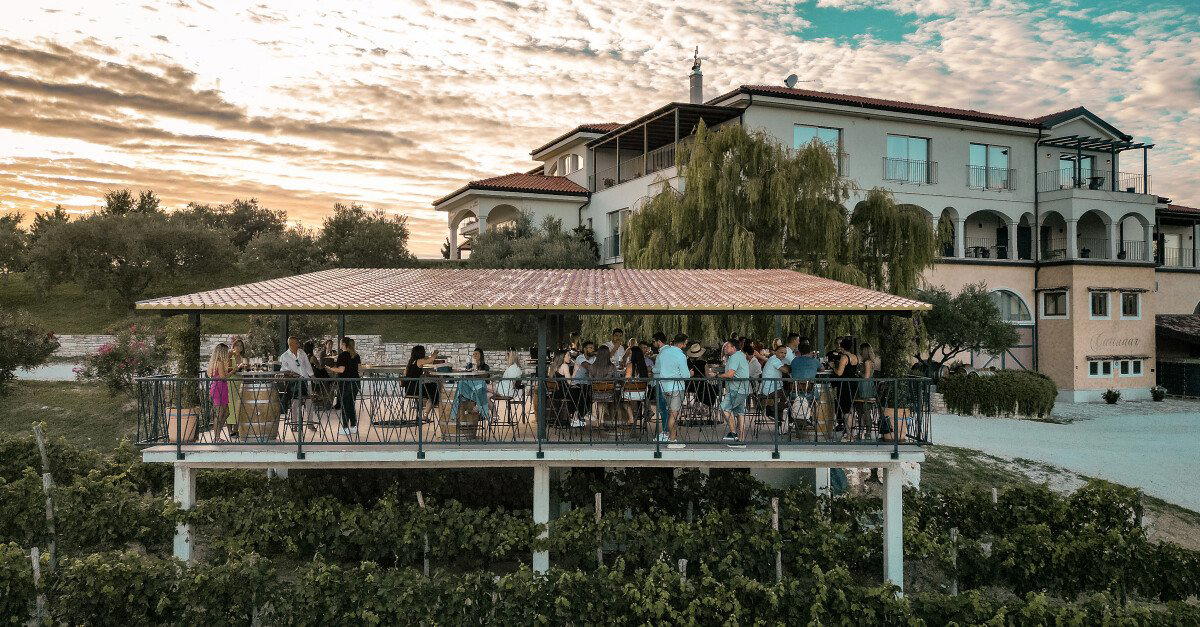
Warm, rustic ambience with elegant dining room featuring open kitchen, evoking traditional Istrian hospitality.