
A 33-seat Ogikubo pizzeria-trattoria working in Tokyo’s serious Neapolitan-pizza lane, with pasta, Italian cooking, wine, sake, and cocktails around the edges. Selection for Tabelog Pizza 100 in 2025 and a 3.74 Tabelog score put it in a competitive city category where sourcing, dough handling, and oven discipline matter more than theatrics.
Pearl is the En Primeur Club membership app — saves, bookings, and concierge access live there. Same editors, same standards.
- Address
- 東京都杉並区天沼3-6-2 カノン武蔵ビル 1F
- Phone
- +81353357618
- Website
- daokapito.wixsite.com
 Saves & bookings on Pearl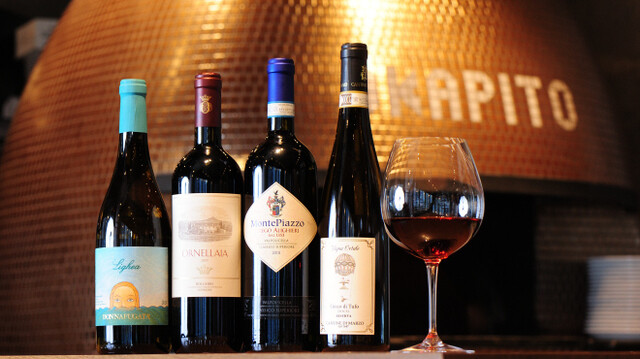
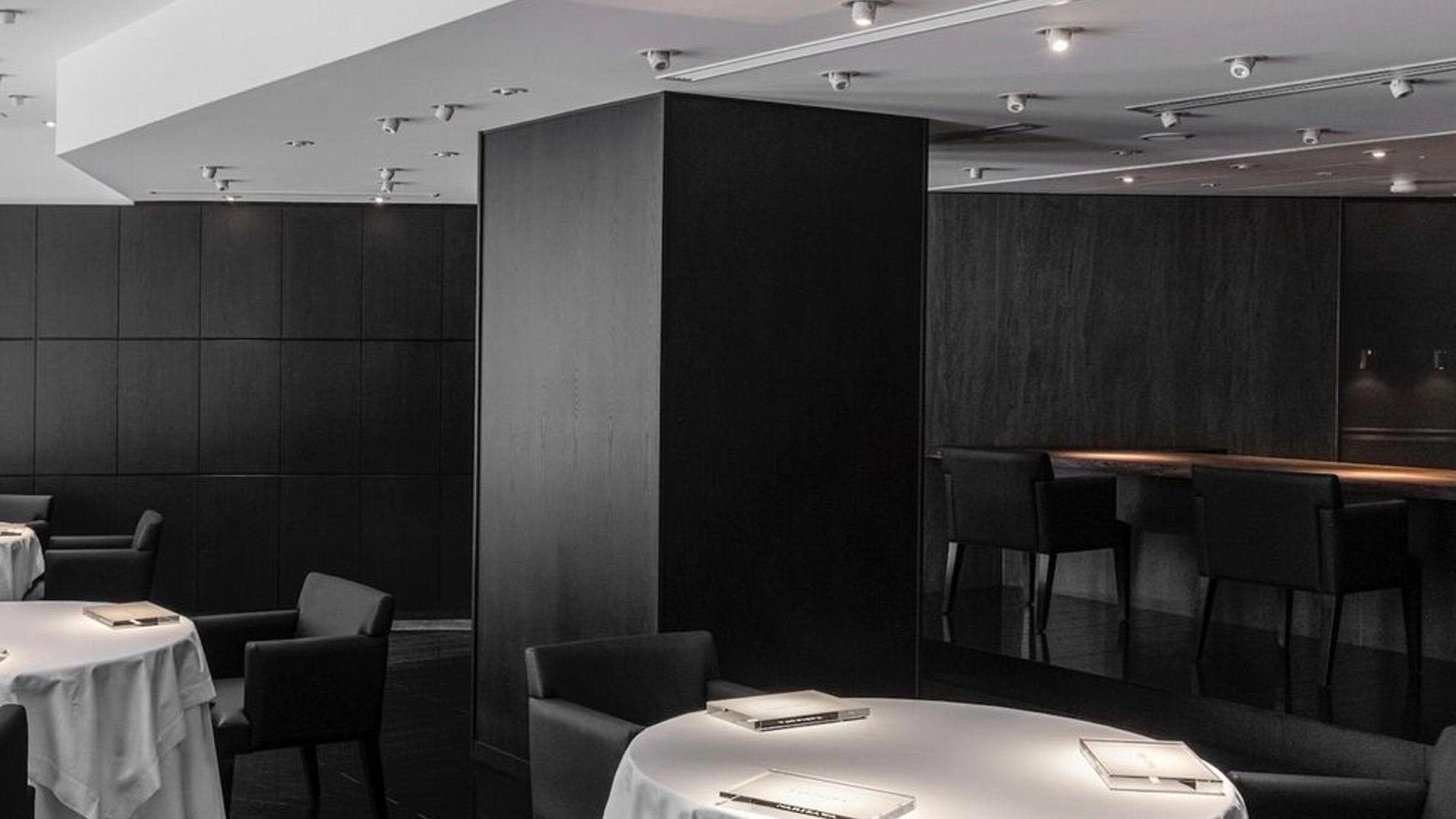
Ogikubo changes the temperature of a Tokyo restaurant night before the first plate arrives. The station area is practical, with Chuo Line commuters, local families, and small dining rooms working without central-Tokyo stagecraft. Here, Pizzeria Trattoria da Okapito feels less like a trophy destination than a neighbourhood Italian room with unusually high pizza credentials: 33 seats, open-kitchen rhythm, counter and sofa seating, and a format that keeps Neapolitan pizza close to pasta, seasonal Italian cooking, wine, sake, and cocktails.
Tokyo pizza has become one of the city’s sharper imported-food categories. At the serious end, it is defined not by novelty toppings or oversized menus but by dough fermentation, heat management, ingredient sourcing, and whether the kitchen can make a meal feel Italian rather than merely pizza-led. Selection for Tabelog Pizza 100 in 2025 places this Ogikubo address in that narrower conversation. A 3.74 Tabelog score also matters in Japan’s cautious rating culture, especially in specialist categories crowded with technically competent operators.
Neapolitan pizza treated as a sourcing question, not a theme
The kitchen’s base is Neapolitan pizza, handmade dough, and a wood-fired oven, but the more useful reading is supply. Seasonal Italian dishes use fresh ingredients sourced directly from local farms, giving the trattoria side of the menu a role beyond filling space before pizza. In Tokyo, where Italian restaurants often split between polished urban dining and casual pizza counters, this hybrid matters: a pizzeria with pasta and farm-led seasonal dishes asks to be judged on breadth, not just crust char.
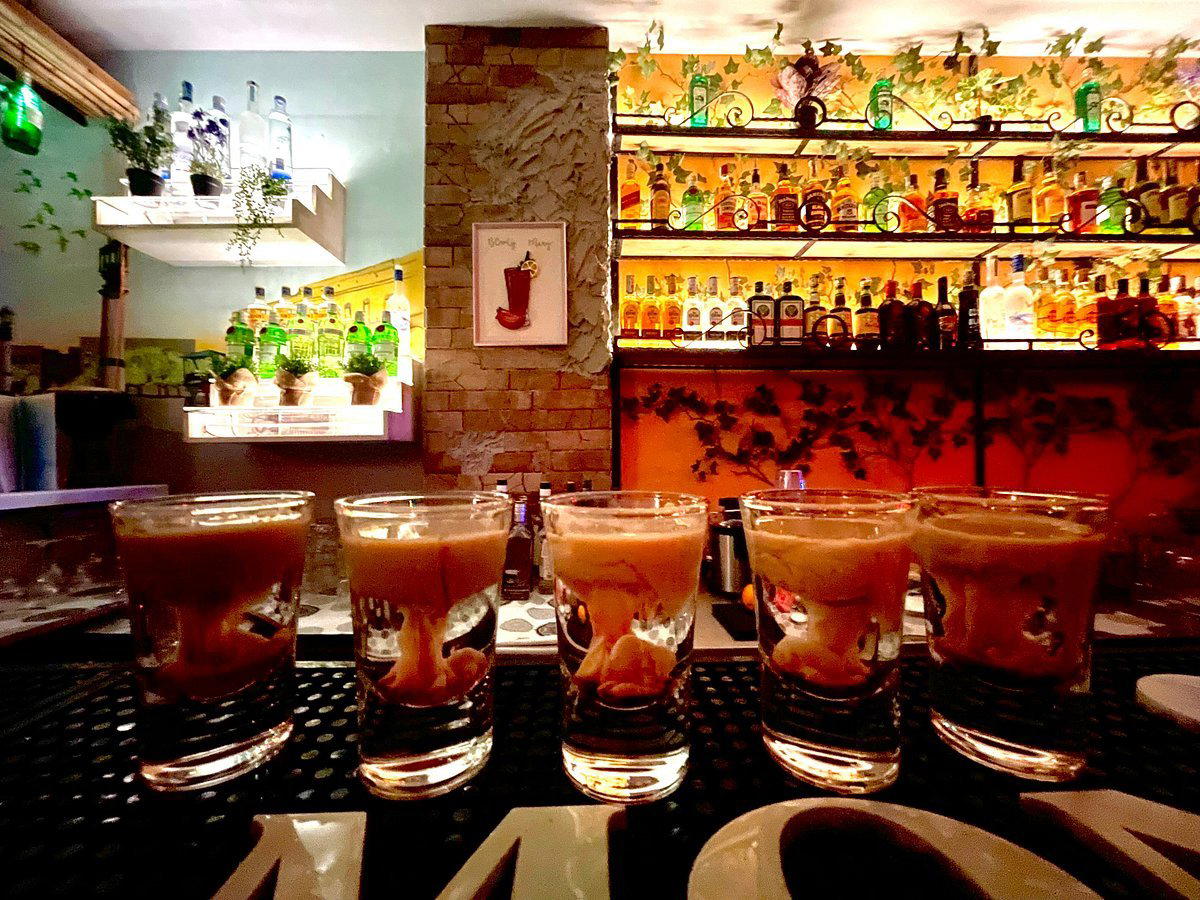
That sourcing also explains the wine position. More than 50 Italian wines are listed, with sake and cocktails available. For a pizzeria-trattoria, that breadth signals progression: aperitivo-style drinking, pizza, pasta, and seasonal plates rather than a single-dish stop. The restaurant need not compete with Ginza tasting-menu Italian rooms; its set is specialist Tokyo pizza, where wood-fired heat, dough discipline, and ingredient procurement decide whether the format feels casual or exacting.
Owner-chef Tomoshi Okada’s international competition experience belongs in this context. Tokyo has enough chef-driven Italian rooms that credentials alone mean little. Here, the credential supports a concrete claim: Neapolitan technique is treated as disciplined craft within a local-sourcing framework, not Naples as decoration.
Ogikubo gives the meal a different tempo
Location changes expectations. Ogikubo, west of Shinjuku on the Chuo Line, is a part of Tokyo where strong restaurants often serve locals first and destination diners second. That is useful for travellers. Central Tokyo can turn dinner into logistics and status; Ogikubo rewards those willing to leave the hotel corridor for less ceremony and more category focus. The restaurant is close enough to Ogikubo Station to keep the trip manageable, while the neighbourhood remains residential enough to shape the room’s mood.
The price tier sits in Tokyo’s comfortable middle: lunch at JPY 3,000 to JPY 3,999 and dinner at JPY 6,000 to JPY 7,999. That places it above casual slice-and-go eating and below luxury Italian. It also suits travellers building a Tokyo food itinerary around contrast: sushi or kaiseki one night, Chuo Line pizza and seasonal Italian cooking another. Nearby comparisons underline the point. Yoshida Curry operates at JPY 2,000 to JPY 2,999, Indian Fu Curry Rice Supaisu reaches JPY 1,000 to JPY 2,999 depending on meal period, while Horumon Ko sits at JPY 8,000 to JPY 9,999. Okapito occupies the mid-priced specialist-dinner band, not the quick-meal or splurge-grill brackets.
For a broader Tokyo plan, pair this Ogikubo dinner with other tightly focused rooms rather than chasing one district. EP Club’s Tokyo restaurant map includes sharper contrasts, from . 鮪と炭火焼き うお炭 秋葉原店 and 12/10 Shinjuku ten to 124. KAGURAZAKA (Yakitori), 2D Cafe, and 3 Chome no Curry Ya San. For citywide planning, use Our full Tokyo restaurants guide alongside Our full Tokyo hotels guide, Our full Tokyo bars guide, Our full Tokyo wineries guide, and Our full Tokyo experiences guide.
Who this table suits
This is stronger for diners who want Tokyo’s Italian scene at neighbourhood scale: technical pizza, pasta and seasonal cooking substantial enough for a full meal, and drinks beyond the minimum pizzeria list. It is less suited to travellers seeking private-room formality; private rooms are unavailable, and the strength is shared restaurant energy. Non-smoking status, wheelchair accessibility, free Wi-Fi, and card, IC, and QR payments make it easy to fold into a modern Tokyo itinerary.
The 33-seat count keeps the room intimate without making it counter-only. Private use is available for 20 to 50 people, hinting at its neighbourhood role: concentrated enough for date night, flexible enough for gatherings. Take-out and celebration plates expand the format, though allergy-free menu options are not offered. Families should plan carefully, since children’s chairs and utensils are not provided.
Outside Tokyo, the same editorial question applies: does a place say something specific about its city’s dining habits, or only about itself? For contrast, EP Club’s Japan and overseas restaurant coverage runs from -Grilled beef Sukiyaki- KAMAKURA TANUKIAN 鎌倉 たぬき庵 in Kamakura.cafe in Osaka.know in Kumamoto, (Shoku) Vietnam in Kawasaki, [Curry Senmon Ten] Maruyama Kyoju. in Sapporo, and [ki:] in Kyoto to Los Angeles and Pasadena entries such as Jōdo Saké Bar in Los Angeles and Onigiri Time in Pasadena. In that wider frame, Pizzeria Trattoria da Okapito shows how Tokyo absorbs a foreign tradition, then judges it by local seriousness: sourcing, precision, seating discipline, and whether the meal earns its place beyond the centre of town.
Accolades, Compared
Nearby venues at a similar price tier for orientation.
| Venue | Cuisine | Price | Notes |
|---|---|---|---|
| Pizzeria Trattoria da OkapitoThis venue — the venue you are viewing | Neapolitan pizza & seasonal Italian trattoria | $$ | Not listed |
| SAVOY Tomato & Cheese (SAVOY とまととちーず) | Neapolitan Pizza with Japanese Fusion | $$ | Azabujuban |
| PIZZA BORSA | Traditional Neapolitan Pizza | $$ | Toshima |
| PIZZERIA GTALIA DA FILIPPO | Producer-focused Neapolitan Pizzeria | $$ | Nerima |
| Pizzeria LUMEN | Neapolitan Pizza & Italian Wine Bar | $$ | Shinjuku |
| Gelateria Acquolina | Artisanal Italian Gelato | $$ | Meguro |
Recognition history
Dated appearances from independent guides and award organizations, with the underlying list record or original source where available.
Tabelog 100 #49 · No. 49
Tabelog · Tabelog 100 - Pizza - 2025













At a Glance
- Cozy
- Lively
- Rustic
- Casual Hangout
- Date Night
- Group Dining
- After Work
- Family
- Open Kitchen
- Standalone
- Local Sourcing