
Trattoria Tsukiji Paradiso places Southern Italian seafood cooking inside Tokyo’s old market district, where fish culture shapes even the Italian tables. Its Tabelog Italian TOKYO 100 selection in 2025 and 2021 puts it among a tighter group of Tokyo trattorias with serious local traction, while the format remains casual, compact, and market-adjacent rather than ceremonious.
Pearl is the En Primeur Club membership app — saves, bookings, and concierge access live there. Same editors, same standards.
- Address
- 東京都中央区築地6-27-3
- Phone
- +81335455550
- Website
- tsukiji-paradiso.com
 Saves & bookings on Pearl
Approaching Tsukiji’s outer edge, the city changes register. Delivery carts, fishmongers, tourists with skewers, and office workers crowd the same blocks, and restaurants reflect that pressure. Italian food here cannot behave as it does in Aoyama or Marunouchi; it must answer to the market, seafood literacy, and diners who know fish as identity, not decoration.
That frames Trattoria Tsukiji Paradiso. Tokyo has many Italian restaurants, but Tsukiji poses a sharper test: can Southern Italian cooking make sense in a district defined by Japanese seafood culture without becoming a theme? Here, the answer is fit, not novelty. The kitchen sits in the Italian, pasta, and seafood category, with an explicit fish focus and a wine program supported by sommelier service. Selection for Tabelog Italian TOKYO 100 in 2021 and 2025 gives the room a public benchmark beyond neighbourhood popularity.
Southern Italian seafood through a Tsukiji lens
Tokyo Italian dining has split into clear lanes: luxury tasting counters with Japanese precision, polished hotel dining, pizza specialists, pasta bars, and trattorias built on volume, noise, and appetite. Tsukiji’s version is different. The district rewards immediacy and product confidence; ceremony matters less than whether the seafood argument convinces.
In that context, Southern Italian cooking fits. Campania and the Amalfi Coast give Italian cuisine a coastal grammar: seafood, pasta, vegetables, acidity, and wine rather than heavy northern sauces or formal French-style sequencing. The restaurant’s Amalfi-style trattoria positioning aligns with Tsukiji’s market energy, where eating is direct, fast-moving, and product-led. The point is not to replicate southern Italy in Tokyo, but to use an Italian structure for a neighbourhood fluent in seafood.
The evolution matters. Since opening in 2011, the restaurant has operated through Tsukiji’s major shift. The wholesale market moved to Toyosu, while the outer market kept its pull as a public-facing food district. That changed the dining rhythm: less purely wholesale-adjacent, more mixed between regulars, domestic visitors, and international travellers. A trattoria here must serve multiple audiences without flattening its cooking into tourist shorthand. Continued Tabelog 100 recognition in 2025 suggests relevance after that transition, not old market nostalgia.
The comparison set clarifies the distinction. Tempura Kurokawa operates in a similar dinner spend band but follows Japanese fry-and-counter logic; Takeno and Chosei An sit nearby in lower-to-mid dinner brackets with different local expectations; Tadokoro Foods Eat-in and Kitsuneya represent quick, specific market eating. Against that spread, Trattoria Tsukiji Paradiso occupies a rarer middle position: a sit-down Italian seafood meal where many visitors default to sushi, bowls, tempura, or snack-led grazing.
The room belongs to the market, not the luxury circuit
Format is compact: 33 seats, counter seating, and an open terrace. That scale keeps it closer to trattoria culture than Tokyo’s hushed fine-dining mode. Private rooms and private use are not part of the setup, signalling a meal that is social, exposed, and better suited to friends, dates, and family dining than closed-door corporate hosting.
That matters in Tokyo, where Italian restaurants can drift toward ceremony as prices rise. Here, the signals point elsewhere. Children are welcome, English menus are available, and the restaurant is non-smoking. Wine and cocktails are offered, with particular attention to wine. These details do not make the meal careless-casual; they make it legible. The cooking has recognition, but the room does not demand tasting-menu choreography.
Price defines its role as structure, not bargain. Dinner sits in the JPY 8,000 to JPY 9,999 range, while lunch is JPY 1,000 to JPY 1,999. In Tokyo Italian terms, lunch is a neighbourhood entry point, while dinner competes with serious trattorias and seafood-led Japanese restaurants rather than luxury omakase counters. The 500 yen cover charge applies at dinner, weekday dinner, and weekend or holiday lunch, a familiar Italian-style charge that matters because Tokyo diners compare final bills across formats.
Reservation access is structured. Seats are accepted through TableCheck from 10 AM, two months ahead. The window does not make it impossible to book, but rewards advance planning, especially for visitors folding Tsukiji into a wider Tokyo itinerary. Weekday lunch has a payment wrinkle: cards are not accepted then, while weekend and holiday lunch permits card payment, and PayPay is limited to lunch hours. Minor details become major when a market-day meal turns into a cash problem.
How to place it in a Tokyo dining itinerary
The strongest reason to choose this address is not that it is Tokyo’s only Italian option. It is that Tsukiji changes the meaning of Italian seafood. A meal here suits travellers who have already planned sushi, tempura, yakitori, or kappo and want another reading of the city’s seafood culture. It also works for diners who prefer a wine-led table to a counter sequence, or market proximity without stand-up eating.
There is a limit to the recommendation. Anyone seeking a chef-driven tasting menu, private dining room, or formal luxury restaurant will misread the room. The appeal is the overlap: Italian coastal cooking, Tokyo fish culture, and a market district reinvented after the wholesale move. That gives the restaurant its relevance. It is neither a museum piece from old Tsukiji nor a glossy Amalfi import, but a Tokyo trattoria shaped by the food economy around it.
Nearby and category-adjacent Tokyo entries include 鮪と炭火焼き うお炭 秋葉原店, 12/10 Shinjuku ten, 124. KAGURAZAKA (Yakitori), 2D Cafe, and 3 Chome no Curry Ya San. For contrast beyond Tokyo, see -Grilled beef Sukiyaki- KAMAKURA TANUKIAN 鎌倉 たぬき庵 in Kamakura.cafe in Osaka.know in Kumamoto, (Shoku) Vietnam in Kawasaki, [Curry Senmon Ten] Maruyama Kyoju. in Sapporo, [ki:] in Kyoto, Jōdo Saké Bar in Los Angeles, and Onigiri Time in Pasadena.
Budget Reality Check
Comparable venues at a glance for context.
| Venue | Cuisine | Price | Notes |
|---|---|---|---|
| Trattoria Tsukiji ParadisoThis venue — the venue you are viewing | Chūō, Southern Italian Seafood Trattoria | $$ | Not listed |
| Pizza Studio Tamaki Roppongi | Minato, Neapolitan Pizza | $$ | Not listed |
| PIZZA BORSA | Toshima, Traditional Neapolitan Pizza | $$ | Not listed |
| Trattoria e Pizzeria L'ARTE | Not listed | $$ | Setagaya, Traditional Italian trattoria & Neapolitan pizzeria |
| オステリア・ウネット | Not listed | $$ | Chūō, Florentine Tripperia (Offal-Focused Italian) |
| Pizzeria Bakka M'unica | Shinagawa, Neapolitan-Style Pizza | $$ | Not listed |
Recognition history
Dated appearances from independent guides and award organizations, with the underlying list record or original source where available.
Tabelog 100 #14 · No. 14
Tabelog · Tabelog 100 - Italian - TOKYO - 2025




At a Glance
- Lively
- Cozy
- Rustic
- Date Night
- Group Dining
- After Work
- Casual Hangout
- Solo
- Celebration
- Standalone
- Extensive Wine List
- Local Sourcing
- Sustainable Seafood
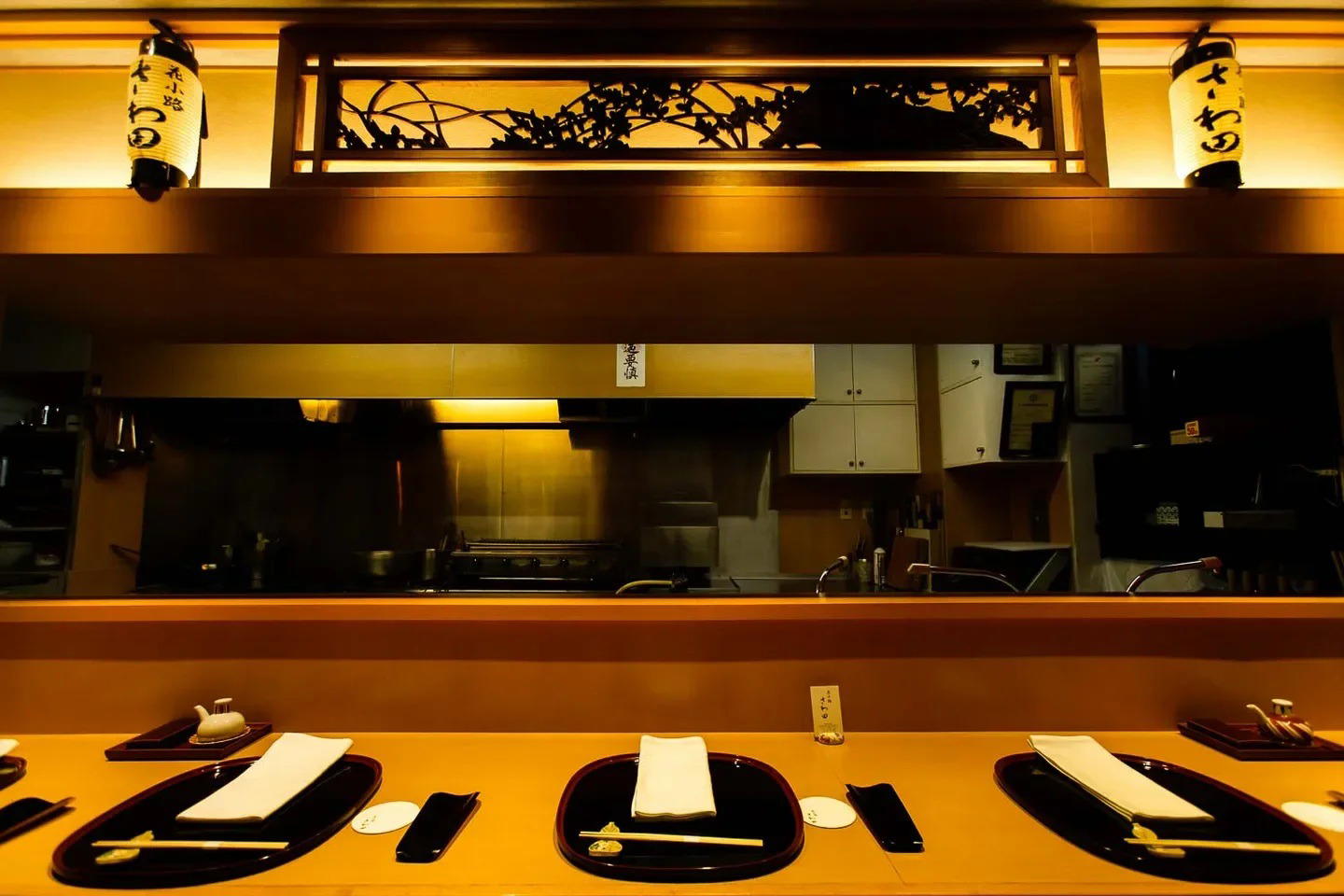
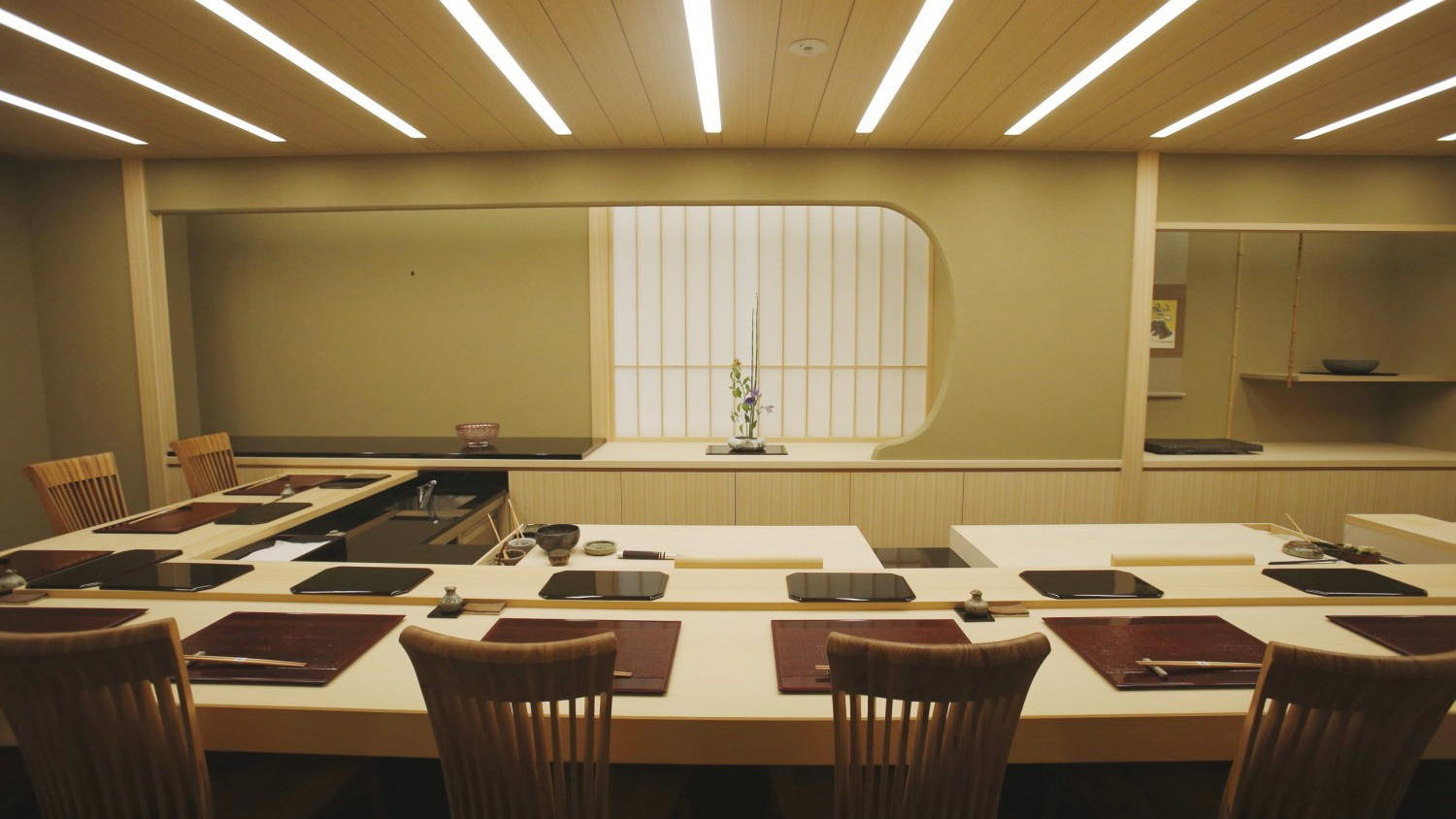
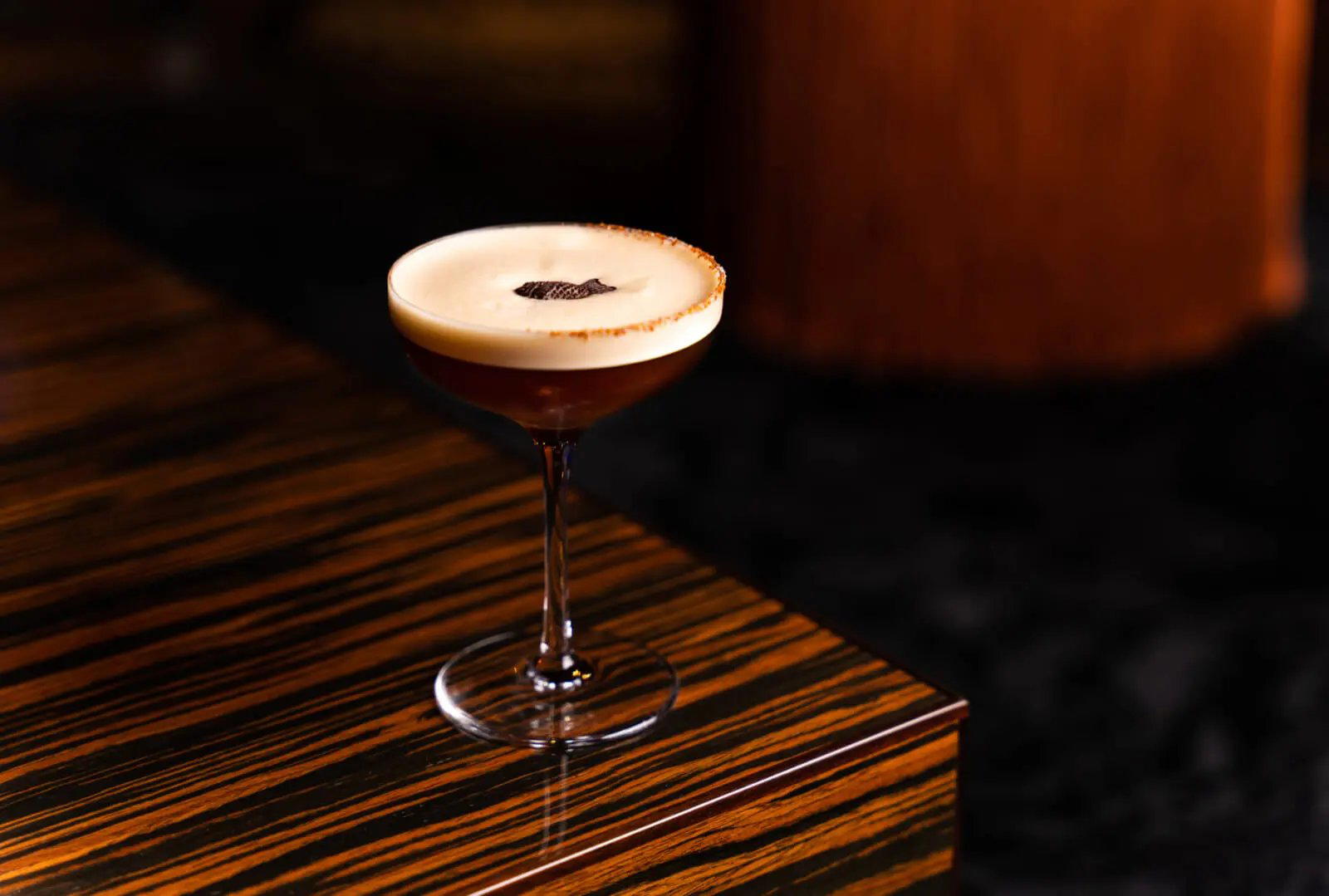
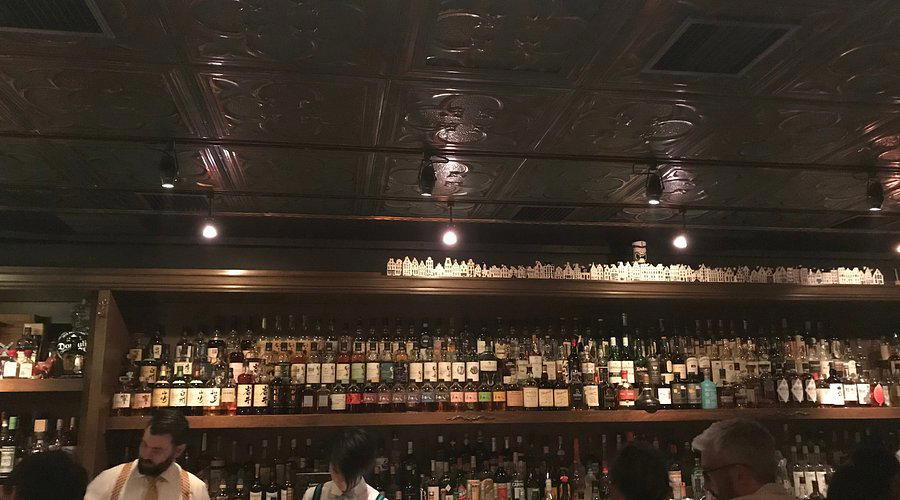
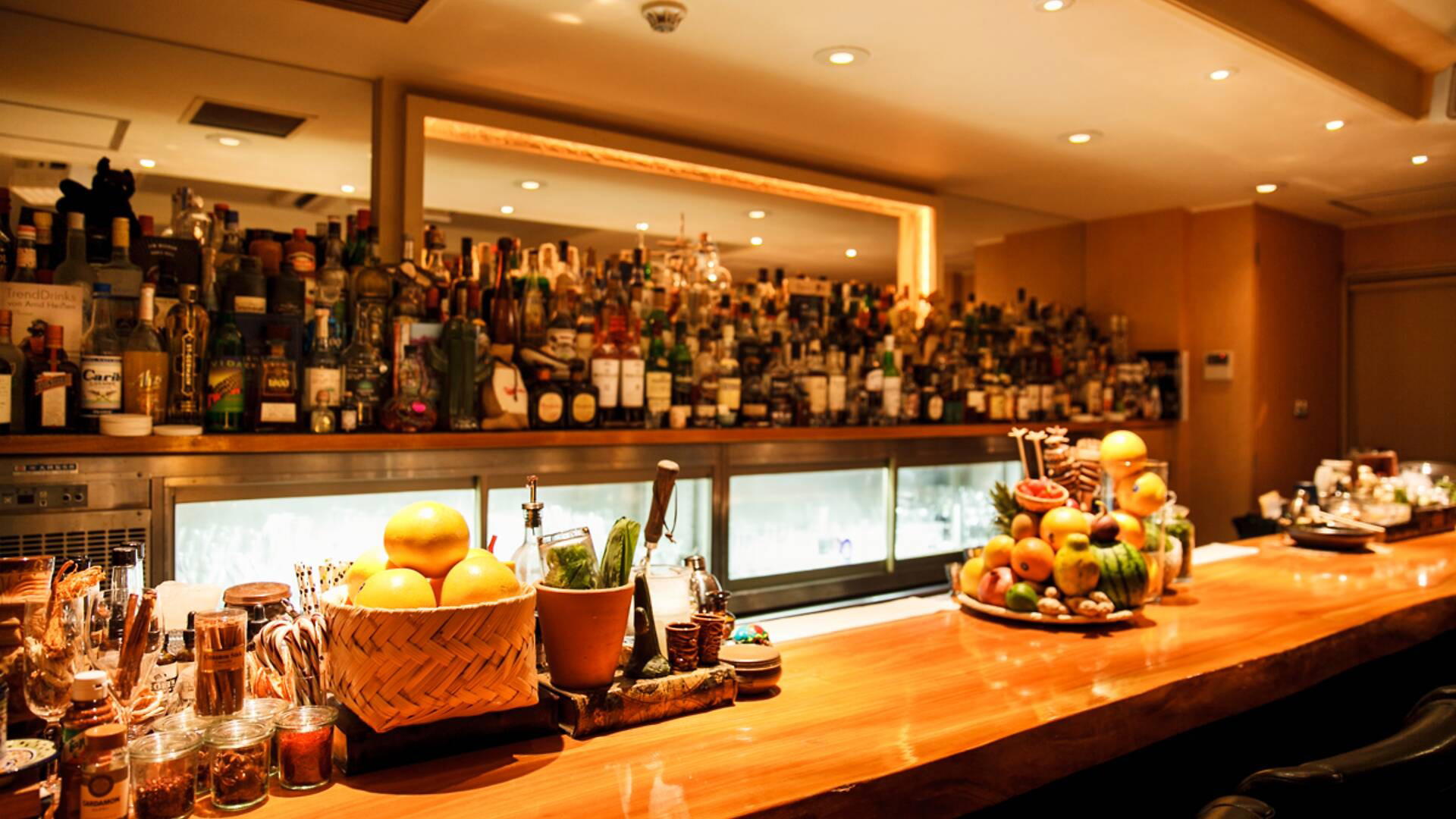
Bustling, compact trattoria with tightly packed tables, warm lighting, and an energetic, casual vibe that feels more like a neighborhood spot in southern Italy than central Tokyo.