On a quiet street in Vienna's second district, Pizzeria il mercato occupies a corner of the city where Italian casual dining meets a neighbourhood that has long been comfortable with culinary plurality. The address on Ennsgasse places it within walking distance of the Danube Canal and the market culture of Karmelitermarkt, grounding it in one of Vienna's most food-conscious residential quarters.
Pearl is the En Primeur Club membership app — saves, bookings, and concierge access live there. Same editors, same standards.
- Address
- Ennsgasse 7, 1020 Wien, Austria
- Phone
- +436601231288
- Website
- pizzeriailmercato.at
- Directions
- Get directions
 Saves & bookings on Pearl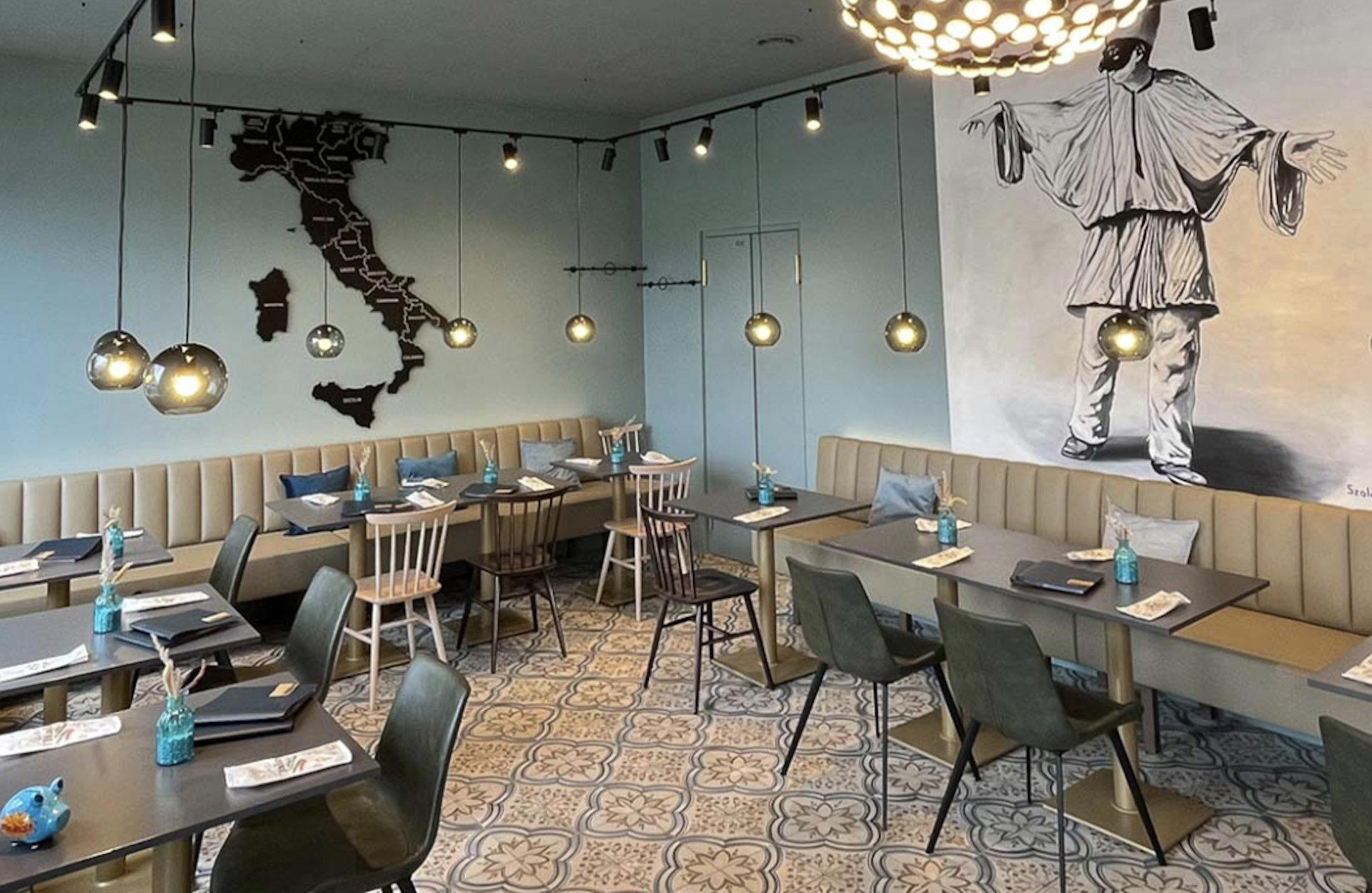
Pizza in Vienna: A City That Has Always Borrowed Well
Vienna has never been a city that insists on culinary purity. The imperial kitchen absorbed Ottoman, Czech, Hungarian, and Italian influences across centuries, and that openness has made the city's contemporary dining scene genuinely pluralistic. Italian food, in particular, has a long residential history here: not the tourist-facing trattoria model, but the kind of neighbourhood pizza and pasta operation that locals return to on weekday evenings without ceremony. Pizzeria il mercato is an authentic Neapolitan pizza restaurant at Ennsgasse 7 in Vienna,009 reviews and an accessible price tier around $20 per person.
The Second District and What It Says About Where You're Eating
The second district, Leopoldstadt, has undergone a sustained shift over the past decade. Once known primarily for its proximity to the Prater and its historic Jewish community, it now draws a food-conscious residential population that has pushed up the quality floor across all price points. The Karmelitermarkt, a short walk from Ennsgasse, functions as the area's culinary anchor: a farmers' market where serious produce buying happens on weekend mornings, surrounded by cafés and small restaurants that have sharpened their sourcing in response. A pizzeria operating in this context faces an informed local audience, not a passing tourist trade.
Neighbourhood restaurants in Leopoldstadt tend to calibrate to their immediate community rather than to city-wide visibility.
The Cultural Roots of Pizza in a Non-Italian City
Italian pizza has split into distinct camps globally, and the distinction matters when choosing where to eat. The Neapolitan tradition, with its 00-flour dough, high-heat short bake, and wet fior di latte centre, travels well when the practitioner respects the thermal and fermentation logic behind it. Roman-style pizza, thinner and crisper, with a lower hydration dough, travels differently: it is more forgiving to replicate but harder to distinguish at the upper end. Both traditions have found serious practitioners in Vienna over the past fifteen years, as the city's general cooking culture has grown more technically literate.
What separates competent pizza from a well-made one in a European city outside Italy is usually fermentation time and flour quality. A 48- to 72-hour cold ferment produces dough with structural depth and digestibility that a same-day proof cannot replicate. Serious Italian-trained operators in cities like Vienna, Berlin, and Copenhagen have made this the baseline expectation, and it has raised the category considerably from the generic Italian-restaurant pizza that dominated Central European dining through the 1990s and 2000s. A pizzeria on Ennsgasse, in a district with the food awareness of Leopoldstadt, operates in this improved competitive environment.
Vienna's Broader Restaurant Map: Where Casual Italian Fits
Vienna's upper tier is well documented. Steirereck im Stadtpark holds a position at the summit of the Austrian creative canon, while Amador, Konstantin Filippou, and Mraz & Sohn occupy the serious tasting-menu tier at the €€€€ price point. Doubek represents a different register of the city's dining culture. A neighbourhood pizzeria like il mercato operates several categories below that ceiling, which is not a criticism but a positioning fact: the value proposition is different, the frequency of visit is higher, and the measure of success is consistency over occasion.
That consistency is what the second district's restaurant culture tests. The same audiences who spend Saturday mornings at Karmelitermarkt selecting their vegetables are the ones who will notice whether the pizza dough has been properly fermented, whether the tomato sauce is balanced rather than merely acidic, and whether the mozzarella has been sourced with care. For a casual Italian operation in this neighbourhood, the bar is set by a knowing local clientele rather than by fine-dining metrics.
For reference points further afield in Austria's broader culinary geography, the country's serious restaurant culture extends well beyond Vienna: Döllerer in Golling an der Salzach, Ikarus in Salzburg, Obauer in Werfen, and Landhaus Bacher in Mautern an der Donau all represent the country's appetite for serious cooking outside the capital. In Tirol and the Alpine regions, Griggeler Stuba in Lech, Gourmetrestaurant Tannenhof in Sankt Anton am Arlberg, Schwarzer Adler in Hall in Tirol, and Restaurant 141 by Joachim Jaud in Mieming anchor a different geography of Austrian dining. Kräuterreich by Vitus Winkler in Sankt Veit im Pongau and Ois in Neufelden extend that map further. None of this is the competitive set for a neighbourhood pizzeria, but it situates Vienna's casual Italian operations within a national food culture that takes cooking seriously at multiple price points.
Internationally, the standard for serious Italian cooking in major cities has been set by operators who invest in sourcing and technique at the casual end as thoroughly as tasting-menu chefs do at the formal end. The rise of pizza as a genuinely studied culinary category, visible in cities like New York, where precision-driven tasting menus at venues like Atomix coexist with equally technical pizza operations, and in the sustained standards expected at the summit of the French-influenced seafood tradition at Le Bernardin, reflects a broader truth: technical rigour is no longer the exclusive property of expensive restaurants. Vienna's better casual Italian operators have absorbed this lesson.
Planning Your Visit
Pizzeria il mercato is located at Ennsgasse 7, 1020 Wien, in Leopoldstadt. The address sits within easy reach of the Karmelitermarkt and the Danube Canal embankment. Reservations are recommended. Budget: Expect about $20 per person. Dress: Casual is standard for this category and district.
Cuisine and Credentials
Comparable venues nearby, for context on price, style, and recognition.
| Venue | Cuisine | Price | Notes |
|---|---|---|---|
| Pizzeria il mercatoThis venue — the venue you are viewing | Authentic Neapolitan Pizza | $$ | Not listed |
| Viva la Mamma | Authentic Italian Pasta & Pizza | $$ | Staatsoper |
| La Pasteria | Authentic Italian Trattoria | $$ | Franz Josefs Bahnhof |
| Dai Golosi | Italian Gastronomia | $$ | Margareten |
| Dal Toscano | Authentic Tuscan Trattoria | $$ | Josefstadt |
| Wolke | Modern Neapolitan Pizza | $$ | Franz Josefs Bahnhof |

At a Glance
- Rustic
- Cozy
- Casual
- Casual Hangout
- Family
- Terrace
- Open Kitchen
- Street Scene
Current opening hours
- Monday
- 11:30 AM–10 PM
- Tuesday
- 11:30 AM–10 PM
- Wednesday
- 11:30 AM–10 PM
- Thursday
- 11:30 AM–10 PM
- Friday
- 11:30 AM–10 PM
- Saturday
- 11:30 AM–10 PM
- Sunday
- 12–10 PM
Hours can change for holidays and private events. Last verified .
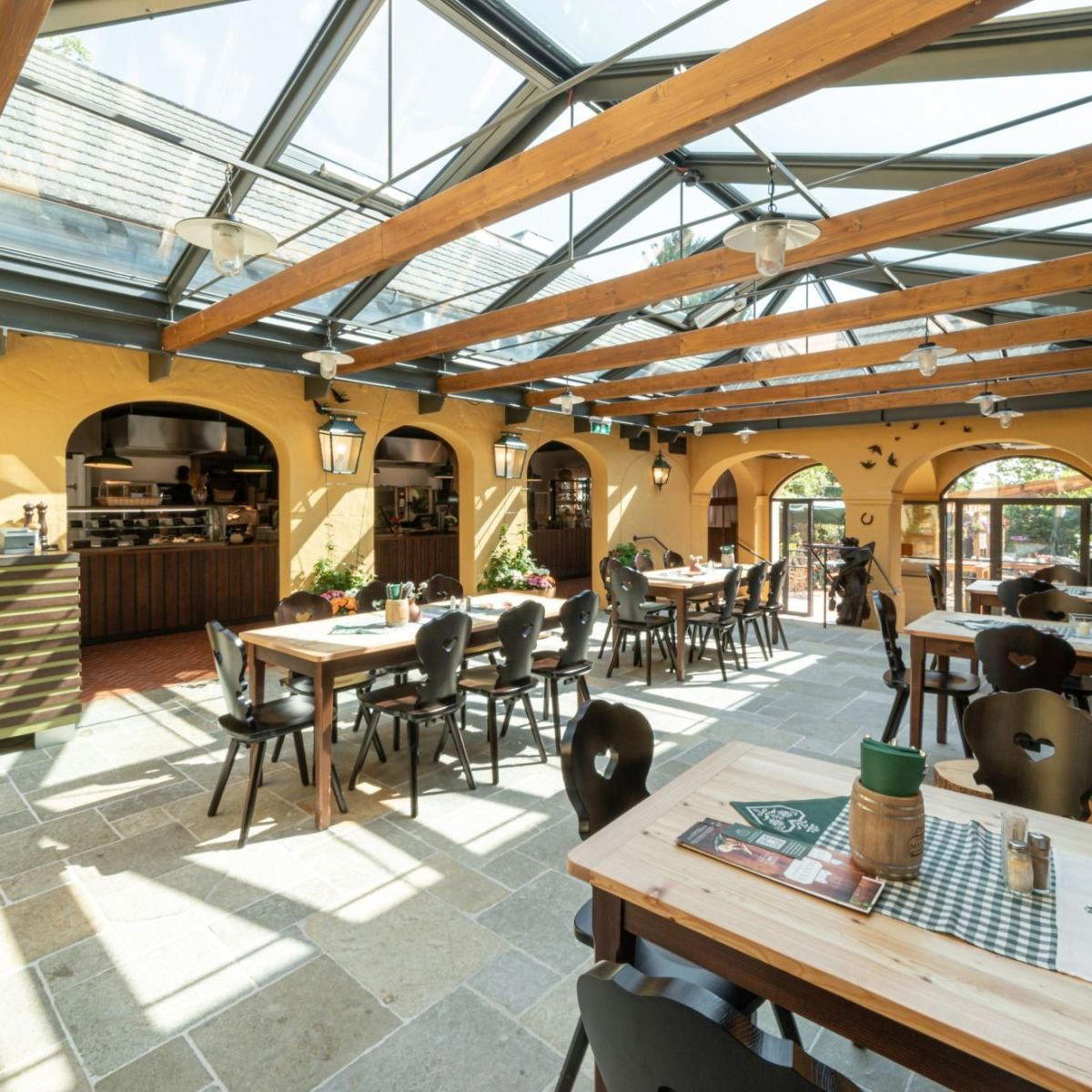
Casual and friendly atmosphere with Italian staff, well-suited for relaxed pizza dining.