Wolke occupies the 9th district's Alserbachstraße, a stretch of Vienna that sits between the university quarter and the Ringstrasse belt, where neighbourhood restaurants operate on a different register than the formal dining rooms of the 1st. With sparse public data and no declared cuisine, the address places it in a tier of Vienna dining that rewards direct inquiry rather than advance assumption.
Pearl is the En Primeur Club membership app — saves, bookings, and concierge access live there. Same editors, same standards.
- Address
- Alserbachstraße 33/2, 1090 Wien, Austria
- Phone
- +434318902422
- Website
- die-wolke.at
- Directions
- Get directions
 Saves & bookings on Pearl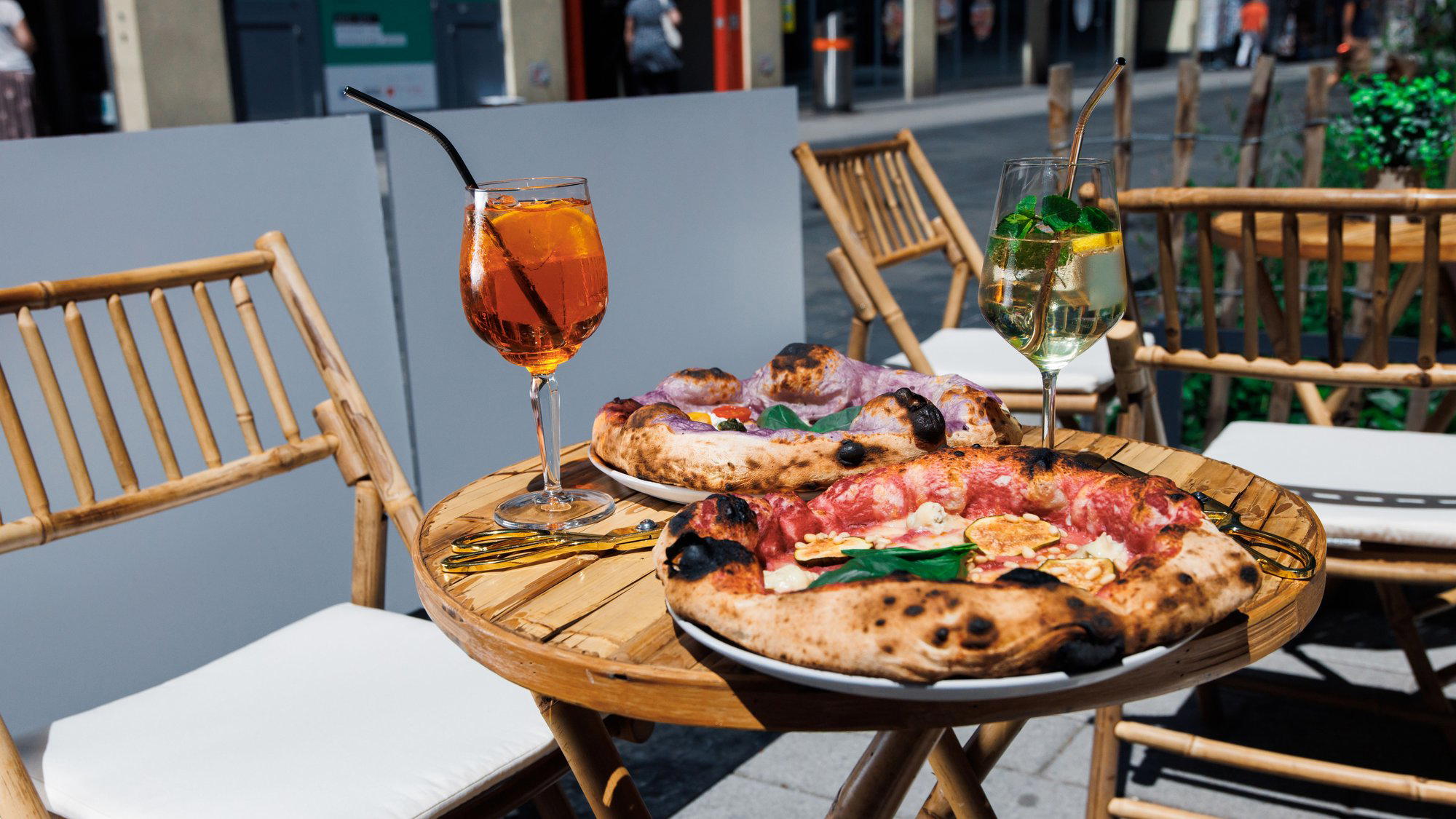
The 9th District and What It Asks of a Restaurant
Vienna's 9th district, Alsergrund, does not perform for visitors the way the Innere Stadt does. The neighbourhood runs from the university hospitals down toward the canal, and its restaurant culture reflects the mix of academics, medical professionals, and long-term residents who populate it. A restaurant here earns loyalty through consistency and character, not through proximity to the Opera or a Michelin address on a tourist map. The dining that takes root in Alsergrund tends to be purposeful rather than decorative.
Alserbachstraße itself cuts through the quieter residential core of the district. Wolke sits at number 33, second floor, an address that already signals something about format: refined in the literal sense, slightly removed from the street-level foot traffic that drives casual covers, and therefore more likely to draw a deliberate visitor than a passing one. In Vienna's neighbourhood dining taxonomy, that physical positioning matters. The restaurants that survive upstairs in residential buildings in the 9th do so because the food or the atmosphere justifies the climb.
Vienna's Neighbourhood Restaurant Tier
The city's fine dining conversation tends to concentrate on a handful of names. Steirereck im Stadtpark and Konstantin Filippou anchor the formal end of the market, both at the €€€€ tier. Mraz & Sohn and Amador occupy the creative bracket at the same price point. Below that formal layer, Vienna has a significant and underreported neighbourhood restaurant culture, particularly in the 7th, 8th, and 9th districts, where smaller rooms operate without the overhead or the expectation of destination dining.
What distinguishes this tier is not absence of ambition but a different relationship with the guest. Wolke sits in a zone that rewards direct engagement. Vienna's neighbourhood dining scene has always had restaurants that communicate through word of mouth and return visits rather than through awards infrastructure. Doubek represents one version of this model. Wolke, by address and format, suggests another.
Austrian Dining Tradition and Its Neighbourhood Expression
Austrian cuisine carries a more complex cultural inheritance than its tourist-facing representations suggest. The Viennese table draws from the Habsburg empire's reach: Bohemian technique, Hungarian seasoning, Italian influence through Trieste, and a Central European commitment to seasonal produce that predates the modern farm-to-table framing. In the city's neighbourhood restaurants, this inheritance often appears not as a statement but as a default, in the way a kitchen handles root vegetables in winter, or the ratio of fat to acid in a sauce, or the treatment of offal as a first-class ingredient rather than a concession.
The neighbourhood restaurant in Vienna is also the primary site of the Beisl tradition, a format that sits between a tavern and a bistro, built around honest cooking, direct service, and an expectation that the guest returns. What the address and the second-floor positioning suggest is a room with some degree of enclosure and intention, distinct from the ground-floor Beisl that opens directly onto the street.
For context on what the wider Austrian fine dining framework looks like outside Vienna, the comparison set extends to Döllerer in Golling an der Salzach, Ikarus in Salzburg, and Obauer in Werfen, each of which anchors a regional approach to Austrian ingredients within a more formally structured tasting format. The Alpine tier also includes Gourmetrestaurant Tannenhof in Sankt Anton am Arlberg, Griggeler Stuba in Lech, Schwarzer Adler in Hall in Tirol, Restaurant 141 by Joachim Jaud in Mieming, Kräuterreich by Vitus Winkler in Sankt Veit im Pongau, Landhaus Bacher in Mautern an der Donau, and Ois in Neufelden. Together they define a national dining culture that extends well beyond the capital's formal dining rooms. Wolke, whatever its kitchen orientation, enters that broader conversation from a particular urban neighbourhood position.
Placing Wolke in a Reader's Vienna Itinerary
For a reader building a Vienna dining itinerary, the choice between the city's formal creative tier and its neighbourhood layer depends on what kind of engagement is being sought. The €€€€ houses, from Steirereck to the APRON or Silvio Nickol end of the market, deliver a structured experience with declared culinary frameworks, tested wine programs, and a format that leaves little ambiguity. The neighbourhood tier asks more of the visitor: prior research, sometimes a phone call, less polish in communication, and more reliance on the room itself to signal what the experience will be.
Wolke's second-floor address on Alserbachstraße places it outside the casual-drop-in category. The building entry and the floor position suggest a room that has made a choice about its audience. In a city where the neighbourhood dining culture is genuinely one of the more interesting stories in European urban eating, that choice is worth investigating directly. For broader Vienna restaurant context, our full Vienna restaurants guide maps the city's dining by district and format, with reference points across price tiers.
For international context on what well-positioned urban neighbourhood dining can achieve at the highest technical level, the comparison stretches to Le Bernardin in New York City and Atomix in New York City, both of which operate inside formal urban dining ecosystems where neighbourhood positioning and physical format carry their own signals about intended guest.
Planning a Visit
The restaurant is at Alserbachstraße 33/2, 1090 Wien, Austria, and serves modern Neapolitan pizza at a price tier around $20 per person. The second-floor unit designation indicates a specific approach to access.
Quick reference: Alserbachstraße 33/2, 1090 Wien (9th district, Alsergrund). Hours run Monday through Sunday from 11:30 AM to 10 PM, and reservations are recommended.
Fast Comparison
Comparable venues nearby, for context on price, style, and recognition.
| Venue | Cuisine | Price | Notes |
|---|---|---|---|
| WolkeThis venue — the venue you are viewing | Modern Neapolitan Pizza | $$ | Not listed |
| Pinsatore | Roman Pinsa | $$ | Wieden |
| SoFàre | Authentic Italian Fresh Pasta | $$ | Praterstern Wien Nord |
| Forno | Italian Focaccia and Pizza | $$ | Josefstadt |
| La Spiga | Neapolitan Pizza | $$ | Josefstadt |
| Pizza Randale | Neapolitan Pizza with Viennese Twists | $$ | Wieden |
Continue exploring
More in Vienna
Restaurants in Vienna
Browse all →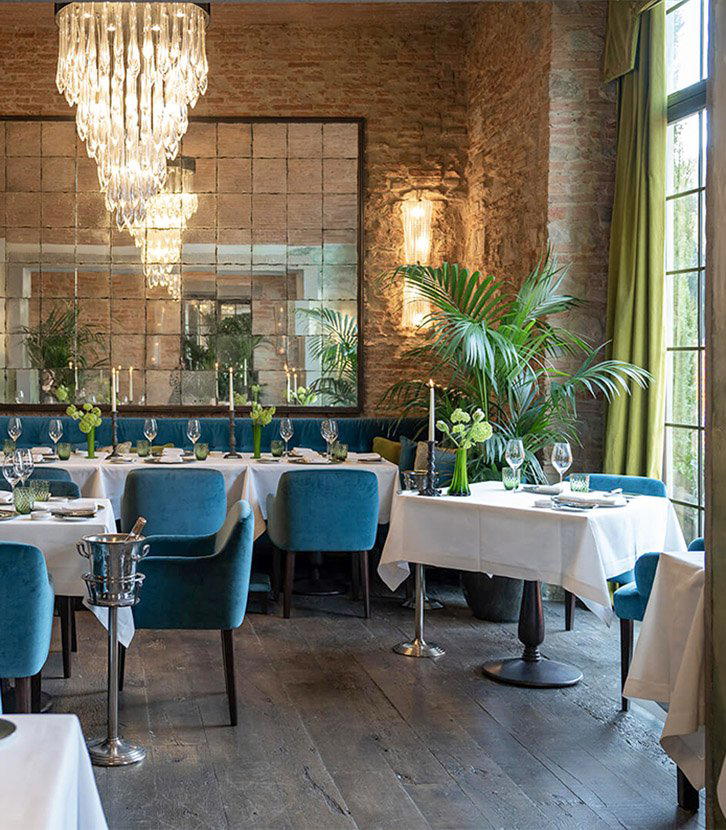
Bars in Vienna
Browse all →
Hotels in Vienna
Browse all →
At a Glance
- Trendy
- Modern
- Casual Hangout
- Group Dining
- Brunch
- Standalone
- Open Kitchen
Current opening hours
- Monday
- 11:30 AM–10 PM
- Tuesday
- 11:30 AM–10 PM
- Wednesday
- 11:30 AM–10 PM
- Thursday
- 11:30 AM–10 PM
- Friday
- 11:30 AM–10 PM
- Saturday
- 11:30 AM–10 PM
- Sunday
- 11:30 AM–10 PM
Hours can change for holidays and private events. Last verified .
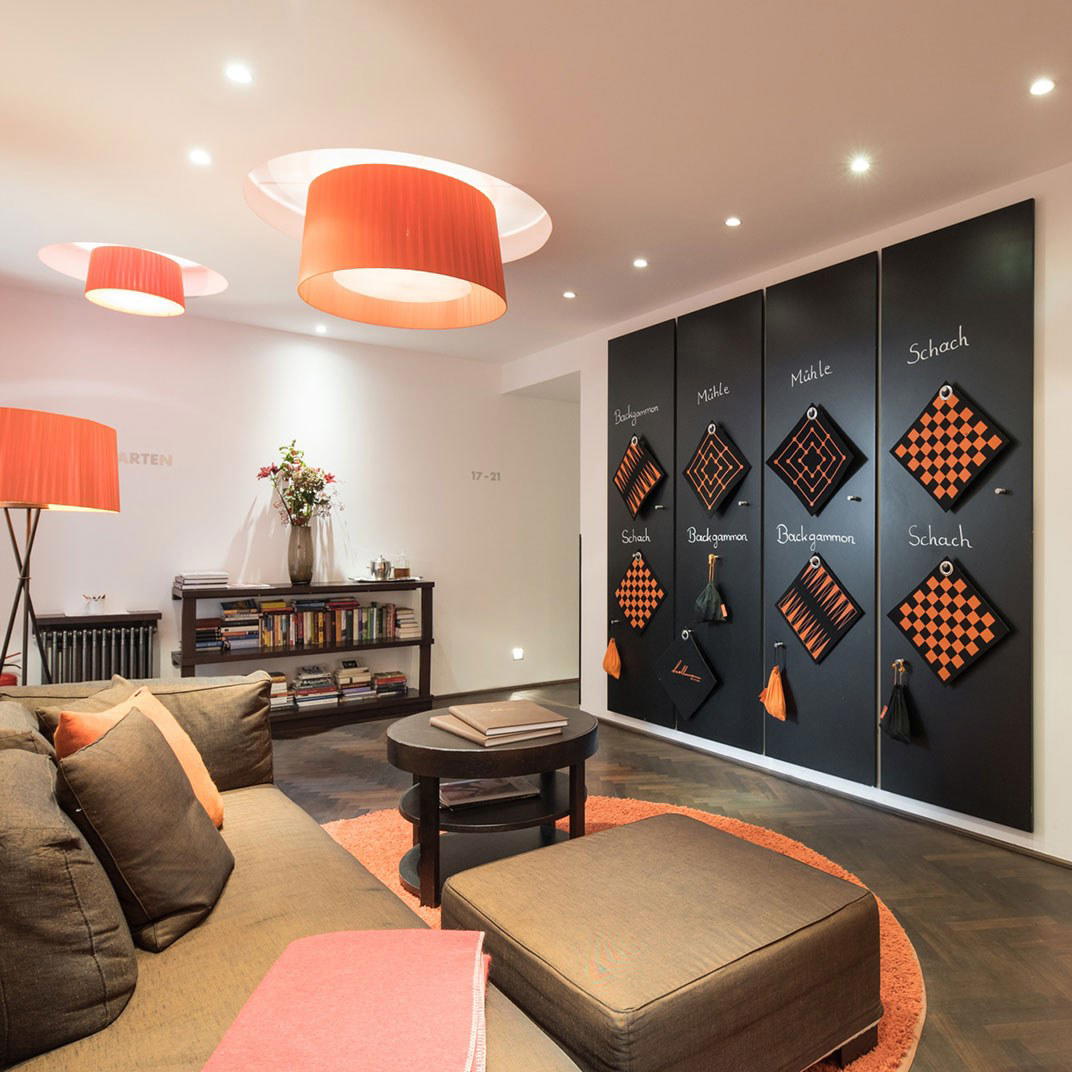
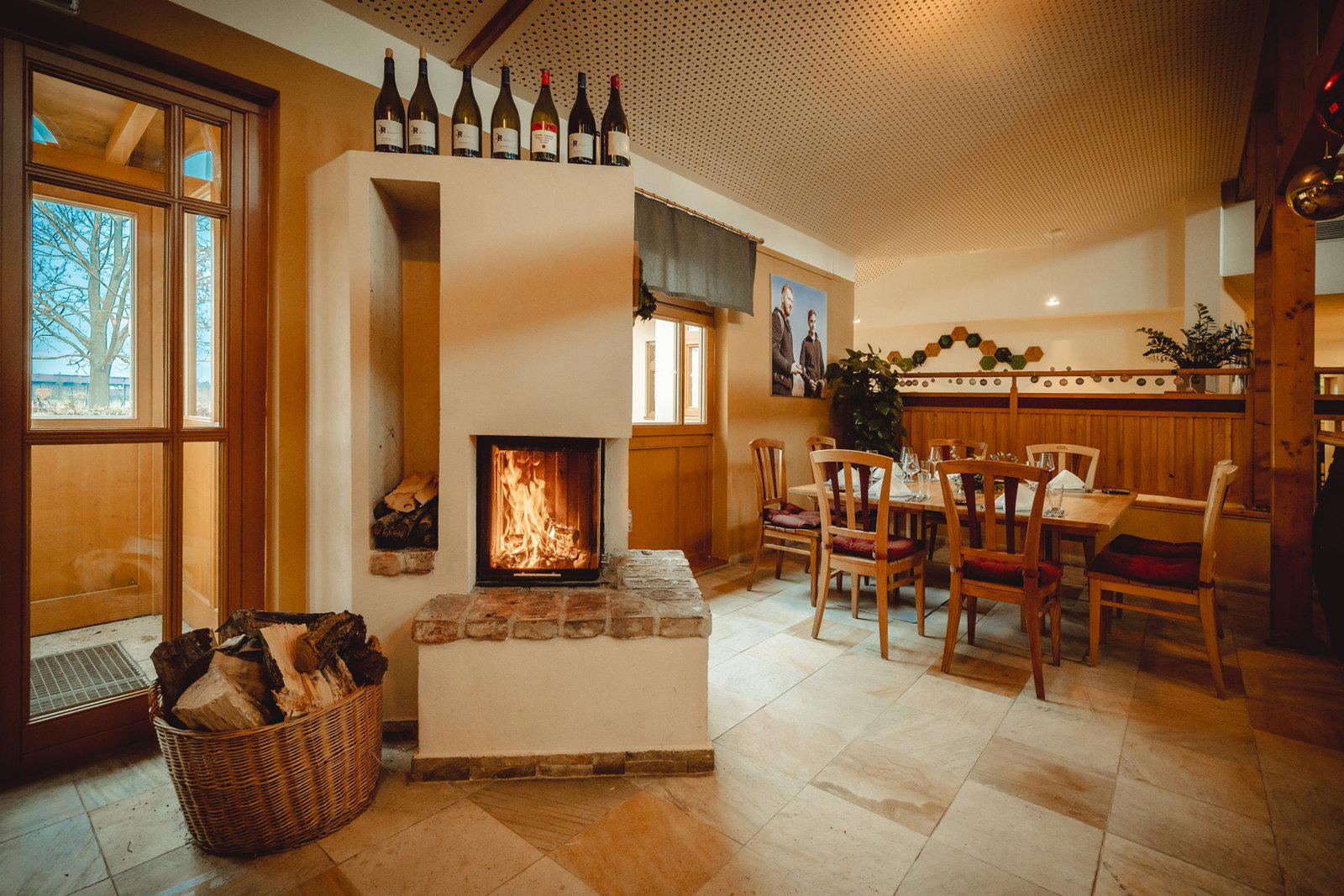
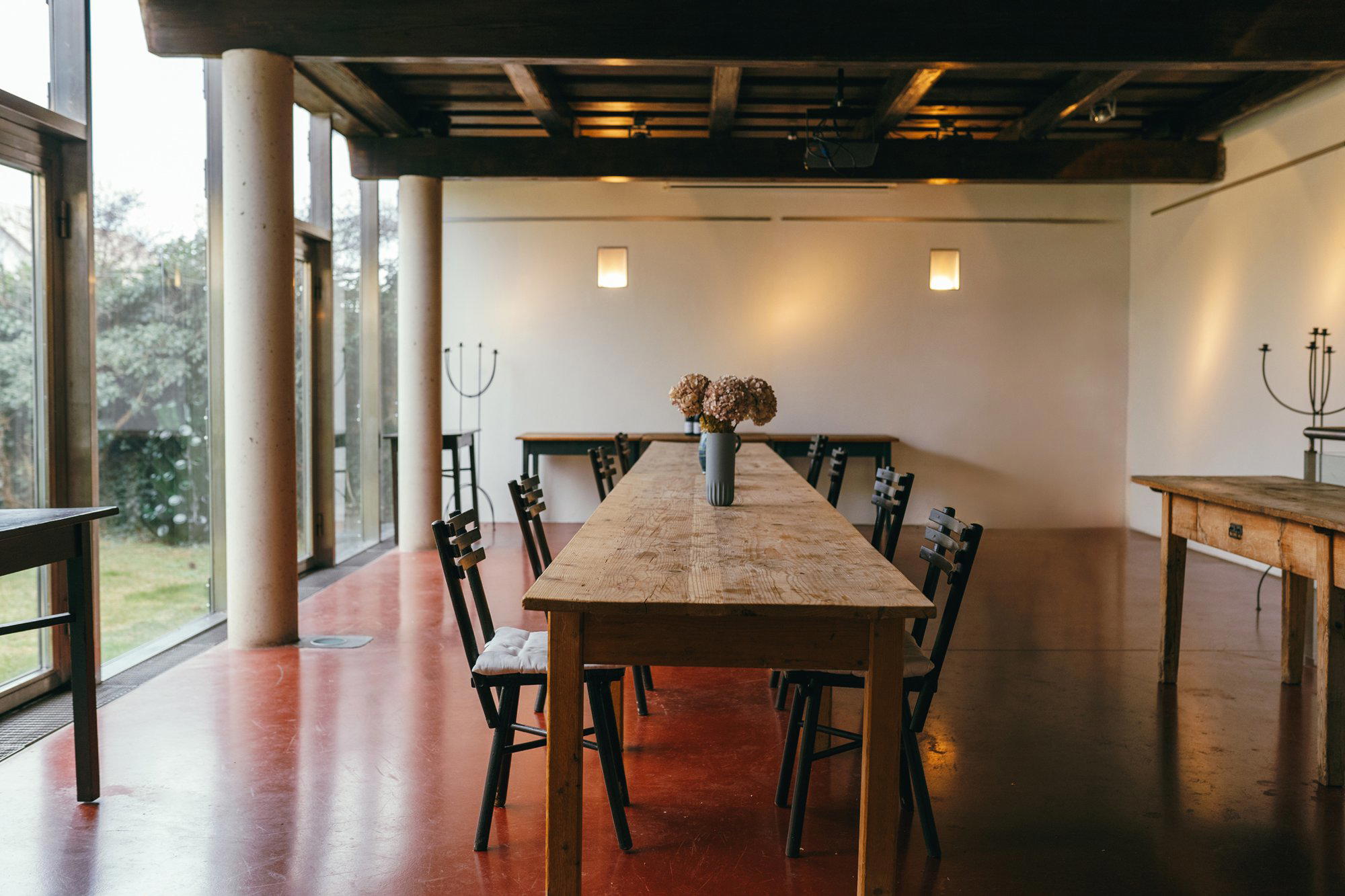
Lively and colorful contemporary setting with modern design, reflecting the creative and experimental nature of the menu.