Viva la Mamma occupies a prominent address at Dr.-Karl-Lueger-Platz 5 in Vienna's first district, placing it within reach of the city's densest concentration of cultural institutions and serious dining. The name signals a vernacular Italian warmth at odds with Vienna's more formal restaurant register, suggesting a counter-programming approach that sits interestingly against the €€€€ tier that defines the city's fine-dining consensus.
Pearl is the En Primeur Club membership app — saves, bookings, and concierge access live there. Same editors, same standards.
- Address
- Dr.-Karl-Lueger-Platz 5, 1010 Wien, Austria
- Phone
- +434315121645
- Website
- vivalamamma.at
- Directions
- Get directions
 Saves & bookings on Pearl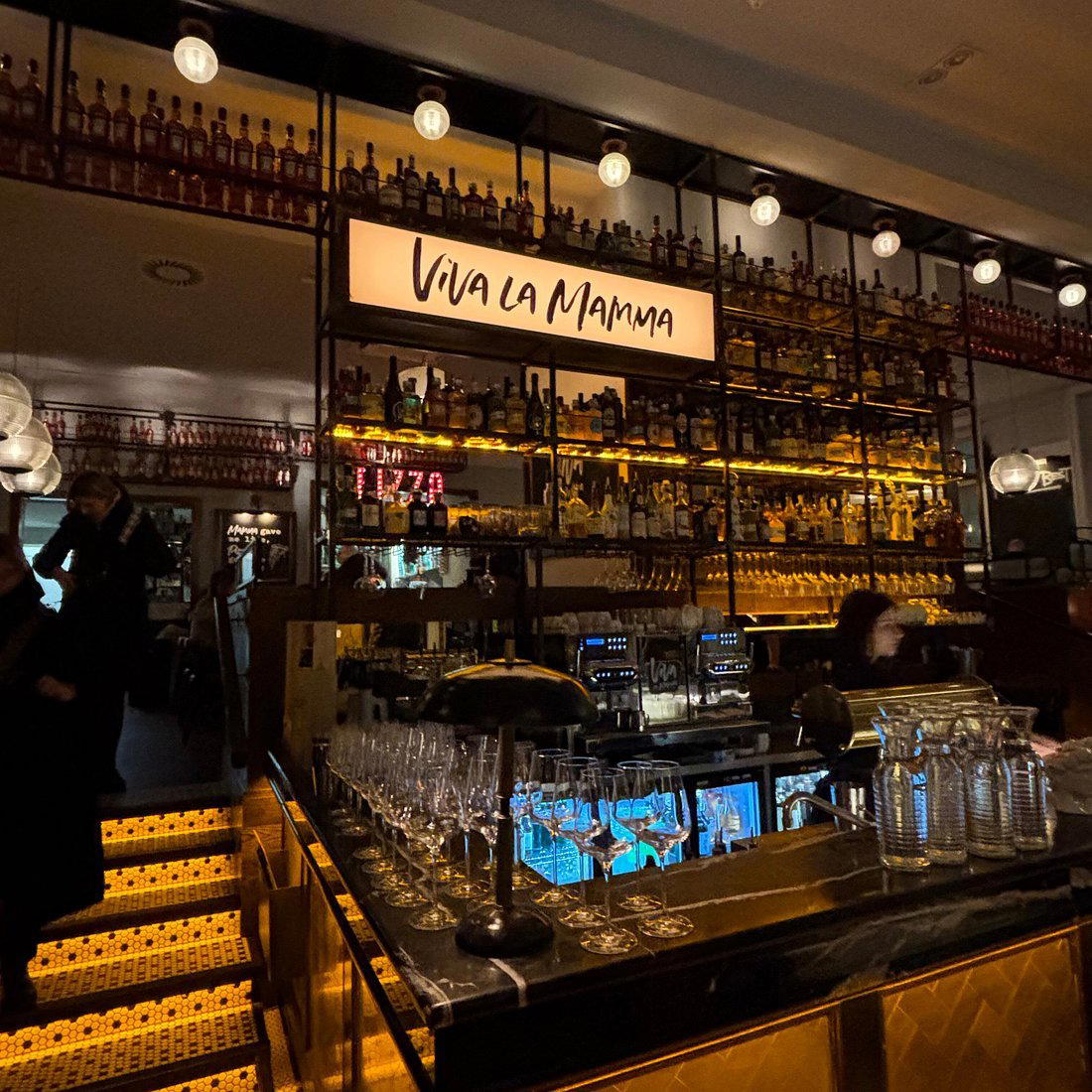
A First-District Address and What It Implies
Dr.-Karl-Lueger-Platz sits at the eastern edge of Vienna's Innere Stadt, where the first district bleeds into the third and the grand civic architecture of the Ringstrasse gives way to slightly more human-scaled streets. It is not the obvious address for a restaurant with an Italian maternal reference in its name. The location places Viva la Mamma in a neighbourhood where foot traffic skews toward office workers, museum visitors, and deliberate diners. That geography matters: restaurants at this address compete less on walk-in convenience and more on destination pull, the same dynamic that governs serious dining rooms across Vienna's first district.
Houses like Steirereck im Stadtpark and Amador anchor the creative end, while Konstantin Filippou and Mraz & Sohn represent the modern Austrian and modern European currents that have defined the city's Michelin conversation for the better part of a decade. Into that context, a name as deliberately domestic as Viva la Mamma reads as a positioning statement: warmth and familiarity as values, not spectacle and technique as the primary register.
The Italian Maternal Tradition and Its Viennese Inflection
The concept of cooking rooted in maternal Italian tradition carries its own set of expectations. In Italian culinary culture, the cucina della mamma is a shorthand for recipes passed across generations, for regional specificity over international polish, and for a relationship with the table that privileges generosity over minimalism. That tradition, when transplanted to a northern European capital with its own deeply embedded café and Beisl culture, tends to produce something distinct from both its Italian source and its local surroundings.
Vienna has a long relationship with Italian food that predates the post-war trattoria wave across northern Europe. The Habsburg court maintained strong cultural ties with the Italian peninsula, and that influence runs through Austrian pastry and pasta traditions in ways that are easy to underestimate. A restaurant invoking Italian maternal cooking in this city is not operating in a vacuum: it is entering a conversation about what Italian food means when it has been filtered through a century of local adaptation. The more interesting restaurants in this space use that friction productively, finding where the two culinary cultures genuinely overlap rather than simply importing one into the other.
Doubek operates with that kind of focus in Vienna, as do regional destinations like Döllerer in Golling an der Salzach and Obauer in Werfen, both of which have built reputations on cooking that knows exactly what it is.
Reading a Meal as Progression
Italian dining at its most considered is structured as a sequence: antipasto giving way to primo, then secondo, then dolce, each course with a distinct role in the arc of the meal. That architecture is not merely logistical. The antipasto sets tone, the primo carries the kitchen's technical identity most plainly (pasta made in-house or not, sauce reduced or built, portion calibrated to what follows), and the secondo asks whether the kitchen can sustain its register across protein and temperature. The dolce is where Italian restaurants most often reveal whether they are cooking from genuine tradition or from a received idea of it.
In the current fine-dining environment, the tasting menu format has become dominant enough that the traditional Italian course structure can feel almost radical in its clarity. Restaurants from Ikarus in Salzburg to Le Bernardin in New York have refined the multi-course progression into something with its own logic, but the Italian model predates and in some ways anticipates that format. A restaurant serious about cucina della mamma would understand the primo as the centrepiece course, the place where the kitchen's relationship with flour, egg, and regional tradition is most directly tested.
That framing also applies to how a dining room reads its own pacing. Italian maternal cooking is not fast food, but it is also not designed to stretch over four hours. The rhythm of the meal should feel unhurried without being artificially elongated, each course arriving when the previous one has done its work. In Vienna's more formal dining rooms, that pacing discipline is sometimes overridden by a tendency toward ceremony. The restaurants that avoid that trap, whether at the level of Griggeler Stuba in Lech or the more accessible registers of neighbourhood dining across Austria, tend to be those where the kitchen's confidence in its own cooking is sufficient that it does not need theatrical presentation to carry the room.
Landhaus Bacher in Mautern an der Donau and Kräuterreich by Vitus Winkler in Sankt Veit im Pongau offer useful comparison points, as does the alpine-rooted cooking at Schwarzer Adler in Hall in Tirol and Restaurant 141 by Joachim Jaud in Mieming.
Know Before You Go
- Address: Dr.-Karl-Lueger-Platz 5, 1010 Wien, Austria
- District: First district (Innere Stadt), eastern edge near the Ringstrasse
- Phone: Not listed, check directly at the venue or via current search
- Website: Not listed, verify current hours and booking options before visiting
- Booking: Reservations are recommended.
- Price range: About $25 per person.
- Awards: No Michelin stars or other award data are listed in the record.
Cost and Credentials
Comparable venues nearby, for context on price, style, and recognition.
| Venue | Cuisine | Price | Notes |
|---|---|---|---|
| Viva la MammaThis venue — the venue you are viewing | Not listed | $$ | Not listed |
| Cibo Colorato | Wien-Mitte, Neapolitan Pizza | $$ | Not listed |
| SoFàre | Not listed | $$ | Praterstern Wien Nord, Authentic Italian Fresh Pasta |
| Pizzeria il mercato | Riesenrad, Authentic Neapolitan Pizza | $$ | Not listed |
| Wetter | Hernals, Ligurian Italian | $$ | Not listed |
| MATTO Pizza Gourmet | Wien-Mitte, Roman-Style Gourmet Pizza | $$ | Not listed |
Continue exploring
More in Vienna
Restaurants in Vienna
Browse all →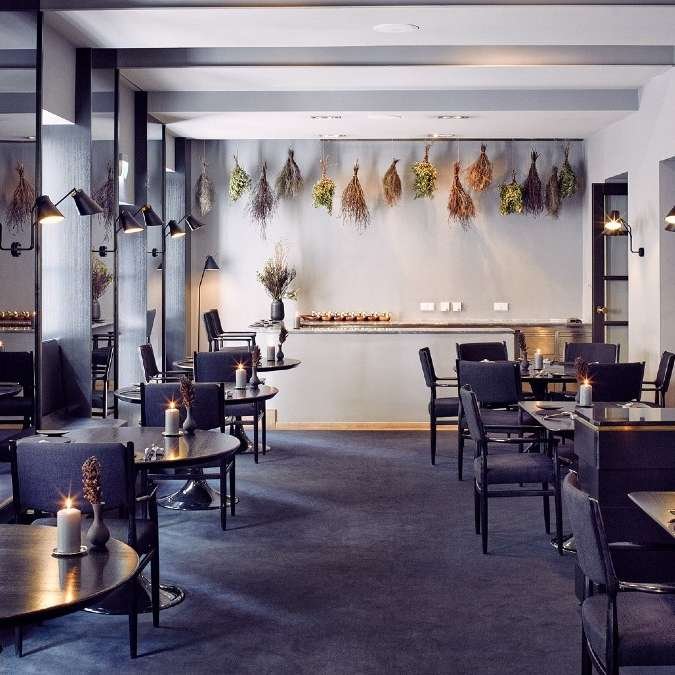
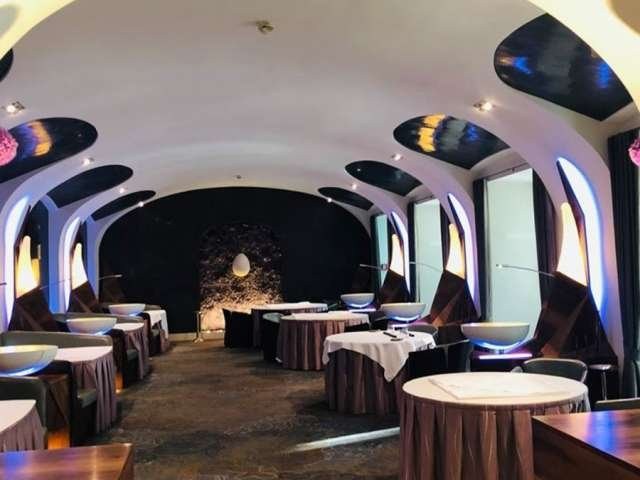
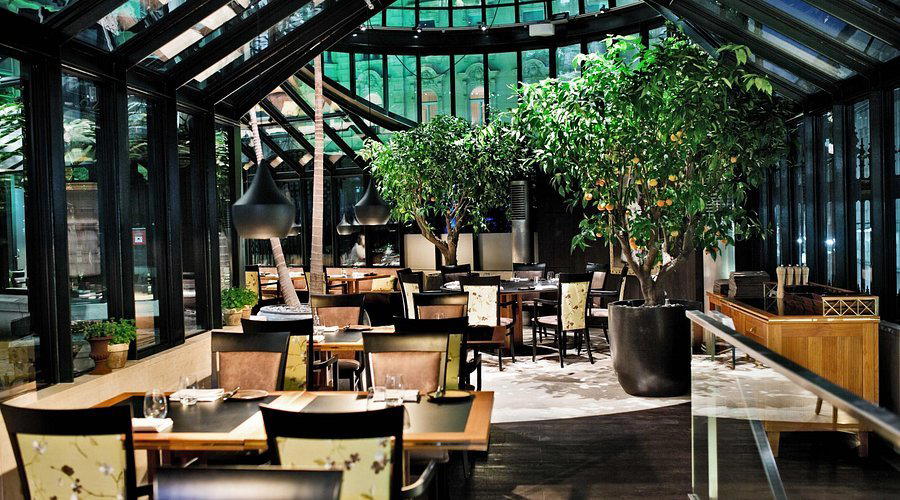
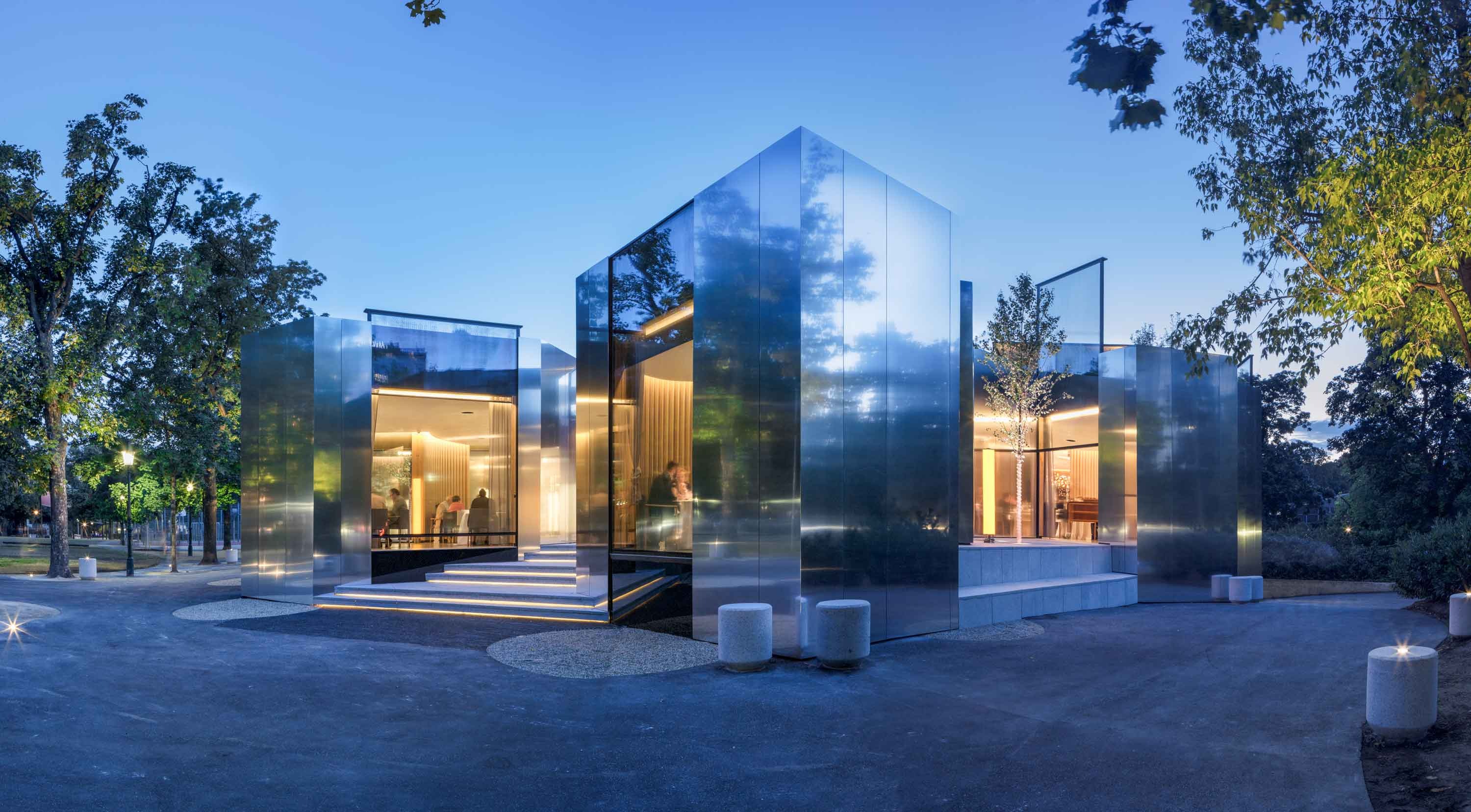
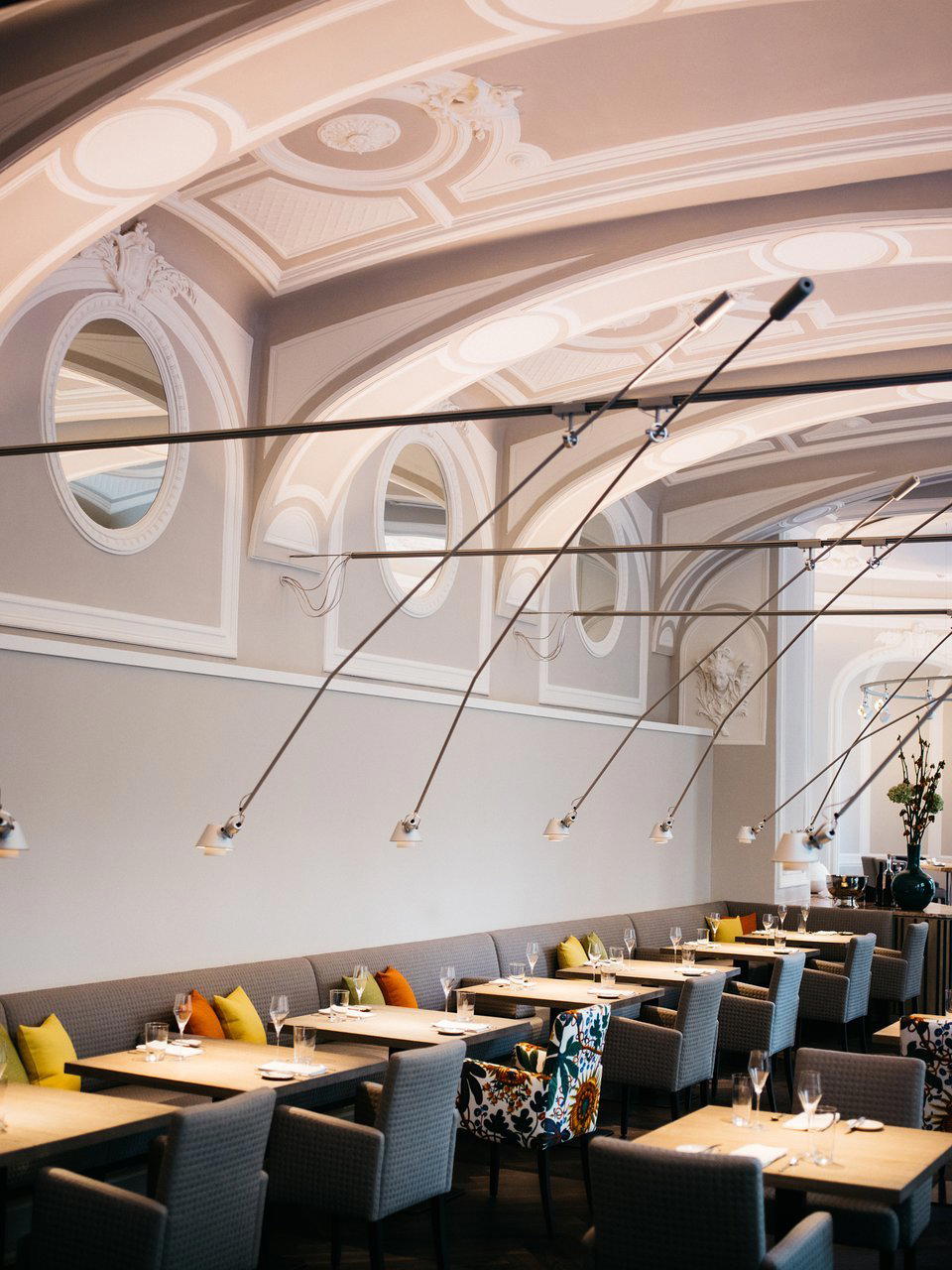
Bars in Vienna
Browse all →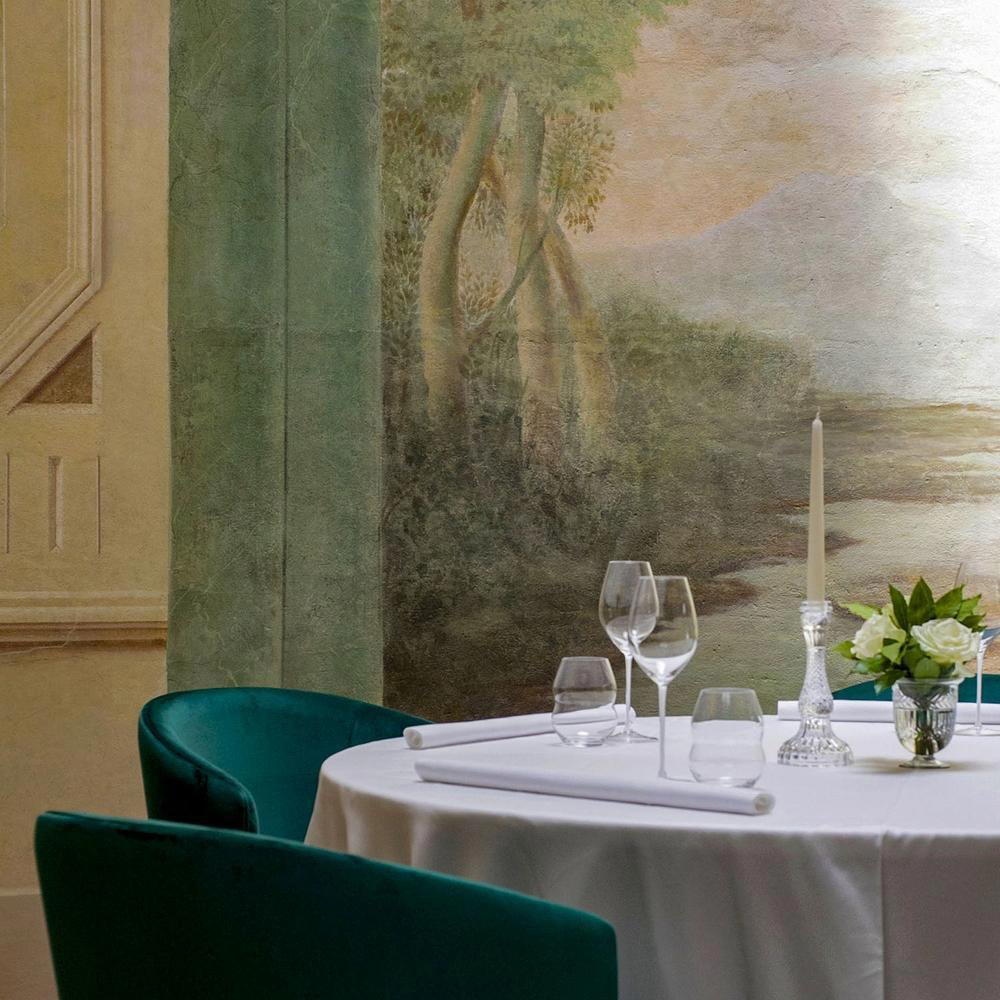
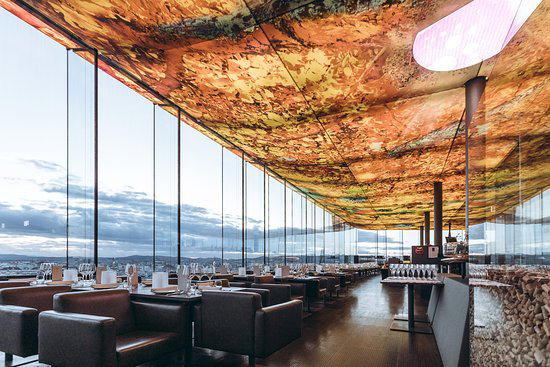
Hotels in Vienna
Browse all →
At a Glance
- Classic
- Cozy
- Lively
- Casual Hangout
- Group Dining
- Family
- Date Night
- Standalone
- Terrace
Current opening hours
- Monday
- 12–11 PM
- Tuesday
- 12–11 PM
- Wednesday
- 12–11 PM
- Thursday
- 12–11 PM
- Friday
- 12–11 PM
- Saturday
- 12–11 PM
- Sunday
- 12–11 PM
Hours can change for holidays and private events. Last verified .
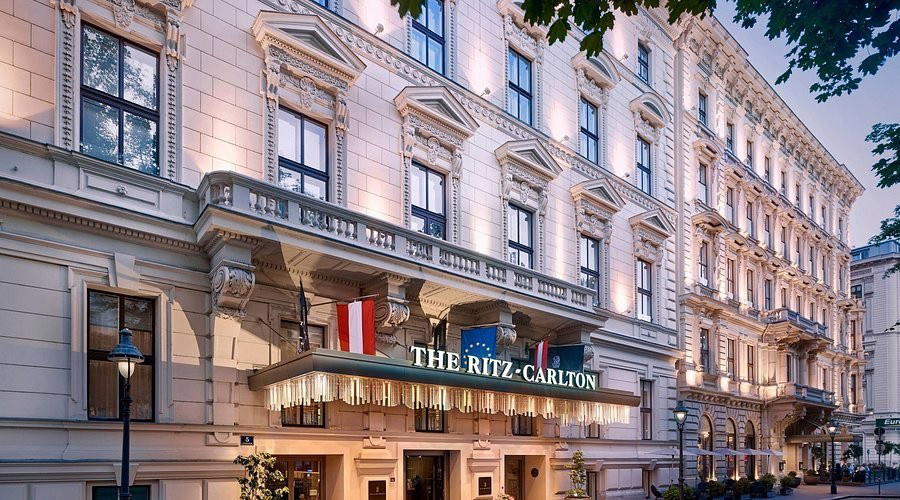
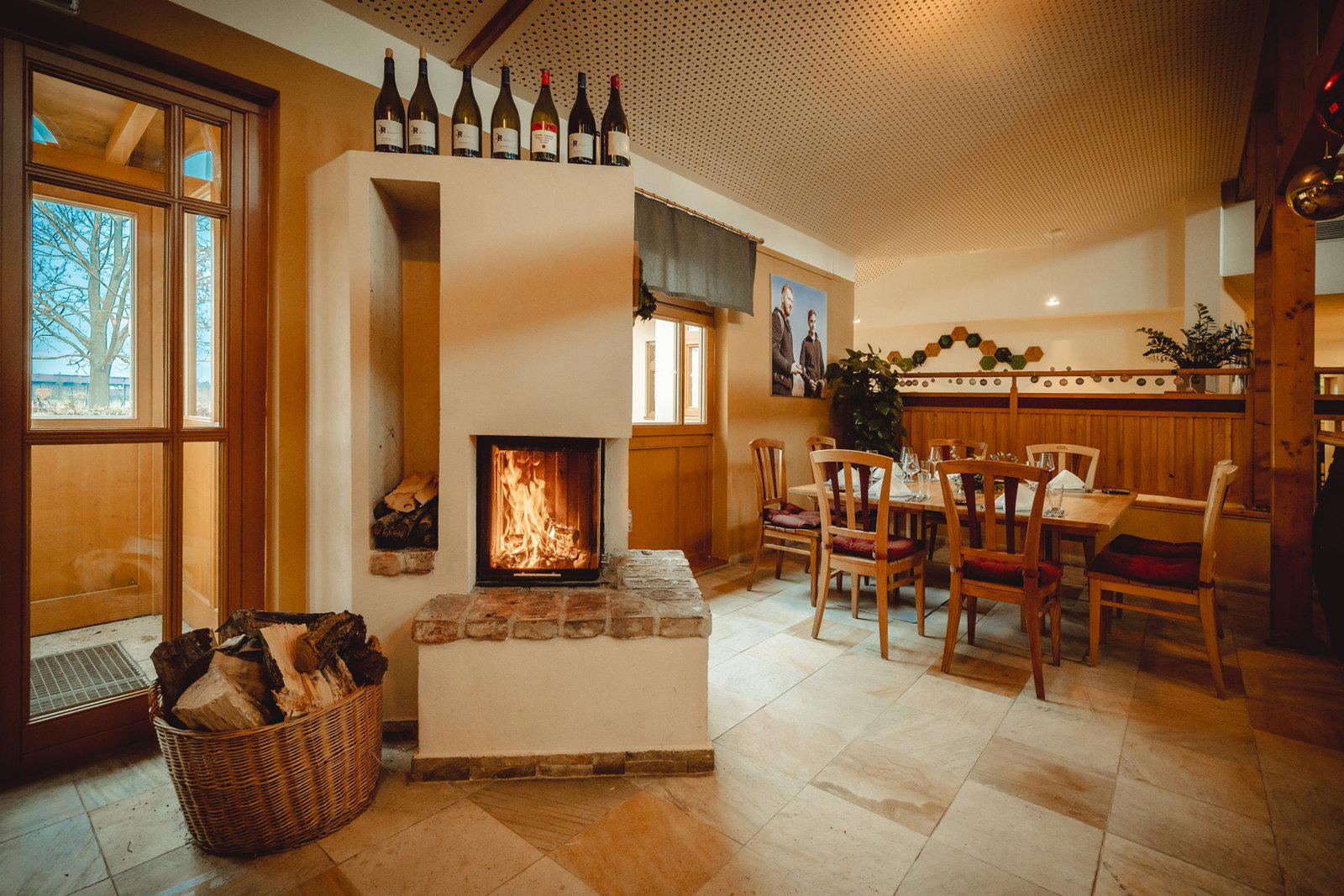
Warm and inviting with a distinctive yellow awning and abundant plants creating a charming, welcoming atmosphere that draws guests in from the street.