
Kobe’s Kitano-Yamamotodori dining character is built on small rooms, international influence, and serious regulars rather than spectacle. Pizzeria Azzurri fits that pattern: a 24-seat pizza-and-Italian address near Sannomiya with Tabelog Pizza 100 selections across multiple years, counter seating, wine focus, and a price tier that places it above casual slice culture but below Kobe’s formal dining bracket.
Pearl is the En Primeur Club membership app — saves, bookings, and concierge access live there. Same editors, same standards.
- Address
- 兵庫県神戸市中央区山本通3-7-3 ユートピアトーア 1F
- Phone
- +81782416036
- Website
- tabelog.com
 Saves & bookings on Pearl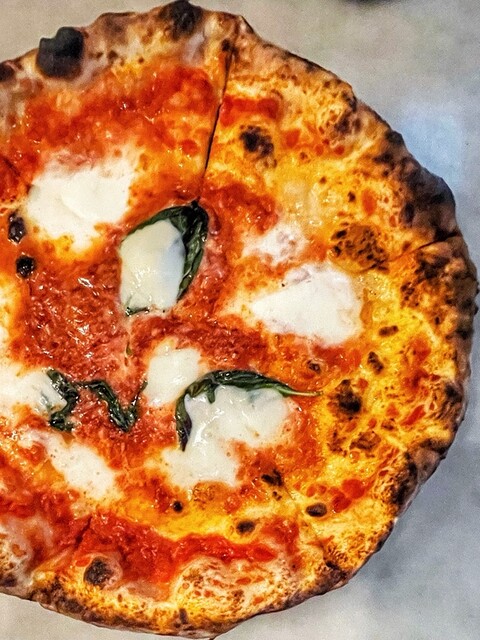
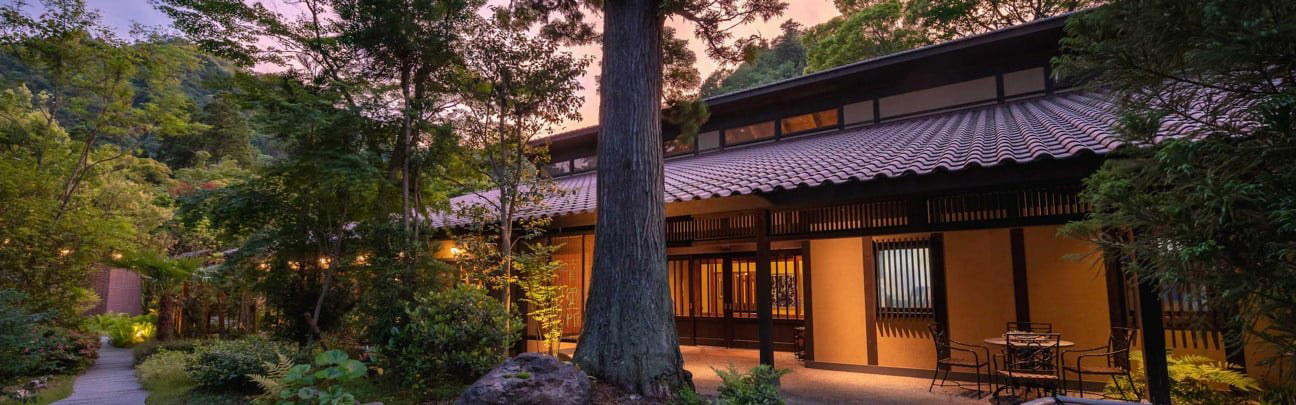
North of Sannomiya, Kobe’s rhythm changes: department-store traffic and station noise give way to Yamamotodori’s quiet residential streets, where port history appears less as museum display than as a habit of eating across borders. Italian rooms, patisseries, Chinese dining rooms, coffee shops, and beef counters sit close together without feeling imported for effect. Pizzeria Azzurri fits that older Kitano logic: compact, serious, and built for diners who know a small pizza room can carry as much intent as a formal restaurant.
Japan’s pizza culture has become unusually precise over the past two decades. Stronger addresses are not imitating American pizzerias or loose trattoria formats; they treat dough, oven timing, table pacing, and wine as a controlled restaurant experience. Pizzeria Azzurri’s repeated Tabelog Pizza 100 selection, including 2017, 2018, 2019, 2021, 2023, and 2025, places it in that national conversation, not just the neighbourhood’s Italian category. Awards do not define dinner, but consistency across selection cycles matters in a category where small variations in dough management and service tempo are visible to regulars.
Kitano's international dining map gives the pizzeria its context
Kitano and Yamamotodori are often framed through foreign residences, but the dining story is practical: Kobe has long absorbed outside food traditions without treating them as novelty. In the same urban frame, patisserie, coffee, Chinese banquet cooking, halal kitchens, beef restaurants, and Italian rooms all make sense. A pizza specialist here is not an outlier, but part of Kobe’s port-city appetite for imported forms adapted through Japanese discipline.
The nearby EP Club map shows that range. Beef remains a defining Kobe signal at Aburi Niku Kobo Wakkoku Shinkobe ten and Aburi Niku Kobo Wakkoqu Kitano Sakamoto Ten, while old-school coffee culture has another register at Akaneya Coffee Ten. Smaller local addresses such as Akari and Ali's Halal Kitchen show the city’s everyday variety within a tight radius. For a wider read, use Our full Kobe restaurants guide, then cross-check Our full Kobe hotels guide, Our full Kobe bars guide, Our full Kobe wineries guide, and Our full Kobe experiences guide.
Pizzeria Azzurri’s appeal is not scale. The room is listed at 24 seats, including six at the counter, making it closer to a small specialist restaurant than a broad, high-turnover pizzeria. That format narrows the margin for sloppy pacing, lets counter seats connect diners to the kitchen’s rhythm, and suits friends, families, and solo diners while remaining structured enough to reward planning.
Pizza in Kobe sits between casual lunch and serious dinner
The spending band clarifies the category: lunch is listed at JPY 2,000 to JPY 2,999, while dinner moves to JPY 6,000 to JPY 7,999. In Kobe terms, the restaurant sits above a casual bakery or café stop and below the city’s high-spend beef and sushi occasions. That comparison matters because Kitano can pull visitors toward familiar prestige markers. Toten Kaku Koube honten sits in a higher formal bracket, while L'AVENUE, Caffarel Cioccolate Kobe kitano honten, and Ca marche occupy lower daytime price bands. The restaurant holds the middle ground: focused, but not ceremonial.
That is where Japan’s serious pizza rooms often work best, rewarding diners who want craft without a long tasting-menu commitment. A wine-oriented drinks listing reinforces the reading: pizza here is part of an Italian table, not quick starch delivery. Take-out is listed, yet the award history and seat structure point more strongly to the room as the primary experience. For travellers, this is better understood as a scheduled meal within a Kitano or Sannomiya day than something eaten between plans.
The practical friction is manageable but real. Reservations are available from two weeks before the desired date, and the Thursday closure, plus some Wednesday and Sunday closures, makes the calendar matter. The nearest station reference is Sannomiya, with Motomachi also within walking range, so the meal suits a north-of-station itinerary rather than a rushed transfer. Parking is unavailable: arrive by train, walk uphill, and let the approach mark the evening’s slower pace.
The editorial read: go for Kobe's quieter specialist tier
The restaurant is most persuasive for diners who understand Kobe beyond the beef headline. The city’s luxury image points visitors toward marbled wagyu, harbour hotels, and polished cocktail rooms; the better itinerary also leaves room for small specialists that explain how Kobe actually eats. A pizza-and-Italian address with multiple Tabelog Pizza 100 selections, a small seat count, and a wine focus is not competing with steakhouse ceremony. It answers another question: where does Kobe’s international dining inheritance become everyday expertise?
The answer sits in the scale. Twenty-four seats do not create anonymity. A counter keeps the kitchen present. A two-week reservation window keeps planning serious without turning dinner into a months-long campaign. For visitors building a Japan route across cities, the restaurant is a useful counterpoint to more formal reservations in Tokyo, Osaka, or Kyoto. EP Club’s broader archive can frame those comparisons, from -Grilled beef Sukiyaki- KAMAKURA TANUKIAN 鎌倉 たぬき庵 in Kamakura and. 鮪と炭火焼き うお炭 秋葉原店 in Tokyo to.cafe in Osaka.know in Kumamoto, (Shoku) Vietnam in Kawasaki, [Curry Senmon Ten] Maruyama Kyoju. in Sapporo, Jōdo Saké Bar in Los Angeles, and Onigiri Time in Pasadena.
Treat this as a neighbourhood meal, not a trophy detour. Build it around Kitano and Sannomiya, choose lunch for a tighter spend or dinner for the fuller Italian-restaurant register, and respect the room’s small scale. Kobe rewards travellers who look past obvious prestige categories. This is one of the city’s cleaner arguments for doing exactly that.
A Tight Comparison
Nearby venues at a similar price tier for orientation.
| Venue | Cuisine | Price | Notes |
|---|---|---|---|
| Pizzeria AzzurriThis venue — the venue you are viewing | Chūō, Traditional Neapolitan Pizzeria | $$ | Not listed |
| SAVOY KITANOZAKA | Chūō, Classic Cocktail Bar | $$ | Not listed |
| Moriguchi | Nada, Okonomiyaki & Teppanyaki | $$ | Not listed |
| BARMOS | Nada, Authentic Spanish tapas & paella | $$ | Not listed |
| anthem | Chūō, Cheesecake-focused Cafe & Bar | $$ | Not listed |
| Sion | Not listed | $$ | Chūō, European-style Japanese curry & beef stew |
Recognition history
Dated appearances from independent guides and award organizations, with the underlying list record or original source where available.
Tabelog 100 #99 · No. 99
Tabelog · Tabelog 100 - Pizza - 2025
Continue exploring
More in Kobe
Restaurants in Kobe
Browse all →
Bars in Kobe
Browse all →



Hotels in Kobe
Browse all →


At a Glance
- Cozy
- Lively
- Classic
- Intimate
- Date Night
- Family
- Casual Hangout
- Group Dining
- Standalone
- Extensive Wine List
Small, house-like hideaway on a quiet street with counter and table seating, warm and bustling atmosphere, and an intimate neighborhood feel.