Pisqu sits on Große Pfarrgasse in Vienna's second district, a neighbourhood where the city's dining scene has been quietly recalibrating away from the first-district concentration. The address places it outside the familiar tourist arc, which shapes both its clientele and its register. For those tracking Vienna's wine-forward dining movement, Pisqu warrants attention alongside the capital's more decorated rooms.
Pearl is the En Primeur Club membership app — saves, bookings, and concierge access live there. Same editors, same standards.
- Address
- Große Pfarrgasse 5, 1020 Wien, Austria
- Phone
- +434312129605
- Website
- speisekartenweb.de
- Directions
- Get directions
 Saves & bookings on Pearl
The Second District's Quiet Gravitational Pull
Vienna's second district, the Leopoldstadt, has been accumulating serious dining addresses for several years now. The shift is structural rather than accidental: lower rents than the first district allow smaller operators to build more considered programs without the cover-charge pressure that pushes larger tourist-facing rooms toward safe, replicable formats. Pisqu is a Nikkei Peruvian-Japanese Fusion restaurant in Vienna, at Große Pfarrgasse 5, and it sits inside this broader recalibration. The address is residential in character, the kind of street where the restaurant is the landmark rather than the street being the draw. That geometry tends to self-select a clientele already committed before they arrive.
The contrast with Vienna's €€€€ tier is instructive. Rooms like Steirereck im Stadtpark, Amador, and Konstantin Filippou operate in the city's most visible registers, drawing on international recognition and centrally positioned real estate to anchor their reputations. A restaurant in Leopoldstadt works differently. Its legitimacy travels through recommendation and repeat visit rather than foot traffic and guidebook proximity.
Wine as the Organizing Logic
In European dining cities, the wine list increasingly functions as an editorial statement rather than a support document. The rooms that have built particularly coherent identities over the past decade tend to be those where the list has a point of view: a regional specificity, an importer philosophy, a commitment to particular vintages or growers that tells you something about what the kitchen values. Vienna is unusually well-positioned for this kind of wine program, sitting at the intersection of Austrian wine's domestic credibility and easy cellar access to Burgundy, Piedmont, and the Rhône through well-established import channels.
Austria's own vineyards give any serious Vienna wine list a strong foundation. Grüner Veltliner from the Wachau and Kamptal, Riesling from Kremstal, and the Blaufränkisch-dominated reds of Burgenland represent a genuinely varied domestic palette that can sustain a list without reaching internationally. The more interesting lists layer Austrian depth with selective European and natural wine representation, producing something that reflects both place and a broader curation philosophy. How a room handles that layering is often the clearest indicator of its overall seriousness.
For a comparative register on what ambitious wine programming looks like at the Austrian fine-dining tier, Landhaus Bacher in Mautern an der Donau and Obauer in Werfen both demonstrate how regional wine conviction can anchor a restaurant's identity across decades. At the other end of the format spectrum, Ikarus in Salzburg shows what rotating kitchen collaborations do to a wine program's coherence demands.
The Leopoldstadt Dining Register
Understanding where Pisqu sits requires some familiarity with how Vienna's neighbourhoods have differentiated their dining characters. The first district concentrates Michelin-decorated rooms and hotel dining at the highest price points. The second district has developed a more varied middle register: rooms serious enough to build loyal local followings, often without the award infrastructure of their first-district peers. This tier is where Doubek also operates, and where Mraz and Sohn built its reputation before broader recognition arrived.
The practical implication for the visitor is that a room in this neighbourhood requires a deliberate choice rather than a serendipitous walk-in. That is not a disadvantage. Rooms that draw on intentional visits rather than passing trade tend to have better service-to-diner ratios and less pressure on the kitchen to turn tables quickly. The dining experience in Vienna's second district generally unfolds at a pace that the first-district rooms, under heavier booking pressure, sometimes cannot sustain.
Placing Pisqu in the Austrian Fine Dining Context
Austria's serious dining circuit extends well beyond the capital. The alpine resort towns have developed their own concentration of decorated rooms: Griggeler Stuba in Lech, Gourmetrestaurant Tannenhof in Sankt Anton am Arlberg, and Schwarzer Adler in Hall in Tirol represent a format calibrated to a winter sports clientele with specific spending expectations. Rural Salzburgerland offers a different register again, with Döllerer in Golling an der Salzach and Kräuterreich by Vitus Winkler in Sankt Veit im Pongau building reputations around produce and regional identity rather than urban density. Ois in Neufelden and Restaurant 141 by Joachim Jaud in Mieming extend that rural fine-dining logic into less-trafficked corners of the country.
Against that national spread, a Vienna address like Pisqu's occupies a position where the city's wine infrastructure and urban dining culture do the contextual work that landscape and seasonal produce do in the alpine and rural rooms. The city dining format lives or dies on its room, its list, and its kitchen consistency rather than on the drama of its surroundings.
For a broader view of how Vienna's serious dining rooms compare to global benchmarks, the wine-forward approach at Le Bernardin in New York City and the tasting-menu rigor at Atomix in New York City illustrate what the international top tier expects from both list and kitchen in a metropolitan setting.
Planning Your Visit
Address: Große Pfarrgasse 5, 1020 Wien, Austria. Reservations: recommended. Dress: smart casual. Budget: about $40 per person.
Cuisine-First Comparison
Comparable venues nearby, for context on price, style, and recognition.
| Venue | Cuisine | Price | Notes |
|---|---|---|---|
| PisquThis venue — the venue you are viewing | Nikkei Peruvian-Japanese Fusion | $$$ | Not listed |
| Patara | Modern Thai Fine Dining | $$$ | Innere Stadt |
| Brasserie Palmenhaus Wien | Austrian Brasserie Classics | $$$ | Innere Stadt |
| KELSEN im Parlament | Modern Austrian | $$$ | Hofburg |
| Eugen21 | Modern Austrian with International Influences | $$$ | Sudbahnhof |
| Stellas | Steakhouse & Grill | $$$ | Neubau |
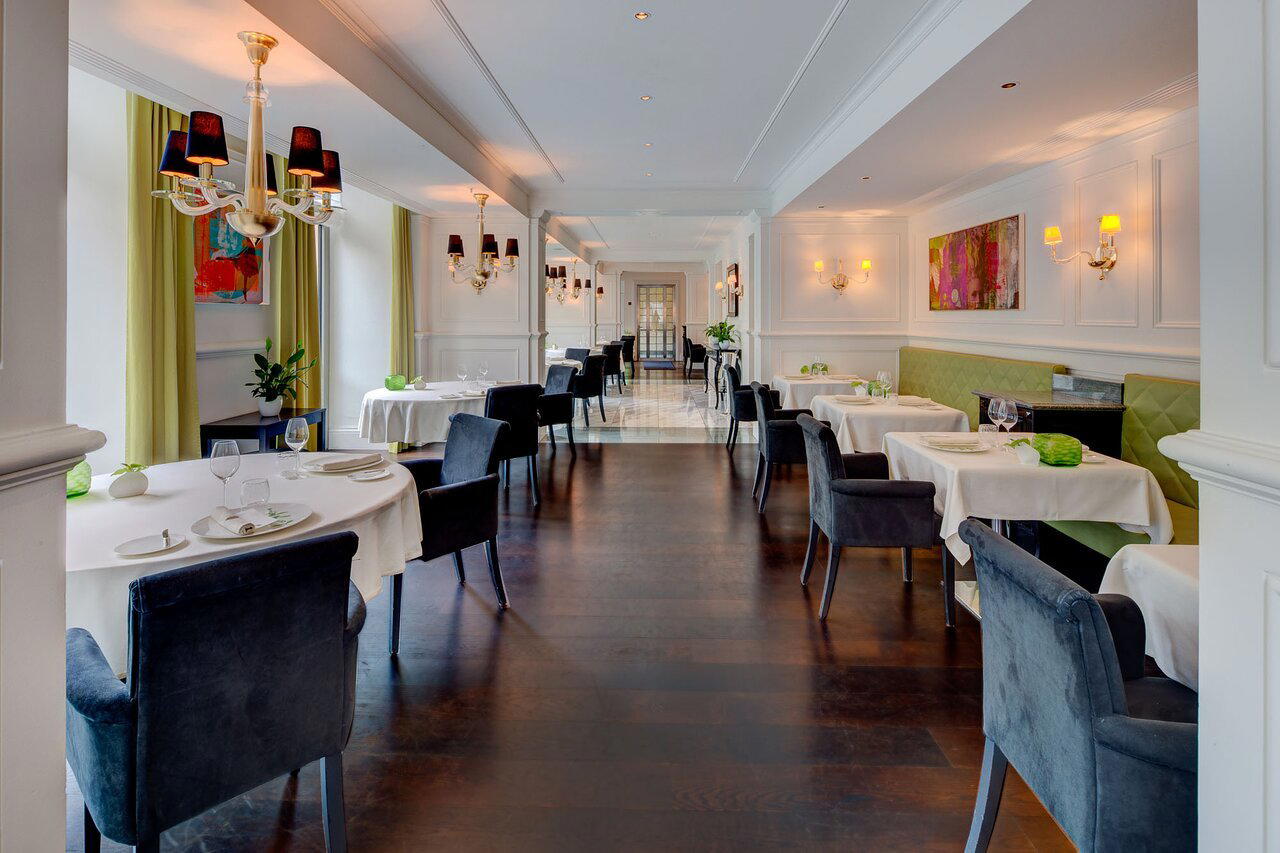
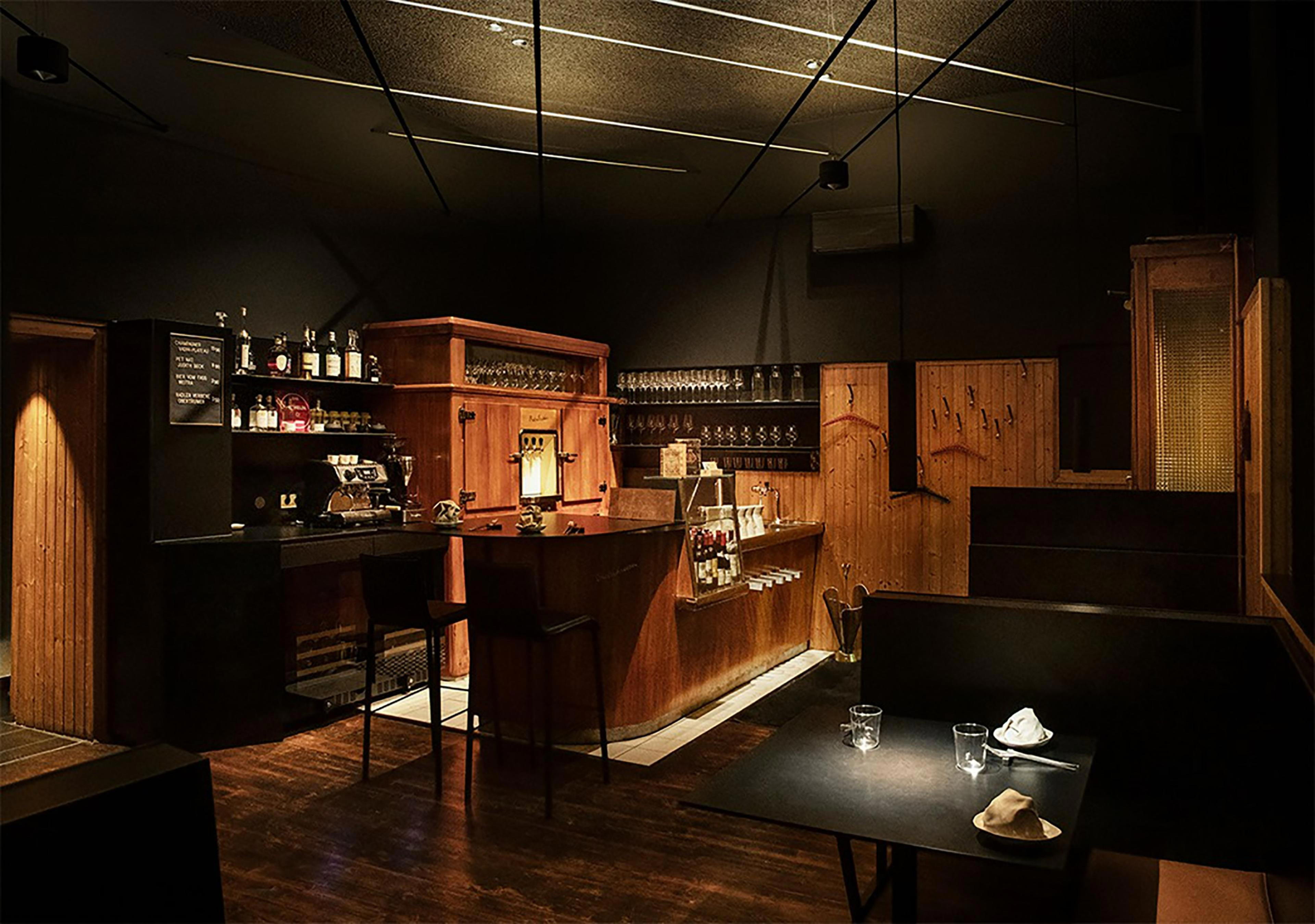
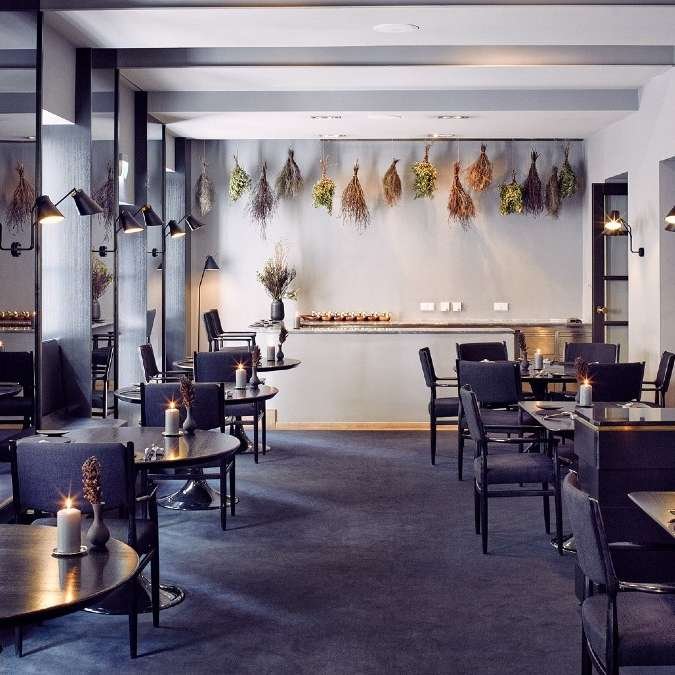
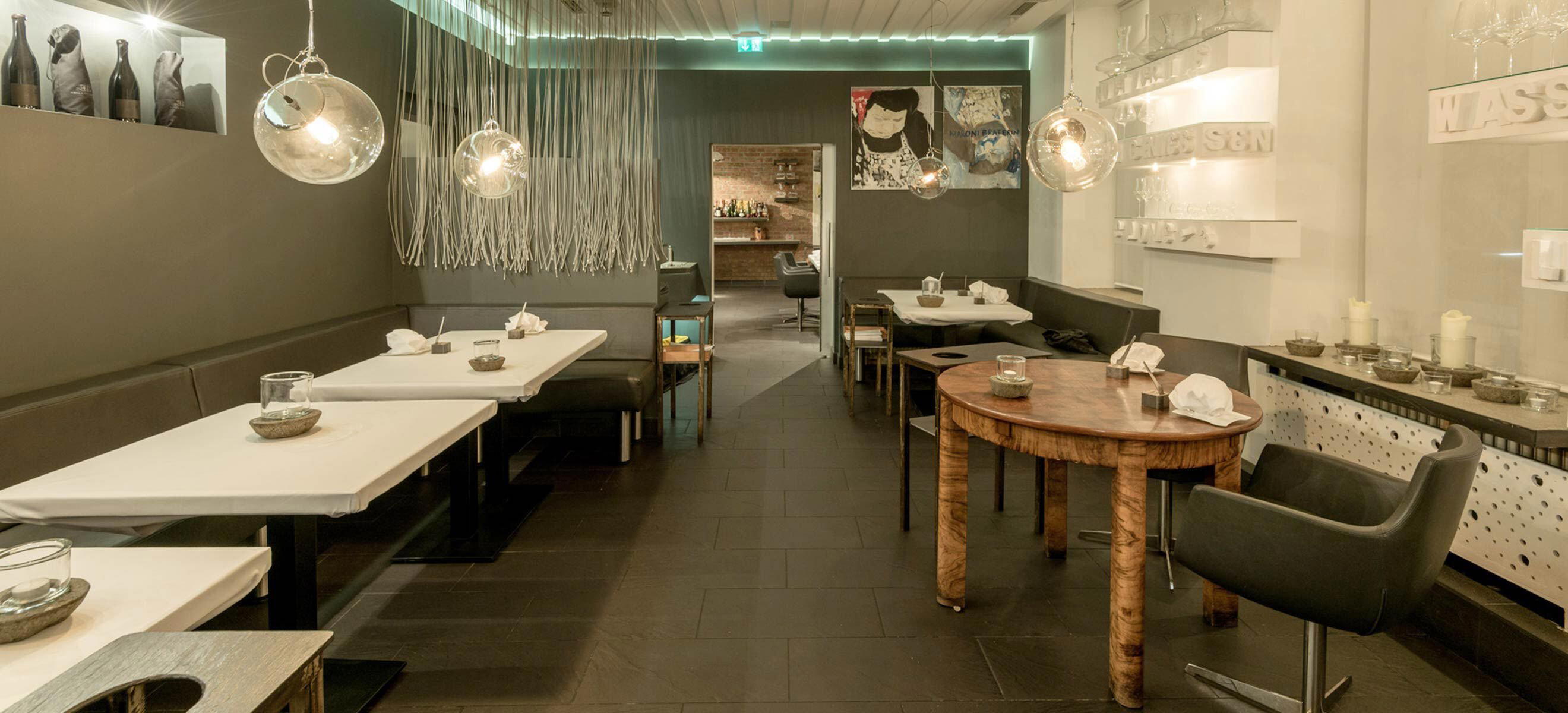
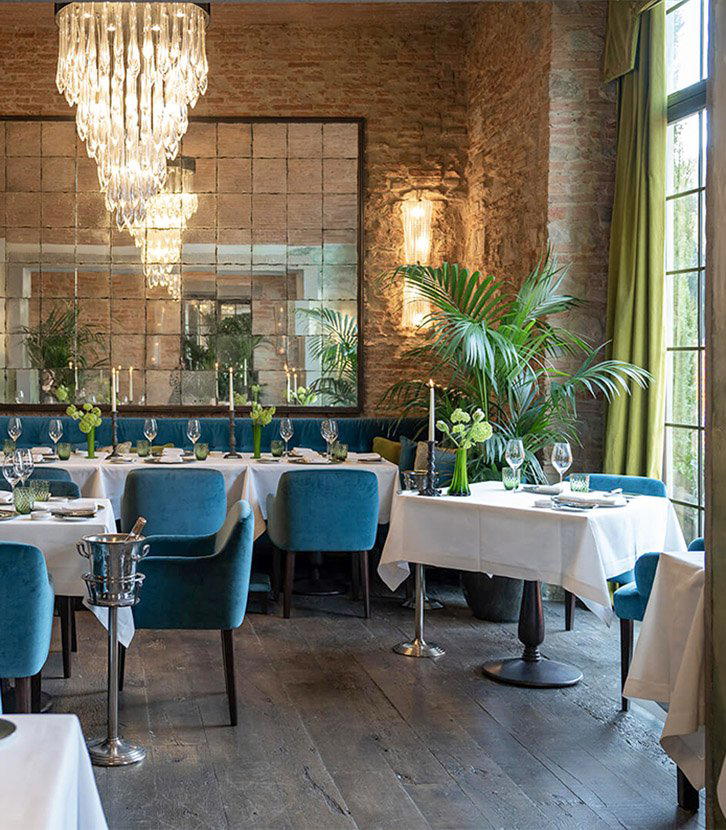
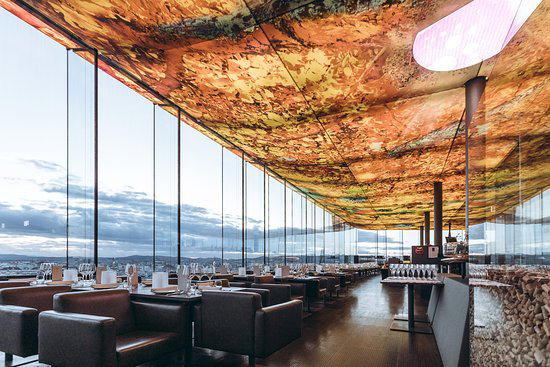
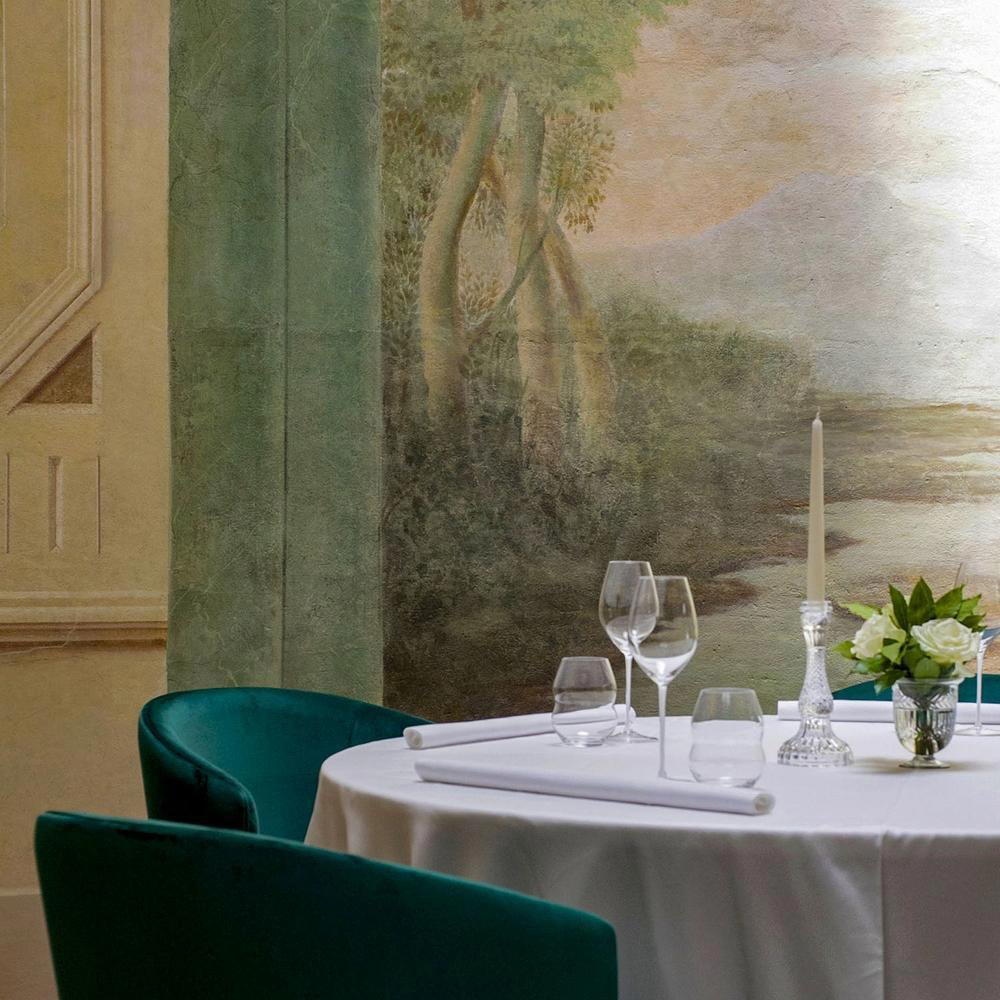
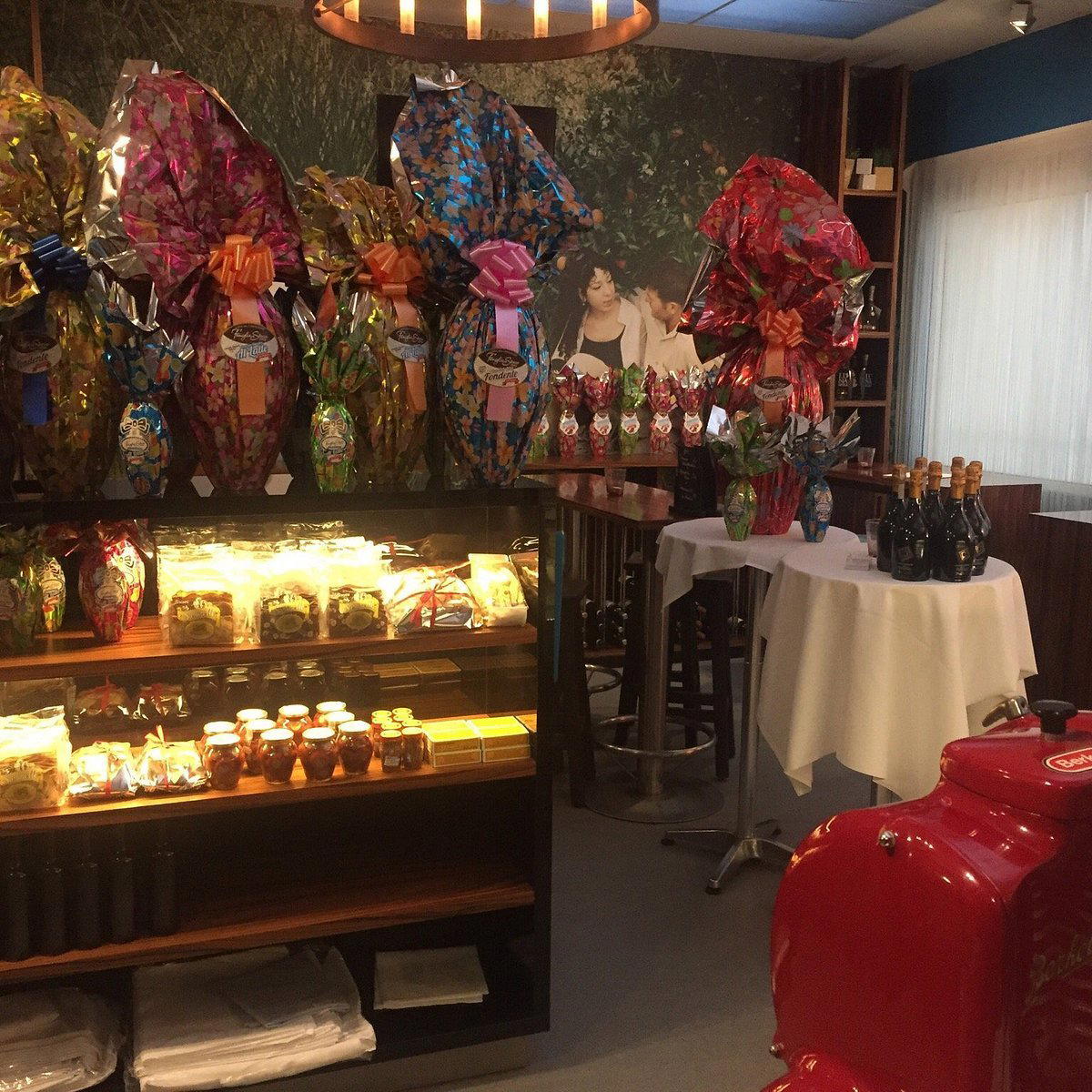
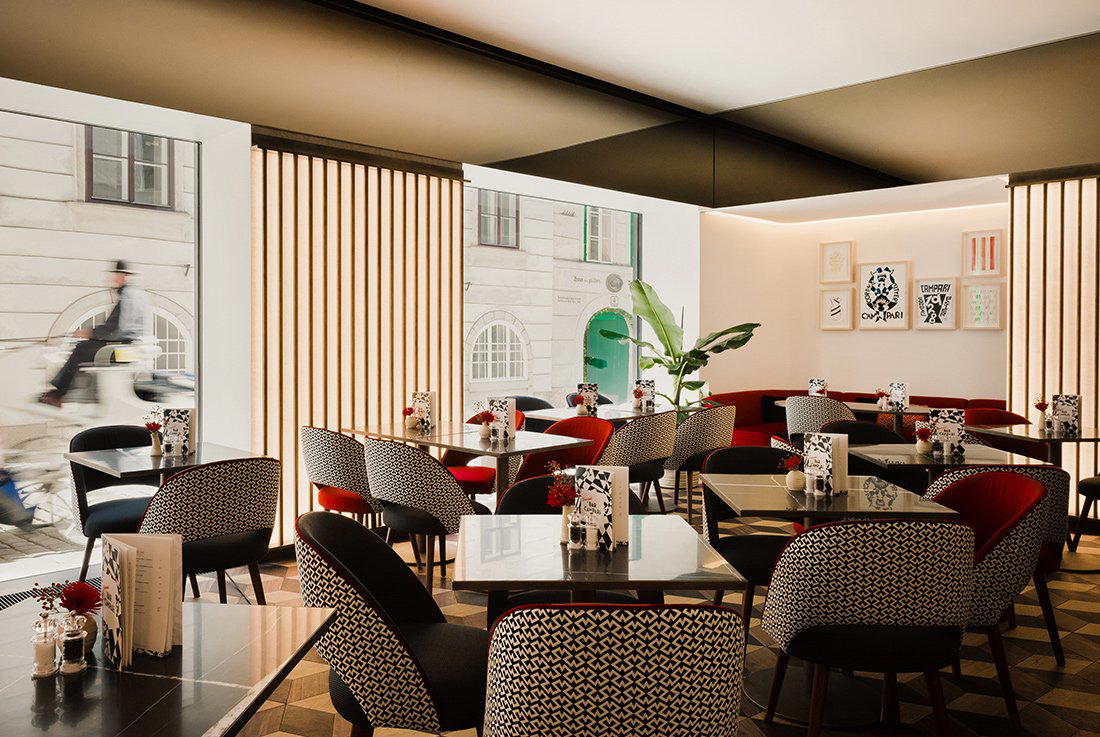
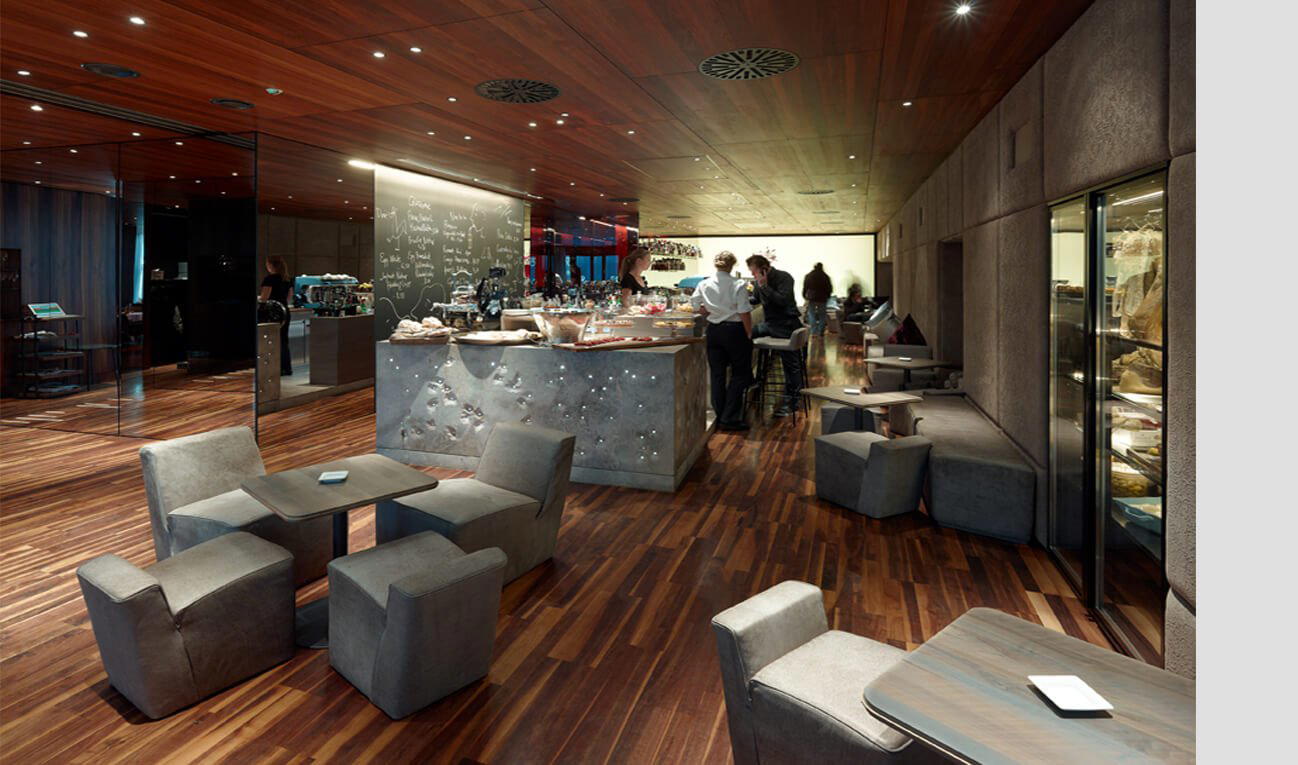
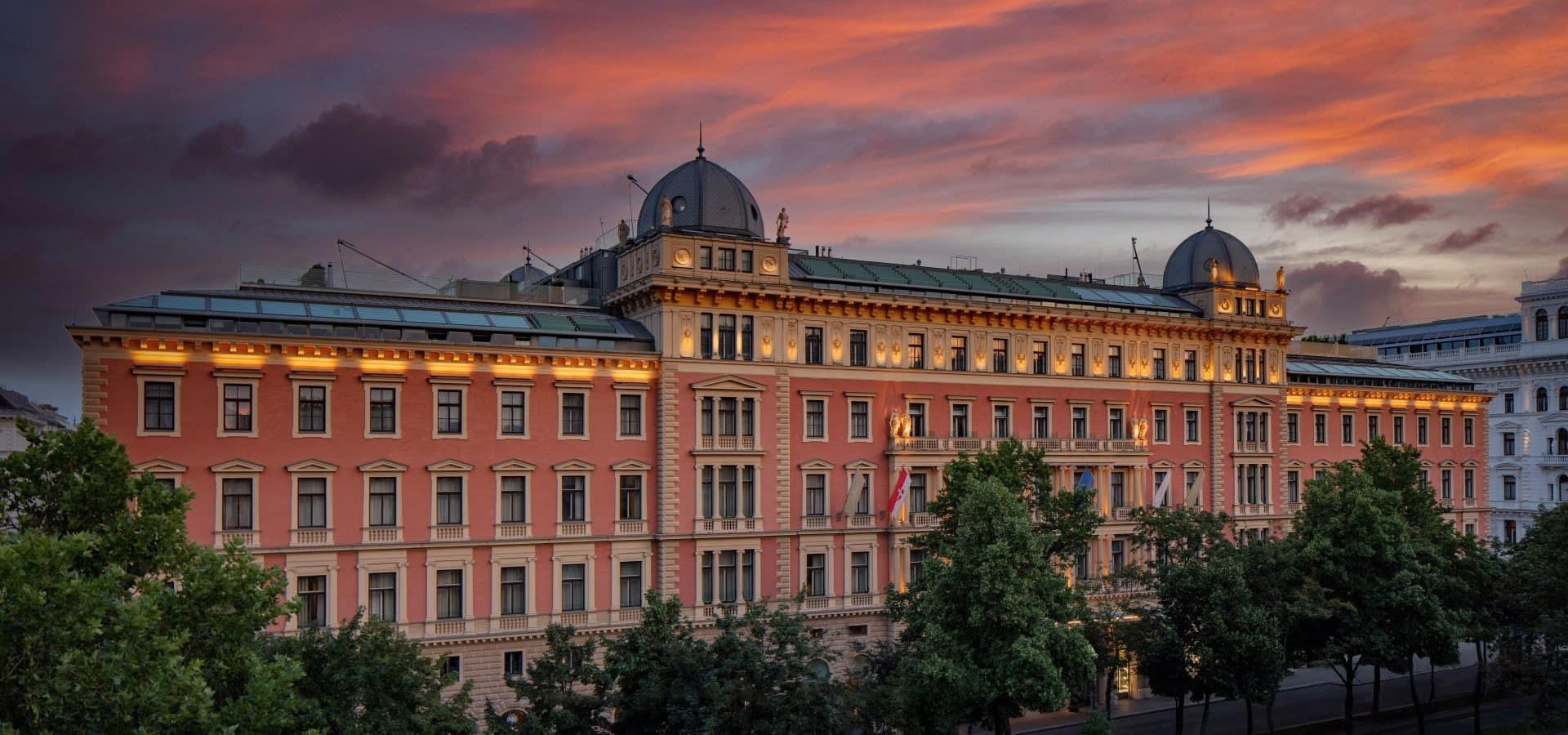
At a Glance
- Trendy
- Cozy
- Modern
- Date Night
- Casual Hangout
- Open Kitchen
- Garden
- Craft Cocktails
- Local Sourcing
- Garden
- Street Scene
Current opening hours
- Monday
- Closed
- Tuesday
- Closed
- Wednesday
- 12–2:30 PM, 6–11 PM
- Thursday
- 12–2:30 PM, 6–11 PM
- Friday
- 4 PM–2 AM
- Saturday
- 4 PM–2 AM
- Sunday
- 6–11 PM
Hours can change for holidays and private events. Last verified .
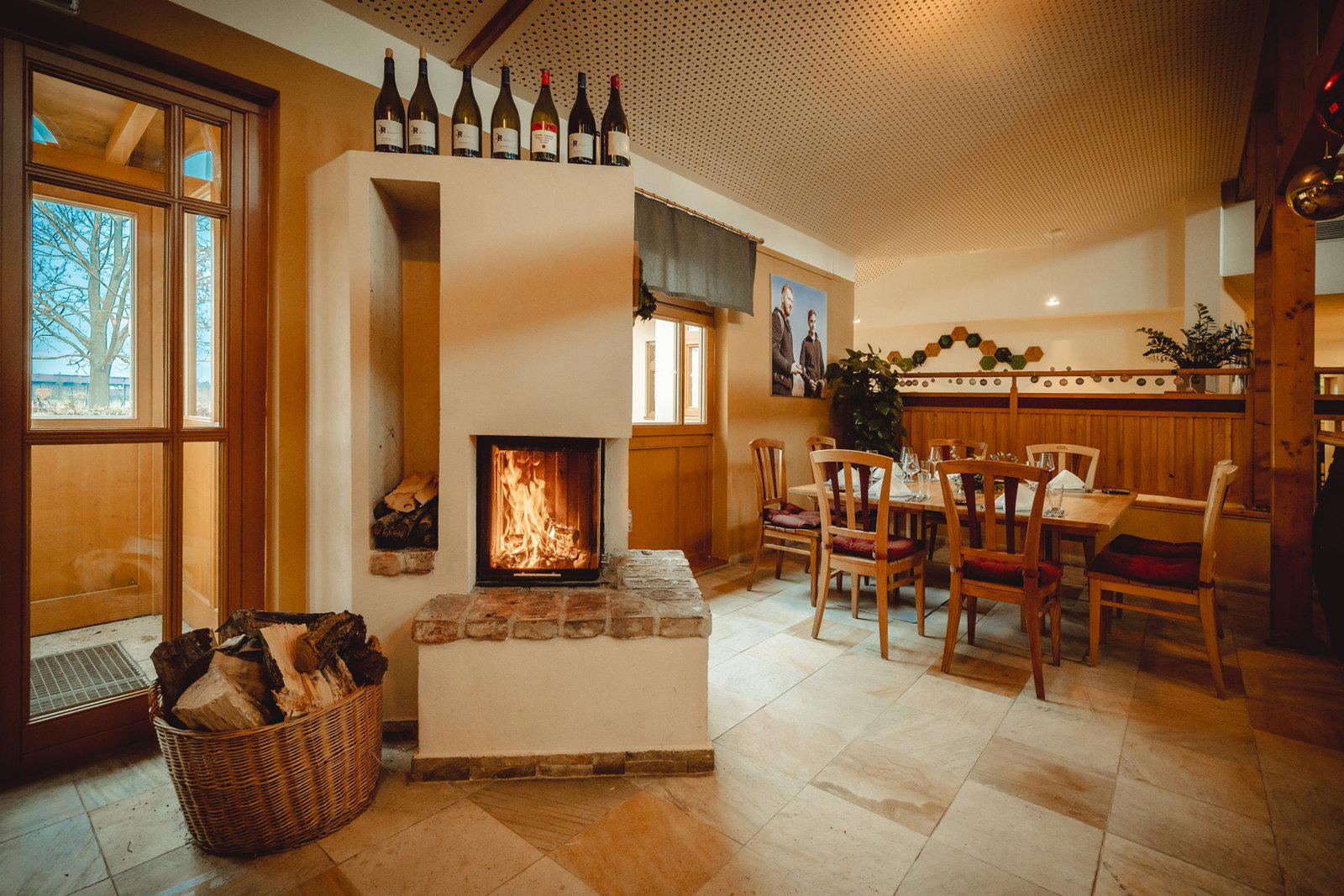
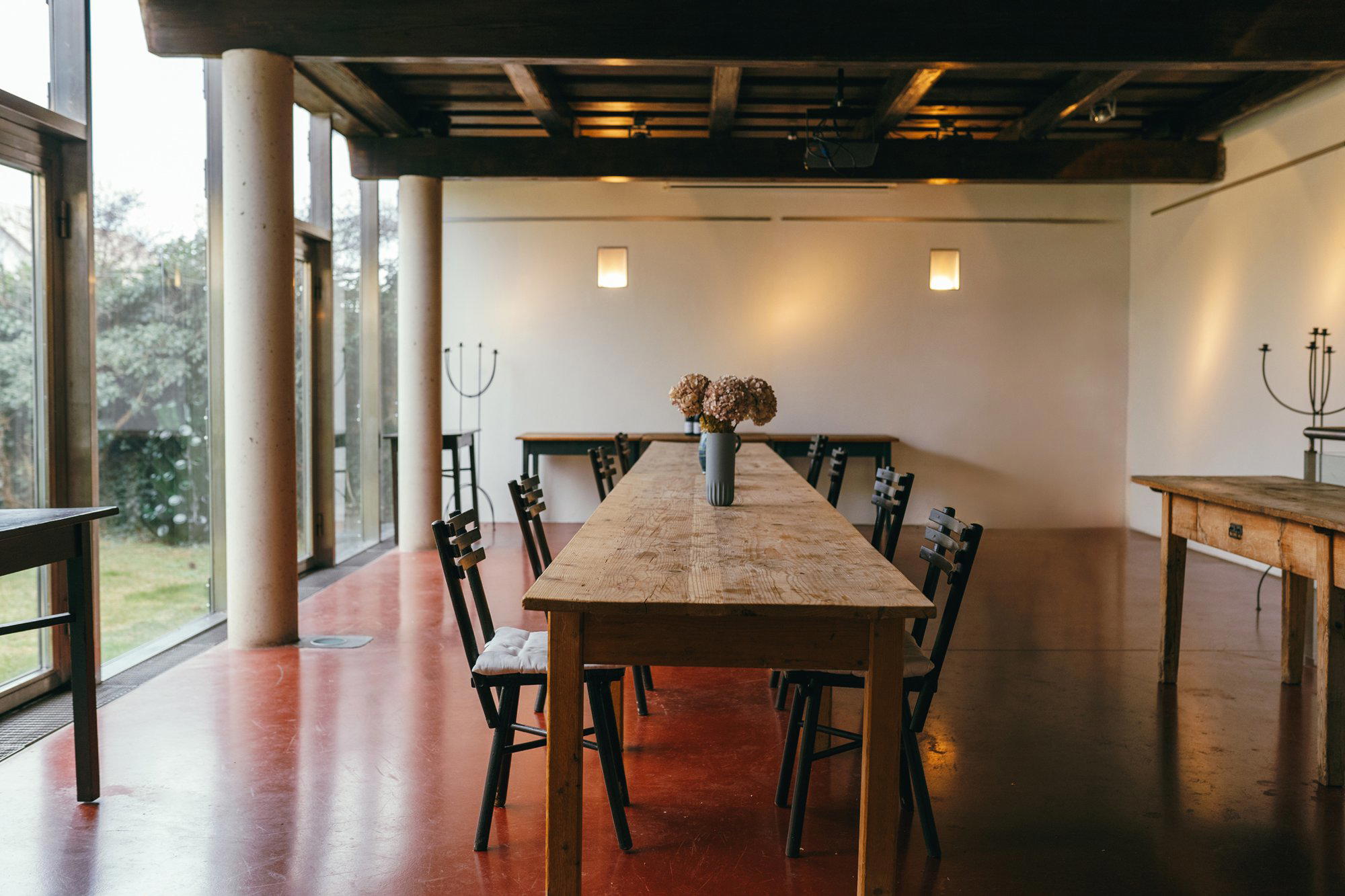
Friendly and cosy atmosphere in a small venue with a garden, praised for its intimate fusion dining experience.