On a quiet street in Trastevere, Pianostrada occupies a corner of Rome's most storied left-bank neighbourhood, drawing a crowd that values considered, ingredient-led cooking over ceremony. The setting is compact and informal, the kitchen's output precise. It sits comfortably in the tier between neighbourhood trattoria and destination dining, and earns its following on food rather than spectacle.
Pearl is the En Primeur Club membership app — saves, bookings, and concierge access live there. Same editors, same standards.
- Address
- Via della Luce, 65, 00153 Roma RM, Italy
- Phone
- +39 06 8957 2296
- Directions
- Get directions
 Saves & bookings on Pearl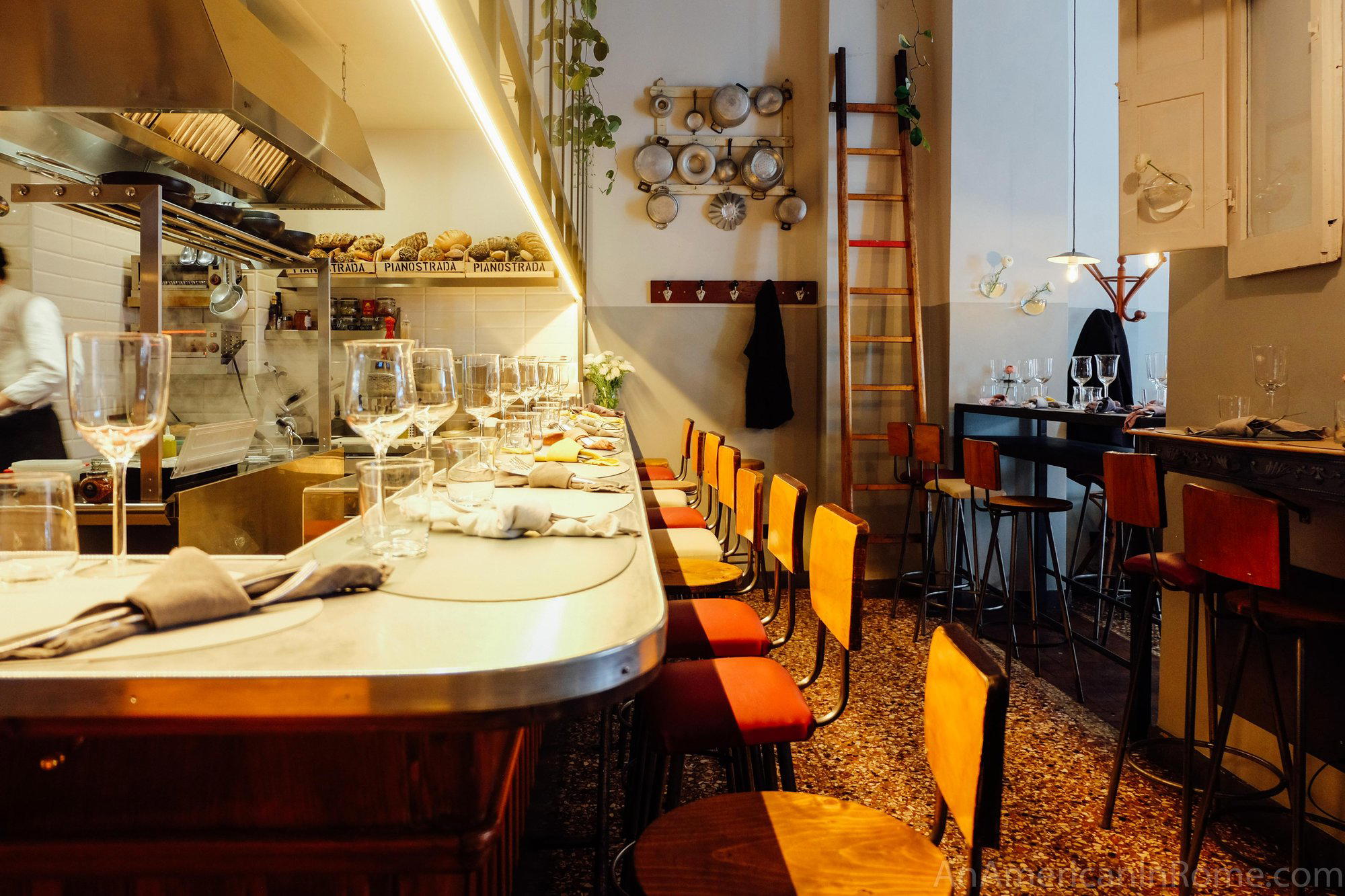
Trastevere and the Case for Eating Where Romans Actually Eat
Via della Luce cuts through the heart of Trastevere at an angle that suggests the neighbourhood has better things to do than organise itself for tourists. The streets here predate the grid, the ochre plaster flakes in patches the city has stopped trying to fix, and the bars fill early with people who live within walking distance. It is in this context that Pianostrada makes its argument: that interesting food in Rome right now is not always found inside the centre's formal dining rooms, but in the tighter, more pressured kitchens of a neighbourhood that has never quite lost its working-class seriousness.
Trastevere has, of course, absorbed considerable tourist pressure over the past decade. The piazzas around Santa Maria fill reliably with the kind of crowds that translate into mediocre menus and indifferent execution. Pianostrada sits on Via della Luce, a few turns away from that traffic, in a space that reflects the neighbourhood's more local grain. That positioning is editorial in itself: the choice to operate here, rather than in Prati or the Pigneto, says something about the audience being cooked for and the register being aimed at.
What the Setting Tells You Before You Order
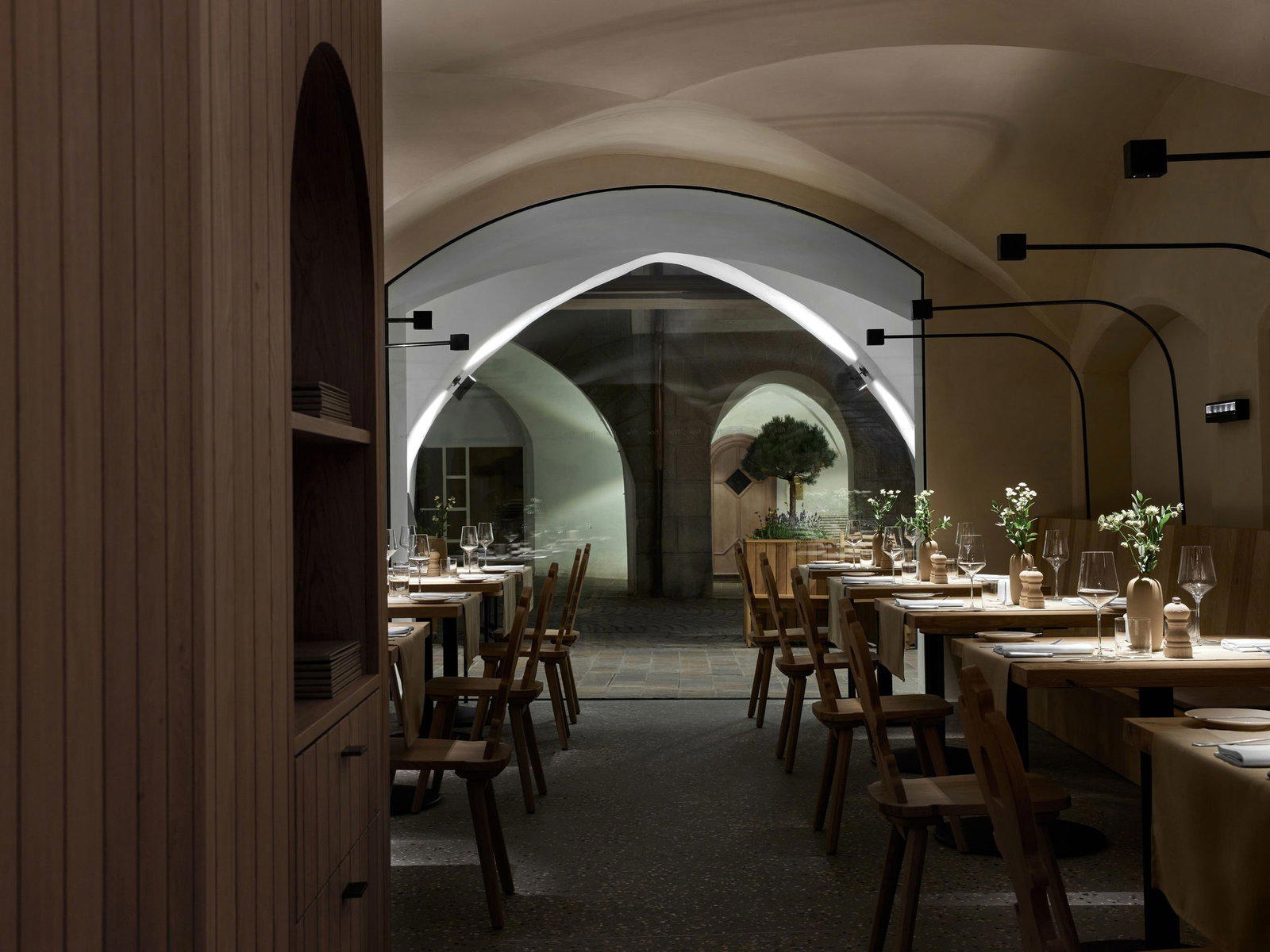
Rome's most instructive dining rooms are often its smallest ones. The city's informal eating culture has historically rewarded the trattoria format: tight tables, a short card, cooking that lands without explanation. Pianostrada works within that tradition without being trapped by it. The room is compact, the energy unhurried in the way that Trastevere evenings tend to be, and the format leans toward the kind of cooking that invites attention without demanding it.
This places Pianostrada in a specific tier of the Roman dining spectrum: above the neighbourhood pasta houses that rely on volume and below the tasting-menu addresses where ceremony becomes part of the price. Venues operating in this middle band, restaurants where the food is ambitious but the room does not perform ambition, have multiplied across Rome's inner neighbourhoods. Pianostrada fits that pattern without being defined entirely by it.
Where It Sits in Rome's Broader Dining Picture
Rome's formal end of the dining spectrum is well documented. La Pergola anchors the city's three-Michelin-star tier from Monte Mario. Il Pagliaccio and Enoteca La Torre operate the city's creative fine-dining format with serious ambition. Acquolina and Achilli al Parlamento round out the addresses where a booking requires weeks of planning and a commitment to the format. Pianostrada does not compete in that field. It operates in the register below it, where the kitchen's credibility rests on cooking rather than on the architecture of the experience around it.
That is not a lesser category. Some of Italy's most compelling restaurant visits happen at this level. The gap between neighbourhood seriousness and full tasting-menu commitment has produced some of the country's most interesting kitchens, from the agrarian precision of Dal Pescatore in Runate to the coastal focus of Uliassi in Senigallia. Pianostrada operates at a different scale and price point than those addresses, but the underlying argument, that rigorous sourcing and disciplined technique matter more than spectacle, connects them.
Across Italy's dining culture more broadly, the venues attracting sustained critical attention often share a commitment to place and ingredient over complexity for its own sake. Reale in Castel di Sangro and Piazza Duomo in Alba have made that case at the highest tier. In Rome's neighbourhood context, Pianostrada represents a more accessible version of the same instinct.
Planning a Visit: What to Know Before You Go
Trastevere is walkable from the centro storico across the Sisto or Garibaldi bridges, a fifteen-minute walk from Campo de' Fiori that passes through enough neighbourhood texture to serve as an orientation. Via della Luce sits in the quieter quarter of Trastevere, south of the Piazza Santa Maria axis, which means the immediate surroundings remain calmer than the tourist-facing streets. Rome's dining rhythm runs later than northern European visitors typically expect: arriving before 8pm places you among the first wave, and the room tends to fill progressively through the evening. Reservations are essential, and the kitchen opens Tuesday to Thursday from 6:30 to 11:30 PM, Friday from 6:30 PM to midnight, and Saturday and Sunday from 12:30 to 4 PM and 6:30 PM to midnight. Given the room's compact footprint and Trastevere's limited walk-in culture at dinner, securing a reservation in advance is the sensible approach.
The Broader Italian Conversation Pianostrada Joins
Italy's restaurant culture is not monolithic, and Rome occupies a specific position within it. The city's cooking identity has historically been defined by its cucina romana canon, the carbonara, cacio e pepe, and offal traditions that the trattoria circuit keeps alive with varying degrees of integrity. The more interesting question, for visitors spending time rather than a single meal in Rome, is where the cooking moves beyond that canon without abandoning its logic.
Venues like Pianostrada operate in that productive middle space. They do not repudiate the tradition, but they are not curators of it either. The result, in the better examples of this format, is food that reads as Roman in its directness and ingredient priority while allowing the kitchen some expressive latitude. That latitude is more visible in Trastevere than in the historic centre, where tourist expectations exert a conservative pressure on menus. The neighbourhood earns its reputation for this reason as much as for its architecture.
For visitors moving between Italy's serious dining destinations, Pianostrada occupies a different position than the country's most formally ambitious addresses. The creativity of Osteria Francescana in Modena, the technical scale of Le Calandre in Rubano, and the sustained excellence of Enoteca Pinchiorri in Florence represent a different kind of commitment. Pianostrada sits closer to the register where a city reveals itself through daily eating rather than set-piece occasions, which in a city as layered as Rome may be the more instructive visit.
Category Peers
Comparable venues nearby, for context on price, style, and recognition.
| Venue | Cuisine | Price | Notes |
|---|---|---|---|
| PianostradaThis venue — the venue you are viewing | Modern Italian Street Food & Small Plates | $$$ | Not listed |
| Modius Restaurant | Traditional Roman Cuisine | $$$ | Pigna |
| Il Cortile | Traditional Roman Trattoria | $$$ | Ludovisi |
| Pommidoro dal 1890 Ristorante | Traditional Roman Trattoria | $$$ | Tiburtino |
| Ad Hoc | Refined Roman Truffle Cuisine | $$$ | Campo Marzio |
| 180g Pizzeria Romana | Roman-Style Pizza | $$$ | Centocelle |
Continue exploring
More in Rome
Restaurants in Rome
Browse all →
Bars in Rome
Browse all →
Hotels in Rome
Browse all →

At a Glance
- Modern
- Cozy
- Intimate
- Trendy
- Date Night
- Special Occasion
- Open Kitchen
- Extensive Wine List
- Local Sourcing
Current opening hours
- Monday
- Closed
- Tuesday
- 6:30–11:30 PM
- Wednesday
- 6:30–11:30 PM
- Thursday
- 6:30–11:30 PM
- Friday
- 6:30 PM–12 AM
- Saturday
- 12:30–4 PM, 6:30 PM–12 AM
- Sunday
- 12:30–4 PM, 6:30 PM–12 AM
Hours can change for holidays and private events. Last verified .
Cozy and intimate with warm lighting from the open kitchen, featuring a modern design in a pocket-sized space on a quiet alley.