Where Hanoi's Old Quarter Pours Its Most Copied Cup Nguyen Giang's narrow shophouse sits on Hang Gai, one of the Old Quarter's busiest silk-and-souvenir corridors, and the foot traffic outside makes the interior feel like a pocket of stillness...
 Discover on Pearl
Pearl is the En Primeur Club membership app — saves, bookings, and concierge access live there. Same editors, same standards.
Where Hanoi's Old Quarter Pours Its Most Copied Cup
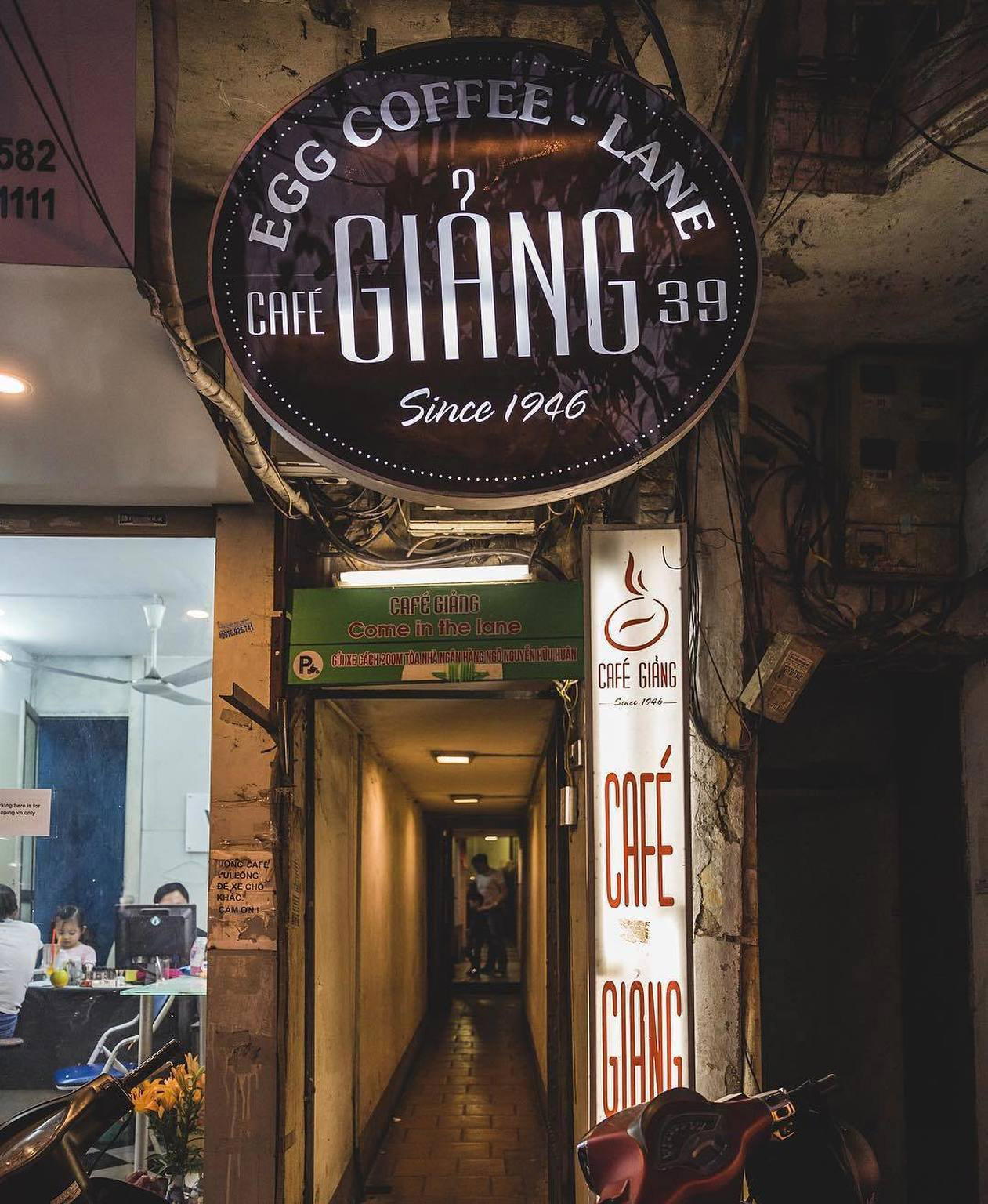
Nguyen Giang's narrow shophouse sits on Hang Gai, one of the Old Quarter's busiest silk-and-souvenir corridors, and the foot traffic outside makes the interior feel like a pocket of stillness by contrast. Wooden stools are stacked close, condensation rings the tables, and the smell of egg yolk beaten with robusta coffee reaches you before you sit down. This is Cafe Giang, the address most credited with inventing ca phe trung, egg coffee, and the place Hanoians and travellers alike treat as the reference point for the drink.
The Old Quarter and What It Does to a Cafe's Meaning
Streets here have historically organised themselves around single trades: Hang Bac for silver, Hang Ma for votive paper goods, Hang Gai for silk. The food and drink addresses that survive longest in this corridor are rarely the ones with the broadest menus. They are the ones that do one thing with enough consistency to become the neighbourhood's own shorthand for that thing. Cafe Giang fits that pattern precisely. In a city where coffee culture runs as deep as it does in any capital in Southeast Asia, an address that concentrates entirely on a single preparation earns a different kind of attention than a multi-page cafe menu. It becomes a benchmark.
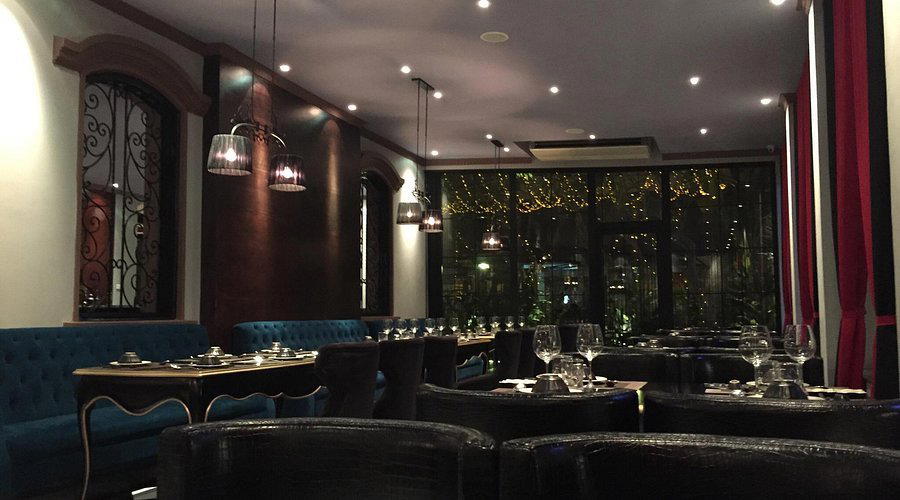
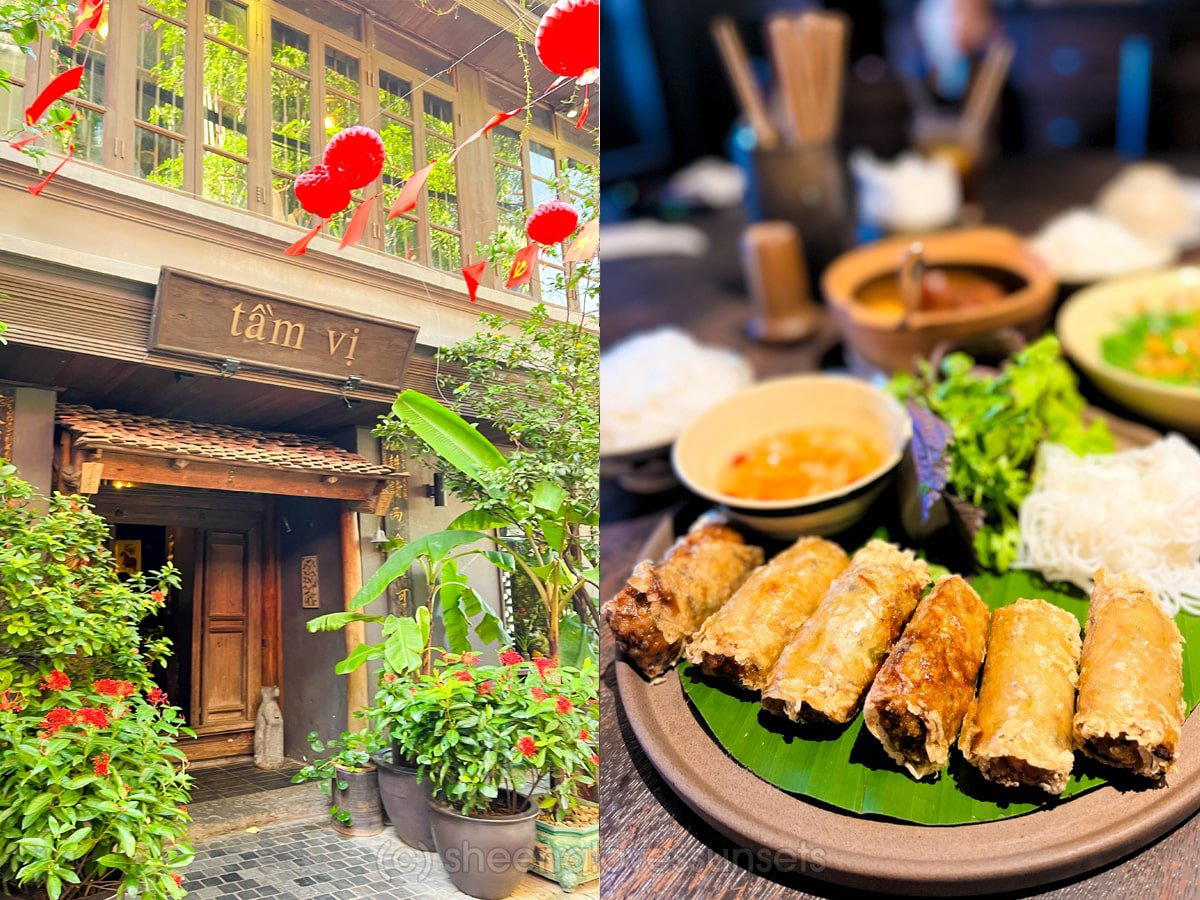
That context matters when you sit down here. You are not simply ordering a coffee variant. You are ordering the drink that Hanoi has spent decades arguing about, refining, and exporting to menus across Vietnam and beyond. Contemporary Vietnamese restaurants such as Gia, which operates at the ₫₫₫₫ tier with a sophisticated modern Vietnamese framework, and Tầm Vị at the ₫₫ level, each represent the city's appetite for Vietnamese culinary tradition reframed. Cafe Giang sits further back in the tradition, before the reframing began.
Egg Coffee and What the Preparation Actually Involves
Ca phe trung is, at its base, a response to scarcity. During the 1940s and 1950s, fresh milk was difficult to source in Hanoi. The solution was to beat egg yolk with condensed milk and sugar until it achieved a thick, mousse-like consistency, then spoon it over a base of strong Vietnamese robusta. The result sits somewhere between a dessert and a beverage: the coffee beneath is dense and bitter, the foam above is sweet and fatty, and the drink is typically served in a small cup nested inside a bowl of warm water to hold the temperature.
The preparation has since spread across Hanoi's cafe scene and into other Vietnamese cities. What brings people specifically to Cafe Giang is the claim of origin, and the accumulated cultural weight of that claim. Cafe Giang works in the opposite register entirely: no tasting menus, no ceremony around sourcing narratives, no wine list. The entire operation is built around making the same preparation it has made for generations.
How to Visit
Walk-ins are the standard format here. The cafe runs across two floors of a narrow building, and turnover is quick enough that queuing rarely extends beyond a few minutes. Morning visits, before the Old Quarter's tourist foot traffic reaches full volume, tend to offer a calmer experience, though Pricing sits at the accessible end of Hanoi's cafe market, in line with the single-digit price tier occupied by the Old Quarter's longstanding neighbourhood addresses such as 1946 Cua Bac. No reservations are required or available. Bring cash, as most Old Quarter cafes of this scale operate outside card payment systems.
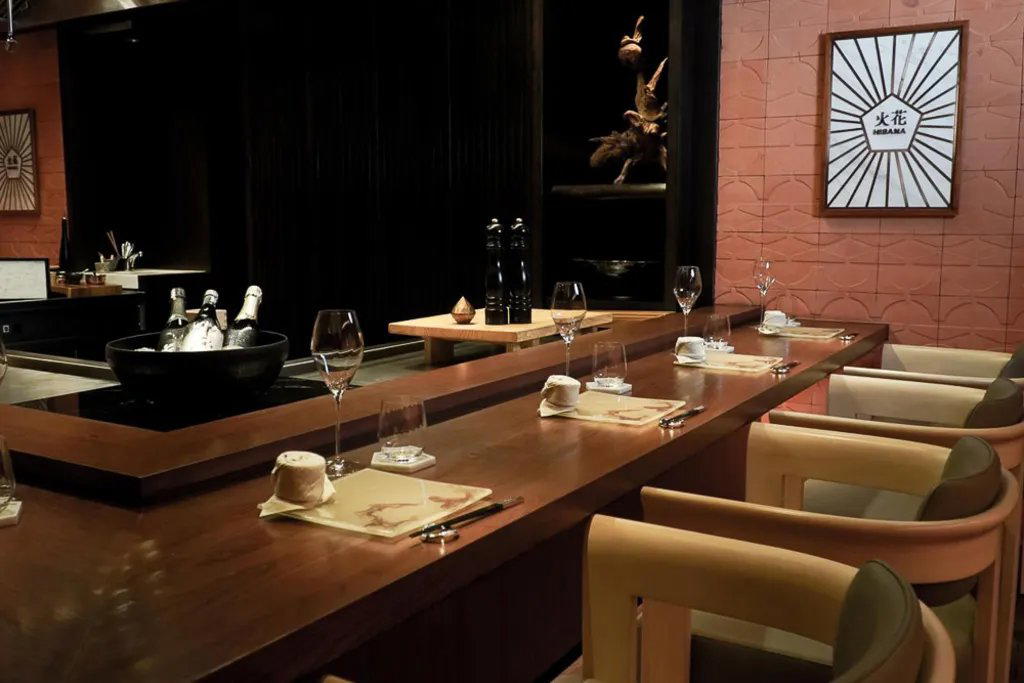
On the higher end, Hibana by Koki, the teppanyaki counter operating at ₫₫₫₫, and 19 P. Ngũ Xã fill different points in the spectrum. Cafe Giang occupies none of those brackets: it is not a dining destination in the restaurant sense, but it is a necessary stop for anyone taking Hanoi's food culture seriously. Egg coffee has become well-documented enough globally to appear on menus from London to New York, but the preparation at its source, in the Old Quarter where it was developed, carries a material difference in context if not always in execution.
These neighbourhood specialists represent a distinct tier in Vietnamese food culture, one that international comparison points like Le Bernardin in New York City or Atomix operate nothing like, but which carries its own category of authority.
Planning Your Visit
Cafe Giang is a drop-in address requiring no advance booking. Morning hours before 9am tend to be calmer. The upper floor offers a slightly quieter seat than the ground level, which faces the street directly. Hanoi's Old Quarter is walkable from most central accommodation, and Hang Gai runs parallel to Hoan Kiem Lake, making the cafe a natural inclusion in any walking route through the historic core.
The Essentials
Comparable venues nearby, for context on price, style, and recognition.
| Venue | Cuisine | Price | Notes |
|---|---|---|---|
| Cafe GiangThis venue — the venue you are viewing | $ | ||
| Phở 10 Lý Quốc Sư | Hoan Kiem, Authentic Hanoi Beef Phở | $ | |
| Bánh Cuốn Gia Truyền Thanh Vân | $ | Hoan Kiem, Traditional Vietnamese Banh Cuon | |
| Bun Cha Dac Kim | Hoan Kiem, Traditional Hanoi Bun Cha | $ | |
| Senté | $$ | Hoan Kiem, Modern Vietnamese Lotus Cuisine | |
| Phở Tiến | Ba Dinh, Michelin-Selected Chicken Pho | $ |
At a Glance
- Iconic
- Rustic
- Cozy
- Hidden Gem
- Casual Hangout
- Solo
- Brunch
- After Work
- Historic Building
- Standalone
- Open Kitchen
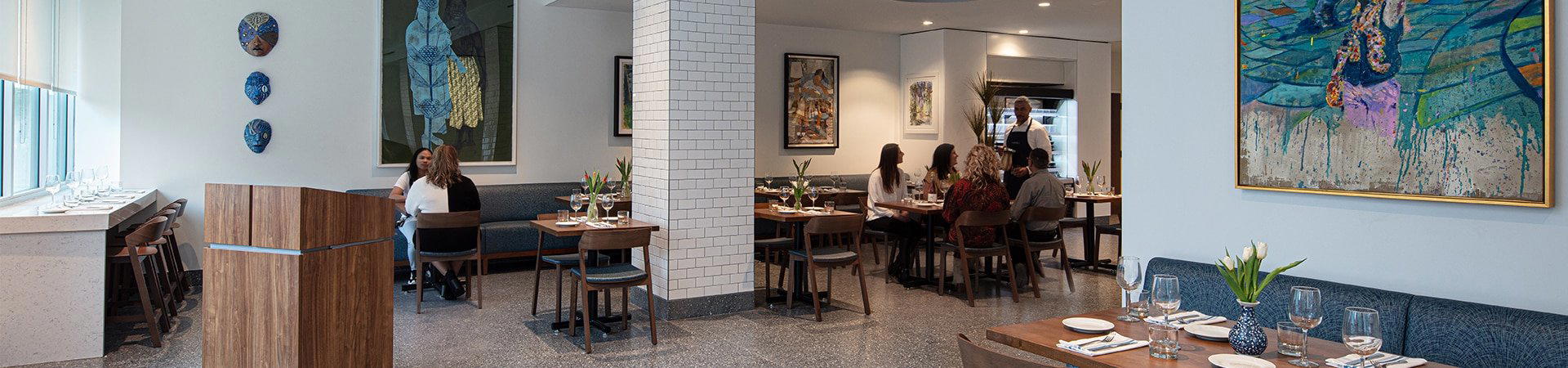
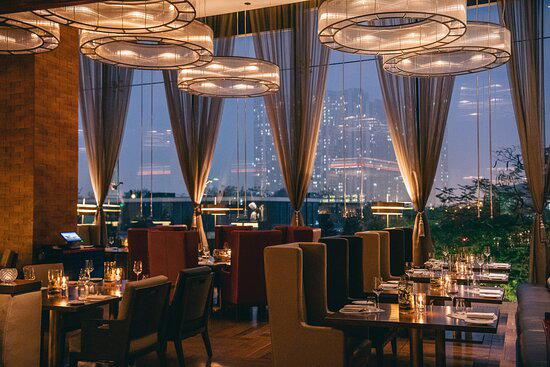
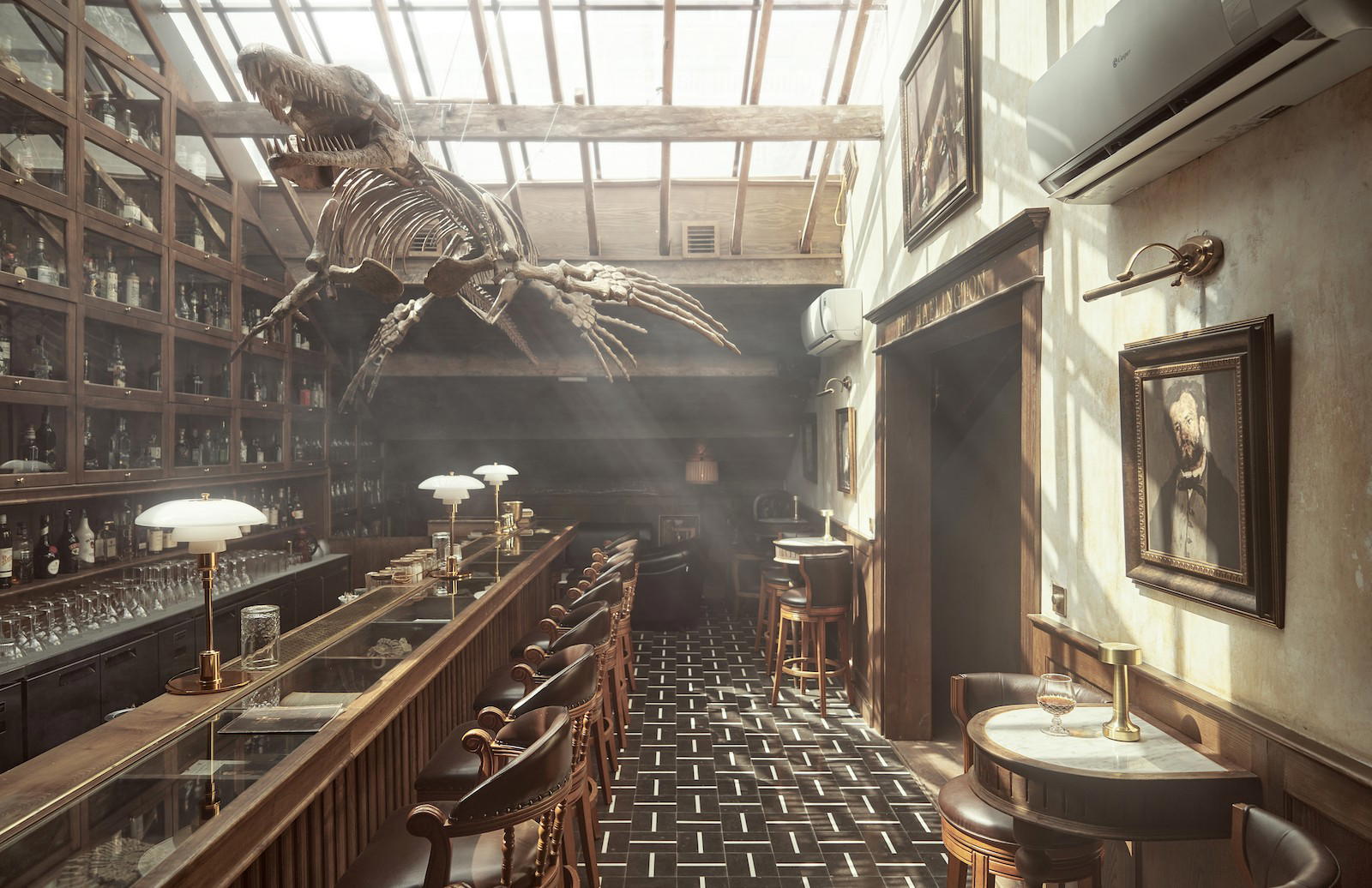
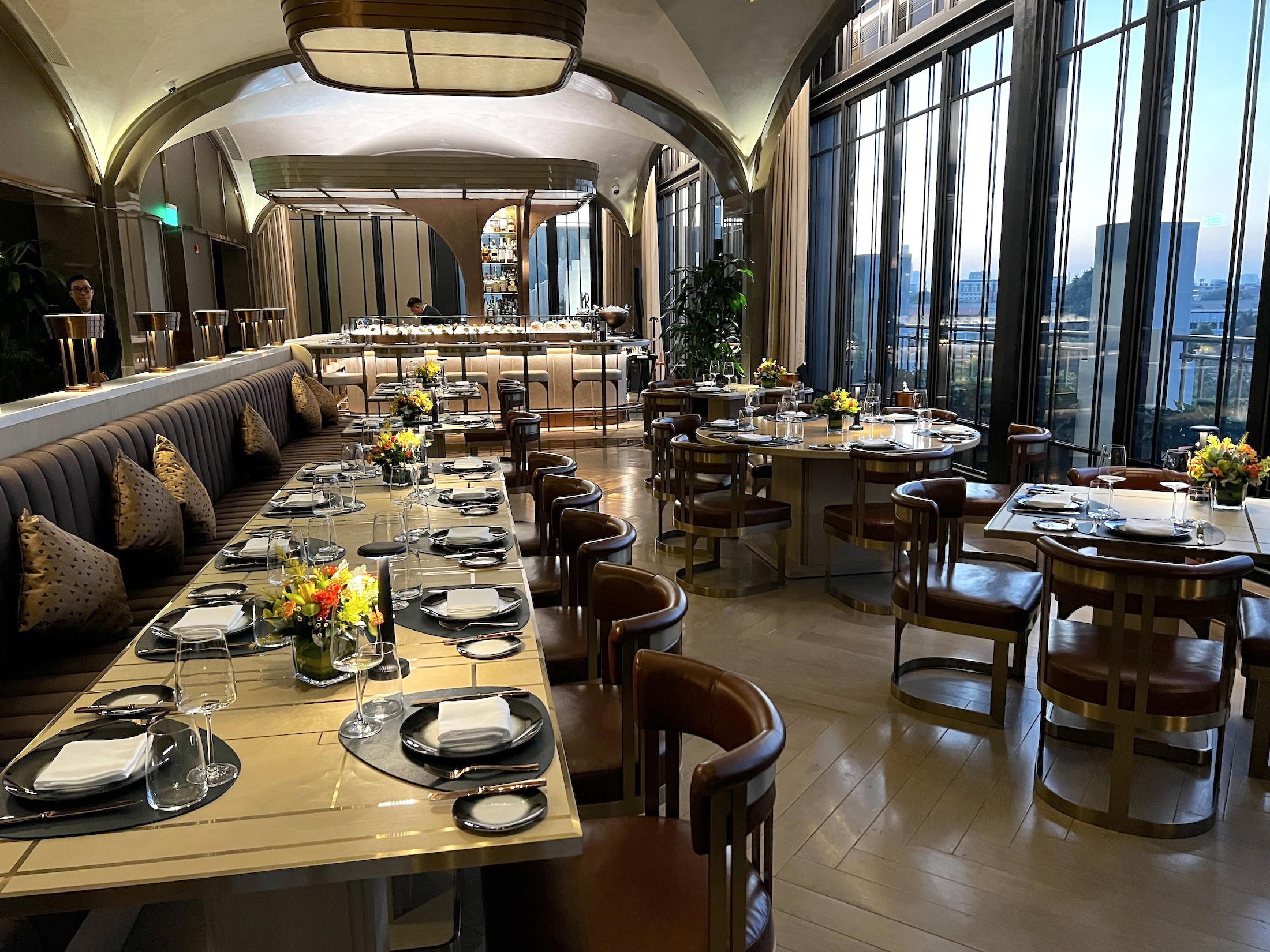
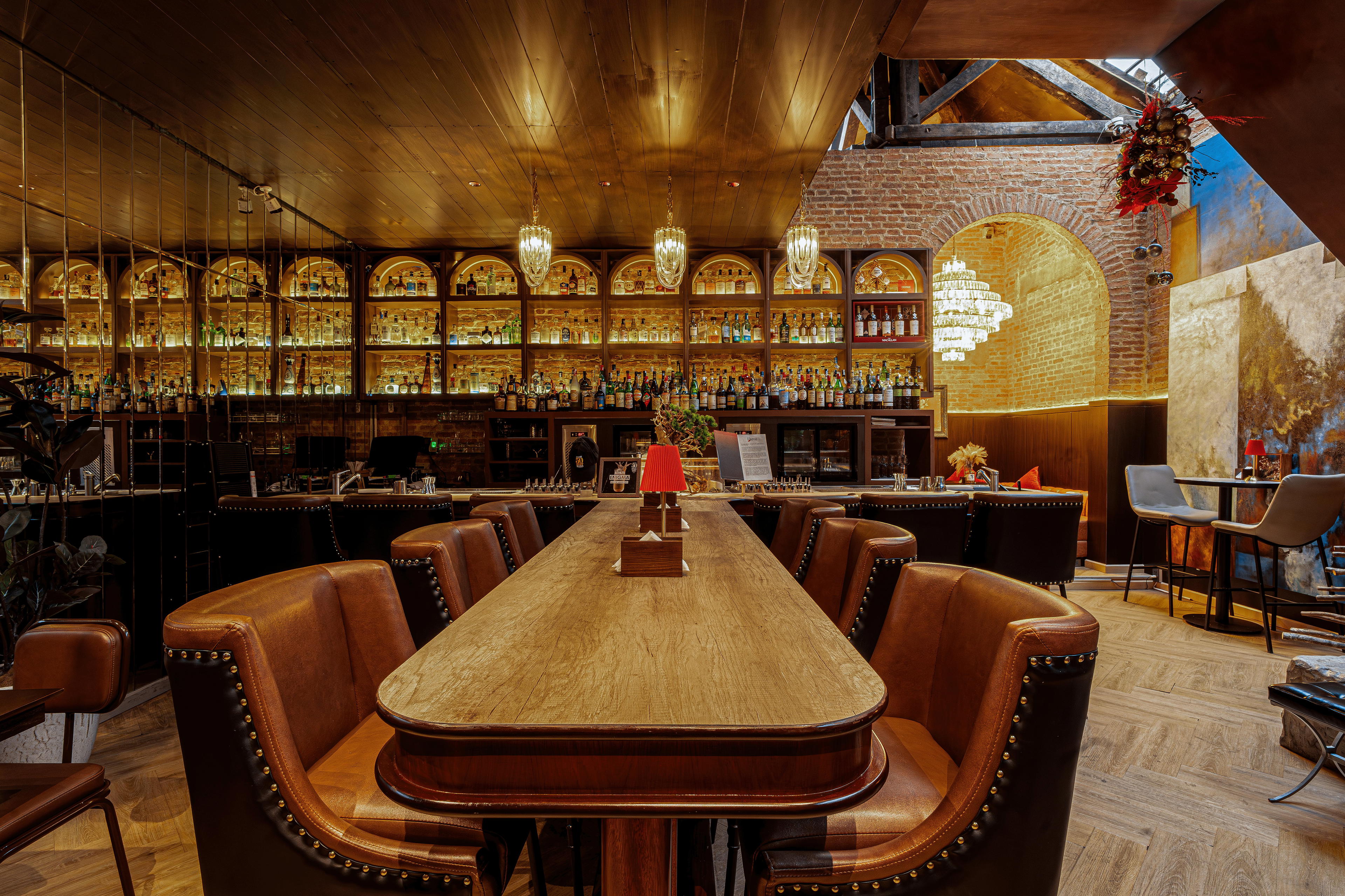
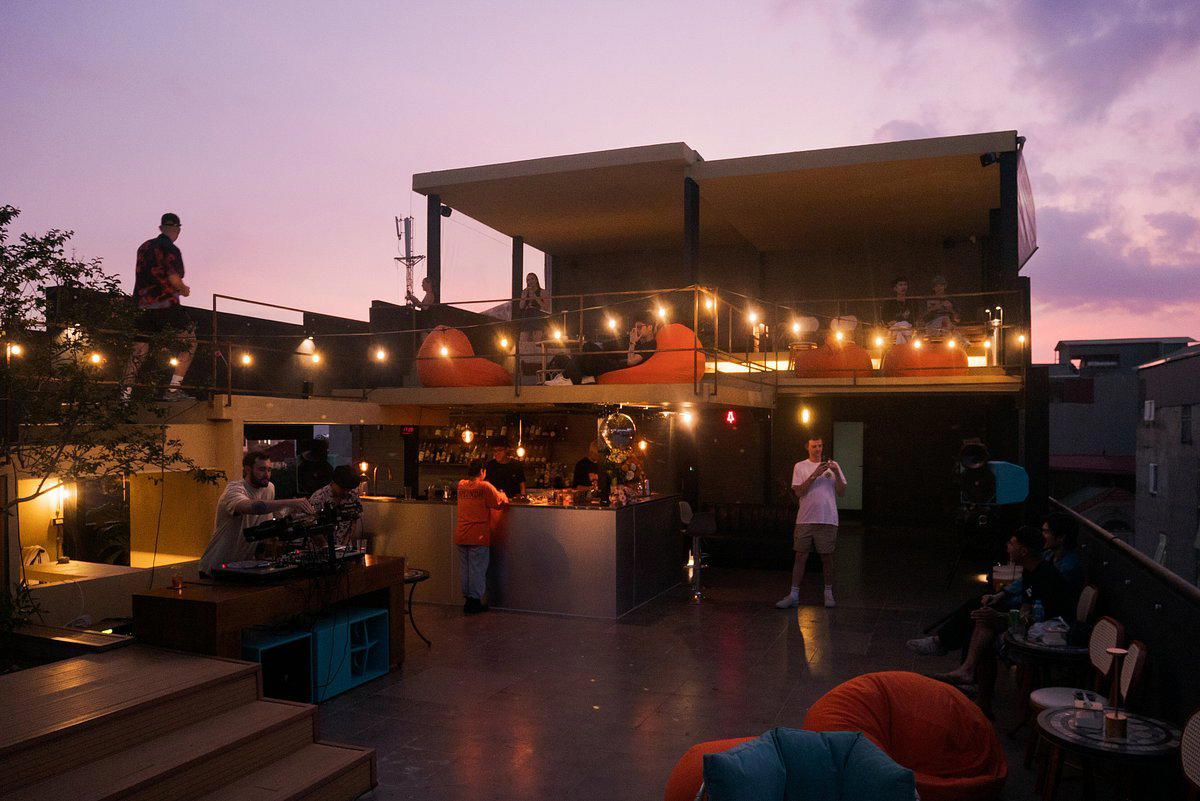
Bare-bones, rustic design with basic wooden tables and plastic chairs; ancient, elegant appearance evoking old Hanoi; intimate and unpretentious atmosphere tucked away in a narrow alley.