Our verdict
On a Neubau side street where the 7th district's creative-class cafes give way to independent neighbourhood spots, Petit Maroc brings Moroccan cooking to Vienna's mid-market dining scene. The address places it squarely in a district known for design studios and independent retail rather than white-tablecloth ambition, making it a reliable marker of the city's growing appetite for North African flavour beyond the tourist centre.

Pearl is the En Primeur Club membership app, where members save venues, book tables and use the concierge.
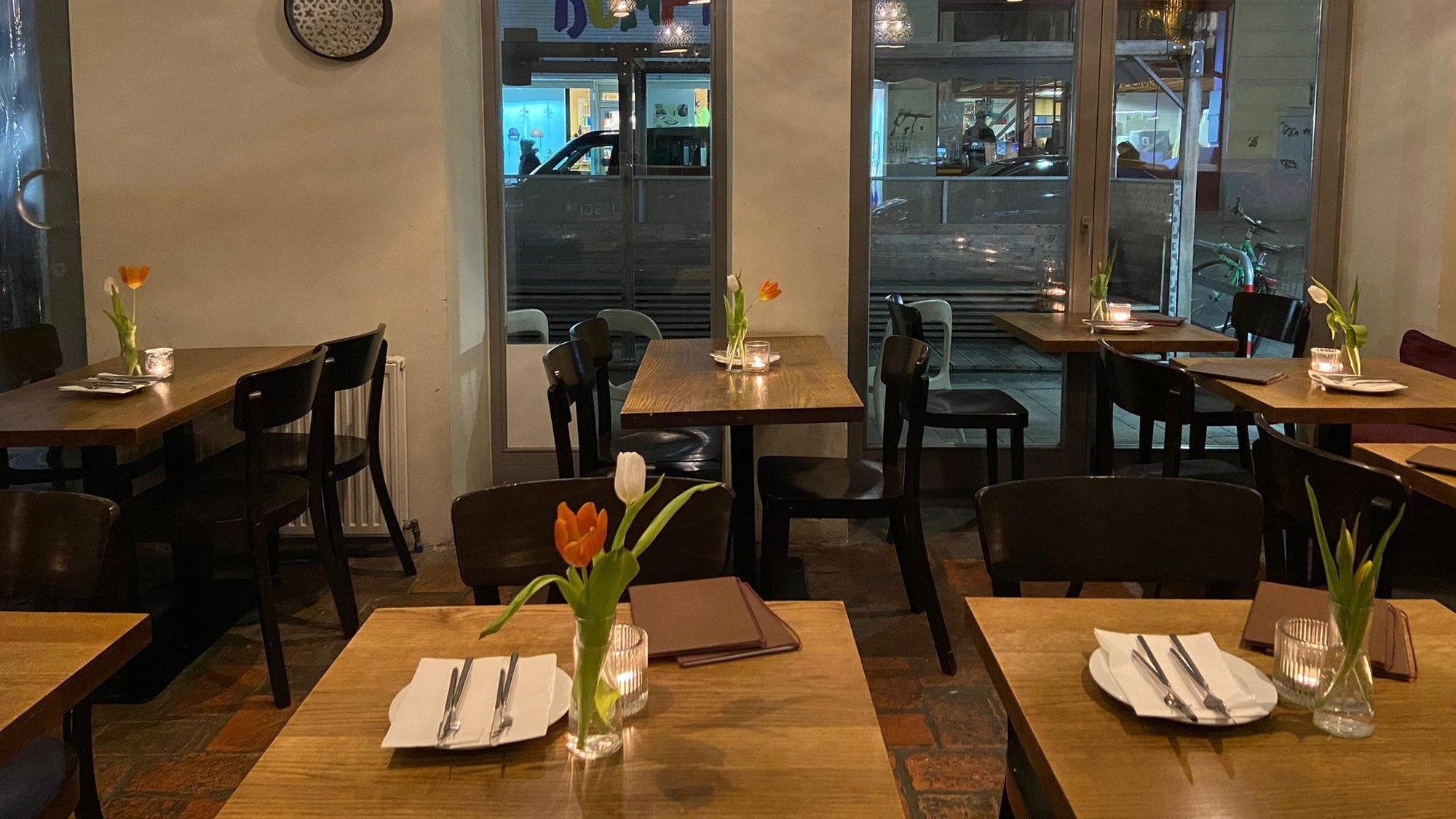
Neubau's North African Corner
Vienna's 7th district has spent the better part of two decades consolidating a particular identity: independent, design-conscious, and more interested in craft than ceremony. Neubaugasse, the district's commercial spine, runs through a grid of streets where concept stores sit beside neighbourhood bakeries and small-format restaurants occupy the ground floors of Gründerzeit apartment buildings. It is in this context that Moroccan cooking arrives not as an exotic novelty but as a coherent fit with the area's appetite for internationally-sourced, independently-operated food. Petit Maroc, at number 84, occupies a position on the quieter, southern stretch of that street, where foot traffic thins and the atmosphere shifts from boutique-browsing to genuinely local.
North African food has historically occupied a limited slice of Vienna's restaurant map. The city's culinary identity leans heavily on Central European tradition, and the fine-dining tier reinforces that through institutions like Steirereck im Stadtpark and Amador. Below that bracket, the city's mid-market has expanded considerably in recent years, and Moroccan cooking has found a foothold in neighbourhoods like the 7th and 15th, where rents support independent operators and a younger dining public actively looks outside Austrian and Italian defaults. Petit Maroc sits in that emerging tier, representing a cuisine that remains genuinely underrepresented in the city relative to its European neighbours.
The Intersection of Technique and Tradition
Moroccan cooking is, at its structural core, a cuisine built on technique: the management of preserved ingredients, the layered construction of spice blends, and the long, low heat of tagine cooking that produces flavours no amount of high-temperature urgency can replicate. What distinguishes it from many globally-travelled cuisines is the degree to which those techniques remain tightly bound to specific regional ingredients. Preserved lemons, argan oil, ras el hanout assembled from locally-sourced components, and the particular sweetness of Medjool dates in savoury applications all carry flavour profiles that are difficult to substitute without losing the point entirely.
When Moroccan restaurants operate outside Morocco, the editorial tension centres on how faithfully those foundational ingredients arrive and how honestly the kitchen handles the techniques built around them. In Vienna, where supply chains for North African pantry staples are less established than in Paris or Amsterdam, the challenge is logistical as much as culinary. Restaurants in this position either source aggressively through specialist importers, adapt with local analogues, or compromise. The most credible kitchens in this space tend to do the first while being transparent about the second. This is the lens through which Petit Maroc's offer is most usefully read, even if specific sourcing details are not on public record.
The editorial angle of imported method meeting local or regional product is one that surfaces across Vienna's more ambitious mid-market operators. Konstantin Filippou applies Mediterranean frameworks to Austrian produce at the high end; Mraz & Sohn bends Austrian tradition through modernist technique. Petit Maroc operates in a different price and formality tier, but the underlying question is the same: what happens when a culinary tradition travels, and does the result maintain integrity to both origin and destination?
The Neubau Dining Context
Understanding Petit Maroc's position requires understanding what the 7th district currently asks of its restaurants. Neubau's dining public skews younger, internationally-oriented, and sceptical of both tourist-facing Austrian schnitzel operations and the ceremony of the city's formal fine-dining rooms. The neighbourhood supports a specific kind of restaurant: one with a clear culinary identity, accessible pricing, and a room that prioritises atmosphere over formality. That description fits a growing number of independently-operated international restaurants across the district, and Moroccan cooking, with its communal serving formats and spice-forward flavour profiles, maps well onto that expectation.
The district's broader food scene includes strong competition from Turkish, Vietnamese, and Eastern Mediterranean operators, all of whom have had longer to build regular clienteles in Vienna. Moroccan cooking enters that competitive set at a slight disadvantage in terms of familiarity, which means the venues that succeed tend to do so through consistency and value rather than novelty. A room on Neubaugasse at number 84 benefits from the street's organic foot traffic while sitting far enough from the tourist-heavy sections near Mariahilfer Strasse to attract a genuinely local crowd.
For context on Austria's broader restaurant scene, the country's most decorated addresses sit outside Vienna: Döllerer in Golling an der Salzach, Obauer in Werfen, and Ikarus in Salzburg all represent the country's fine-dining benchmark. In the Alpine west, addresses like Griggeler Stuba in Lech, Gourmetrestaurant Tannenhof in Sankt Anton am Arlberg, and Schwarzer Adler in Hall in Tirol anchor regional prestige dining. None of those addresses represent Petit Maroc's competitive set, but they frame the country's culinary hierarchy usefully: Vienna's mid-market independent restaurants operate in the substantial white space below that tier and draw on a different kind of diner entirely.
Other Austrian addresses worth noting in regional context include Kräuterreich by Vitus Winkler in Sankt Veit im Pongau, Landhaus Bacher in Mautern an der Donau, Ois in Neufelden, and Restaurant 141 by Joachim Jaud in Mieming. Closer to Vienna, Doubek represents the city's more intimate creative dining. For international comparative reference, the discipline applied to ingredient sourcing at Moroccan restaurants is echoed in entirely different culinary traditions at Le Bernardin in New York City and the Korean pantry rigour visible at Atomix in New York City.
Planning Your Visit
Petit Maroc is located at Neubaugasse 84, 1070 Wien, in Vienna's 7th district, accessible by U3 (Neubaugasse station) with a short walk south along the main street. The venue fits the neighbourhood's casual-to-mid register. Reservations: Dress: Budget: Specific pricing is not on public record, but Moroccan restaurants operating in Vienna's mid-market neighbourhood tier typically sit below the €€€€ bracket occupied by the city's Michelin-level addresses. For the wider Vienna dining picture, see our full Vienna restaurants guide.
Frequently asked questions
Where do I go for Petit Maroc?
Petit Maroc is located at Neubaugasse 84, 1070 Wien, Austria, Vienna.
How does Petit Maroc compare to other North African restaurants in Vienna?
North African cuisine remains one of the less-represented categories in Vienna's mid-market dining circuit, which gives Petit Maroc a clear positioning advantage in the 7th district. Neubau's dining public trends toward independently operated, cuisine-specific restaurants rather than broad international menus, a format that suits the Moroccan kitchen's structural depth. Within that context, Petit Maroc sits at an address, Neubaugasse 84, that places it inside one of Vienna's most design-conscious and restaurant-active neighbourhoods.
What dish is Petit Maroc famous for?
No single signature dish is on public record for Petit Maroc. Moroccan restaurant kitchens operating at this neighbourhood scale in Vienna typically anchor their menus around slow-cooked tagines and couscous-based preparations, with preserved lemons, ras el hanout, and harissa providing the structural spice logic. What distinguishes venues of this type in Neubau is less any one dish and more the cumulative approach to layered seasoning across a menu.
Do I need a reservation for Petit Maroc?
No confirmed booking policy is publicly documented for Petit Maroc at Neubaugasse 84. Neighbourhood restaurants in Vienna's 7th district that have built a local following tend to fill quickly on weekday evenings, so contacting the venue directly before visiting is the practical approach. Walk-ins are possible, but timing your visit to mid-week or early evening generally improves the odds.
Cuisine and Awards Snapshot
Comparable venues nearby, for context on price, style, and recognition.
| Venue | Cuisine | Price | Notes |
|---|---|---|---|
| Petit MarocThis venue (the venue you are viewing) | Authentic Moroccan | $20–30 | Not listed |
| Maiz No. 2 | Authentic Mexican Tacos | $20–30 | Josefstadt |
| el chipirón | Authentic Spanish Tapas | Not listed | Josefstadt |
| Nams | Vietnamese | $10–20 | Alsergrund |
| Vevi Restaurant | Vegan Vietnamese | $20–30 | Neubau |
| CARLOS | Contemporary Mexican Cuisine | $20–30 | Neubau |
Continue exploring
More in Vienna
Restaurants in Vienna
All restaurants in Vienna →
Bars in Vienna
All bars in Vienna →
Details
- Intimate
- Cozy
- Elegant
- Date Night
- Casual Hangout
- Standalone
- A La Carte
- Vegetarian Friendly
Current opening hours
- Monday
- 12–3 PM, 6–11 PM
- Tuesday
- 12–3 PM, 6–11 PM
- Wednesday
- 12–3 PM, 6–11 PM
- Thursday
- 12–3 PM, 6–11 PM
- Friday
- 12–3 PM, 6–11 PM
- Saturday
- 5–11 PM
- Sunday
- Closed
Hours can change for holidays and private events. Hours as of .
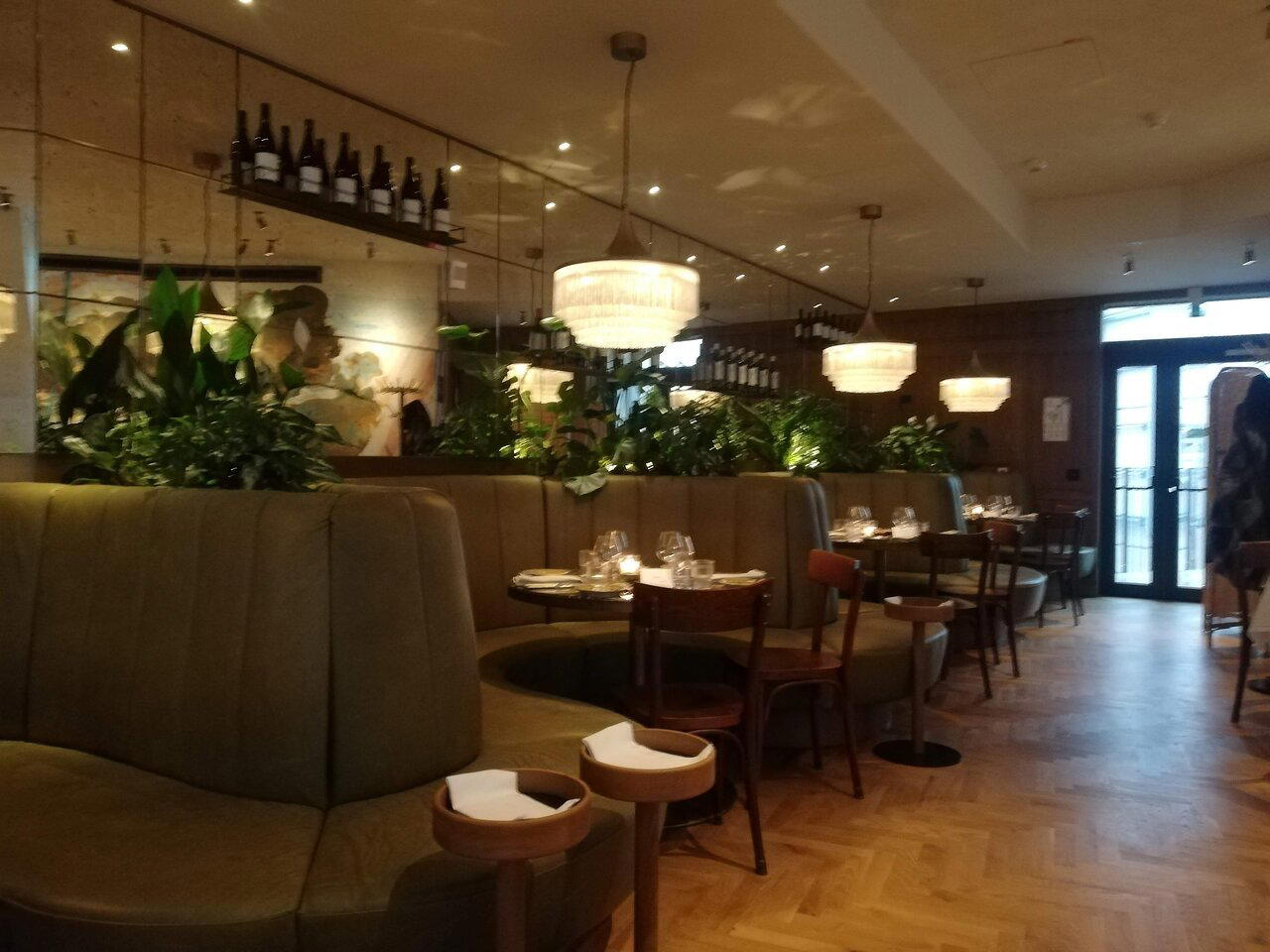
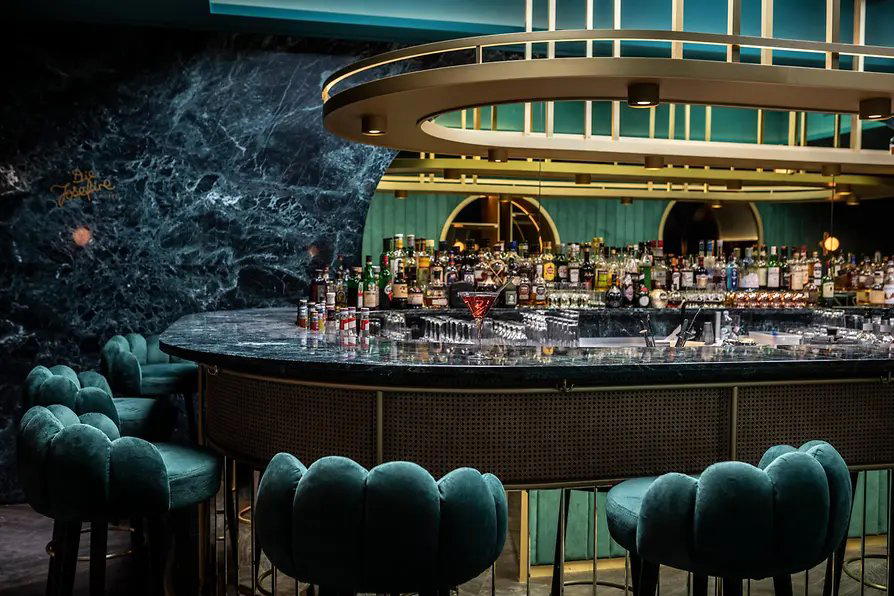
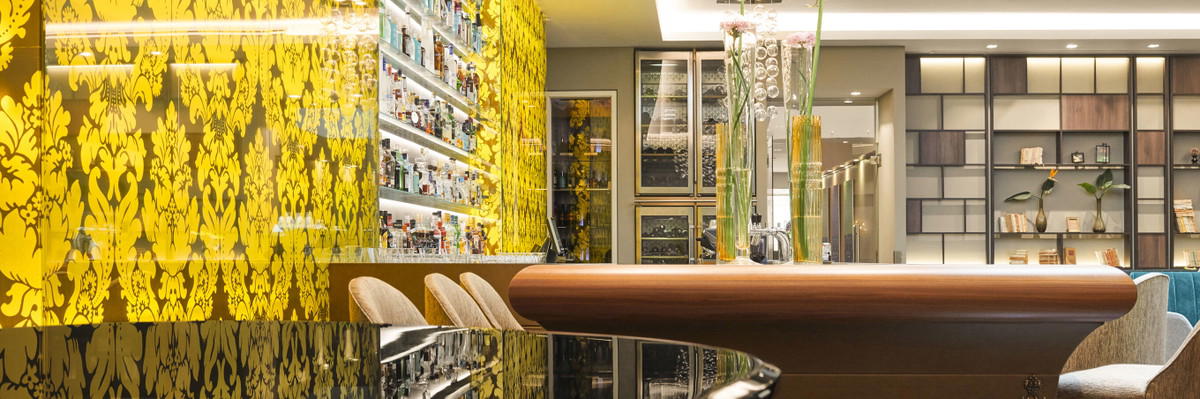
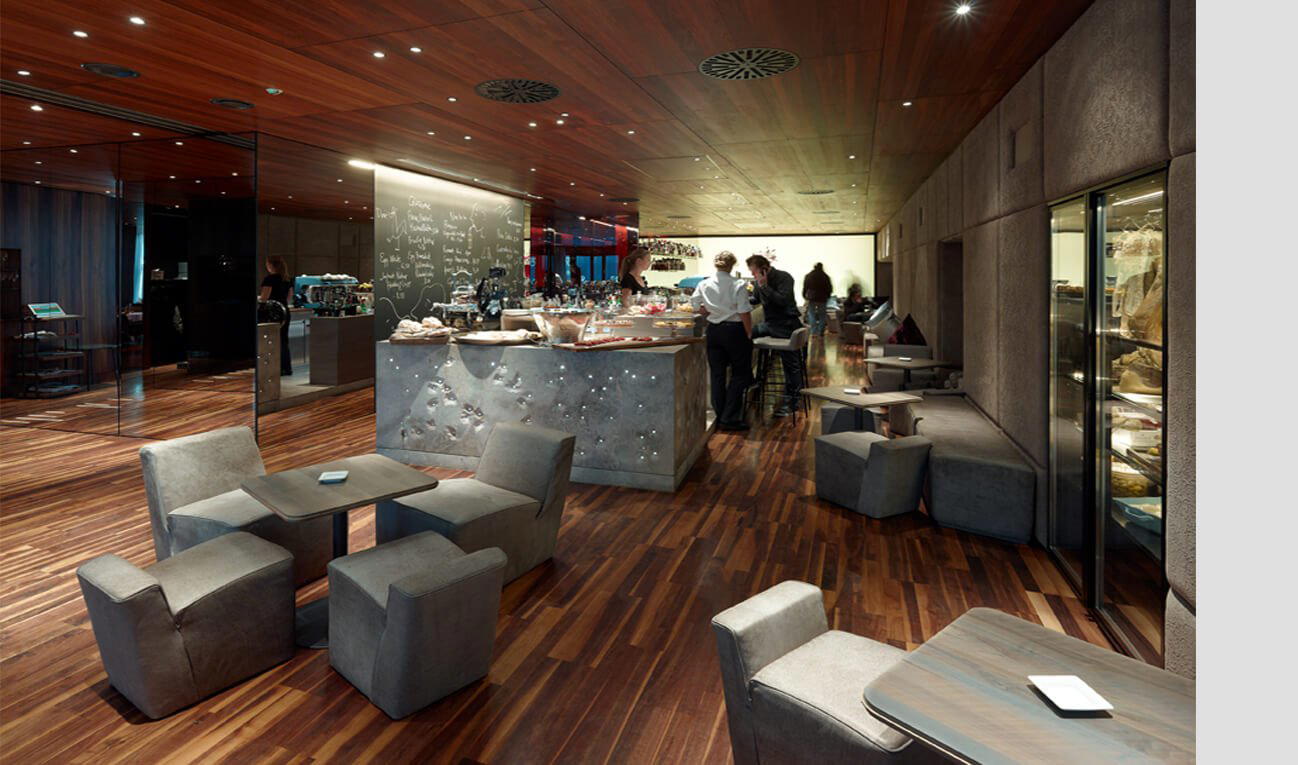
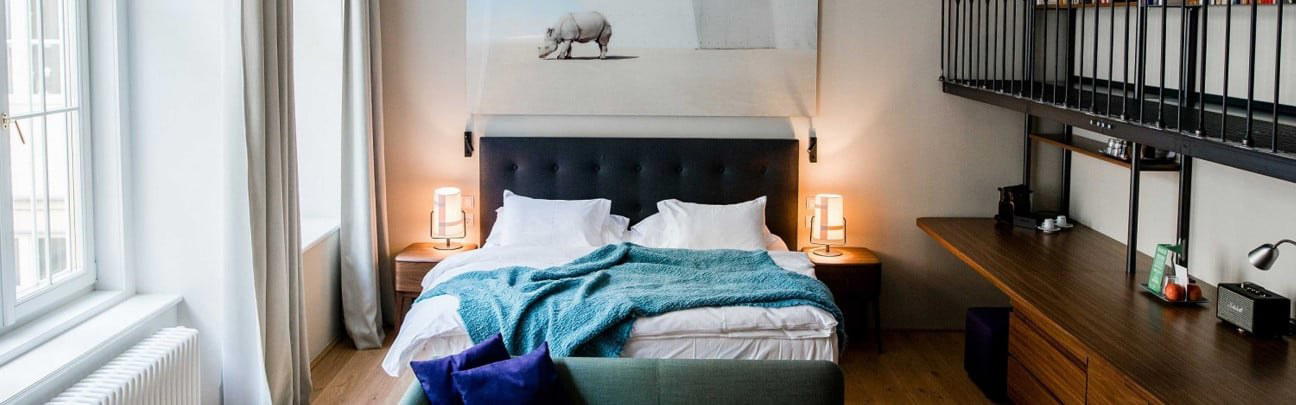
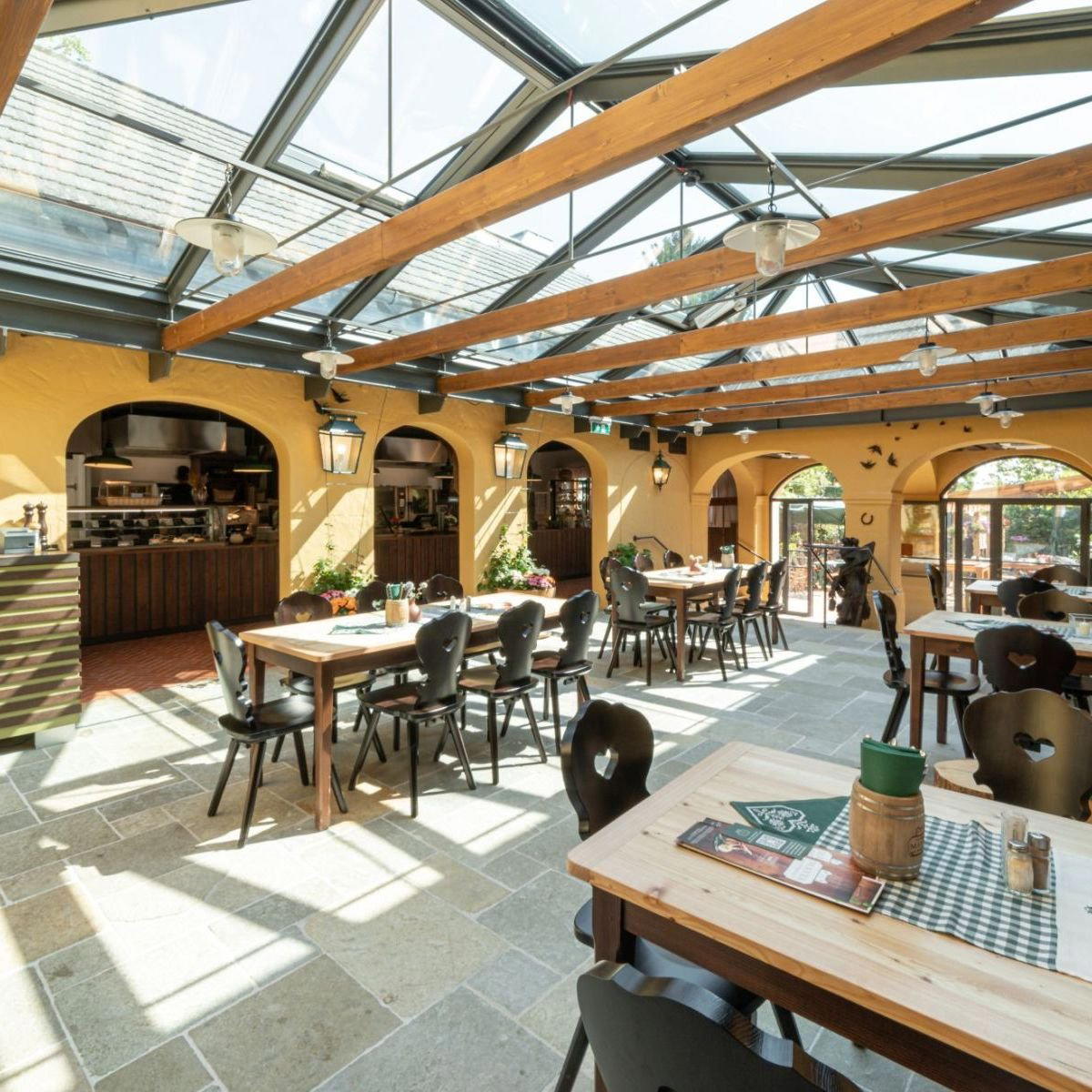
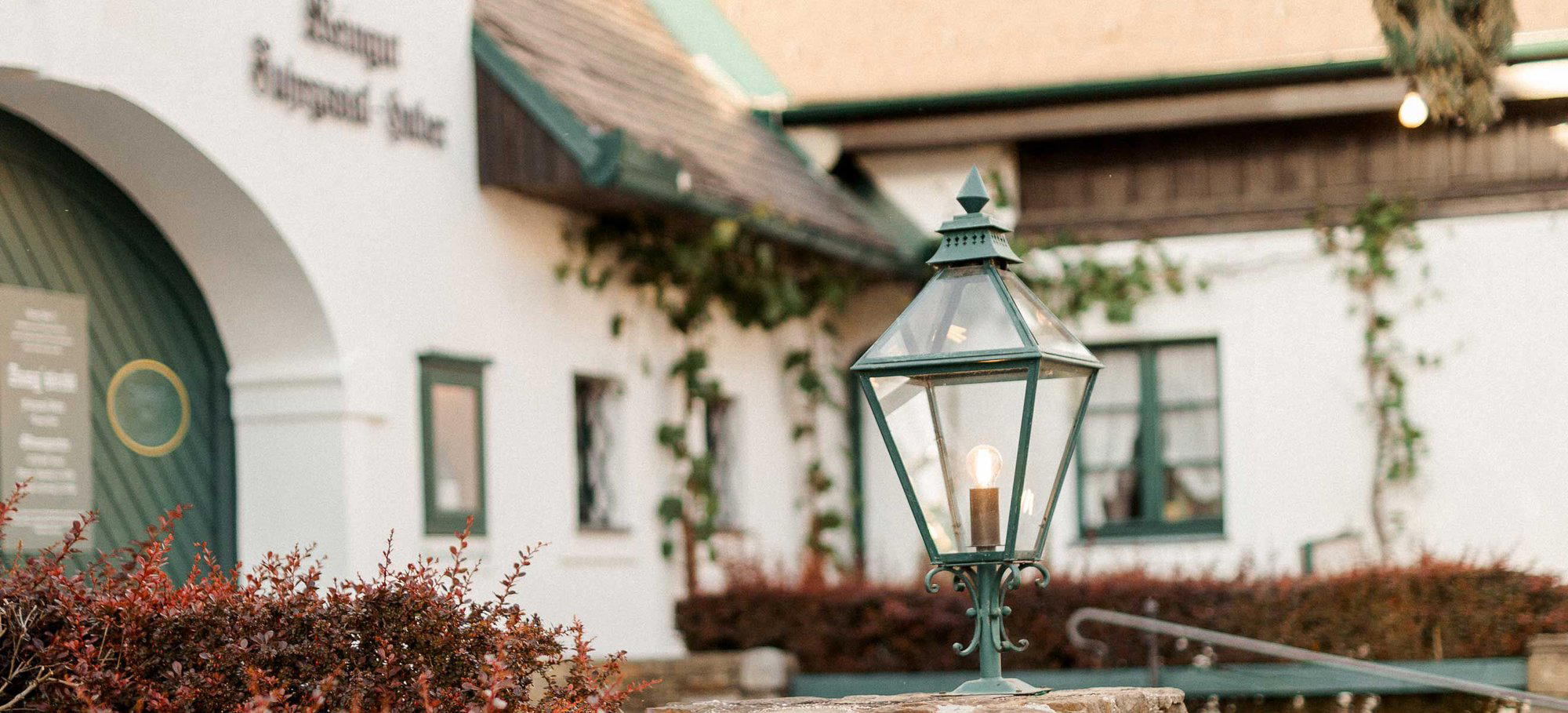
Relaxing atmosphere with mystery emanating lamps, quality music, and an elegant Moroccan style without kitsch.