Vevi Restaurant occupies a address on Stollgasse 5 in Vienna's seventh district, a neighbourhood where informal neighbourhood dining and serious cooking frequently share the same postcode. The restaurant sits in the broader Neubau dining scene, where daytime and evening service tend to operate at different registers of ambition and price. EP Club tracks it as part of Vienna's wider mid-market restaurant picture.
Pearl is the En Primeur Club membership app — saves, bookings, and concierge access live there. Same editors, same standards.
- Address
- Stollgasse 5, 1070 Wien, Austria
- Phone
- +436601147143
- Website
- vevirestaurant.at
- Directions
- Get directions
 Saves & bookings on Pearl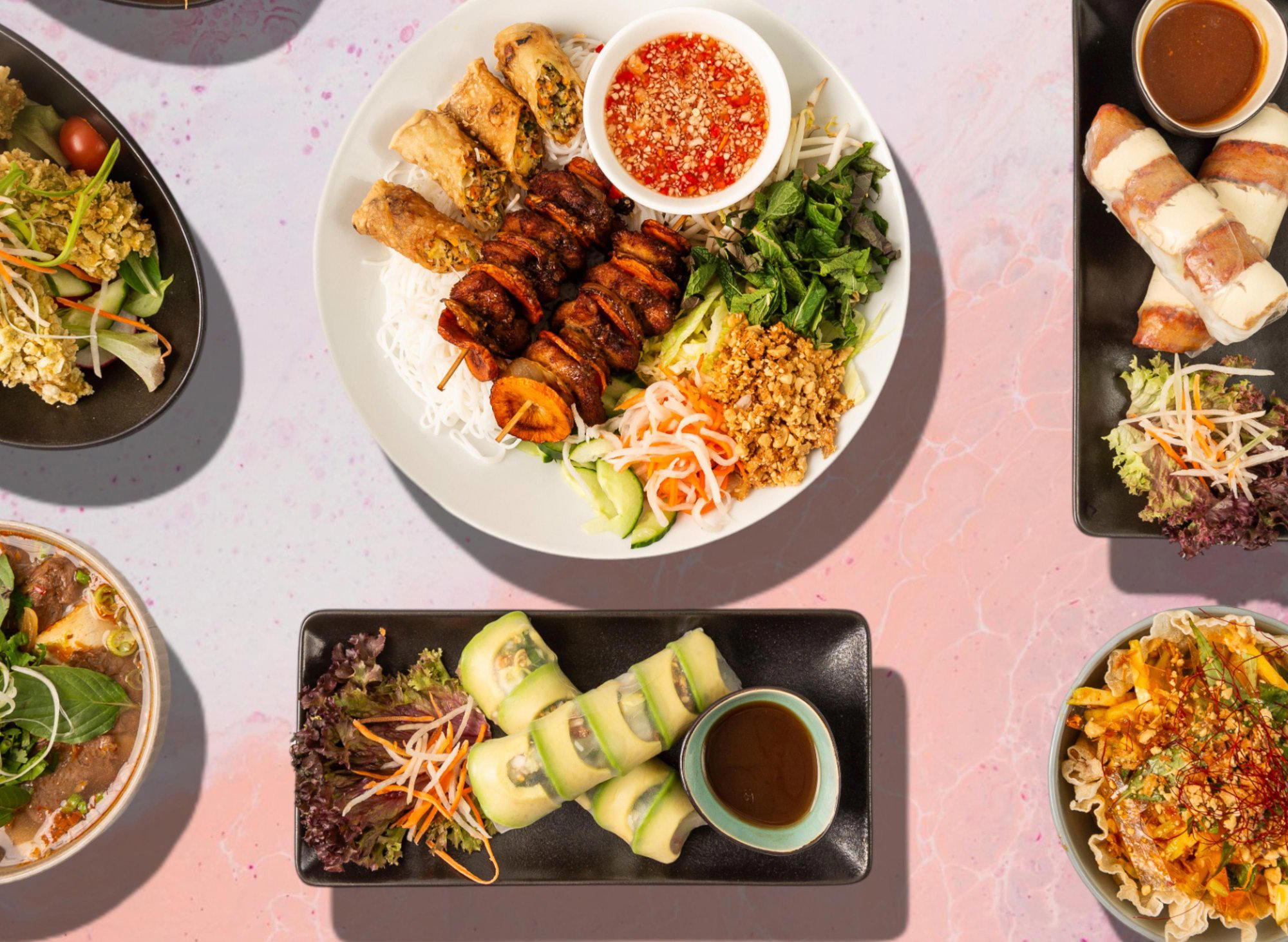
Neubau After Dark and Before Noon
Vienna's seventh district has spent the better part of a decade shifting its culinary centre of gravity. Neubau, long associated with design studios and independent retail, now holds a meaningful concentration of restaurants that operate at the intersection of neighbourhood informality and genuine kitchen ambition. Stollgasse sits within that zone, a short street where the building stock runs to late nineteenth-century Viennese residential blocks and the ground-floor units have increasingly filled with food and drink operators who depend on a local repeat trade rather than tourist foot traffic. Vevi Restaurant at number five is a vegan Vietnamese restaurant.
The lunch and dinner divide matters more in this part of Vienna than in the first district, where tourist volumes keep kitchens at steady pressure across all hours. In Neubau, lunch tends to draw the neighbourhood itself: workers from nearby studios and offices, residents running errands, the occasional visiting buyer at one of the design shops on Lindengasse or Kirchengasse. Evening service shifts the room toward a different kind of intentionality. Guests arrive having chosen the destination rather than having walked past it, and the kitchen tends to respond accordingly.
The Seventh District's Competitive Position
Vienna's fine dining concentration sits largely east of the Ring, anchored by addresses like Steirereck im Stadtpark in the third district and Konstantin Filippou in the first. The city's more experimental and creative end extends toward addresses like Amador and Mraz & Sohn, both of which carry Michelin recognition and price accordingly. Neubau operates in a different register. The seventh tends to house restaurants where the cooking is taken seriously but the format resists the ceremony of a tasting-menu-only room. That distinction between ceremony and seriousness is worth holding onto when thinking about where Vevi sits.
Vienna's neighbourhood restaurants occupy a different position: closer to daily life, more dependent on local loyalty, and often less legible to international visitors who arrive with Michelin maps rather than local knowledge. Doubek in the same city illustrates the neighbourhood-anchored approach at a slightly different scale.
Lunch as Litmus Test
Across Vienna's mid-market, daytime service functions as a kind of diagnostic. A kitchen that holds its standards at lunch, when margins are thinner and the clientele is less forgiving of slow pacing, signals something about its overall discipline. The leading neighbourhood restaurants in cities like Vienna, Copenhagen, or Lyon have understood for years that the lunchtime crowd is harder to impress precisely because they're not in a celebratory frame of mind. They want the food to be worth the interruption to their day.
The lunch-versus-dinner divide also tends to surface in pricing. Evening menus in Neubau typically run longer and cost more; midday formats lean toward shorter, faster, and more value-conscious structures. This is not a compromise but a calibration. Restaurants that collapse both services into a single unchanged format tend to serve neither well. Those that distinguish them, in menu length, pacing, or price architecture, usually earn the loyalty that keeps a neighbourhood address viable year over year.
Austrian dining more broadly has moved in this direction over the past decade. The country's culinary conversation, once dominated by the formal Haubenrestaurant tradition and the Michelin-tracked addresses in Salzburg or Tyrol, has gradually widened to include a more granular interest in what happens in neighbourhood rooms. Places like Ikarus in Salzburg or Kräuterreich by Vitus Winkler operate at the high-recognition end of that spectrum. The conversation extends to smaller addresses that don't carry Hauben or stars but sustain consistent local trade. Vevi occupies that less-mapped territory in Vienna's seventh.
Stollgasse and the Walk There
Stollgasse 5 is reachable on foot from the U3 stop at Neubaugasse in a few minutes, or from the U6 at Burggasse-Stadthalle. The street connects Burggasse and Kirchengasse, running through a block that is primarily residential. Approaching from Burggasse, the immediate neighbourhood is denser and more commercial; from the Kirchengasse side, the scale tightens and the foot traffic thins. The address itself is a standard Viennese Gründerzeit building, the kind that makes up a large fraction of the seventh district's stock. Ground-floor restaurant spaces in these buildings typically run to modest dimensions, which tends to determine seat counts and the overall register of service.
The broader neighbourhood rewards time before or after a meal. Neubau's main commercial stretch on Mariahilfer Strasse is a few blocks south, but the more interesting pedestrian territory lies on the quieter cross streets, where the independent retail that defines the seventh's reputation for design and craft operates in smaller, more concentrated units. For visitors working through Vienna's restaurant map, the seventh sits between the first-district formal tier and the more loosely defined eating of the sixth (Mariahilf) and eighth (Josefstadt) districts.
Austrian Dining Context: Beyond the Capital
Vienna's neighbourhood restaurants exist within a national dining culture that carries significant weight outside the capital. The Alpine addresses, from Griggeler Stuba in Lech to Gourmetrestaurant Tannenhof in Sankt Anton am Arlberg, operate in a seasonal register shaped by ski tourism and summer hiking trade. The Danube valley produces its own fine dining tradition, visible at addresses like Landhaus Bacher in Mautern an der Donau. Urban neighbourhood dining in Vienna connects to all of this but operates at a different tempo, one defined by the city's working population rather than seasonal visitor peaks.
For comparison points at the international scale, the structural tension between neighbourhood accessibility and kitchen ambition appears in cities far from Vienna. Le Bernardin in New York City represents one end of the formality spectrum; Atomix, also in New York, illustrates how a tightly controlled format can sit at the summit of a market while remaining conceptually distinct from traditional fine dining. Vienna's neighbourhood tier is not competing at that level, but the underlying question of how much ceremony a kitchen needs to justify its seriousness travels across all of these contexts. Addresses like Ois in Neufelden and Schwarzer Adler in Hall in Tirol show how that question resolves differently in Austria's smaller markets. Restaurant 141 by Joachim Jaud in Mieming adds another data point in the same regional conversation.
Know Before You Go
- Address: Stollgasse 5, 1070 Wien, Austria
- District: Neubau (7th district), Vienna
- Nearest transit: U3 Neubaugasse or U6 Burggasse-Stadthalle
- Booking: Contact method not confirmed; walk-in availability likely varies by service
- Price range: about $20 per person
Recognition, Side-by-Side
Comparable venues nearby, for context on price, style, and recognition.
| Venue | Cuisine | Price | Notes |
|---|---|---|---|
| Vevi RestaurantThis venue — the venue you are viewing | Vegan Vietnamese | $$ | Not listed |
| Nams | Vietnamese | $$ | Alsergrund |
| Bep Viet | Authentic Vietnamese | $$ | Wieden |
| Good Morning Vietnam | Modern Vietnamese | $$ | Alsergrund |
| Vietnam Bistro | Authentic Vietnamese Bistro | $$ | Margareten |
| Pho Ever | Authentic Vietnamese Pho | $$ | Hofburg |
Continue exploring
More in Vienna
Restaurants in Vienna
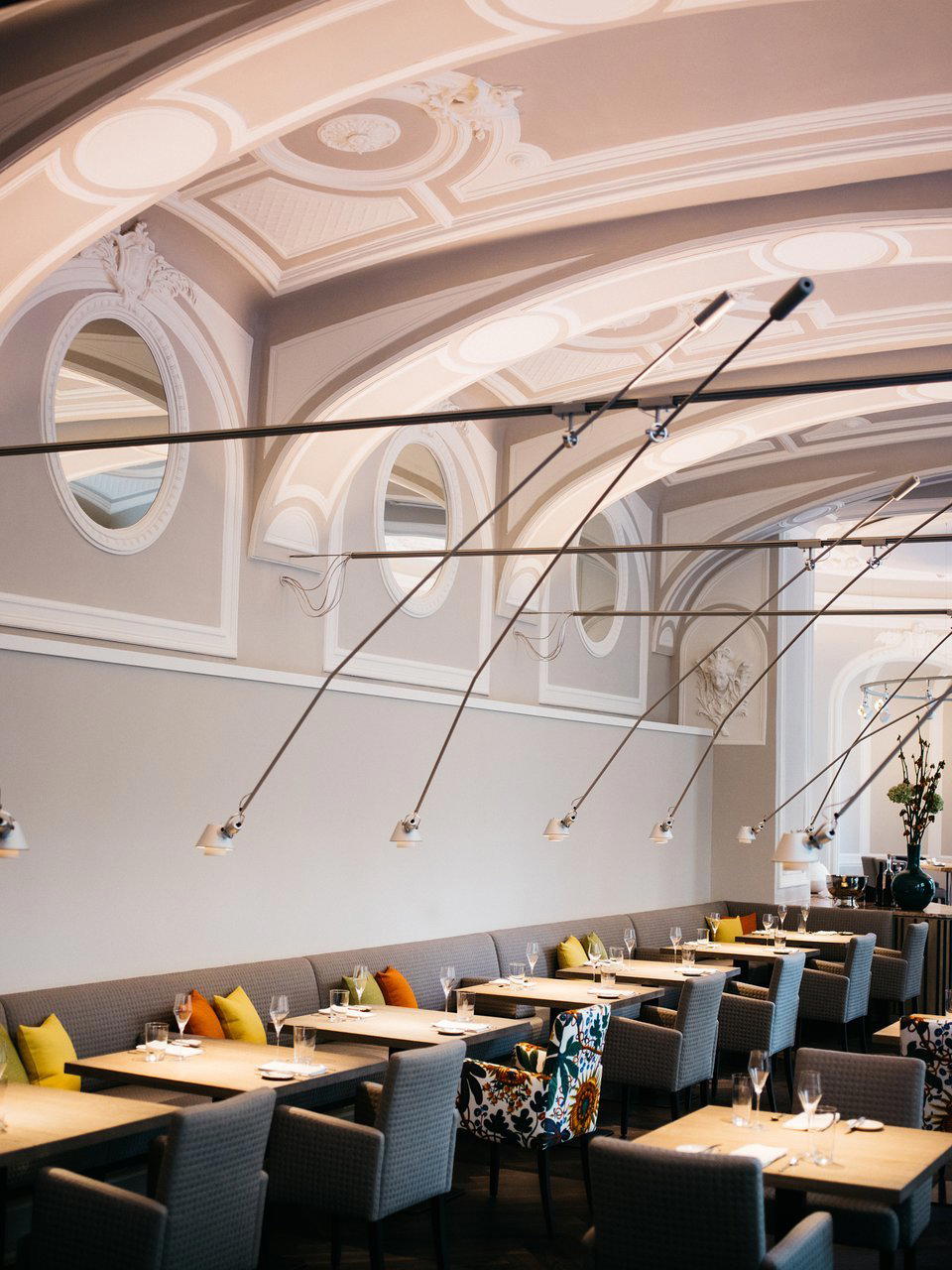
Browse all →![[aend] restaurant in Vienna](https://cdn.enprimeurclub.com/storage/v1/object/public/images/locations/recsVyRkMfzCxPmp0/hero2.jpg?width=3840&quality=75)
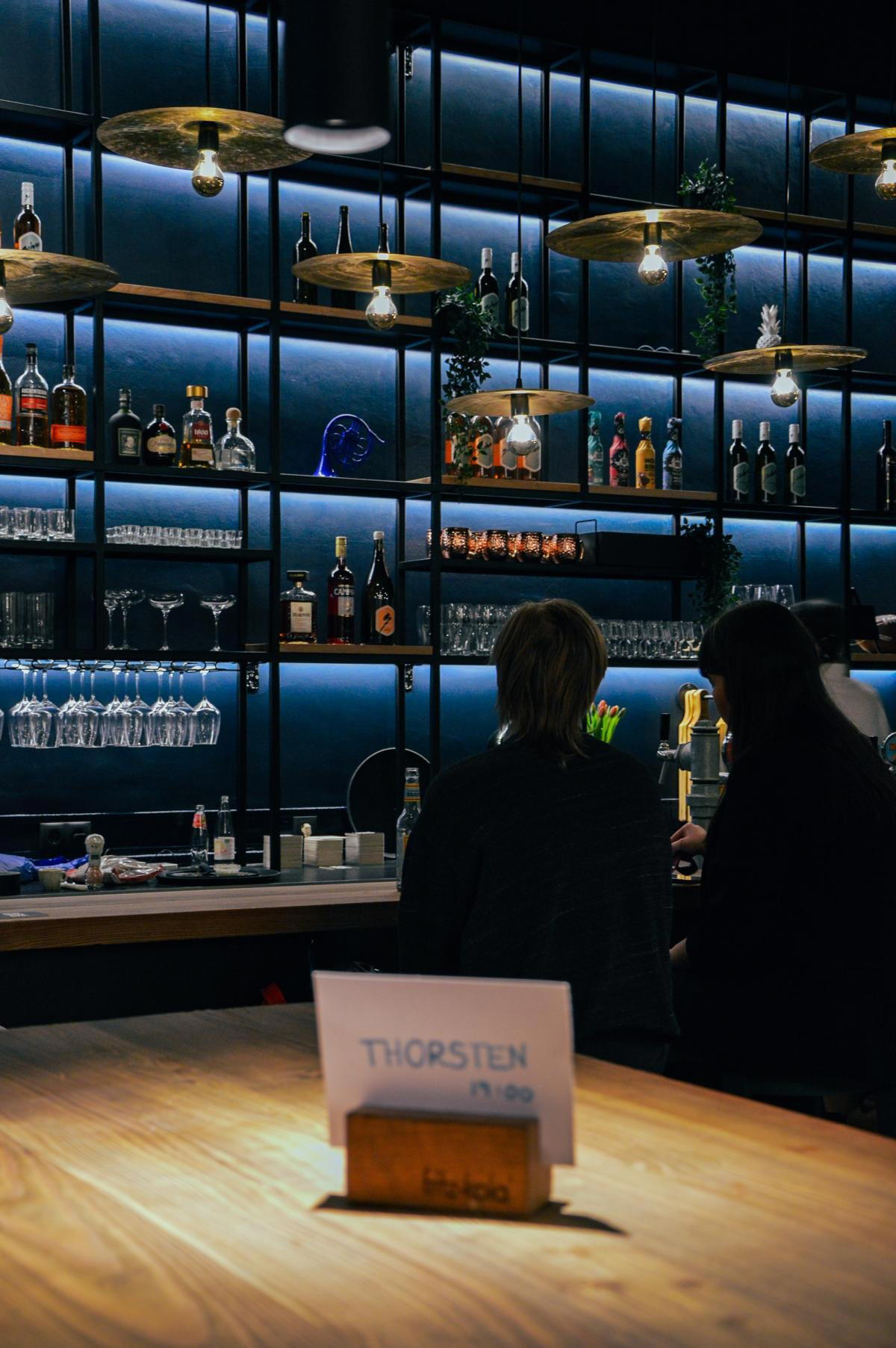
Bars in Vienna
Browse all →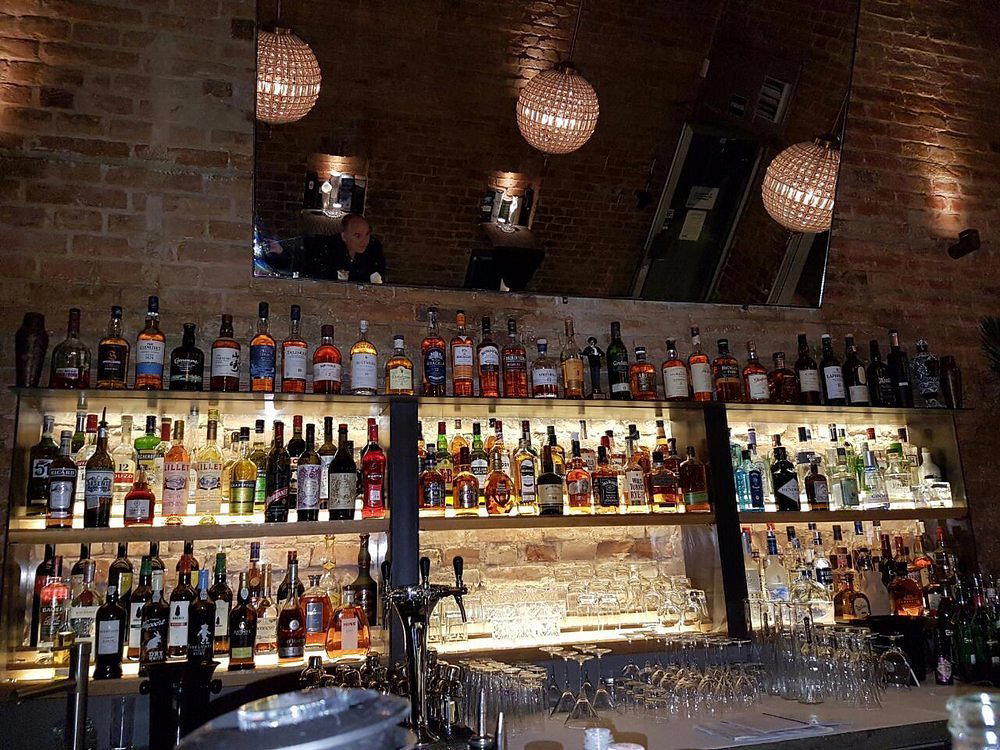
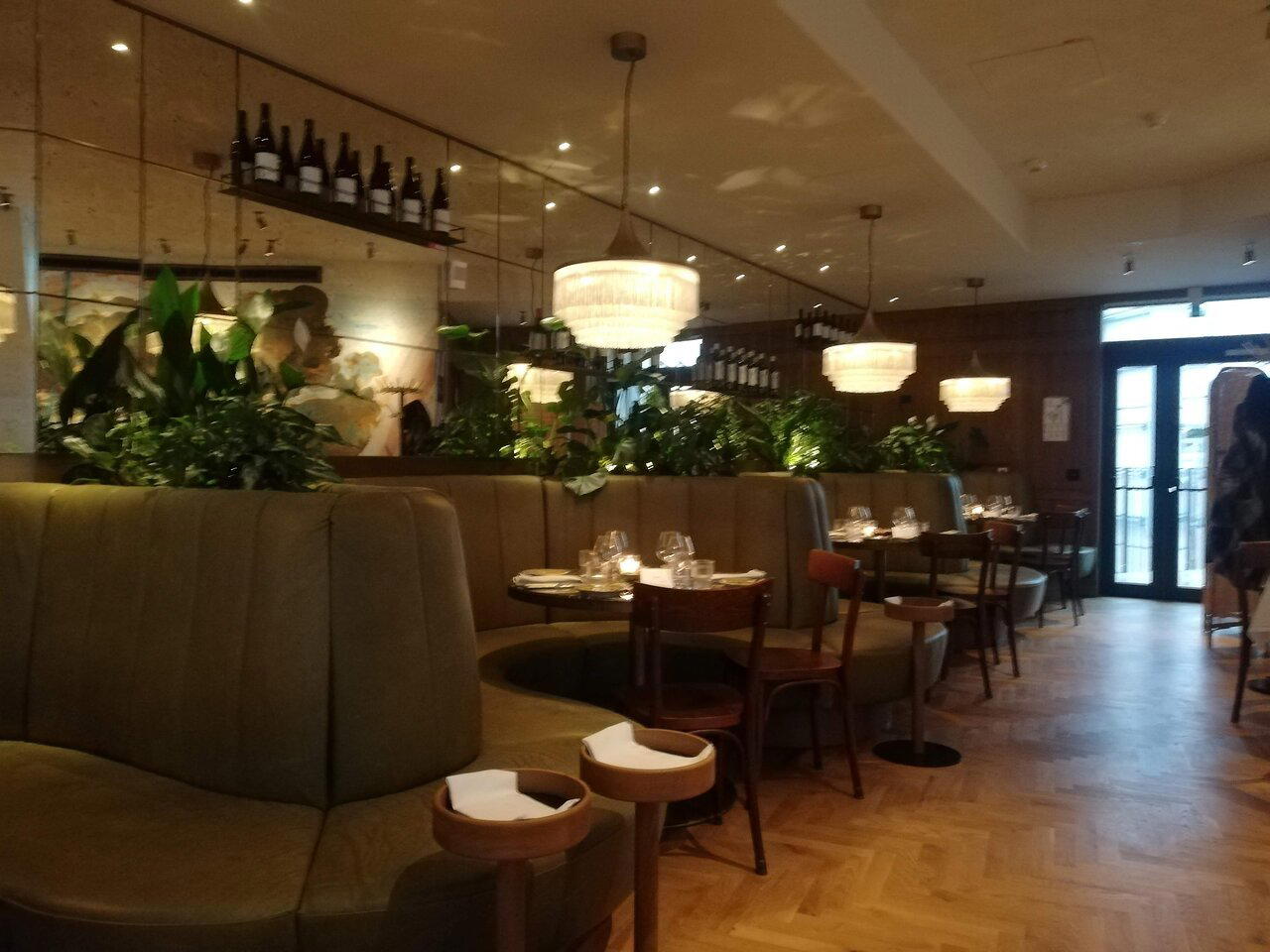

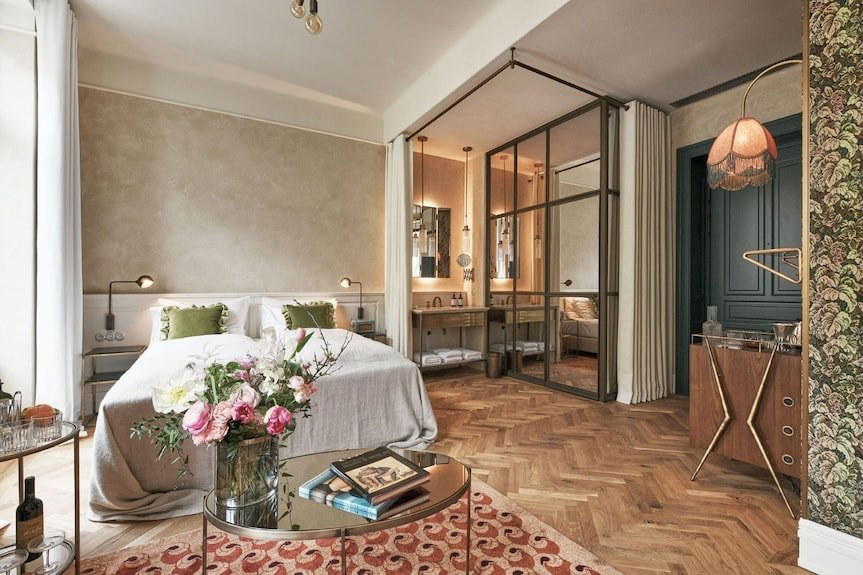
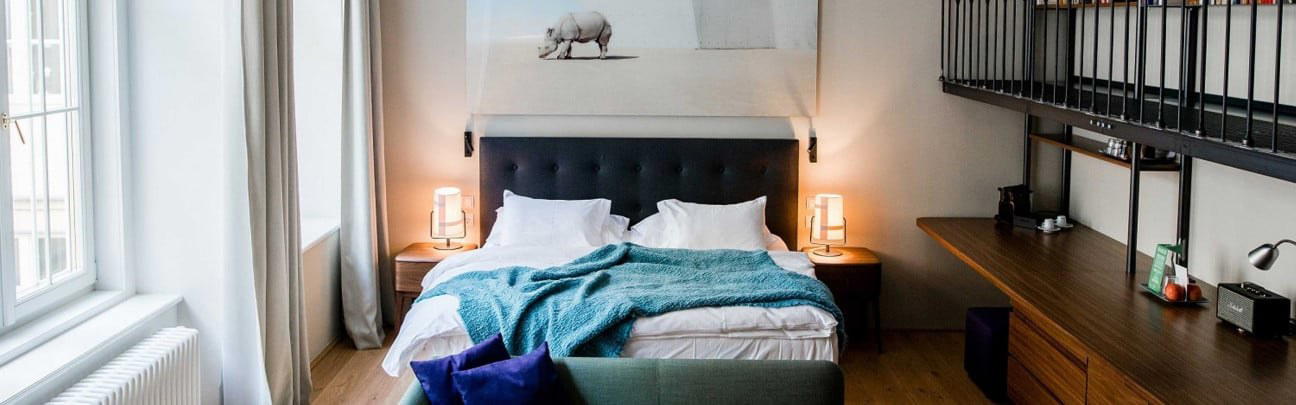
Hotels in Vienna
Browse all →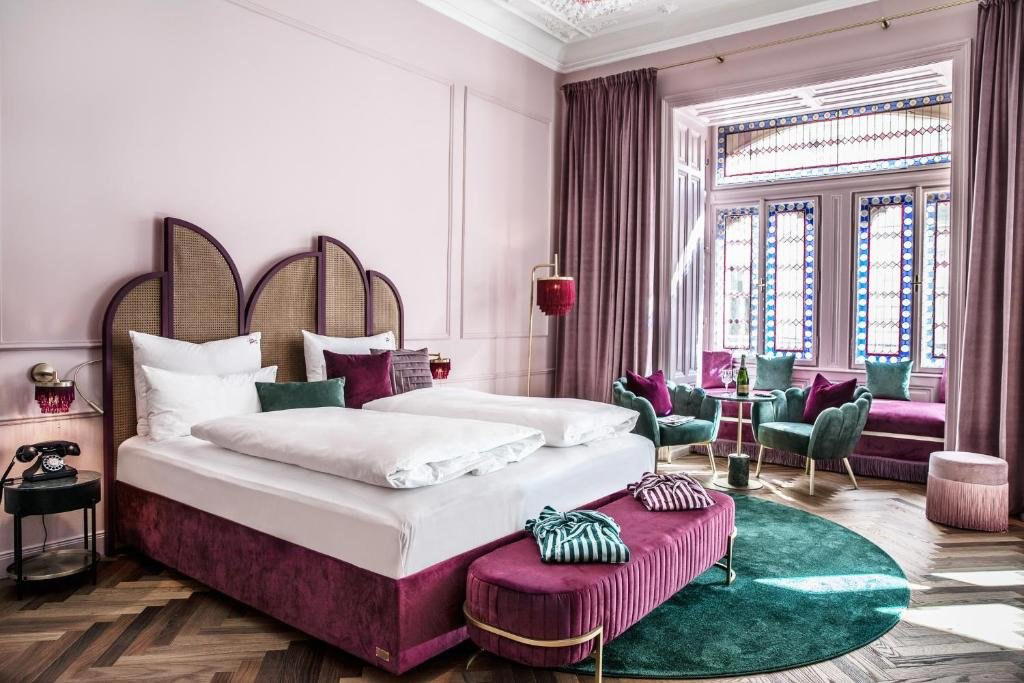
At a Glance
- Cozy
- Modern
- Casual Hangout
- Family
- Organic
Current opening hours
- Monday
- 11 AM–10 PM
- Tuesday
- 11 AM–10 PM
- Wednesday
- 11 AM–10 PM
- Thursday
- 11 AM–10 PM
- Friday
- 11 AM–10 PM
- Saturday
- 11 AM–10 PM
- Sunday
- 11 AM–10 PM
Hours can change for holidays and private events. Last verified .
Casual and welcoming atmosphere focused on fresh, flavorful vegan dishes in a cozy setting.