Our verdict
Located inside Lugner City in Vienna's 15th district, CARLOS occupies an address where mall dining and neighbourhood accessibility intersect. The venue sits within a mixed-use complex that draws a broad cross-section of western Vienna, positioning it outside the city's conventional fine-dining corridor. Practical details including hours, pricing, and booking remain unconfirmed, contact directly before visiting.

Pearl is the En Primeur Club membership app, where members save venues, book tables and use the concierge.
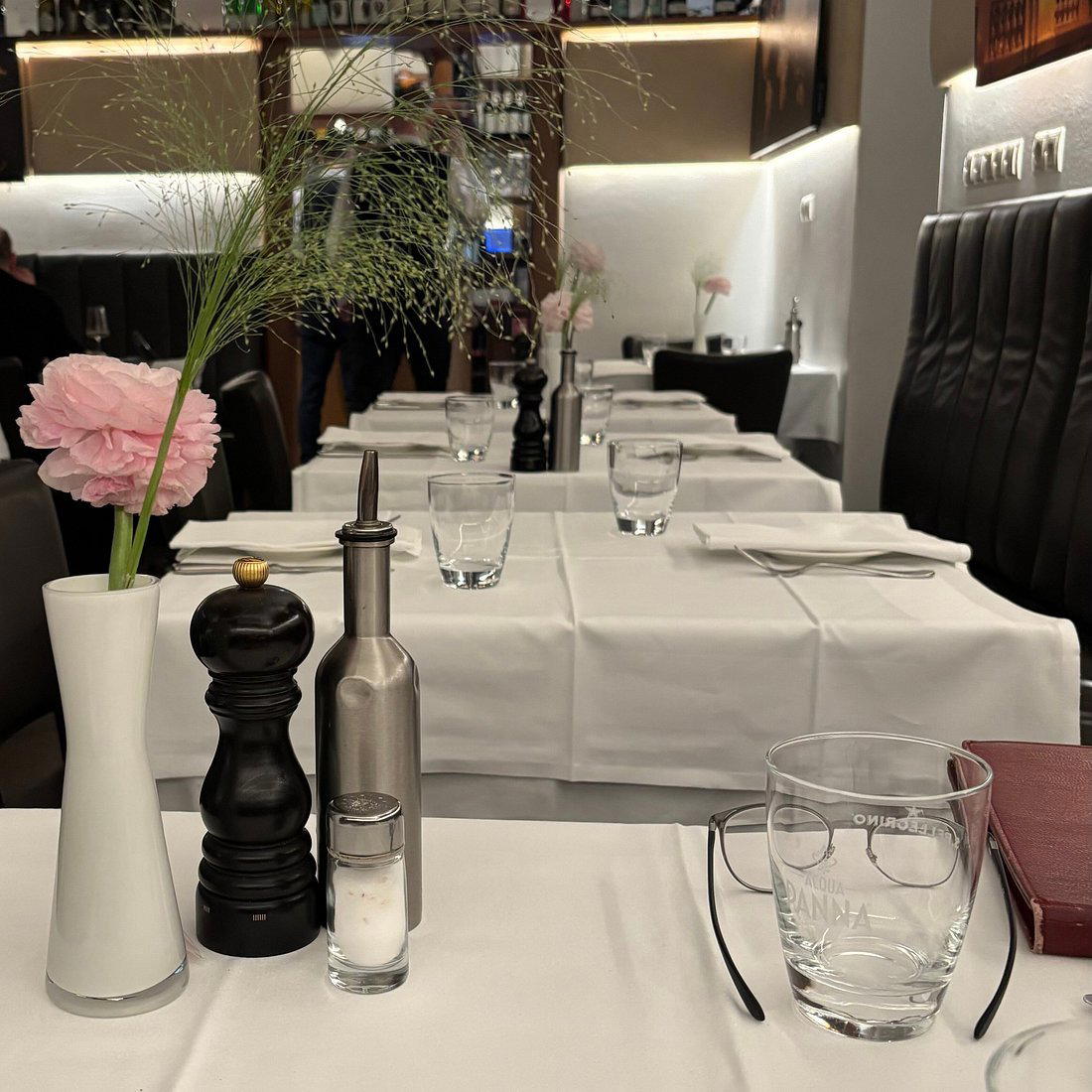
The menu
What to order
- Nachos
- Tacos
- Burritos
- Churros with mango sauce and chocolate dip
Vienna's 15th District and the Case for Dining Beyond the Ringstrasse
Vienna's restaurant conversation tends to concentrate within a familiar radius: the 1st district's grand addresses, the Stadtpark corridor where Steirereck im Stadtpark anchors the creative fine-dining tier, and the inner districts where Konstantin Filippou and Amador compete for the same well-travelled clientele. The 15th district, Rudolfsheim-Fünfhaus, rarely features in those discussions. It is a working residential area, dense, transit-connected, demographically mixed, where the dining infrastructure reflects the population it serves rather than the ambitions of a hospitality industry oriented toward tourists and expense accounts. CARLOS operates in that context, inside Lugner City on Gablenzgasse, a mall-anchored location that signals accessibility over exclusivity from the first approach.
The Lugner City address places CARLOS physically and socially at a remove from Vienna's premium dining corridor. That distance is not incidental. Mall-integrated restaurants across European cities have spent the past decade negotiating between footfall-driven volume and the kind of sourcing discipline that increasingly defines conscientious hospitality. The most compelling examples in this format, whether in Berlin's mixed-use developments or in the regenerated retail corridors of cities like San Francisco, tend to succeed by anchoring their identity in supply-chain transparency rather than in decor or chef pedigree. The question worth asking of any restaurant in a high-volume retail environment is whether the kitchen is making decisions about sourcing and waste that the format typically discourages.
Sustainability as Structural Commitment, Not Marketing Position
Across Austria's broader dining scene, the conversation around environmental responsibility has moved well past surface-level gestures. Operations like Döllerer in Golling an der Salzach and Obauer in Werfen have built procurement models around Alpine regionality that treat short supply chains as a culinary argument, not just an ethical one. Kräuterreich by Vitus Winkler in Sankt Veit im Pongau has taken that further, building herb cultivation directly into its operational identity. Even within Vienna itself, Mraz and Sohn has maintained a commitment to producer relationships that sits conspicuously outside the city's more speculative tasting-menu culture.
For a restaurant operating inside a shopping complex like Lugner City, the structural conditions are more demanding. High throughput, centralised procurement for the wider retail environment, and the cost pressures of mall tenancy all push against the kind of granular sourcing decisions that define the Austrian operations listed above. The restaurants that manage to maintain ethical sourcing commitments in these conditions tend to do so through specific, auditable relationships with suppliers rather than through broad claims about locality or seasonality.
Where CARLOS Sits in Vienna's Wider Dining Structure
Vienna's restaurant market has stratified clearly over the past decade. At the upper tier, a cluster of €€€€ operations, Steirereck, Amador, Mraz and Sohn, Doubek, compete on tasting-menu ambition and international critical recognition. Below that, a broader mid-market operates with less critical attention but more consistent neighbourhood utility. CARLOS, based on its Lugner City location and the absence of awards data in any public record, sits in that mid-market or accessible tier. That placement is not a limitation so much as a different proposition: a restaurant answerable to a local constituency rather than to a reviewing apparatus.
Comparable dynamics play out at Austria's regional level. Schwarzer Adler in Hall in Tirol, Restaurant 141 by Joachim Jaud in Mieming, and Stüva in Ischgl each operate outside Vienna's critical centre of gravity, and each has developed identity through regional specificity rather than metropolitan recognition. The same logic applies to urban neighbourhood restaurants that serve a defined local population rather than a transient one. For context on where CARLOS fits within the broader Vienna picture, our full Vienna restaurants guide maps the city's dining tiers with more granularity.
The Lugner City Location: Practical Considerations
Lugner City is served by the U6 line at Burggasse-Stadthalle and by several tram routes, making it one of the more transit-accessible points in the western inner city. The complex itself is a familiar Austrian mall format: cinema, retail, and food anchors sharing a single building. For diners coming from the city centre, the journey is direct by public transport; for those arriving by car, parking is integrated into the complex. The address at Gablenzgasse 1-3, Top 60 places CARLOS within the cinema section of the mall, which affects both the approach and the ambient environment.
What that location produces in practice is a restaurant insulated from the pedestrian character of the 15th district's street-level dining, but embedded in the social infrastructure of a neighbourhood commercial hub. Internationally, this format has produced some of the more interesting conversations about democratic access to considered food, the argument that careful cooking and ethical sourcing should not be geographically or economically restricted to the districts tourists frequent. Le Bernardin in New York operates at a different tier entirely, but the broader question of which neighbourhoods get access to food made with genuine care is one that restaurants in locations like Lugner City implicitly answer through their daily operations.
Austria's wine-forward dining culture, represented at its most considered by operations like Landhaus Bacher in Mautern an der Donau and Taubenkobel in Schützen am Gebirge, has historically been strongest in the wine-producing regions flanking Vienna. Whether a mall-anchored restaurant in the 15th district engages seriously with Austrian wine is a reasonable question for any visitor with that interest, and one worth confirming before booking. Similarly, Ois in Neufelden and Gourmetrestaurant Tannenhof in Sankt Anton am Arlberg demonstrate that Austrian kitchens outside the capital have developed distinct identities worth tracking for anyone building a fuller picture of the country's food culture.
Awards and Standing
Comparable venues nearby, for context on price, style, and recognition.
| Venue | Cuisine | Price | Notes |
|---|---|---|---|
| CARLOSThis venue (the venue you are viewing) | Contemporary Mexican Cuisine | $20–30 | Not listed |
| Gorilla Kitchen | Mexican Street Food Burritos | $10–20 | Staatsoper |
| Maiz No. 2 | Authentic Mexican Tacos | $20–30 | Josefstadt |
| Tonios Tacos | Authentic Mexican Street Tacos | $10–20 | Praterstern Wien Nord |
| Don Taco | Mexican Taqueria | $10–20 | Josefstadt |
| Marks | Austrian Fusion | Not listed | Josefstadt |
CARLOS
Featured Guides
Continue exploring
More in Vienna
Restaurants in Vienna
All restaurants in Vienna →
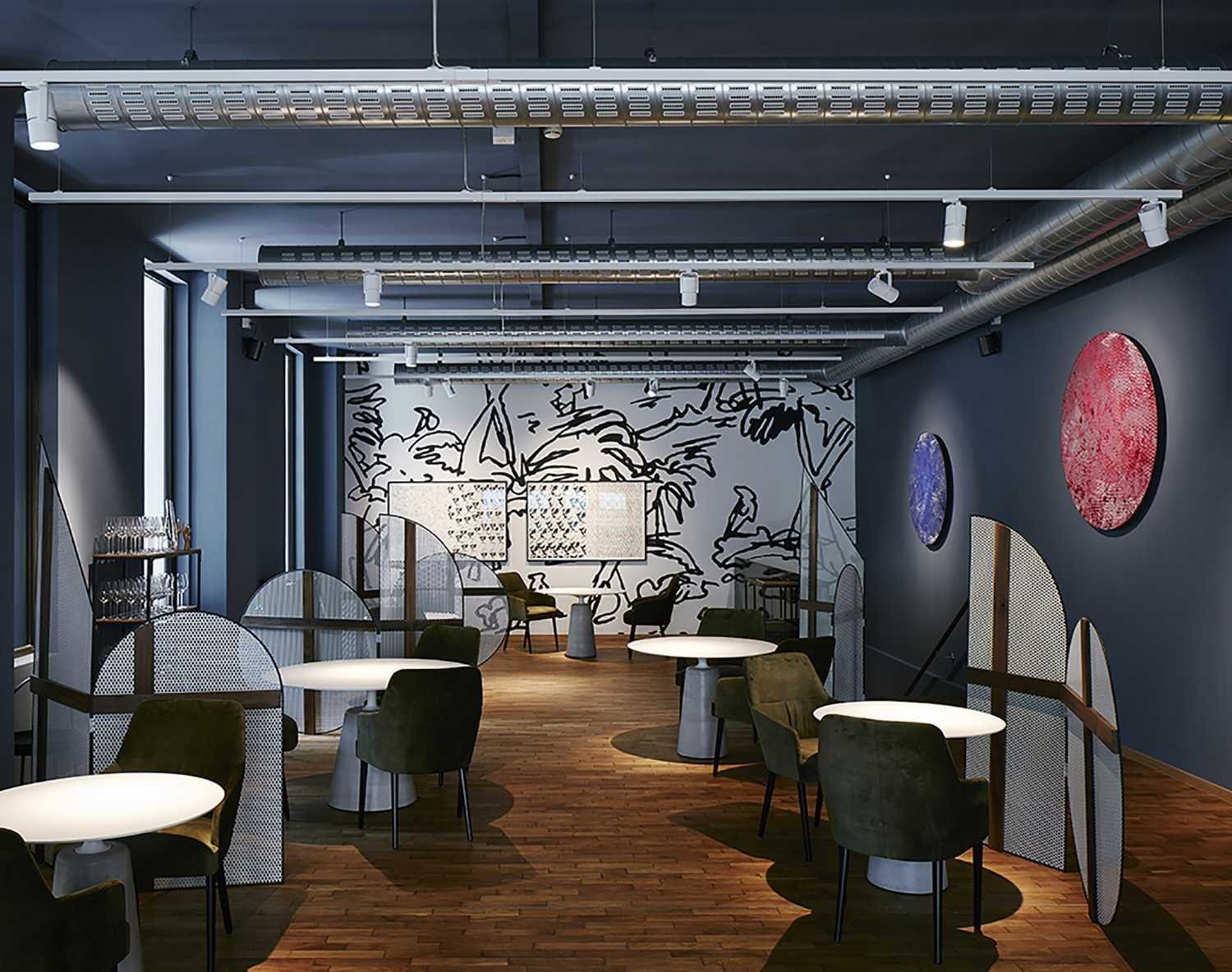
![[aend] restaurant in Vienna](https://cdn.enprimeurclub.com/storage/v1/object/public/images/locations/recsVyRkMfzCxPmp0/hero2.jpg?width=3840&quality=75)
Bars in Vienna
All bars in Vienna →
Details
- Modern
- Lively
- Trendy
- Casual Hangout
- Group Dining
- After Work
- Late Night
- Standalone
- Craft Cocktails
- A La Carte
- Cocktails
- Longdrinks
- Shots
- Vegetarian Friendly
Current opening hours
- Monday
- 11:30 AM–11 PM
- Tuesday
- 11:30 AM–11 PM
- Wednesday
- 11:30 AM–11 PM
- Thursday
- 11:30 AM–11 PM
- Friday
- 11:30 AM–11 PM
- Saturday
- 11:30 AM–11 PM
- Sunday
- 11:30 AM–11 PM
Hours can change for holidays and private events. Hours as of .
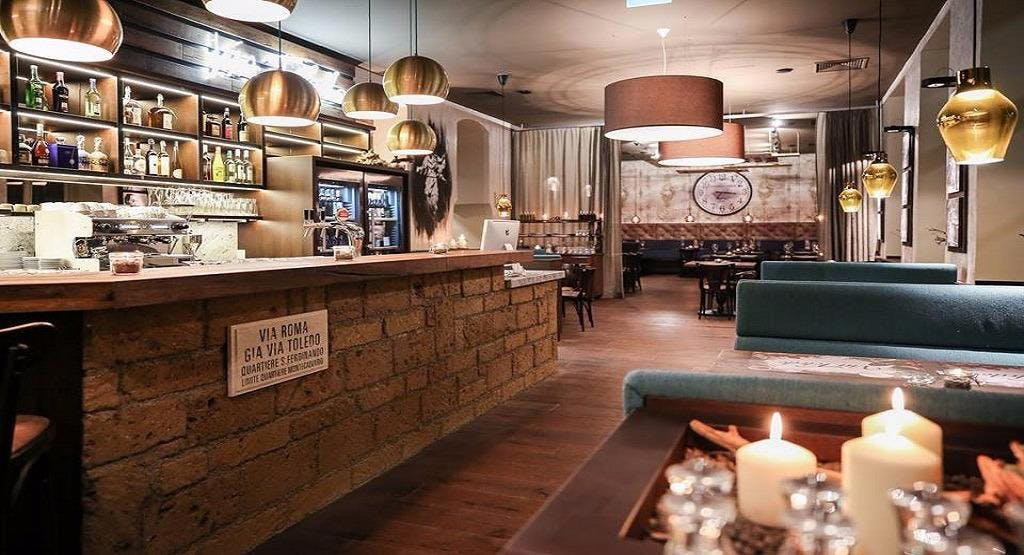
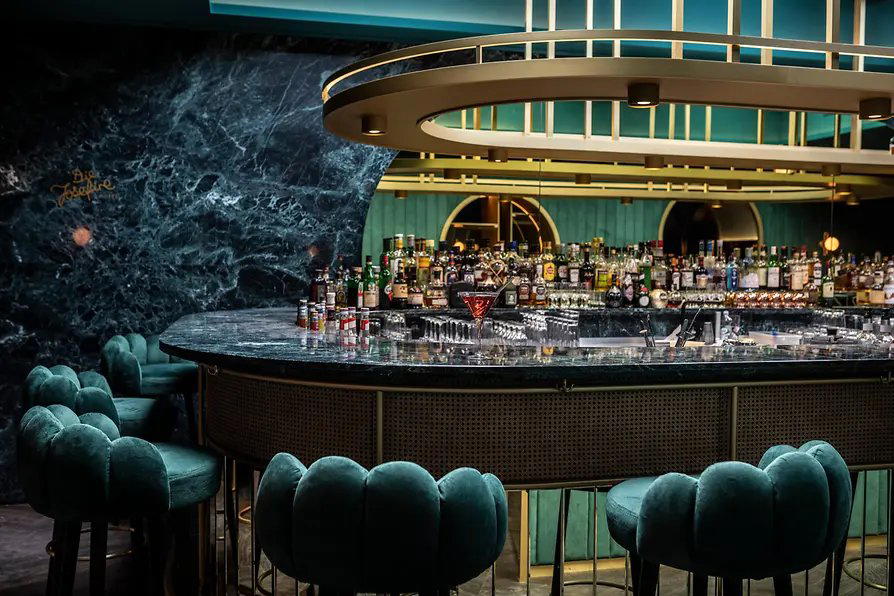
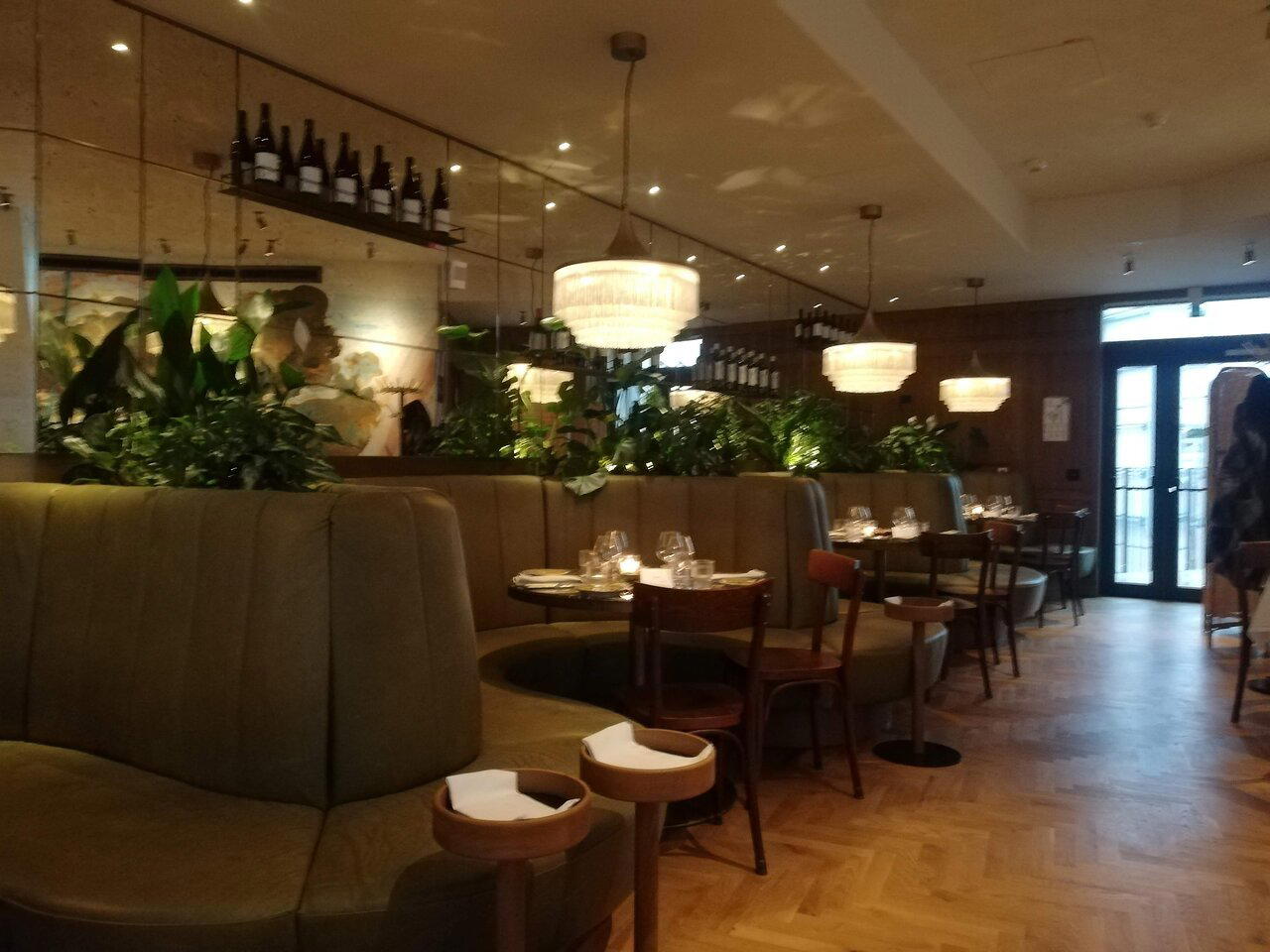
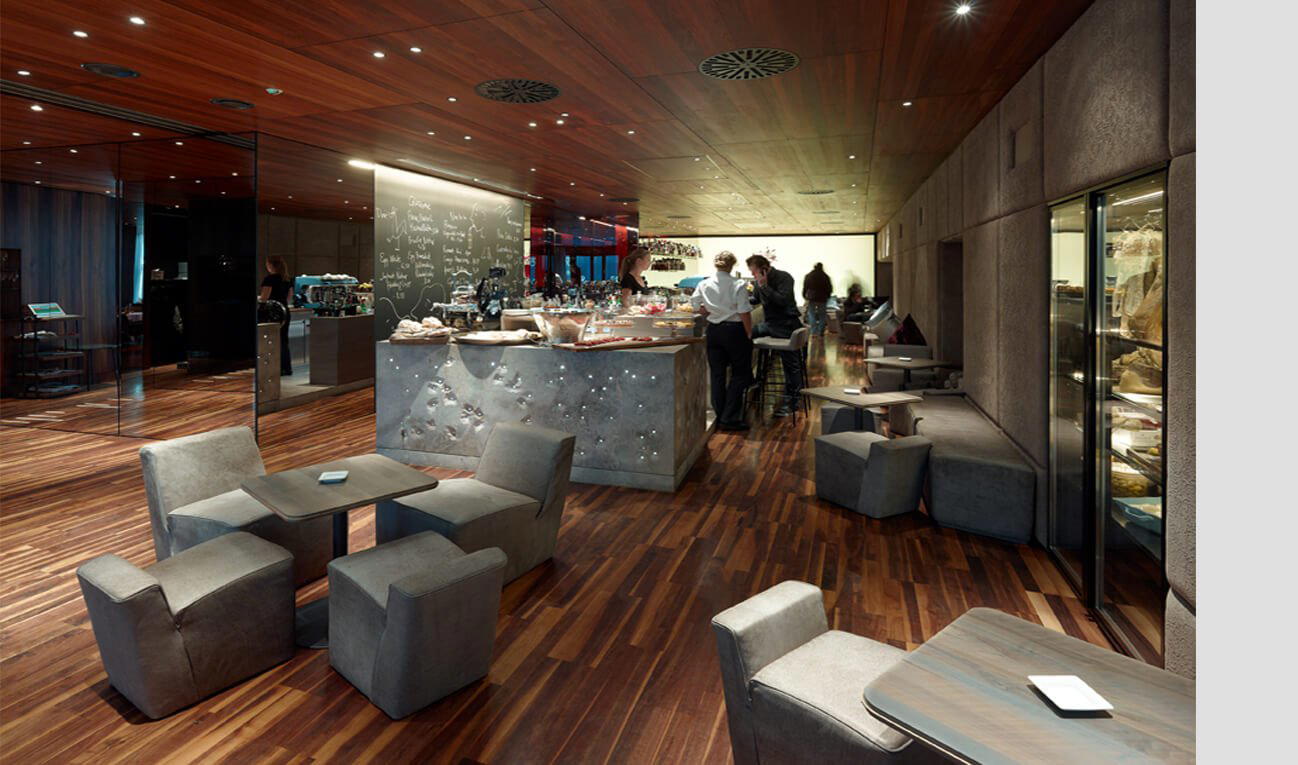
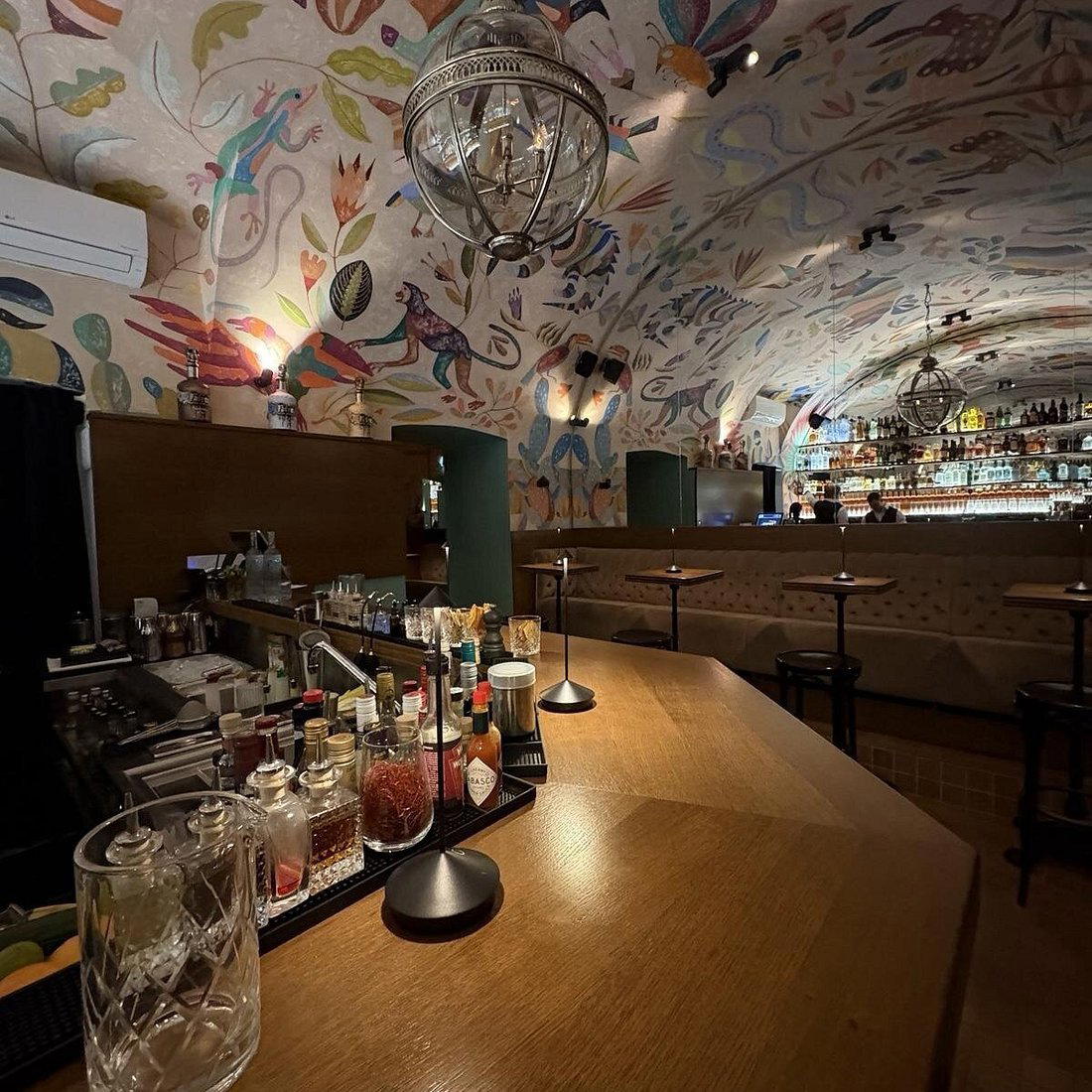
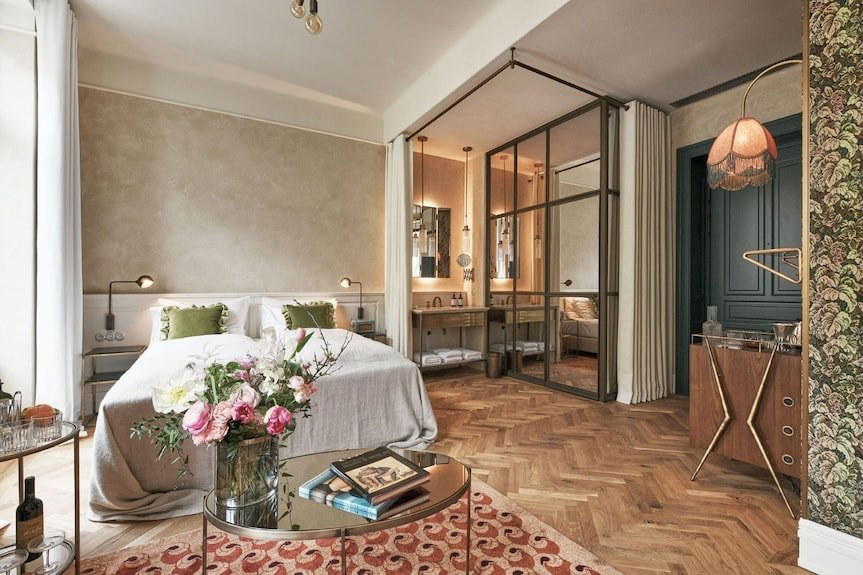
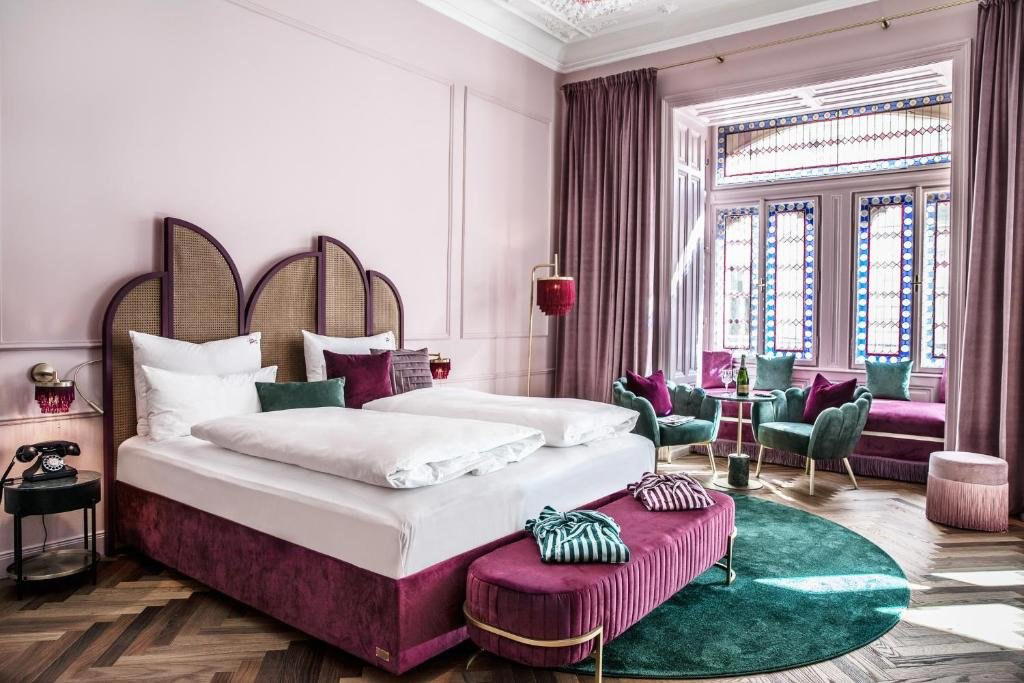
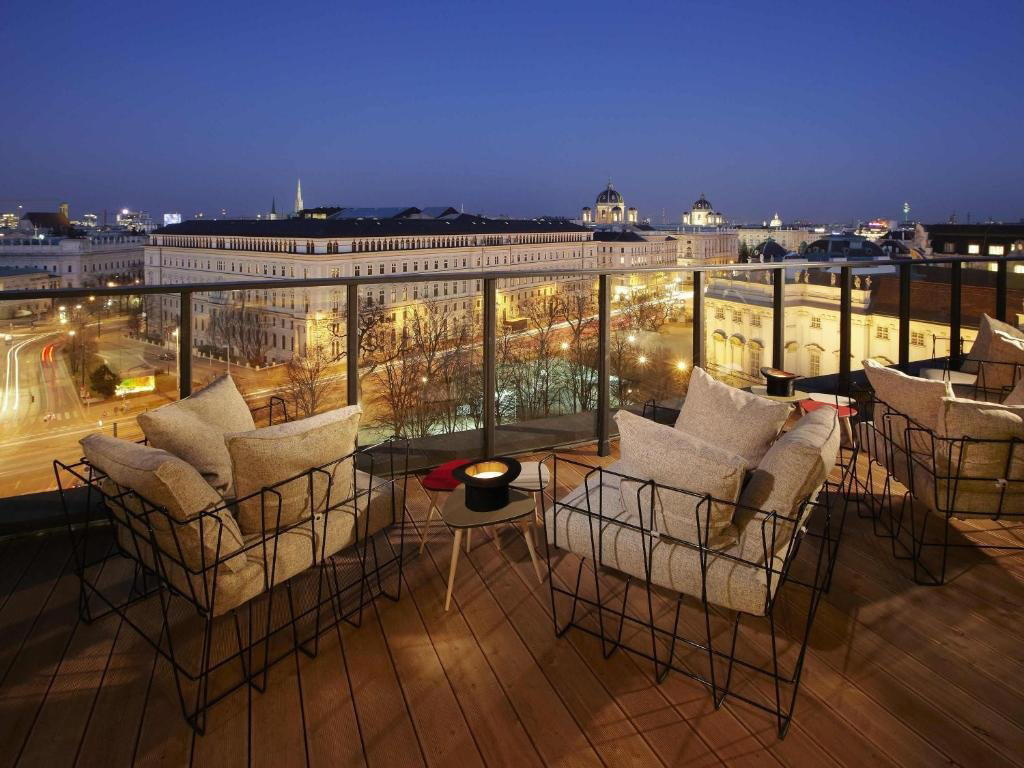
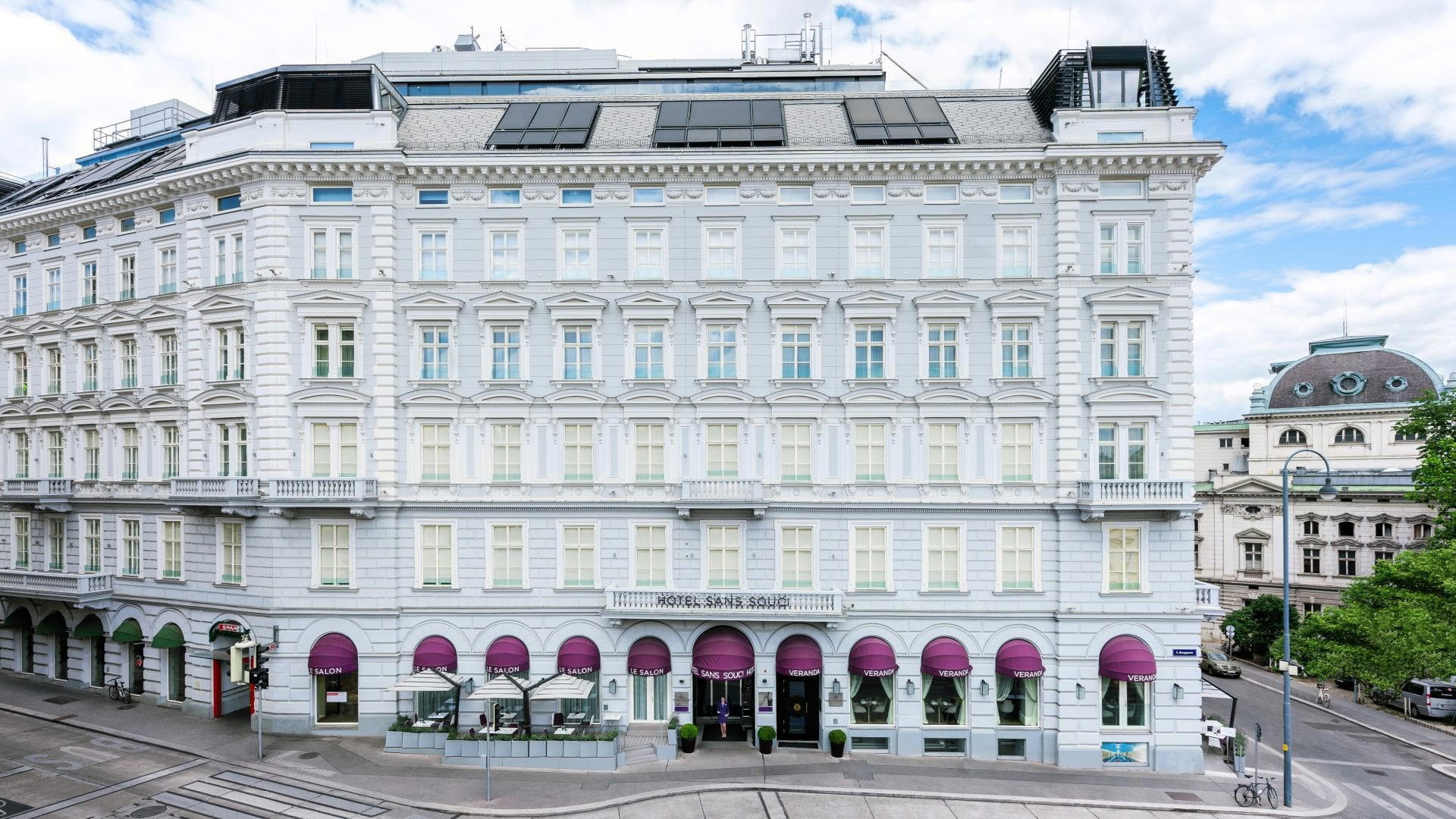
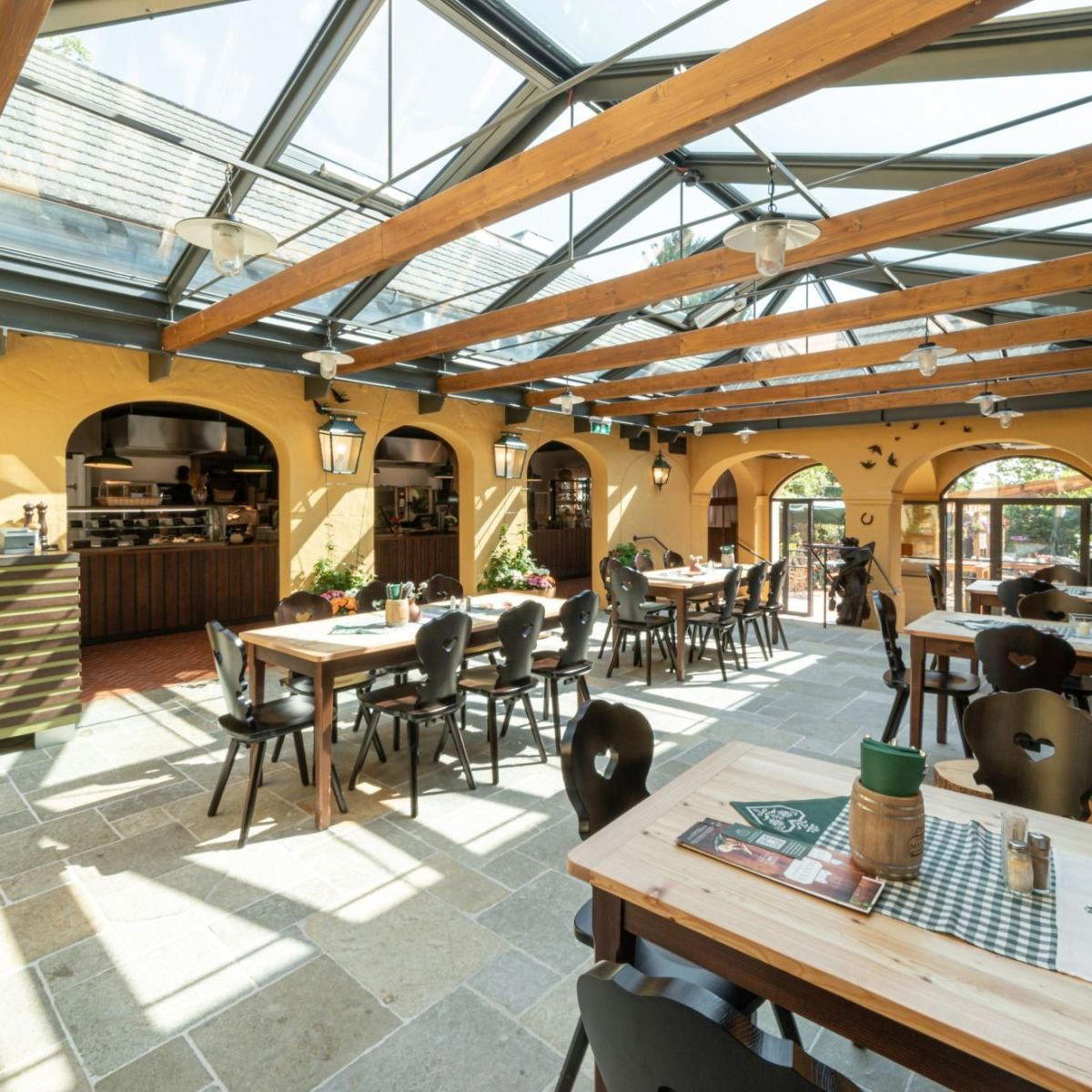
Modern, casual atmosphere with a lively cocktail bar vibe; contemporary design with a relaxed, energetic feel.