Pen Restaurant occupies Bangkok's expanding tier of restaurants where sustainability practices shape the kitchen's identity as much as the food on the plate. Positioned within a city increasingly serious about ethical sourcing and waste reduction, Pen merits attention from anyone tracking how Thai dining is engaging with environmental responsibility. Check EP Club for booking and planning details.

Pearl is the En Primeur Club membership app — saves, bookings, and concierge access live there. Same editors, same standards.
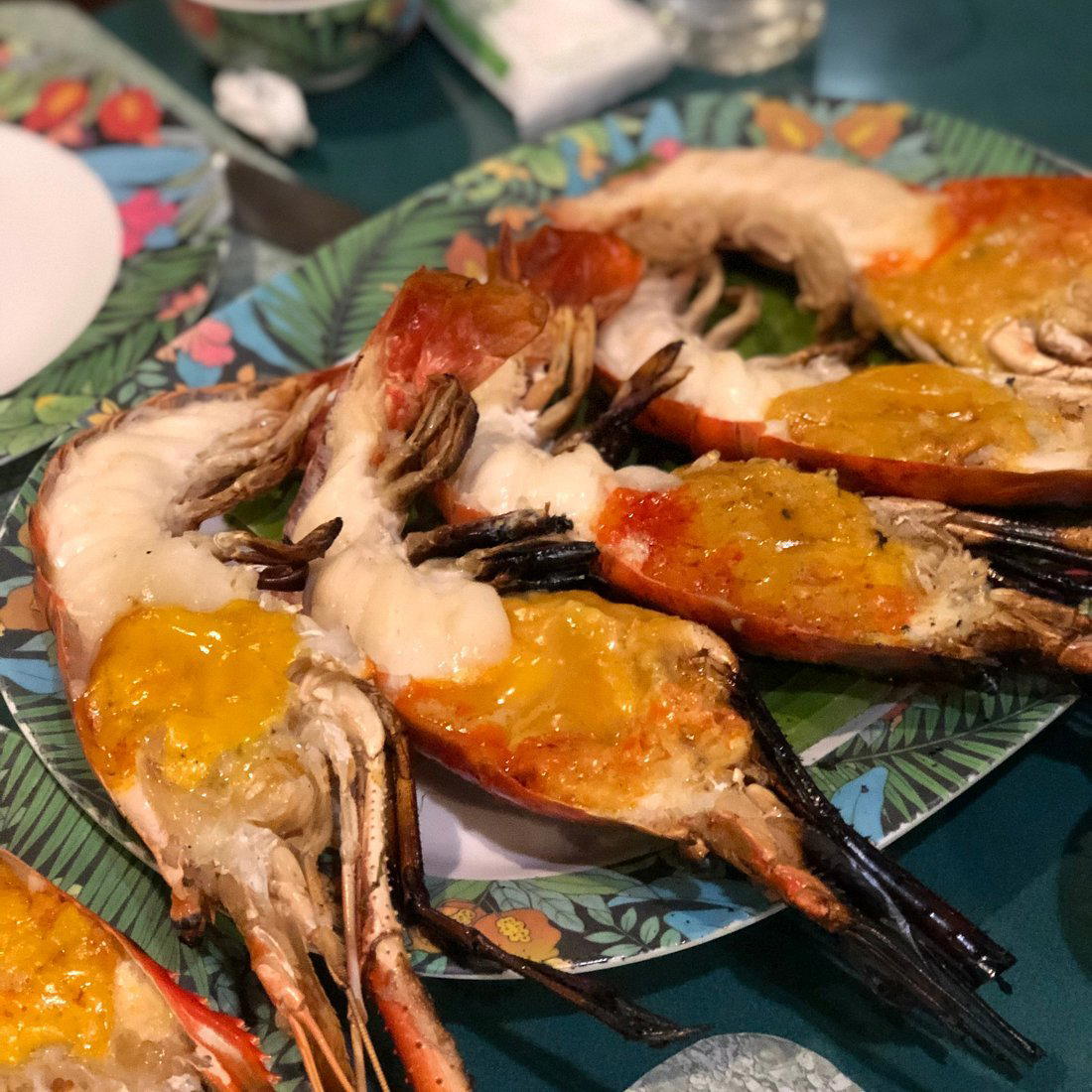
Where Bangkok's Sustainability Conversation Meets the Table
Pen Restaurant is a Thai Seafood restaurant in Bangkok with a casual dress code and a walk-in-friendly reservation policy. Bangkok's fine dining scene has spent the last decade sorting itself into legible tiers. At the leading end, a cluster of destination restaurants, among them Sorn (Southern Thai), Baan Tepa (Thai contemporary), and Sühring (German), have established Bangkok as a city capable of holding its own against any major dining capital. Below that tier, a second wave of restaurants is now defining its identity not through cuisine category alone but through operating philosophy. Environmental sourcing, waste discipline, and supplier transparency have shifted from marketing talking points to actual kitchen practice in this bracket, and it is here that Pen Restaurant sits.
The broader context matters. Thai cuisine has long maintained an implicit relationship with seasonal, local ingredients, the wet market rather than the cold-chain distributor, the regional small-holder rather than the industrial farm. What contemporary Bangkok restaurants are doing is making that relationship explicit, documented, and defensible. Where places like Gaa (Modern Indian) and Côte by Mauro Colagreco have brought international frameworks to Bangkok's ingredient-led dining, restaurants in Pen's bracket are doing similar work with a more local vocabulary.
The Ethical Sourcing Movement in Bangkok Kitchens
Across Thailand, the restaurants most worth watching on sustainability grounds tend to share a few structural features: limited menus that reduce waste, close supplier relationships that extend to farm visits, and a willingness to let seasonal availability drive the kitchen rather than the other way around. PRU in Phuket has become the clearest reference point for this approach nationally, building its entire program around an on-site farm and near-zero-waste kitchen discipline. In Bangkok, the same conversation is happening at a city scale, with restaurants drawing on the Central Plains' agricultural diversity, heirloom rice varieties, freshwater fish from the Chao Phraya basin, heritage vegetable cultivars that disappeared from supermarket supply chains decades ago.
This is the tradition Pen Restaurant participates in. The specific details of its sourcing program, supplier network, and waste-reduction practices are not publicly documented in a way that allows precise characterisation here, but the category it occupies, Bangkok restaurants where kitchen ethics are a primary identity signal, is well-established and increasingly competitive. Restaurants that operate this way tend to function on shorter menus with tighter ingredient rotation, which means the dining experience changes more frequently than at larger, more format-rigid operations.
Reading the Bangkok Sustainability Tier
Understanding where Pen sits requires understanding how Bangkok's sustainability-oriented dining has developed distinct sub-tiers. At the summit of that sub-tier, you have restaurants with international recognition built explicitly around ethical frameworks, operations comparable, in ambition if not in cuisine, to what Le Bernardin in New York City represents in terms of disciplined, principle-led kitchen practice, or what Atomix in New York City demonstrates about how a coherent culinary philosophy can drive every element of the guest experience. Below that internationally recognised layer, Bangkok has a growing number of restaurants that are doing serious ingredient work without the award infrastructure to prove it externally, which creates both an opportunity and an obligation for diners to do their own research before booking.
The restaurant is in that second group. The absence of detailed public data about its awards, price tier, seating, and hours is itself an indicator: this is a restaurant that operates more quietly than Bangkok's headline destination names. Restaurants in this position often suit guests who are less interested in the social proof of a Michelin listing and more interested in whether the kitchen is actually doing the work.
For those tracking this scene across Thailand more broadly, useful comparisons exist in restaurants like AKKEE in Pak Kret, which operates at some remove from Bangkok's central dining cluster, and regional operations like Loet Rot in Mueang Chiang Mai and Cherng Doi Roast Chicken in Chiang Mai, all of which demonstrate how ingredient integrity and regional specificity operate outside the Bangkok fine-dining spotlight.
What to Expect When You Visit
Bangkok's sustainability-oriented restaurants tend to cluster in a few neighbourhood types: the older commercial districts where market access is convenient, and the newer mid-city mixed-use developments where rents allow for the kind of operator who prioritises kitchen investment over front-of-house spectacle. The practical advice is to confirm location, hours, and reservation requirements directly through the venue before visiting.
On the question of what to eat: guests visiting restaurants with a sustainability-first identity generally find that following the kitchen's current focus yields better results than arriving with fixed expectations. The menu logic in these spaces tends to reflect what the supply chain is offering at its leading at that moment, rather than a fixed repertoire designed for consistency across seasons. This is especially true in Bangkok, where the gap between wet-season and dry-season availability is significant enough to produce meaningfully different menus across the calendar year.
Comparable experiences in a different register are available through venues like Hoy Tord Chao Lay and Hinata in the Bangkok area, both of which represent different points on the city's dining spectrum. Further afield, DEVASOM BEACH GRILL in Takua Pa, The Spa in Lamai Beach, Krua Laew Tae R-Rom in Pattaya, and Little Edo Suratthani each show how Thailand's regional dining is developing its own distinct character independent of the Bangkok centre.
Planning Your Visit
The restaurant's casual, walk-in-friendly format means one reliable approach is to confirm current details directly before making any firm plans. Bangkok's sustainability-oriented restaurants in this tier frequently operate on set menus with limited covers, meaning that last-minute visits are rarely possible and advance planning is the standard expectation. The restaurant sits in price tier 3.
Where It Fits
Comparable venues nearby, for context on price, style, and recognition.
| Venue | Cuisine | Price | Notes |
|---|---|---|---|
| Pen RestaurantThis venue — the venue you are viewing | Thai Seafood | $$$ | Not listed |
| Blue Elephant | Royal Thai Heritage Cuisine | $$$ | Bang Rak Khwaeng |
| Tsu Japanese Restaurant | Authentic Nagasaki Japanese Cuisine | $$$ | Sukhumwit |
| Artur | Classic French Steakhouse | $$$ | Makkasan |
| Wan Fah | Authentic Thai Boat Dinner Cruise | $$$ | Chakkaphat |
| TAX | Japanese-Thai Fusion Izakaya | $$$ | Talat Noi |
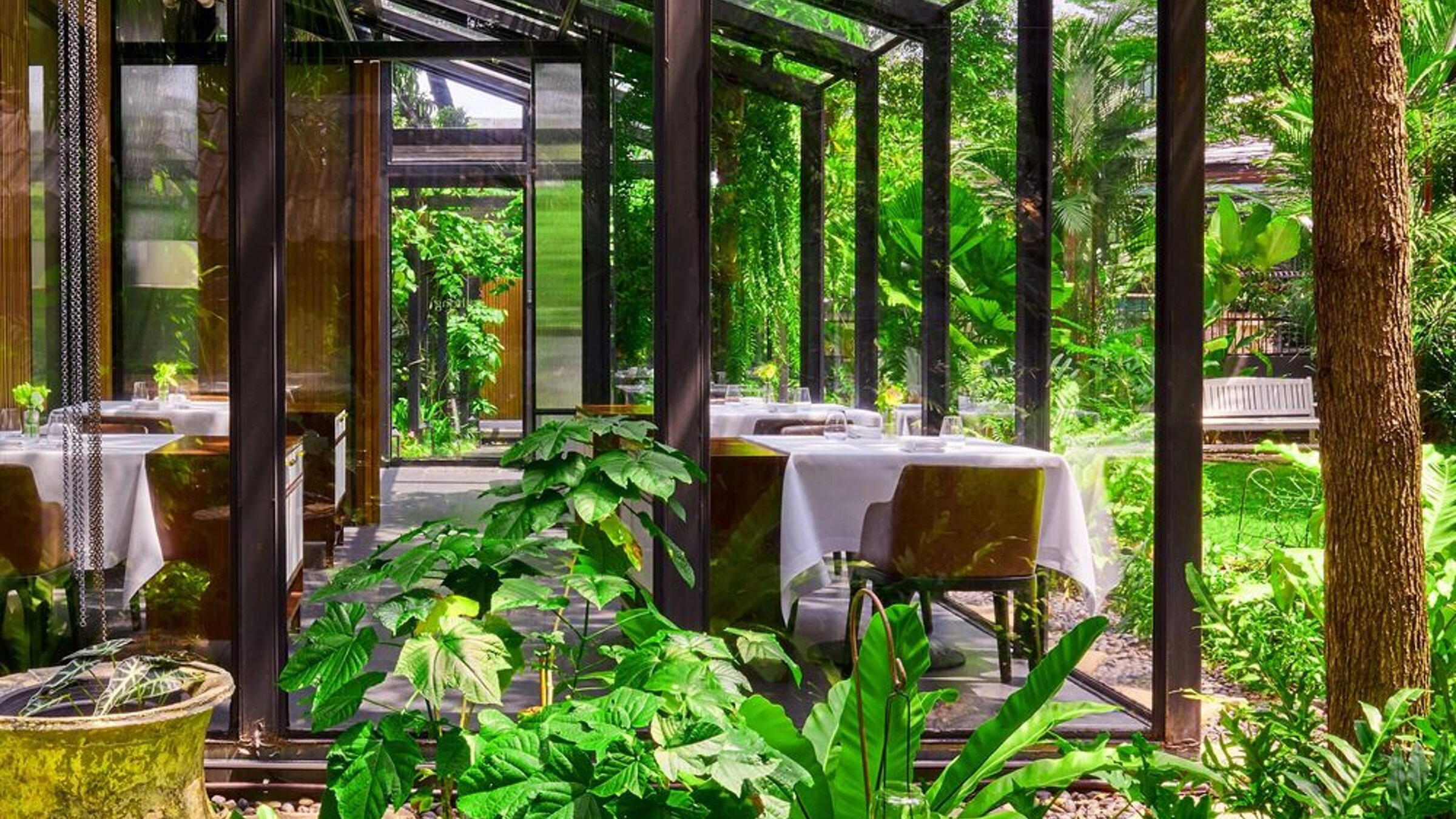
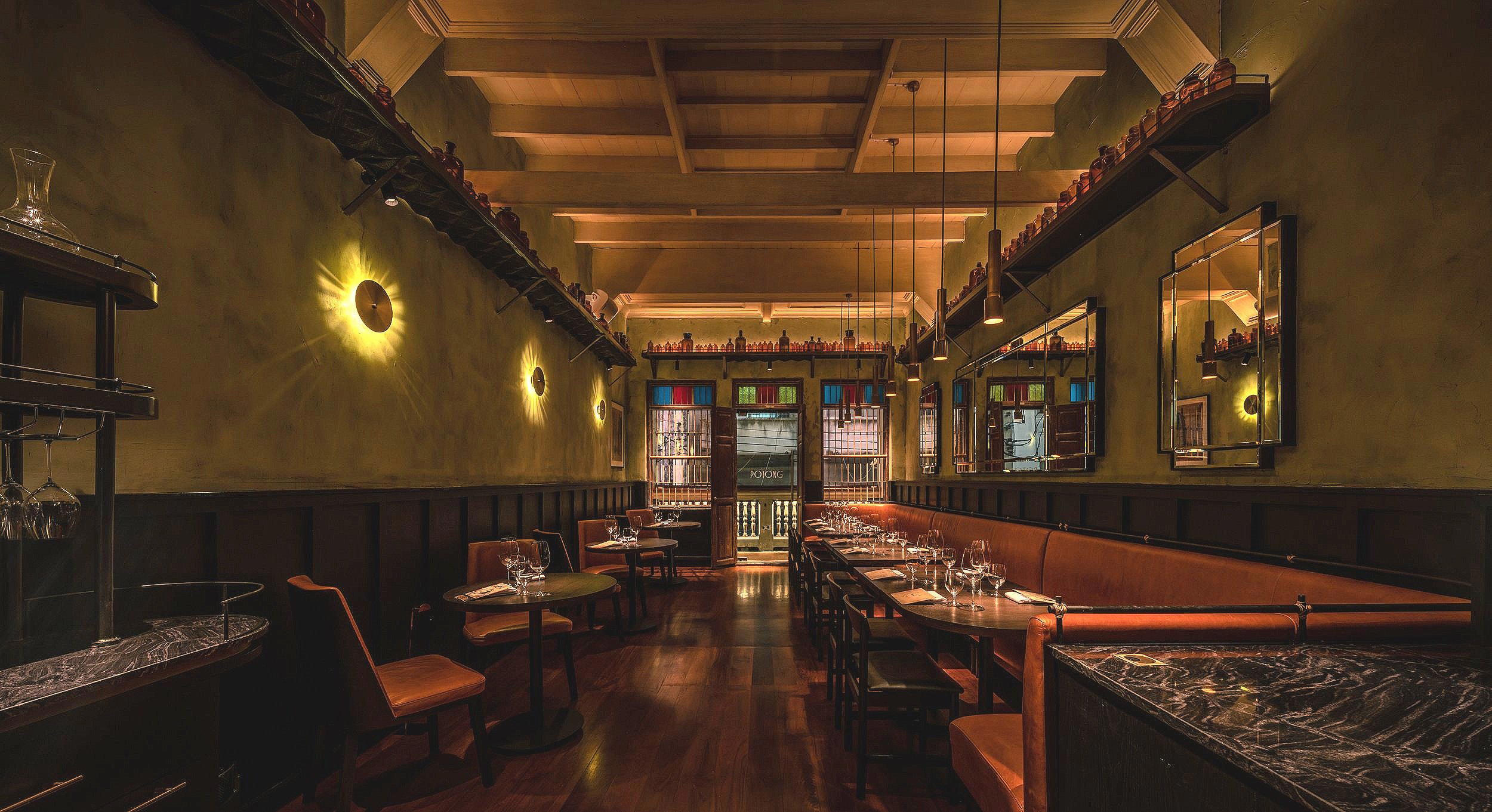
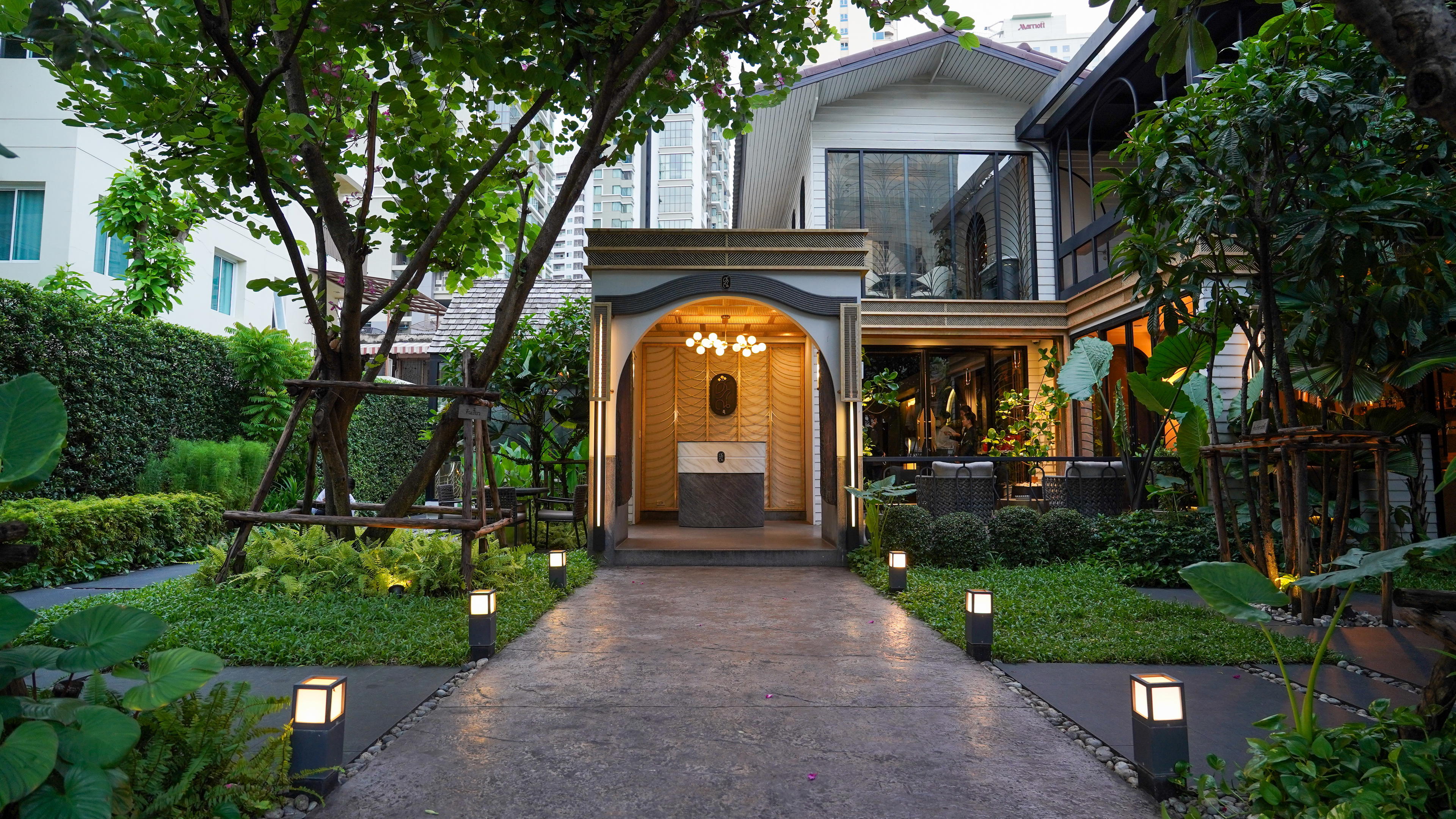
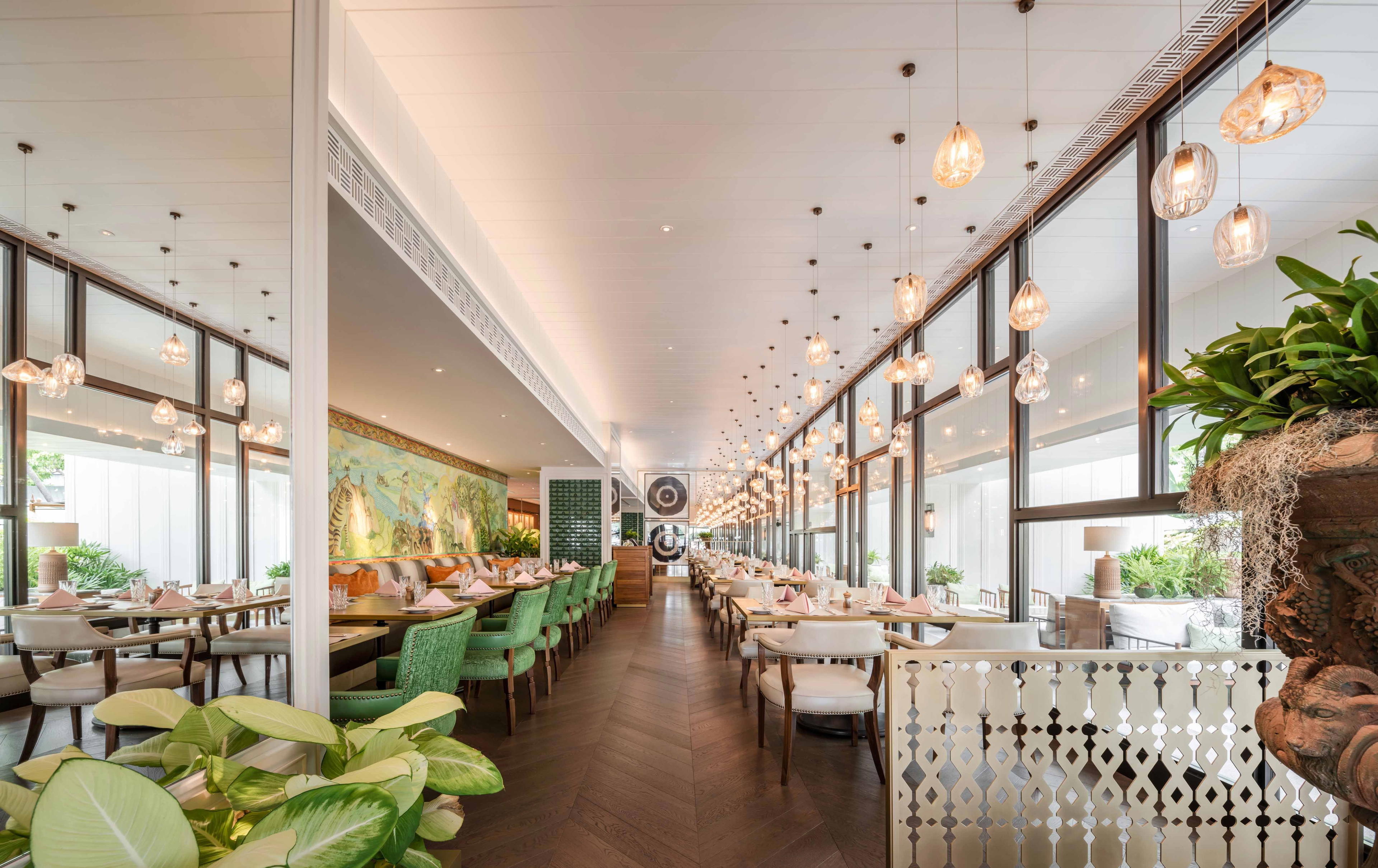
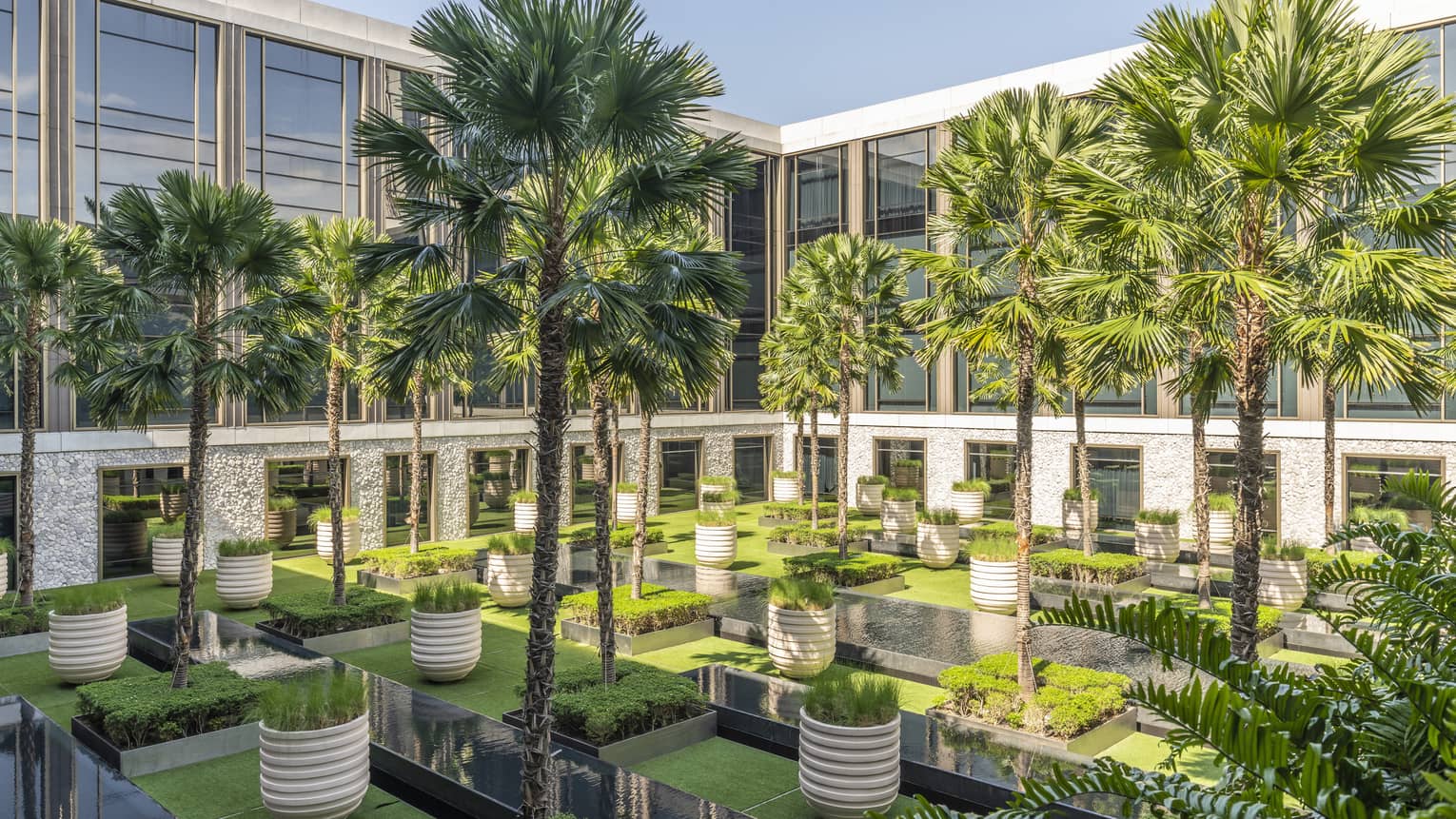
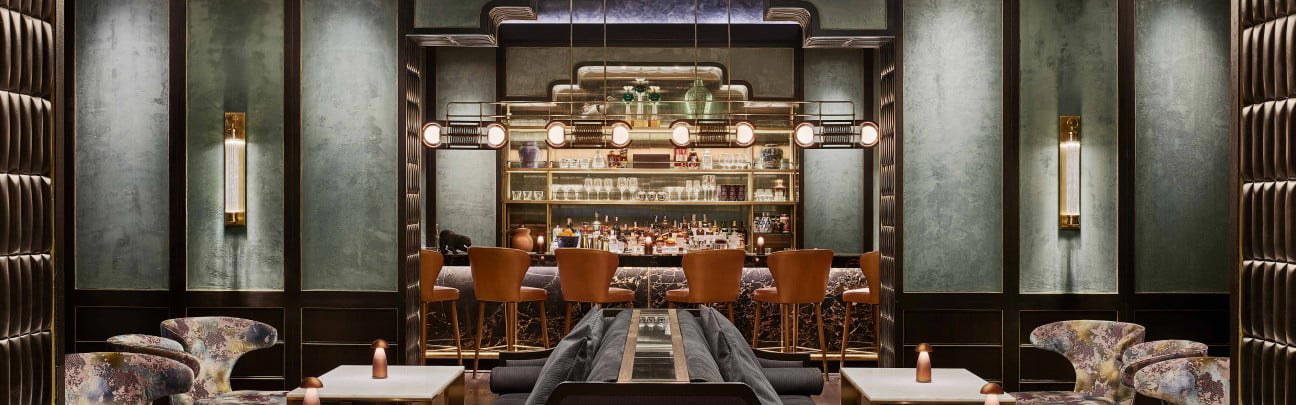
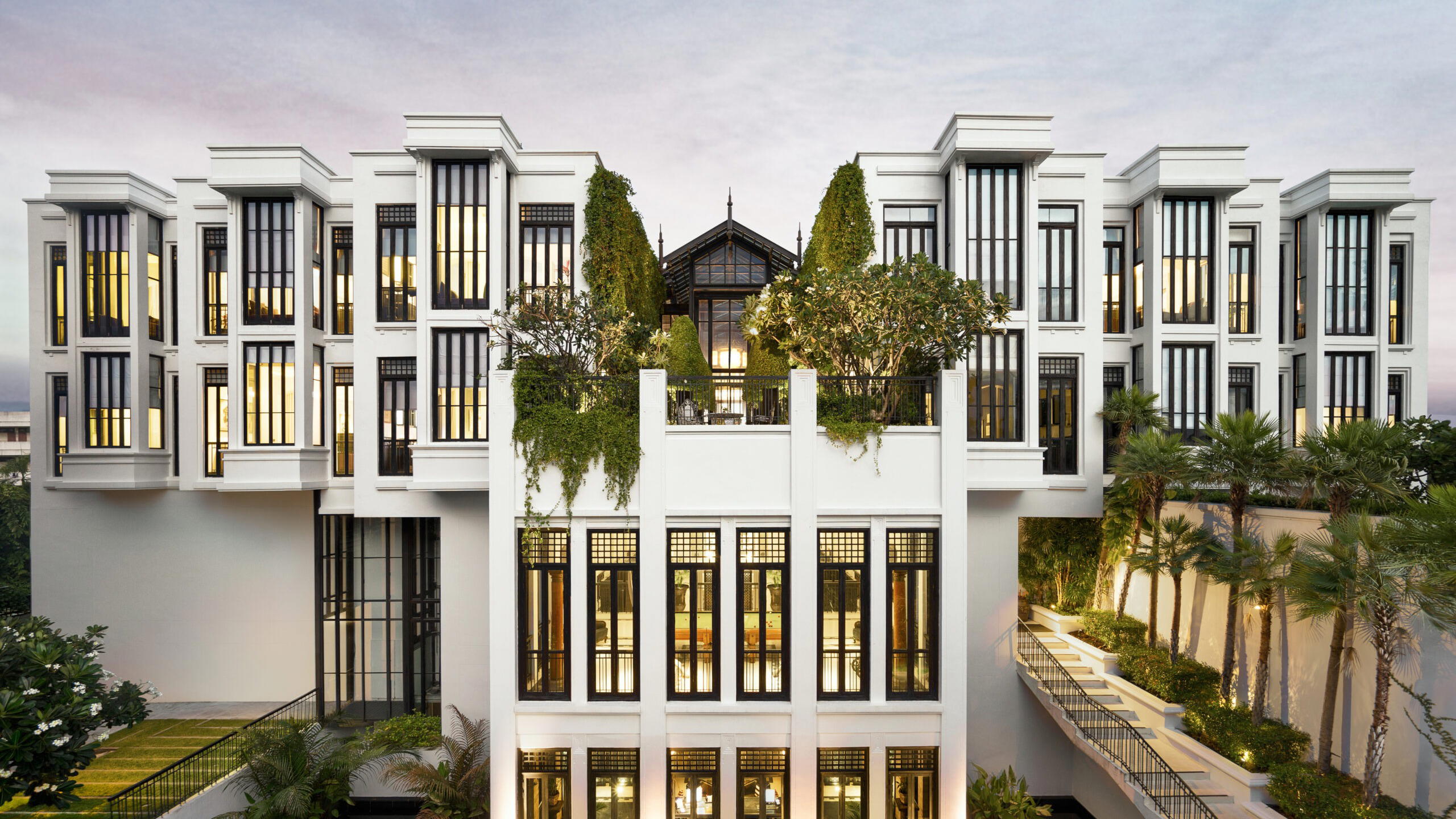
At a Glance
- Classic
- Casual Hangout
- Group Dining
- Standalone
- Local Sourcing