TAX occupies a address on Maitri Chit Road in Pom Prap, one of Bangkok's oldest commercial districts, where Chinatown's trading roots and the city's pre-boom streetscape remain legible in the architecture. The location places it inside a neighbourhood conversation that Bangkok's more central dining rooms rarely touch. For visitors tracing the city's culinary geography beyond Silom and Sukhumvit, this is a different kind of reference point.
Pearl is the En Primeur Club membership app — saves, bookings, and concierge access live there. Same editors, same standards.
- Address
- 695-697 Maitri Chit Rd, Pom Prap, Pom Prap Sattru Phai, Krung Thep Maha Nakhon 10100, Thailand
- Phone
- +66619179719
- Website
- nightify.co
- Directions
- Get directions
 Saves & bookings on Pearl
Pom Prap and the Bangkok Dining Map
Bangkok's restaurant conversation concentrates heavily on a handful of districts: the Silom corridor, Sukhumvit's middle stretch, and the riverside hotel strip. TAX is a Japanese-Thai Fusion Izakaya in Bangkok's Pom Prap district, with a recommended reservation policy and an approximate price of USD 25 per person. Pom Prap Sattru Phai, the district where TAX sits on Maitri Chit Road, operates outside that geography. It is older Bangkok, the part of the city shaped by Chinese merchant communities, temple complexes, and street commerce that predates the glass-tower developments by several decades. Dining rooms that choose this neighbourhood are making a statement about which Bangkok they belong to.
Maitri Chit Road itself runs through a zone that connects the southern edge of Chinatown with the older Pom Prap residential and commercial grid. The streetscape here is compressed and layered in the way that central Bangkok's newer districts no longer are: shophouses, temple walls, and market stalls share the same sightline. A restaurant at this address is read differently than one in a Sathorn tower or a Thonglor lifestyle complex. The neighbourhood frames the experience before a guest sits down.
This helps place TAX in Bangkok's broader dining picture. The city's high-recognition restaurants, including Sorn (Southern Thai) and Baan Tepa (Thai contemporary), have built reputations in part through location choices that signal their intended audience. A Pom Prap address signals something different from a Michelin-chased Ekkamai room: proximity to the ingredients, the traders, and the cooking culture that predates the fine-dining era.
The Neighbourhood as Context
Pom Prap's relationship with Bangkok's food culture is long and specific. The district sits adjacent to Yaowarat, the Chinatown strip that functions as one of the city's densest concentrations of street-level cooking expertise. Roast duck, barbecued pork, dim sum preparation, and the various Chinese-Thai hybrid dishes that shaped Bangkok's working-class palate for a century are all embedded in this corner of the city. Any serious dining room in this postcode inherits that context whether it seeks it or not.
Bangkok's contemporary fine-dining scene has increasingly referenced this heritage rather than looking past it. Restaurants like Gaa (Modern Indian) and Sühring (German) operate in a different register entirely, with tasting menus built for international audiences and pricing that reflects that positioning. TAX's Maitri Chit Road address puts it in conversation with a more embedded Bangkok, where the Chinese-Thai merchant tradition is not a source of nostalgia but an active culinary reference.
That distinction matters for how to approach a visit. Guests arriving from the newer dining corridors of Bangkok should account for the shift in environment. Pom Prap is a working part of the city. It is a working part of the city, and the approach to any restaurant here involves navigating a streetscape that does not buffer the diner from Bangkok's density. For many visitors, that is the point. For those expecting the ambient design cues of Côte by Mauro Colagreco or a Sathorn hotel dining room, the contrast will be pronounced.
Bangkok's Distributed Dining Geography
Understanding TAX requires understanding how Bangkok's serious dining has spread across the city's map in ways that no longer correlate with income geography. The assumption that premium or notable restaurants cluster in the wealthiest districts has been tested consistently over the past decade. Chinatown and its adjacent neighbourhoods have produced cooking of real ambition precisely because the ingredient access, the generational technique, and the customer base with specific demands are already there.
This pattern repeats across Thailand. AKKEE in Pak Kret operates outside central Bangkok entirely. PRU in Phuket and Cherng Doi Roast Chicken in Chiang Mai have built recognition in cities where the restaurant infrastructure looks nothing like Bangkok's. The common thread is that location specificity, rather than location prestige, tends to produce coherent dining experiences in Thailand. A restaurant that knows why it is where it is tends to cook with more clarity than one that chose its postcode for foot traffic.
TAX's Maitri Chit Road address belongs to that logic. The 695-697 address places it in the Pom Prap shophouse zone, a format that carries its own architectural and social grammar. Shophouse restaurants in Bangkok operate with a directness that the larger, designed dining rooms do not always manage. The relationship between the kitchen and the street is more immediate, and the cooking tends to reflect that compression.
Placing TAX in the Wider Picture
Visitors using Bangkok as a base to understand Thai cooking at different registers should treat the city's geography as a tool. The recognised rooms on the awards circuit, including those listed in our full Bangkok restaurants guide, represent one tier of the conversation. The neighbourhood-embedded rooms in Pom Prap, Yaowarat, and similar districts represent another, and the two tiers are not in competition so much as in parallel. International reference points like Le Bernardin in New York City or Atomix in New York City illustrate how a city's dining identity can hold multiple registers simultaneously. Bangkok does the same, with the additional variable of historical depth in its street-level traditions.
Restaurants elsewhere in Thailand that have attracted attention for their rootedness in place, including Loet Rot in Mueang Chiang Mai and Krua Laew Tae R-Rom in Pattaya, share this quality of location legibility. The address is not incidental to the experience; it is part of the argument the restaurant is making about what it is.
TAX, on Maitri Chit Road in Pom Prap, makes that argument through geography before any dish arrives.
Visit Notes
- Address: 695-697 Maitri Chit Rd, Pom Prap, Pom Prap Sattru Phai, Bangkok 10100, Thailand
- District: Pom Prap Sattru Phai, adjacent to Yaowarat (Chinatown)
- Booking: Recommended
- Hours: Mon-Sun 7 PM-1 AM
- Getting There: The MRT Wat Mangkon station (Blue Line) serves the Chinatown area and is practical for this part of Bangkok; taxis and ride-hailing apps reach the address directly
- Price Range: About USD 25 per person
How It Stacks Up
Comparable venues nearby, for context on price, style, and recognition.
| Venue | Cuisine | Price | Notes |
|---|---|---|---|
| TAXThis venue — the venue you are viewing | Japanese-Thai Fusion Izakaya | $$$ | Not listed |
| Smalls | French Bistro with Bar Bites | $$ | Si Lom |
| Weaver | Indian-Thai-Italian Fusion | $$ | Klong Toei Khwaeng |
| Artur | Classic French Steakhouse | $$$ | Makkasan |
| Bunker | New American | $$$ | Bang Rak Khwaeng |
| Pen Restaurant | Thai Seafood | $$$ | Chong Nonsi |
At a Glance
- Trendy
- Intimate
- Sophisticated
- Date Night
- Casual Hangout
- Craft Cocktails
Current opening hours
- Monday
- 7 PM–1 AM
- Tuesday
- 7 PM–1 AM
- Wednesday
- 7 PM–1 AM
- Thursday
- 7 PM–1 AM
- Friday
- 7 PM–1 AM
- Saturday
- 7 PM–1 AM
- Sunday
- 7 PM–1 AM
Hours can change for holidays and private events. Last verified .
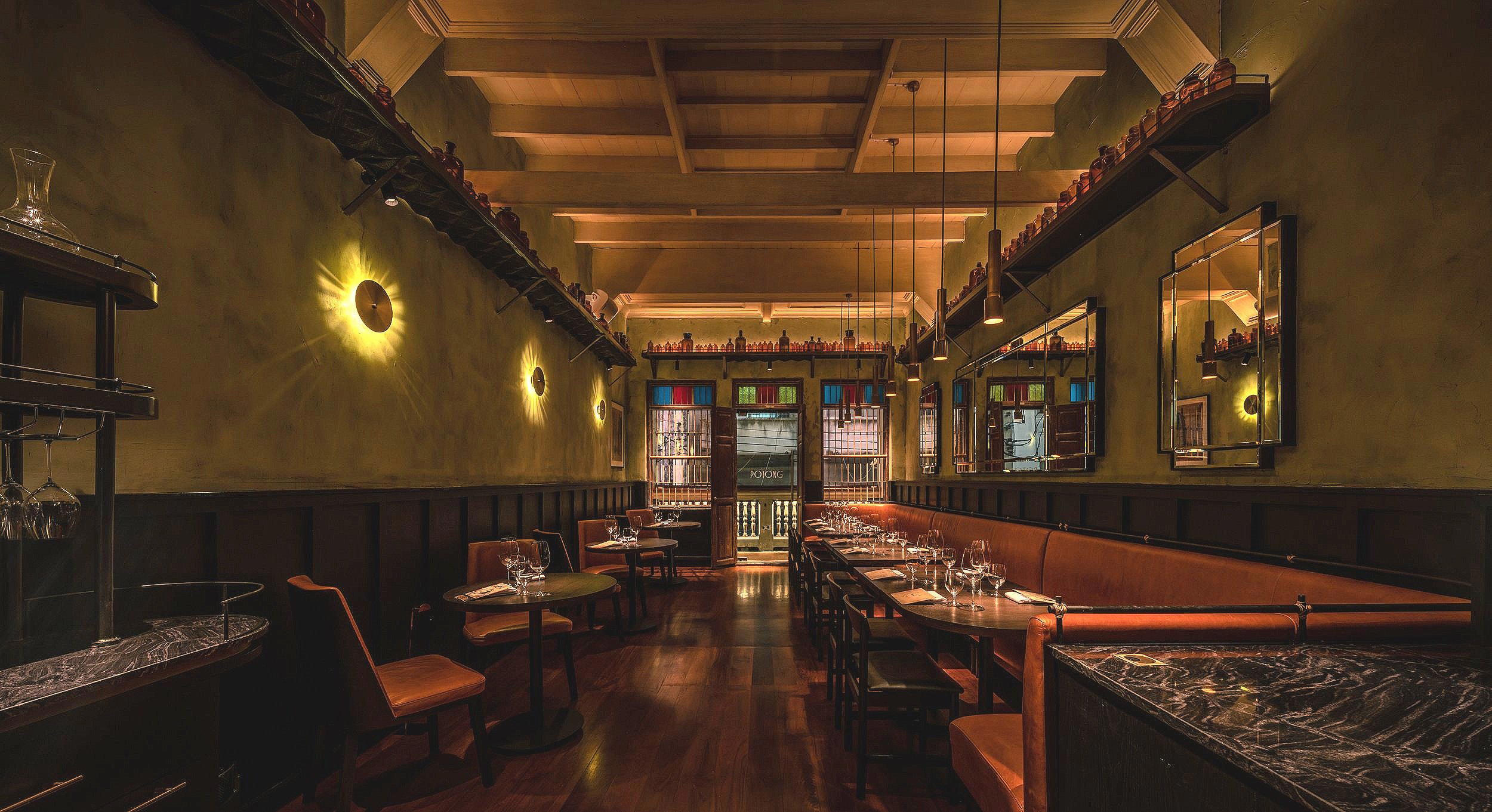
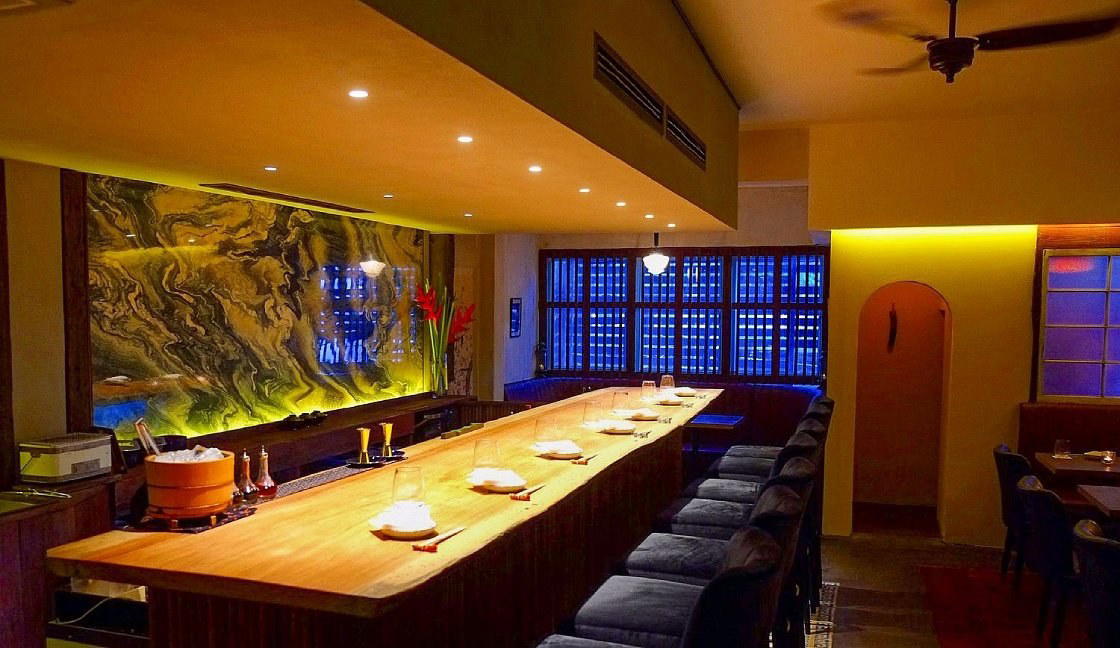
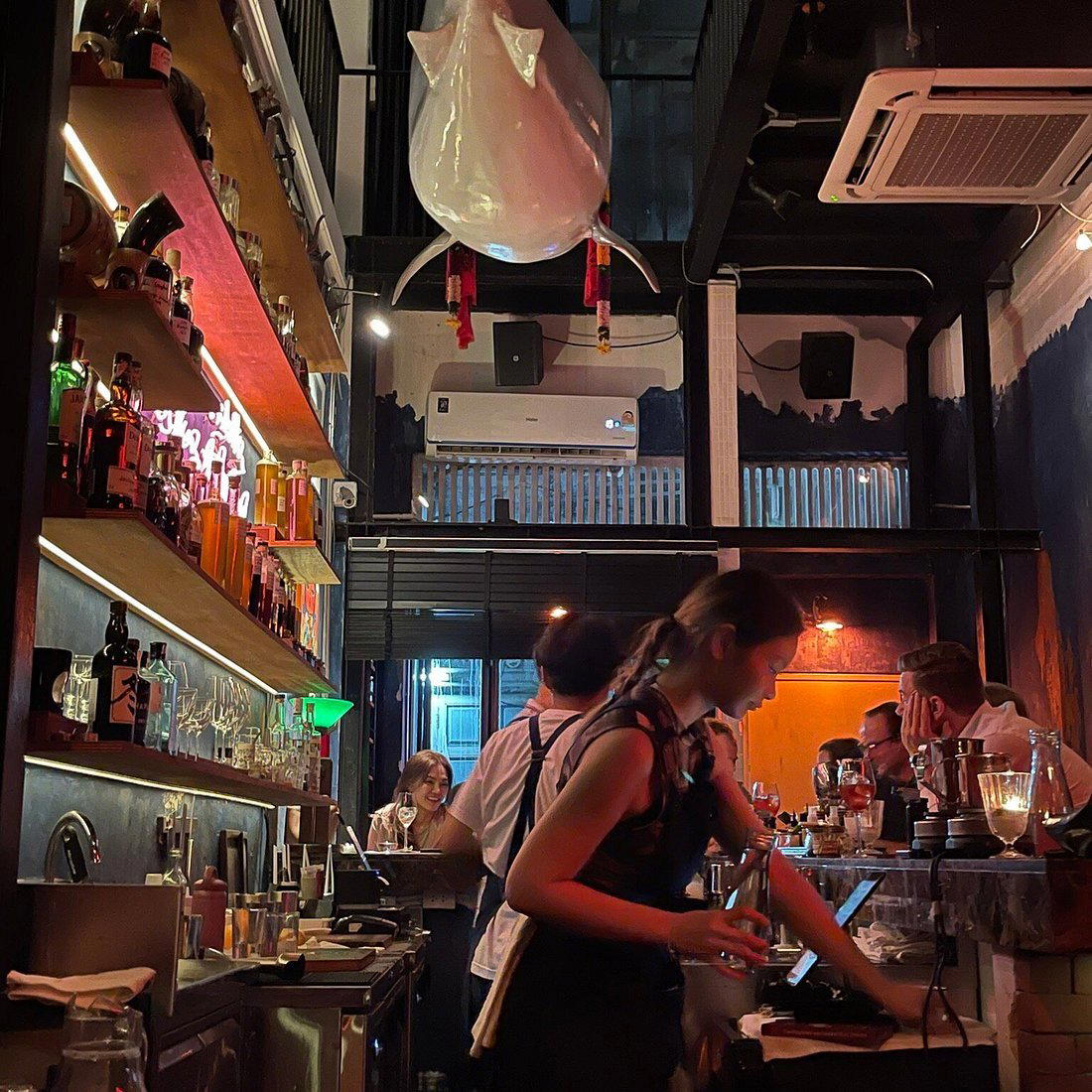
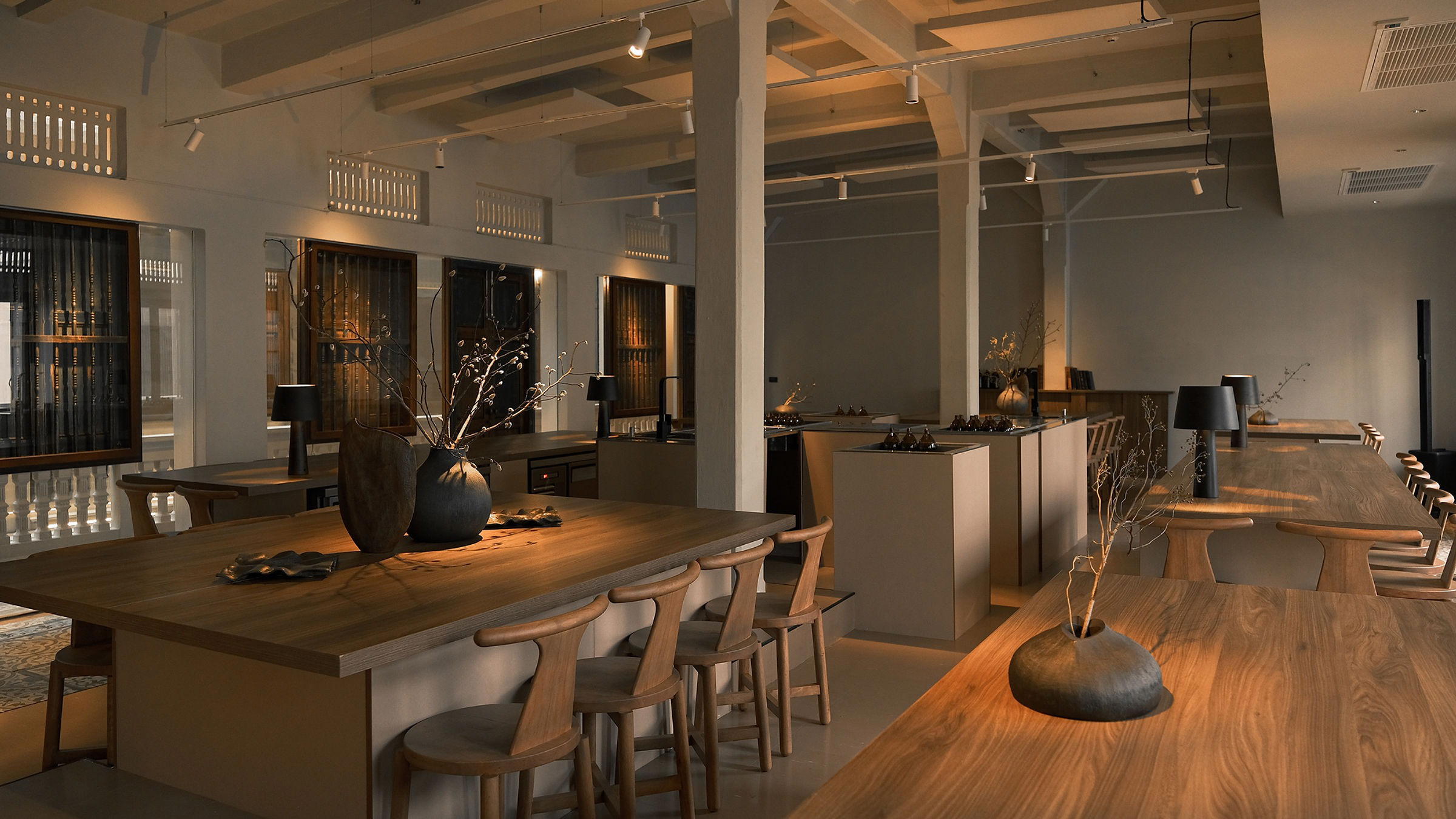
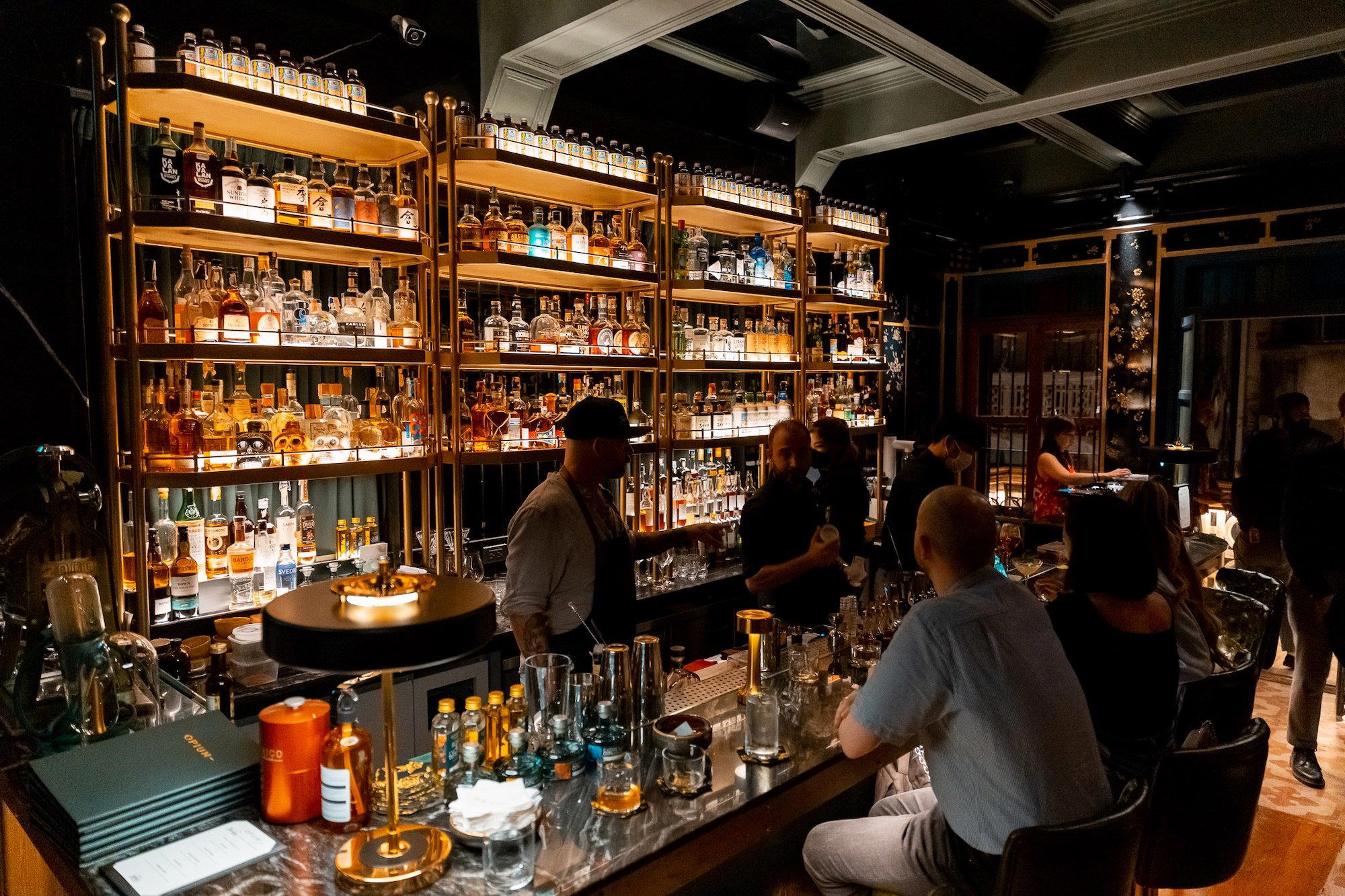
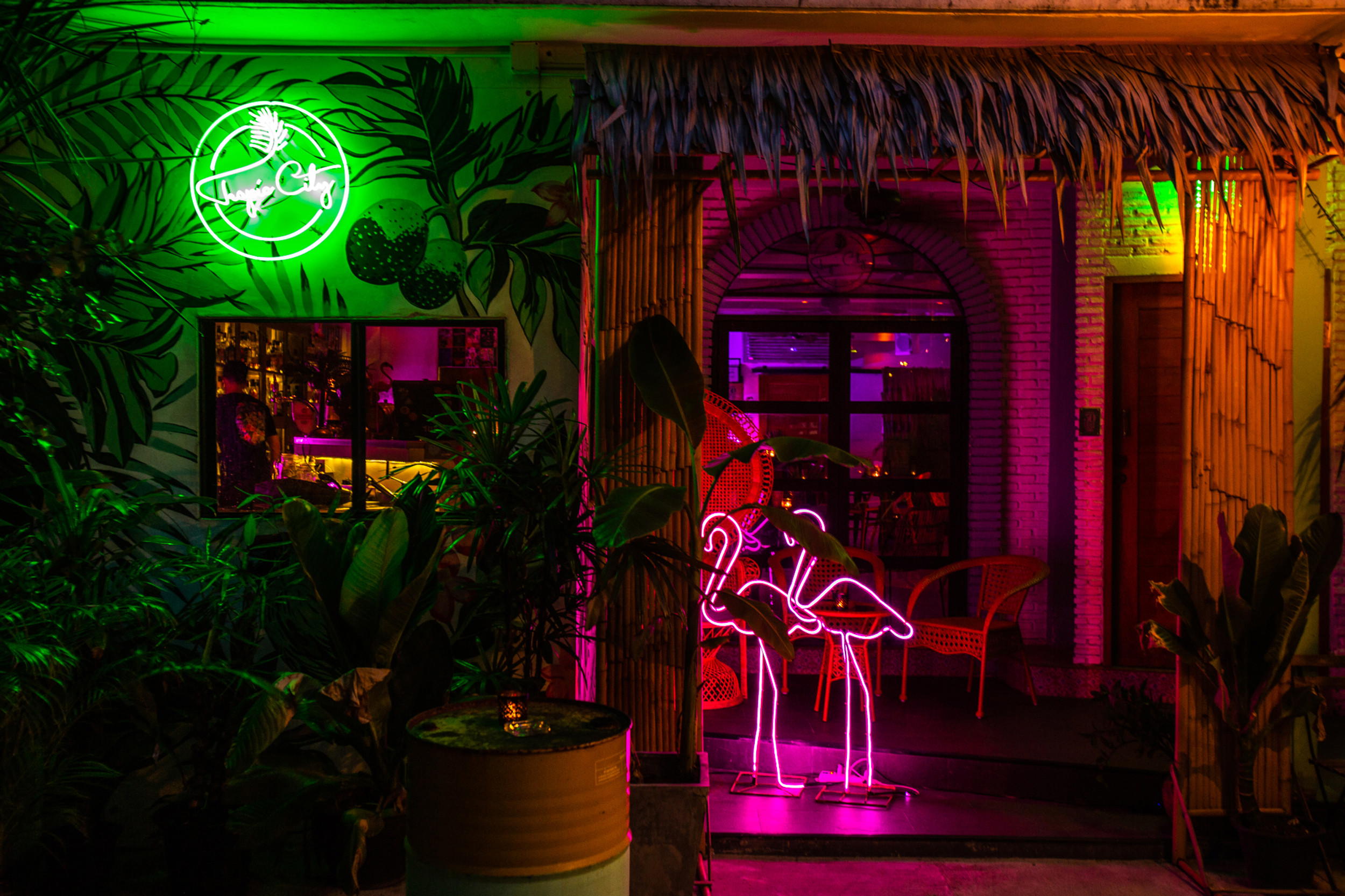
Moody lighting creating a relaxed, sensory speakeasy atmosphere.