Tsu Japanese Restaurant at JW Marriott Hotel in Bangkok serves Authentic Nagasaki Japanese Cuisine with an open kitchen, a sake program, and formal, leisurely service that suits lunch or dinner.
Pearl is the En Primeur Club membership app — saves, bookings, and concierge access live there. Same editors, same standards.
- Address
- JW Marriott Hotel 4 Sukhumvit Rd, Khlong Toei, Bangkok 10110, Thailand
- Phone
- +6626567700
- Website
- tsubangkok.com
- Directions
- Get directions
 Saves & bookings on Pearl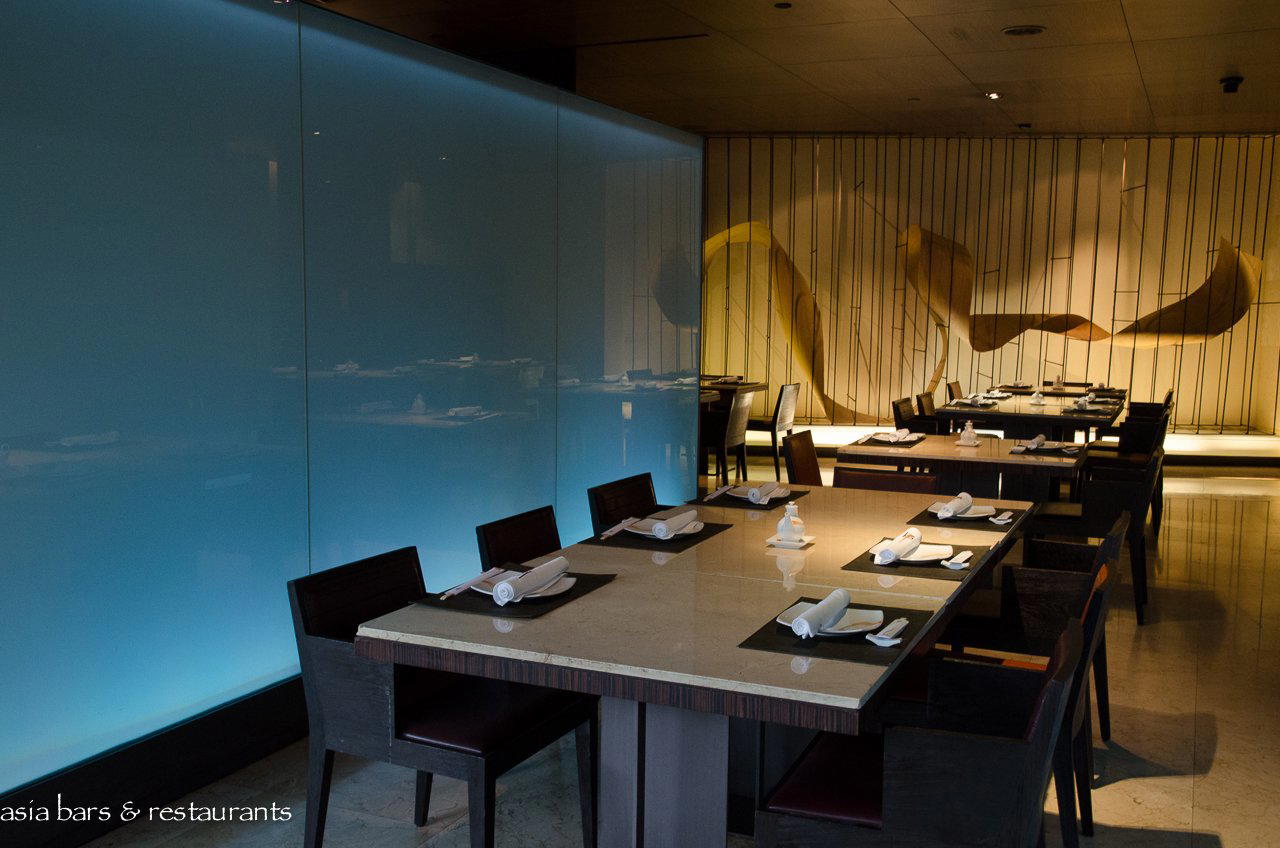
Japanese Precision on Sukhumvit
The lobby corridor of the JW Marriott on Sukhumvit Road carries the particular hum of a hotel that has long attracted business travelers and regional visitors who know exactly what they want. Within that building, Tsu Japanese Restaurant occupies the quieter register that serious Japanese dining in Bangkok tends to require: composed, unhurried, a room that reads as a deliberate counterpoint to the street energy two floors below. Bangkok's hotel Japanese restaurants occupy an interesting position in the city's dining ecosystem. They operate with imported technique, access to premium imported product, and the logistical infrastructure of an international hotel group, while sitting inside a city whose own ingredient culture has grown sophisticated enough to demand genuine engagement from any kitchen claiming Japanese seriousness.
Where Tsu Sits in Bangkok's Japanese Scene
Bangkok runs one of Southeast Asia's densest concentrations of Japanese restaurants outside Japan itself. The city's Japanese expatriate community, among the largest in the region, has historically sustained a tier of restaurants that calibrate against Tokyo references rather than local price expectations. Hotel Japanese outlets like Tsu operate within that broader framework, competing not just against street-level ramen counters or neighbourhood izakayas, but against standalone omakase rooms and specialist sushi counters that have proliferated across Sukhumvit and Silom over the past decade.
The comparison set matters here. Bangkok's upper-tier dining scene now includes properties like Sorn (Southern Thai) and Baan Tepa (Thai contemporary), both operating at the ฿฿฿฿ price tier with Michelin recognition and a strong emphasis on indigenous Thai product. Internationally rooted kitchens such as Sühring (German), Gaa (Modern Indian), and Côte by Mauro Colagreco have raised the bar for what imported culinary traditions look like when executed at full commitment in the Thai capital. A hotel Japanese restaurant that wants to hold its own in this company needs to show its working, not just its brand association.
The Technique-and-Ingredient Question
The central editorial question for any Japanese restaurant operating in Southeast Asia is how it handles the gap between Japanese technique and local supply. Japanese cuisine at the upper end is unusually dependent on product provenance: the water mineral content, the fat marbling of specific cattle breeds, the particular texture of domestic Japanese seafood. Restaurants in Tokyo that achieve Michelin recognition often do so in part because they have direct access to that supply chain. Restaurants in Bangkok operating under Japanese idiom face a different calculus.
Better operators in the Bangkok Japanese tier resolve this in two ways. The first is direct importation: premium Japanese seafood, Wagyu from certified Japanese prefectures, and Japanese rice varieties airfreighted to maintain quality parity with the source. The second, increasingly interesting approach involves reading Thai waters and Thai seasonal produce through Japanese technique, applying the discipline of Japanese knife work and temperature control to Gulf of Thailand fish, or finding Thai agricultural products that respond well to fermentation, curing, or the precise heat management that Japanese cooking demands. This intersection of imported method and indigenous product is where Bangkok's Japanese scene has become genuinely compelling in recent years, and it is the question that any serious diner should bring to a reservation at a property like Tsu.
The tension between imported method and local material is a productive one, and it runs through Thailand's dining conversation at every price point.
The JW Marriott Address and What It Signals
Location on Sukhumvit Road places Tsu inside one of Bangkok's most internationally trafficked corridors. The BTS Skytrain stop at Nana puts the hotel within easy reach of the broader Sukhumvit dining strip, and the neighbourhood draws a mix of long-stay expatriates, corporate visitors, and Thai diners who gravitate toward hotel restaurants for the consistency of service infrastructure and the ease of a known environment. Hotel Japanese restaurants in Bangkok tend to attract a different booking pattern than standalone counters: less dependent on the advance reservation discipline that omakase rooms require, more accessible for same-week or even same-day decisions.
That accessibility is part of what the hotel format offers. For a visitor with a tight itinerary who wants a reliable Japanese dining experience without the three-week advance booking that the city's leading standalone sushi counters now demand, a hotel property like Tsu represents a pragmatic choice. The trade-off is usually the intensity of singularity: hotel restaurants serve multiple audiences simultaneously and are built for operational breadth rather than the narrow, obsessive focus of a six-seat counter.
Planning Your Visit
Tsu sits within the JW Marriott Bangkok at 4 Sukhumvit Road, in the Khlong Toei district. The Nana BTS station provides one direct Skytrain connection. As with most hotel Japanese restaurants in Bangkok, reservations are advisable for dinner, particularly on weekends when the Sukhumvit corridor sees heavy foot traffic from both hotel guests and visiting diners.
Category Peers
Comparable venues nearby, for context on price, style, and recognition.
| Venue | Cuisine | Price | Notes |
|---|---|---|---|
| Tsu Japanese RestaurantThis venue — the venue you are viewing | Authentic Nagasaki Japanese Cuisine | $$$ | Not listed |
| Toritama | Authentic Yakitori | $$$ | Khlong Tan |
| Kyobar | Modern Japanese-Inspired Dessert Omakase | $$ | Pathum Wan |
| Jidori Cuisine Ken | Yakitori Izakaya | $$ | Klong Toei Khwaeng |
| Mozza By Cocotte Siam Paragon | Authentic Neapolitan Pizza & Handmade Pasta | $$$ | Siam Square |
| Wan Fah | Authentic Thai Boat Dinner Cruise | $$$ | Chakkaphat |
At a Glance
- Elegant
- Sophisticated
- Minimalist
- Intimate
- Date Night
- Business Dinner
- Special Occasion
- Hotel Restaurant
- Open Kitchen
- Sake Program
- Sommelier Led
- Local Sourcing
Current opening hours
- Monday
- 11:30 AM–2:30 PM, 5:30–10 PM
- Tuesday
- 11:30 AM–2:30 PM, 5:30–10 PM
- Wednesday
- 11:30 AM–2:30 PM, 5:30–10 PM
- Thursday
- 11:30 AM–2:30 PM, 5:30–10 PM
- Friday
- 11:30 AM–2:30 PM, 5:30–10 PM
- Saturday
- 11:30 AM–3 PM, 5:30–10 PM
- Sunday
- 11:30 AM–3 PM, 5:30–10 PM
Hours can change for holidays and private events. Last verified .
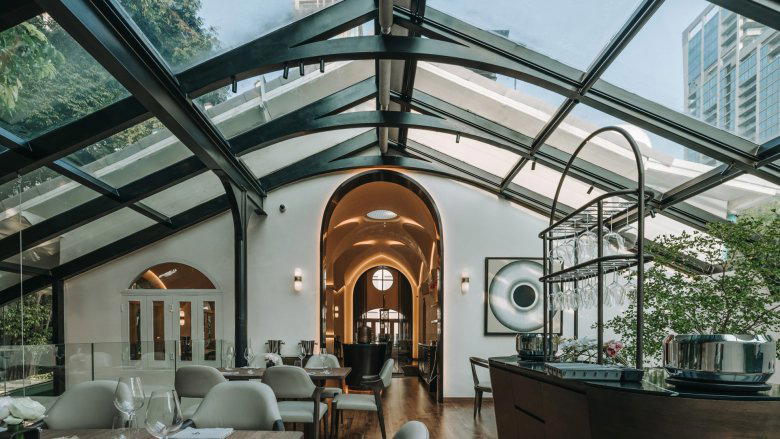
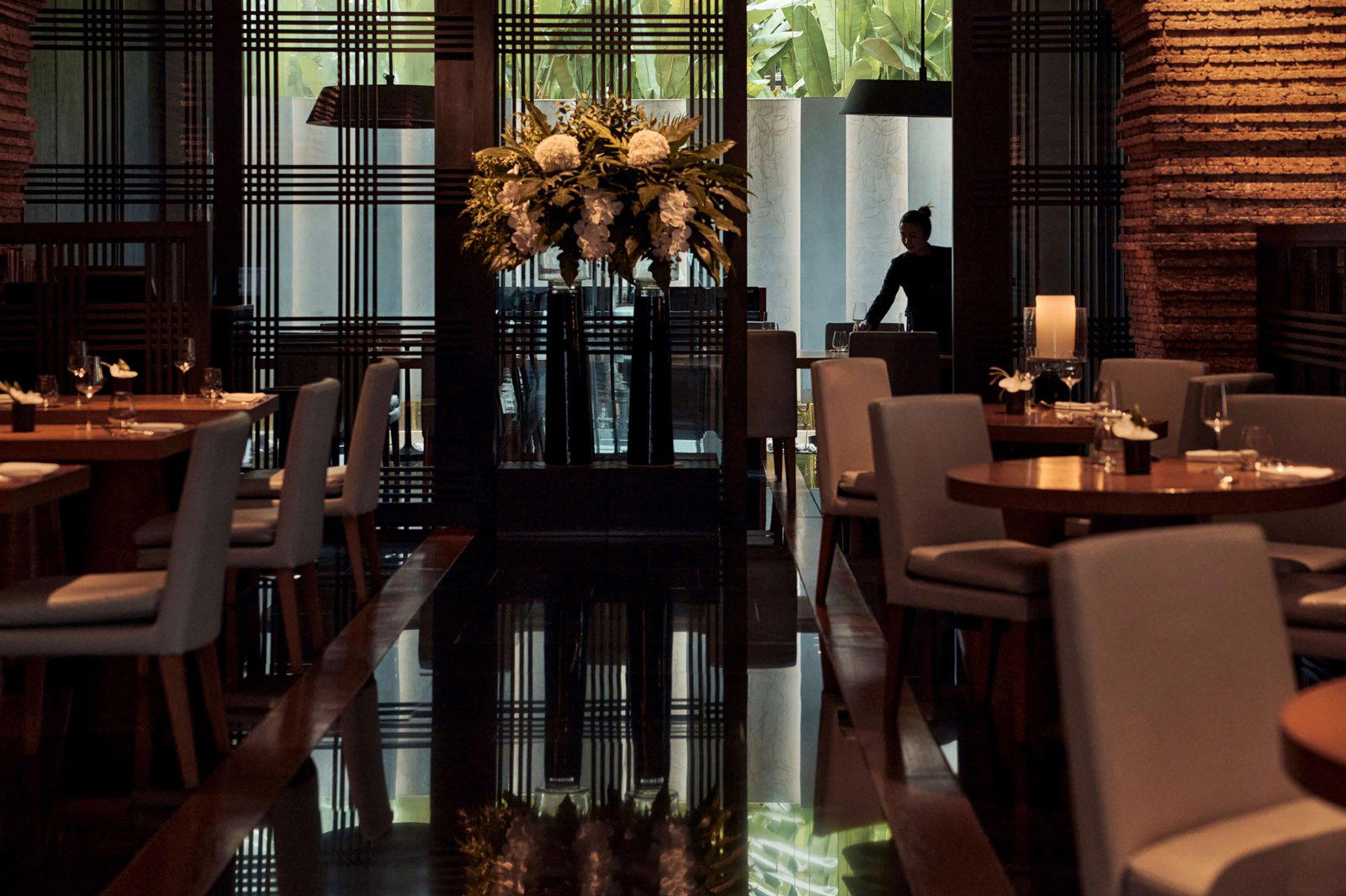
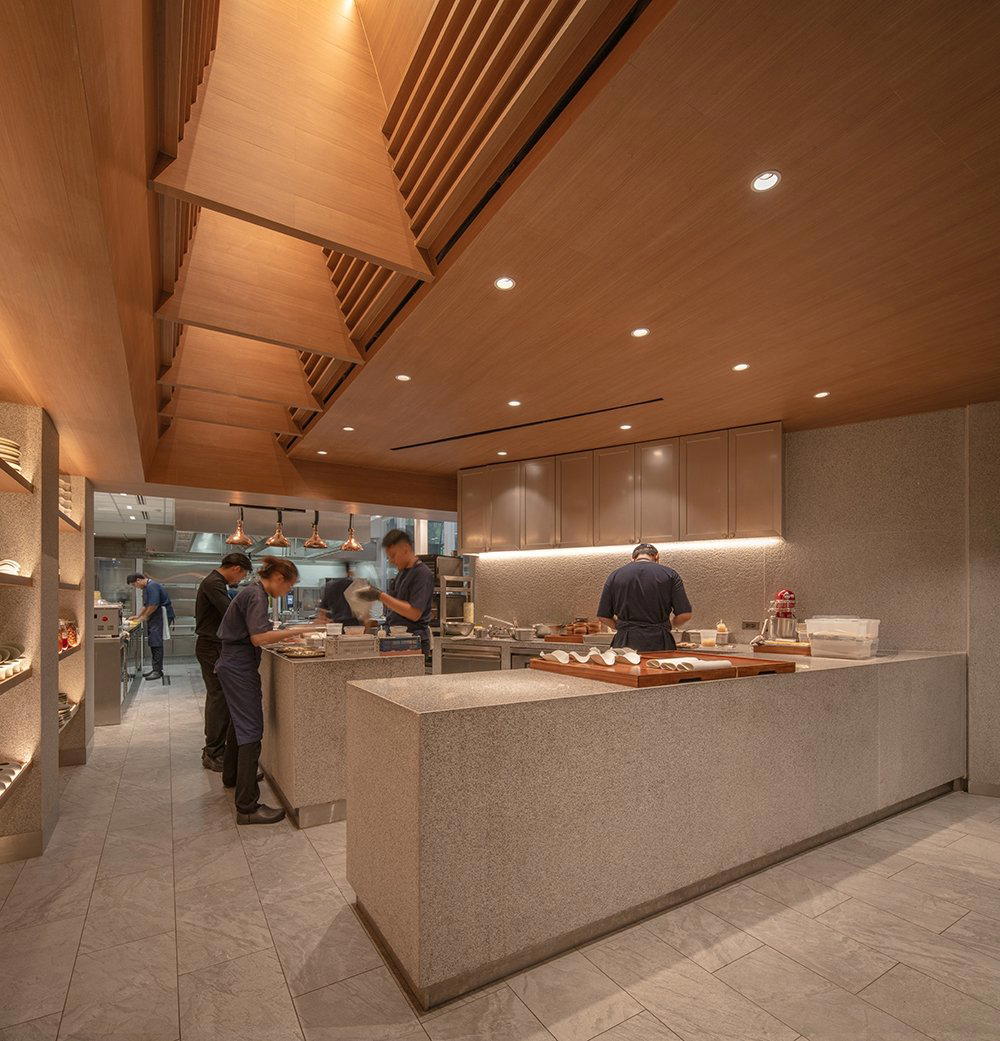
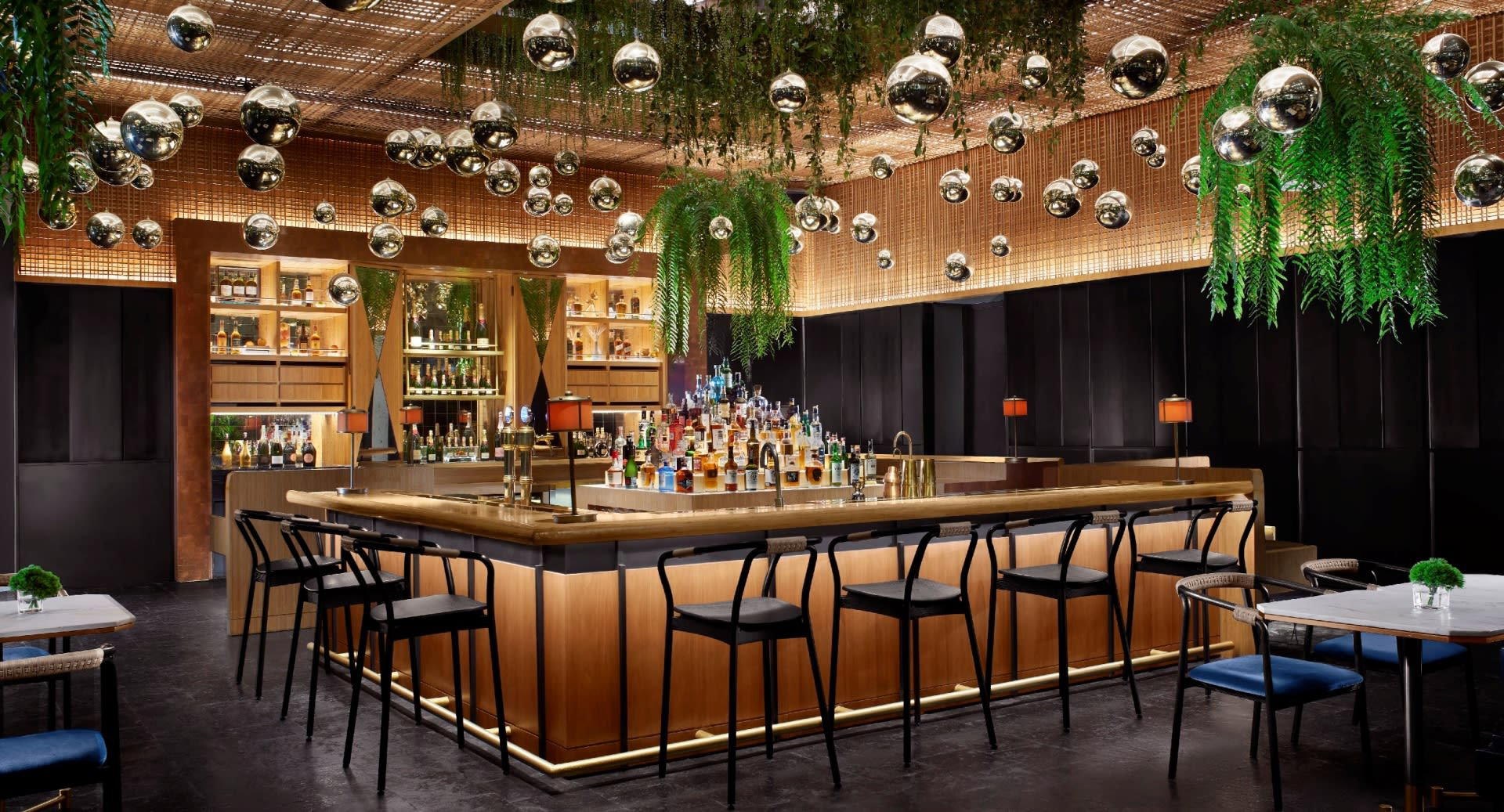
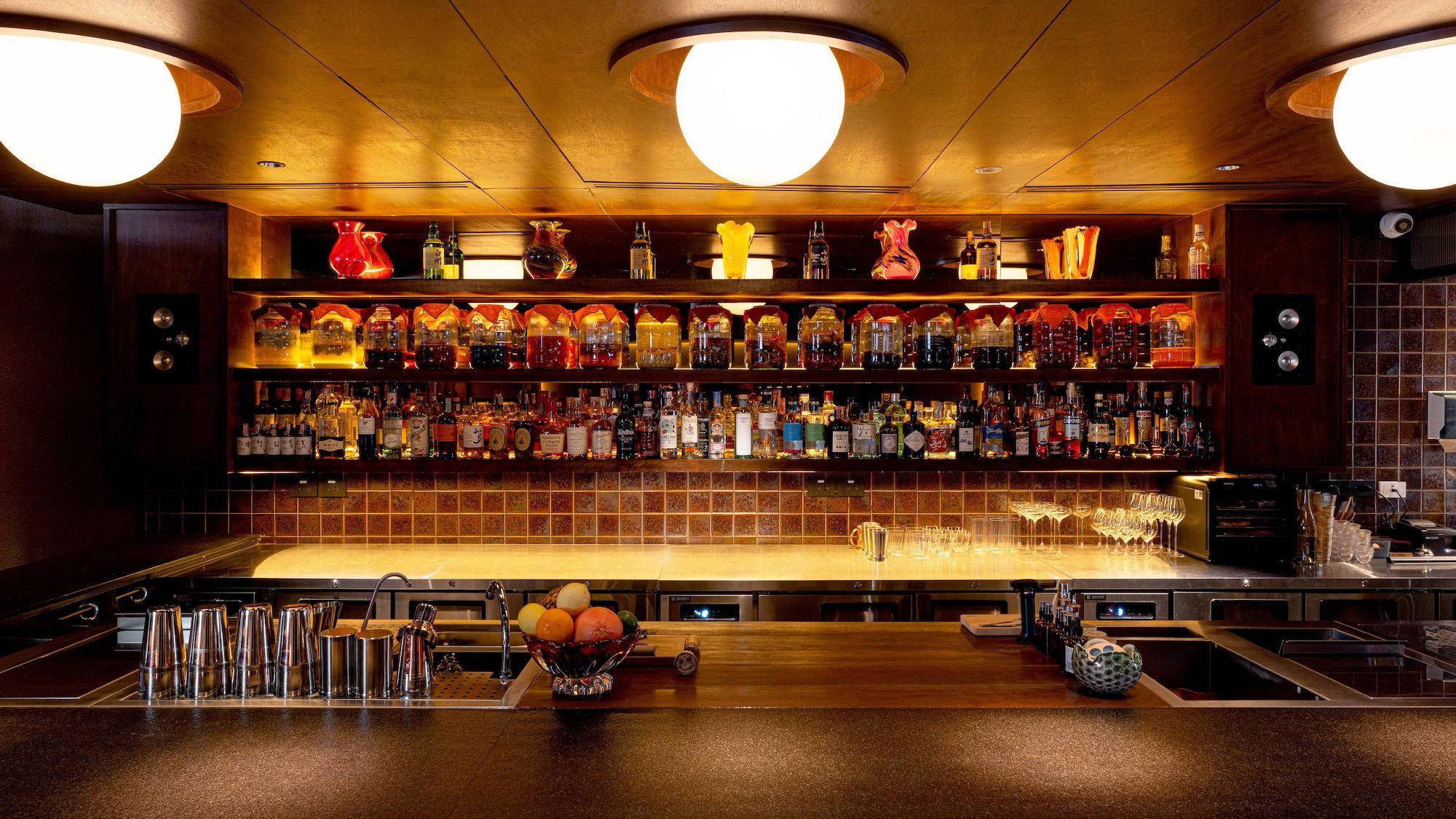
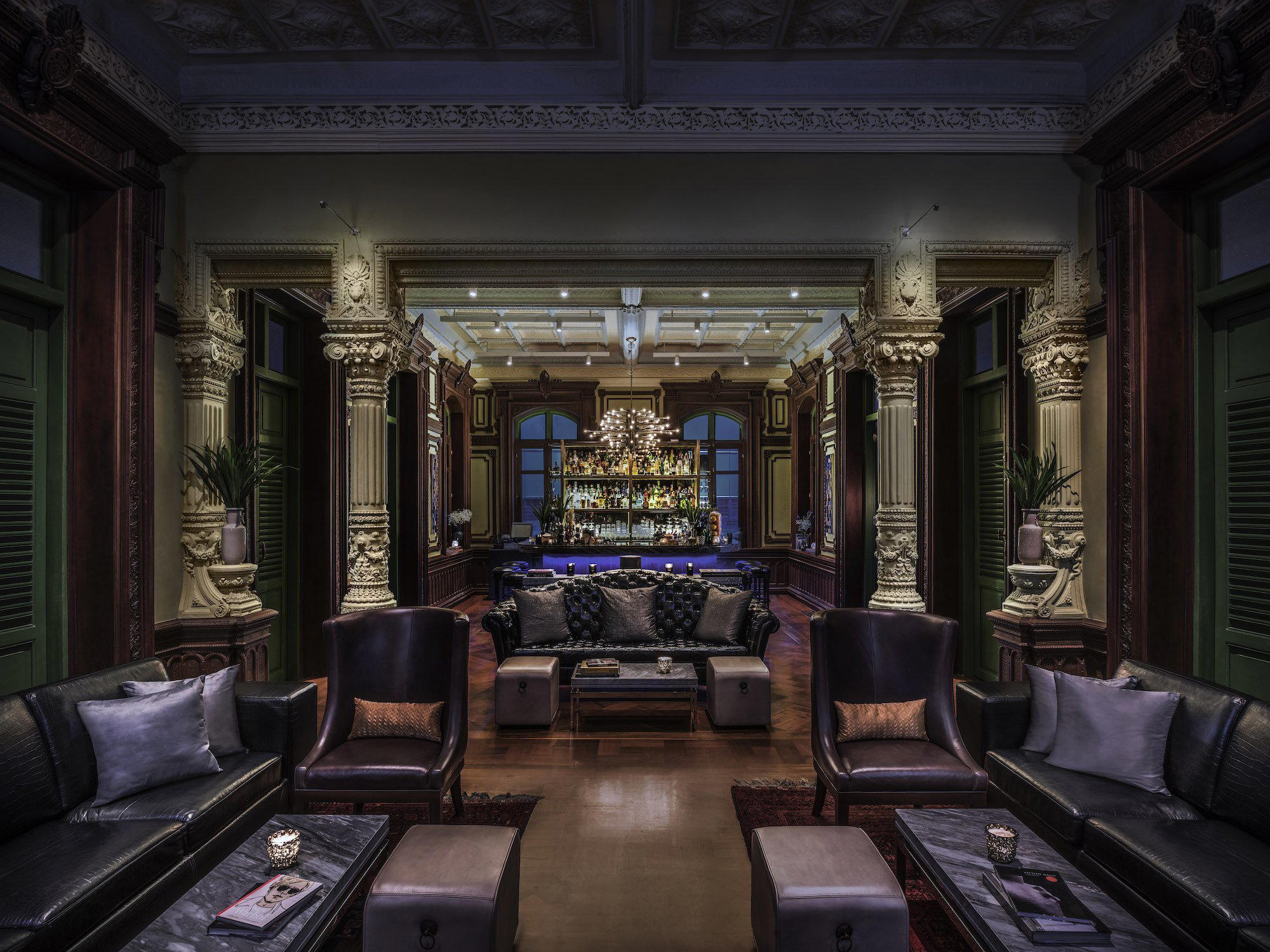
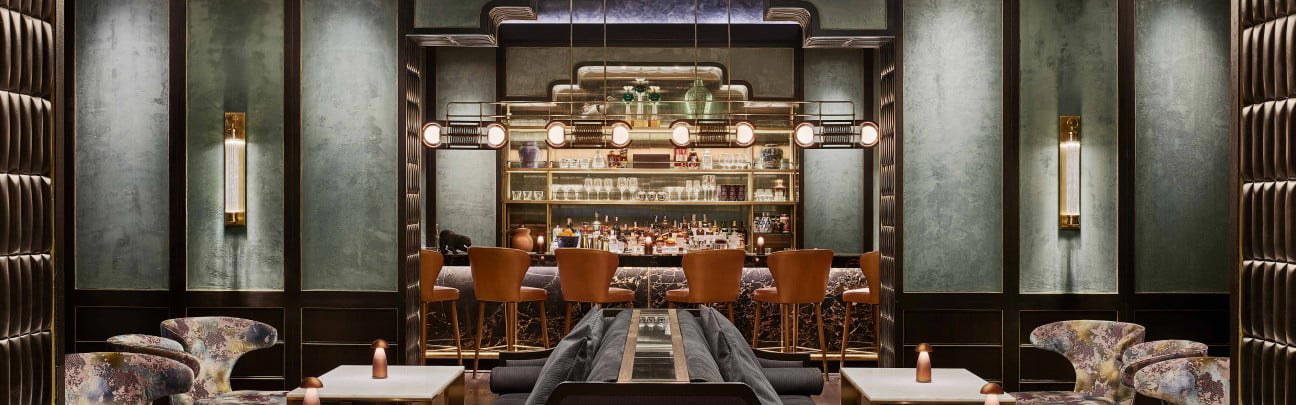
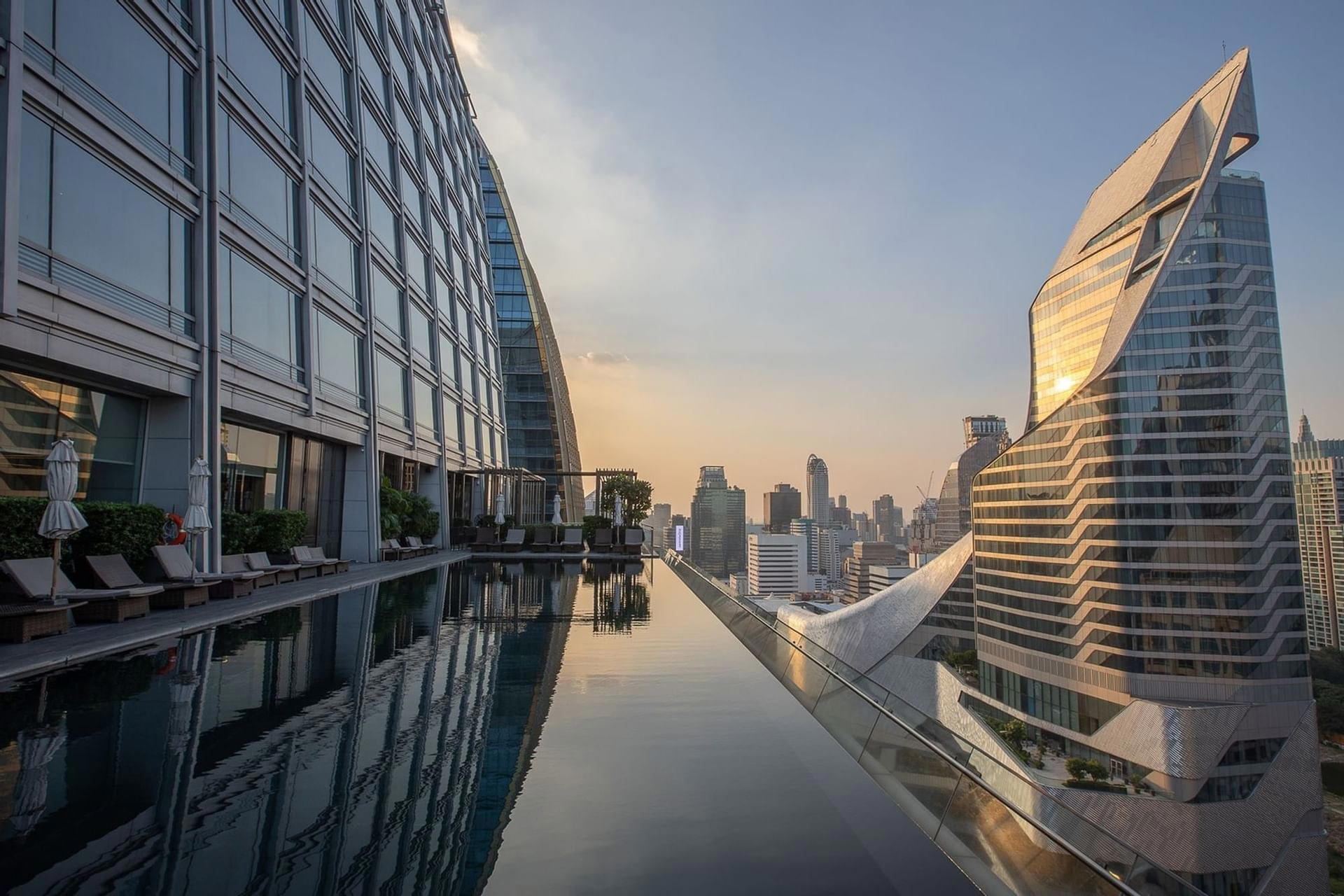
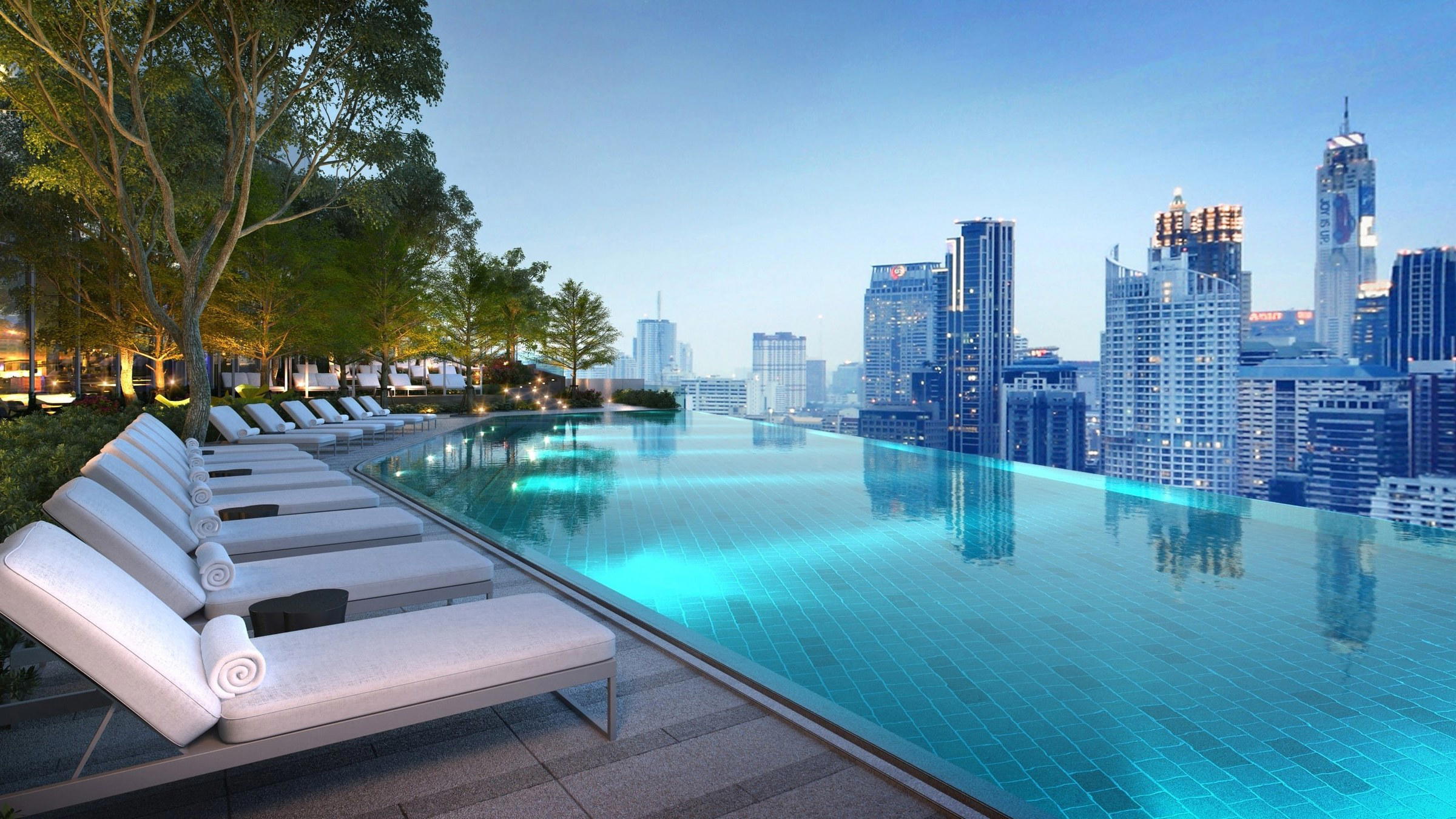
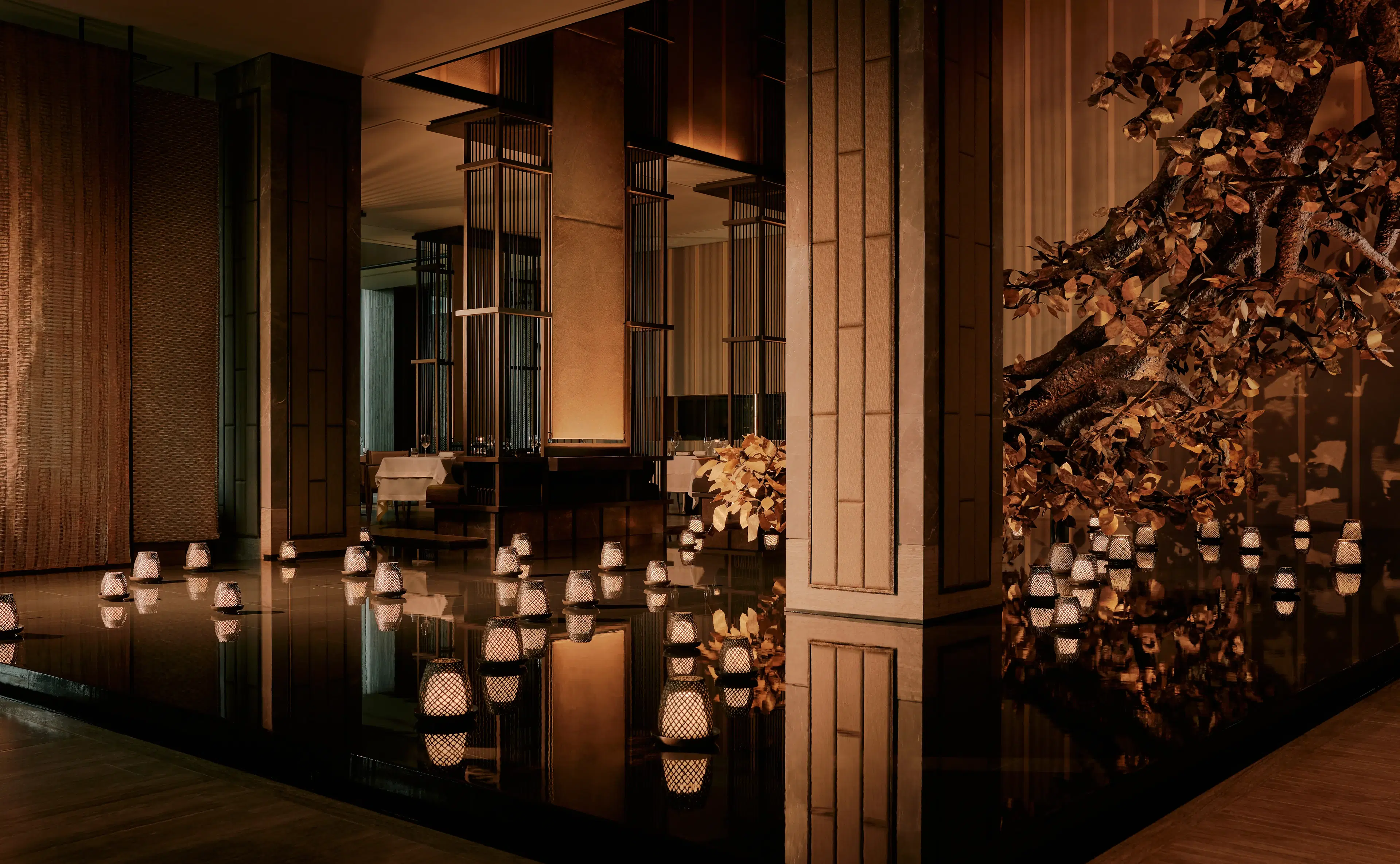
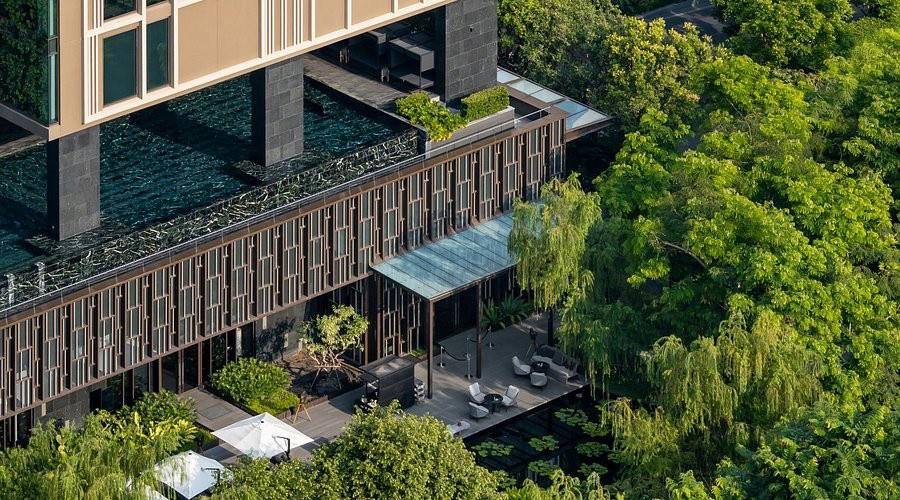
Sleek and modern dining space with Japanese minimalism, intimate and sophisticated atmosphere designed for refined dining.