On a quiet soi off Lumphini in Bangkok's Pathum Wan district, Artur occupies a corner of the city where international fine dining and Thai contemporary cooking compete for the same table. Positioned among Bangkok's ฿฿฿฿ tier alongside peers like Sühring and Gaa, the address signals ambition before you've seen the menu. For visitors building a serious Bangkok itinerary, it warrants a place in the conversation.
Pearl is the En Primeur Club membership app — saves, bookings, and concierge access live there. Same editors, same standards.
- Address
- 9 Soi Ton Son, Lumphini, Pathum Wan, Bangkok 10330, Thailand
- Phone
- +66890001288
- Website
- arturrestaurant.com
- Directions
- Get directions
 Saves & bookings on Pearl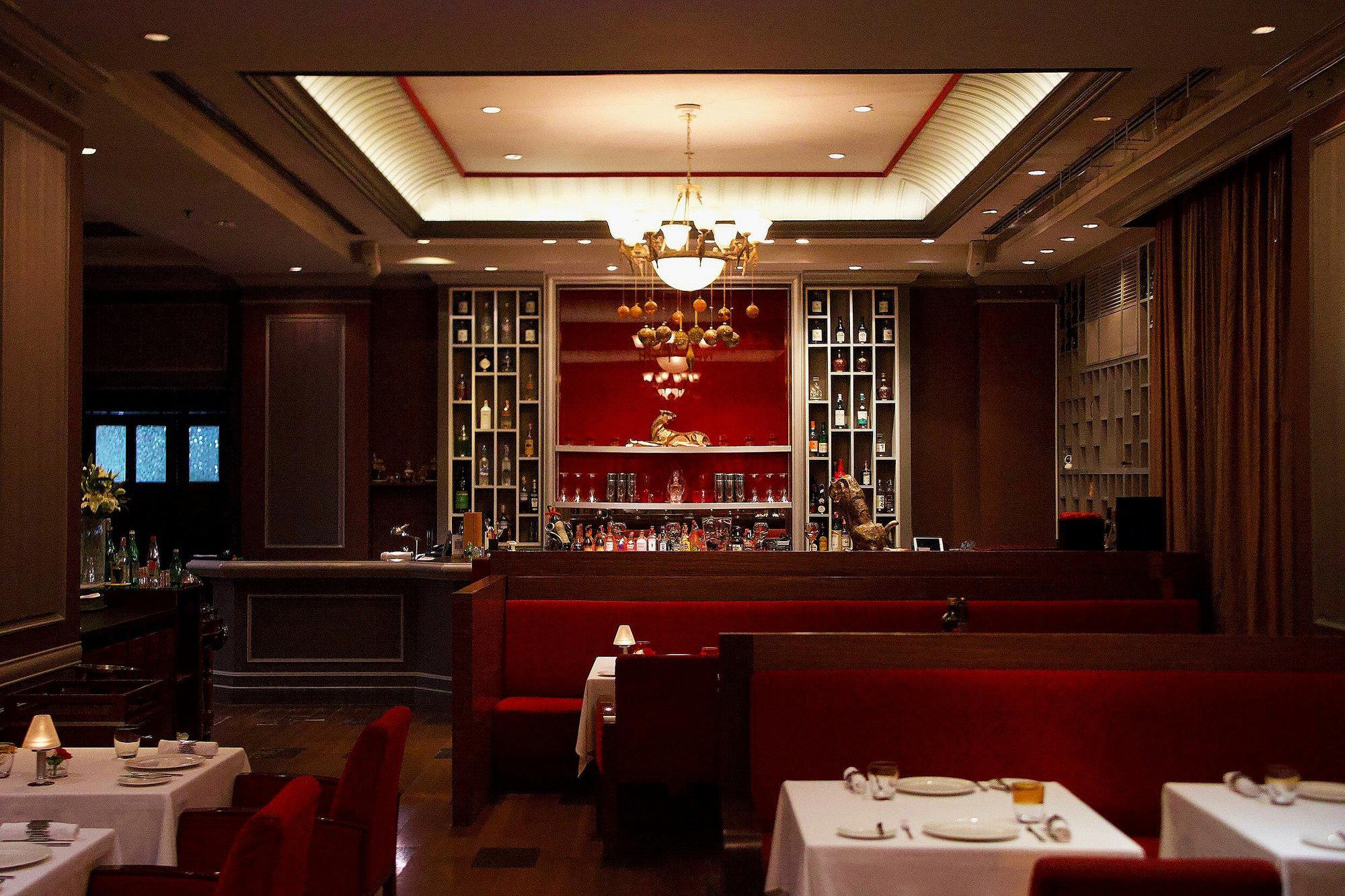
A Soi in Pathum Wan, and What It Signals
Soi Ton Son sits in one of Bangkok's quietest residential pockets, running off Lumphini into a neighbourhood where embassies and older money have long kept the street-level noise down. Properties here tend to occupy converted houses or low-rise shophouses with room to breathe, and the dining addresses that have settled along these streets often share a preference for controlled environments over high-volume covers. That context matters when reading Artur's address at number 9: the postcode alone places it in a comparable set defined less by footfall and more by deliberate destination dining.
Bangkok's ฿฿฿฿ tier has become genuinely competitive over the past decade. Sühring brought a twin-kitchen German precision format that changed expectations around European cooking in the city. Gaa established that modern Indian technique could anchor a serious tasting programme in Southeast Asia. Sorn made the case for Southern Thai cooking at the highest price tier, while Baan Tepa and Côte by Mauro Colagreco have each staked out distinct positions in the contemporary and Mediterranean spaces respectively. The question any new address in this bracket must answer is not whether the food is careful, but what specific argument it makes about how and where to eat in Bangkok.
The Physical Container as Editorial Statement
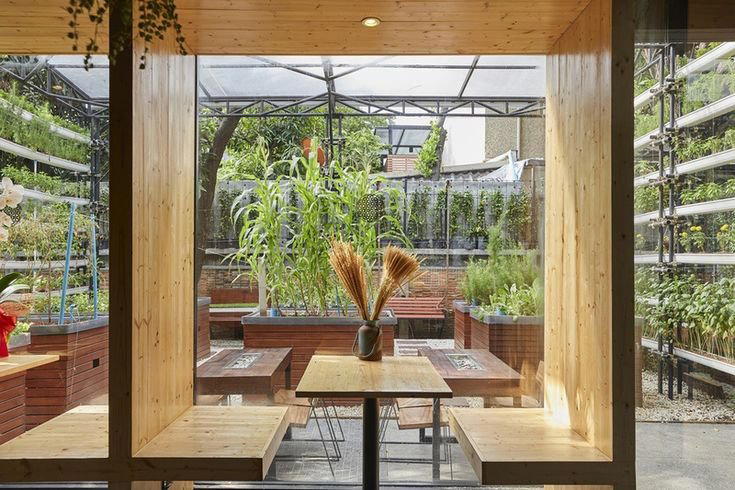
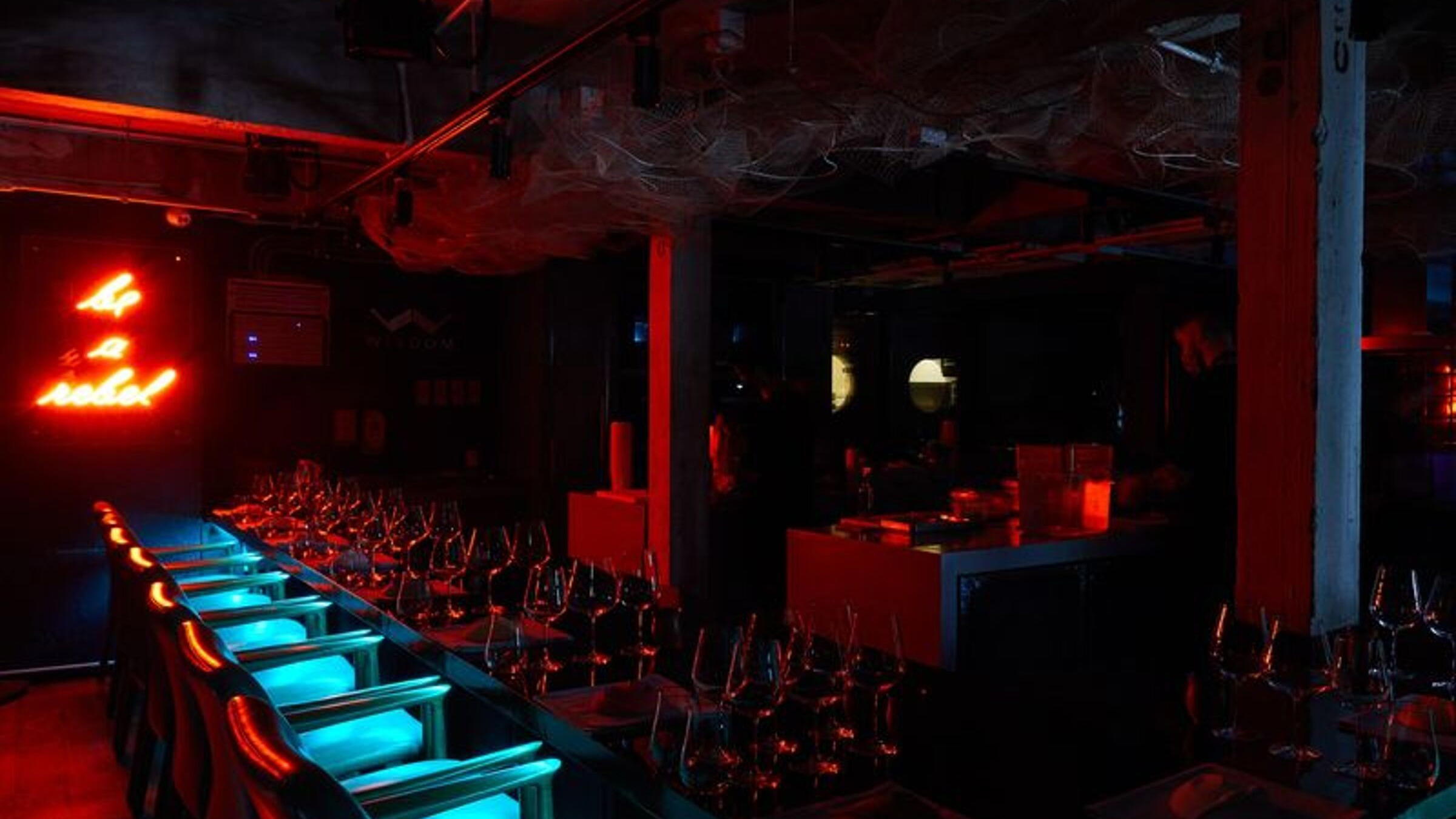
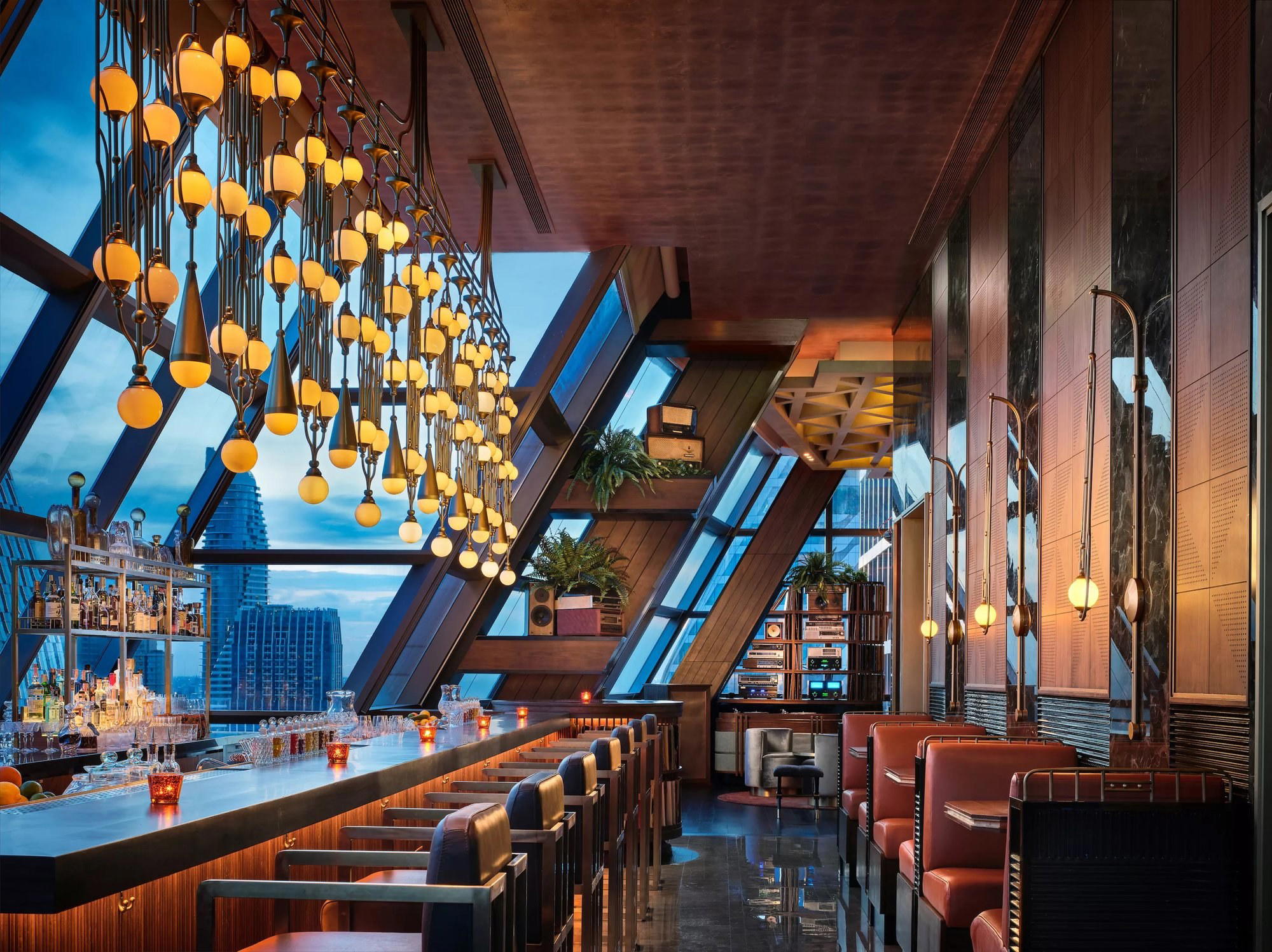
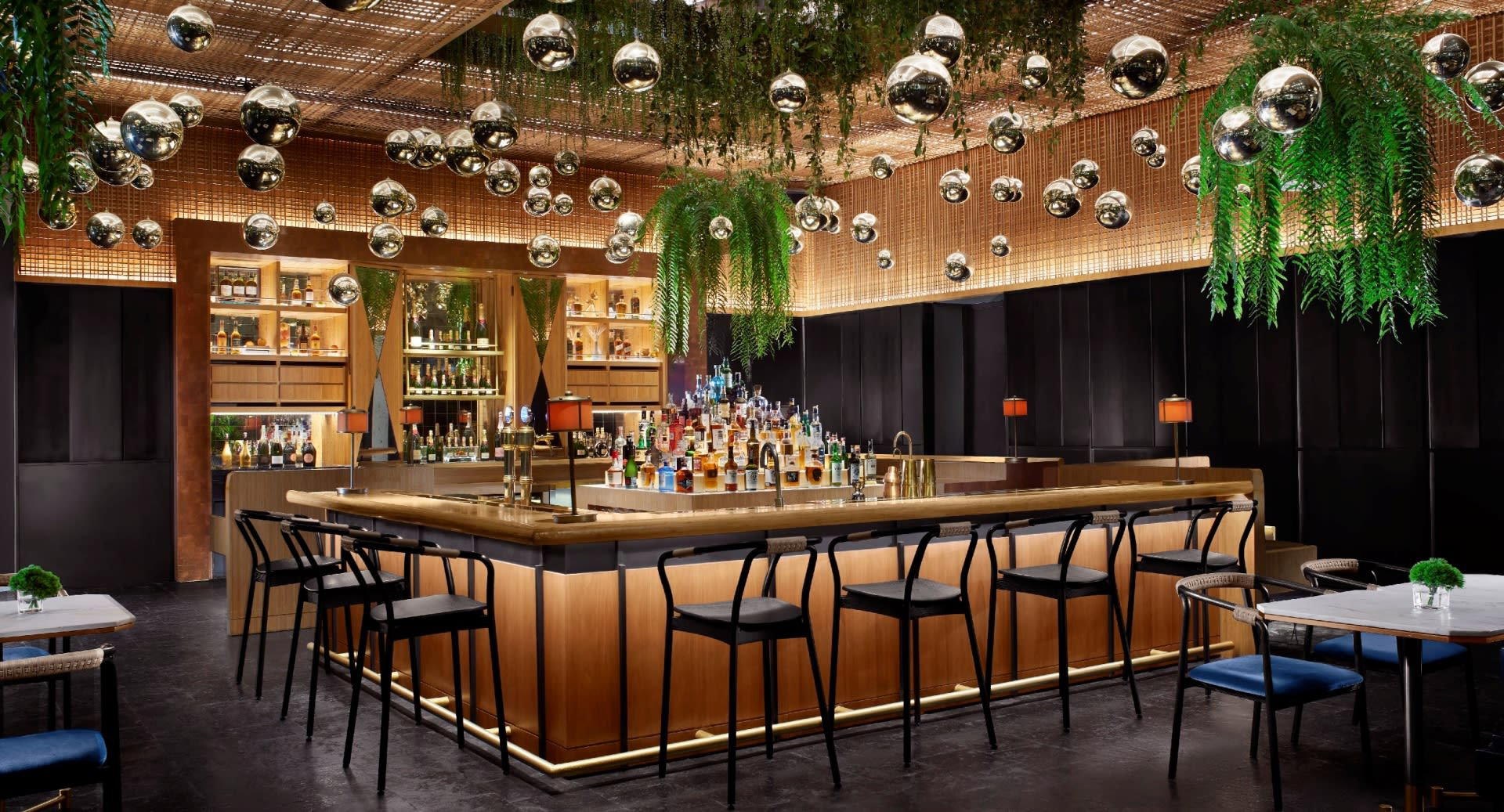
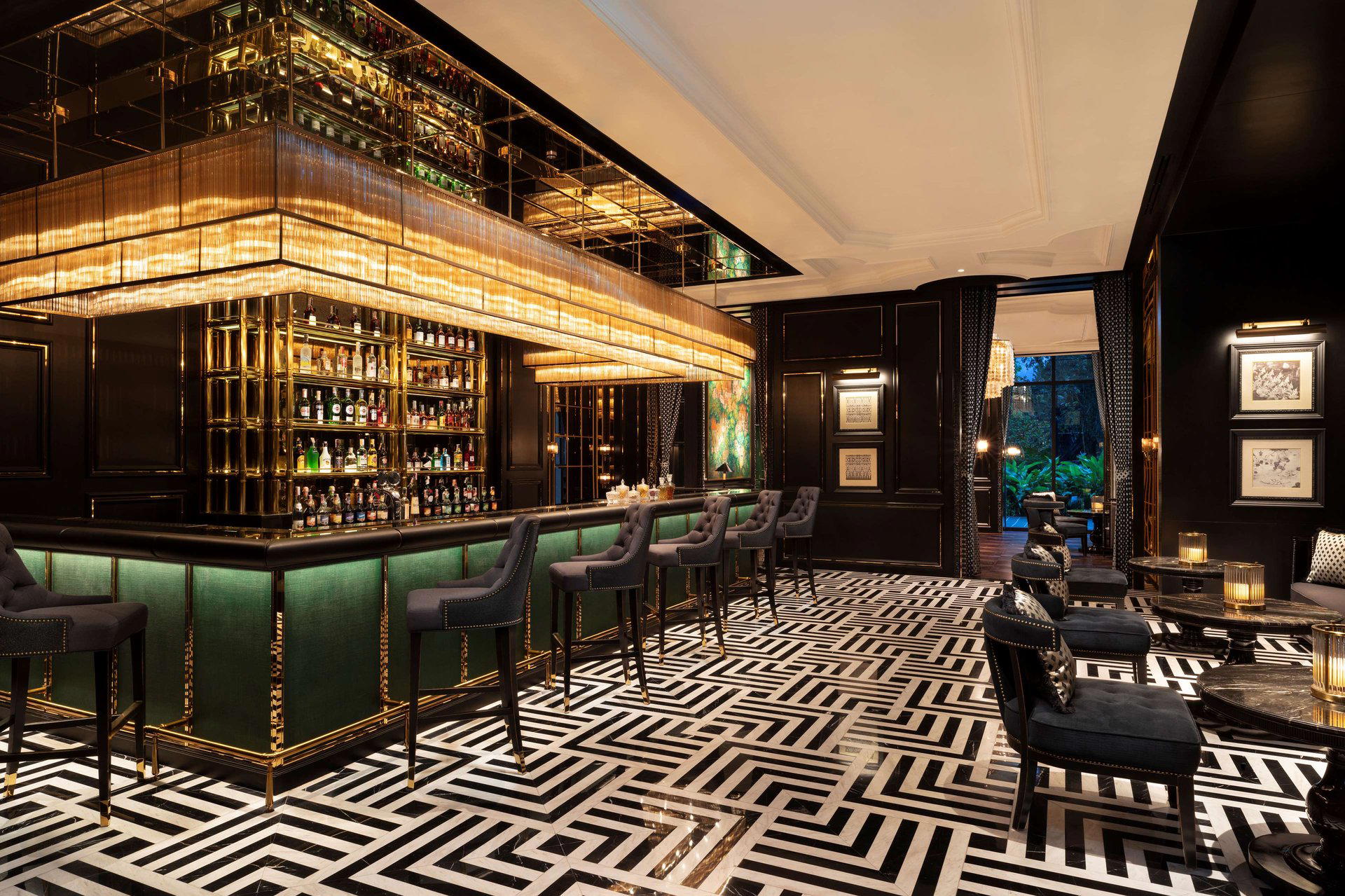
At the upper end of Bangkok dining, the room itself functions as a positioning document. The city's most-discussed fine dining addresses from the past several years have each made deliberate architectural choices: intimate counters, converted heritage structures, garden settings that create a sense of remove from the urban grid. These are not aesthetic accidents. They are statements about the kind of attention a venue expects from its guests, and the kind it intends to return.
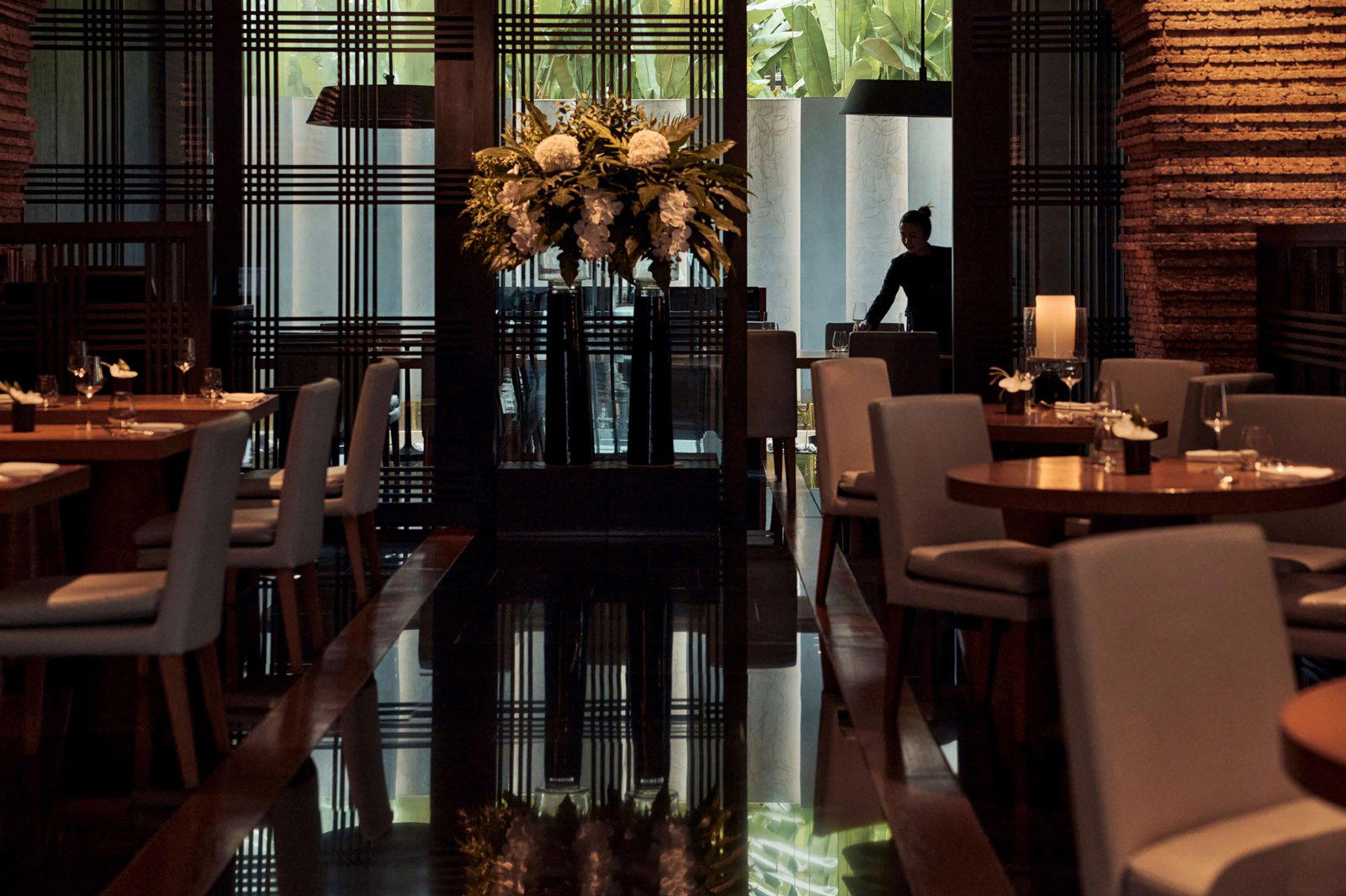
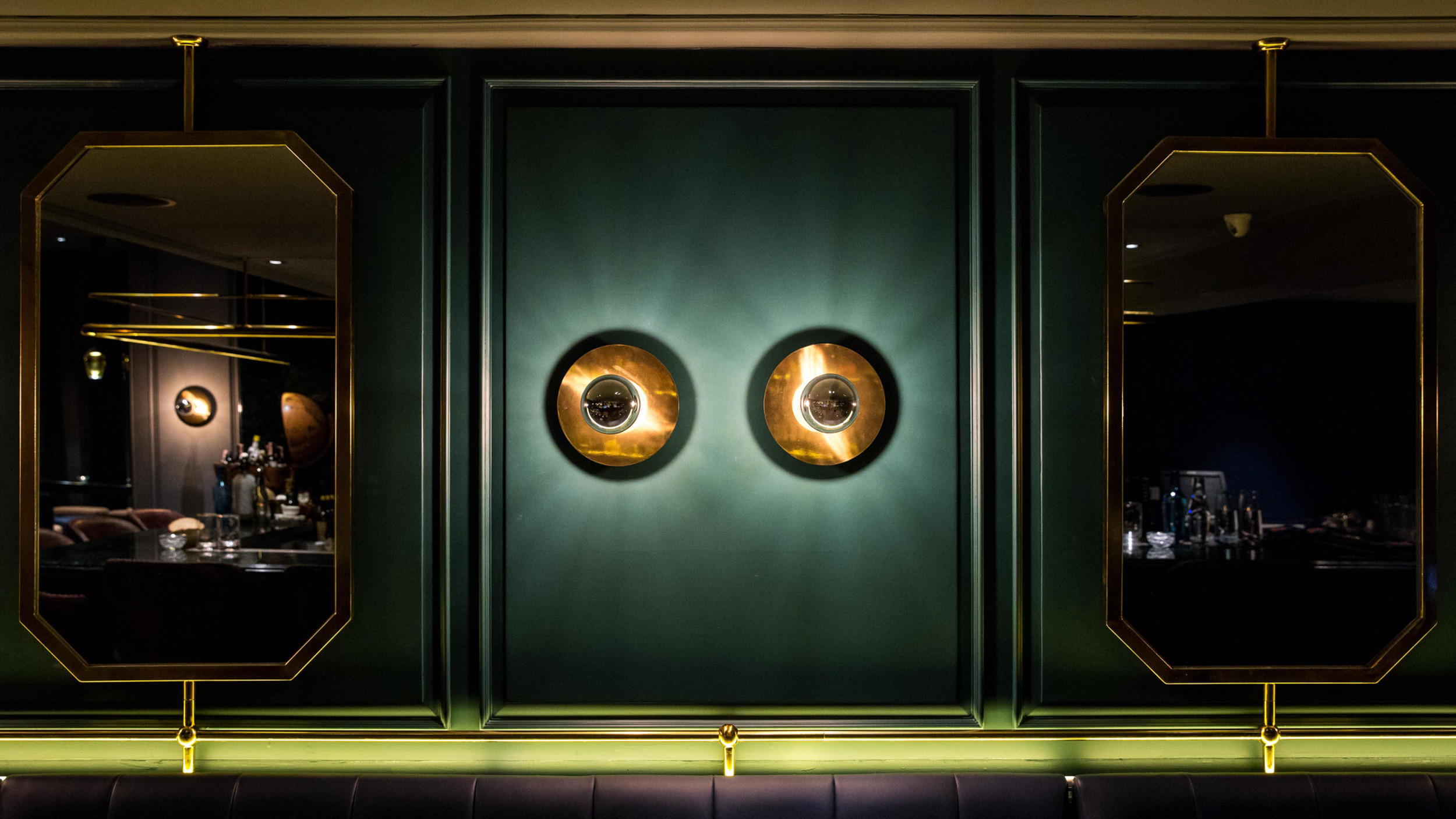
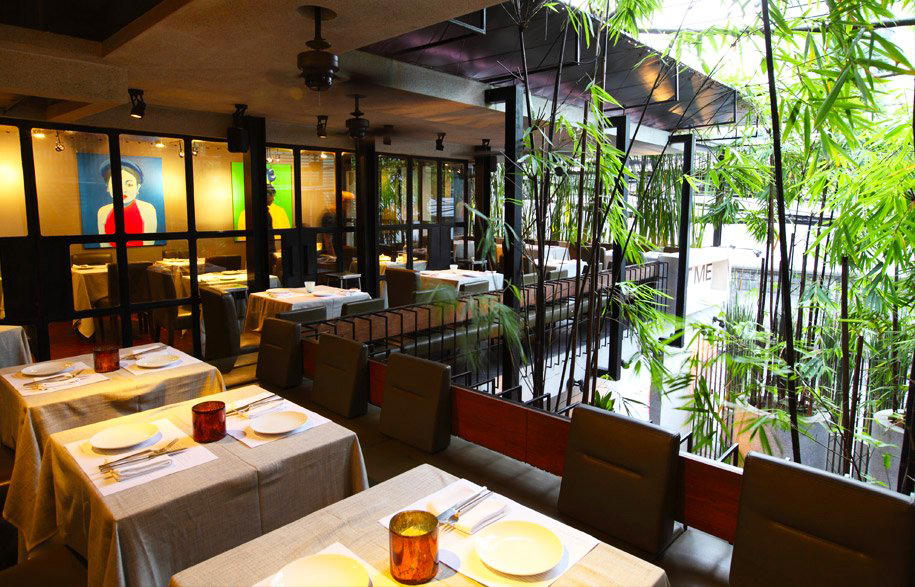
Artur is a Classic French Steakhouse at 9 Soi Ton Son, Lumphini, Pathum Wan, Bangkok 10330, Thailand. Artur's location on Soi Ton Son suggests the same logic. The soi's residential character favours spaces that feel domestic in scale rather than hotel-lobby grand. Bangkok's dining public, particularly at the ฿฿฿฿ level, has shown a consistent appetite for rooms where the architecture does not shout. The venues in this neighbourhood tier tend to trade in restraint: considered lighting, materials sourced with some specificity, seating arrangements that prioritise the individual table over the aggregate spectacle of a full room. Whether a space leans toward a single open dining room, a series of smaller interconnected areas, or something closer to a private-house format, the design register in this part of Pathum Wan skews quiet and purposeful.
That physical register carries practical weight. Rooms designed for intimacy tend to have lower seat counts, which affects both the quality of service-per-cover ratios and the booking window. Venues in this architectural category across Bangkok typically require advance planning, with particularly in-demand dates filling several weeks out. Building a Bangkok itinerary around multiple ฿฿฿฿ addresses works well when reservations are locked before flights.
The Pathum Wan Dining Context
Pathum Wan has emerged as one of Bangkok's more interesting dining districts precisely because it is not a single-identity neighbourhood. The area contains the commercial density of Ratchadamri and the quieter residential grain of the sois feeding off Lumphini Park, and the dining that has developed here reflects that split. At the louder, higher-traffic end there are hotel dining rooms and mall-adjacent operators. At the quieter end, on sois like Ton Son, the addresses tend toward smaller-capacity, longer-reservation formats aimed at guests who planned to be there.
This mirrors a pattern visible in several Asian cities: as a fine dining scene matures, particularly considered addresses migrate away from high-visibility commercial strips toward residential streets where rents are lower, noise is controlled, and the clientele is, by self-selection, more focused. Tokyo's omakase scene has long operated this way. Singapore's contemporary dining has followed a similar path into shophouse districts. Bangkok is at an interesting inflection point in that same trajectory, and the Lumphini-adjacent sois are part of the argument.
For travellers moving between Bangkok and the rest of Thailand, the broader dining picture is worth holding in mind. Strong regional cooking exists well beyond the capital: PRU in Phuket has built a serious garden-to-table programme, and addresses like AKKEE in Pak Kret and Ayutthayarom in Phra Nakhon Si Ayutthaya show that ambitious cooking is no longer concentrated in Bangkok alone. Further afield, Baan Chik Pork Noodles in Udon Thani, Baan Heng in Khon Kaen, and Banmai Chay Nam in Nakhon Ratchasima each make the case for regional specificity that the capital's dining scene, for all its ambition, cannot replicate. Coastal options like Baan Suan Lung Khai in Ko Samui and The Spa in Lamai Beach, along with Anuwat in Phang Nga and Banrimbung in Nakhon Pathom, round out a national picture worth mapping before any serious Thai trip.
For global comparisons, the deliberate-destination model Artur's address implies has parallels in venues like Lazy Bear in San Francisco, where the format and room design are as much the argument as the plate, or Le Bernardin in New York City, where spatial discipline and a controlled environment have been central to sustained critical positioning. See our full Bangkok restaurants guide for broader context across the city's dining tiers.
Planning a Visit
Soi Ton Son is accessible from the BTS Skytrain system, with Ratchadamri or Sala Daeng stations both within reasonable walking distance depending on exact routing. For visitors staying in the Silom or Ratchadamri corridor, the address is practical on foot or by a short ride. Arriving by taxi or ride-share is direct given the soi's address on a named street off Lumphini. Given the residential nature of the street, arriving at or slightly before reservation time is the appropriate register: this is not a neighbourhood where lingering on the street before entry is particularly the done thing.
Given the ฿฿฿฿ tier positioning and the neighbourhood format, early reservation is advisable, particularly for weekend dates or during Bangkok's peak season from November through February when the city's dining calendar runs at its most active.
A Tight Comparison
Comparable venues nearby, for context on price, style, and recognition.
| Venue | Cuisine | Price | Notes |
|---|---|---|---|
| ArturThis venue — the venue you are viewing | Makkasan, Classic French Steakhouse | $$$ | Not listed |
| Indigo | Surawong, Classic French Bistro | $$$ | Not listed |
| No Idea | Not listed | $$$ | Khlong Toei Nuae, Contemporary French Bistro |
| Pen Restaurant | Chong Nonsi, Thai Seafood | $$$ | Not listed |
| Nonna Nella by Lenzi | Not listed | $$$ | Suan Lumphini, Traditional Italian Pizza & Pasta |
| Margo | Yan Nava, Contemporary French Bistro | $$$ | Not listed |
Continue exploring
More in Bangkok
Restaurants in Bangkok
Browse all →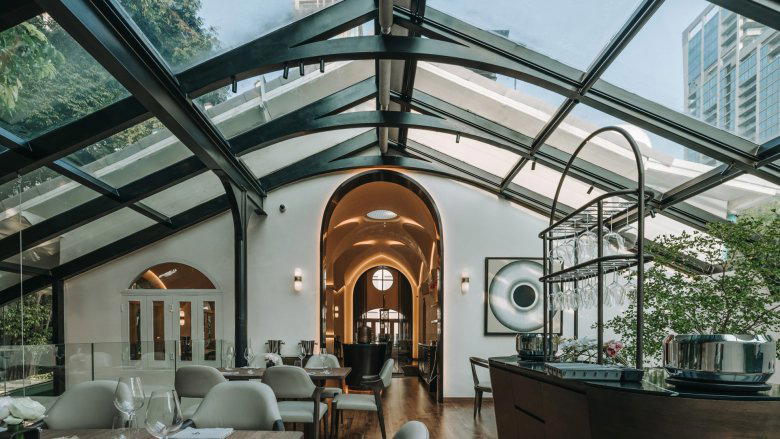
At a Glance
- Elegant
- Romantic
- Intimate
- Sophisticated
- Classic
- Date Night
- Special Occasion
- Business Dinner
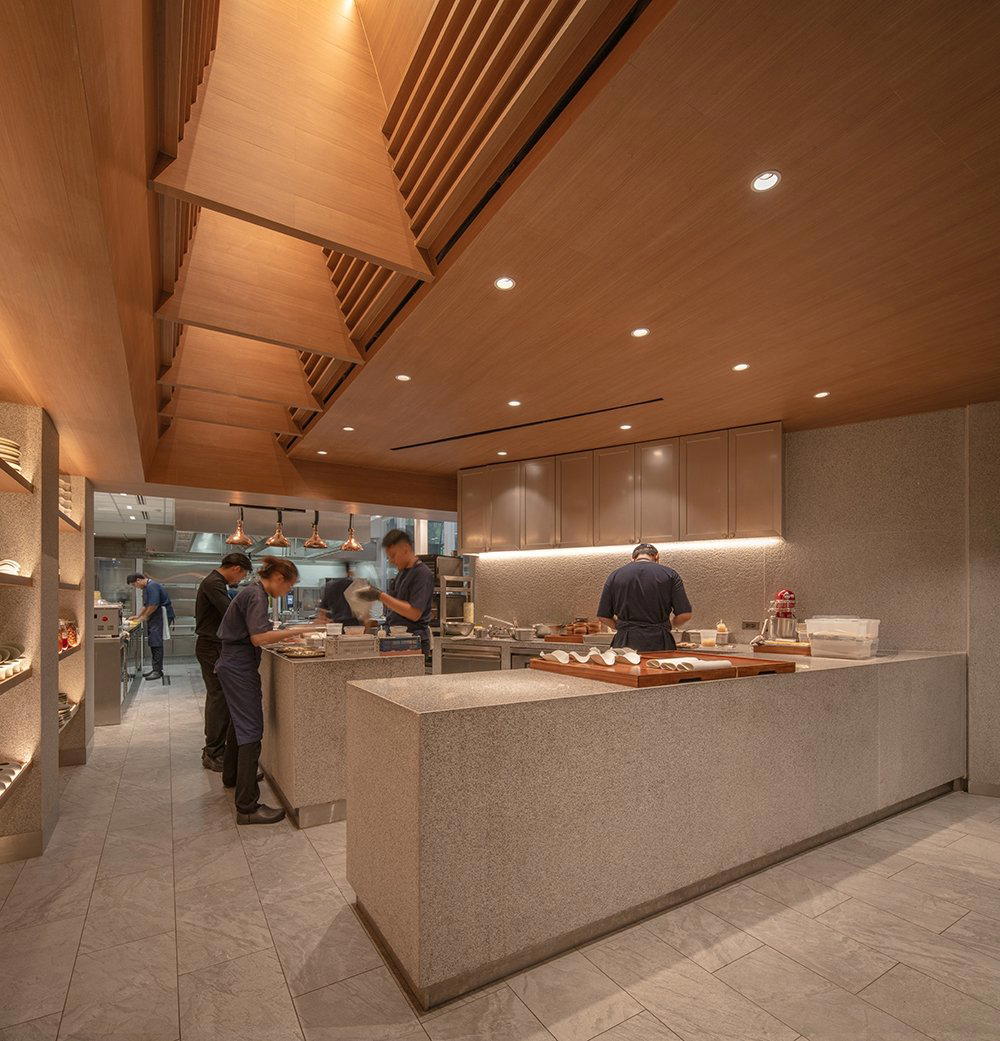
- Open Kitchen
- Garden
- Street Scene
Current opening hours
- Monday
- 5–11 PM
- Tuesday
- 5–11 PM
- Wednesday
- 5–11 PM
- Thursday
- 5–11 PM
- Friday
- 5–11 PM
- Saturday
- 5–11 PM
- Sunday
- 5–11 PM
Hours can change for holidays and private events. Last verified .
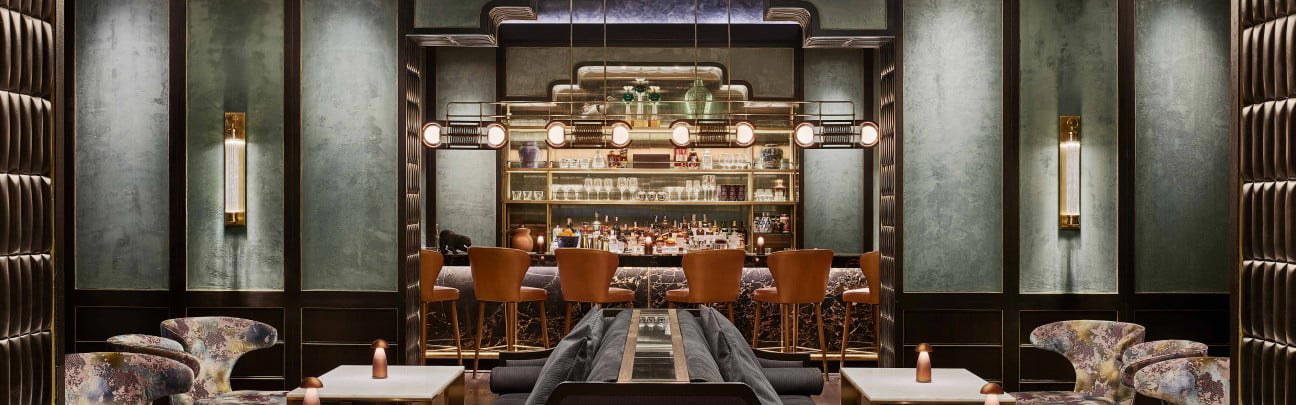
Intimate setting with red curtains, banquette booths, dark woodwork, tall windows overlooking lush greenery, and ornate lighting evoking Parisian glamour and old-school elegance.