Skip to Main Content
Authentic Thai Boat Dinner Cruise
← Collection
Price≈$40
Dress CodeSmart Casual
ServiceUpscale Casual
NoiseConversational
CapacityLarge

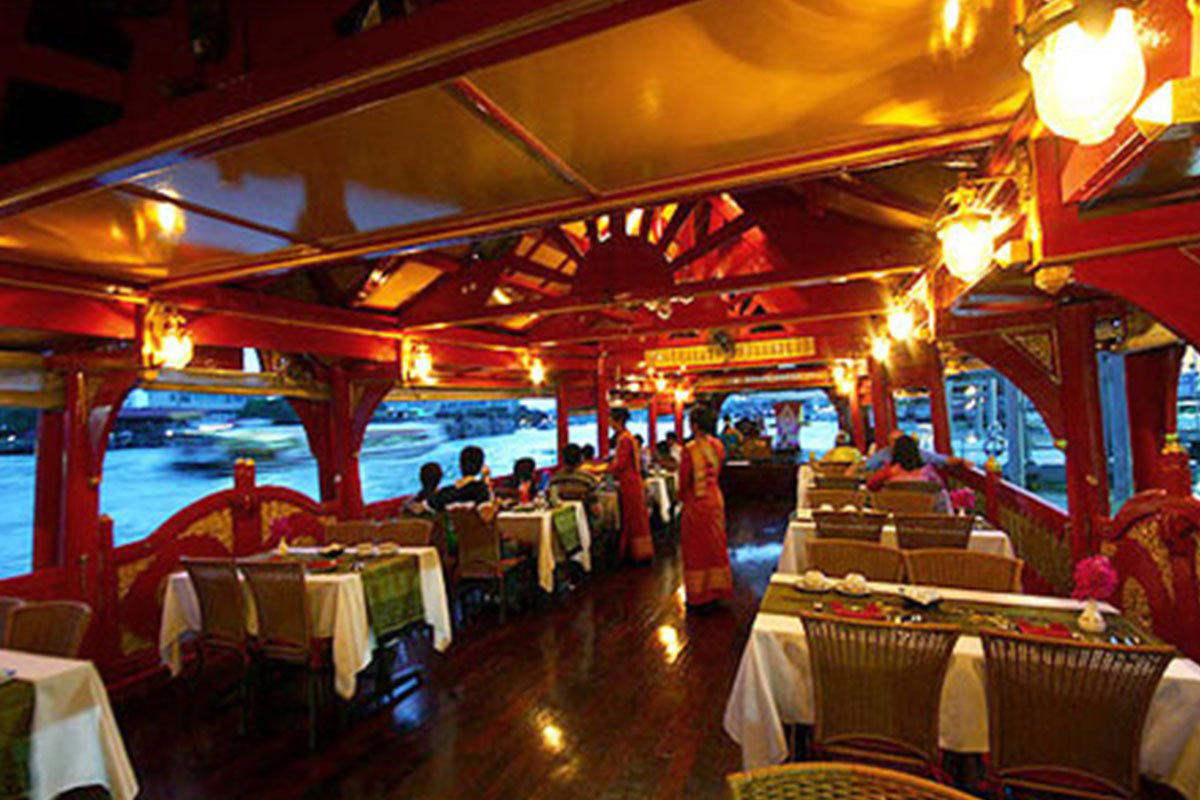
Wan Fah occupies a converted vessel on the Chao Phraya River in Bangkok's Samphanthawong district, placing traditional Thai dining against a backdrop that few riverside settings in the city can match. The location alone situates it within a broader Bangkok tradition of river-facing restaurants where the setting does significant editorial work, drawing visitors who want atmosphere alongside their meal.

Pearl is the En Primeur Club membership app — saves, bookings, and concierge access live there. Same editors, same standards.

Plan your visit on PearlPlan Your Visit
Address
292 Ratchawong Rd, Chakkrawat, Samphanthawong, Bangkok 10100, Thailand
Phone
+66 2 222 8679
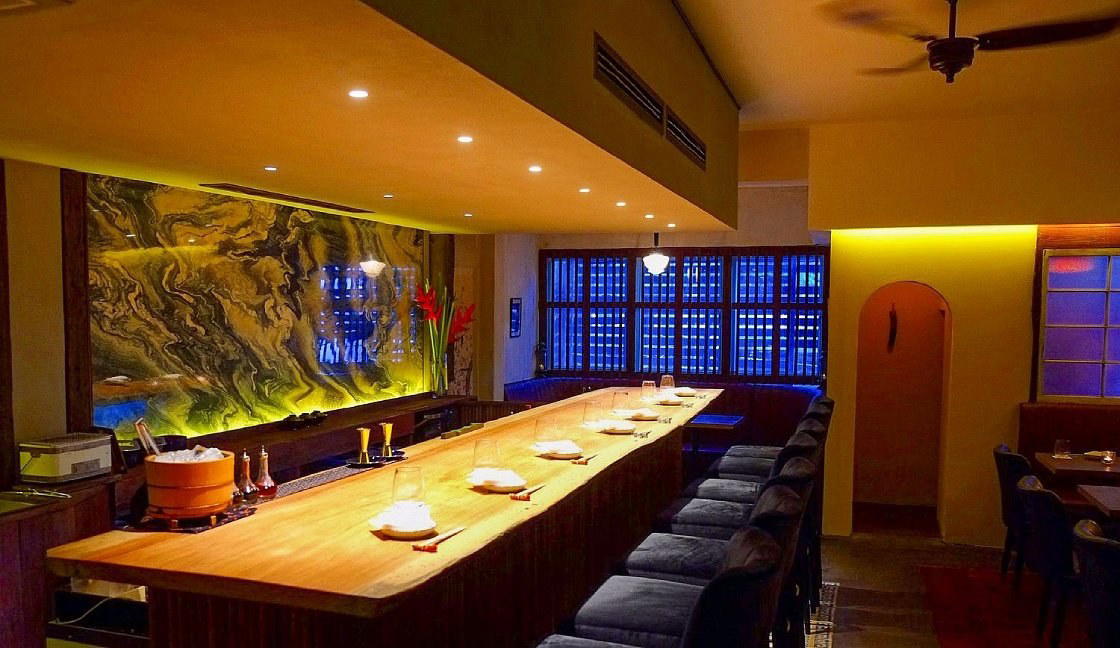
Wan Fah restaurant in Bangkok, Thailand
About

Where the River Does the Heavy Lifting

There is a particular quality to dining on or beside the Chao Phraya at night. The city's skyline softens at the edges, long-tail boats trace pale wakes through the dark water, and the general noise of Bangkok, tuk-tuks, construction, the low roar of Sukhumvit, becomes background rather than foreground. Wan Fah is a restaurant in Bangkok serving an Authentic Thai Boat Dinner Cruise at a price tier of about $40 per person. Wan Fah sits on Ratchawong Road in Samphanthawong, the compact riverside district that forms the eastern edge of Bangkok's Chinatown corridor, and the setting works on the senses before a dish arrives. The approach along the riverbank, with temple spires visible across the water and the Chao Phraya carrying traffic from the Royal Barge Museum district northward, gives the meal a physical orientation that purely land-bound Bangkok restaurants cannot replicate.

This part of the city carries layered history. Samphanthawong is one of Bangkok's oldest districts, where the original Chinese merchant community established itself during the Rattanakosin period, and the streets between Yaowarat and the river still carry that density of use: gold shops, herb merchants, noodle houses operating from dawn, temples wedged between shophouses. A riverside dinner here sits inside a neighbourhood that has not been extensively remade for tourism, which distinguishes it from the polished waterfront precincts further south near Charoen Krung or the hotel clusters around Saphan Taksin.

The Riverside Dining Tradition in Bangkok

Bangkok's relationship with river dining runs centuries deep. Before Sukhumvit existed as a road, before the city's grid of expressways, the Chao Phraya was Bangkok's main artery of commerce and social life, and eating beside or on it was simply how the city functioned. That tradition has been commercialised at varying quality levels: some riverside venues now operate primarily as backdrop for tour groups, delivering generic pan-Asian menus against a river view that does most of the work. A smaller number maintain a tighter focus on Thai cooking, where the setting amplifies rather than replaces the food.

This distinction matters when placing Wan Fah in its comparable set. Bangkok's upper tier of Thai fine dining, venues like Sorn (Southern Thai) and Baan Tepa (Thai contemporary), operates from landlocked premises where the room design and tasting menu structure carry the atmosphere entirely. Both sit in the ฿฿฿฿ bracket and have built international recognition through awards and editorial coverage. Wan Fah occupies a different register: a venue where the physical setting is part of the offer, and where the river itself becomes an environmental argument for the meal. It is not competing with Sorn's Southern Thai ingredient sourcing or Baan Tepa's contemporary tasting format; it is making a different case entirely.

For readers calibrating where Bangkok's international restaurants fit alongside Thai specialists, the contrast is useful. Côte by Mauro Colagreco (Mediterranean, Modern Cuisine), Gaa (Modern Indian, Indian), and Sühring (German) represent Bangkok's capacity to sustain rigorous international kitchens at serious price points. Wan Fah sits in a category that prioritises the specifically Thai and the specifically local, in a neighbourhood that has not been smoothed into a dining destination in the way that Sathorn or Ekkamai have.

Atmosphere as Architecture

The sensory experience of a riverside dinner in this district follows a consistent logic regardless of the specific venue. Water noise, the smell of the river (organic, mineral, faintly industrial), the light from passing vessels, the warmth of the evening air in the months before the cool season arrives. Between November and February, Bangkok's evenings become genuinely comfortable, temperatures dropping to the low twenties Celsius, and outdoor or semi-open riverside dining shifts from something to endure to something to seek out. The cool season (roughly mid-November through February) is when this style of venue operates at its most atmospheric, with the air carrying enough movement to make an open setting feel considered rather than merely hot.

In the hotter months from March through May, and during the monsoon period through October, the calculation changes. Heat and humidity make covered or air-conditioned sections more relevant, and any riverside venue worth its position will have areas that function across both conditions. The light also changes: Bangkok's wet season produces dramatic cloud formations and occasional spectacular evening light, which gives riverside dining its own compensating visual argument even in the rain months.

Situating Wan Fah in Thailand's Broader Restaurant Picture

Thailand's restaurant scene extends well beyond Bangkok's fine-dining cluster, and a venue in Samphanthawong connects to a much longer tradition of neighbourhood-embedded eating. Elsewhere in the country, restaurants like PRU in Phuket have built internationally recognised programs around farm-to-table discipline, while regional specialists like Ayutthayarom in Phra Nakhon Si Ayutthaya anchor their menus in the specific culinary traditions of their location. AKKEE in Pak Kret, just north of Bangkok, and Baan Heng in Khon Kaen represent the depth of Thai regional cooking that Bangkok diners increasingly travel to find. Wan Fah's address in Samphanthawong places it in a part of Bangkok that functions more like a neighbourhood institution than a destination restaurant, which is itself a meaningful position in a city where the distinction between the two continues to blur.

For comparison across the country's range, Baan Chik Pork Noodles in Udon Thani, Banmai Chay Nam in Nakhon Ratchasima, and Baan Suan Lung Khai in Ko Samui each anchor their identity in regional specificity. Banrimbung in Nakhon Pathom and Anuwat in Phang Nga extend the picture further, as does The Spa in Lamai Beach. The range illustrates how Thai dining operates across distinct registers that rarely map onto a single hierarchy.

Planning the Visit

Wan Fah's address at 292 Ratchawong Road places it within reasonable distance of the Ratchawong Pier on the Chao Phraya Express Boat network, which makes arrival by river a practical option and one that fits the setting. The Chinatown area is also accessible from the MRT Blue Line at Sam Yot or Hua Lamphong stations, each a short walk or brief tuk-tuk ride from the riverbank. For visitors combining a meal here with the Yaowarat night food circuit, the geography is convenient: the two areas overlap, and an early dinner at a riverside table transitions naturally into Chinatown's street-level eating later in the evening. Contacting the restaurant directly or checking current platforms before visiting is advisable. The full Bangkok restaurants guide provides broader context for planning across the city's different neighbourhoods and dining registers. For readers interested in how Bangkok's serious kitchen programs compare internationally, the tasting menu structures at Le Bernardin in New York City and Lazy Bear in San Francisco offer useful reference points for the format discipline that Bangkok's top tier has increasingly adopted.

Signature Dishes
Tom Yum GoongGaeng Keow WanGrilled King Prawns
Frequently asked questions

Same-City Peers

Comparable venues nearby, for context on price, style, and recognition.

At a Glance
Vibe
  • Romantic
  • Elegant
  • Scenic
Best For
  • Date Night
  • Special Occasion
  • Celebration
Experience
  • Waterfront
  • Live Music
  • Open Kitchen
Views
  • Waterfront
  • Street Scene
Dress CodeSmart Casual
Noise LevelConversational
CapacityLarge
Service StyleUpscale Casual
Meal PacingLeisurely

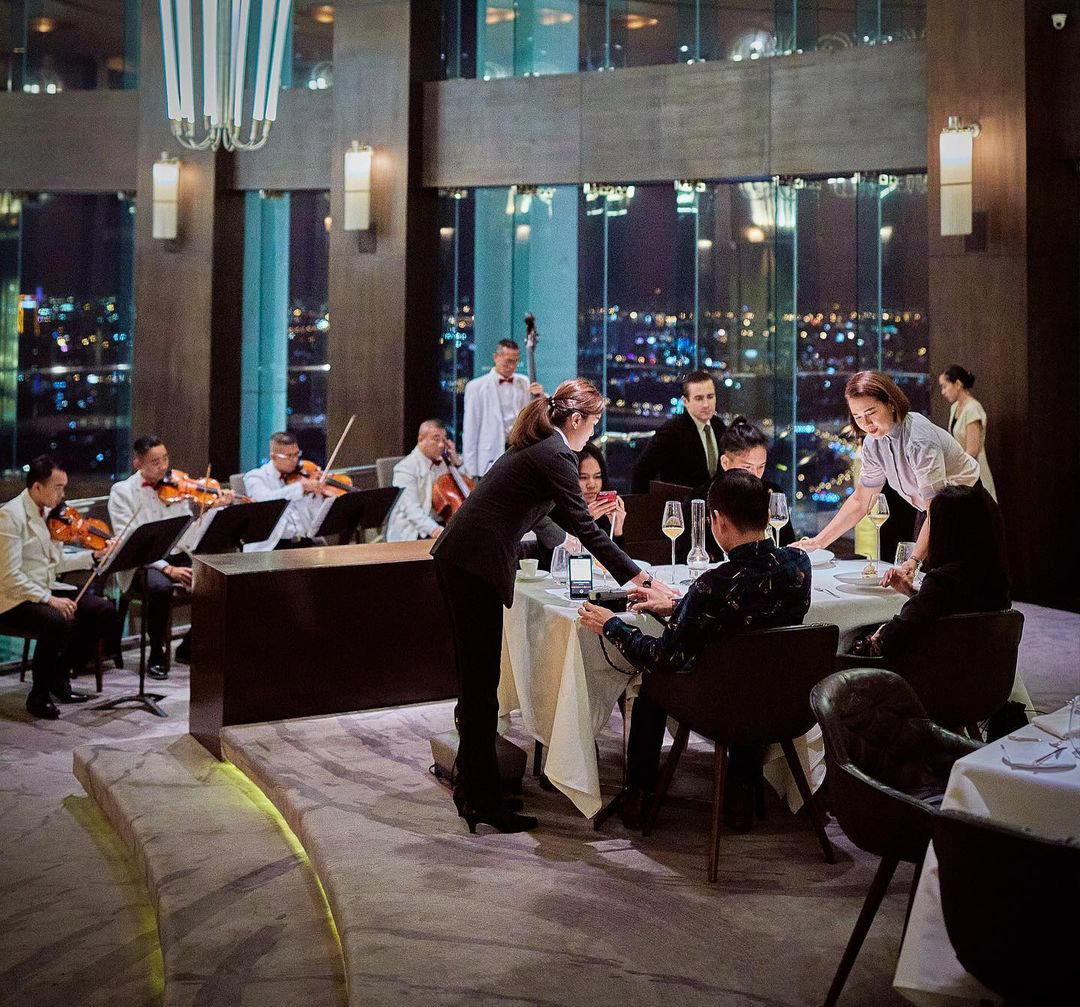
Pleasant atmosphere with Thai classical music, dance performances, and night river views from an antique teakwood barge.

Signature Dishes
Tom Yum GoongGaeng Keow WanGrilled King Prawns