
Blue Elephant on South Sathorn Road occupies a category of Bangkok dining where formal Thai cuisine meets a heritage-restaurant format, the kind of address that has held its ground while the city's fine-dining scene has moved sharply around it. Set close to BTS Surasak station in the Sathon district, it draws both long-term Bangkok residents and visitors seeking a structured introduction to Thai cooking traditions. The lunch and dinner services differ meaningfully in mood and approach, which shapes how best to book.
Pearl is the En Primeur Club membership app — saves, bookings, and concierge access live there. Same editors, same standards.
- Address
- BTS Surasak station, 41 S Sathon Rd, Yan Nawa, Sathon, Bangkok 10120, Thailand
- Phone
- +6626739353
- Website
- blueelephant.com
- Directions
- Get directions
 Saves & bookings on Pearl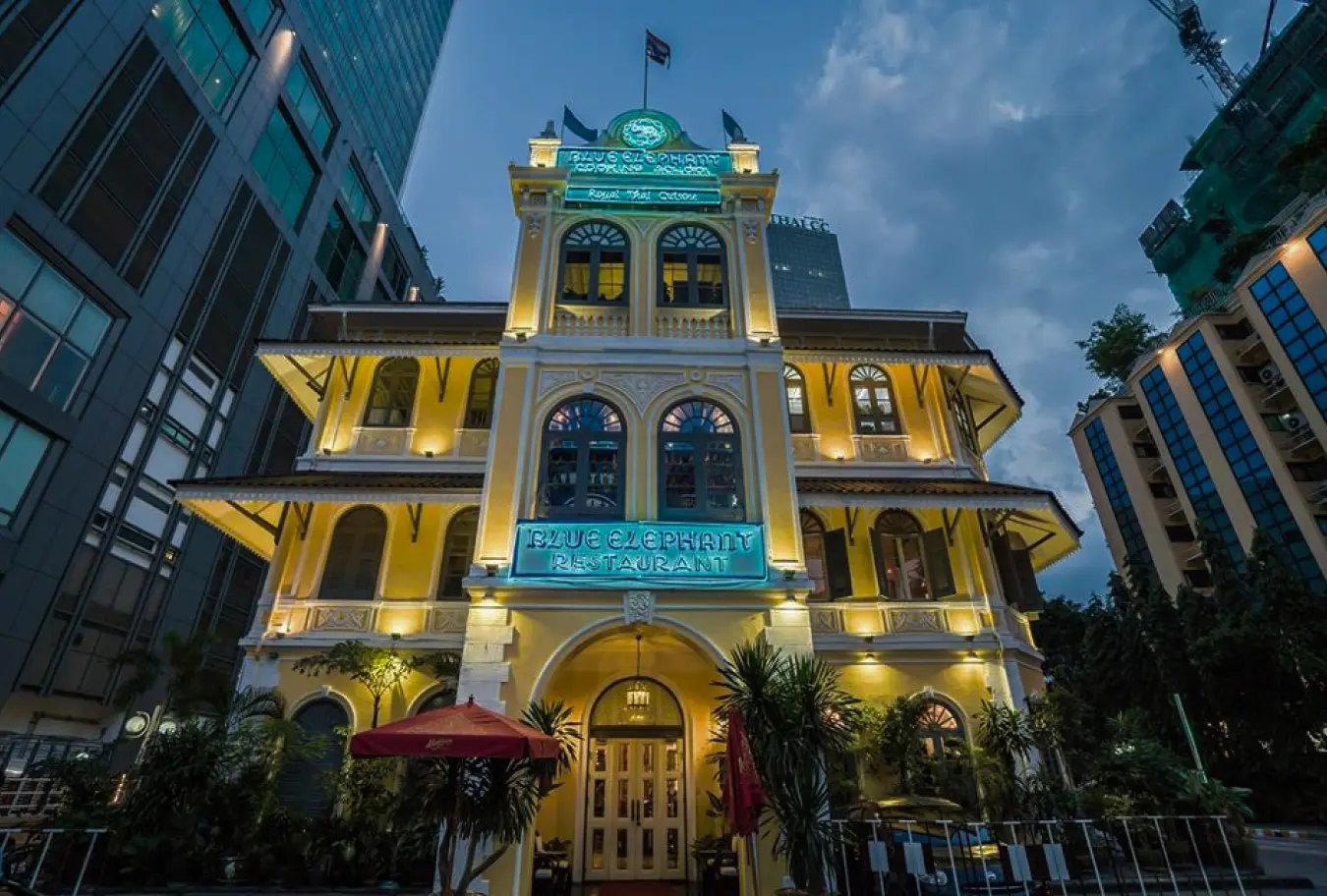
Sathon's Thai Classic and How the City Has Moved Around It
Bangkok's fine-dining scene has bifurcated sharply over the past decade. On one side sit the newer, produce-obsessed Thai restaurants, Sorn (Southern Thai) and Baan Tepa (Thai contemporary) are the clearest examples, operating at ฿฿฿฿ price points with tasting-menu formats and On the other side sits a smaller cohort of heritage-format restaurants that predate that wave, where the proposition is built around ceremony, regional breadth, and a dining room experience rather than a single chef's creative vision. Blue Elephant, at 41 South Sathorn Road near BTS Surasak station, belongs to this second category.
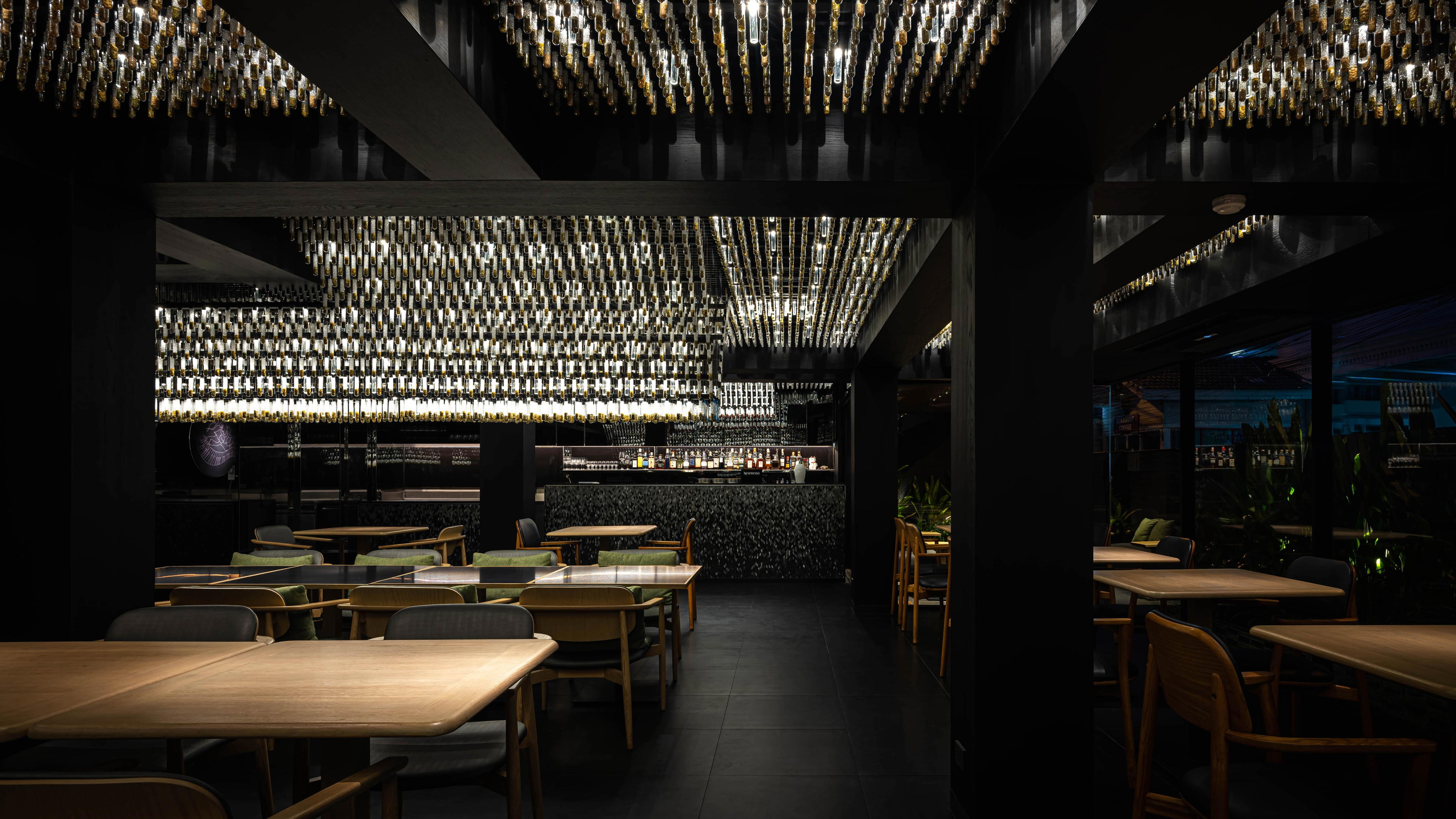
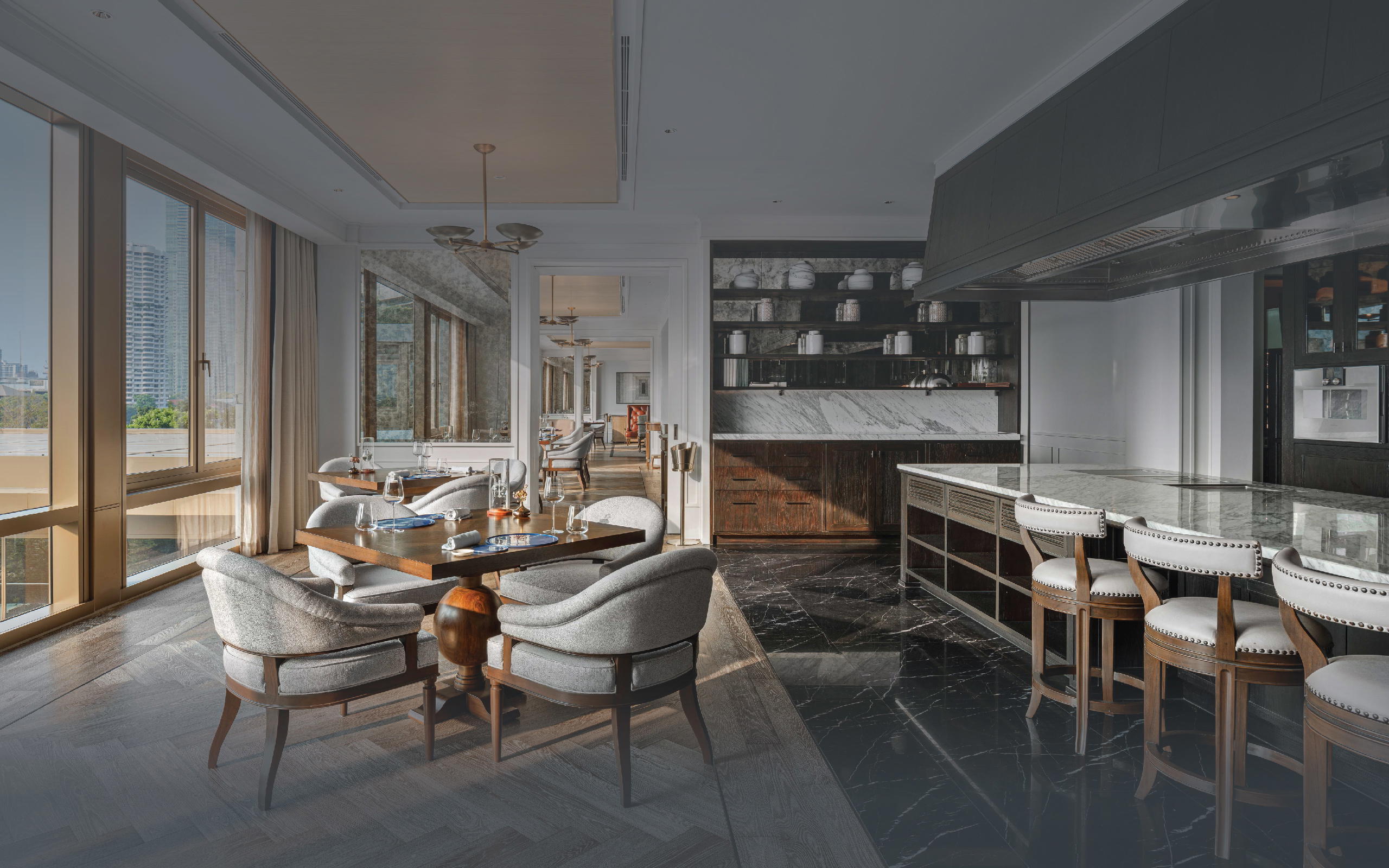
South Sathorn is a corridor of embassies, mid-century shophouses, and a handful of long-standing restaurants that have survived Bangkok's periodic boom-and-demolish cycles. The address has the kind of architectural weight that newer openings in Silom or Ekkamai simply cannot replicate, with gardens and a restored colonial-era setting. Bangkok's current generation of high-end restaurants, from Sühring (German) to Côte by Mauro Colagreco (Mediterranean, Modern Cuisine), operate in purpose-built or hotel-adjacent spaces optimised for kitchen performance. Blue Elephant's setting operates on different logic: the room is the first course.
Lunch vs. Dinner: Two Different Versions of the Same Address
The lunch-versus-dinner divide at heritage Thai restaurants in Bangkok is more pronounced than at most European equivalents. At lunch, the mood across this category tends toward business entertaining and guided tourism, the pace is brisk, the light is different, and the format often accommodates à la carte ordering more flexibly. Dinner shifts the register: the gardens darken, the formal Thai decoration reads more dramatically under artificial light, and the expectation tilts toward a longer, multi-course structure. Blue Elephant follows this pattern in a way that makes the choice of service a genuine editorial decision rather than a matter of convenience.
For first-time visitors, lunch carries a specific advantage: the cooking is broadly the same, the setting is fully accessible, and the price-to-experience ratio tends to be more favourable in the midday service. This mirrors what happens at comparable heritage-format restaurants across Thailand, Ayutthayarom in Phra Nakhon Si Ayutthaya being one regional example where the lunch service delivers the essential version of the proposition without the evening premium.
Dinner at the restaurant is the occasion format. For readers who have already experienced the cuisine in a simpler context, through the street-food spectrum in Udon Thani, where places like Baan Chik Pork Noodles represent the populist end of Thai noodle craft, the evening service here represents the formal, plated counterpoint. The two ends of the spectrum are equally valid; they answer different questions about Thai cooking.
Where Blue Elephant Sits in Bangkok's Current Competitive Set
Bangkok now runs a full spectrum of Thai fine dining, from the hyper-regional to the internationally trained. Gaa (Modern Indian, Indian), while not Thai, is indicative of the broader category of chef-driven tasting menus operating in the ฿฿฿฿ tier, where the frame is a single creative proposition. The restaurant's frame is different: it is encyclopaedic rather than editorial, covering Thai regional traditions across a menu that reads as a survey rather than a statement. That is not a weakness in the heritage-restaurant category; it is the point. Readers who want a single auteur's argument about Thai cuisine should look at Sorn or Baan Tepa. Readers who want to cover regional ground efficiently in a formal setting are in the right place.
Thailand's regional restaurant culture outside Bangkok is expanding, AKKEE in Pak Kret, Baan Heng in Khon Kaen, and Banmai Chay Nam in Nakhon Ratchasima demonstrate how seriously provincial cities take their own cooking traditions. Internationally, the formal tasting-menu format the restaurant represents has parallels at different price points: Le Bernardin in New York City and Lazy Bear in San Francisco both operate within structured, ceremony-forward formats where the room and the sequence matter as much as any single dish. The restaurant operates in that formal tradition applied to Thai cuisine, which distinguishes it from the casual-to-street-food continuum that dominates most visitors' Bangkok itineraries.
Planning a Visit: Access, Timing, and What to Expect
Access is among the easiest of any comparable Bangkok restaurant. BTS Surasak station on the Silom line puts the front entrance within a short walk, which in Bangkok's traffic context is a meaningful logistical advantage over restaurants that require longer taxi or rideshare legs. South Sathorn Road is navigable by foot in the evenings, and the neighbourhood is quieter than Silom proper, relevant for readers arriving from hotels in the Sathon or Silom corridor. Comparable island and resort-adjacent Thai dining, such as PRU in Phuket or Baan Suan Lung Khai in Ko Samui, involves considerably more planning for access; the restaurant removes that friction entirely.
Booking lead times at heritage-format Bangkok restaurants are generally shorter than at the Michelin-recognised tasting-menu houses, where reservations at peak periods can require weeks of advance notice. The restaurant's longer-established profile and larger capacity mean walk-ins are more plausible at lunch, though dinner on weekends warrants a reservation. Additional Thai dining references across the country's resort belt are covered through venues including The Spa in Lamai Beach, Anuwat in Phang Nga, and Banrimbung in Nakhon Pathom.
Category Peers
Comparable venues nearby, for context on price, style, and recognition.
| Venue | Cuisine | Price | Notes |
|---|---|---|---|
| Blue ElephantThis venue — the venue you are viewing | Royal Thai Heritage Cuisine | $$$ | Not listed |
| Baan Somtum | Authentic Isaan Thai Somtum | $$ | Bang Rak Khwaeng |
| Mae Varee Sweet Sticky Rice with Mango | Thai Mango Sticky Rice | $$ | Khlong Tan |
| Bo.lan | Thai Fine Dining | $$$$ | Thonglor |
| Khao Tom Pla Kimpo | Teochew-Style Fish Porridge | $$ | Bang Kholaem Khwaeng |
| Jim Thompson, A Thai Restaurant | Modern Thai Fine Dining | $$$$ | Prathunam |
Recognition history
Dated appearances from independent guides and award organizations, with the underlying list record or original source where available.
Opinionated About Dining Top Restaurants in Asia Recommended
Opinionated About Dining
At a Glance
- Elegant
- Classic
- Sophisticated
- Historic
- Special Occasion
- Date Night
- Celebration
- Historic Building
- Local Sourcing
- Organic
Current opening hours
- Monday
- 11:30 AM–2:30 PM, 5:30–10 PM
- Tuesday
- 11:30 AM–2:30 PM, 5:30–10 PM
- Wednesday
- 11:30 AM–2:30 PM, 5:30–10 PM
- Thursday
- 11:30 AM–2:30 PM, 5:30–10 PM
- Friday
- 11:30 AM–2:30 PM, 5:30–10 PM
- Saturday
- 11:30 AM–2:30 PM, 5:30–10 PM
- Sunday
- 11:30 AM–2:30 PM, 5:30–10 PM
Hours can change for holidays and private events. Last verified .
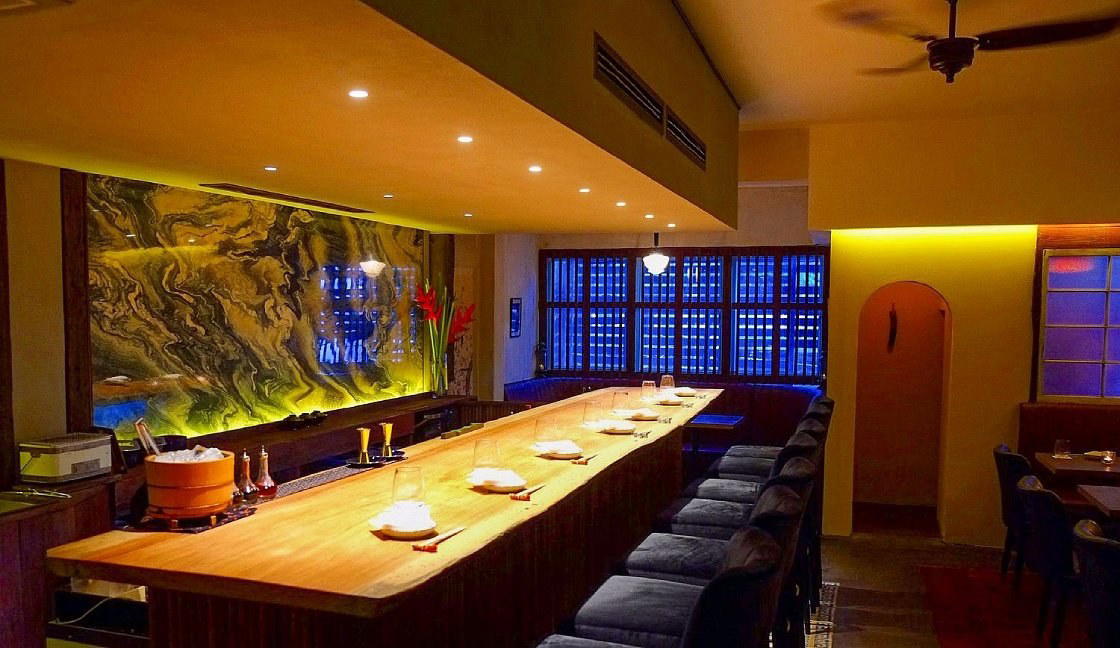
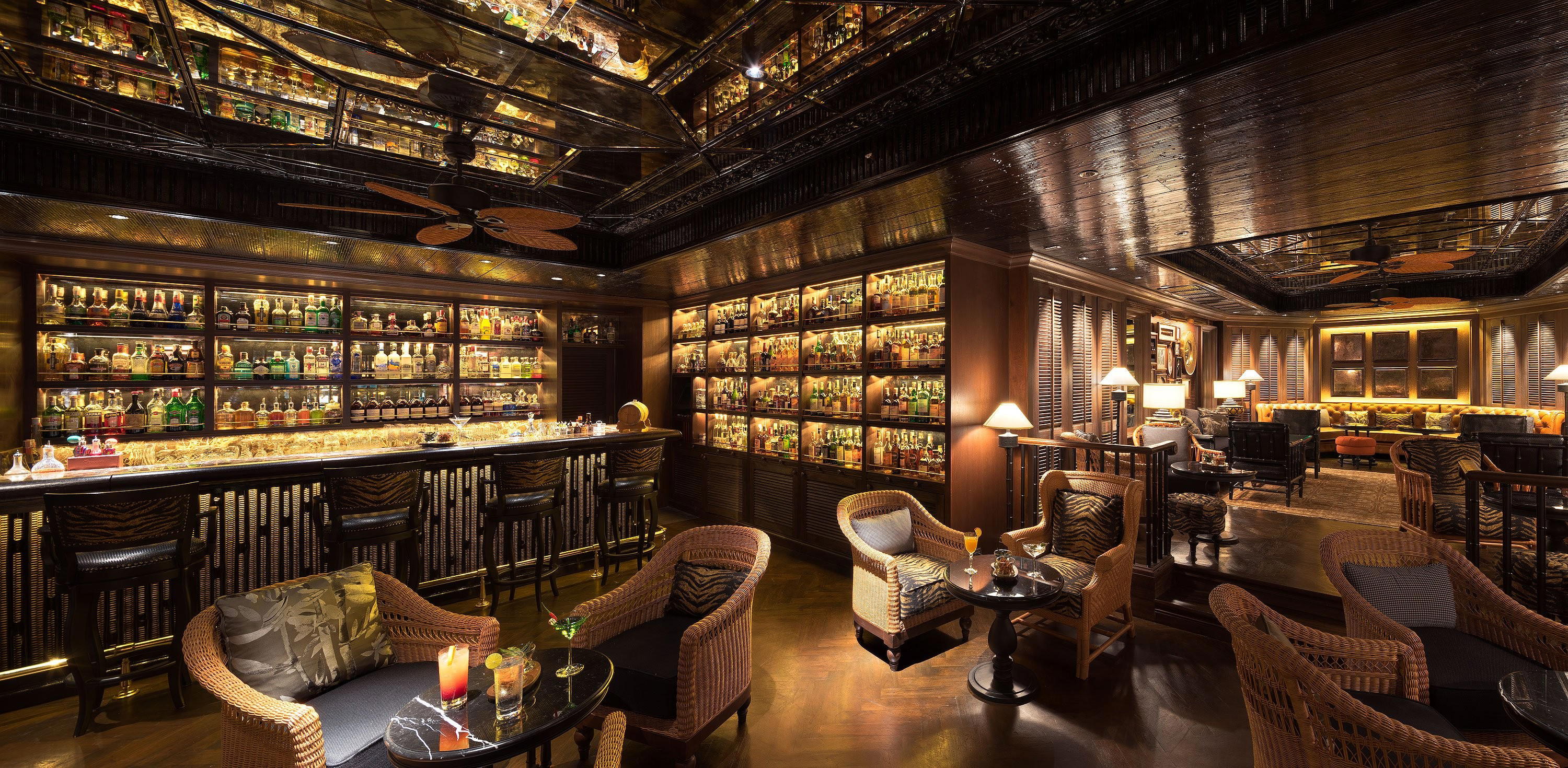
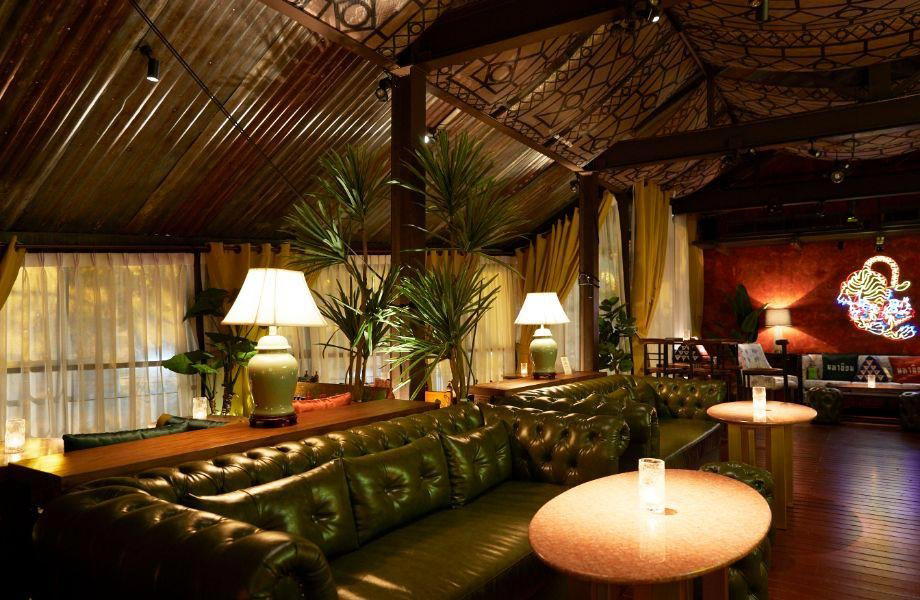
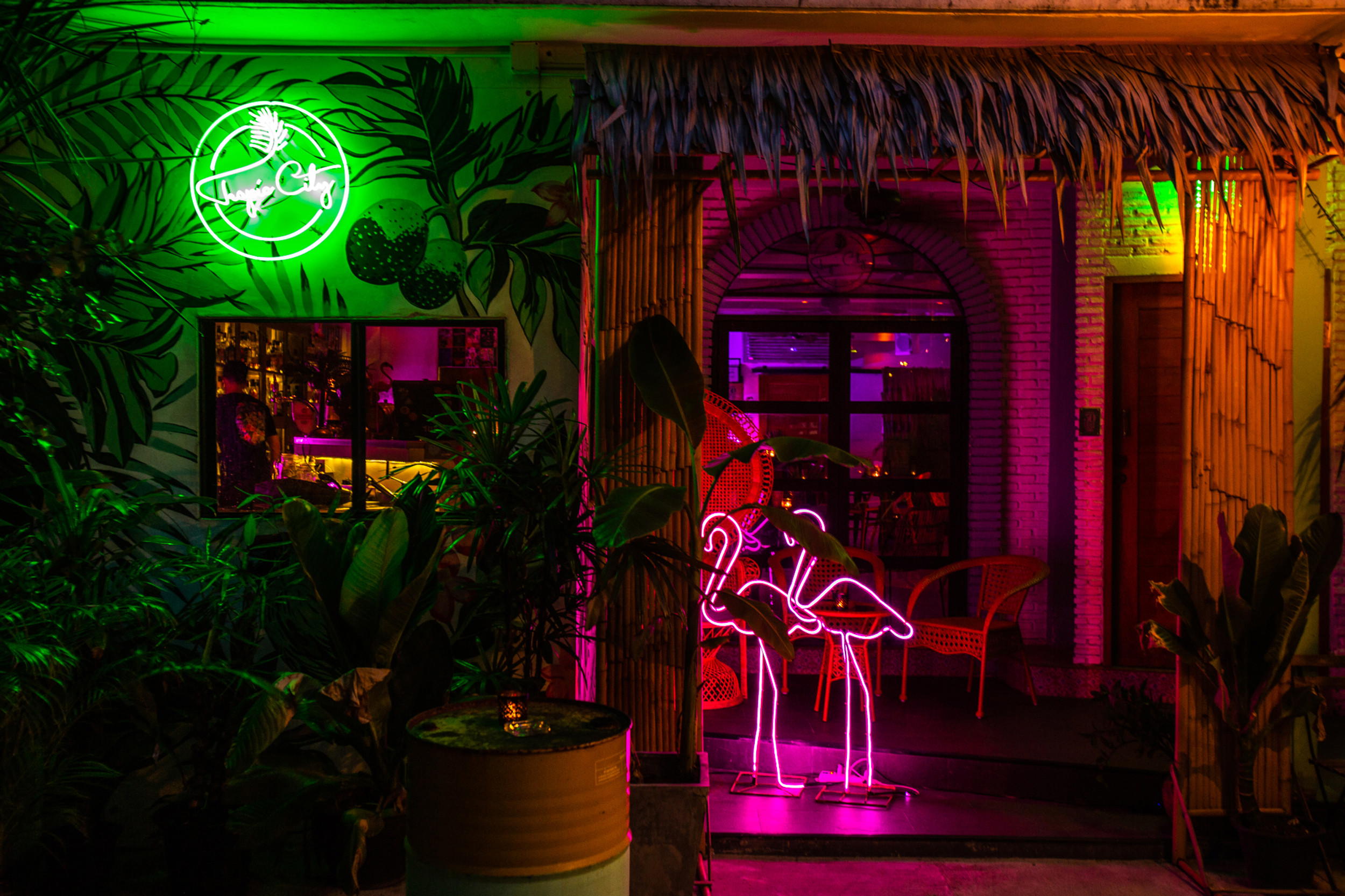
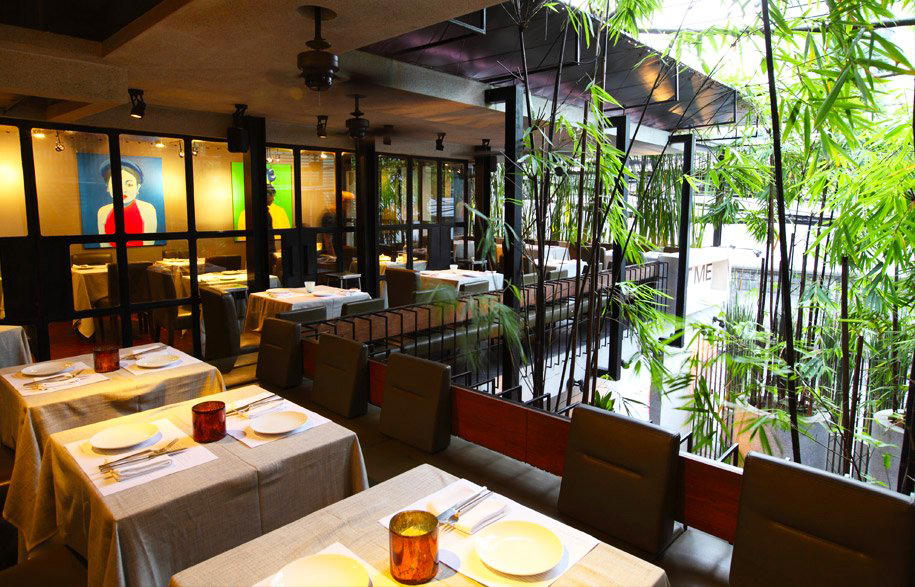
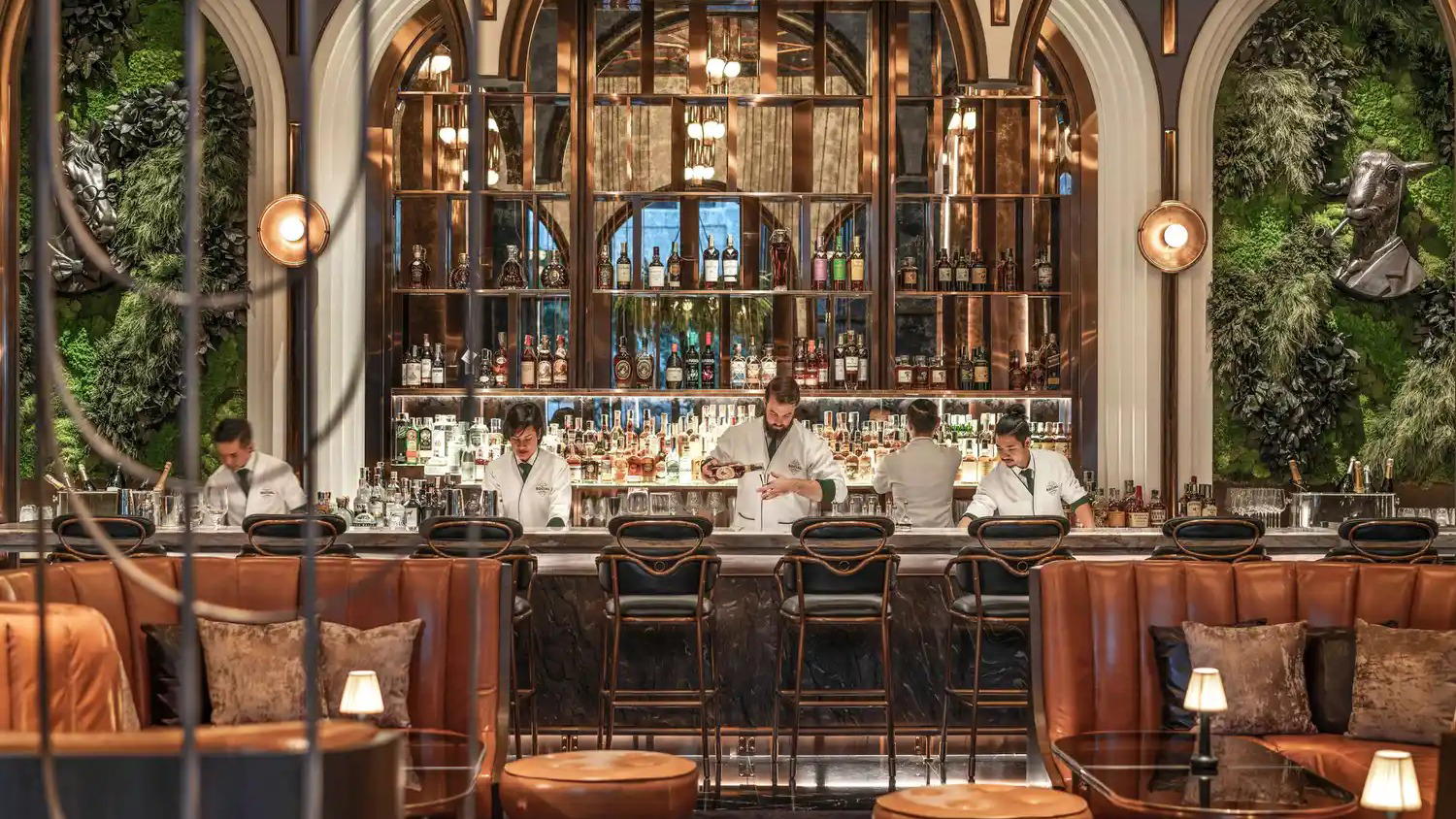
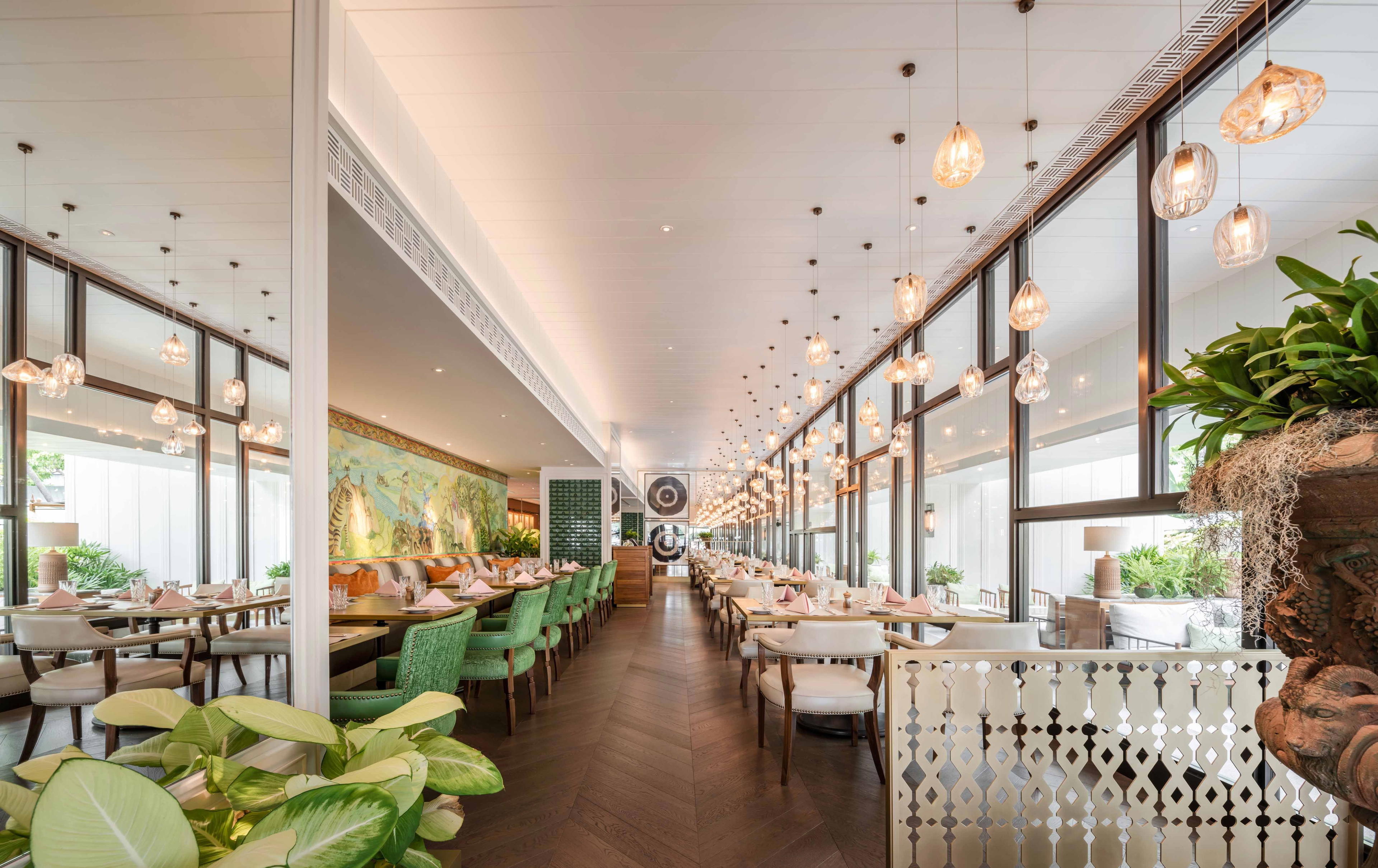
Colonial-style interiors with dark wooden furniture, antique sculptures, and elegant dining rooms evoking timeless luxury.