Pecenjara Mali Hrast
Pecenjara Mali Hrast focuses on Serbian roasted pork, with Pork Roast and Homemade Pancakes, garden views, and a casual, conversational setup for lunch or dinner.
Pearl is the En Primeur Club membership app — saves, bookings, and concierge access live there. Same editors, same standards.
- Address
- Put 1300 Kaplara 107, Aranđelovac, Serbia
- Phone
- +38134532820
- Website
- mojakafana.com
- Directions
- Get directions
 Saves & bookings on Pearl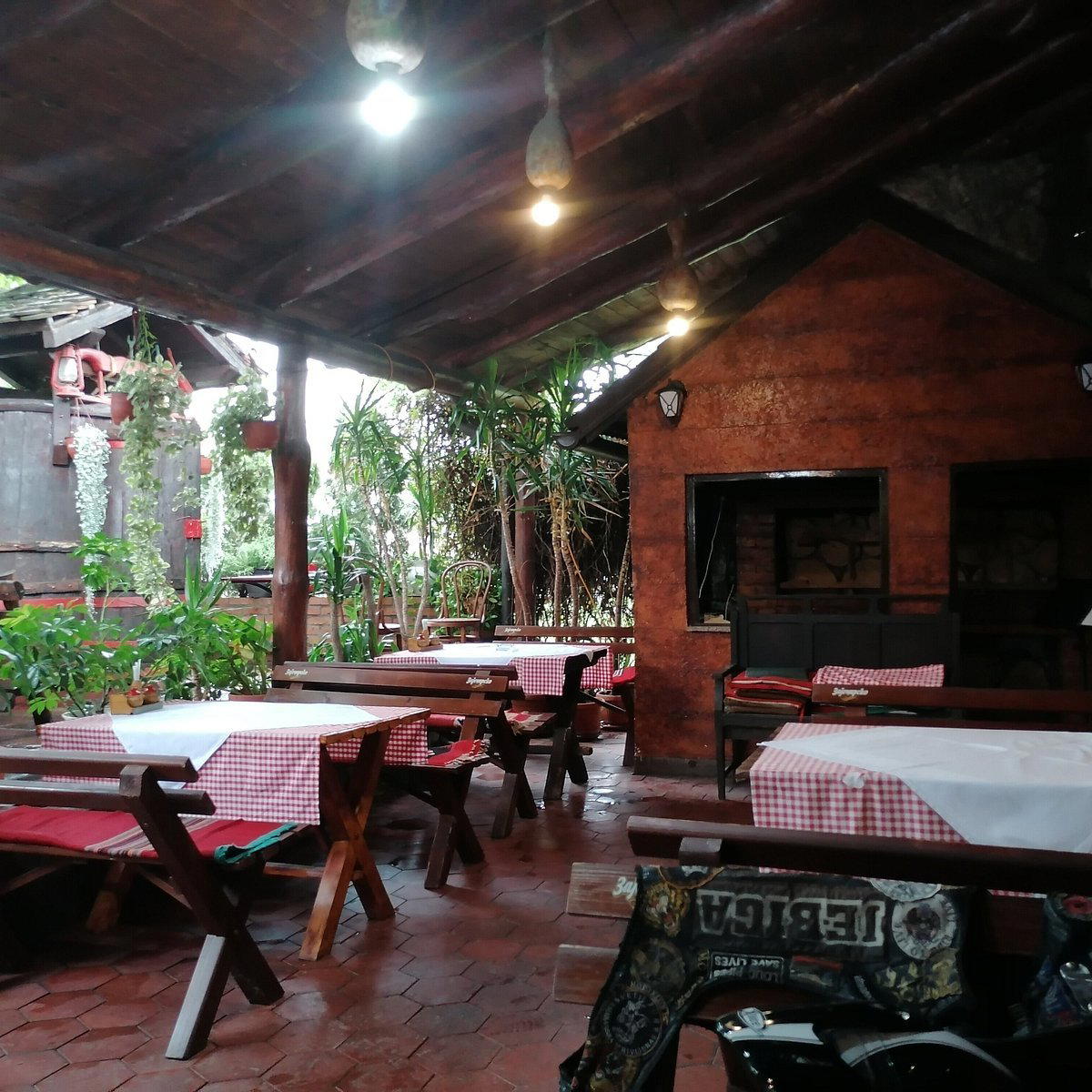
The Road Out of Aranđelovac
Pecenjara Mali Hrast is a restaurant in Aranđelovac, Serbia, serving Serbian Roasted Pork Specialist fare; it is a casual, mid-priced stop with reservations recommended. The approach to Pecenjara Mali Hrast sets the tone before you sit down. Put 1300 Kaplara 107 is not a city-centre address: it sits along the road corridors that thread out of Aranđelovac into the Šumadija countryside, the kind of route where the density of houses thins, roadside oak stands thicken, and the cooking fires of a good pečenjara reach you through a car window before the sign does. That sensory forewarning is, in the Serbian roadside dining tradition, a form of advertising more reliable than any placard. If the smoke smells right, the spit is working, and the animal turning on it has been sourced locally and treated simply.
Aranđelovac occupies a specific position in central Serbia's dining geography. The town is best known as a spa and mineral-water centre, Bukovička Banja draws visitors year-round, but its surrounding belt of villages and roadside stops has always maintained a parallel identity around roast meat culture. Šumadija is the region that defines the Serbian pečenjara format: whole suckling pig or lamb turned slowly over wood coals, served without ceremony in portions sized for appetite rather than theatre. The tradition predates restaurants as a concept in this part of the Balkans, and establishments like Pecenjara Mali Hrast are the format's living continuation along those rural approach roads.
A Format Defined by Fire and Patience
The pečenjara as a category sits apart from the kafana, the konoba, and the urban grill house. Where a kafana, such as the centrally located Kod poštara in town, can anchor itself in neighbourhood sociability and a broad menu, the pečenjara's identity is narrower and more technically specific. The whole point is the spit: the time it takes, the patience it demands, the crackle of skin that results. Everything else on the menu exists in supporting role. Salads, bread, and cold drinks arrive as accompaniments to the main event, not as parallel attractions.
This format has held its ground in Serbia even as urban restaurant culture has diversified considerably. In Belgrade, the range now runs from contemporary European tasting menus at places like Langouste to Korean-inflected fine dining at Atomix in New York, a reminder of how far the diaspora-influenced palate has travelled, but the pull of a correctly executed whole roast pig, portioned at the roadside, remains largely immune to trend cycles. Guests who drive out of Aranđelovac toward establishments like Mali Hrast are not hedging between options: they have come specifically for the spit.
Compare this to how hunting-lodge dining operates at places like Lovachki Raj in the same area, where the frame shifts to game culture and a more overtly rural aesthetic, or how the wine-estate model at Vinarija Tarpoš adds a production narrative to the eating occasion. Pecenjara Mali Hrast occupies the simplest and particularly uncompromising of these local formats: no supplementary narrative, just the fire.
Place as the Point
The address on Put 1300 Kaplara places the pečenjara within a band of Serbian road culture that stretches across the country. Similar positioning defines well-regarded spit-roast stops in Šumadija and beyond, the logic being that the format requires space, access for vehicles, and proximity to rural supply chains rather than urban foot traffic. You find analogous setups near Valjevo, where Lovački dom occupies a comparably road-adjacent position in relation to its town, and in Bajina Basta, where Kafana Studenac similarly anchors itself to the approach roads rather than the town square. The pattern is consistent: the further a Serbian pečenjara sits from the urban centre, the more seriously it tends to take the core product.
That route itself passes through the agricultural heartland that supplies places like Pecenjara Mali Hrast, the animals, the wood, the seasonal rhythm of production. It is the kind of drive that contextualises the food before you arrive. Seasonal timing is worth noting: warm-weather weekends draw the highest volume of traffic to roadside pečenjare across Šumadija, and arriving in the late morning gives the leading access to freshly turned product before the lunchtime rush depletes the spit.
Pečenjare across Serbia's interior operate within a shared culinary grammar, but local inflections matter. In Cajetina, Kafana Pećinar Ljubiš pushes into kafana territory with a broader menu while keeping the fire at its centre. In Apatin, Čarda Zlatna Kruna pivots the roast tradition toward Danube fish culture. In Pirot, Kafana Dukat folds regional cheese and cured meat traditions into a similar community-dining frame. Each of these establishes its identity through a specific local product or geographic signal. The restaurant draws its identity from the Šumadija countryside that surrounds it: oak-forested hills, a farming hinterland, and the implicit promise that the animal on the spit came from somewhere nearby.
That localism is the competitive argument these establishments make, even when they do not articulate it explicitly. Against the more ethnographic presentation of places like Etno Kuća Dinar in Vrsac or the resort-adjacent positioning of Grand in Kopaonik, the Šumadija pečenjara offers no ambient decoration or destination-resort context. The surrounding oak trees do the work. The name Mali Hrast, Little Oak, acknowledges that plainly.
Planning Your Visit
The restaurant is located at Put 1300 Kaplara 107 on the outskirts of Aranđelovac, accessible by car from the Belgrade-Čačak corridor. Walk-in access is the norm for this format, reservations are not a standard expectation, though arriving early on weekends is the practical approach when demand from Belgrade day-trippers peaks. Pricing at Serbian pečenjare of this type is set by portion weight rather than fixed menu prices, which means the bill scales with appetite. Dress is informal; the setting is outdoor or semi-covered. Kod poštara for kafana-style meals in town and Vinarija Tarpoš for estate wine and food nearby. Visitors combining this stop with wider Serbian road travel will find comparable formats at Kod Brana in Čačak, Windmill in Pančevo, or Aleksandar Gold in Užice as they move through central and western Serbia. Kafe Restoran Maša in Novi Sad rounds out a northern Serbian circuit for those tracing the full range of Serbian hospitality formats.
A Minimal comparable set
Comparable venues nearby, for context on price, style, and recognition.
| Venue | Cuisine | Price | Notes |
|---|---|---|---|
| Pecenjara Mali HrastThis venue — the venue you are viewing | Not listed | $$ | Not listed |
| Vinarija Tarpoš | Not listed | $$ | Aran Elovac, Serbian Traditional with Local Wines |
| Kod poštara | Not listed | $ | Dragobraća, Kragujevac, Traditional Serbian Roasted Meats |
| Lovachki Raj | Arandjelovac, Serbian Game Meat | $$ | Not listed |
| Pasent | Not listed | $$ | Sremski Karlovci, Traditional Serbian & Eastern European |
| Salaš kod Stare Dunje | Zrenjanin, Traditional Eastern European | $$ | Not listed |
Continue exploring
More in Aran Elovac
Restaurants in Aran Elovac
Browse all →

Bars in Aran Elovac
Browse all →
At a Glance
- Rustic
- Cozy
- Family
- Casual Hangout
- Garden
- Garden
Current opening hours
- Monday
- Closed
- Tuesday
- Closed
- Wednesday
- 10 AM–9 PM
- Thursday
- 10 AM–9 PM
- Friday
- 10 AM–9 PM
- Saturday
- 10 AM–9 PM
- Sunday
- 10 AM–9 PM
Hours can change for holidays and private events. Last verified .
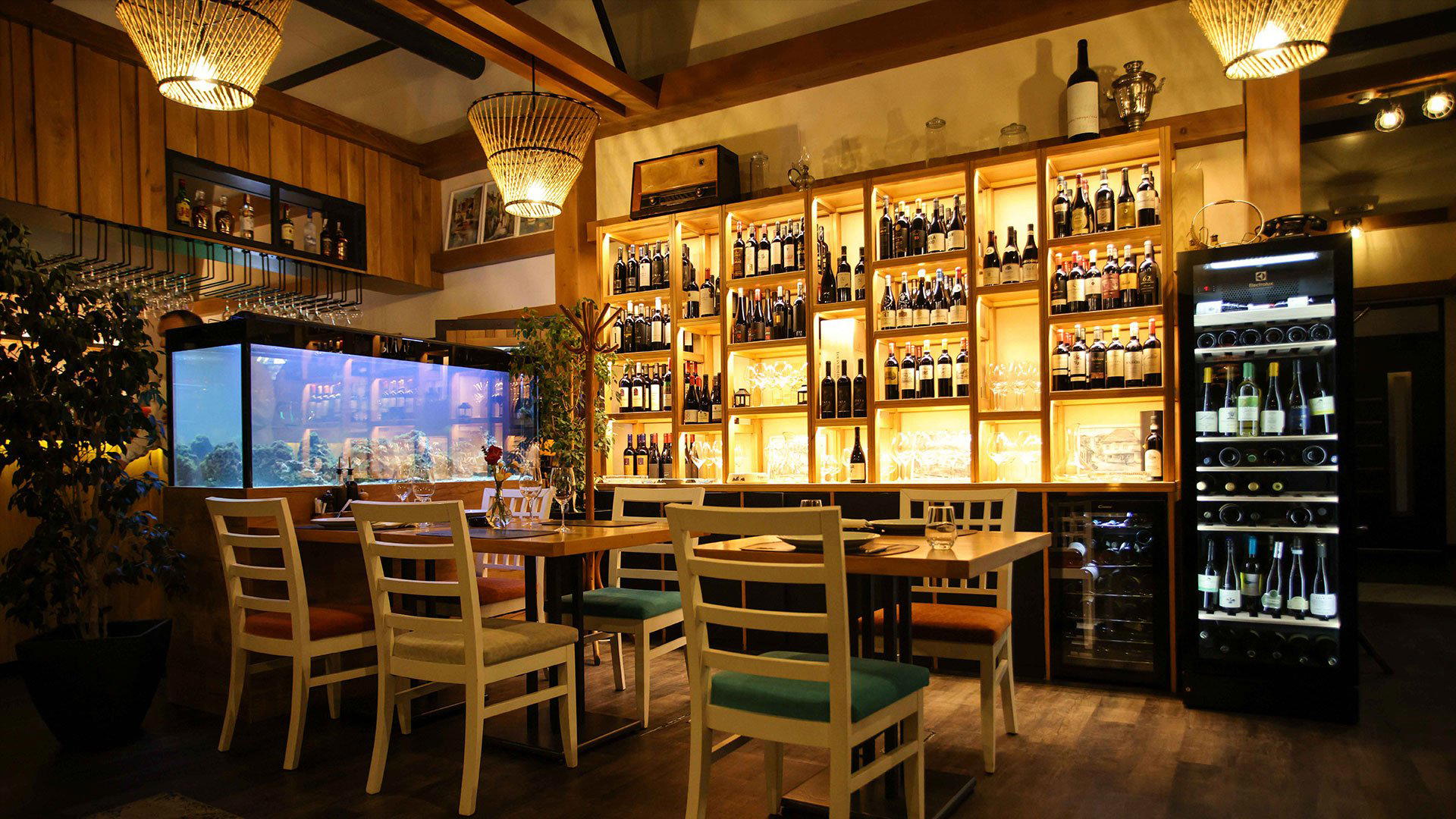
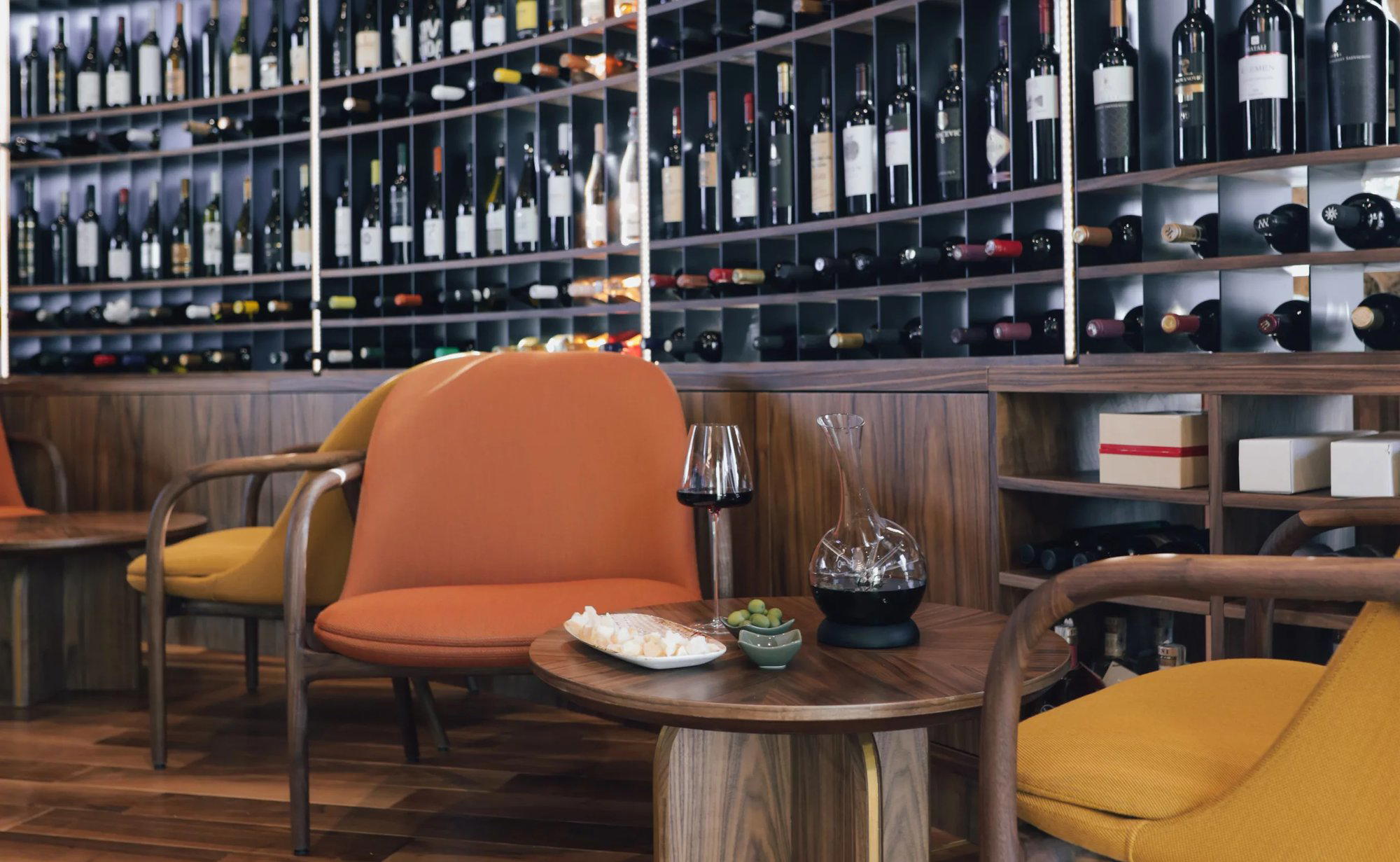
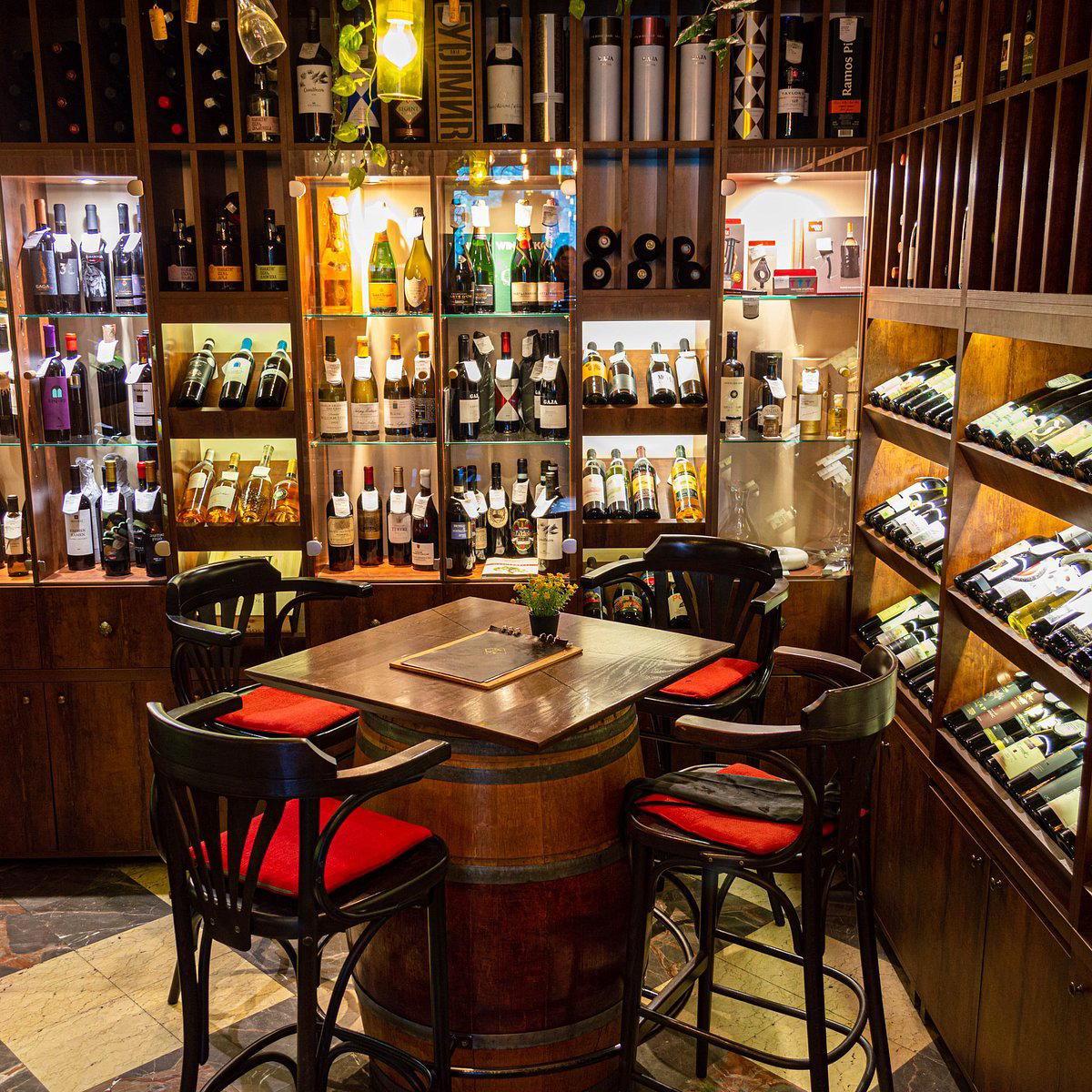
Small ethno-style interior with few tables and warm, welcoming atmosphere; garden seating available in summer.