On the Buda side of the Danube at Fő utca 20, Pavillon de Paris occupies a stretch of Budapest where French dining customs meet the city's own appetite for deliberate, course-by-course ritual. The address places it in direct conversation with the capital's premium dining tier, where pacing and format carry as much weight as the plate itself. A considered choice for those who treat dinner as structured time rather than a quick transaction.
Pearl is the En Primeur Club membership app — saves, bookings, and concierge access live there. Same editors, same standards.
- Address
- Budapest, Fő u. 20, 1011 Hungary
- Phone
- +36307111135
- Website
- pavillondeparis.hu
- Directions
- Get directions
 Saves & bookings on Pearl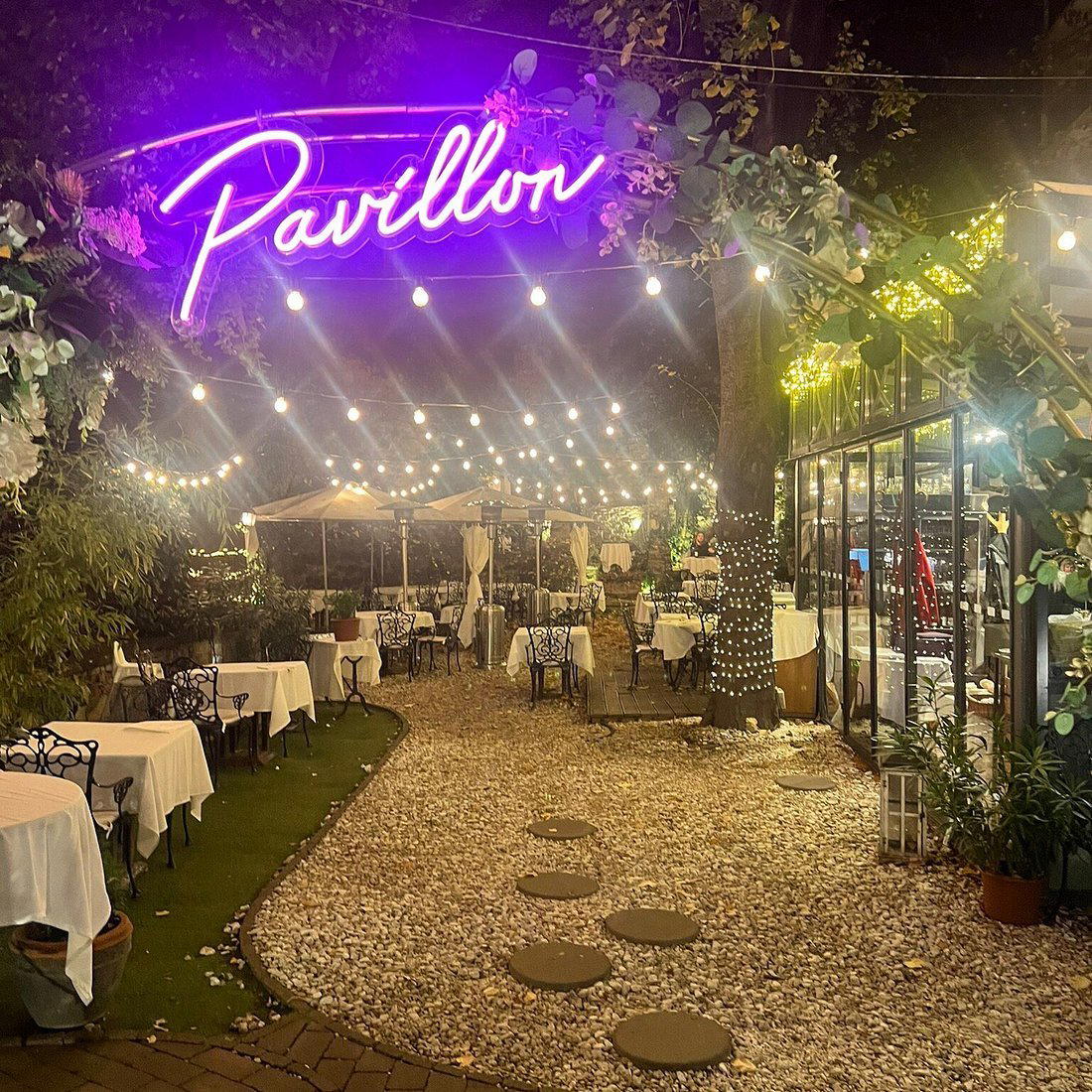
Where the Meal Has a Tempo
Fő utca runs along the Buda embankment with the Danube on one side and the Castle District rising behind it. It is not a street you wander onto by accident. The approach to number 20 carries that same deliberateness: this is a part of the city where the evening is arranged in advance, not improvised. Budapest has a serious fine dining scene, anchored by addresses that treat the meal as a structured event with its own internal rhythm. Pavillon de Paris sits on that street, and the name signals the register clearly enough: French hospitality codes applied to a Hungarian setting, where the customs of the long, paced dinner have their own deep roots.
The French Dining Ritual in a Budapest Context
French-inflected dining in Central Europe carries specific expectations around sequencing, service cadence, and the relationship between guest and room. A meal conducted in this mode is not a sequence of dishes so much as a series of decisions: how long to linger between courses, whether to take the room's suggestion on wine, when the evening shifts from anticipation into something more settled. Budapest's premium tier has grown sophisticated enough to support this format with conviction. Costes (€€€€) established Michelin-level expectations on the Pest side; Babel (€€€€) has pressed into modern Hungarian territory with similar structural seriousness; Stand (€€€€) operates with a comparable commitment to multi-course discipline. Pavillon de Paris occupies this same conversation, but the French framing places it in a slightly different comparable set: addresses where European classical tradition, rather than indigenous ingredient narrative, provides the backbone.
That distinction matters more than it might appear. A French-coded dining room in Budapest is making an implicit argument about where it locates authority: in a canon of technique, in a vocabulary of sauces and sequences that the diner is expected to recognise and read. The ritual here is partly the meal and partly the act of participation in a shared language between kitchen and guest.
The Buda Setting and What It Changes
Most of Budapest's headline dining is concentrated on the Pest bank. The Buda side, particularly along Fő utca in the first district, operates at a different pace. The street is quieter, the foot traffic more purposeful, and the atmosphere in the surrounding blocks leans residential rather than commercial. Eating here means committing to the evening rather than letting it unfold opportunistically. That commitment is itself a form of ritual preparation: you cross the river, you find the address, and by the time you arrive, you have already decided that this is where the night belongs.
It is worth factoring the journey time into the evening, since the address rewards arriving without rush.
Pacing, Etiquette, and What the Room Expects
A French-structured dinner has its own code of conduct, and rooms that operate in this register tend to read guests who understand that code as partners in the experience rather than as audience members. The expected posture is unhurried: courses arrived at their own pace, attention paid to what is on the plate rather than to the next obligation. In Budapest's premium tier, this sensibility has become more widely shared as the city's dining public has matured alongside its restaurant infrastructure. Borkonyha Winekitchen (€€€) has trained guests to engage seriously with wine as a structural element of the meal; essência (€€€€) has pushed the city further into tasting-menu discipline. Pavillon de Paris operates in that same educated environment, where the guest arriving with prior experience of long, formal European dinners will find the format familiar and the pacing intuitive.
For those newer to this mode of dining, the practical advice is simple: treat the first course as the beginning of a conversation rather than a preview of something to be gotten through. The meal will find its own speed.
Placing It Against the Budapest Premium Field
Budapest's top tier splits roughly between addresses pursuing Michelin recognition through technically demanding modern Hungarian menus and those that position themselves within broader European classical traditions. The former group is larger and more visible internationally; the latter operates for a different guest profile, one that measures the evening against remembered meals in Paris or Lyon rather than against a local benchmark. The restaurant, by name and apparent positioning, speaks to the second category. It shares a price register with addresses like Costes and Stand at the €€€€ tier, which in Budapest currently means a formal multi-course dinner for two with wine running well above what equivalent coverage would cost in Vienna or Prague, but still significantly below Paris or London comparators.
The city's dining options extend well beyond the capital. For those building a longer Hungarian itinerary, Platán Gourmet in Tata, Pajta in Őriszentpéter, and Aranysárkány Vendéglő in Szentendre each represent distinct regional approaches to formal and semi-formal Hungarian dining. In the wine country to the south, Halasi Pince Panzió in Villány anchors a different kind of dinner ritual, built around Villány reds rather than French classical structure. Elsewhere in Hungary, BoriMami in Gyöngyös, Forst-Ház Étterem és Kávézó in Eger, Classic Grill Serbian Restaurant Underground in Szeged, Astro Tea & Kávéház in Gyor, La Pizza Del Lupo in Onga, and Almalomb in Hosszúhetény each offer a window into how formal or semi-formal dining plays out across the country's more varied regional registers.
For global benchmarks in the French classical tradition, Le Bernardin in New York City and Atomix in New York City represent what sustained commitment to a defined culinary language looks like when applied at the highest documented level of recognition.
Planning the Evening
Fő utca 20 is in Budapest's first district, on the Buda bank of the Danube. The M2 metro line stops at Batthyány tér, a short walk south along the embankment. The area is quiet by central Budapest standards, particularly on weekday evenings, and the neighbourhood itself rewards arriving early enough to walk the embankment before sitting down.
Comparable Spots, Quickly
Comparable venues nearby, for context on price, style, and recognition.
| Venue | Cuisine | Price | Notes |
|---|---|---|---|
| Pavillon de ParisThis venue — the venue you are viewing | Classic French Bistro | $$$ | Not listed |
| KOLLÁZS Brasserie & Bar | French Brasserie with Hungarian Influences | $$$ | Varhegy |
| Kacsa Étterem | Classic Hungarian Duck Specialties | $$$ | Varhegy |
| ESCA. | Modern Hungarian with Nordic influences | $$$ | Pest |
| LEO Bistro | Modern Hungarian Bistro | $$$ | Varhegy |
Continue exploring
More in Budapest
Restaurants in Budapest
Browse all →
Bars in Budapest
Browse all →
Hotels in Budapest
Browse all →

At a Glance
- Romantic
- Elegant
- Cozy
- Scenic
- Date Night
- Special Occasion
- Business Dinner
- Garden
- Terrace
- Historic Building
- Extensive Wine List
- Garden
Current opening hours
- Monday
- 12–11 PM
- Tuesday
- 12–11 PM
- Wednesday
- 12–11 PM
- Thursday
- 12–11 PM
- Friday
- 12–11 PM
- Saturday
- 12–11 PM
- Sunday
- 12–11 PM
Hours can change for holidays and private events. Last verified .
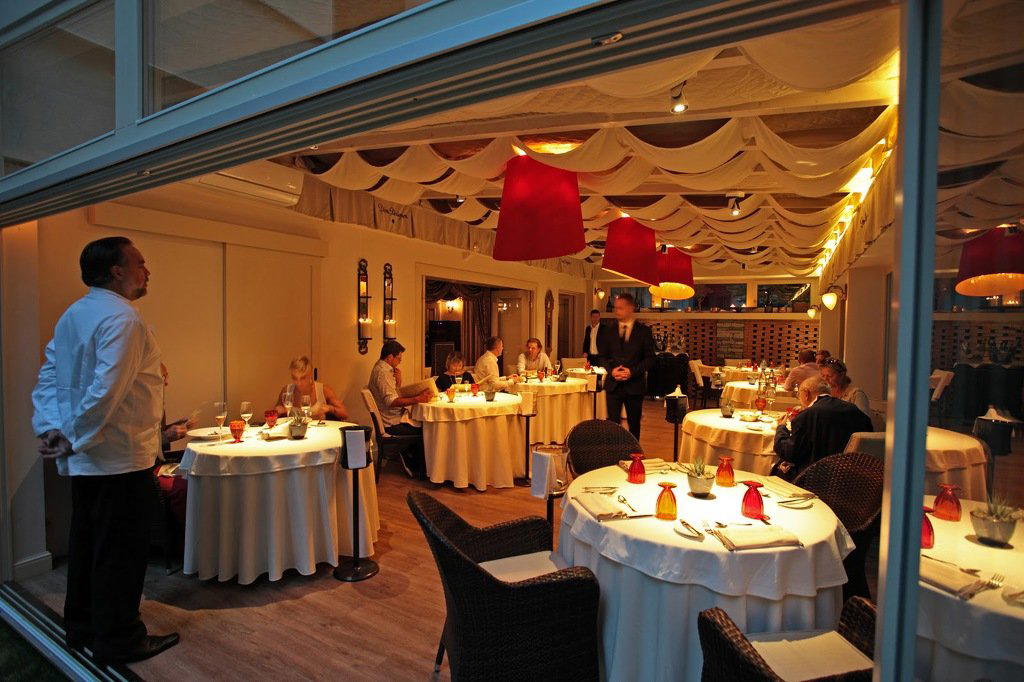
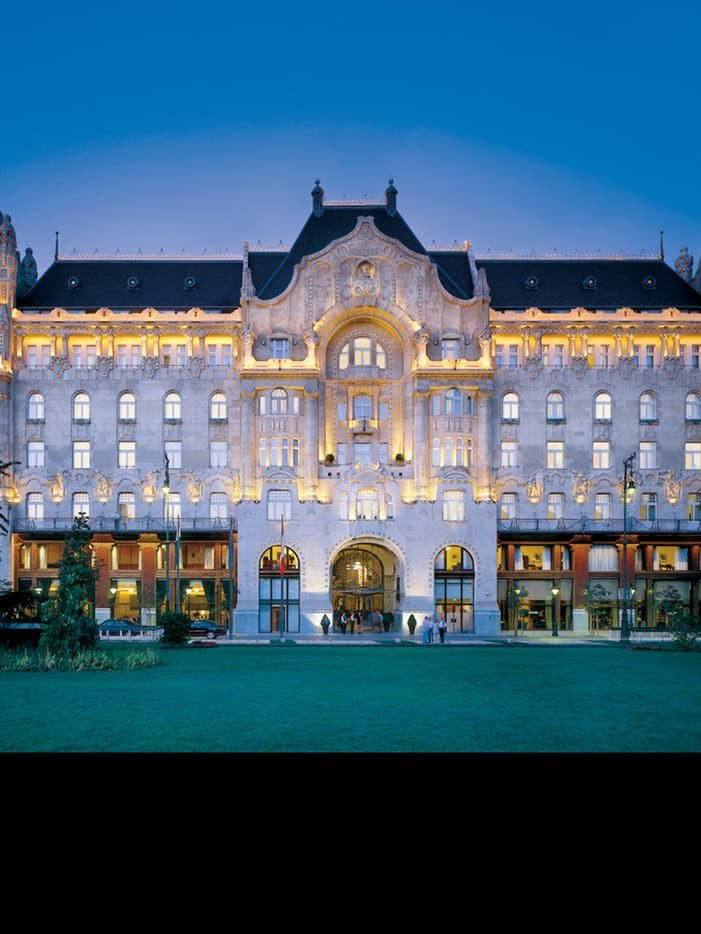
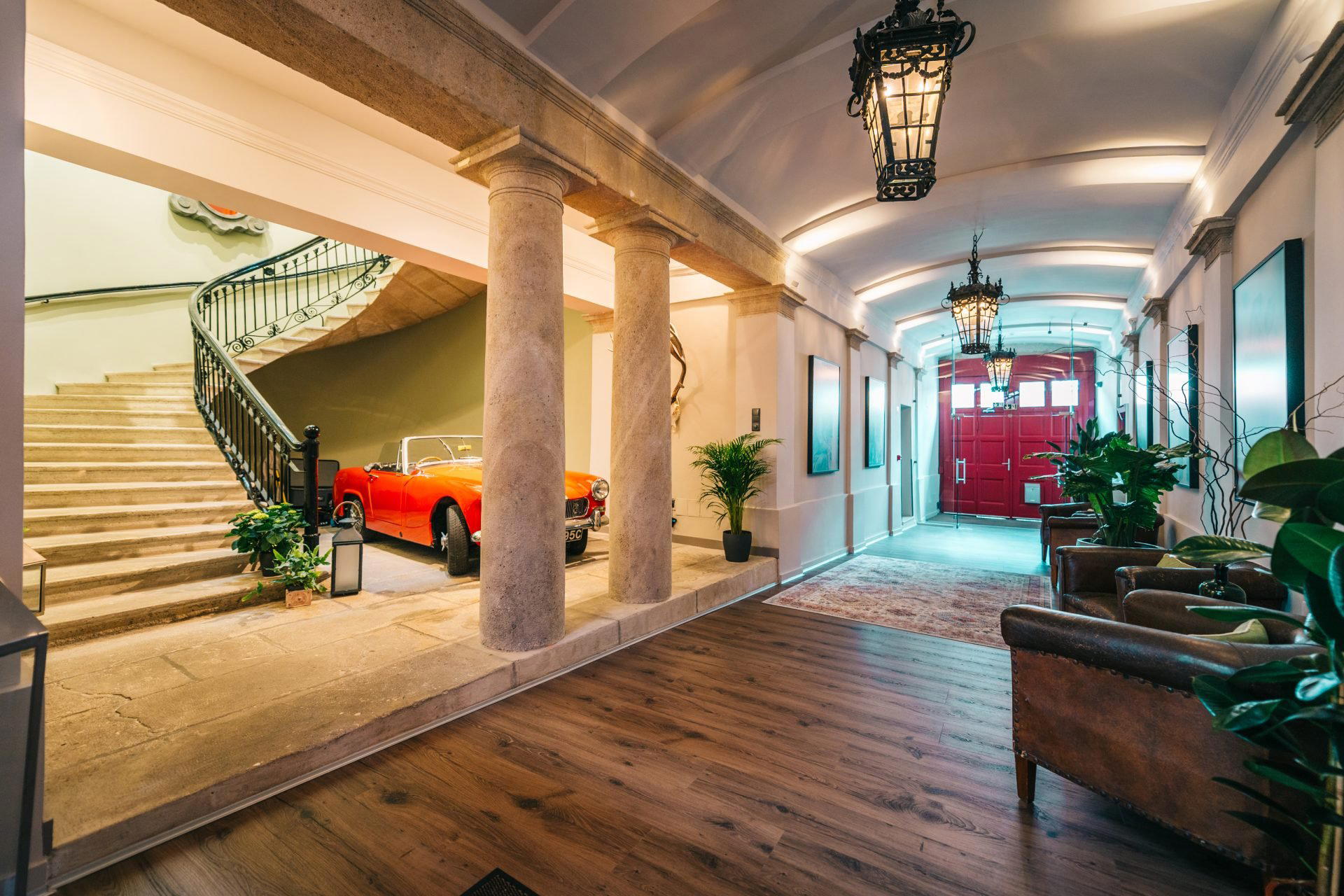
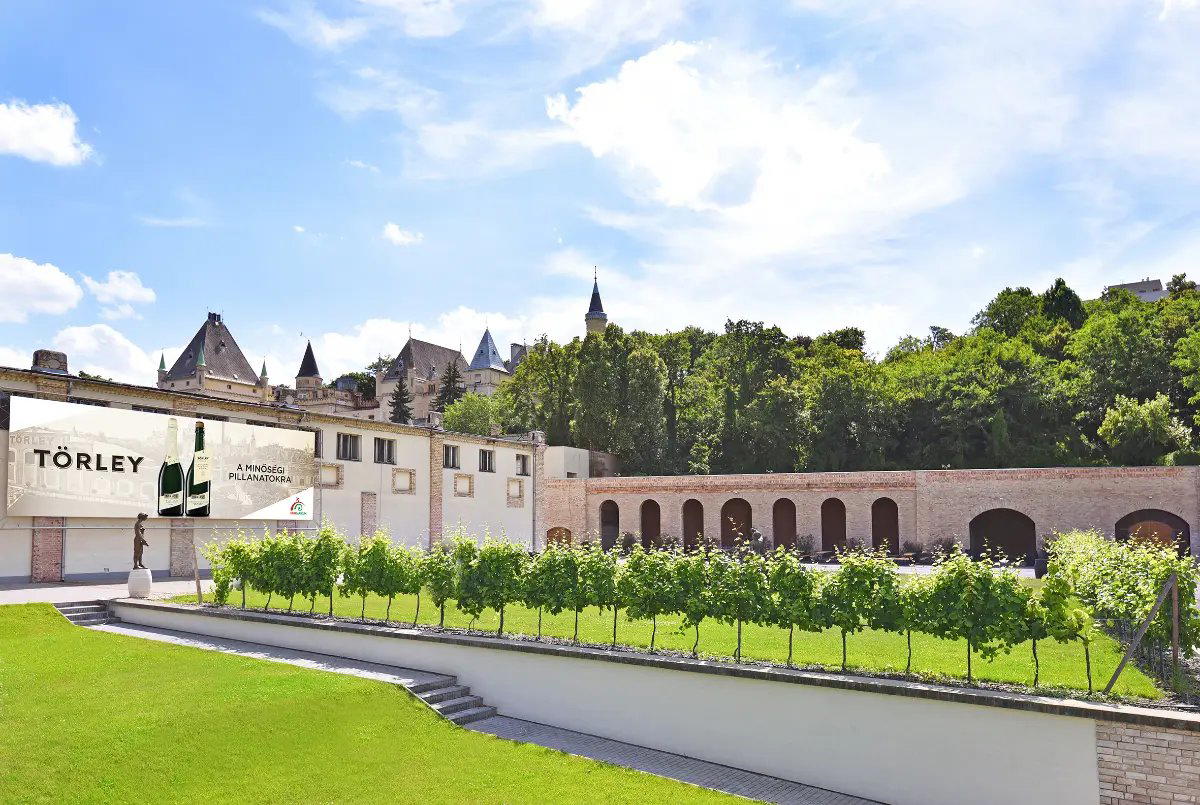
Charming garden with huge trees and ancient walls, tea lights in courtyard, conservatory-style indoor area evoking a peaceful haven.