On Fő utca in Budapest's Buda riverside district, Kacsa Étterem has built a reputation around Hungarian classical cooking served with the kind of front-of-house coordination that most restaurants at this level struggle to maintain. The name translates simply as 'The Duck Restaurant,' which signals the kitchen's commitment to tradition over trend. For visitors looking beyond the city's modern fine-dining circuit, this is a grounded alternative.
Pearl is the En Primeur Club membership app — saves, bookings, and concierge access live there. Same editors, same standards.
- Address
- Budapest, Fő u. 75, 1027 Hungary
- Phone
- +3612019992
- Website
- kacsavendeglo.hu
- Directions
- Get directions
 Saves & bookings on Pearl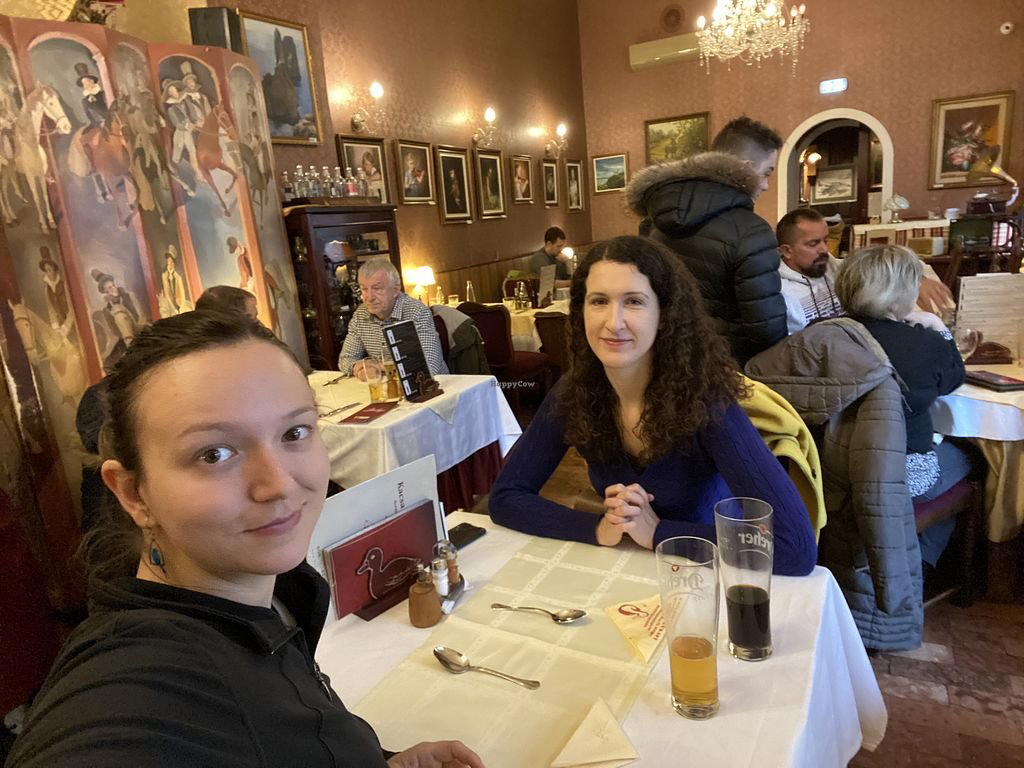
Fő Utca and the Logic of Staying Put
The stretch of Fő utca running through Budapest's second district, on the Buda side of the Danube, is not where you come to find the city's most photographed dining rooms. That's largely the point. While the Pest bank concentrates the newer wave of Hungarian fine dining, places like Babel (€€€€ · Modern Cuisine) and Costes (€€€€ · Modern Cuisine) reinterpreting the national canon through contemporary technique, Kacsa Étterem has occupied its position on Fő u. 75 as a steadier, less theatrical proposition. The neighbourhood retains a lived-in residential character that distinguishes it from the tourist-facing parts of the inner city, and the restaurant reads as an extension of that character: deliberate, rooted, and oriented around the guest rather than the spectacle.
Walking the address in the second district, you are already some distance from the visible competition. The immediate comparable set here is defined not by Michelin footnotes but by longevity and local loyalty, two things that tend to self-select for a certain quality of kitchen discipline and floor management.
What the Name Commits To
Kacsa means duck in Hungarian, and naming a restaurant after a single ingredient is a form of editorial commitment. It anchors the kitchen to a specific protein, a specific register of Hungarian cooking, and an implied refusal to drift toward the kind of menu that tries to be everything. Hungarian classical cuisine, when executed properly, builds around a relatively small set of techniques applied to poultry, game, and freshwater fish: slow roasting, braising with paprika-based bases, and the kind of fat-forward cooking that becomes unfashionable every decade and then quietly reasserts itself. A kitchen organised around duck keeps that tradition in focus.
This contrasts with the direction taken by several of Budapest's more decorated addresses. Stand (€€€€ · Modern Cuisine) and essência (€€€€ · Modern Cuisine) operate in a tier where Hungarian ingredients are refracted through international fine-dining grammar. Kacsa's positioning is different: the register is classical rather than contemporary, which places it closer to what Borkonyha Winekitchen (€€€ · Modern Cuisine) does with wine-led matching, though without the same focus on the cellar as a primary editorial statement.
The Floor as a System
In Hungarian dining at this level, the front-of-house operation is frequently where restaurants separate themselves from peers with comparable kitchens. The coordination between the person taking the booking, the sommelier reading the table, and the servers executing timing across a full dining room is a system that either works as an integrated whole or reveals its gaps quickly. At restaurants where the floor functions well, the guest rarely notices the mechanics, and that invisibility is itself the signal.
Kacsa's reputation in Budapest's dining conversation tends to emphasise precisely this. The restaurant is discussed in terms of a kind of professional steadiness on the floor that complements the kitchen's classical orientation. That alignment between cooking style and service register matters more than it might appear: a kitchen producing long-braised, fat-forward Hungarian dishes requires a floor team that understands pacing and knows when to let the table breathe, not one calibrated for the rapid turnover of modern tasting menus. The guest experience is shaped as much by that floor intelligence as by what arrives from the kitchen.
For context, the broader Budapest dining scene has moved toward tasting-menu formats at the upper tier, with venues like Babel and Costes structuring the meal as a sequence. Kacsa operates in a more traditional à la carte format, which demands a different kind of floor competence: reading individual table rhythms rather than moving all covers through a fixed progression.
Hungarian Classical Cooking in a Regional Frame
Budapest's strongest dining addresses do not exist in isolation from what is happening in Hungary's wine and food regions. Visitors moving between the capital and places like Platán Gourmet in Tata or Pajta in Őriszentpéter are building a picture of a cuisine that shifts register by geography, with Budapest's urban restaurants drawing on the same ingredient base but translating it through a different hospitality logic. The Eger region, represented on the dining side by places like Forst-Ház Étterem és Kávézó, produces wines that appear with increasing frequency on Budapest wine lists, and the same is true of Villány, where producers connected to venues like Halasi Pince Panzió supply the capital's more serious cellars.
A restaurant focused on classical Hungarian poultry cooking is, in this frame, one node in a larger national food story. The duck dishes that anchor Kacsa's reputation draw from a tradition shared with regional cooking across Hungary, from the Danube Bend towns like Szentendre, where Aranysárkány Vendéglő holds its own classical position, to the southern city of Szeged, where a restaurant like Classic Grill Serbian Restaurant Underground shows how the Pannonian food zone extends across borders.
Where Kacsa Sits in the Budapest Conversation
Budapest's fine-dining tier has moved with some speed over the past decade. The Michelin Guide's presence in Hungary, and the consequent international attention on addresses like Costes and Stand, has pulled the city's most ambitious kitchens toward a global fine-dining vocabulary. Its positioning is closer to what might be called the serious classical tier: restaurants that have accumulated local trust over time, that maintain quality without chasing external validation, and that serve a clientele that returns because the formula is reliable rather than because the menu changes each season.
For readers tracking Hungary's dining scene more broadly, the full picture requires looking at both the capital and the regions. Our full Budapest restaurants guide maps the city's dining in more detail, and venues like BoriMami in Gyöngyös and Almalomb in Hosszúhetény round out the regional picture. For those whose frame of reference extends to other European fine-dining markets, the gap between a venue like Kacsa and the upper tier of New York restaurants, say Le Bernardin or Atomix, is less a question of quality than of format and ambition: classical Budapest cooking occupies a different register, not a lesser one.
Planning Your Visit
Kacsa Étterem is located at Fő u. 75 in Budapest's second district, on the Buda side of the river. The restaurant is open daily from 12:00 PM to 10:30 PM, and reservations are recommended. The restaurant operates in a residential neighbourhood where parking is easier than in the inner city, though public transport remains the more reliable option during evening service. Given the restaurant's profile in the city and its reputation for reliable quality, advance booking is the sensible approach, particularly for weekend evenings.
Side-by-Side Snapshot
Comparable venues nearby, for context on price, style, and recognition.
| Venue | Cuisine | Price | Notes |
|---|---|---|---|
| Kacsa ÉtteremThis venue — the venue you are viewing | Classic Hungarian Duck Specialties | $$$ | Not listed |
| Búsuló Juhász | Hungarian Bourgeois Cuisine | $$$ | Gellerthegy |
| MoszkvaTér | Russian & Eastern European Streetfood | $$ | Varhegy |
| Remiz | Traditional Hungarian Gourmet | $$ | Huvosvolgy |
| Náncsi Néni | Traditional Hungarian | $$$ | Pesthidegkut |
| 21 Restaurant | Modern Hungarian Bistro | $$$ | Varhegy |
Continue exploring
More in Budapest
Restaurants in Budapest
Browse all →
Bars in Budapest
Browse all →
Hotels in Budapest
Browse all →

At a Glance
- Classic
- Cozy
- Elegant
- Intimate
- Date Night
- Special Occasion
- Business Dinner
- Family
- Live Music
- Historic Building
- Extensive Wine List
Current opening hours
- Monday
- 12–10:30 PM
- Tuesday
- 12–10:30 PM
- Wednesday
- 12–10:30 PM
- Thursday
- 12–10:30 PM
- Friday
- 12–10:30 PM
- Saturday
- 12–10:30 PM
- Sunday
- 12–10:30 PM
Hours can change for holidays and private events. Last verified .
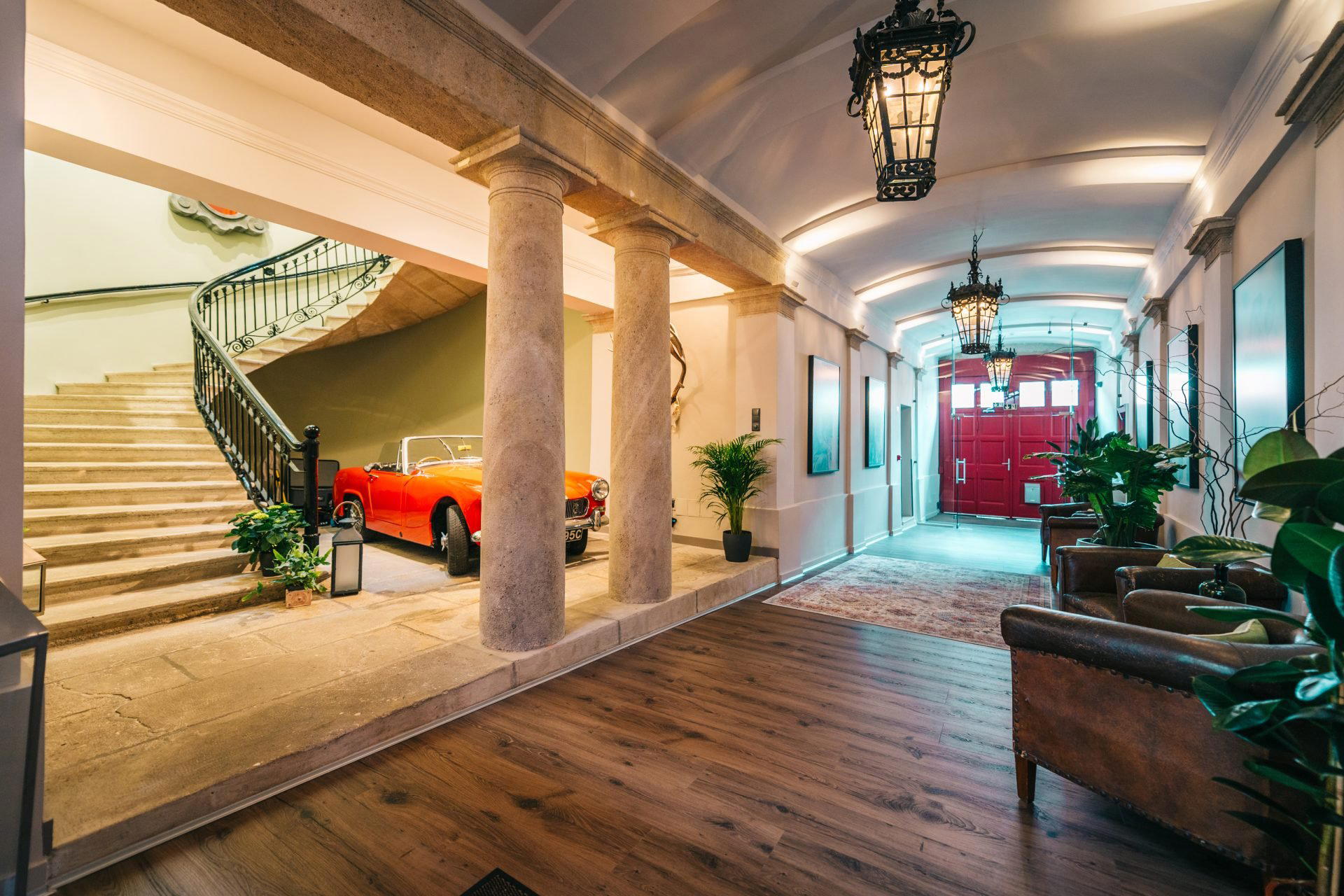
Elegant old-world atmosphere with beautiful table settings, artworks on walls, intimate lighting, and live violin and piano music creating a romantic and memorable dining experience.