MÙZSA occupies a prominent address on Széchenyi István tér, positioning it squarely within Budapest's upper tier of modern Hungarian dining. Compared to peers like Costes and Borkonyha Winekitchen, it draws on the city's growing tradition of sourcing-led cooking, where provenance shapes the plate as much as technique. The address alone places it at the intersection of institutional Budapest and its most ambitious restaurant scene.
Pearl is the En Primeur Club membership app — saves, bookings, and concierge access live there. Same editors, same standards.
- Address
- Budapest, Széchenyi István tér 5-6, 1051 Hungary
- Phone
- +3612685120
- Website
- fourseasons.com
- Directions
- Get directions
 Saves & bookings on Pearl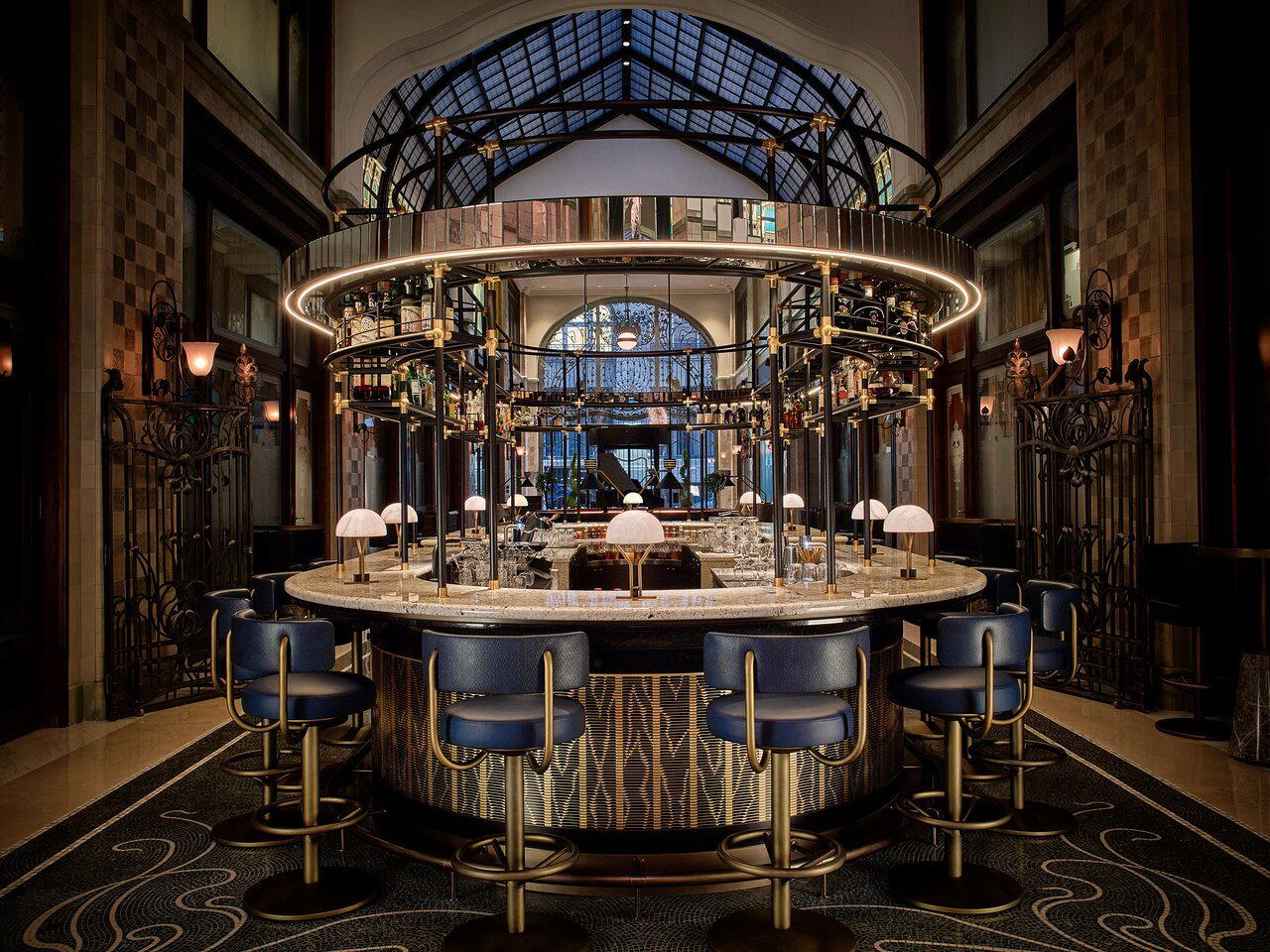
Where Pest's Grand Square Meets Ingredient-Led Cooking
Széchenyi István tér is not a square that accommodates anonymity. Flanked by the Hungarian Academy of Sciences and the Gresham Palace, it sits at the ceremonial heart of Pest, where the Chain Bridge meets the Danube embankment and the city's architectural ambition is most legible. A restaurant at this address inherits a specific context: visitors arrive with expectations shaped by the grandeur outside, and the kitchen has to answer that with substance rather than spectacle.
MÙZSA operates from this address, Széchenyi István tér 5-6, in Budapest. That tier has shifted considerably over the past decade. The Alföld plains, the volcanic soils of Eger and Tokaj, the forests of Őriszentpéter, the smallholder farms of Transdanubia, these are no longer just romantic references. They have become the sourcing infrastructure for a generation of kitchens that treat Hungarian raw material as the starting point, not an afterthought.
The Sourcing Logic Behind Budapest's Modern Tables
To understand where MÙZSA sits, it helps to map the broader shift in how Budapest's serious kitchens approach ingredients. A decade ago, the premium tier was largely defined by imported produce, Brittany seafood, Japanese Wagyu, Périgord truffles, deployed to signal international standing. The current moment looks different. Restaurants like Borkonyha Winekitchen (€€€ · Modern Cuisine) built much of their reputation on pairing Hungarian wines with food that could stand alongside them, which quietly required the kitchen to take domestic sourcing more seriously. Babel (€€€€ · Modern Cuisine) pushed further into Hungarian pantry logic, treating native grains and fermented dairy as technical materials rather than folksy gestures.
This sourcing-led approach is now the dominant grammar of ambitious Hungarian cooking. What makes it interesting from an ingredient standpoint is the country's geography: Hungary sits at the convergence of Central European, Pannonian, and Carpathian ecological zones, which produces an unusually varied agricultural output within a small landmass. The mangalica pig, grey cattle, the paprika strains of Kalocsa and Szeged, heritage wheat varieties revived by a handful of millers in the Great Plain, these are not merely regional character notes. They are specific raw materials with distinct cooking properties, and the kitchens that work with them directly have developed a different kind of precision than the technique-first model imports.
Beyond Budapest, that sourcing network extends into notable regional tables. Pajta in Őriszentpéter operates from a barn-format space in the Western Transdanubian hills, building menus almost entirely from its immediate agricultural surroundings. Platán Gourmet in Tata represents the regional fine-dining model in the northwest, while Aranysárkány Vendéglő in Szentendre holds one of the more credible traditional cooking traditions within day-trip distance of the capital. These are not competitors to Budapest's leading tables, they are part of the same supply-side conversation, where the sourcing relationships that power city kitchens often trace back to producers who also supply, or are discovered by, restaurants in the regions.
MÙZSA in the Budapest comparable set
Within the capital, MÙZSA's address on Széchenyi István tér places it in direct comparison with the city's other high-investment modern Hungarian rooms. Costes (€€€€ · Modern Cuisine) was the first restaurant in Hungary to earn a Michelin star and has set a benchmark for the upper price tier since 2010. Stand (€€€€ · Modern Cuisine) operates at the same price level and has accumulated both Michelin recognition and consistent critical attention as among the more technically precise Hungarian kitchens working today. essência (€€€€ · Modern Cuisine) approaches the city's fine-dining tier from a Portuguese-Hungarian angle, which represents a different competitive position but the same guest demographic.
What this comparable set shares, beyond price point, is an investment in the sourcing story. The restaurants that have earned sustained recognition in Budapest over the past five years have largely done so by building credible supplier relationships and making those relationships legible on the plate. Guests at this level of the market are reading menus differently than they did in 2010, producer names, regions, and breeds now carry weight as trust signals in a way that technique descriptors alone no longer do.
The Address as Context
Arriving at Széchenyi István tér 5-6, the physical context matters in ways that the address alone does not fully communicate. The square was substantially redesigned in the early 2010s as part of a wider civic renovation of the Pest embankment, and the result is a pedestrian-friendly, formally landscaped public space that sits unusually well with the Gresham Four Seasons directly adjacent. The restaurant strip along this square occupies a different register than the Belváros side streets where many of Budapest's more casual modern tables operate. The expectations, service register, room formality, wine program depth, are calibrated accordingly.
For visitors using Budapest as a base to explore Hungarian regional cooking, the city's upper tier works well as an orientation point rather than the whole itinerary. MÙZSA's location near the Danube places it within direct reach of the Chain Bridge and the Buda side, and the concentration of comparable restaurants in the V and VI districts means that a serious eating trip through Budapest can be planned with density on foot. Those extending further should note that BoriMami in Gyöngyös, Forst-Ház Étterem és Kávézó in Eger, and Halasi Pince Panzió in Villány represent particularly interesting wine-region dining within two hours of the capital, each in a different appellation zone, each reflecting a distinct version of what Hungarian ingredient-led cooking looks like outside the metropolitan frame.
The underlying logic is the same: when the raw material is specific enough and the supplier relationship is close enough, the cooking can speak a language that imported luxury ingredients cannot replicate. Budapest's leading kitchens have arrived at this conclusion on their own terms.
Know Before You Go
- Address: Széchenyi István tér 5-6, 1051 Budapest, Hungary
- Location context: On the Pest embankment at the Chain Bridge end, adjacent to the Gresham Palace; accessible by Metro line M1 (Vörösmarty tér) or M2 (Deák Ferenc tér)
- Reservations are recommended, particularly for weekend evenings.
- Nearby context: The V district concentration of premium restaurants means Costes, Stand, and Borkonyha Winekitchen are all within short reach for comparison or overflow booking
A Tight Comparison
Comparable venues nearby, for context on price, style, and recognition.
| Venue | Cuisine | Price | Notes |
|---|---|---|---|
| MÙZSAThis venue — the venue you are viewing | Varhegy, Modern Asian-Hungarian Fusion | $$$ | Not listed |
| Reiskorn Budapest | Varhegy, Pan-Asian Fusion | $$ | Not listed |
| ÉS Bisztró | Not listed | $$$ | Belvaros, Modern Hungarian-Viennese Bistro |
| M Restaurant | Terézváros, French-Hungarian Fusion | $$$ | Not listed |
| Araz Restaurant | Pest, Contemporary Hungarian Bistro | $$$ | Not listed |
| Atrium Bistro | Terézváros, Hungarian Brasserie | $$$ | Not listed |
Continue exploring
More in Budapest
Restaurants in Budapest
Browse all →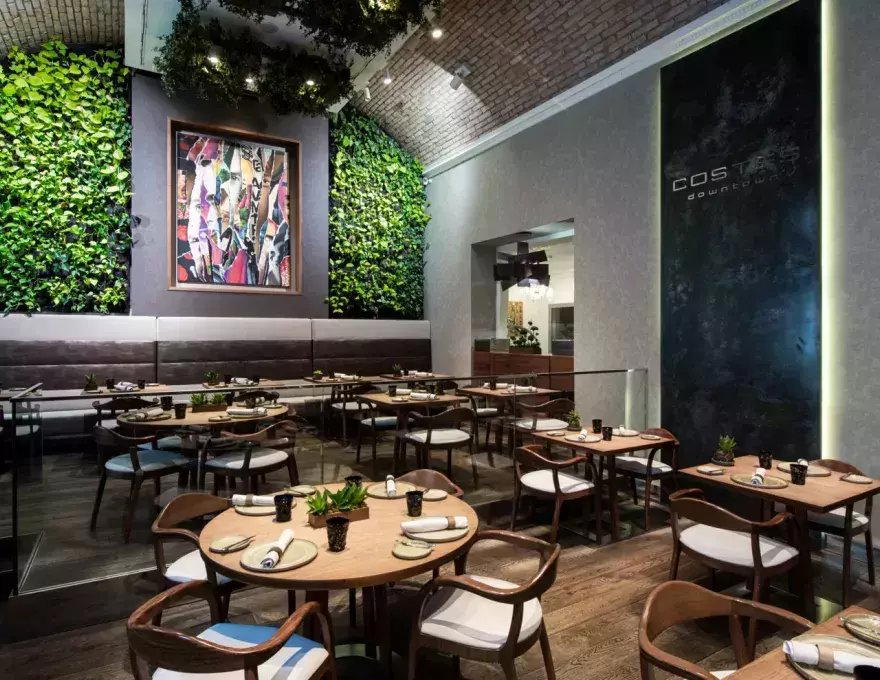
Bars in Budapest
Browse all →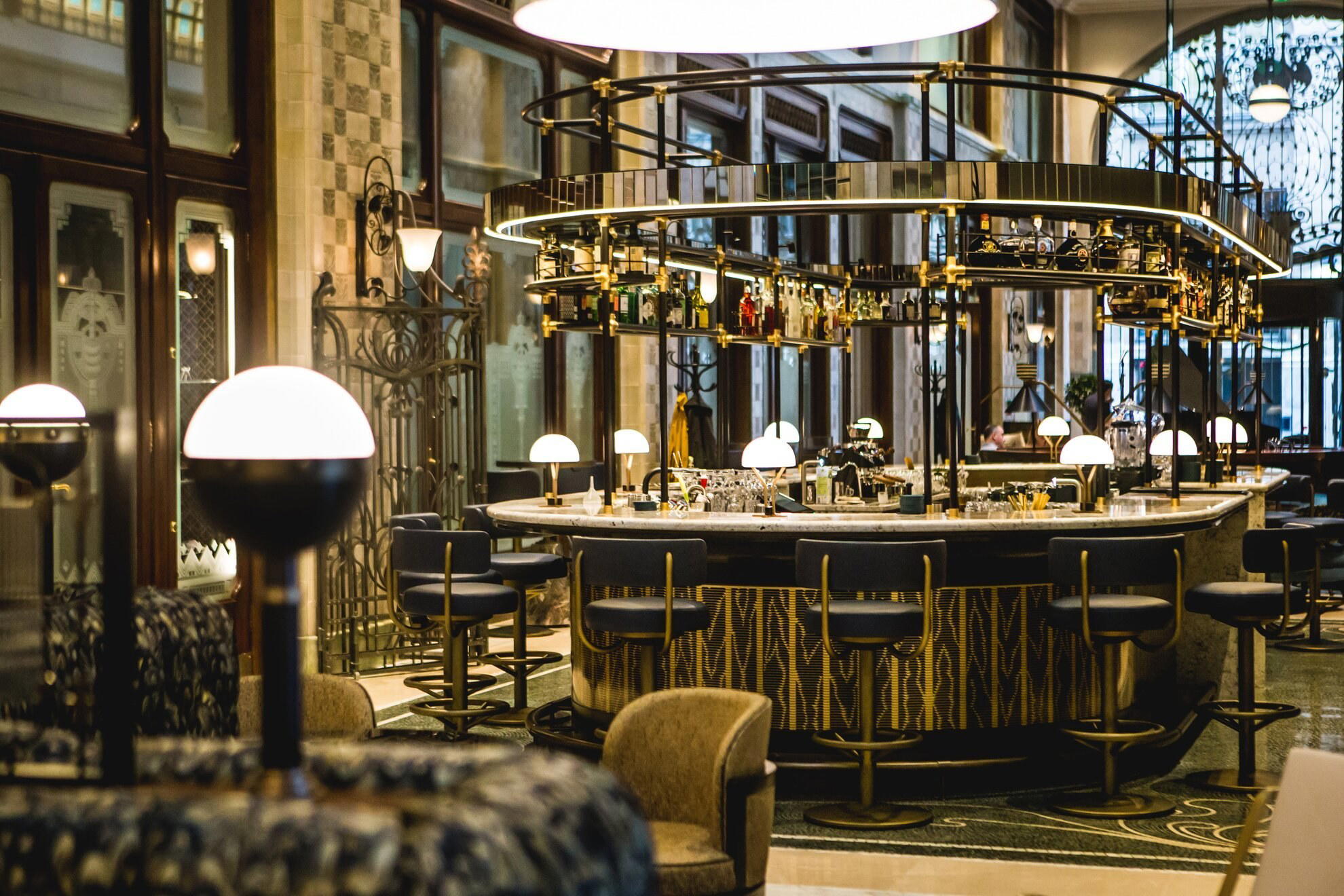
Hotels in Budapest
Browse all →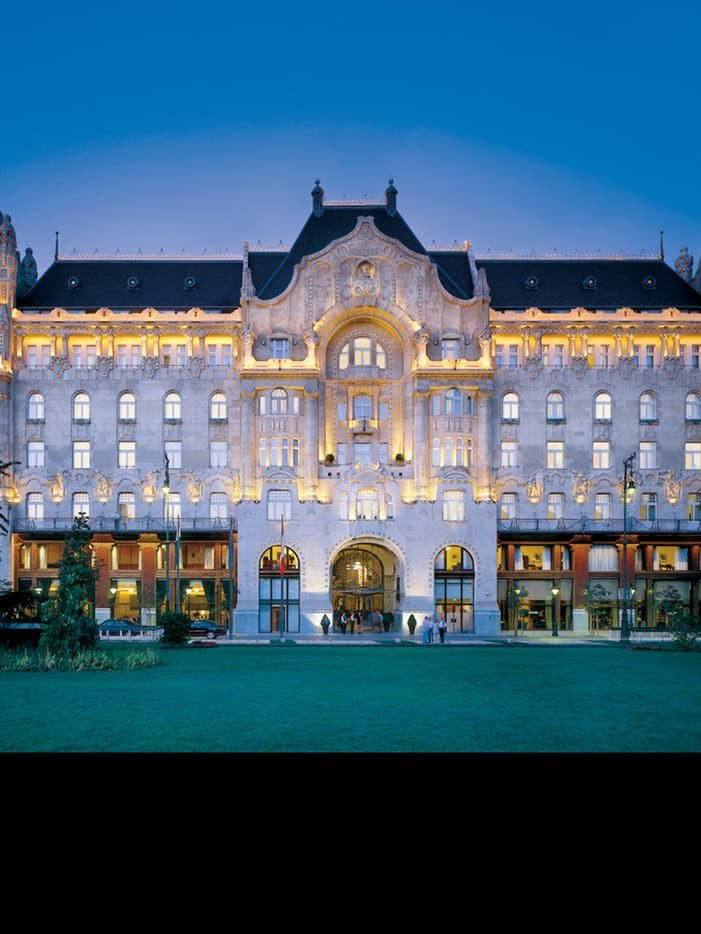
At a Glance
- Elegant
- Whimsical
- Sophisticated
- Date Night
- Special Occasion
- Late Night
- Hotel Restaurant
- Craft Cocktails
Current opening hours
- Monday
- 11 AM–12 AM
- Tuesday
- 11 AM–1 AM
- Wednesday
- 11 AM–1 AM
- Thursday
- 11 AM–1 AM
- Friday
- 11 AM–1 AM
- Saturday
- 11 AM–1 AM
- Sunday
- 11 AM–12 AM
Hours can change for holidays and private events. Last verified .
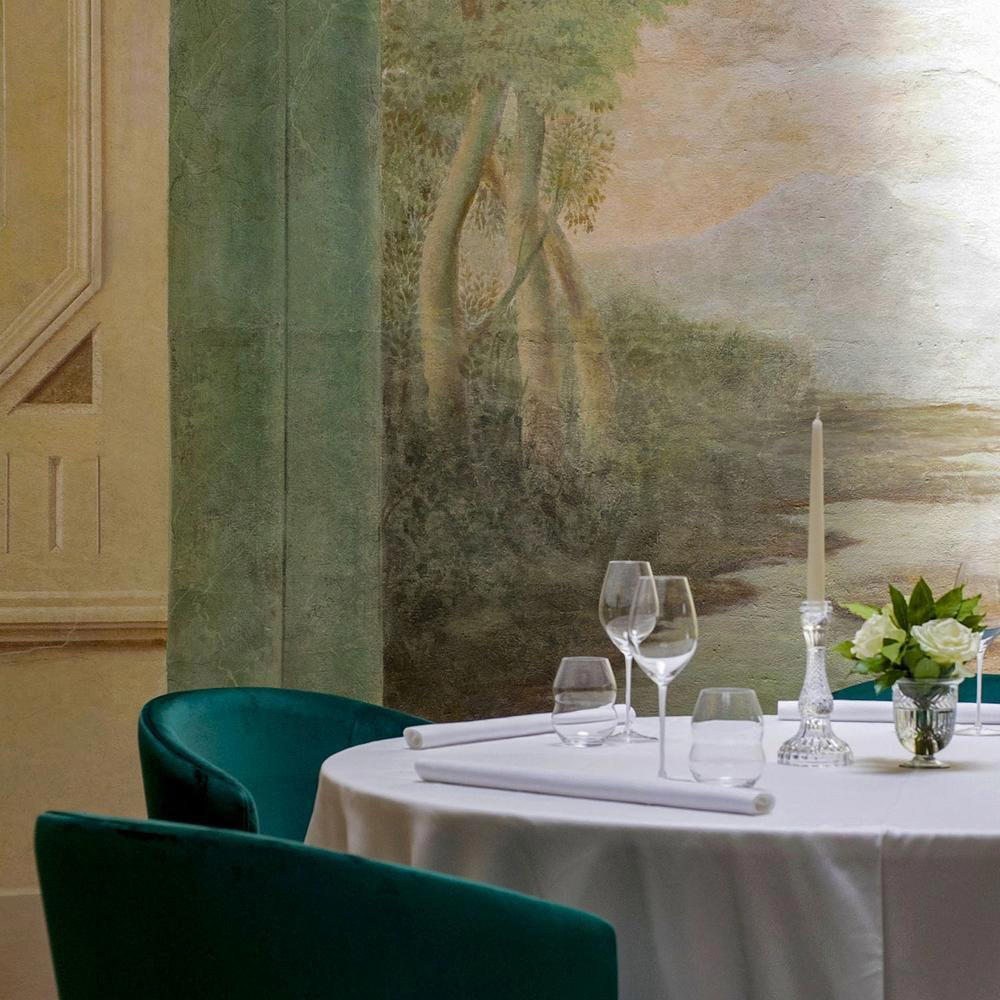
Elegant yet playful art nouveau atmosphere evoking Budapest's timeless Golden Age with sophisticated lighting and design.