Pashà


Set in a 14th-century farmhouse in the Puglian countryside outside Polignano a Mare, Pashà holds a Michelin star for chef Michele Spadaro's modern take on Apulian cuisine, offered across five- and seven-course tasting menus. A cellar of over a thousand wine labels and tightly restricted service windows make advance planning essential for one of Puglia's most serious dining addresses.
Pearl is the En Primeur Club membership app — saves, bookings, and concierge access live there. Same editors, same standards.
- Address
- Contrada Torre Catena, 872, 70044 Polignano a Mare BA, Italy
- Phone
- +39 373 800 2809
- Website
- ristorantepasha.com
 Saves & bookings on Pearl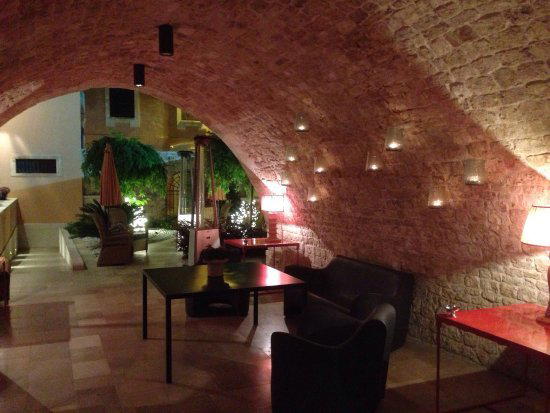
Where the Puglian Countryside Becomes the Kitchen
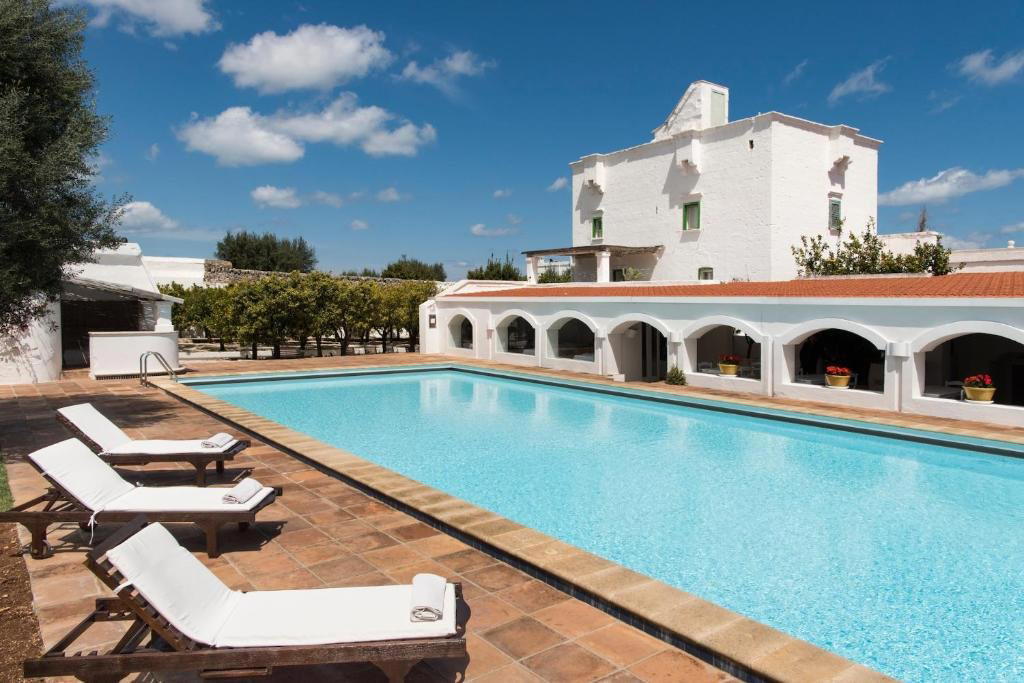
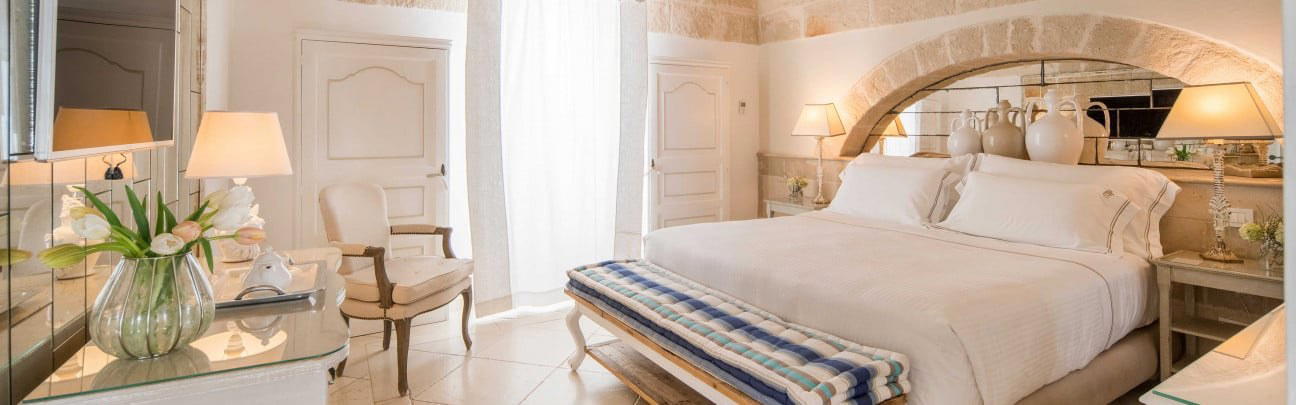
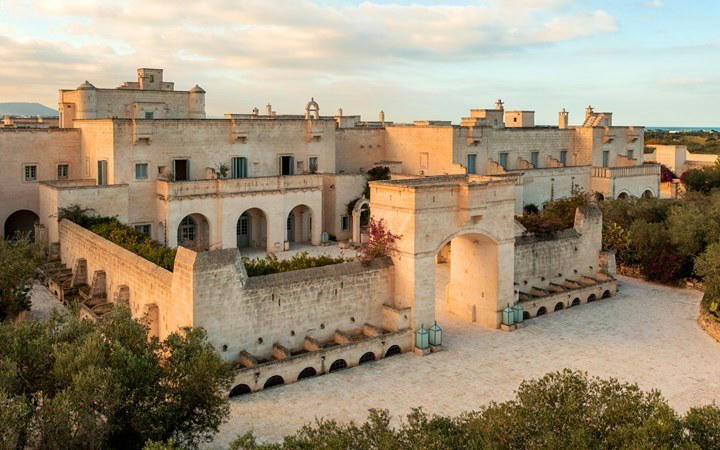
The approach to Pashà sets the terms before you've sat down. Centuries-old trees line the grounds of a 14th-century masseria outside Polignano a Mare, and the limestone architecture carries the particular solidity of a building that has outlasted several agricultural economies. This is the southern Italian countryside at its most uncompromised: no marina views, no tourist-quarter foot traffic, just the Puglian interior with its flat light and deep-rooted produce traditions. The restaurant operates within that context deliberately, treating the land around it as the primary source material rather than a backdrop.
For readers exploring the broader dining scene in the area, our full Conversano restaurants guide covers the range of options across price points and formats.
Sourcing as Culinary Argument
Apulian cuisine is often reduced to its most photogenic exports: burrata, orecchiette, the olive oils that Italy's south produces in quantities that dwarf the north's output. What Pashà's Michelin-starred kitchen does with that agricultural wealth is more specific. Chef Michele Spadaro's tasting menus operate as an argument for the depth of the region's larder rather than a survey of its tourist-facing highlights. The five- and seven-course formats give enough sequence to trace how a single ingredient moves through preparation and technique, which is the kind of structural choice that separates a genuinely sourcing-led kitchen from one that merely lists local suppliers on a menu card.
Puglia's position as a dominant producer of durum wheat, olive oil, almonds, and Adriatic seafood gives kitchens here a different set of constraints than their counterparts in Emilia-Romagna or Piedmont. The ingredients are abundant but demand a particular discipline: the challenge isn't finding good material, it's resisting the temptation to over-elaborate it. Italy's most discussed creative addresses, from Osteria Francescana in Modena to Piazza Duomo in Alba, have built reputations partly on that same tension between regional identity and formal ambition. Pashà works within an analogous logic applied to southern ingredients that have historically received less creative attention at the fine-dining tier.
The sourcing argument extends to the wine list. Over a thousand labels represent a cellar of serious depth, and the decision to seat certain guests at a table set among the bottles makes the wine program a physical part of the dining environment rather than a reference document consulted only when needed. For a region where native grape varieties including Primitivo, Negroamaro, and Nero di Troia are increasingly taken seriously by Italian sommeliers, that kind of wine emphasis carries editorial weight. The cellar signals a kitchen serious enough about terroir to apply the same thinking to what's poured as to what's plated.
The Michelin Context in Southern Italy
A single Michelin star in the 2024 guide places Pashà inside a tier of Italian restaurants that receive significant critical attention without necessarily commanding the international name recognition of multi-starred addresses. Italy's starred landscape is geographically uneven: Lombardy, Piedmont, and Campania account for a disproportionate share of the guide's recognition. Puglia's starred contingent is smaller, which means each address carries more representative weight for the region's ambitions. Peer addresses in the broader Italian creative fine-dining category, including Reale in Castel di Sangro and Uliassi in Senigallia, demonstrate that southern and central Italy have developed a coherent tier of serious kitchens that operate outside the northern fine-dining axis. Pashà sits in that same current.
Among Apulian-focused restaurants specifically, the comparison set is narrower. Casa Sgarra in Trani and Quintessenza, also in Trani, occupy adjacent creative territory within the region, and the coastal city of Trani has developed its own cluster of serious addresses. Pashà's countryside location distinguishes it from those Adriatic-facing kitchens and gives the sourcing logic a different geographic flavor: the focus here is more firmly on the Puglian interior's agricultural tradition than on the fishery.
Restaurants working at this creative level with this level of institutional recognition tend to cluster into a comparable set that competes on format discipline, cellar depth, and service quality rather than on name recognition alone. Venues like Dal Pescatore in Runate and Le Calandre in Rubano have demonstrated that rurally located Italian restaurants with serious wine programs can sustain international relevance over decades. Quattro Passi in Marina del Cantone offers a coastal comparison point for how a southern Italian kitchen can hold Michelin recognition while remaining rooted in regional identity. Pashà's trajectory fits that pattern applied to Puglia's specific agricultural context.
Format and Service Windows
The service schedule is worth examining before you attempt a booking. Pashà operates a single lunch sitting, from 12:45 to 1:45 PM, and a single dinner sitting, from 7:45 to 9:15 PM. The lunch window gives exactly one hour; the dinner sitting runs to ninety minutes. For a tasting menu format running five or seven courses with a cellar of over a thousand wines, these are tight parameters. They imply a kitchen and front-of-house team working at a considered pace rather than a relaxed one, and they reward guests who arrive with some homework done on the wine list. Tuesday is the weekly closure day, so midweek visitors should plan around Monday, Wednesday, Thursday, or Friday service.
The price tier sits at €€€€, consistent with the Michelin-starred tasting menu format and the cellar depth on offer. At this tier, Pashà competes with northern Italian addresses like Enrico Bartolini in Milan and Enoteca Pinchiorri in Florence on quality signal, even if the geographic and cultural context is entirely different. The masseria setting absorbs some of the formality that equivalent spend might imply in an urban context, and the countryside location makes the overall experience feel less performative than a city fine-dining room at the same price point.
Google review score of 4.7 across 362 ratings is a useful data point: it suggests consistent execution across a sizeable sample and not just occasional peak performance. At this format's price and exclusivity level, consistency matters more than headline-grabbing individual dishes, and the review pattern supports the institutional picture.
For visitors building a wider itinerary around the Conversano area, the Conversano hotels guide, bars guide, wineries guide, and experiences guide cover the surrounding territory. Vita Pugliese offers a complementary Apulian dining option in Conversano proper for those who want to contrast Pashà's tasting menu format with a more informal register. For kitchens working at the intersection of Alpine sourcing and creative fine dining, Atelier Moessmer Norbert Niederkofler in Brunico represents the northern Italian end of the same ingredient-led argument Pashà pursues in the south.
Who Should Make the Drive
Pashà's location in the Puglian countryside outside Polignano a Mare means it requires deliberate travel. The masseria sits away from the coastal tourist circuit, and reaching it involves a drive through agricultural land rather than a walk from a hotel in a historic center. That inconvenience is part of the proposition: the kitchen's sourcing logic reads more convincingly when you've passed through the landscape that produces the ingredients. Guests who treat the drive as context rather than obstacle tend to get more from the experience.
The tasting menu format, the tight service windows, the €€€€ price point, and the serious wine program collectively define an audience. This is not a casual dinner option or a family-lunch venue. It is a structured, time-bracketed experience designed for guests who have engaged with the format in advance and are prepared to follow the kitchen's sequence. For that audience, the masseria setting and the Michelin-starred sourcing-led Apulian menu make Pashà one of the region's most coherent arguments for why Puglia's agricultural depth deserves the same critical attention as Italy's more celebrated fine-dining territories.
In Context: Similar Options
Comparable venues nearby, for context on price, style, and recognition.
| Venue | Cuisine | Price | Awards | Notes |
|---|---|---|---|---|
| Pashà | Modern Puglian Fine Dining | $$$$ | Michelin 1 Star | Conversano |
| Vita Pugliese | Modern Apulian | $$ | Michelin Plate | historic centre |
| Quintessenza | Modern Italian Fine Dining | $$$$ | Michelin 1 Star | Trani |
| Don Alfonso 1890 San Barbato | Modern Mediterranean Fine Dining | $$$$ | Michelin 1 Star | Lavello |
| Maeba Restaurant | Modern Italian Fine Dining | $$$$ | Michelin 1 Star | Ariano Irpino |
| Due Camini | Modern Puglian Fine Dining | $$$$ | Michelin 1 Star | Savelletri |
Continue exploring
More in Conversano
Restaurants in Conversano
Browse all →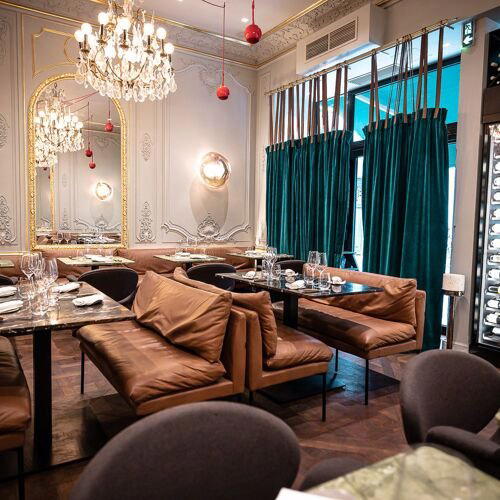
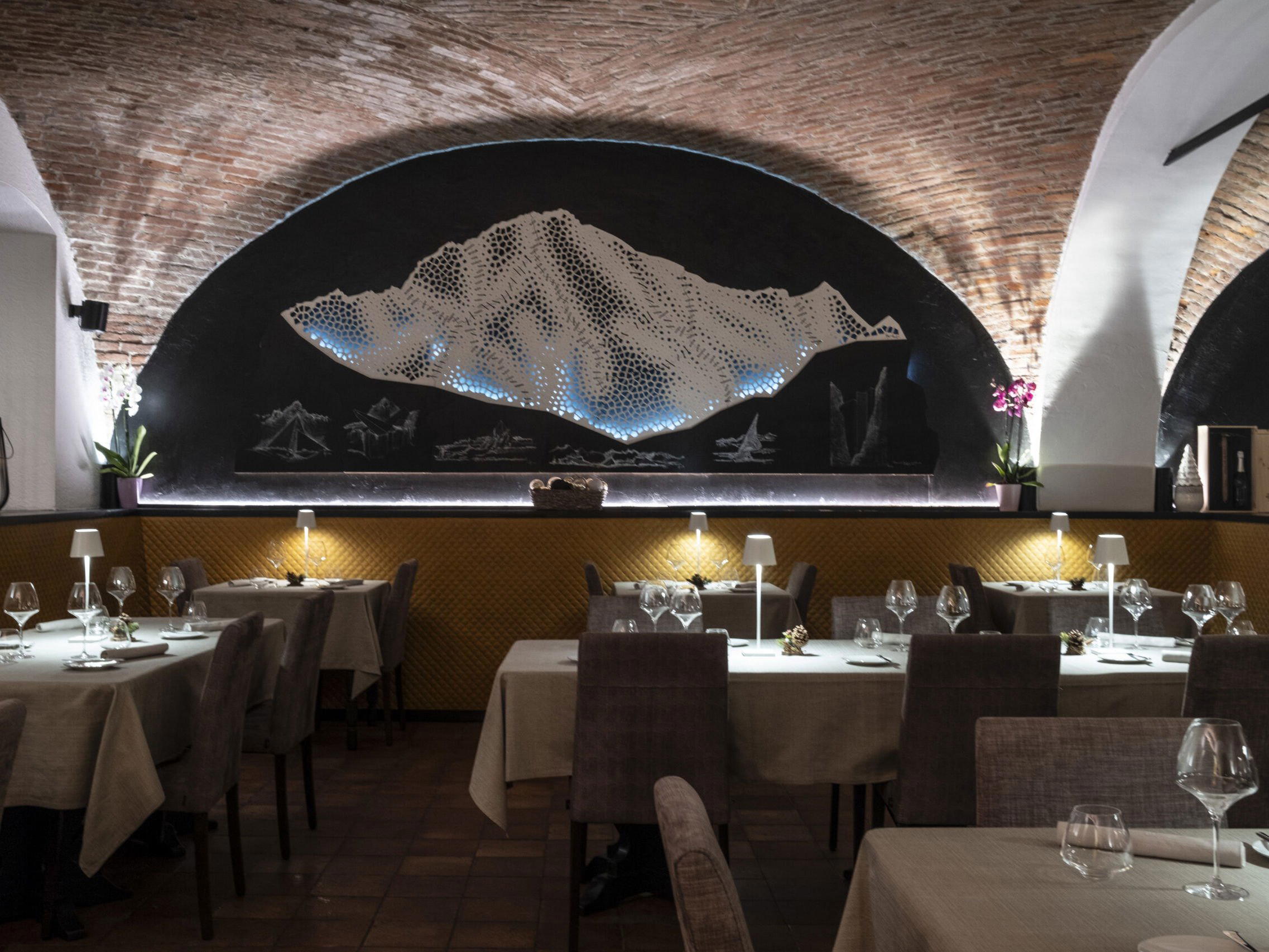
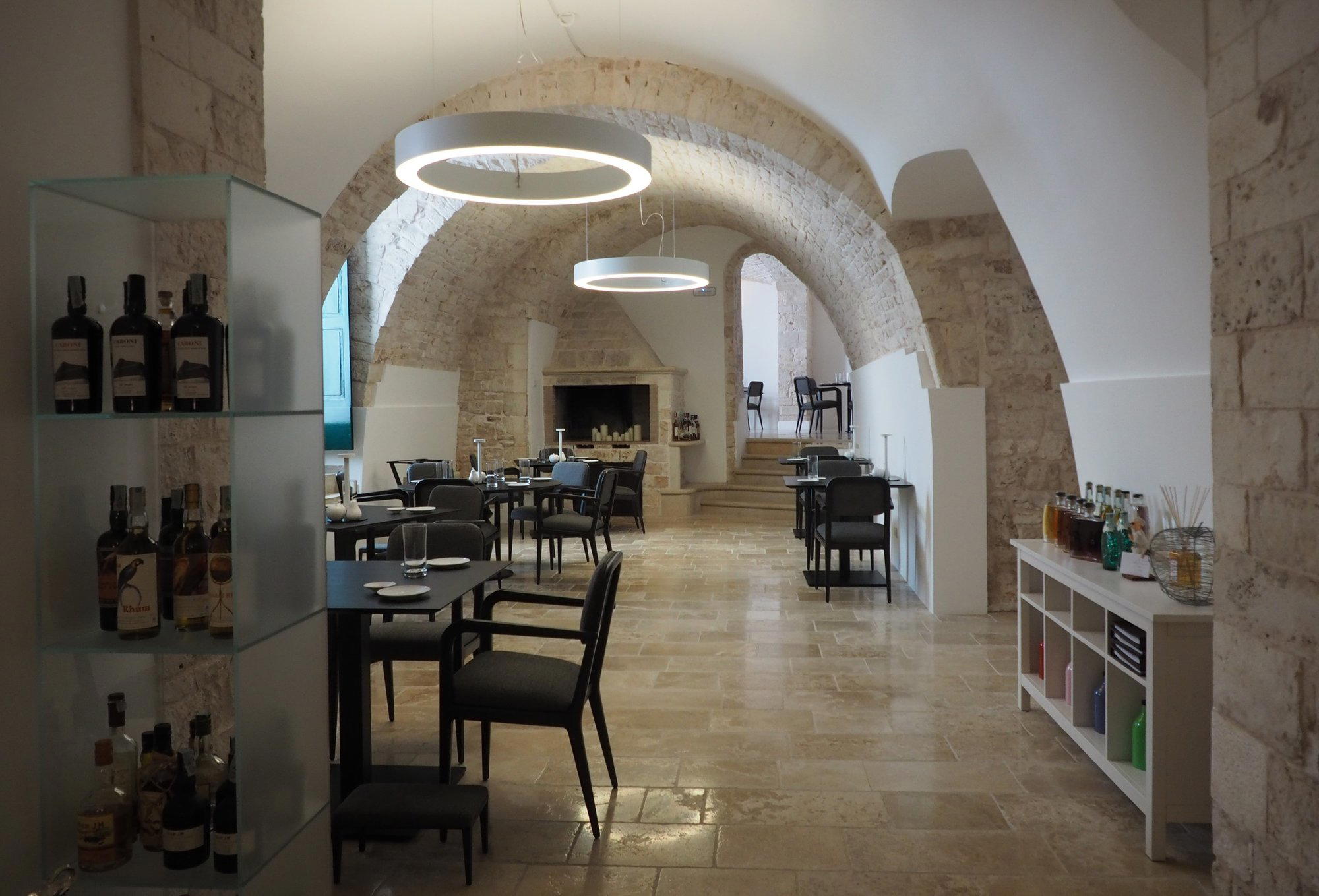
Bars in Conversano
Browse all →
At a Glance
- Elegant
- Sophisticated
- Intimate
- Romantic
- Classic
- Date Night
- Special Occasion
- Celebration
- Historic Building
- Extensive Wine List
- Sommelier Led
- Local Sourcing
- Street Scene
Stone vaulted dining rooms in a historic building with warm, professional service and romantic, polished atmosphere.