


1 Michelin Star · Falstaff Restaurant - 94 Falstaff Points
Our verdict
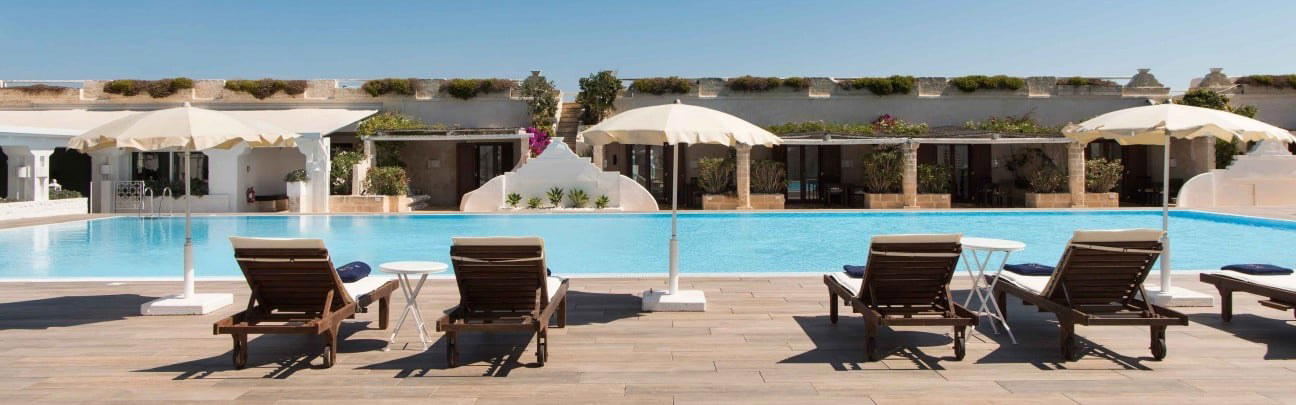
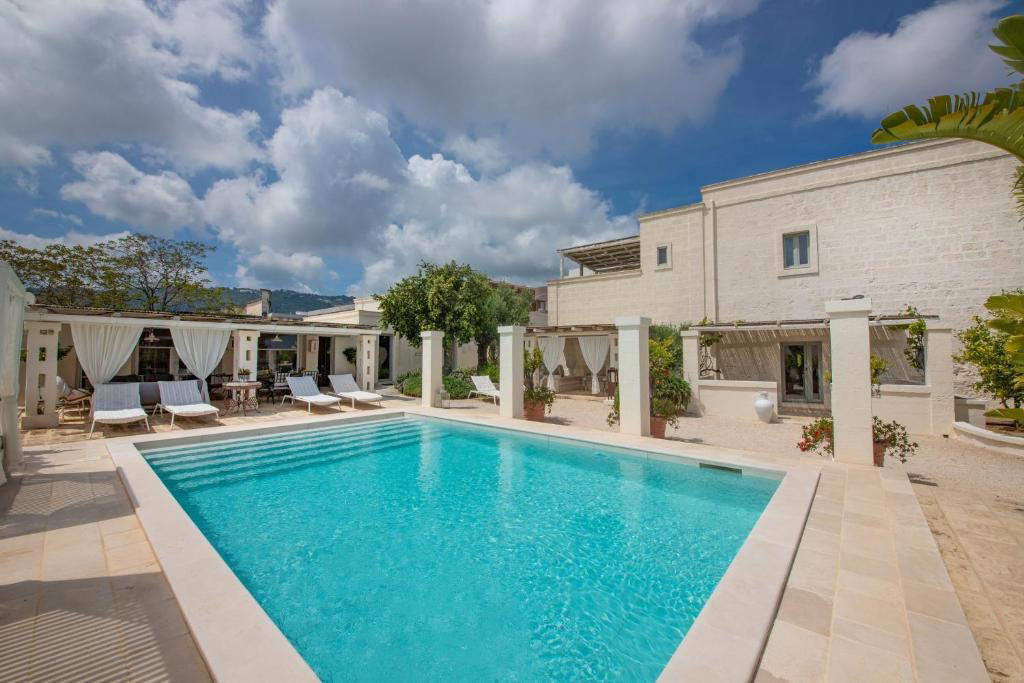
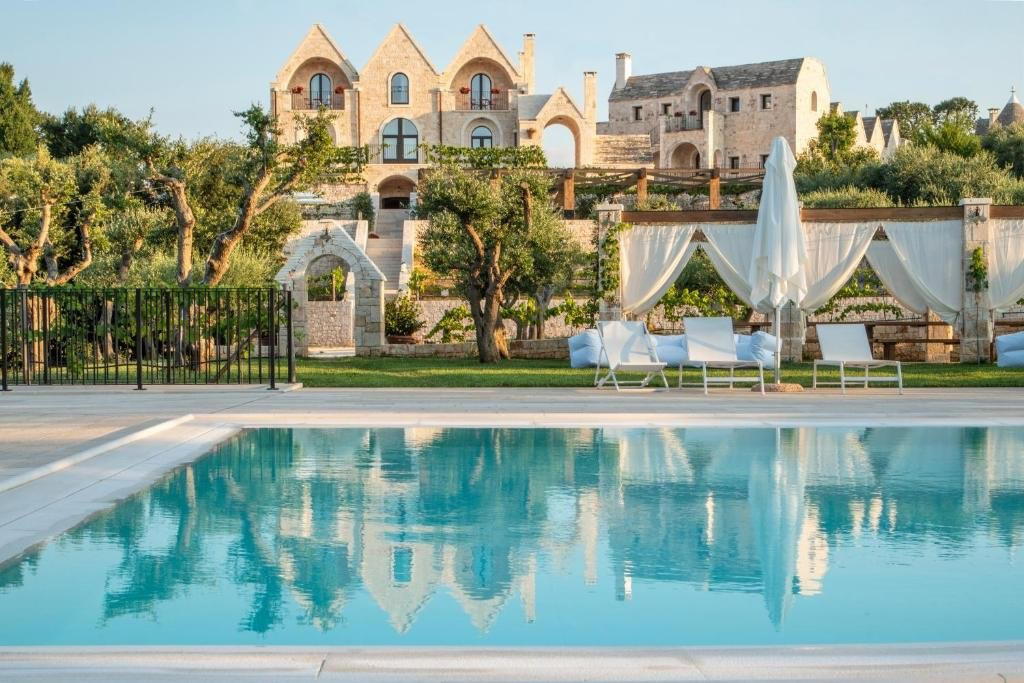
Due Camini sits within Borgo Egnazia on the Apulian coast, serving vegetable-forward Puglian cuisine under chef Domingo Schingaro with a Michelin star to its name. Candlelit and quietly formal, it draws on kitchen garden produce and local heritage varieties to present the region's flavours at their most considered. Open Tuesday through Saturday evenings, it is the resort's most serious dining proposition.

Pearl is the En Primeur Club membership app, where members save venues, book tables and use the concierge.
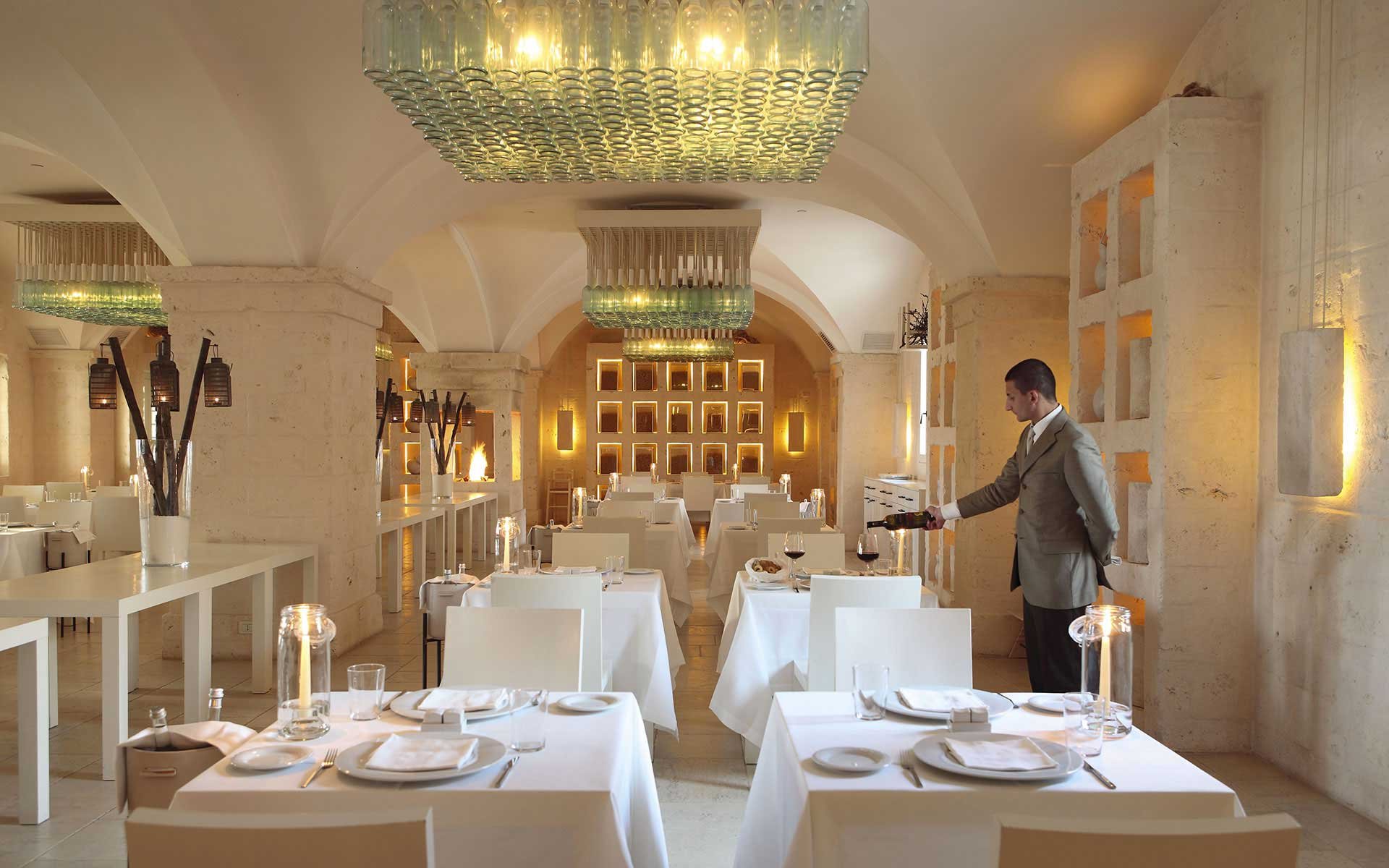
Candlelight and the Apulian Table
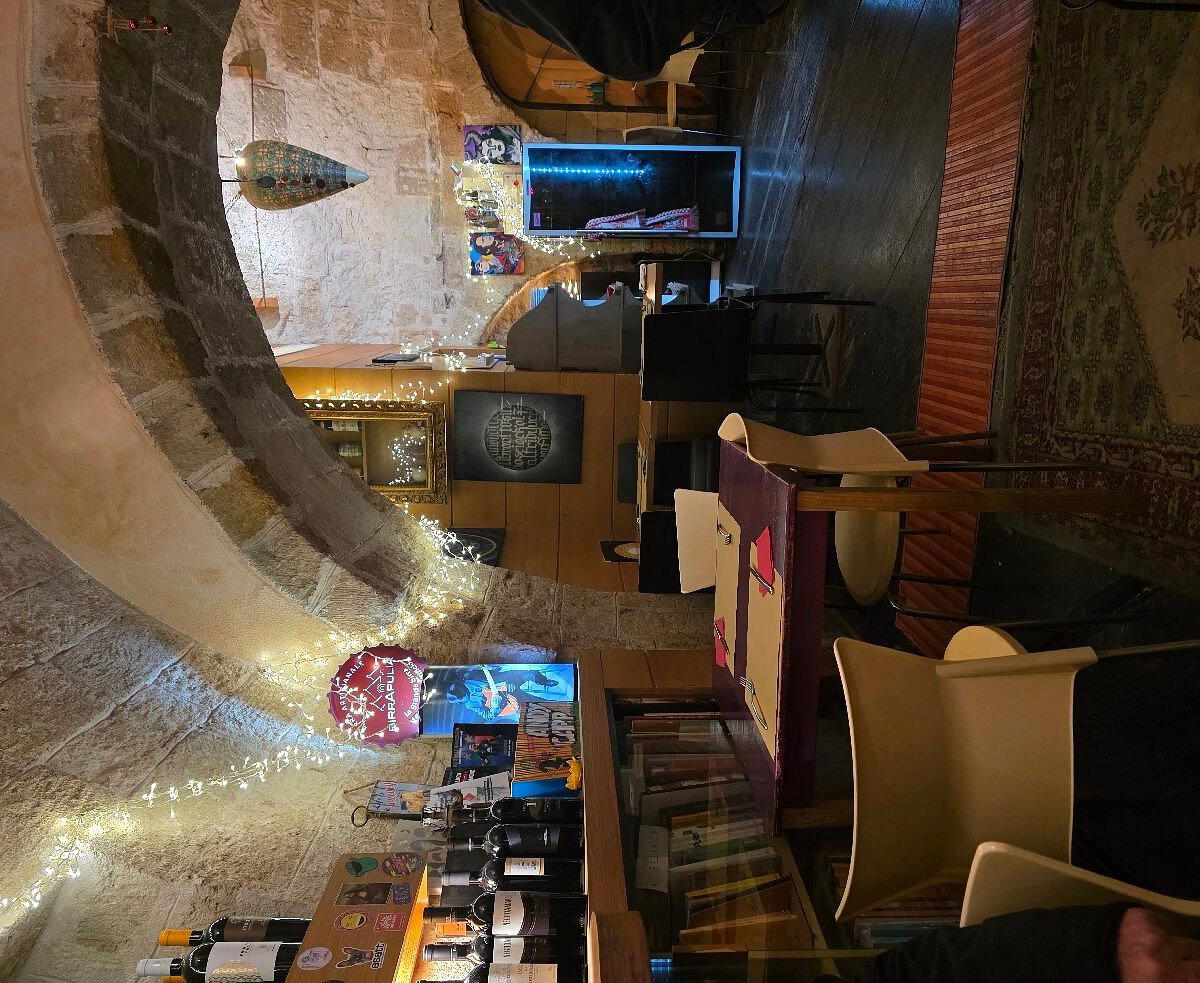
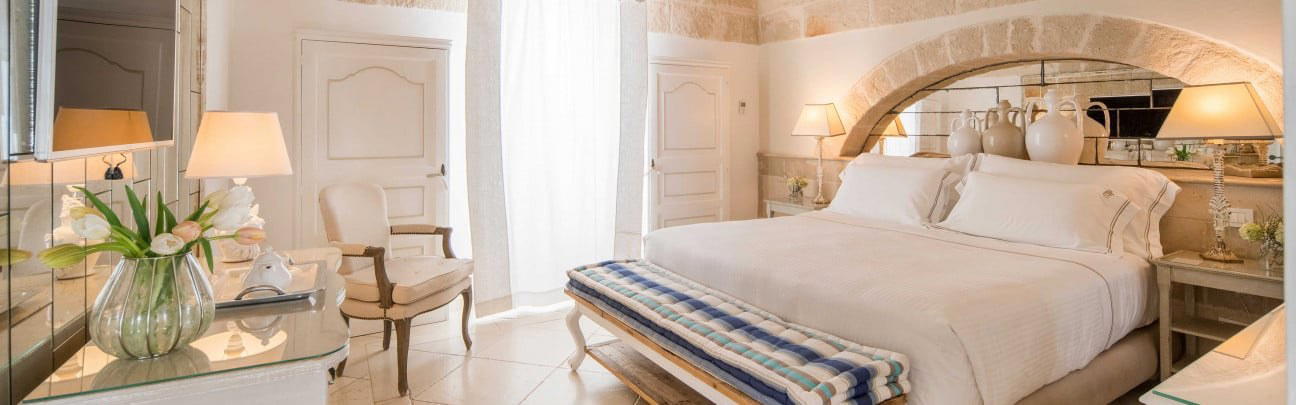
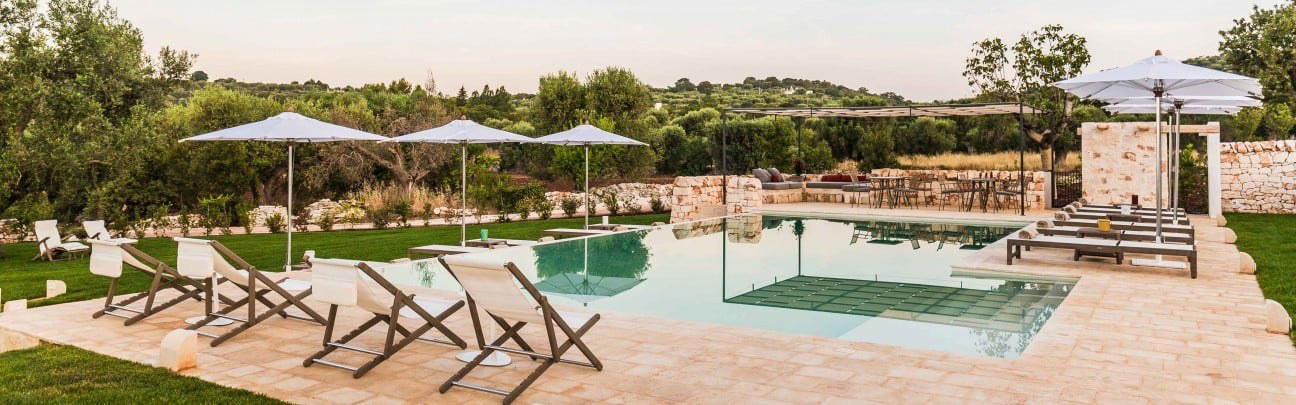
The approach to dinner at Due Camini sets a particular register before the first dish arrives. Within the grounds of Borgo Egnazia, the resort complex on the Adriatic edge of Puglia that has become one of southern Italy's most discussed luxury addresses, the restaurant occupies a space defined by soft candlelight and a quietude that separates it from the resort's more casual offerings. Stone walls, warm light, and the measured pace of a formal dining room signal clearly that this is somewhere the kitchen takes its work seriously. The atmosphere is hushed rather than theatrical, which suits the cooking: it asks for attention rather than spectacle.
For those building an itinerary around serious Italian dining, the broader context matters. Italy's top-tier restaurant scene concentrates heavily in the north and centre: three-Michelin-star addresses such as Osteria Francescana in Modena, Le Calandre in Rubano, and Dal Pescatore in Runate define one tier; ambitious regional cooking in the south occupies a different and arguably more interesting position, because the raw material traditions are less documented internationally and the gap between what the land produces and how it appears on a fine-dining plate is still genuinely surprising. Due Camini sits in that southern category, representing Puglia at a level of precision rarely found outside the region's olive groves and masserie. For more on where Due Camini sits among Savelletri's dining options, see our full Savelletri restaurants guide.
The Olive Oil Foundation: What Defines Puglian Cuisine
No ingredient shapes Puglian cooking more completely than olive oil. The region produces roughly 40 percent of Italy's total output, drawn from millions of centuries-old trees across the Murge plateau and the Valle d'Itria. The dominant cultivar, Coratina, yields oil with high polyphenol content, pronounced bitterness on the finish, and a peppery intensity that distinguishes it from the lighter oils of Liguria or Tuscany. At the table, Puglian olive oil is not a condiment applied at the end; it is a structural element, used to dress raw vegetables, to finish legume dishes, and to carry the flavour of the land itself into each preparation.
A kitchen that places vegetables at the centre of its menu, as Due Camini does under chef Domingo Schingaro, is implicitly making an argument for this oil. The heritage varieties sourced from local growers that appear across the menu are the produce that Puglian farmers have grown in oil-rich soil for generations: bitter greens, wild chicory, dried fava, sun-concentrated tomatoes, cime di rapa. These are not aspirational ingredients imported for effect; they are the base vocabulary of the regional table, presented here with the technical precision of a Michelin-recognised kitchen. The Michelin recognition frames the approach accurately: this is not rustic cooking dressed up, but a rigorous engagement with what the land around Savelletri actually produces.
Heritage varieties carry particular significance in this context. Varieties that lost market share to higher-yield modern cultivars over the twentieth century are returning to specialist growers, and kitchens that work directly with those producers are both preserving agricultural knowledge and accessing flavours that have largely disappeared from commercial supply chains. The commitment to reducing food waste, using the whole ingredient rather than only its most visually appealing elements, extends this logic: it treats the ingredient as valuable enough to use entirely, which is a different philosophical position from the decorative vegetable use that defines lesser vegetable-forward menus.
The Menu's Argument
The structure of the menu at Due Camini reflects a specific point of view about Puglian cuisine: that it is primarily a cuisine of the earth rather than the sea, even in a coastal setting. This is a meaningful editorial choice. Many restaurants on the Adriatic coast of Puglia default to seafood as their primary register, reading the geography as permission to focus on what arrives from the water. Schingaro's approach inverts that priority, placing the garden, the field, and the grove ahead of the harbour. The Mediterranean framing, and the menu does draw on wider Mediterranean influences depending on the season, provides room for movement without abandoning the Puglian core.
The kitchen garden supplies a portion of the produce directly, which has practical implications for menu timing: dishes track what is growing rather than what is available on the wholesale market. This is the operating model of a number of Italy's most serious regional restaurants, from Reale in Castel di Sangro to Atelier Moessmer Norbert Niederkofler in Brunico, where the agricultural calendar governs the creative one. At Due Camini, the proximity of the kitchen garden to the dining room is not a marketing proposition but a functional reality that shapes what appears on the plate on any given evening.
Those travelling through Italy's fine dining circuit more broadly will find useful comparisons in the vegetable-centred register across other regions: Piazza Duomo in Alba and Enrico Bartolini in Milan each demonstrate how Italian fine dining has moved toward produce-led menus over the past decade, though from the vantage point of the north. Due Camini makes the same argument from the south, with ingredients that northern Italian kitchens cannot access. For a Mediterranean comparison from a different latitude, La Brezza in Ascona and Arnaud Donckele at Louis Vuitton in Saint-Tropez represent how the Mediterranean table reads further west.
Planning Your Visit
Due Camini operates Tuesday through Saturday, opening for dinner at 7:30 PM and closing at 10 PM; the restaurant is closed on Sunday and Monday. At the €€€€ price tier, it sits alongside Italy's most expensive restaurant tables, a position consistent with its Michelin star, its resort setting at Borgo Egnazia, and the cost structure of a kitchen sourcing directly from specialist heritage-variety growers. Reservations are strongly advised given the resort's profile and the limited evening windows. The candlelit, formal atmosphere makes it a considered choice for a special dinner rather than a casual resort meal; the resort's other dining options handle that register. For those staying outside Borgo Egnazia, the address on Strada Comunale Egnazia in Savelletri is accessible by car. The broader Savelletri area offers accommodation, bar, and experience options that complement a dinner here, see our Savelletri hotels guide, bars guide, wineries guide, and experiences guide for a complete itinerary. For reference across Italy's wider fine dining circuit, the profiles of Enoteca Pinchiorri in Florence, Casa Perbellini 12 Apostoli in Verona, Uliassi in Senigallia, and Quattro Passi in Marina del Cantone provide useful peer context for how regional Italian fine dining operates outside the major cities.
Frequently asked questions
What does dinner at Due Camini typically cost?
Pricing at Due Camini is listed as €€€€.
At-a-Glance Comparison
| Venue | Cuisine | Price | Awards | Notes |
|---|---|---|---|---|
| Due CaminiThis venue (the venue you are viewing) | Modern Puglian Fine Dining | $150–200 | 1 Michelin Star · Falstaff Restaurant - 94 Falstaff Points | Not listed |
| Atelier Moessmer Norbert Niederkofler | Modern Alpine Fine Dining | $300–500 | 3 Michelin Stars · World's 50 Best #20 | Italian, Creative |
| Dal Pescatore | Classic Italian Fine Dining | $200–300 | 3 Michelin Stars · World's 50 Best #38 | Italian, Italian Contemporary |
| Enoteca Pinchiorri | Contemporary Italian Fine Dining | $200–300 | 3 Michelin Stars · World's 50 Best #32 | Italian - French, Italian Contemporary |
| Enrico Bartolini | Modern Italian Fine Dining | $300–500 | 3 Michelin Stars · World's 50 Best #85 | Creative |
| Osteria Francescana | Avant-Garde Italian Contemporary | $300–500 | 3 Michelin Stars · World's 50 Best #1 | Progressive Italian, Creative |
Recognition history
Dated appearances from independent guides and award organizations, with the underlying list record or original source where available.
Michelin 1 Star
Michelin
Falstaff Restaurant - 94 Falstaff Points
Falstaff
Opinionated About Dining Top Restaurants in Europe Recommended
Opinionated About Dining
Full recognition history (6 entries)
Opinionated About Dining Newly Added European Restaurants
Opinionated About Dining
Michelin 1 Star
Michelin
Michelin 1 Star
Michelin
Continue exploring
More in Fasano
Restaurants in Fasano
All restaurants in Fasano →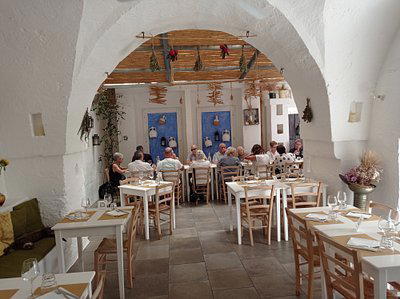
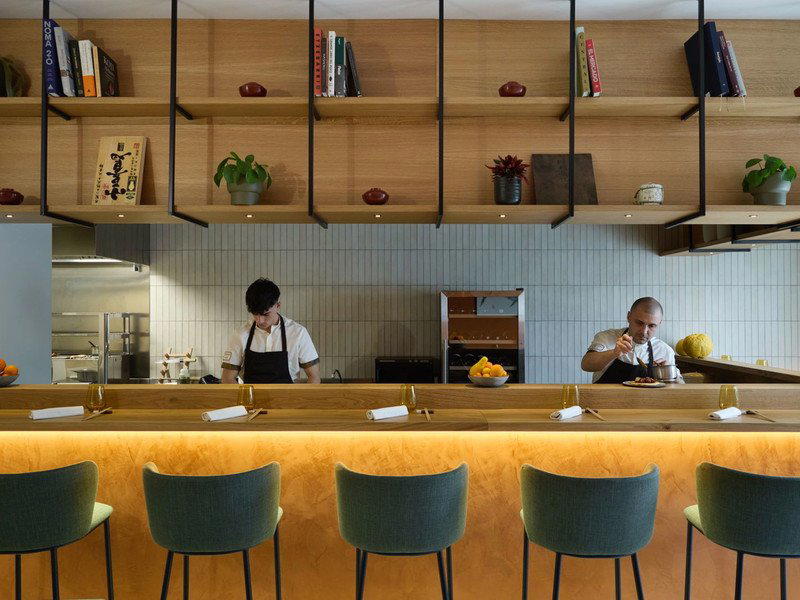
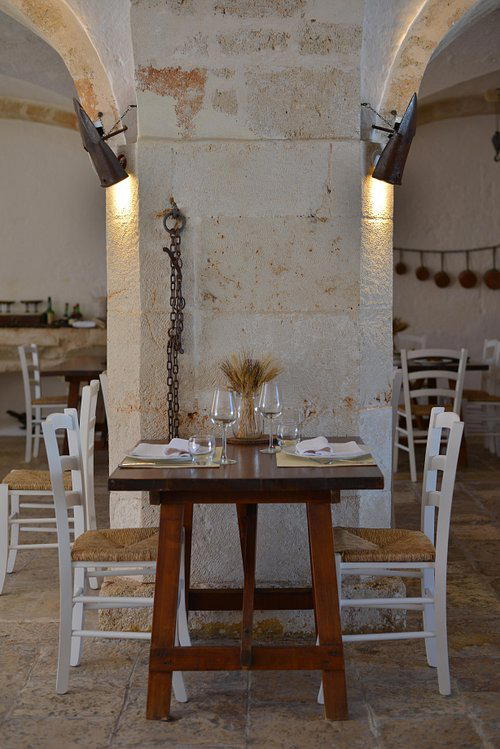
Bars in Fasano
Browse all →

Details
- Romantic
- Elegant
- Intimate
- Rustic
- Sophisticated
- Date Night
- Special Occasion
- Celebration
- Open Kitchen
- Hotel Restaurant
- Extensive Wine List
- Sommelier Led
- Local Sourcing
- Farm To Table
- Tasting Menu
- Vegetarian Friendly
Current opening hours
- Monday
- Closed
- Tuesday
- 7:30–10 PM
- Wednesday
- 7:30–10 PM
- Thursday
- 7:30–10 PM
- Friday
- 7:30–10 PM
- Saturday
- 7:30–10 PM
- Sunday
- Closed
Hours can change for holidays and private events. Hours as of .
Soft candlelight creates a hushed, magical, romantic atmosphere in an elegant setting within the Borgo Egnazia resort.