
On Trani's lungomare, Casa Sgarra holds a Michelin star earned through Apulian cooking that draws as readily from Puglia's coastline and interior as it does from Piedmontese and French reference points. The Sgarra brothers run the room with the kind of attentive familiarity that softens a formal dining register. A celebrated cheese trolley, rated 4.9 across more than 500 reviews, signals the kitchen's appetite for cross-regional sourcing.
Pearl is the En Primeur Club membership app — saves, bookings, and concierge access live there. Same editors, same standards.
- Address
- Lungomare Cristoforo Colombo, 114, 76125 Trani BT, Italy
- Phone
- +39 349 186 7499
- Website
- casasgarra.it
- Directions
- Get directions
 Saves & bookings on Pearl
Where the Adriatic Sets the Table
Trani's waterfront has always organised the town's leading eating. Casa Sgarra is a one-Michelin-star restaurant in Trani, serving Modern Apulian Fine Dining at about $120 per person. The address at Lungomare Cristoforo Colombo 114 places the restaurant on Trani's seafront, with the Adriatic setting shaping the dining room's mood. In Puglia's coastal kitchens, proximity to water has always shaped what lands on the plate, and at Casa Sgarra the sourcing conversation starts with geography.
Within Trani's dining scene, the €€€ tier contains a cluster of restaurants working across different registers: Quintessenza shares the same Michelin recognition and Apulian focus, Le Lampare al Fortino works a Mediterranean frame at the same price point, and Terradimare tilts toward contemporary formats. What separates Casa Sgarra inside that group is a sourcing philosophy that reaches beyond the local by design. The kitchen draws from Apulian tradition as a starting point.
A Kitchen That Sources Without Borders
The dominant mode in Puglia's better restaurants is one of deliberate regionalism: the olive oils, the burrata, the orecchiette, the local catch. That rootedness is real and valuable, and it shapes the lower half of the menu at most addresses in this category. What makes the sourcing conversation at Casa Sgarra different is the explicit move outward. Chef Felice Sgarra, who holds the kitchen position in the family arrangement while his two brothers manage the dining room, works across Apulian traditions and those of other Italian regions and beyond, interpreting and elaborating each source on its own terms rather than folding everything into a single local register.
This cross-regional approach appears most visibly in the cheese trolley, which has become a marker of the restaurant's identity. While a Puglian kitchen might be expected to anchor its dairy selection in local products, the trolley here draws from Piedmont and France, placing aged mountain cheeses and washed-rind varieties alongside the kitchen's Mediterranean cooking. In sourcing terms, this is a deliberate statement: the kitchen is positioning itself against a wider national and European field, not just a coastal Apulian one. For context, Piedmontese and French cheese programs of this depth are more commonly found at addresses like Enoteca Pinchiorri in Florence or Dal Pescatore in Runate, where cross-regional and international sourcing is embedded in the restaurant's identity. Seeing it on the Adriatic coast of Puglia, served with the ease of a family operation, is a different kind of encounter.
The broader Apulian fine dining scene has two camps on this question. Restaurants like Pashà in Conversano and Al Dragone in Vieste demonstrate how Apulian kitchens approach the tension between regional fidelity and creative range in different ways depending on their location and dining format. The restaurant's answer is to treat Apulia as the foundation and let sourcing go wherever the dish requires.
The Michelin Argument
The restaurant's Michelin star places it in a specific bracket within Italy's fine dining hierarchy. Italy's starred landscape is dense and competitive, with multiple-star addresses like Le Calandre in Rubano, Osteria Francescana in Modena, and Enrico Bartolini in Milan setting the reference points at the upper end. A first star in a mid-sized Apulian coastal town is a different kind of achievement: it signals consistent technical execution and a coherent culinary identity without the institutional infrastructure that supports urban starred kitchens. The consistency runs in both directions.
Within Trani specifically, the star positions the restaurant alongside Quintessenza at the summit of the local hierarchy. The two restaurants occupy different stylistic positions within the same recognition tier, giving the town an unusual concentration of Michelin-acknowledged cooking for its size. Diners arriving from elsewhere in Puglia or from further afield have a genuine choice between two distinct approaches at the same prestige level, which is more than most similarly sized Italian towns can offer.
How the Room Works
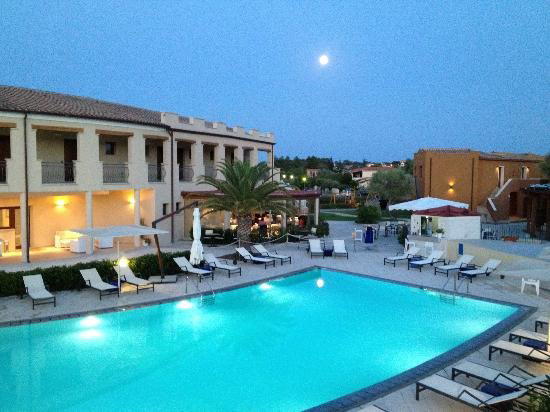
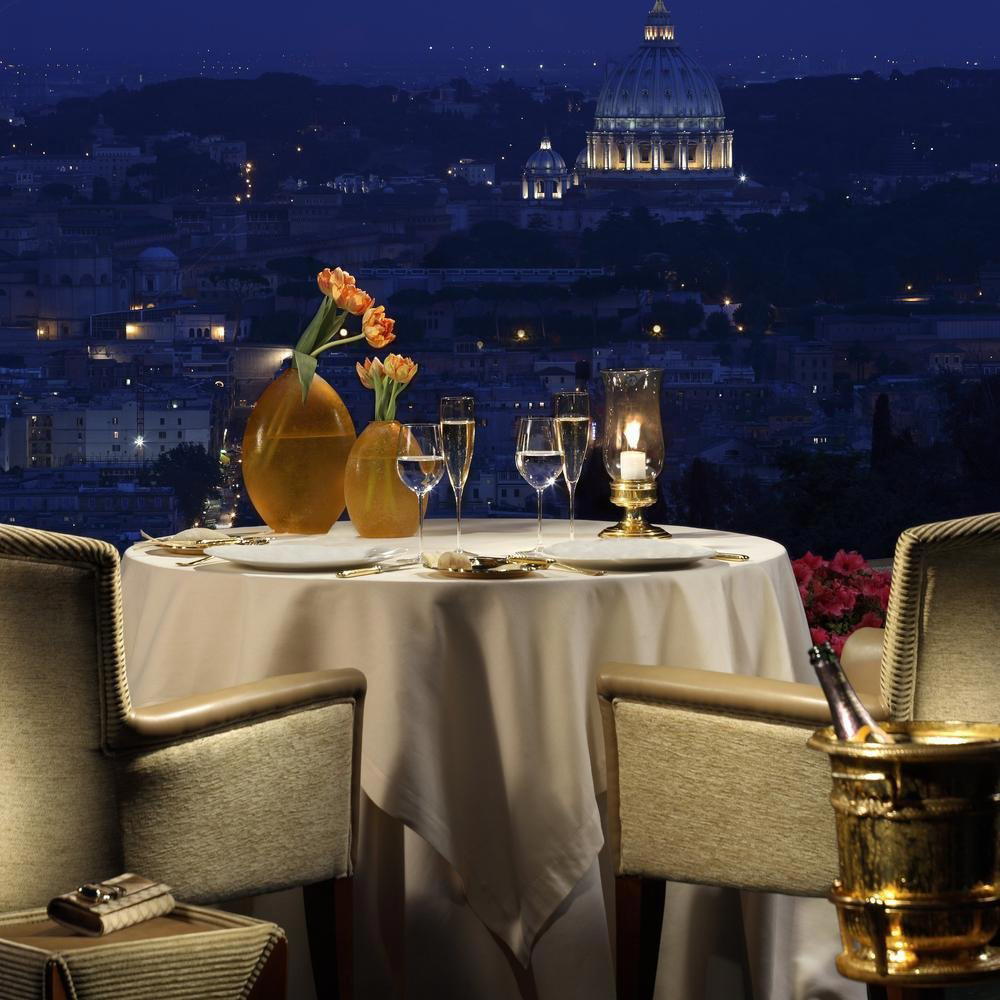
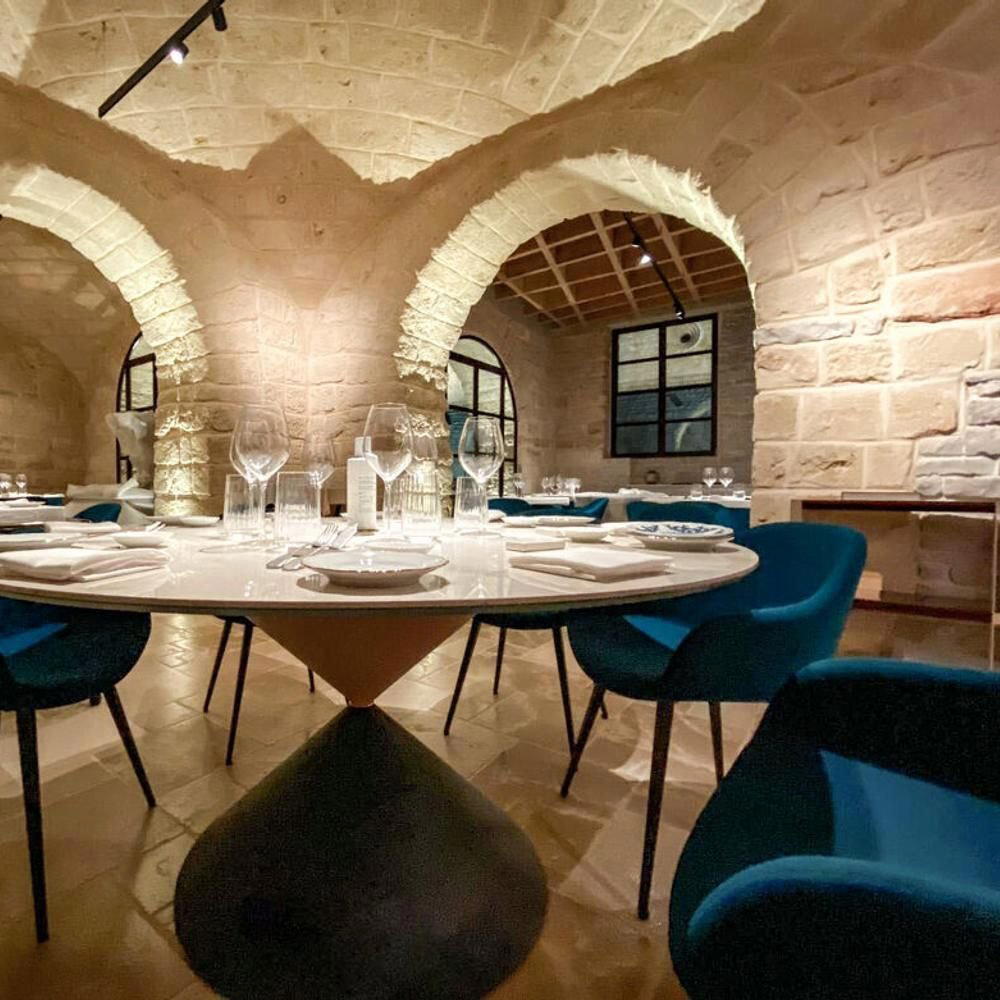
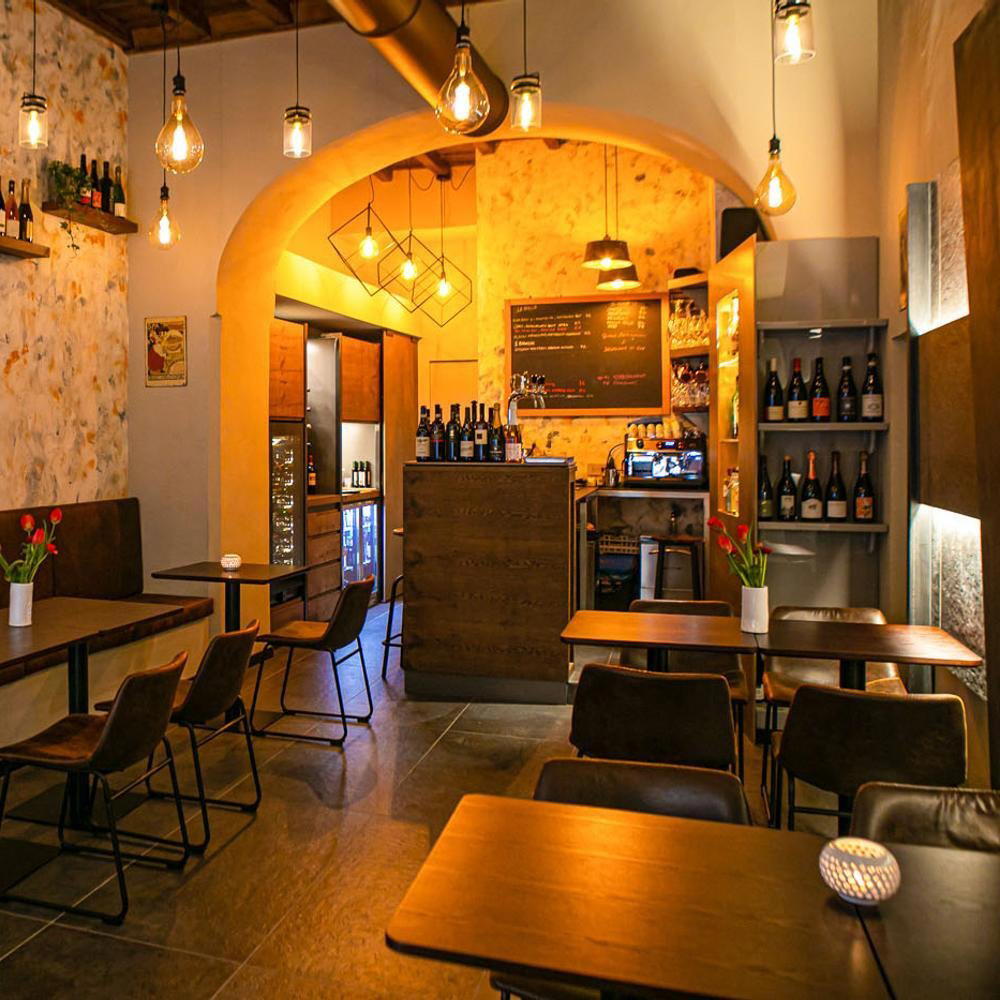
The atmosphere is elegant and contemporary, and the service is warm. In practical terms, this means a formal dining register that does not enforce its formality, the kind of room where the white tablecloth and the attentive brigade do not produce the stiffness that can accompany starred dining in more institutional settings. The Sgarra family is present on both sides of the pass, giving the service a consistency that hired-team operations often struggle to replicate. Family-run fine dining of this type is a recognisable format in southern Italy, where the family name above the door carries a different weight than a corporate hospitality brand.
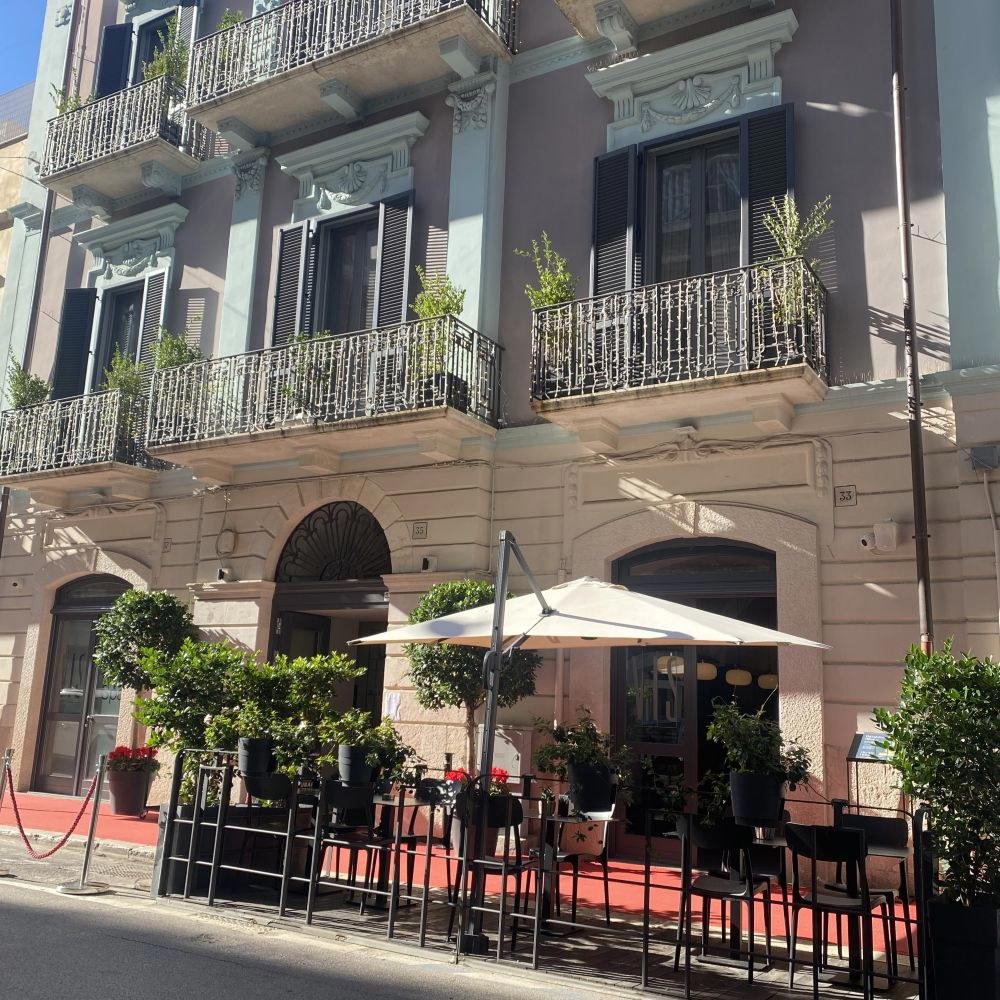
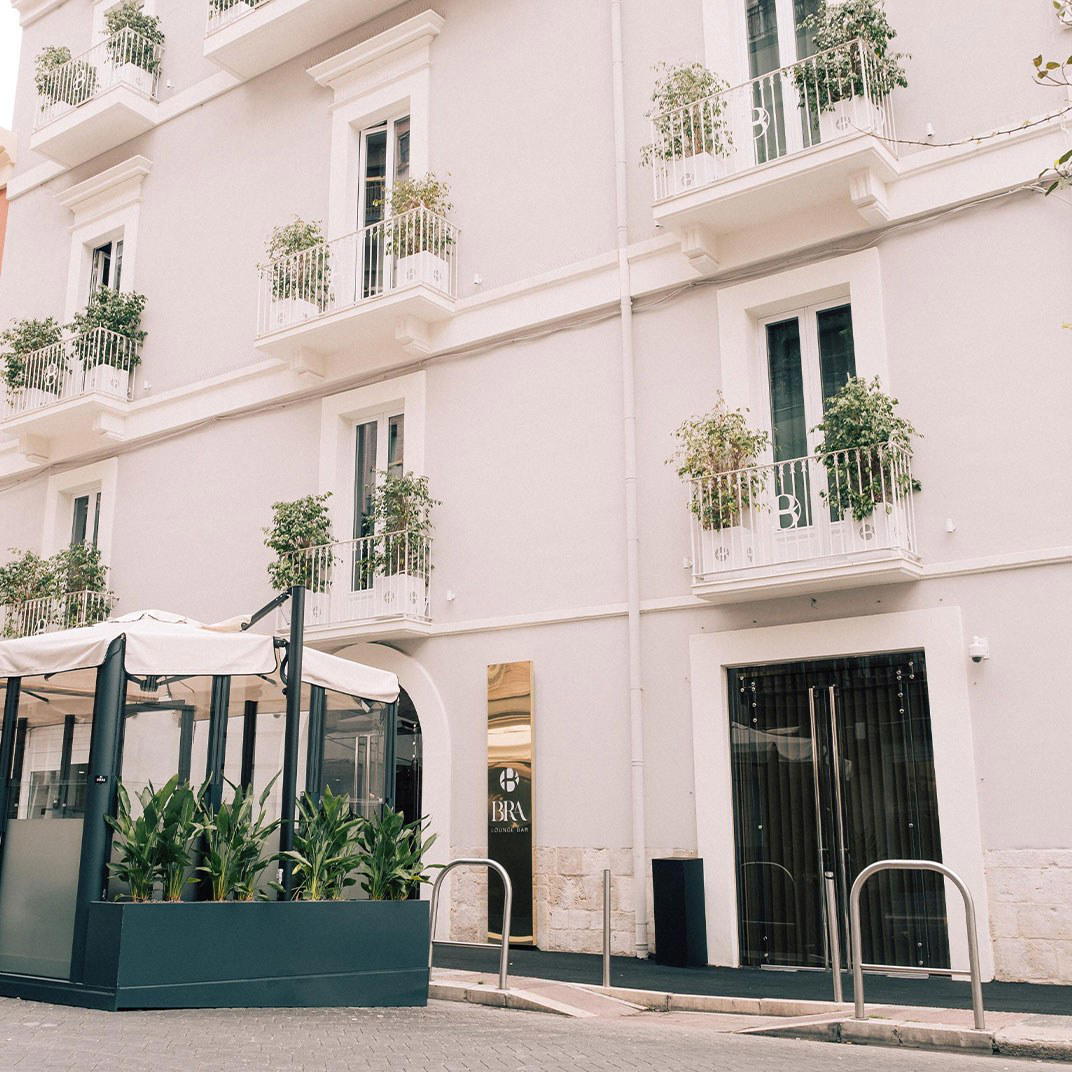
The dining room sits within the lungomare address, which means the approach and the surrounding atmosphere reinforce what the kitchen is doing. Trani's seafront is not a tourist promenade in the high-season sense; it has a working harbour character, the cathedral at one end and the old town rising behind, and the restaurants that line it tend to operate with a local clientele base alongside visitors. That mix keeps the room grounded in a way that resort-town fine dining often is not.
Planning a Visit
The restaurant serves lunch from 1 PM to 3 PM and dinner from 8 PM, with closing times ranging from 10:30 PM on Wednesdays to 11:30 PM on the remaining open evenings. At the €€€ price tier with Michelin recognition, advance reservation is essential, particularly for dinner sittings later in the week and at weekends. The lungomare address is accessible from Trani's historic centre on foot.
For those building a broader Trani itinerary, the town's dining scene extends across price points and formats. Il Melograno and Osteria Frangipane both work the €€ seafood tier and represent the more casual end of what the lungomare and surrounding streets offer. For those extending their Apulian itinerary into the mountains and valleys further north, Atelier Moessmer Norbert Niederkofler in Brunico represents a different pole of Italian sourcing-led cooking, one anchored in Alpine product rather than Mediterranean tradition.
What Regulars Order
What do regulars order at Casa Sgarra?
The cheese trolley is the item most consistently referenced in relation to the restaurant's identity. Sourced from Piedmont and France rather than confined to local Apulian dairy, it functions as both a culinary statement and a course in its own right, and regulars familiar with the kitchen's cross-regional approach tend to treat it as essential rather than optional. Beyond the cheese service, the kitchen's strength is in dishes that interpret Apulian tradition through a technically precise lens, drawing on regional ingredients and techniques while bringing in reference points from other Italian regions. Given the Michelin recognition and the 4.9 rating across more than 500 reviews, the room's consistent strength lies in the tasting format rather than any single dish, but the cheese trolley remains especially distinctive and discussed element among the meal.
Fast Comparison
Comparable venues nearby, for context on price, style, and recognition.
| Venue | Cuisine | Price | Awards | Notes |
|---|---|---|---|---|
| Casa SgarraThis venue — the venue you are viewing | Modern Apulian Fine Dining | $$$$ | Michelin 1 Star | Not listed |
| Quintessenza | Modern Italian Fine Dining | $$$$ | Michelin 1 Star | Trani |
| Le Lampare al Fortino | Puglian Seafood Fine Dining | $$$ | Michelin Plate | Trani |
| Il Melograno | Modern Seafood | $$$ | Michelin Plate | village centre |
| Osteria Frangipane | Modern Italian Seafood Osteria | $$$ | Michelin Plate | Trani |
| Terradimare | Modern Apulian Seafood | $$$ | Michelin Plate | central Trani |
Recognition history
Dated appearances from independent guides and award organizations, with the underlying list record or original source where available.
Michelin 1 Star
Michelin
Michelin 1 Star
Michelin
Michelin 1 Star
Michelin
At a Glance
- Elegant
- Sophisticated
- Romantic
- Modern
- Date Night
- Celebration
- Special Occasion
- Group Dining
- Waterfront
- Open Kitchen
- Private Dining
- Sommelier Led
- Local Sourcing
- Farm To Table
- Waterfront
Current opening hours
- Monday
- 1–3 PM, 8–11:30 PM
- Tuesday
- Closed
- Wednesday
- 1–3 PM, 8–10:30 PM
- Thursday
- 1–3 PM, 8–11:30 PM
- Friday
- 1–3 PM, 8–11:30 PM
- Saturday
- 1–3 PM, 8–11:30 PM
- Sunday
- 1–3 PM
Hours can change for holidays and private events. Last verified .
Elegant and contemporary setting with warm, family-like hospitality; refined yet welcoming atmosphere that makes guests feel pampered from arrival through departure.