
1 Michelin Star
Our verdict
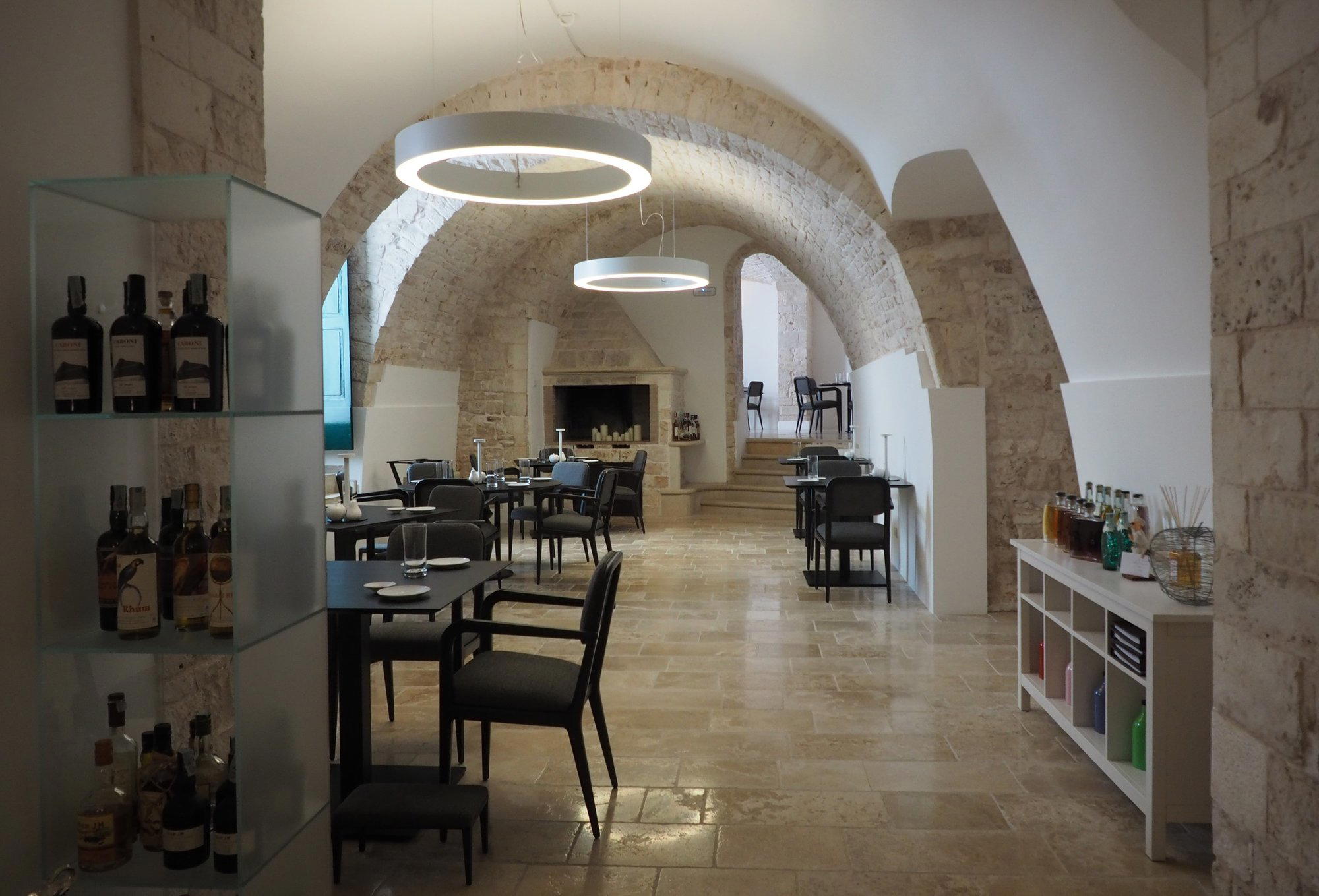
Inside a 16th-century building in Putignano's historic centre, Angelo Sabatelli runs one of Puglia's most accomplished creative kitchens, translating regional ingredients into modern tasting menus. The dining room, a vaulted stone space with just a few tables and a fireplace, creates a setting where the region's produce and its Michelin-recognised cooking share equal weight. Sommelier Daniele Sabatelli oversees a cellar of approximately three thousand labels.

Pearl is the En Primeur Club membership app — saves, bookings, and concierge access live there. Same editors, same standards.
- Address
- Via S. Chiara, 1, 70017 Putignano BA, Italy
- Phone
- +39 080 405 2733
- Hours
- Mon ClosedTue–Sat 7:30–9:30 PMSun 12:30–2 PM
- Directions
- Get directions
- Booking
- Book on ResDiary
The menu
What to order
- Bottoni
- Cuttlefish with almond and lemon
A 16th-Century Room and the Ingredients That Fill It
The approach to Angelo Sabatelli follows the logic of most southern Italian towns worth seeking out: a sequence of narrowing alleys, stone underfoot, facades that predate any modern notion of a restaurant district. In Putignano, a town in the Murgia plateau roughly forty kilometres south of Bari, that maze leads to Via S. Chiara and a building that dates to the 1500s. The dining room inside is elongated, vaulted, stone-ceilinged, lit to make the most of the fireplace at one end. The table count is deliberately low. This is the physical context in which one of Puglia's most considered creative kitchens operates, and the architecture does as much work as the menu in establishing what kind of evening to expect.
Puglia's position as a serious fine dining address has built quietly over the past two decades, and restaurants like this one are central to that story. The region's agricultural output — durum wheat, olive oil, vegetables, legumes, coastal seafood — gives chefs a sourcing base that rivals any in Italy. The question was always whether that larder would be treated as a backdrop or as a primary subject. At the creative end of the Apulian dining scene, the answer has increasingly been the latter. For [our full guide to what's happening across the dining scene here, see our full Putignano restaurants guide.]
Apulian Ingredients as the Starting Point
The editorial logic of contemporary southern Italian fine dining rests on a tension between local fidelity and technical ambition. Restaurants like Reale in Castel di Sangro and Uliassi in Senigallia have shown how distinctly regional sourcing can generate cooking of serious depth without collapsing into regionalism as nostalgia. Angelo Sabatelli occupies comparable territory in the deep south: the cuisine is described as modern, woven with Apulian inspirations, but the creative framework is the vehicle rather than the destination.
In practical terms, this means Puglia's produce arrives at the table transformed, not merely presented. The region's olive oils, which vary by cultivar and harvest zone across the Murgia and the Salento, provide a foundation that is both flavour and philosophy. Coastal ingredients from the Adriatic and Ionian, accessible within an hour in most directions, extend the kitchen's range into seafood territory where the freshness differential between Puglia and a landlocked kitchen is significant. What Sabatelli's kitchen does with this material sits in the same conversation as what Italy's most formally recognised creative restaurants have been building toward: Piazza Duomo in Alba, Le Calandre in Rubano, and Osteria Francescana in Modena all work from a premise that the region's raw material is the essay, and technique is the argument.
Where This Sits Among Italy's Creative Restaurants
Italy's Michelin-recognised creative tier spreads across geography in a way that resists easy hierarchy. The three-star kitchens, Dal Pescatore in Runate, Enoteca Pinchiorri in Florence, Enrico Bartolini in Milan, Atelier Moessmer Norbert Niederkofler in Brunico, operate at price points and scale that place them in a different competitive tier from what Sabatelli offers in Putignano at the €€€ price bracket. That price differential matters as much as the geography. A three-course Michelin creative meal in a small Apulian town for three euro signs rather than four positions this kitchen differently from its northern counterparts: accessible enough to anchor a regional trip, serious enough to justify planning one.
The comparison set that makes most sense for Angelo Sabatelli is the tier of Italy's Michelin-recognised restaurants that operate outside major urban centres, in towns where the restaurant itself is a destination rather than one option among dozens. Quattro Passi in Marina del Cantone occupies similar logic on the Amalfi Coast. Casa Perbellini 12 Apostoli in Verona shows how historic urban fabric can frame contemporary cooking without overwhelming it. In each case, the setting is part of what the kitchen is arguing about place.
The Wine Programme
Among southern Italian fine dining programmes, a cellar of approximately three thousand labels is a serious number, and in a region that has only recently attracted international attention as a wine-producing zone, it signals a programme built over time rather than assembled to impress. Daniele Sabatelli, who manages the front of house and oversees the wine list, brings sommelier credentials to the selection. The cellar spans two volumes, which in a 16th-century building in Putignano means physical depth, actual rooms rather than a single rack behind the bar.
Puglia's own wine production has undergone a genuine shift over the past two decades. Primitivo and Negroamaro, once exported largely as blending wine for northern Italian and French producers, are now bottled and positioned seriously under Puglian labels. A cellar of this depth, in this location, is likely to offer both a strong regional selection and the broader Italian and international range expected at this price tier. For those interested in exploring Puglia's wine producers directly, see our full Putignano wineries guide.
Planning a Visit
The kitchen operates Tuesday through Saturday from 7:30 to 9:30 PM for dinner, with a Sunday lunch service running 12:30 to 2 PM. Monday is closed. The evening window is tight at two hours, so arriving at or near the opening time allows the meal to unfold properly within the format. Putignano is accessible by car from Bari in under an hour, and the town's historic centre, where Via S. Chiara sits, requires arriving on foot from parking at the periphery, which takes only a few minutes and frames the arrival appropriately.
For those building a longer stay around the area, Puglia's accommodation options range from masseria conversions in the Itria Valley to smaller properties in the hilltowns. See our full Putignano hotels guide for the current options. The town itself, known for its February carnival, carries a quiet authority outside the festival calendar that makes it a worthwhile stop beyond a single dinner. The bars guide for Putignano and our experiences guide cover what else the area offers for those extending the trip.
In international terms, this style of creative fine dining rooted in a single region's produce has parallels at places like Le Bernardin in New York City and Atomix, where a tightly defined sourcing philosophy and a small, controlled format allow the kitchen to operate with precision that larger restaurants cannot sustain. The Putignano setting takes that logic and applies it to one of Italy's most ingredient-rich regions.
Frequently asked questions
Is Angelo Sabatelli open every day?
Hours at Angelo Sabatelli: Monday closed Tuesday 7:30 PM-9:30 PM Wednesday 7:30 PM-9:30 PM Thursday 7:30 PM-9:30 PM Friday 7:30 PM-9:30 PM Saturday 7:30 PM-9:30 PM Sunday 12:30 PM-2 PM.
How do I find Angelo Sabatelli?
Angelo Sabatelli is located at Via S. Chiara, 1, 70017 Putignano BA, Italy, Putignano.
Fast Comparison
| Venue | Cuisine | Price | Awards | Notes |
|---|---|---|---|---|
| Angelo SabatelliThis venue — the venue you are viewing | Modern Puglian Fine Dining | $100–150 | 1 Michelin Star | Not listed |
| Atelier Moessmer Norbert Niederkofler | Italian, Creative | Not listed | Michelin 3 Star | Not listed |
| Dal Pescatore | Italian, Italian Contemporary | Not listed | Michelin 3 Star | Not listed |
| Enoteca Pinchiorri | Contemporary Italian Fine Dining | $200–300 | 3 Michelin Stars · World's 50 Best #32 | Italian - French, Italian Contemporary |
| Enrico Bartolini | Creative | Not listed | Michelin 3 Star | Not listed |
| Osteria Francescana | Avant-Garde Italian Contemporary | $300–500 | 3 Michelin Stars · World's 50 Best #1 | Progressive Italian, Creative |
Recognition history
Dated appearances from independent guides and award organizations, with the underlying list record or original source where available.
Michelin 1 Star
Michelin
Full recognition history (2 entries)
Michelin 1 Star
Michelin
Continue exploring
More in Putignano
Restaurants in Putignano
Browse all →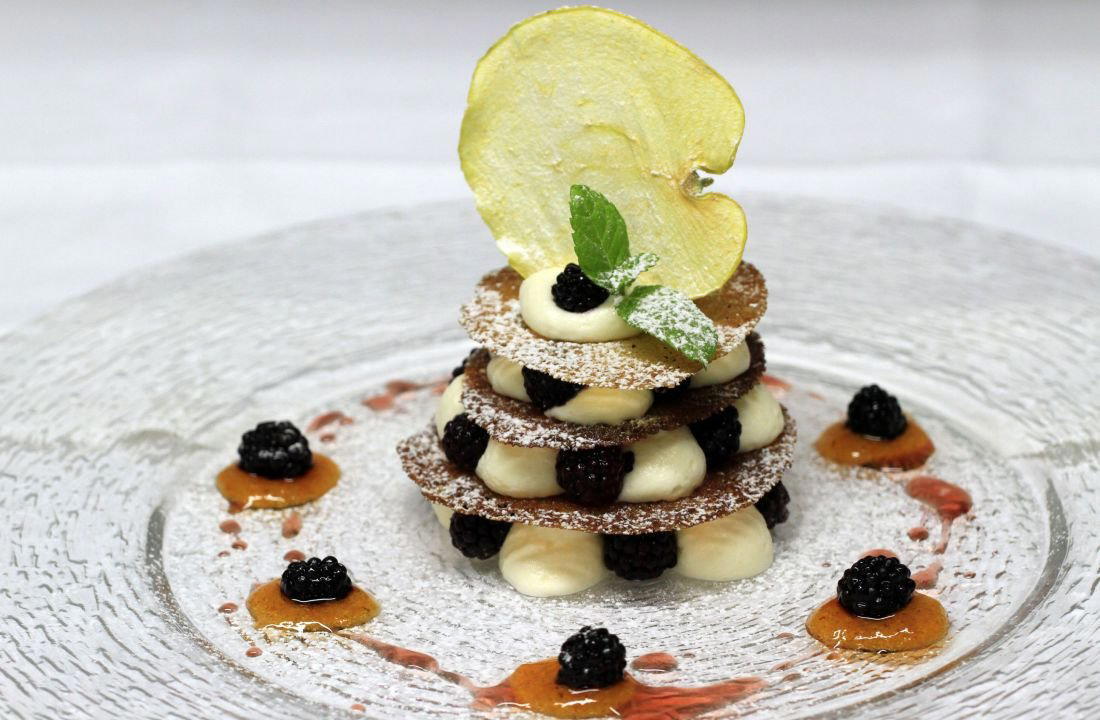
Bars in Putignano
Browse all →
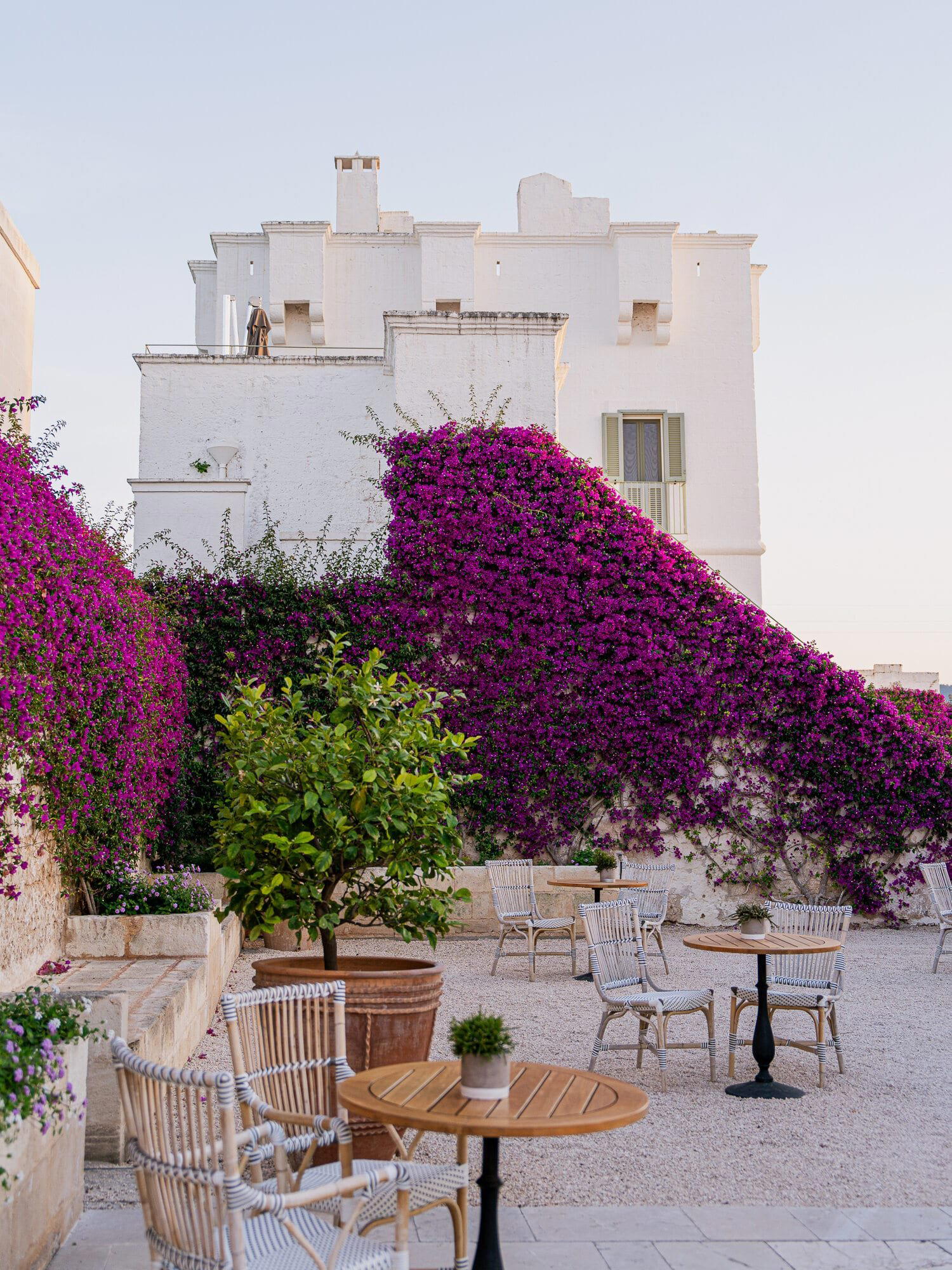
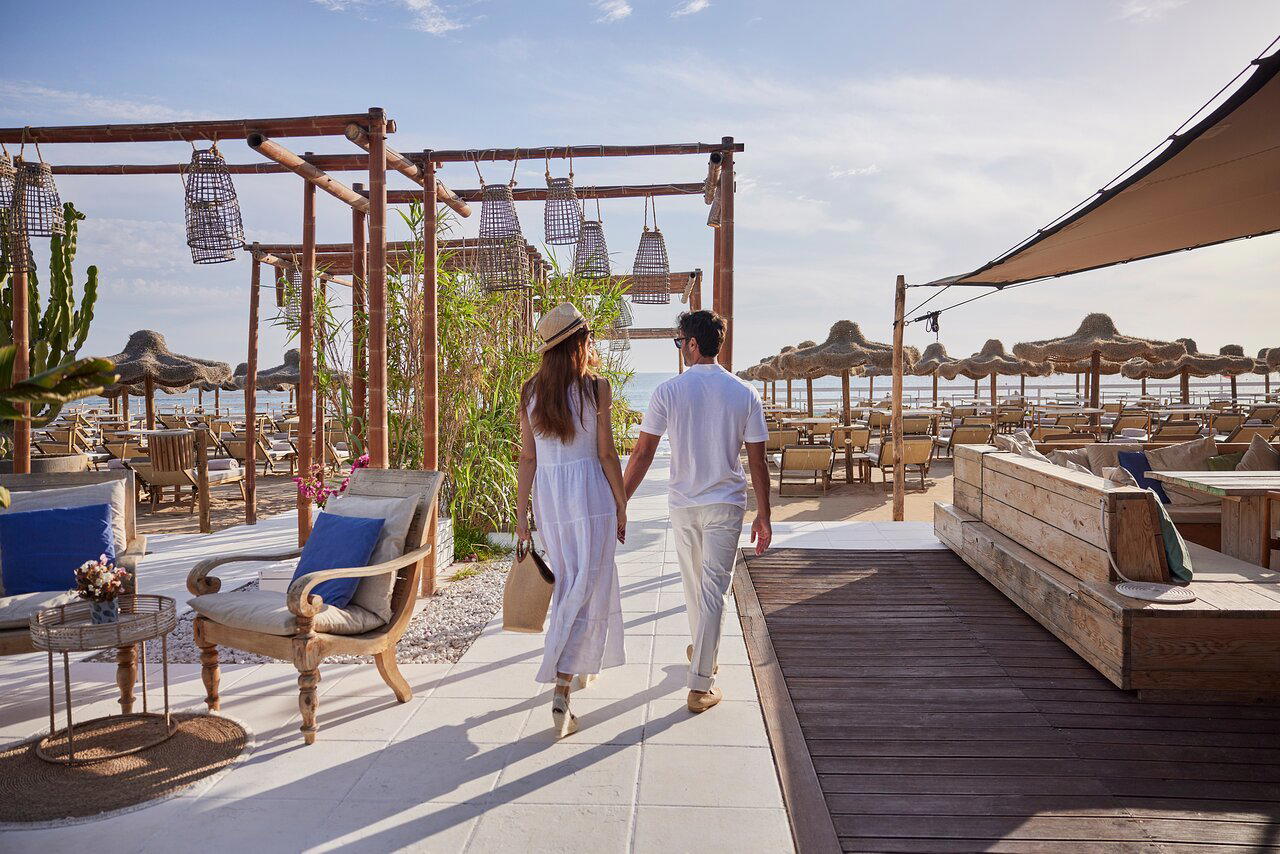
Hotels in Putignano
Browse all →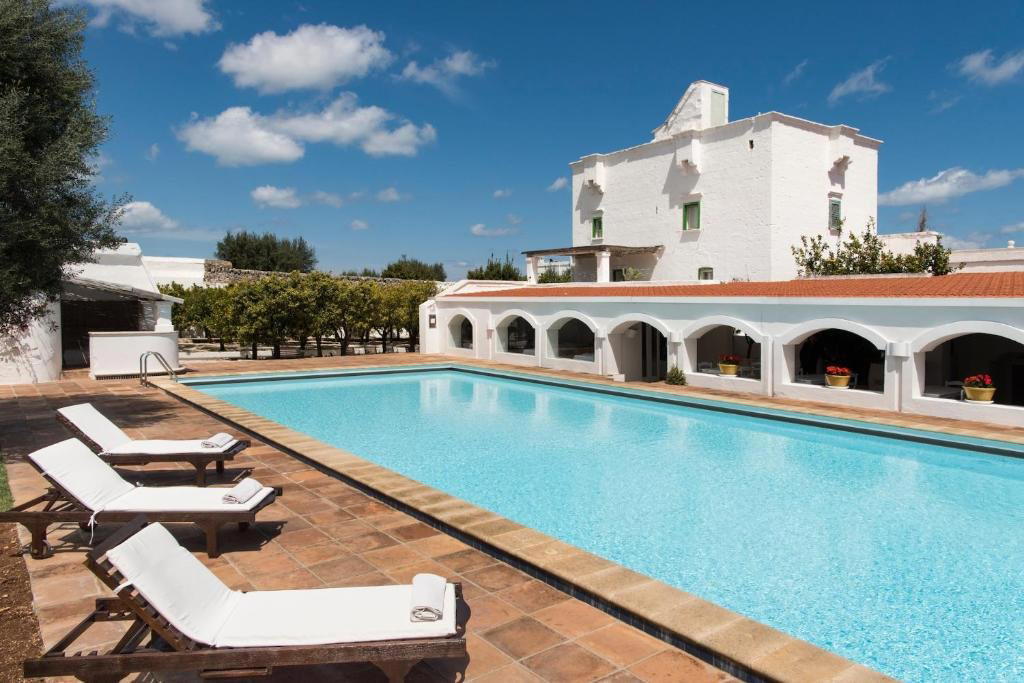

Details
- Elegant
- Intimate
- Sophisticated
- Modern
- Cozy
- Date Night
- Special Occasion
- Historic Building
- Extensive Wine List
- Sommelier Led
- Local Sourcing
- Tasting Menu
- A La Carte
- Gluten Free Options
Current opening hours
- Monday
- Closed
- Tuesday
- 7:30–9:30 PM
- Wednesday
- 7:30–9:30 PM
- Thursday
- 7:30–9:30 PM
- Friday
- 7:30–9:30 PM
- Saturday
- 7:30–9:30 PM
- Sunday
- 12:30–2 PM
Hours can change for holidays and private events. Last verified .
All white walls, exposed brick, and polished stone tiles create an elegant, intimate cavelike atmosphere focused on the food.