Masseria Torre Coccaro

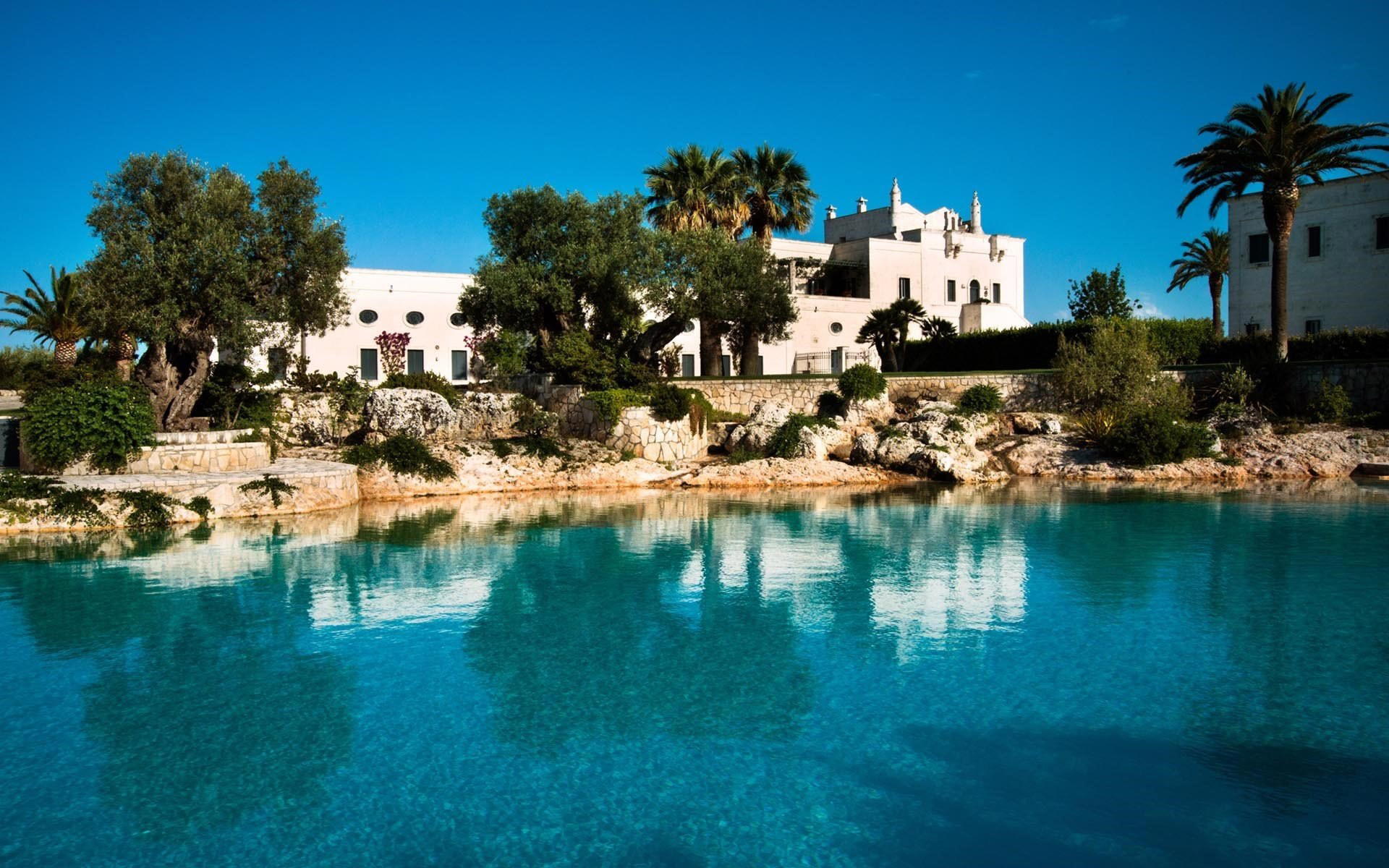
A 16th-century fortified farmhouse on a sun-bleached Adriatic hillside, Masseria Torre Coccaro holds a Michelin Key (2024) and 44 rooms ranging from barrel-vaulted suites to limestone caves with private pools. Olive groves, a beach club, an Aveda spa, and a cooking school place it firmly inside Puglia's emerging premium hospitality tier, within an hour's drive of both Bari and Brindisi airports.
Pearl is the En Primeur Club membership app — saves, bookings, and concierge access live there. Same editors, same standards.
- Address
- Contrada Coccaro, 8, 72015 Savelletri di Fasano BR
- Phone
- +39 080 482 9310
- Website
- masseriatorrecoccaro.com
- Directions
- Get directions
 Saves & bookings on Pearl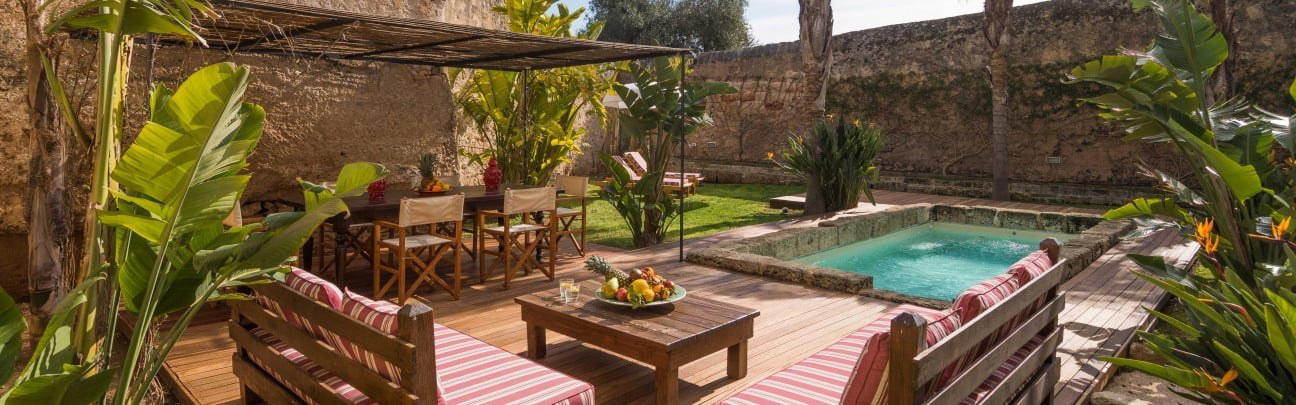
The Masseria Model: Puglia's Answer to Tuscany's Estate Hotels
For decades, the default Italian countryside escape meant Tuscany: cypresses, Chianti, stone villas turned into boutique hotels. That model still works, but a quieter shift has been underway in Italy's southeast. Puglia has accumulated enough premium properties, gastronomy credentials, and international attention that the comparison to Tuscany is now made routinely and with increasing seriousness. The region's defining hospitality format is the masseria, the fortified agricultural estate that once organized olive and wheat production across the Apulian plateau. Converting these structures into hotels is not a new idea, but the tier of conversion has risen sharply. Where the first wave produced charming but uneven results, the current generation has attracted Michelin recognition, serious culinary programming, and guests flying in specifically for the properties rather than passing through. Masseria Torre Coccaro, a 5-star hotel in Savelletri di Fasano recognized with a Michelin Key in 2024, sits at this upper end of the format.
Arriving at Torre Coccaro
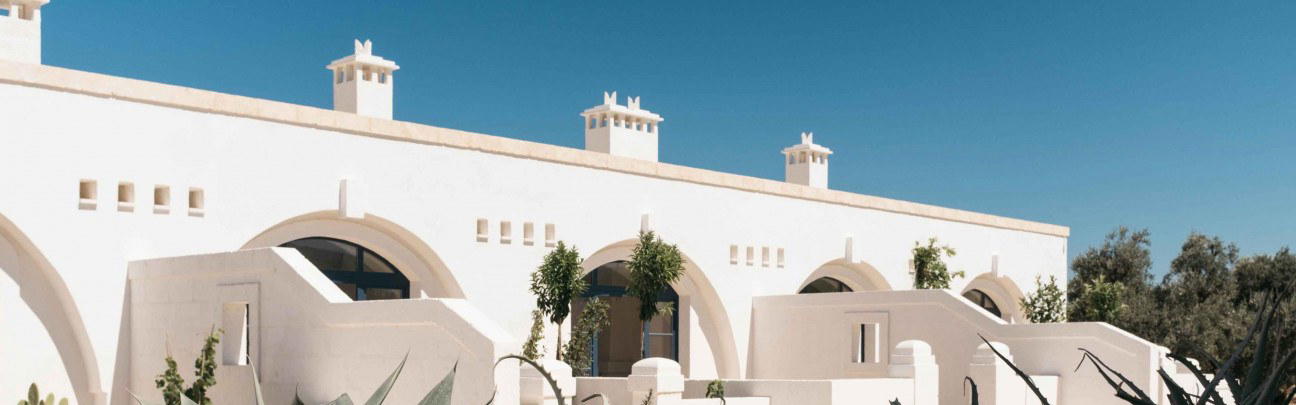
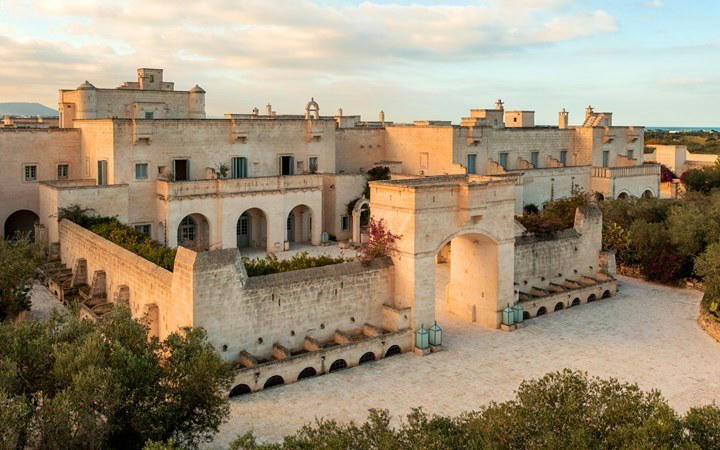
The approach along the Contrada Coccaro road does what good architecture always does: it prepares you before you arrive. The hillside faces the Adriatic, and the olive groves that flank the property are not decorative planting but working trees, the kind that have been producing oil in this part of Puglia for centuries. The main structure reads immediately as something that was built to repel rather than welcome: the tower that gives the property its name dates to the 16th century, constructed as a watchtower and fortified farmhouse against Ottoman raids along this stretch of coastline. The fortifications are long past their original purpose, but the architecture carries its history visibly. Thick limestone walls, narrow apertures, and the general solidity of a building that was designed to last under pressure give Torre Coccaro a physical presence that purpose-built hotels rarely achieve.
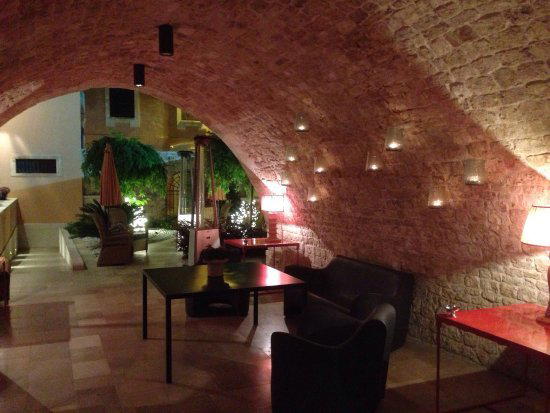
That weight of material history is where the guest experience begins. The 44 rooms are distributed across different structural zones of the original estate, and the variation between room types reflects genuine architectural difference rather than cosmetic distinction. Rooms in the old farmhouse occupy a more conventional configuration. Those in the towers follow the logic of the tower footprint: compact, vertically arranged, with views that explain why the position was chosen in the first place. The barrel-vault rooms sit under curved stone ceilings that create a particular quality of stillness, the kind that comes from serious mass construction absorbing sound and moderating temperature without mechanical intervention. Two rooms are carved from limestone caves, one of which opens onto an orange grove and a private pool. In a region where the geology is limestone and the tradition of cave habitation runs deep, this is not a novelty feature but a continuation of a much older relationship between this landscape and the people who have always lived in it.
Service at This Scale and Price Point
Michelin's Key designation, introduced in 2024 as the guide's hotel recognition framework, signals a particular standard of hospitality rather than cuisine alone. For a 44-room property to carry that recognition places it in company with Italian hotels that have invested seriously in service culture, not just physical plant. In this tier of Italian hospitality, the distinction that separates good properties from better ones is often anticipatory rather than reactive: staff who have absorbed enough context about a guest's preferences to act before being asked, rather than responding correctly after. This is harder to engineer than a fine thread count and more difficult to sustain consistently across a full season. Torre Coccaro's Michelin recognition places it within that peer group.
Food, Cooking, and the Beach Club
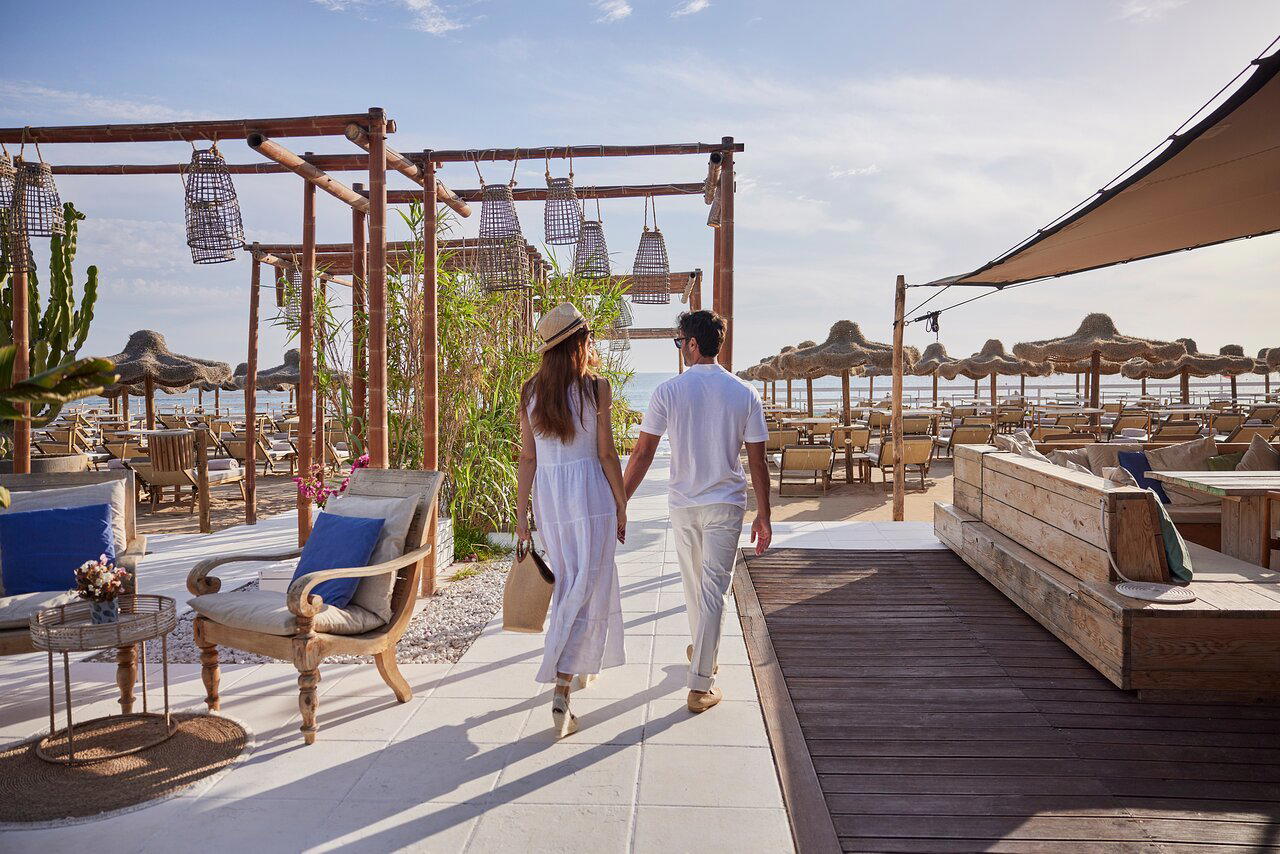
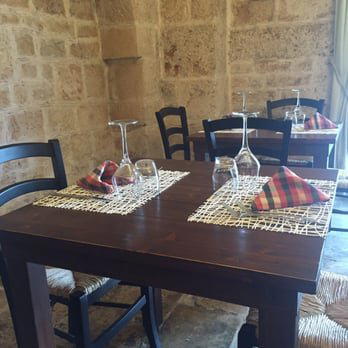
The culinary infrastructure at Torre Coccaro extends across three distinct formats. The restaurant in the old stable house occupies one of the estate's most architecturally expressive spaces, with the proportions and materials of agricultural Puglia intact beneath a contemporary dining operation. A second restaurant operates at the beach club, where the priorities shift toward the seasonal rhythms of Adriatic coastline rather than the formal estate setting. The cooking school is the third element, and its presence reflects something broader happening across Puglia's premium hospitality sector: the region's cuisine has reached a level of international recognition that makes transmission, not just consumption, a selling point. Orecchiette, burrata, fave e cicorie, the olive oil that saturates almost everything on a Puglian table: these are now subjects of serious culinary tourism, and properties that can offer structured engagement with local technique have a competitive advantage that pure accommodation cannot match alone.
Beyond the Rooms: Spa, Golf, and the Adriatic
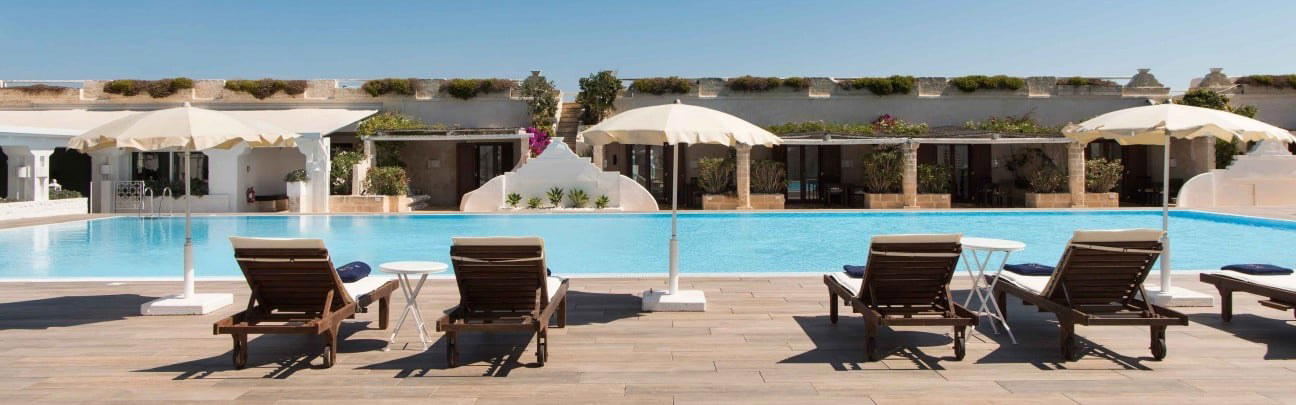
The Aveda spa and the golf course extend the property's offer beyond the historical and culinary. The spa operates within the Aveda framework, which carries its own brand logic around plant-based formulation and particular treatment protocols. The beach club, which sits separately from the main estate, provides the Adriatic access that Puglia's coastal position promises. For guests spending more than two or three nights, this distribution of facilities across different spaces and moods within a single property matters: it prevents the stillness of the masseria itself from becoming inertia.
Getting There and Planning Your Stay
Torre Coccaro sits in the Fasano municipality, and the practical logistics are direct. From Bari's Karol Wojtyla Airport, the S.S. 16 motorway toward Brindisi is the main route, with the exit at Fasano/Savelletri followed by signs toward Savelletri. From Brindisi Airport, the same motorway runs in the opposite direction. Neither airport is more than an hour from the property, which makes Puglia more accessible than its position on the map might suggest for guests connecting through Rome or Milan. The comparable Italian alternatives in other regions, from Borgo Santandrea in Amalfi Coast to Rosewood Castiglion Del Bosco in Montalcino or Passalacqua in Moltrasio, often involve more complex transfers. The Puglia option is logistically simpler than its relative obscurity implies.
The cooking school and spa programming does not depend on beach season, which makes spring and autumn visits coherent for guests whose priorities are culinary or restorative rather than coastal.
Cuisine and Credentials
Comparable venues nearby, for context on price, style, and recognition.
| Venue | Cuisine | Price | Awards | Notes |
|---|---|---|---|---|
| Masseria Torre CoccaroThis venue — the venue you are viewing | Historic fortified masseria blending authenticity and luxury | $$$$ | Michelin 1 Key | Not listed |
| Masseria Calderisi | Restored 17th-century Puglian masseria blending authentic rustic charm with contemporary luxury. | $$$$ | Michelin 1 Key | Savelletri di Fasano |
| Masseria Torre Maizza | Renovated 16th-century Puglian masseria with modern luxury | $$$$ | Michelin 1 Key | Savelletri di Fasano |
| Masseria San Domenico | Historic masseria converted into a luxury resort blending Apulian tradition with refined elegance | $$$$ | 5-Star | Savelletri di Fasano |
| Borgo Egnazia | Fairy-tale Puglian village resort | $$$$ | Michelin 2 Key | Savelletri di Fasano |
| Palazzo Maria Formosa | Historic Venetian palazzo seamlessly blending centuries-old architecture with contemporary luxury and refined minimalism. | $$$$ | Michelin 1 Key | Castello |
Recognition history
Dated appearances from independent guides and award organizations, with the underlying list record or original source where available.
Mr & Mrs Smith Smith Seal of Approval
Mr & Mrs Smith
Michelin 1 Key
Michelin
Michelin 1 Key
Michelin
Continue exploring
More in Savelletri di Fasano
Hotels in Savelletri di Fasano
Browse all →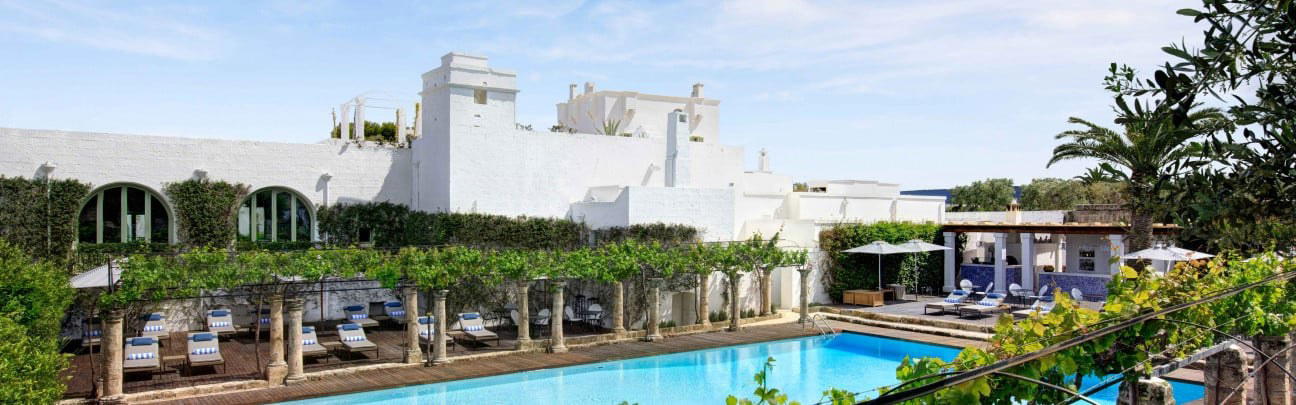
Bars in Savelletri di Fasano
Browse all →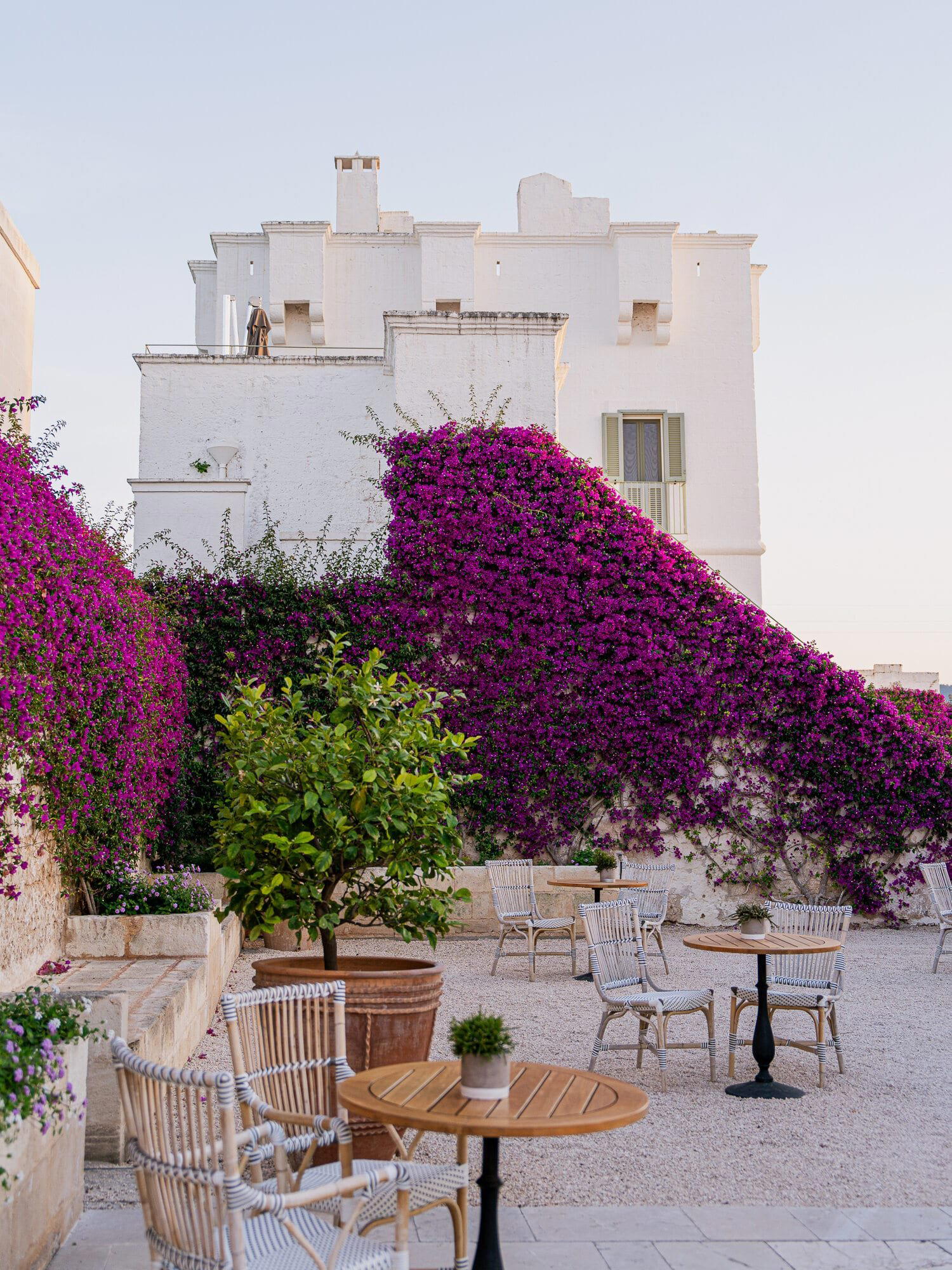
Restaurants in Savelletri di Fasano
Browse all →


At a Glance
- Romantic
- Elegant
- Rustic
- Scenic
- Cozy
- Sophisticated
- Honeymoon
- Romantic Getaway
- Family Vacation
- Wellness Retreat
- Anniversary
- Beachfront
- Golf Course
- Pool
- Spa
- Fitness Center
- Room Service
- Concierge
- Restaurant
- Wi Fi
- Private Beach
- Garden
- Pool
- Spa
- Fitness Center
- Room Service
- Concierge
- Restaurant
- Wi Fi
- Private Beach
Elegant and tranquil with whitewashed walls, antique furnishings, formal gardens, and a serene, authentic Puglian atmosphere.