Masseria Calderisi


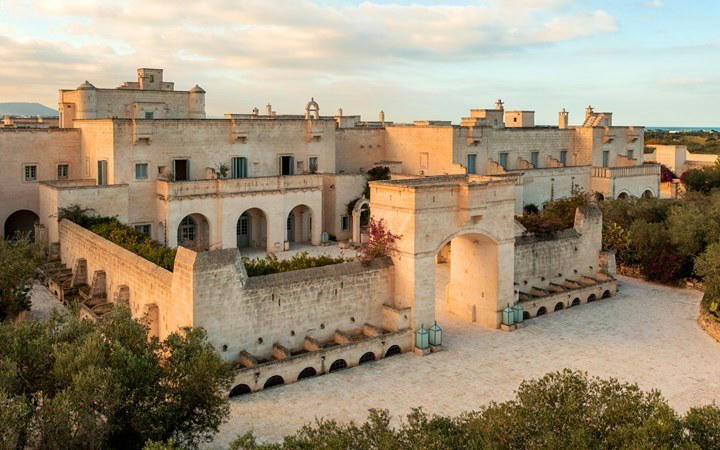
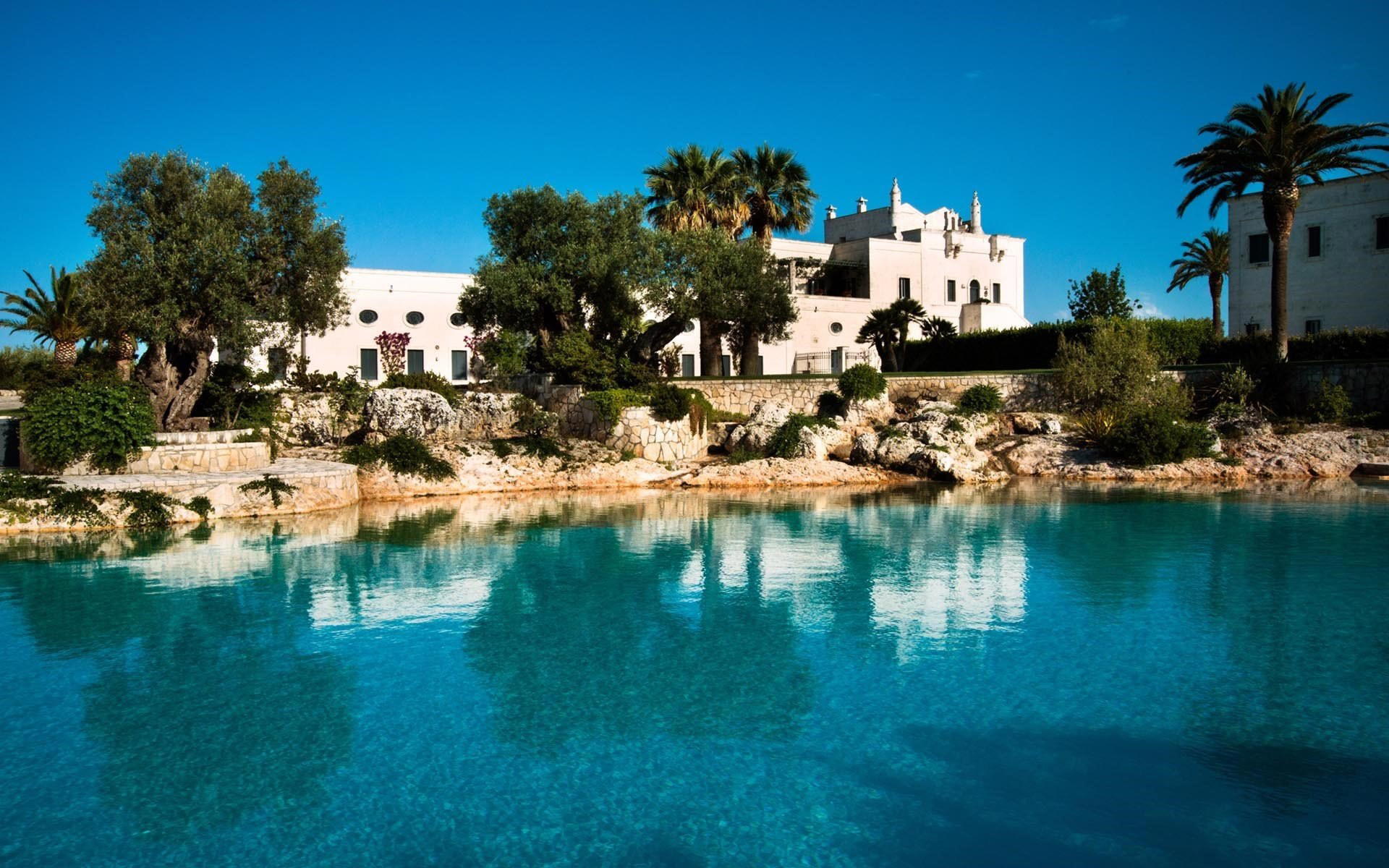
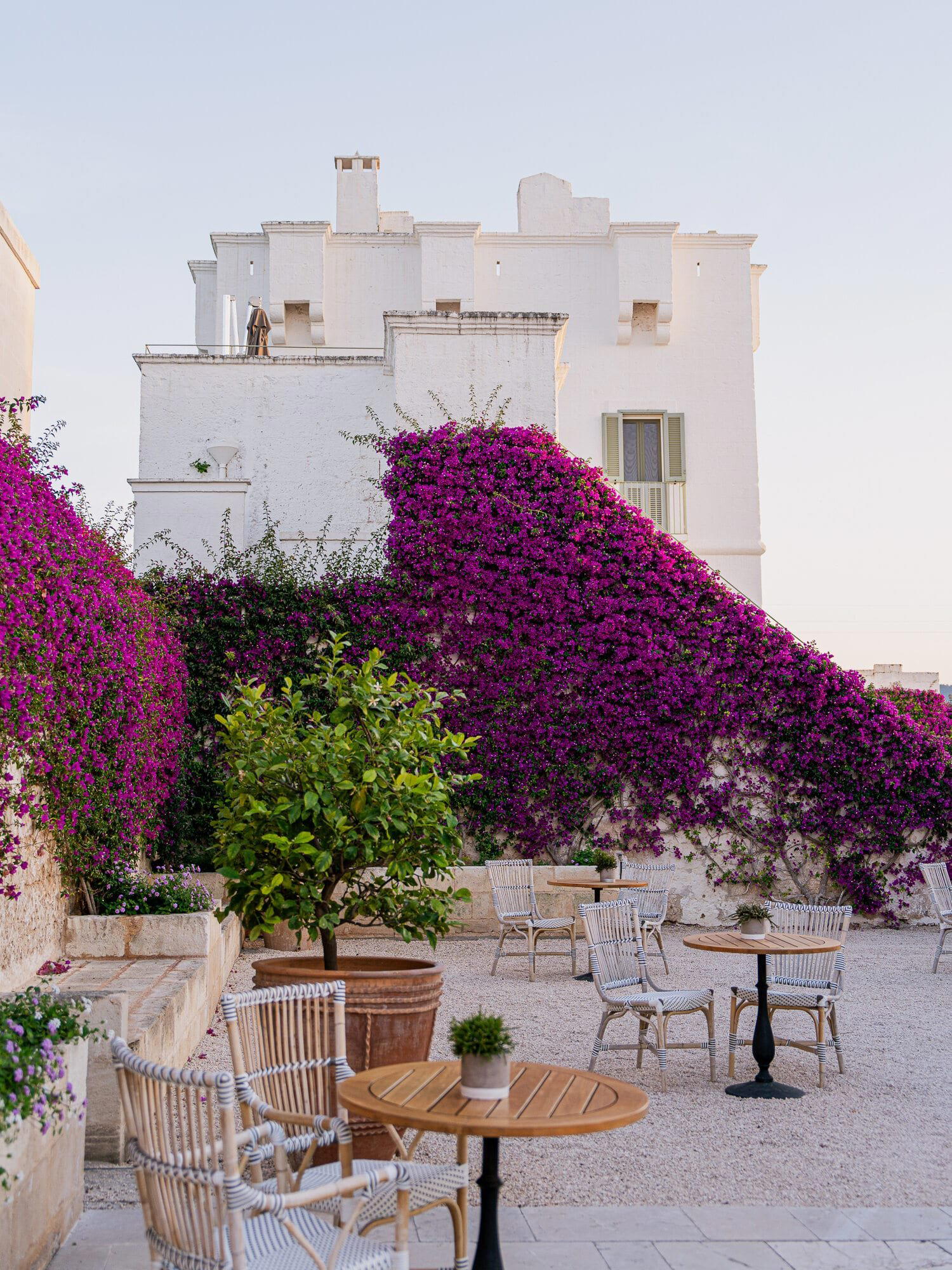
A 17th-century masseria on 24 acres of Puglian countryside, Masseria Calderisi holds a Michelin Key (2024) and 24 rooms spread across a historic main building, tower, and former stables. Halfway between Fasano and the Adriatic coast, it positions itself in the quieter register of southern Italian boutique hospitality, with olive groves, a pool terrace, and a restaurant drawing on local Puglian produce.
Pearl is the En Primeur Club membership app — saves, bookings, and concierge access live there. Same editors, same standards.
- Address
- Strada Comunale Sarzano, 12/A, 72015 Fasano BR
- Phone
- +39 080 433 4340
- Website
- masseriacalderisi.com
- Directions
- Get directions
 Saves & bookings on Pearl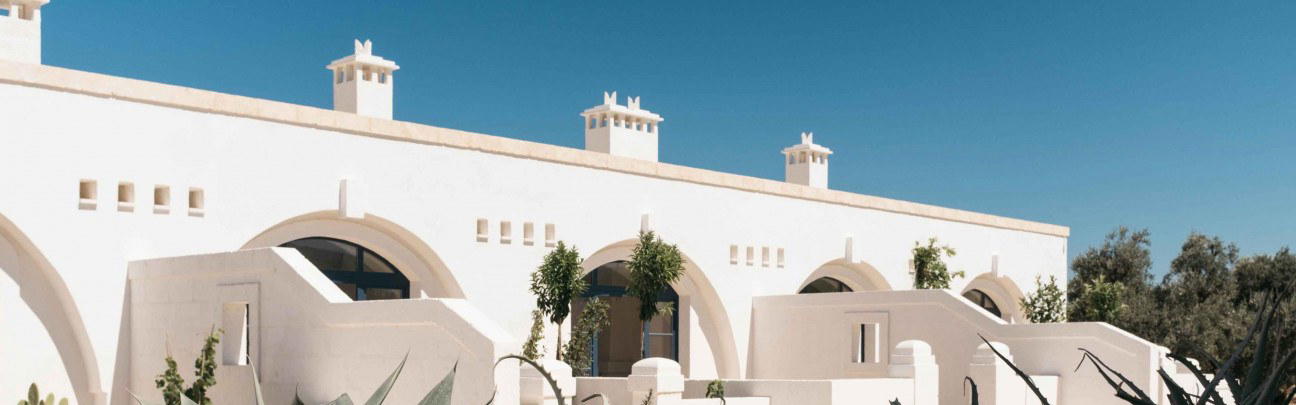
Stone, Groves, and the Architecture of Slow
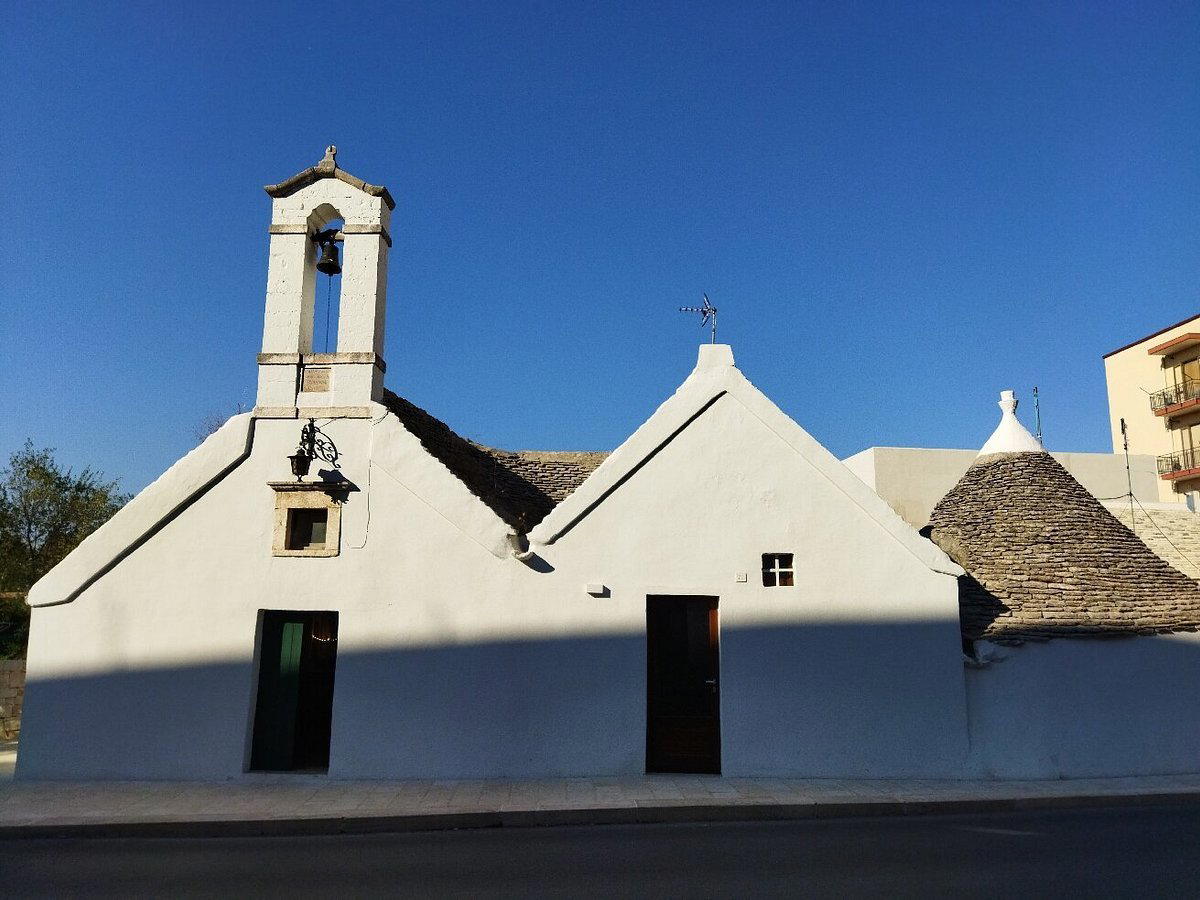
The approach to Masseria Calderisi along Strada Comunale Sarzano sets the register before you reach the gate. Olive groves press in from both sides, their trunks gnarled to the point of sculpture, and the air carries the particular dryness of the Itria Valley in summer. The masseria tradition in Puglia is architectural as much as agricultural: these fortified farmhouses were built to endure, and the ones that survive intact communicate that durability through thick limestone walls, low archways, and an arrangement of courtyards and outbuildings that once housed animals, workers, and produce in roughly equal measure. Masseria Calderisi, dating to the 17th century, reads immediately as a property of that lineage.
Boutique hotel conversion is a well-worn strategy for historic Italian estates, but the results vary considerably depending on how much the architecture is allowed to lead. The stronger conversions preserve the structural logic of the original building and let contemporary comfort layer in without overwriting it. At 24 rooms across a 24-acre estate, Calderisi operates in that more restrained register, the ratio of space to guest is generous enough that the property retains its agricultural scale rather than tipping into the compressed efficiency of a more commercial operation. For context, Borgo Egnazia operates on a considerably larger footprint nearby, with a corresponding shift in energy. Calderisi is a quieter proposition.
Three Room Categories, One Consistent Logic
The 24 rooms divide across three distinct architectural contexts: the main building, the old tower, and the former stables. Each carries a different spatial grammar. Rooms in the main building follow the proportions of a 17th-century country estate, ceilings at a height that discourages hurry, walls thick enough to hold the cool through afternoon heat. The tower suites bring verticality and a sense of remove; the stables conversion works with lower, more horizontal volumes that often open more directly onto the grounds.
The decoration throughout applies a contemporary hand to historic fabric rather than attempting period authenticity, which is the more coherent approach. Nespresso machines and Marshall sound systems appear as standard fittings, practical acknowledgements that contemporary guests expect certain things regardless of the setting, and that a masseria in 2024 need not choose between atmosphere and function. The result is a property that presents its history as context rather than costume.
This approach to conversion places Calderisi in a competitive set that includes Masseria Torre Coccaro and Masseria Torre Maizza, all three occupy roughly the same position in southern Italian boutique hospitality, prioritising historic fabric and estate character over brand infrastructure. Masseria San Domenico sits in this same neighbourhood cohort, with its own distinct architectural identity. The category is well-represented in this stretch of the Valle d'Itria coast.
La Corte and the Puglian Kitchen in Contemporary Form
Southern Italian regional cooking has undergone a consistent critical reassessment over the past decade, moving from a position of rustic undervaluation toward a more considered recognition of its depth. Puglia's kitchen draws on an ingredient base that rewards restraint: burrata and stracciatella from the Itria Valley, orecchiette and cavatelli in forms that predate industrial pasta by centuries, a vegetable tradition built around fava beans, chicory, and the particular sweetness of locally grown tomatoes. Masseria cooking at its strongest simply removes the distance between that ingredient base and the plate.
La Corte, the on-site restaurant, takes a contemporary approach to Puglian cuisine with a commitment to local sourcing. The estate's own 24 acres provide the immediate context: herb gardens and vegetable beds that narrow the supply chain to the width of the property. This is a format that several of the stronger Italian agriturismo and masseria properties have adopted as a structural principle rather than a marketing claim, the sourcing logic shapes the menu rather than decorating it.
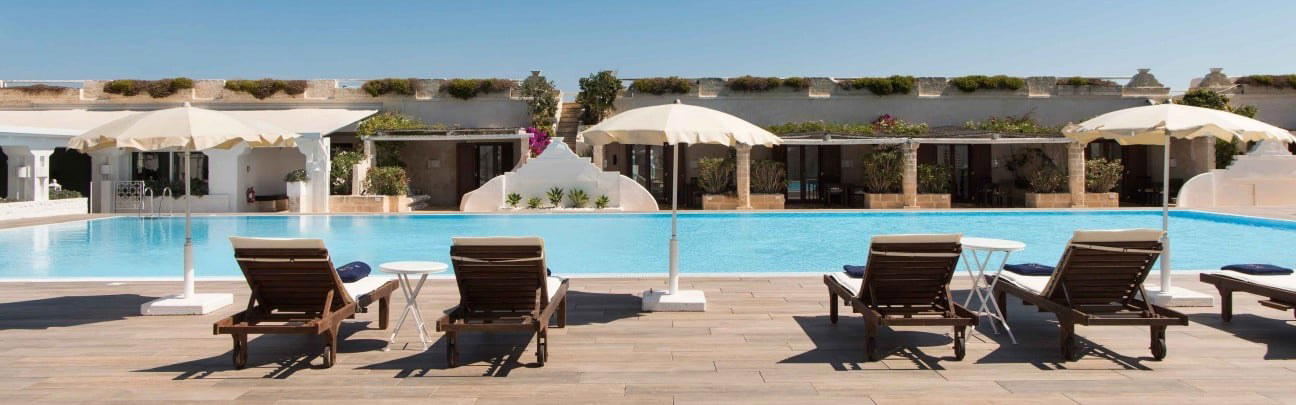
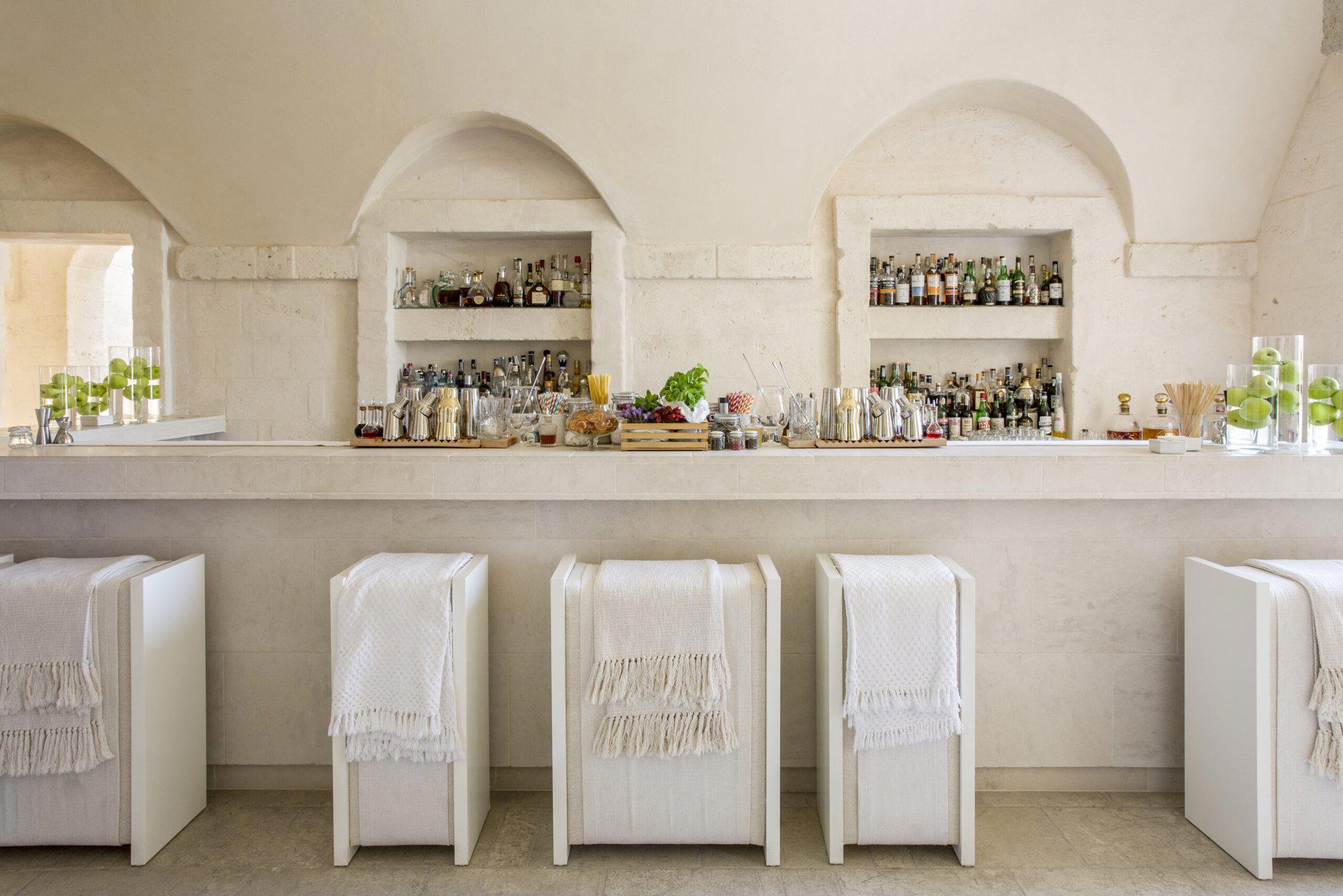
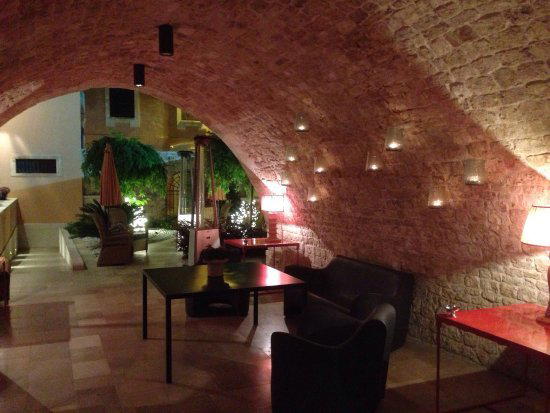
The Gioia bar operates poolside through the day, functioning as the informal daytime anchor. The Apero Bar, a candlelit open-air terrace, handles the early evening and the late end of the night. The two-bar format is a considered one: it gives guests a spatial transition through the day without requiring a single venue to be all things at different hours.
Position and the Michelin Key Signal
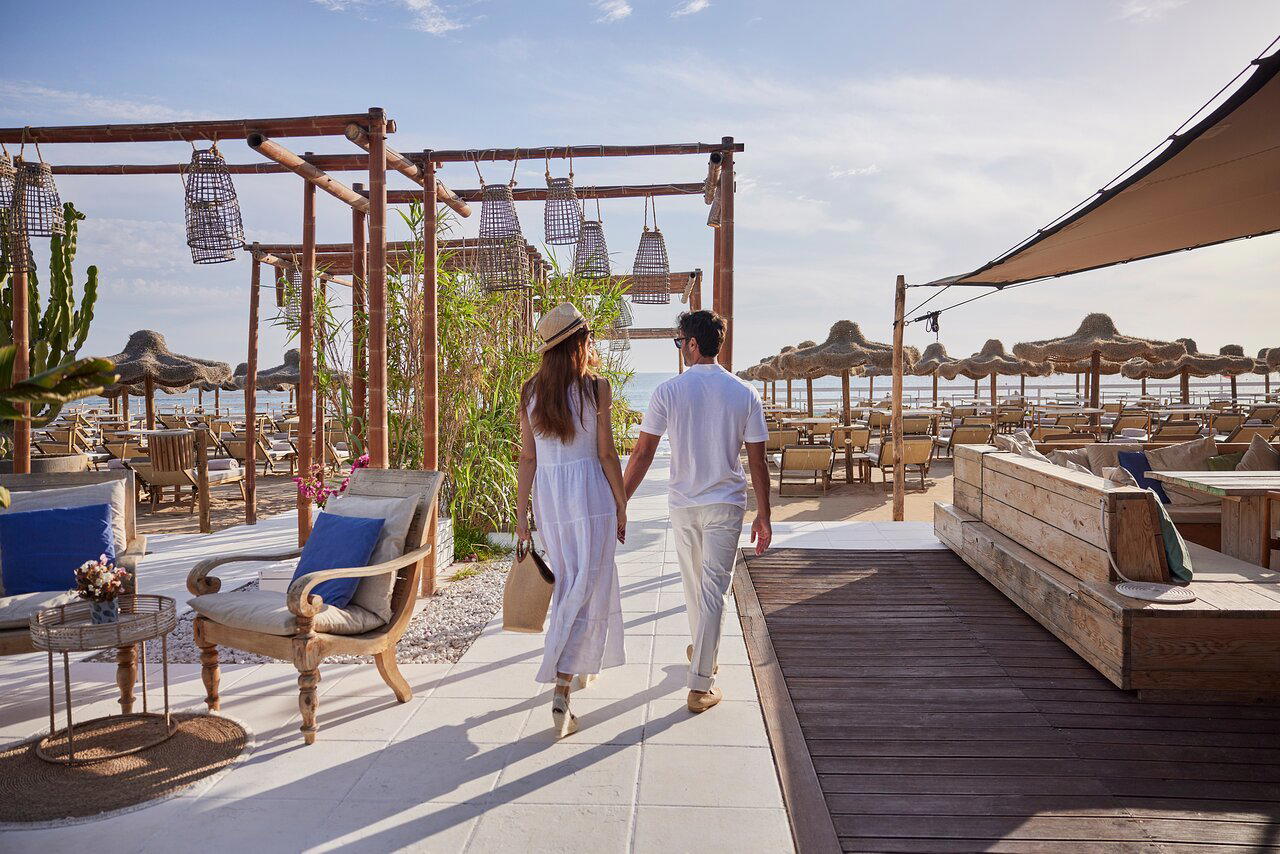
Masseria Calderisi sits at Strada Comunale Sarzano, 12/A, 72015 Fasano BR, between Fasano and the Adriatic coast at Savelletri. The beach is accessible; the town is accessible. This in-between position is part of what defines the masseria typology, historically, these estates occupied working agricultural land at a distance from urban settlement, and the better hotel conversions have kept enough of that remove to make it felt.
The property received a Michelin Key in 2024. Michelin introduced the Key category to recognise hotels where the overall stay, setting, service, food, character, merits independent attention.
For Italy's boutique hotel category more broadly, the Michelin Key provides a useful comparative frame. Properties like Castello di Reschio in Lisciano Niccone, Casa Maria Luigia in Modena, and Borgo San Felice Resort in Castelnuovo Berardenga represent the type of estate-anchored, historically grounded hospitality that Calderisi sits alongside, even if the regional expressions differ considerably. Further afield, Italy's range extends from Aman Venice and Bulgari Hotel Roma at the high-urban end, to properties like Il Pellicano in Porto Ercole, Passalacqua in Moltrasio, and Castel Fragsburg in Merano in their respective rural registers. Calderisi belongs in the southern rural cohort, where landscape, agricultural history, and coastal access define the proposition rather than urban cultural programming.
Planning Your Stay
Comparison Snapshot
Comparable venues nearby, for context on price, style, and recognition.
| Venue | Cuisine | Price | Awards | Notes |
|---|---|---|---|---|
| Masseria CalderisiThis venue — the venue you are viewing | Restored 17th-century Puglian masseria blending authentic rustic charm with contemporary luxury. | $$$$ | Michelin 1 Key | Not listed |
| Masseria Torre Maizza | Renovated 16th-century Puglian masseria with modern luxury | $$$$ | Michelin 1 Key | Savelletri di Fasano |
| Masseria Torre Coccaro | Historic fortified masseria blending authenticity and luxury | $$$$ | Michelin 1 Key | Savelletri di Fasano |
| Masseria San Domenico | Historic masseria converted into a luxury resort blending Apulian tradition with refined elegance | $$$$ | 5-Star | Savelletri di Fasano |
| Borgo Egnazia | Fairy-tale Puglian village resort | $$$$ | Michelin 2 Key | Savelletri di Fasano |
| Paragon 700 Boutique Hotel & SPA | Restored 18th-century palace with contemporary luxury design, blending historical architectural elements with modern comfort and curated art collections. | $$$$ | Michelin 1 Key | Historic Center of Ostuni |
Recognition history
Dated appearances from independent guides and award organizations, with the underlying list record or original source where available.
Mr & Mrs Smith Smith Seal of Approval
Mr & Mrs Smith
Virtuoso Luxury Hotel Partner
Virtuoso
Michelin 1 Key
Michelin
Michelin 1 Key
Michelin
Continue exploring
More in Savelletri di Fasano
Hotels in Savelletri di Fasano
Browse all →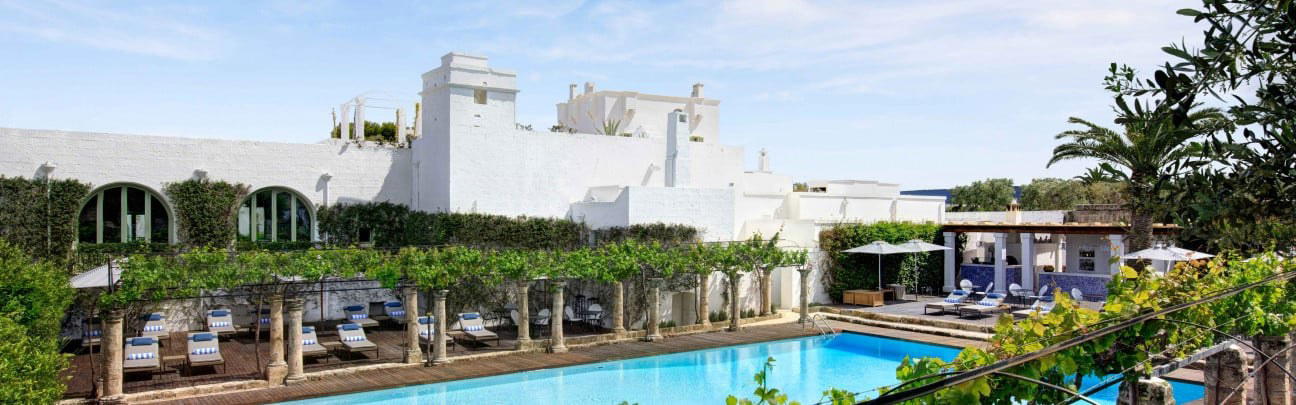
Bars in Savelletri di Fasano
Browse all →
Restaurants in Savelletri di Fasano
Browse all →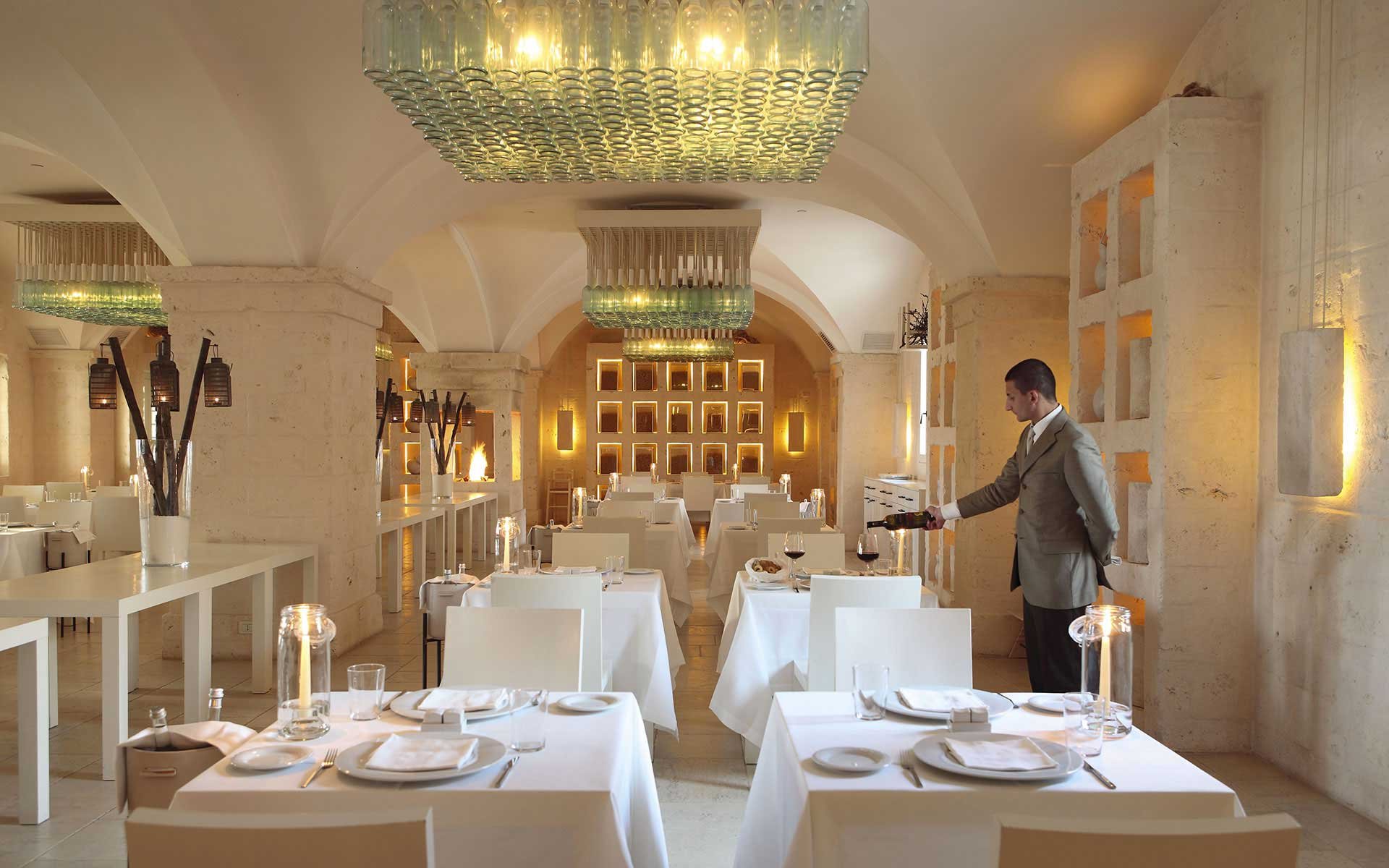


At a Glance
- Rustic
- Elegant
- Romantic
- Scenic
- Intimate
- Sophisticated
- Honeymoon
- Romantic Getaway
- Wellness Retreat
- Anniversary
- Weekend Escape
- Beachfront
- Garden
- Terrace
- Historic Building
- Pool
- Spa
- Fitness Center
- Wi Fi
- Room Service
- Concierge
- Restaurant
- Tennis Court
- Garden
- Pool
- Spa
- Fitness Center
- Wi Fi
- Room Service
- Concierge
- Restaurant
- Tennis Court
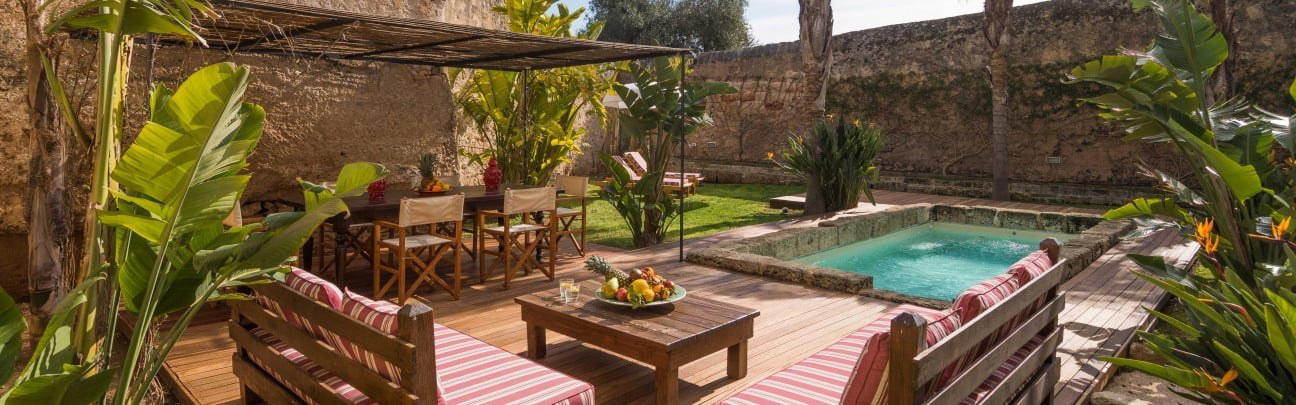
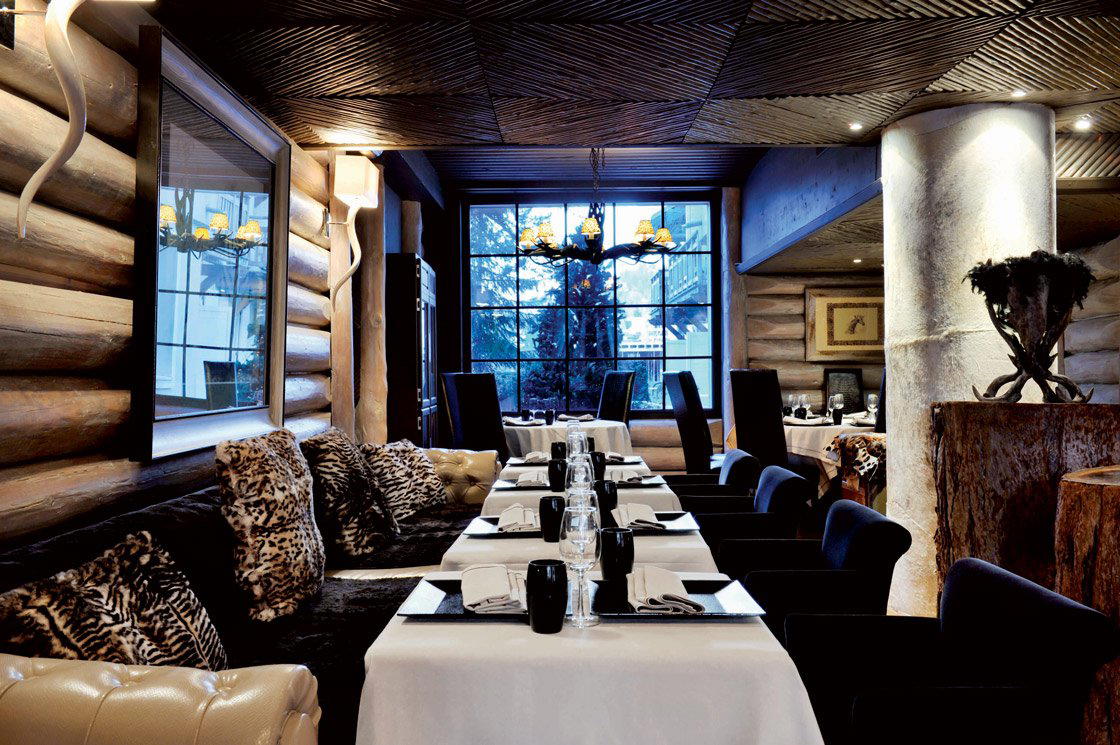
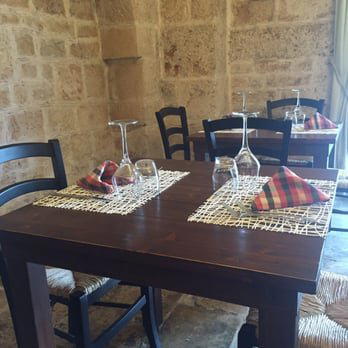
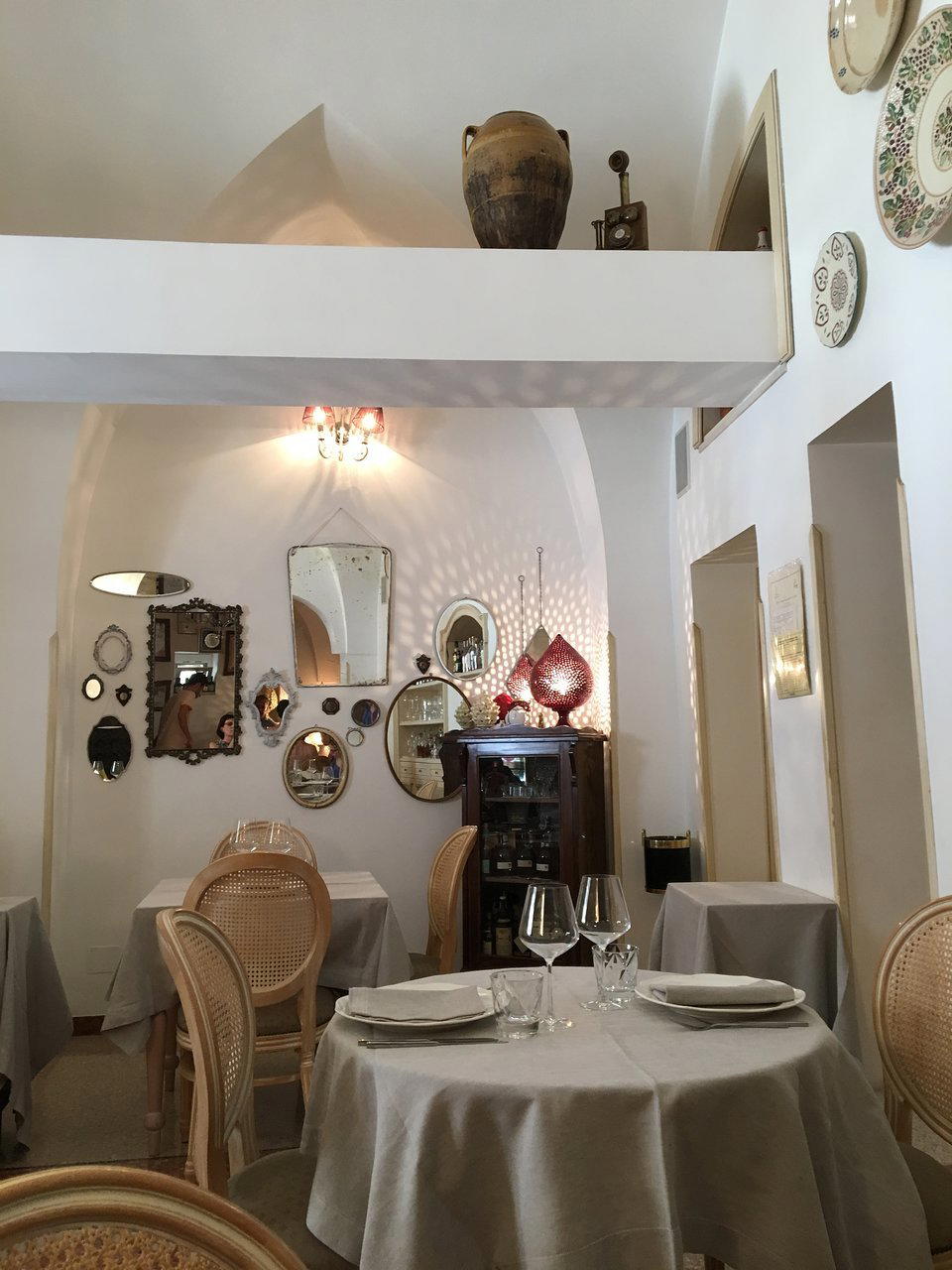
Rustic yet modern interiors with lime-washed stone walls, cozy lighting on candlelit terraces, and a peaceful countryside atmosphere amid olive groves.