Our verdict
On Gran Vía, Madrid's busiest commercial corridor, Parrilla el Gaucho occupies a different register from the city's avant-garde dining scene. It is the kind of place regulars treat as a standing appointment.

Pearl is the En Primeur Club membership app — saves, bookings, and concierge access live there. Same editors, same standards.
- Address
- Gran Vía, 72, Centro, 28013 Madrid, Spain
- Phone
- +34917580115
- Hours
- Mon–Thu 1 PM–12:30 AMFri–Sat 1 PM–1 AMSun 1 PM–12:30 AM
- Website
- opentable.com
- Directions
- Get directions
- Booking
- Book on OpenTable
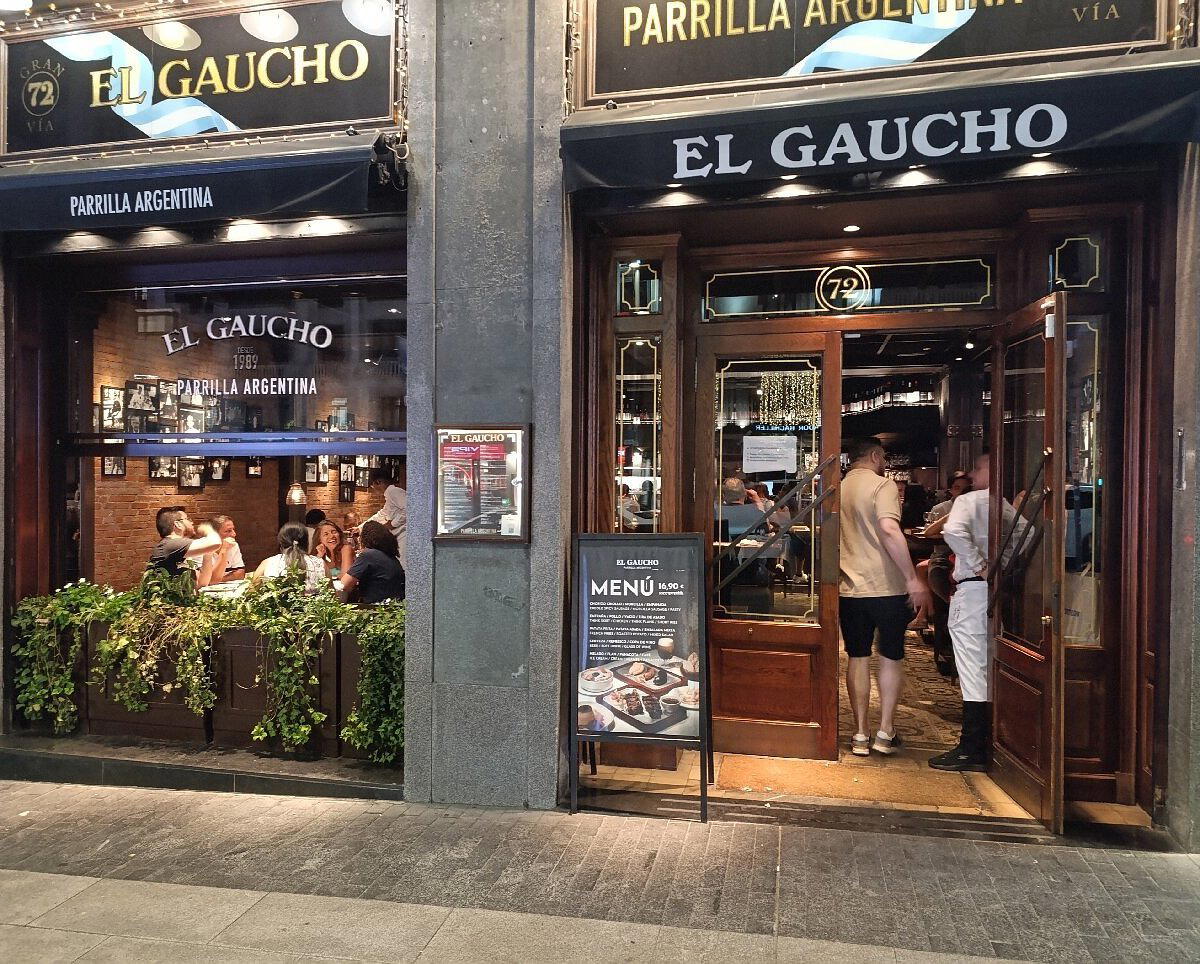
Gran Vía's Parrilla Tradition
Madrid's Gran Vía has spent decades absorbing every format of hospitality the city has tried on: grand hotel dining rooms, fast casual chains, tourist-oriented set-menu operations. Against that backdrop, a parrilla in the Argentine tradition reads as a deliberate counterpoint. The asador format — live fire, primary cuts, minimal intervention — has its own logic, and in a city where DiverXO (Progressive - Asian, Creative) and Coque (Spanish, Creative) anchor the creative end of the spectrum, a room that centres the grill rather than the chef's ingenuity occupies a specific, recurring demand in the market. Parrilla el Gaucho sits at Gran Vía 72, inside the Centro district, within walking distance of the Callao and Plaza de España metro hubs. That address places it at the axis of the city's foot traffic, but the clientele it draws is not primarily tourist-driven; regulars navigating the address by habit rather than recommendation-app search tell a different story about what the room is doing.
What the Fire Builds Around
The Argentine parrilla tradition is built on a specific relationship between fuel, time, and protein. Unlike Spanish asador formats centred on suckling pig or lamb in enclosed wood-fired ovens, the South American parrilla operates on an open grill, managing heat through ember bed depth and grate positioning. The cuts most associated with the tradition, vacío, entraña, tira de asado, are handled in ways that prioritise crust formation and interior temperature in roughly equal measure. Madrid has had its own long engagement with live-fire cooking through the Castilian lechazo and cochinillo traditions, but the Argentine register operates on different animals and different timing. The two traditions coexist in the city without competing directly, which is part of why venues like this hold a specific position in the rotation of carnivore-focused regulars.
Where the creative tasting-menu addresses such as Deessa (Modern Spanish, Creative) and DSTAgE (Modern Spanish, Creative) ask for full evening commitments and advance booking windows measured in weeks, a parrilla address answers a different need: the decision made the same day, the meal that does not require a narrative to be enjoyed. That contrast is not a judgment on either format; it describes a real bifurcation in how Madrid's frequent diners distribute their evenings.
The Regulars' Logic
The clearest indicator of a room's standing with its repeat clientele is not the menu printed on the card, it is what those regulars order without reading it. At parrilla addresses that develop a local following, certain cuts and preparations become understood as the unwritten menu: the things you ask for because you know they exist, not because they are listed prominently. This dynamic is particularly pronounced at Argentine-style operations, where the strength of the grill on any given service, the resting time applied to larger cuts, and the sourcing of the season's cattle all create conditions that regulars have learned to read over multiple visits.
In the broader Madrid dining pattern, this kind of repeat-visit intelligence is what separates neighbourhood fixtures from tourist operations. A venue at a central address like Gran Vía 72 faces a structural challenge in cultivating that loyalty, because the address guarantees a consistent stream of first-time visitors. The parrilla format, which rewards familiarity with the kitchen's habits and strengths, partially solves this by creating a reason to return that menus built around novelty and technique cannot replicate as easily. A regular at Paco Roncero (Creative) expects evolution between visits; a regular at a parrilla expects consistency, and measures quality against what the same cut delivered on the last occasion.
For comparison, the progressive asador format that venues like Smoked Room in Madrid have developed, where smoke and fire serve a contemporary tasting structure, represents one direction the tradition has moved. Parrilla el Gaucho, by its positioning and address, operates in a more classical register, where the parrilla is a method rather than a concept.
Madrid's Meat Addresses in Context
Spain's broader fine dining conversation runs through its Michelin-starred addresses: El Celler de Can Roca in Girona, Arzak in San Sebastián, Azurmendi in Larrabetzu, and the coast-driven ambition of Aponiente in El Puerto de Santa María. In Madrid specifically, that conversation now extends to Martin Berasategui in Lasarte-Oria's satellite presence and the accumulated weight of the capital's own starred operations. None of that creative machinery is what a parrilla address is in dialogue with.
The address guarantees visibility and walk-in volume but does not automatically confer the neighbourhood-institution status that drives repeat business in areas like Malasaña or Chamberí. What parrilla operations at central addresses can develop is a different kind of loyalty: the local who works in Centro and treats a specific table as a weekly standing order, or the visiting professional who returns to the same address on repeated trips to the city because the format removes decision friction.
For readers planning broader Spanish itineraries, the regional range of serious dining is worth noting: Quique Dacosta in Dénia, Mugaritz in Errenteria, Ricard Camarena in València, Cocina Hermanos Torres in Barcelona, and Atrio in Cáceres each anchor a distinct regional tradition. Against that range, a Madrid parrilla in the Argentine register is a specific answer to a specific appetite. Full coverage of the capital's dining options is available through our full Madrid restaurants guide.
Planning a Visit
Address: Gran Vía 72, Centro, 28013 Madrid. Access: Closest metro stops are Callao (Lines 3 and 5) and Plaza de España (Lines 3 and 10), both under five minutes on foot. Budget: Timing: Madrid lunch service runs later than most European capitals, with main sittings from 2:00 PM; dinner rarely starts before 9:00 PM for locals.
Frequently asked questions
What do people recommend at Parrilla el Gaucho?
Do they take walk-ins at Parrilla el Gaucho?
What is Parrilla el Gaucho known for?
How does a traditional Argentine parrilla differ from a Spanish asador, and which should I choose in Madrid?
A Minimal comparable set
Comparable venues nearby, for context on price, style, and recognition.
| Venue | Cuisine | Price | Awards | Notes |
|---|---|---|---|---|
| Parrilla el GauchoThis venue — the venue you are viewing | Authentic Argentine Parrilla | $30–50 | Not listed | Not listed |
| Vaca Nostra | Premium Grilled Beef | $50–100 | Macarfi 7 Food Rating | La Paz, Premium Grilled Beef |
| Aleño Brassafina | Modern Spanish grill & charcuterie | $50–100 | Not listed | Pozuelo de Alarcón, Modern Spanish grill & charcuterie |
| Mosaico | Creative Mediterranean-Spanish | $30–50 | Not listed | Universidad, Creative Mediterranean-Spanish |
| Kyoshi | Not listed | Not listed | Not listed | Cortes, Modern Japanese & Sushi by Ricardo Sanz |
| LE KUN | Ingredient-Driven Gourmet | $50–100 | Not listed | Recoletos, Ingredient-Driven Gourmet |
Continue exploring
More in Madrid
Restaurants in Madrid
Browse all →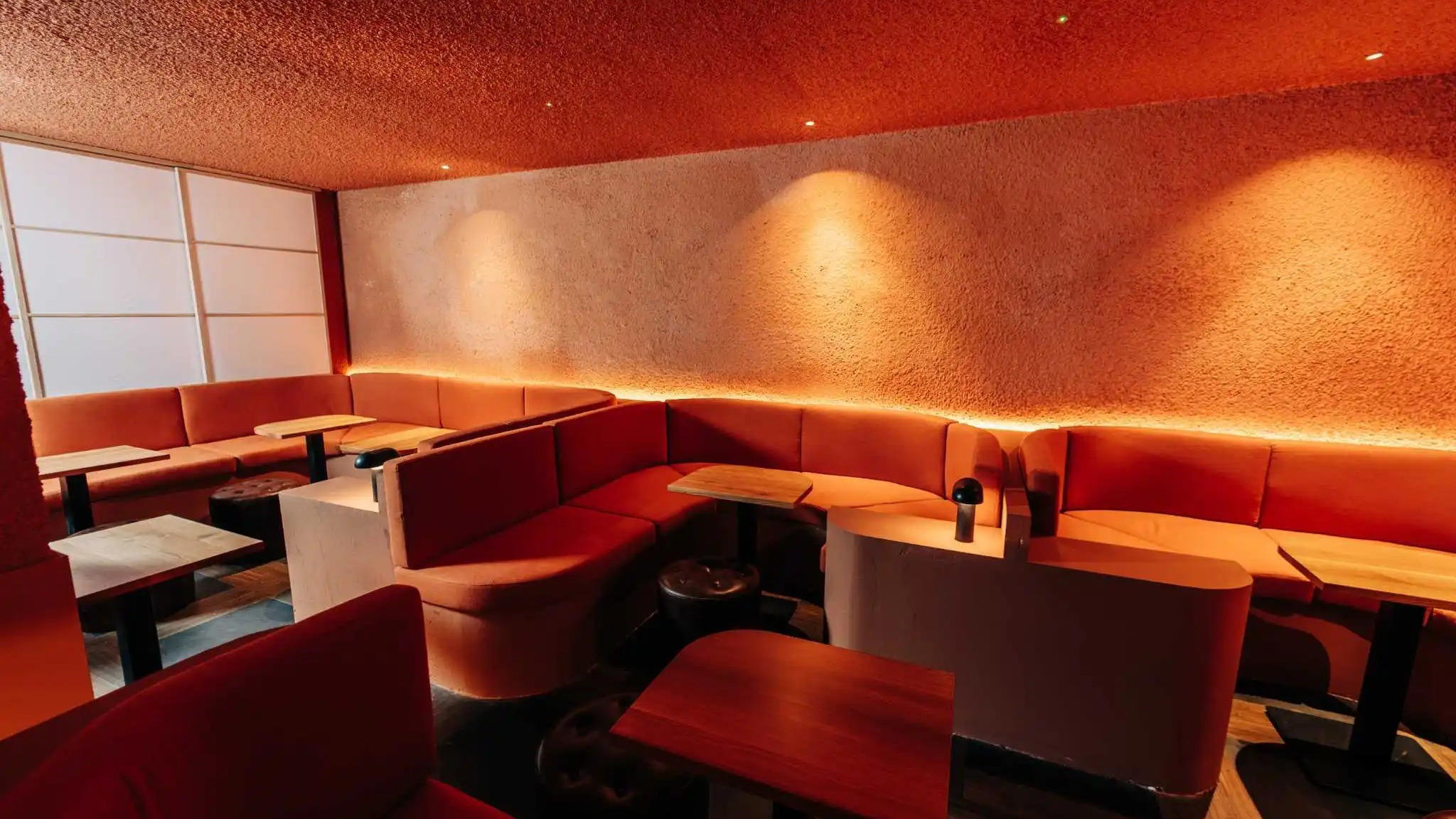
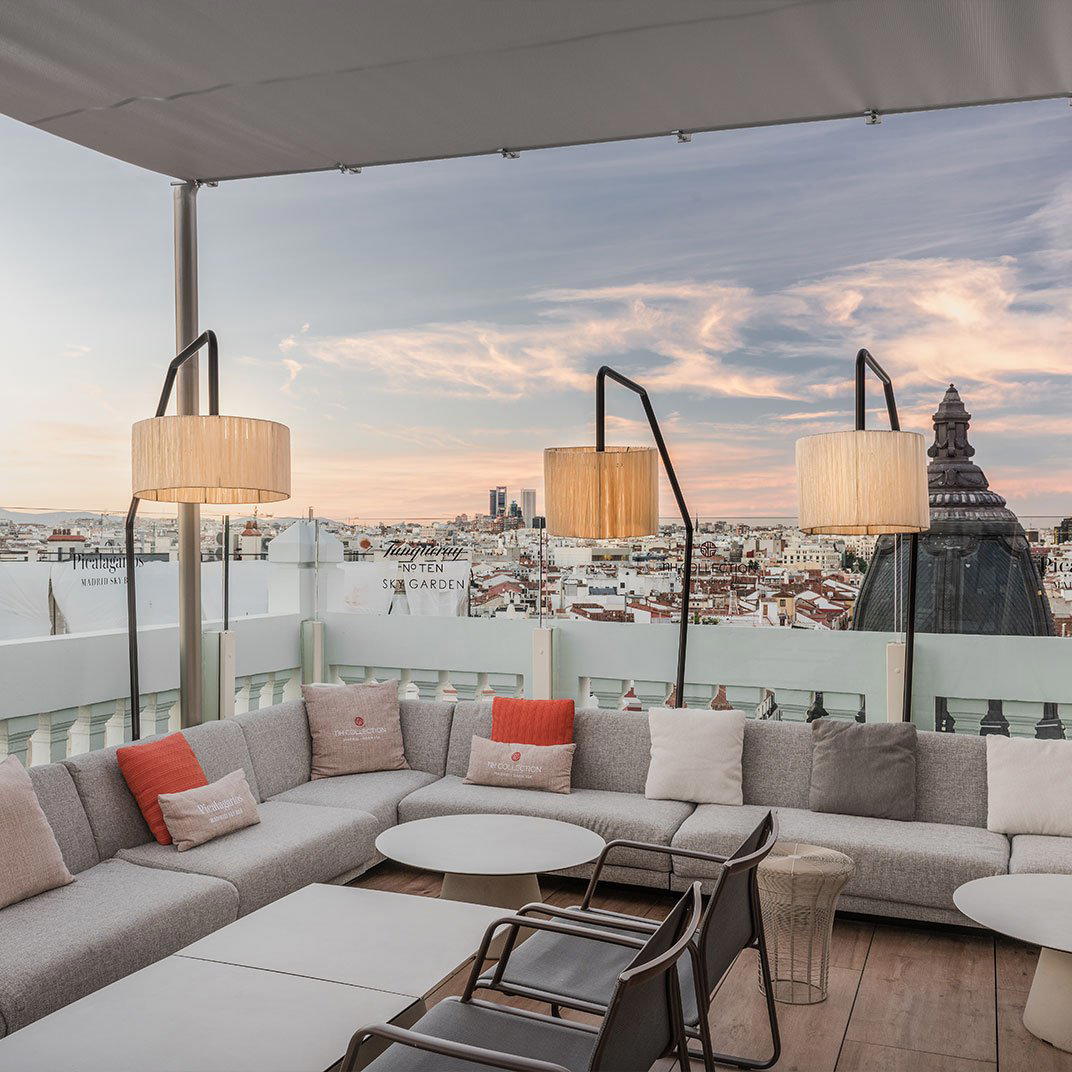
Bars in Madrid
Browse all →
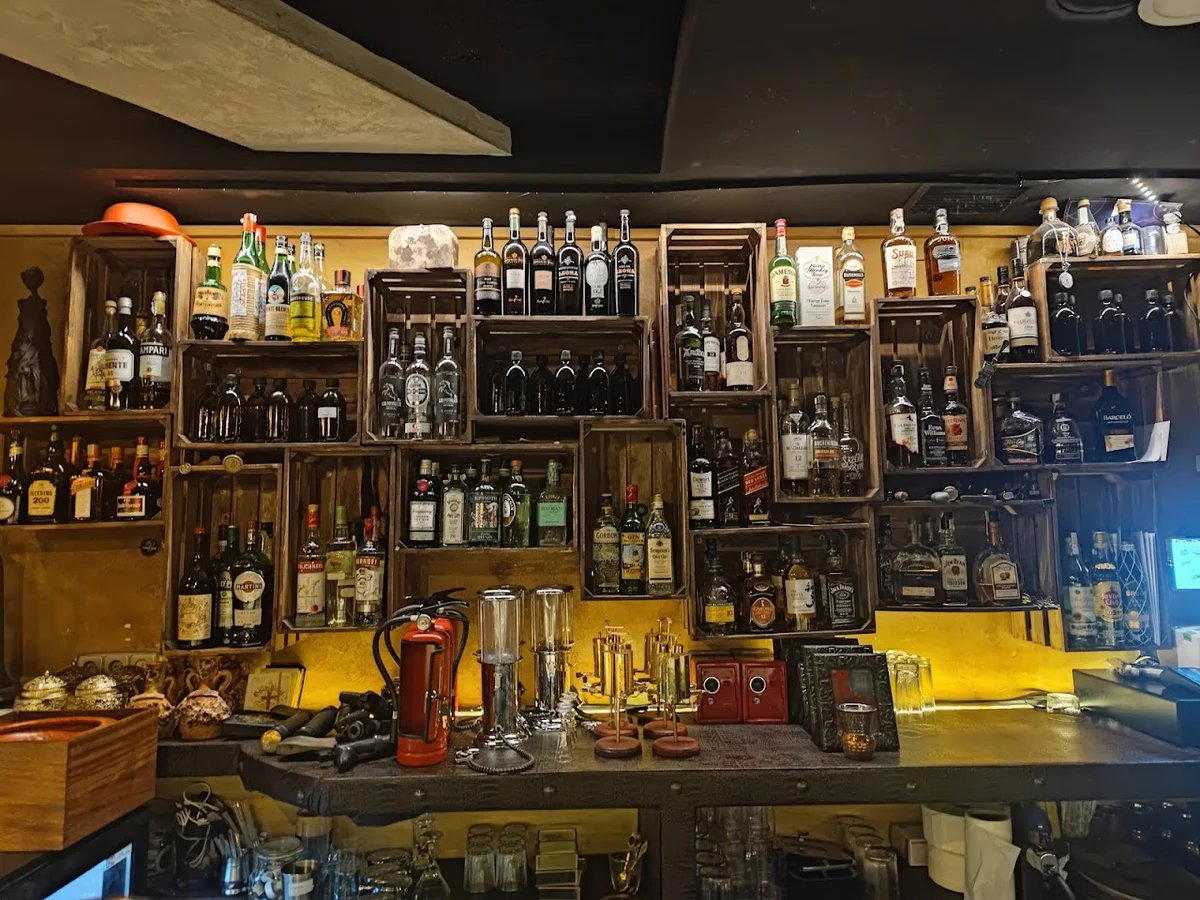
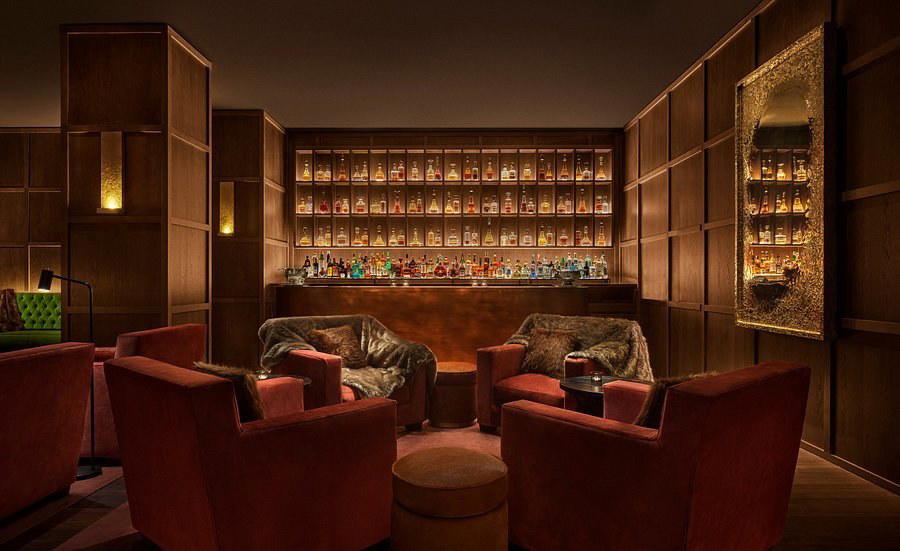
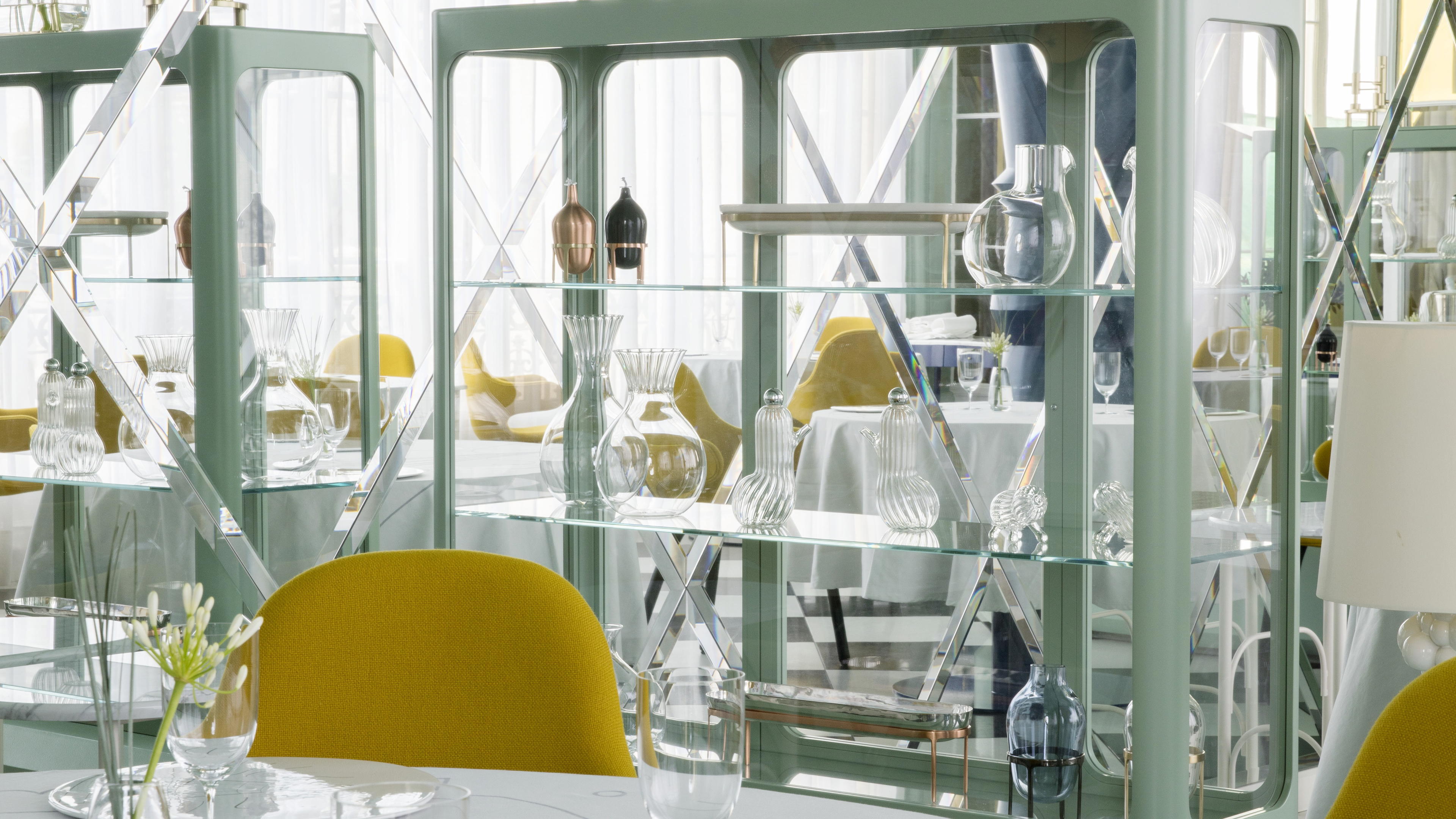
Hotels in Madrid
Browse all →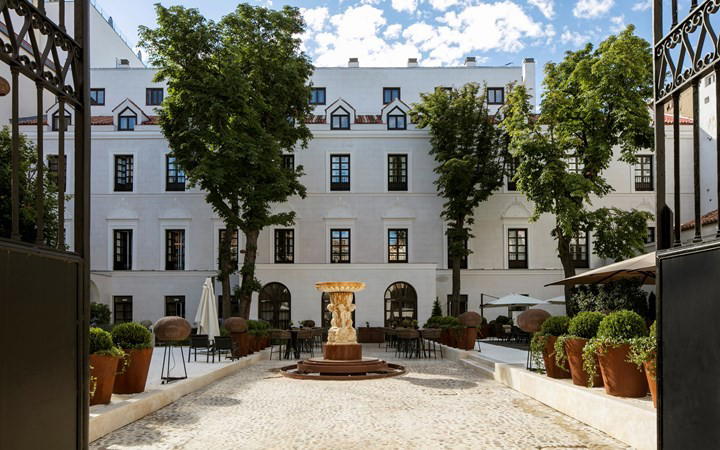
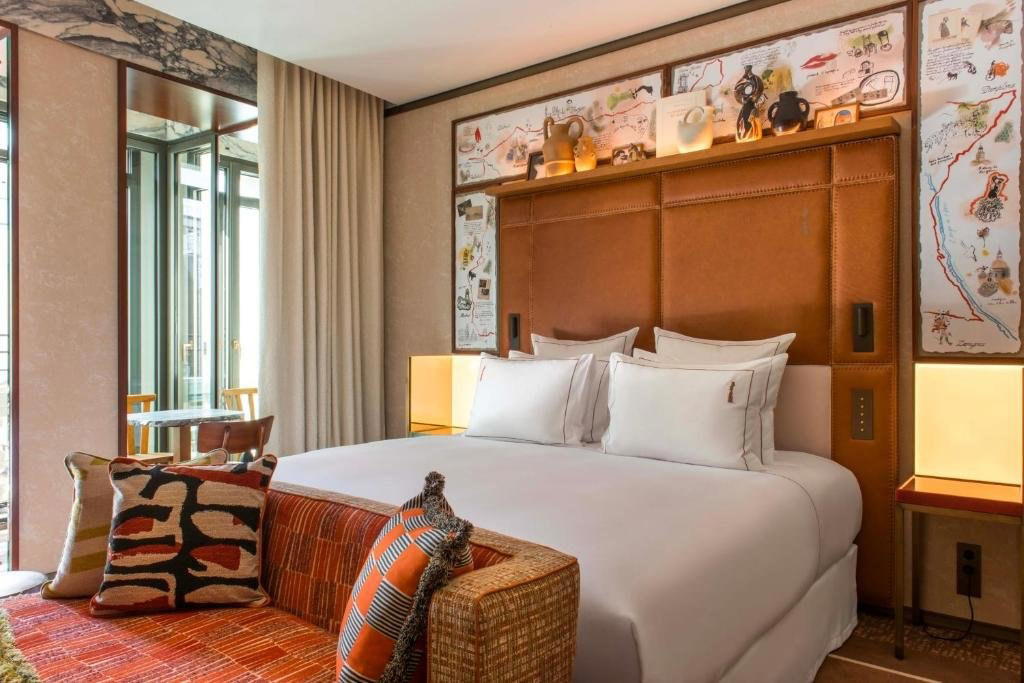

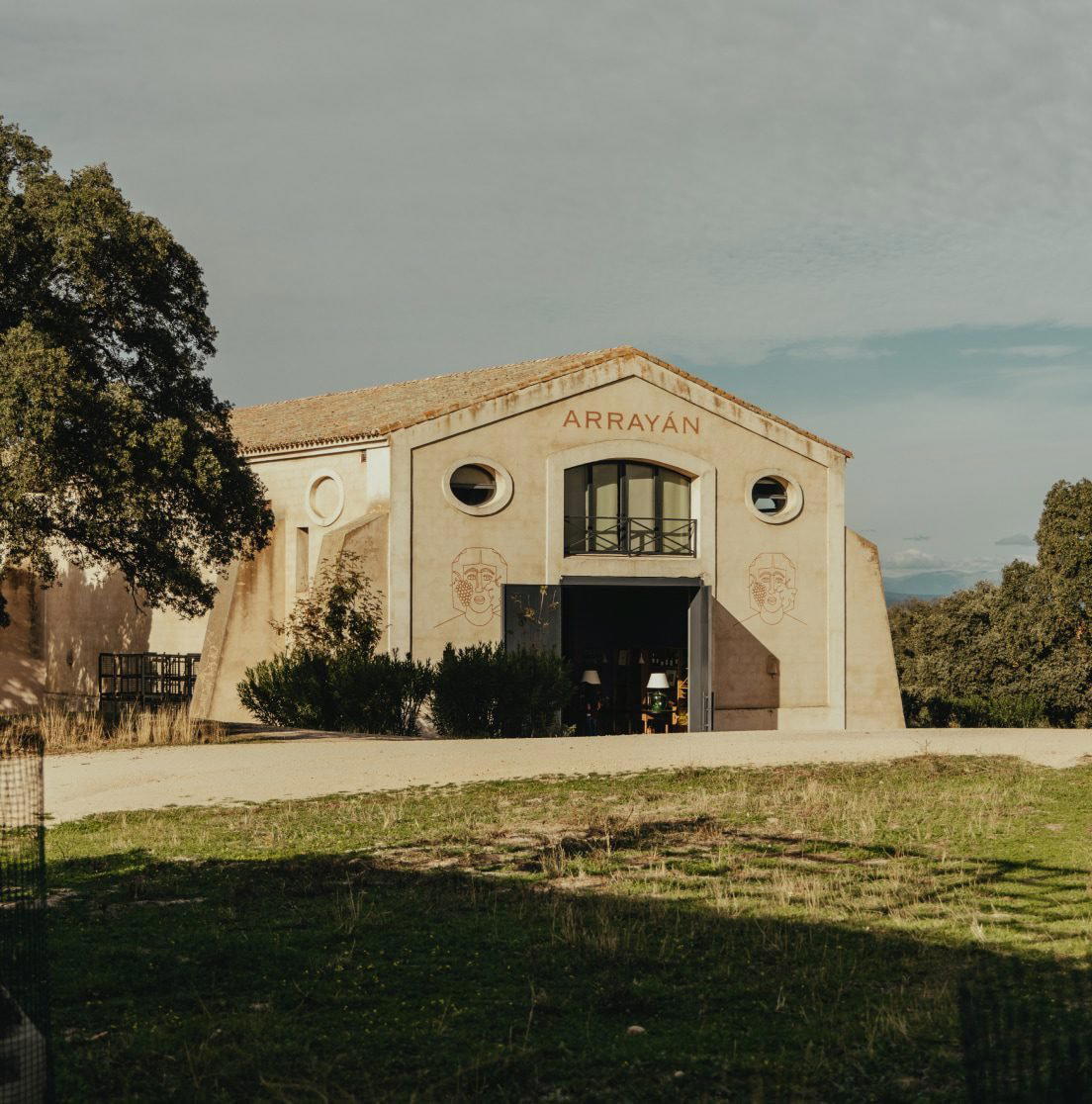
Parrilla el Gaucho
The wine
- Wine program
- Curated wine list
- Extensive wine list
Details
- Cozy
- Rustic
- Family
- Casual Hangout
- Open Kitchen
- Extensive Wine List
- A La Carte
- Wine
- Gluten Free Options
Current opening hours
- Monday
- 1 PM–12:30 AM
- Tuesday
- 1 PM–12:30 AM
- Wednesday
- 1 PM–12:30 AM
- Thursday
- 1 PM–12:30 AM
- Friday
- 1 PM–1 AM
- Saturday
- 1 PM–1 AM
- Sunday
- 1 PM–12:30 AM
Hours can change for holidays and private events. Last verified .
Cozy and accommodating space with warm, familial atmosphere ideal for enjoying grilled meats and Argentine wines.