Karlo
Our verdict
Karlo sits along the Plešivica wine road in the Jastrebarsko area, one of continental Croatia's most productive vine-growing corridors. The address alone positions it within a dining tradition built on proximity to local producers and the seasonal rhythms of the Zagreb hinterland, a counterpoint to the Adriatic-facing restaurants that dominate Croatia's fine-dining conversation.

Pearl is the En Primeur Club membership app, where members save venues, book tables and use the concierge.

The Plešivica Corridor and What It Means for the Table
Continental Croatia's wine country rarely enters the conversation when travelers plan a serious eating trip through the country. The Adriatic coast holds most of the attention Pelegrini in Sibenik, Restaurant 360 in Dubrovnik, Agli Amici Rovinj in Rovinj, and the capital Zagreb commands its own gravitational pull, with places like Dubravkin Put anchoring a credible urban dining scene. Yet the stretch of land southwest of Zagreb, running through Jastrebarsko and along the Plešivica hillsides, represents a distinct culinary and agricultural zone that operates on its own logic. Vineyards here have been producing wine for centuries, and the restaurants that have grown up around them answer to a different set of priorities than their coastal or metropolitan counterparts.
Karlo, addressed at Vlaškovec ul. 40 in Plešivica, sits directly within that zone. The physical approach is important context: the Plešivica wine road is one of the most concentrated vine-growing corridors in the Zagreb County region, and eating here is inseparable from the agricultural reality just outside the window. This is not the kind of setting that positions itself against the Adriatic's salt and seafood tradition. It draws instead from the northern Croatian interior, the tradition of slow cooking, preserved meats, freshwater fish, and a seasonal calendar that runs closer to Central European rhythms than Mediterranean ones.
A Dining Tradition Rooted in the Zagreb Hinterland
To understand what a restaurant in Plešivica can offer, it helps to understand what the Zagreb hinterland has historically put on the table. Continental Croatian cooking is shaped by the same forces that define much of the former Austro-Hungarian culinary sphere: game birds, freshwater fish from rivers like the Kupa and Sava, foraged mushrooms in autumn, root vegetables through winter, and a careful relationship with preserved and cured proteins that long predate refrigeration. This is the food that fed Zagreb before the city became a European capital with a recognizable dining scene.
The wine dimension amplifies everything. Plešivica is particularly associated with white varieties, Riesling, Chardonnay, and local grapes, grown at elevations that produce wines with higher acidity and lower alcohol than warmer regions. That profile lends itself to food pairing in a way that heavier, fruit-forward wines often do not. A restaurant operating in proximity to these producers has access to a natural pairing logic built into the landscape itself, not assembled artificially from an import list.
For broader context across Croatia's restaurant scene, the full Jastrebarsko restaurants guide maps the area's dining character in more detail. Within the immediate locality, Korak and Vinogradarska kuća Braje represent the most visible reference points in the same Jastrebarsko dining cluster, each with its own relationship to the wine-country setting.
Atmosphere and Setting: What the Plešivica Road Delivers
Restaurants on the Plešivica wine road tend to share certain environmental qualities: vineyards visible from the dining room or terrace, a quieter pace than you find in Zagreb or along the coast, and an informality that comes not from low standards but from the confidence of a place that knows its clientele. Zagreb day-trippers, wine tourists, and local families on weekend outings form the typical audience, and the atmosphere adjusts accordingly. There is a sociability to this kind of wine-country dining that differs markedly from the tighter, more performance-oriented experience at places like Nebo by Deni Srdoč in Rijeka or LD Restaurant in Korčula.
The address at Plešivica places Karlo roughly 35 kilometres from central Zagreb, close enough for a lunch excursion, far enough to feel like a deliberate choice rather than a convenience stop. That distance is part of the proposition. Guests arriving here have made a commitment to the experience, and the setting rewards that commitment with a different quality of afternoon than the city provides.
Croatia's Regional Dining Scene in Frame
It is worth holding Karlo against the broader shape of Croatian fine dining to understand what it is and is not. The country's most decorated restaurants cluster along the coast and in Zagreb, where international visitors provide the audience and price tolerance for elaborate tasting menus and extensive wine programs. Boskinac in Novalja, Krug in Split, and Alfred Keller in Mali Lošinj each operate in environments where the premium dining market is well established. The continental interior operates differently, smaller audience, stronger local identity, and a food culture that measures quality in proximity to source rather than complexity of technique.
That is not a lesser standard. It is a different one. And for travelers whose reference points extend to wine-country dining in other European contexts, the Cantina culture of Northern Italy, the village restaurants of Burgundy, the farm-adjacent tables of Styria, the Plešivica corridor offers a Croatian version of something recognizable and valuable.
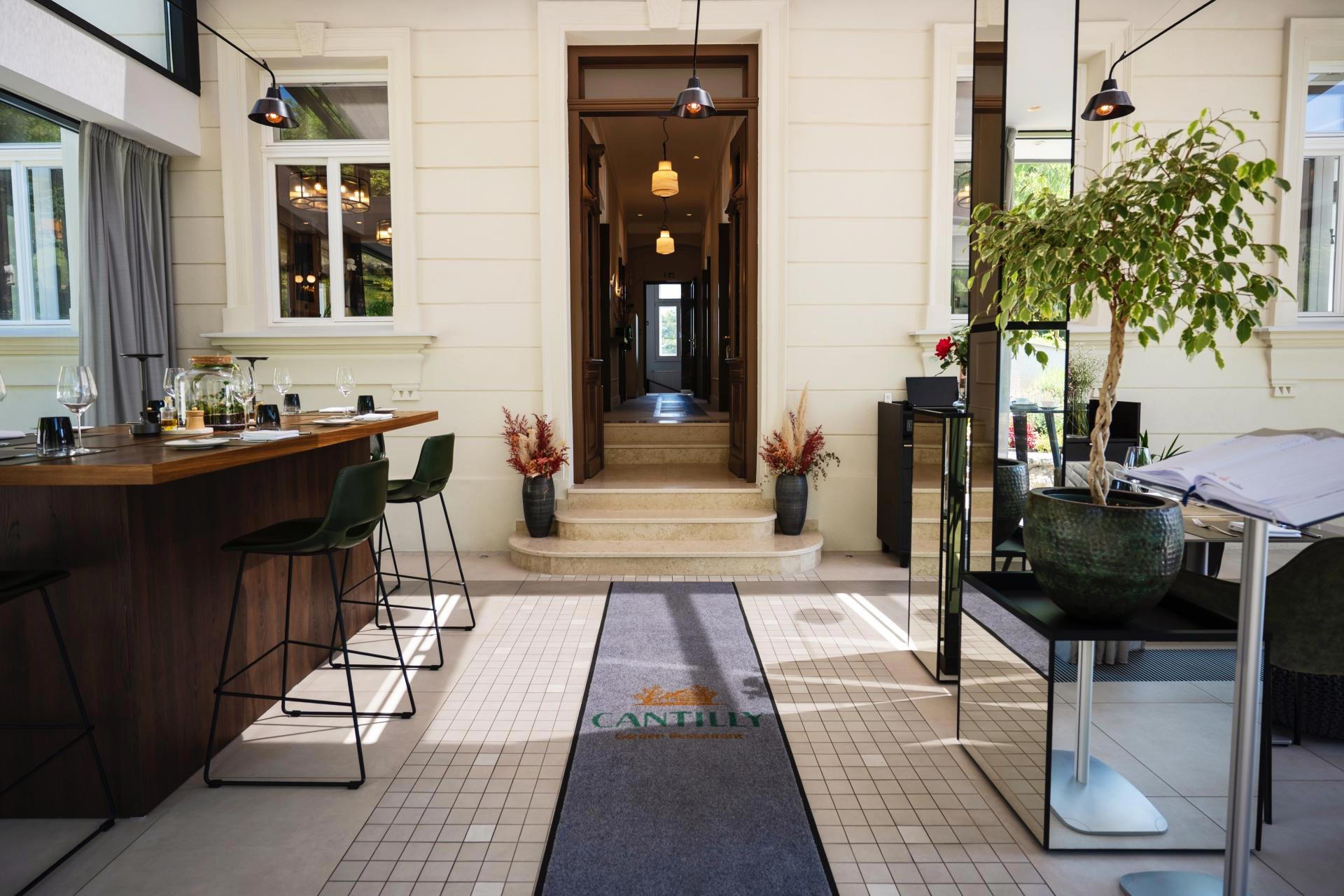
Other restaurants in the broader Croatian northwest worth considering alongside Karlo include Cantilly Garden Restaurant in Samobor, Burin in Crikvenica, Bodulo in Pag, and BioMania Bistro Bol in Bol, each representing a distinct strand of the country's regional dining identity. For a frame of reference from the international fine dining tier, Le Bernardin in New York City and Atomix in New York City illustrate what high-concept tasting menus look like at their most disciplined, a useful contrast when thinking about what wine-country informality in continental Croatia is actually offering instead.
Planning Your Visit
The Plešivica road is a seasonal destination with peak traffic in late summer and early autumn, when harvest activity brings additional energy to the area and local produce is at its most varied. Spring visits offer a quieter experience with the vineyards in bud. The journey from Zagreb is manageable without a car, though having one opens up the wine road properly and allows for stops at the small producers whose bottles you are likely to encounter on the table. Because venue-specific contact and booking information for Karlo is not centrally published, the most reliable approach is to plan around a Zagreb base and treat the excursion as a half-day outing, checking current operating details locally before departure.
Frequently asked questions
Would Karlo be comfortable with kids?
Wine-road restaurants along the Plešivica corridor, where Karlo sits at Vlaškovec ul. 40, draw primarily a local and regional Croatian audience with an unhurried pace that generally suits families. The setting is low-key rather than formal, which tends to work in a child's favour.
What should I expect atmosphere-wise at Karlo?
Karlo's address on the Plešivica wine road places it in vineyard country rather than urban Jastrebarsko, so the rhythm here is slower and the visual context is agricultural rather than civic. Expect the pace of a Croatian country dining room: tables that are not hurried, and a crowd that has often driven out from Zagreb specifically for the setting. The contrast with coastal Adriatic dining is marked, this is quieter, less tourist-facing, and more rooted in local custom.
Is Karlo worth a dedicated trip from Zagreb for the Plešivica wine road?
Karlo sits at Vlaškovec ul. 40, Plešivica, directly within the wine-road corridor rather than in Jastrebarsko town itself, which means a visit can be combined with winery stops along the same road without significant detour. The Plešivica appellation produces some of continental Croatia's most considered white wines, and the proximity of table to vineyard is the practical argument for making the drive from Zagreb. For travellers who have concentrated their Croatian eating on the Adriatic coast, this corridor offers a structurally different meal in a different landscape.
What do regulars order at Karlo?
Karlo's menu specifics are not centrally documented, which reflects how many wine-road restaurants in the Jastrebarsko area operate: dishes rotate with season and supplier rather than anchoring to a fixed printed menu. Continental Croatian cooking in this corridor typically centres on slow-cooked meats, freshwater fish, and locally grown vegetables that pair with the white wines produced along the Plešivica road. Asking the host what is arriving fresh that week tends to be the most reliable way to eat well here.
Where is Karlo in Jastrebarsko?
Karlo is located at Vlaškovec ul. 40, 10450, Plešivica, Croatia, Jastrebarsko.
How far ahead should I plan for Karlo?
Published booking lead times for Karlo are not available, but the Plešivica wine road sees its sharpest demand in late summer and early autumn when harvest season draws visitors from Zagreb and beyond. For weekend visits between August and October, contacting Karlo several weeks in advance is a reasonable precaution. Weekday visits in spring or early summer are likely to carry less pressure, though confirming directly before your trip is advisable.
Price and Positioning
Comparable venues nearby, for context on price, style, and recognition.
| Venue | Cuisine | Price | Awards | Notes |
|---|---|---|---|---|
| KarloThis venue (the venue you are viewing) | Traditional Croatian | $20–30 | Not listed | Not listed |
| Vinogradarska kuća Braje | Traditional Croatian Vineyard Cuisine | $20–30 | Not listed | Lokošin Dol, Traditional Croatian Vineyard Cuisine |
| Korak | Contemporary Croatian Farm-to-Table | $200–300 | 1 Michelin Star · Falstaff Restaurant - 92 Falstaff Points | Plešivica, Contemporary Croatian Farm-to-Table |
| Stari Fijaker | Traditional Croatian Zagreb-Zagorje | $20–30 | Not listed | Lower Town, Traditional Croatian Zagreb-Zagorje |
| SOL tapas na hrvatski | Croatian Tapas | $20–30 | Michelin Plate | centar, Croatian Tapas |
| Seoski Turizam Stara Preša | Traditional Croatian Farmhouse Cuisine | $20–30 | Not listed | Šenkovec, Traditional Croatian Farmhouse Cuisine |
Continue exploring
More in Jastrebarsko
Restaurants in Jastrebarsko
All restaurants in Jastrebarsko →
Bars in Jastrebarsko
Browse all →


Hotels in Jastrebarsko
Browse all →
Details
- Rustic
- Cozy
- Scenic
- Family
- Casual Hangout
- Terrace
- Extensive Wine List
- Local Sourcing
- Vineyard
- A La Carte
- Local Wine
- Vegetarian Friendly
Current opening hours
- Monday
- Closed
- Tuesday
- Closed
- Wednesday
- Closed
- Thursday
- Closed
- Friday
- 4–10 PM
- Saturday
- 12–10 PM
- Sunday
- 12–10 PM
Hours can change for holidays and private events. Hours as of .
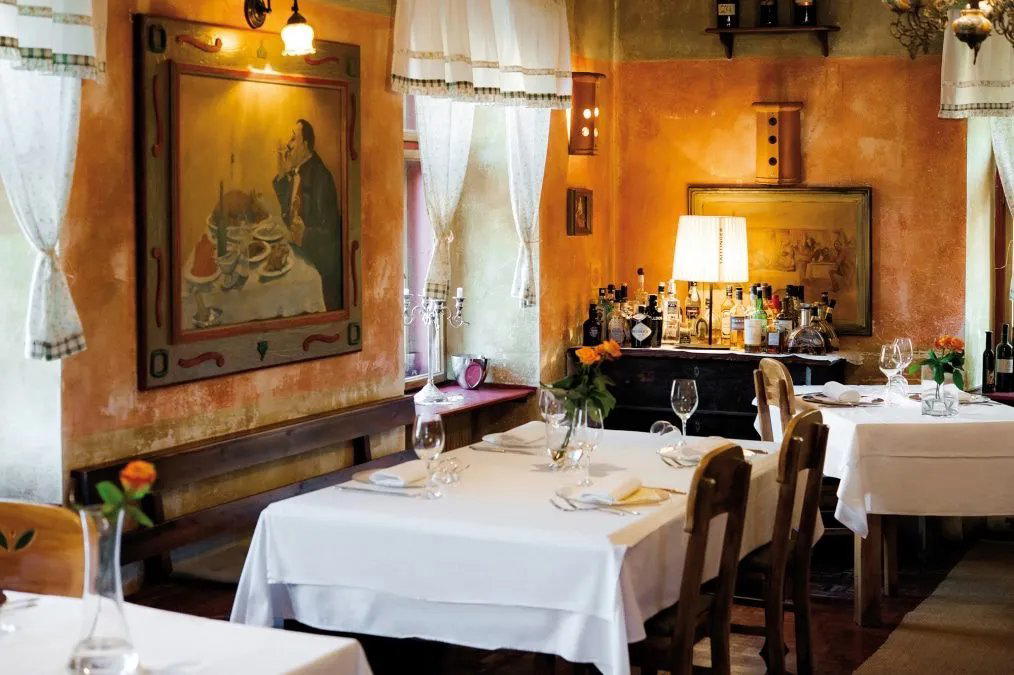
Cozy old-style interior with terrace offering dramatic vineyard views and warm homey atmosphere.