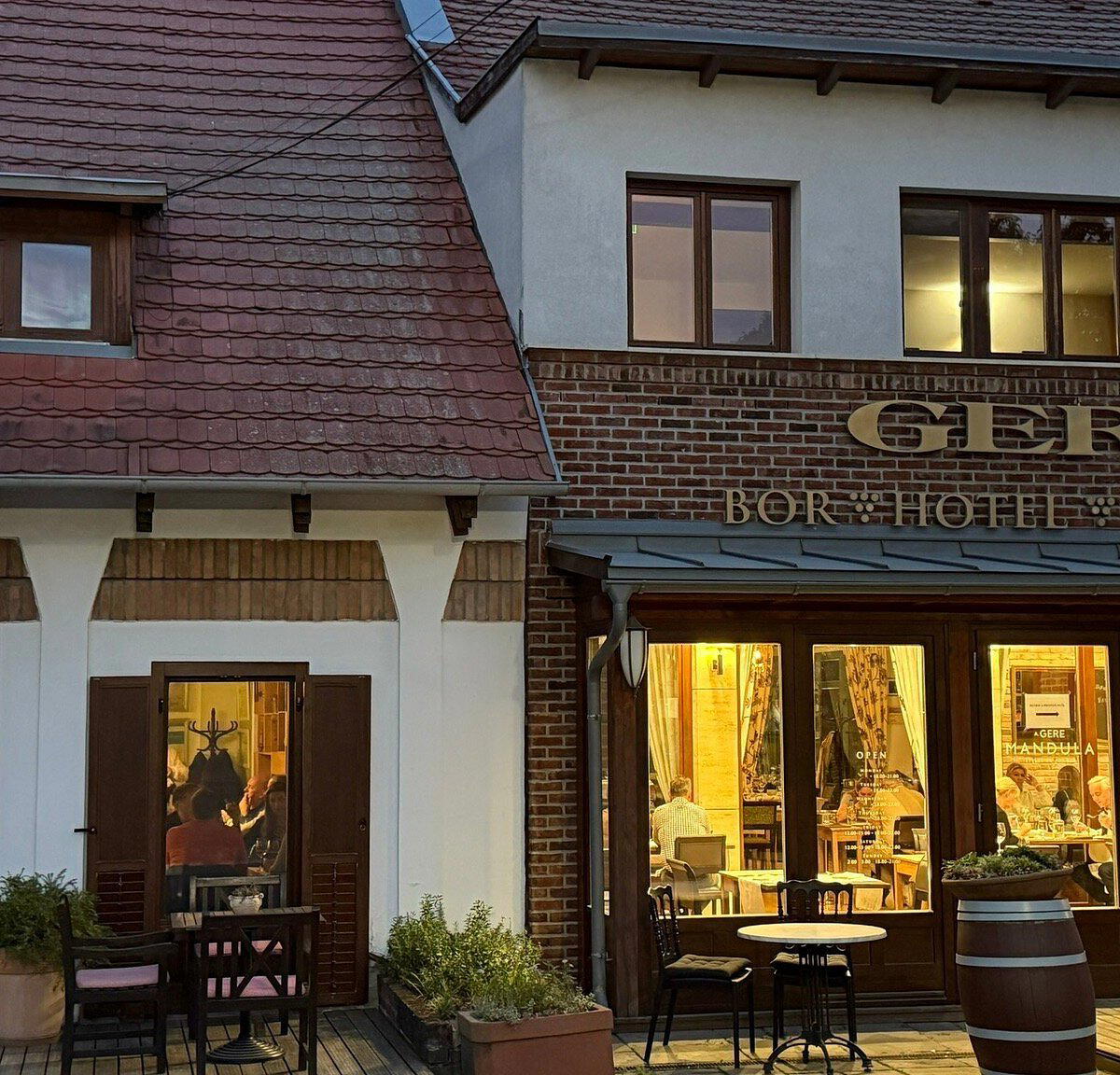
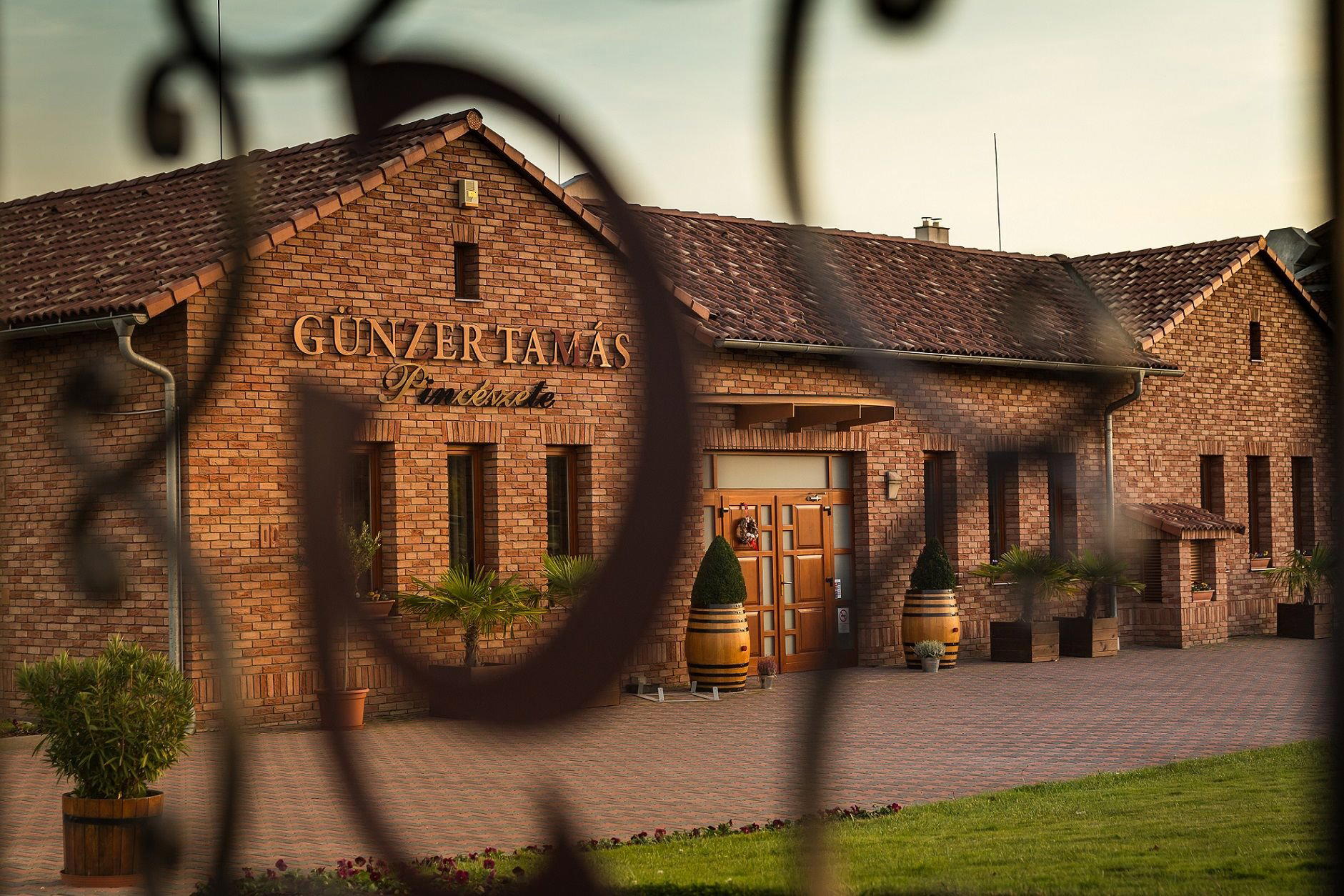
Mandula Étterem sits on a quiet residential street in Villány, the southern Hungarian wine town that produces some of the country's most serious red wines. The restaurant operates within a dining scene shaped by the surrounding vineyards, where producers such as Bock and Sauska have built reputations that draw visitors from Budapest and beyond. It represents the local, neighbourhood-scale end of Villány's restaurant spectrum.
- Address
- Villány, Diófás u. 4-12, 7773 Hungary
- Phone
- +3672492952
- Website
- mandula-etterem.gere.hu
- Directions
- Get directions
A Wine Town's Quieter Table
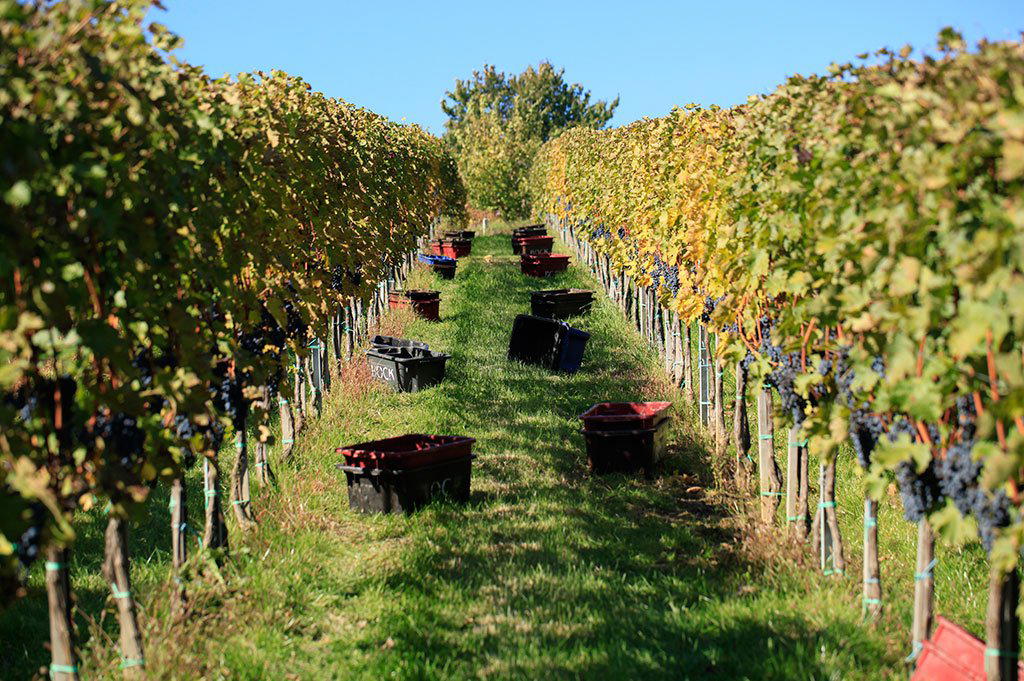
Villány is primarily known as a wine destination. The town sits at Hungary's southernmost wine region, where the climate and soil conditions have long supported Cabernet Franc, Merlot, and Portugieser grapes to a standard that places the appellation in a different category from most Central European red wine production. The restaurants that have grown up around this wine culture broadly split into two groups: those that have built reputations as destination dining rooms attached to or associated with major producers, and smaller, neighbourhood-rooted establishments that serve the local community alongside visiting wine tourists. Mandula Étterem, at Diófás utca 4 to 12, sits in the latter category.
That address, on a side street away from the main wine-tasting trail, tells you something about the kind of experience the place is oriented toward. Villány's better-known dining addresses, such as Sauska 48 with its modern cuisine positioning at the higher price bracket, or Bock Óbor Étterem connected to one of the region's flagship producers, are built around a visitor proposition. A restaurant on a residential lane is built around something different: the daily rhythm of a town where wine is an industry, not a spectacle.
The Cultural Weight of Hungarian Wine Country Cooking
Southern Transdanubia, the region that encompasses Villány and the broader Pécs area, has a culinary tradition shaped by Hungarian, German, and Balkan influences in roughly equal measure. The Swabian settlers who moved into the area in the eighteenth century left a mark on local cooking that persists in preparations emphasising preserved meats, hearty stews, and a preference for dishes that can stand up to the region's structured red wines. This is not the paprika-and-lard cooking of the Great Plain; it is a subtler, more central European register.
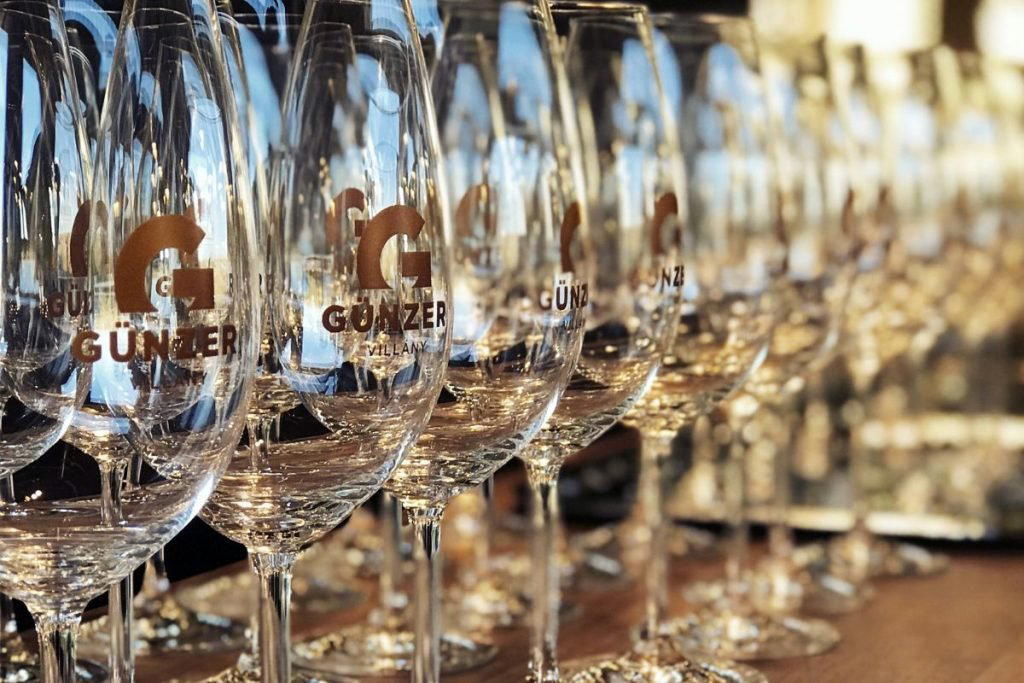
In a wine town context, that culinary tradition matters more than it might elsewhere. Visitors arriving in Villány after touring cellars along the wine route are not necessarily looking for fine dining innovation. They are looking for food that makes sense alongside the Kadarka or the oak-aged Cabernet Franc they have just tasted. The restaurants that understand this dynamic, where the wine is the protagonist and the food is its counterpart, tend to serve the town's visitors better than those chasing a separate culinary agenda. Smaller establishments like Mandula operate in this space, where the relationship between table and vine is more convivial than competitive.
Where Mandula Fits in Villány's Dining Spectrum
Villány is a small town, and its restaurant options reflect that scale. Halasi Pince Panzió combines accommodation with dining in the wine-estate tradition, while Oportó Étterem occupies another position in the local mix. Each of these places serves a slightly different version of the wine-town visitor: the cellar-door tourist, the weekend escapee from Budapest, the cyclist on the Villány wine route, the local family marking an occasion.
Mandula, on a residential street and without the visible infrastructure of a wine estate, is likely drawing particularly local of those audiences alongside whatever overflow from the wider visitor trade finds its way to a quieter address. That positioning is not a weakness. In wine regions across Europe, from Burgundy's village restaurants to the agriturismo circuit in Chianti, the neighbourhood table that serves the people who actually live with the wine is often where grounded cooking is found. The food does not need to perform for a room full of first-time visitors; it needs to be good enough that locals return.
Getting There and Planning Around It
Villány is approximately 30 kilometres south of Pécs, which is the nearest city with regular rail connections from Budapest. The train journey from Budapest Keleti to Pécs takes around three hours on direct services, after which Villány is accessible by local bus or taxi. Most visitors arriving specifically for the wine region tend to drive, which allows movement between producers along the Villány–Siklós wine route. Mandula's address on Diófás utca places it within easy walking distance of the town centre.
Visitors using Villány as a base for broader exploration of Hungarian regional dining might find useful comparisons in how other wine-adjacent towns handle this dynamic. BoriMami in Gyöngyös, in the Mátra wine region, and Forst-Ház Étterem és Kávézó in Eger both operate in the same territory: smaller-city or town restaurants where the local wine culture sets the context for what ends up on the table.
Budget Reality Check
Comparable venues nearby, for context on price, style, and recognition.
| Venue | Cuisine | Price | Awards | Notes |
|---|---|---|---|---|
| Mandula ÉtteremThis venue — the venue you are viewing | Villany, Modern Hungarian Fine Dining | $$$ | Not listed | Not listed |
| Halasi Pince Panzió | Villany, Hungarian Wine Bar | $$ | Not listed | Not listed |
| Bock Óbor Étterem | Not listed | $$ | Not listed | Villány, Traditional Hungarian with Villány Wines |
| Sauska 48 | Villány, Modern Hungarian | $$$$ | Michelin Plate | Not listed |
| Oportó Étterem | Villány center, Modern Hungarian | $$ | Not listed | Not listed |
| Apacuka | Terézváros, Modern European Fun Dining | $$ | Not listed | Not listed |
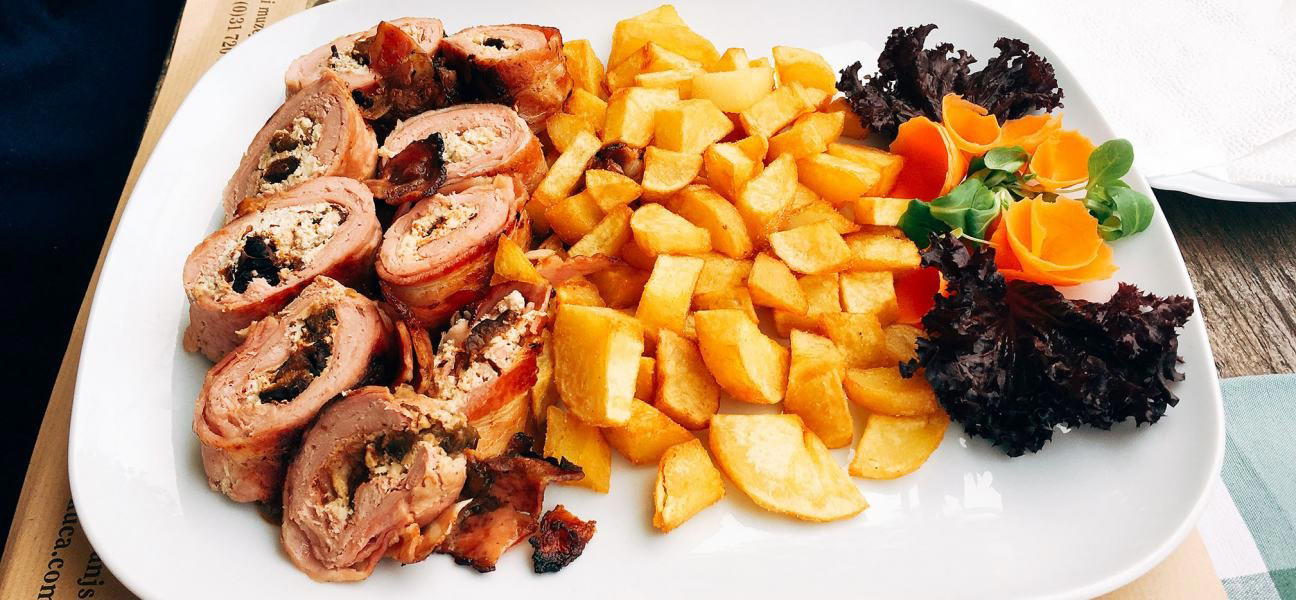
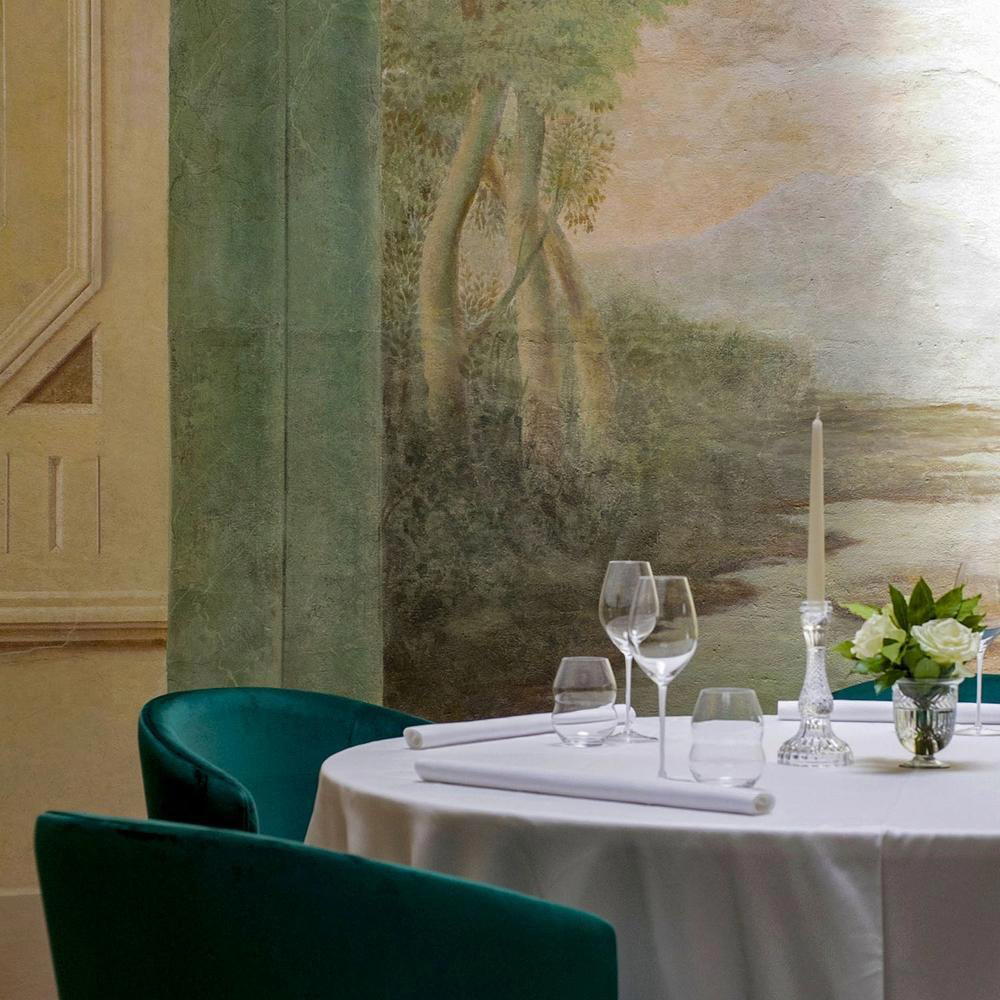
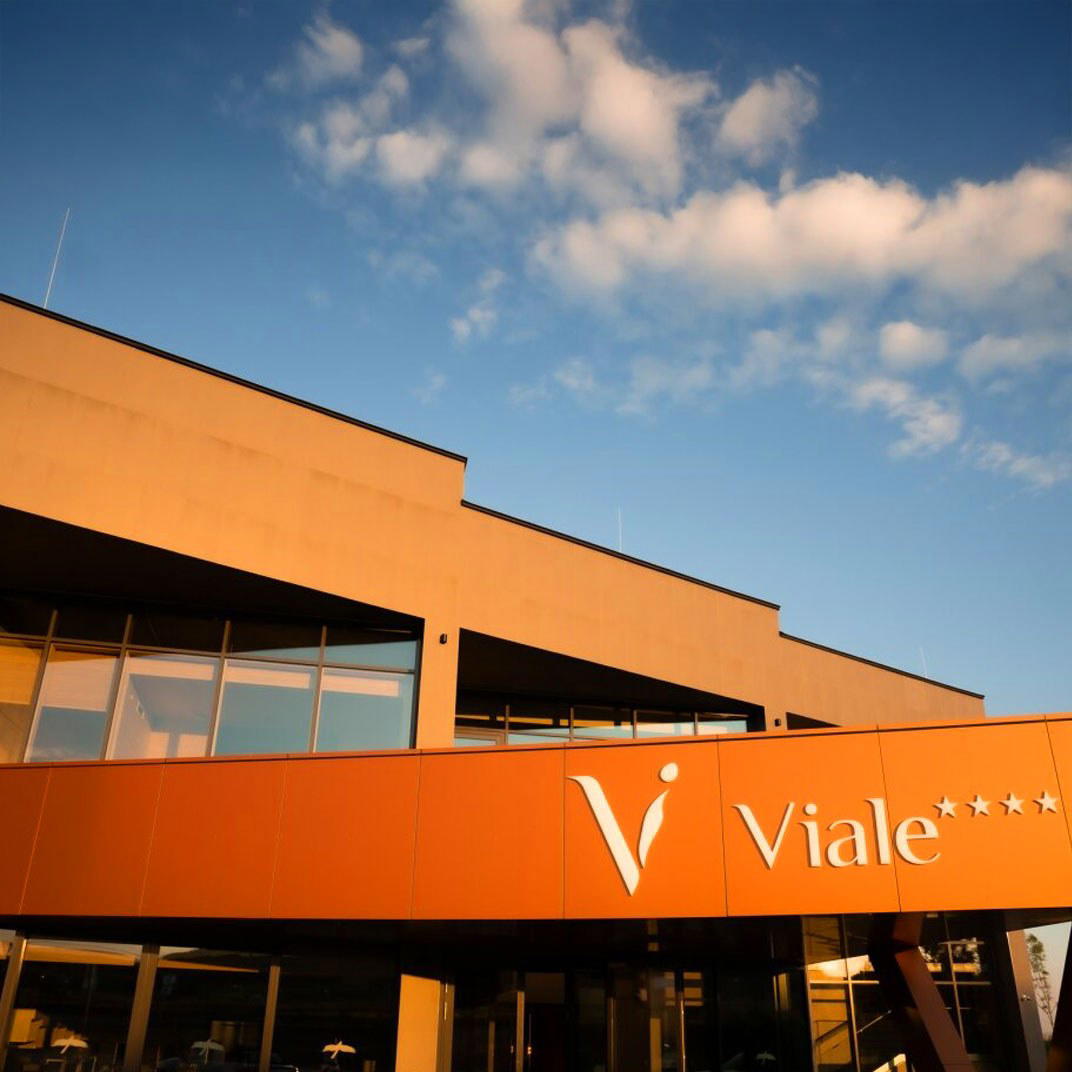
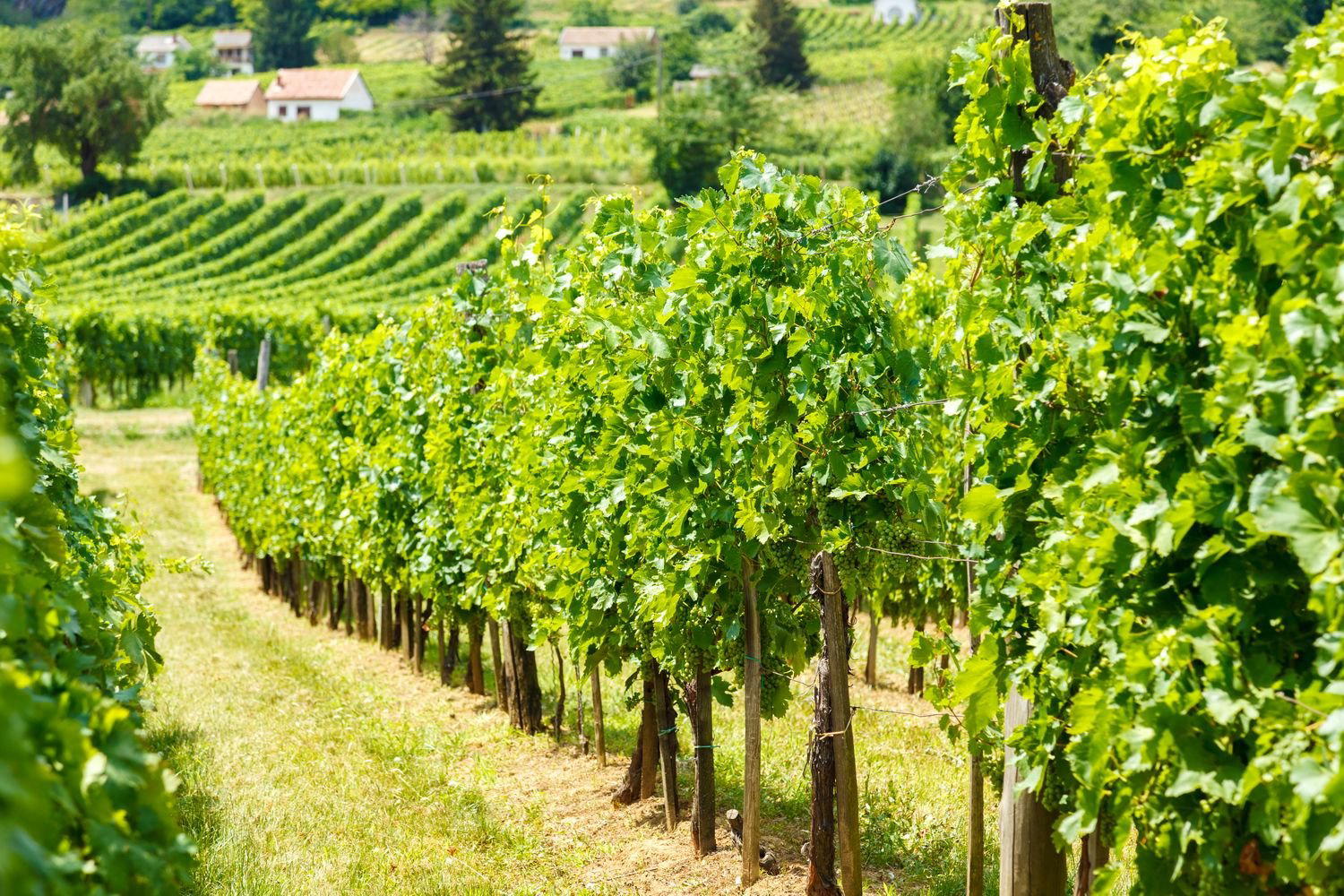
At a Glance
- Elegant
- Cozy
- Scenic
- Sophisticated
- Rustic
- Date Night
- Celebration
- Special Occasion
- Wine Cellar
- Standalone
- Extensive Wine List
- Sommelier Led
- Local Sourcing
- Sustainable
- Vineyard
- Street Scene
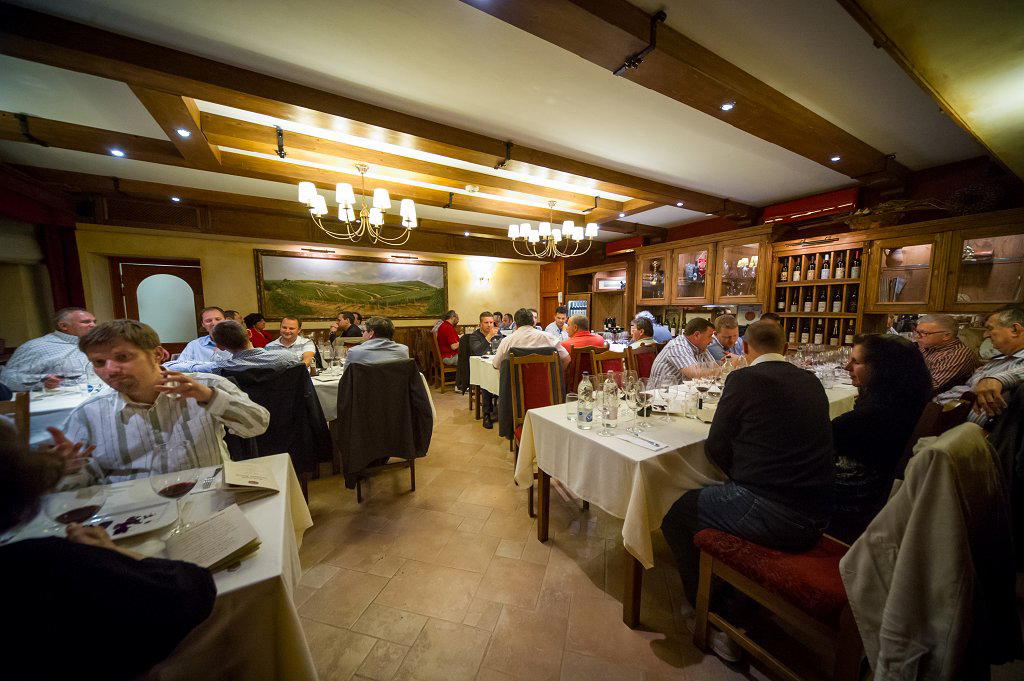
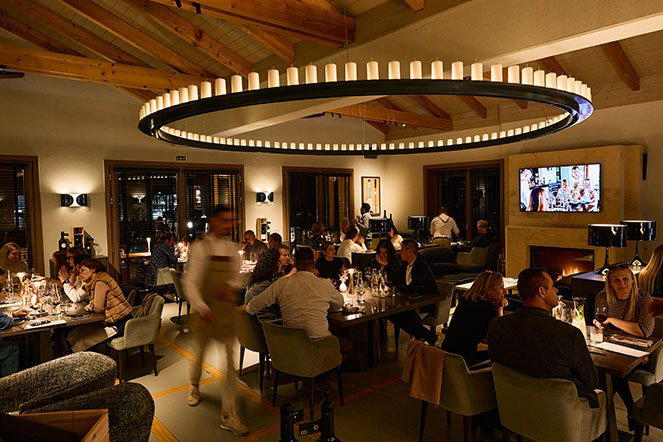
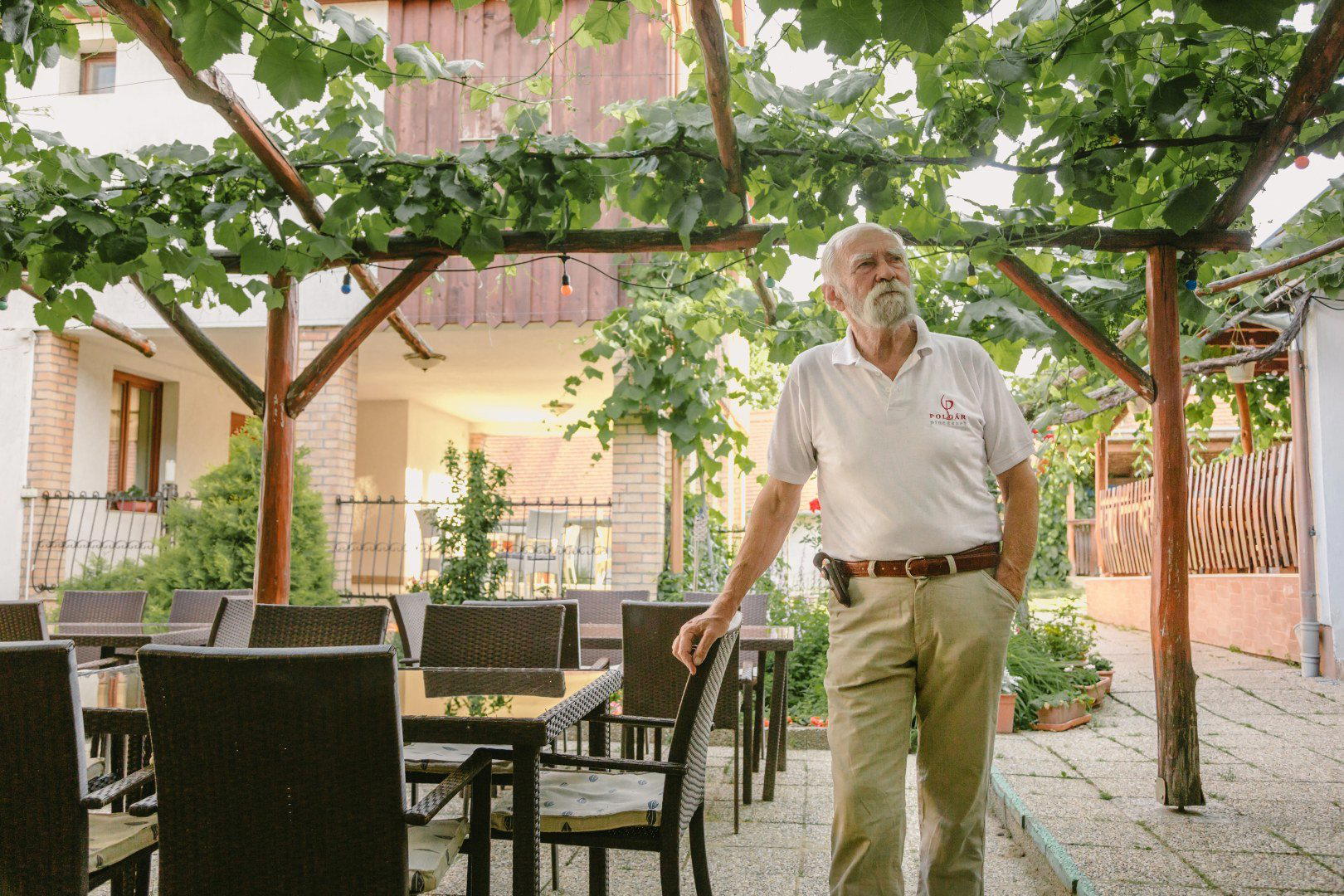
Warm and refined, with a wine-country atmosphere that feels intimate and guest-focused, shaped by the Gere family and Villány’s vineyard setting.