On Vlaška, one of Zagreb's more quietly confident streets, Amélie occupies a position that sits between the city's mid-range bistro tier and its more formal dining rooms. The menu architecture here is the thing to read carefully: what it chooses to include, and at what register, says more about the restaurant's ambitions than any single dish. A useful address for visitors building a wider picture of Zagreb's current dining range.
Pearl is the En Primeur Club membership app — saves, bookings, and concierge access live there. Same editors, same standards.
- Address
- Vlaška ul. 6, 10000, Zagreb, Croatia
- Phone
- +38515583360
- Website
- slasticeamelie.com
- Directions
- Get directions
 Saves & bookings on Pearl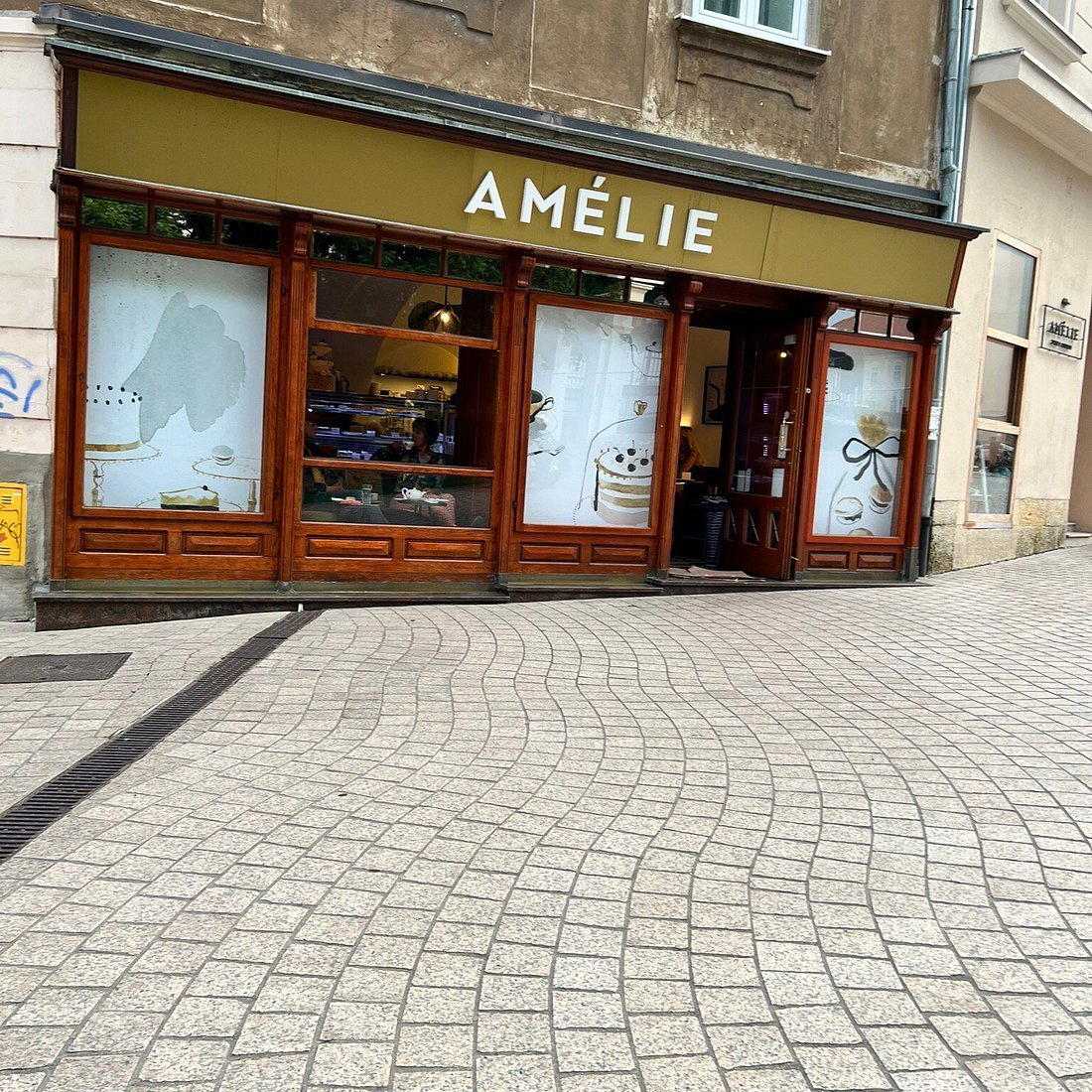
Vlaška and the Street That Anchors It
Amélie is a French-Inspired Pastry Shop & Cafe in Zagreb, at Vlaška ul. 6, 10000, with a casual dress code and walk-in-friendly service. The street draws a particular kind of local: not the tourist traffic that pools around Tkalčićeva, and not the professional lunch crowd that defines the business corridors further south. On Vlaška, the audience is mixed in the way that makes a restaurant work across different day-parts and across different years. Amélie, at number 6, sits inside that context rather than apart from it.
That address matters when you try to place Amélie within Zagreb's current dining range. The city's restaurant tier has been sharpening over the past decade. At the upper end, Noel operates at the €€€€ level with a modern cuisine programme that benchmarks against broader European peers. Dubravkin Put holds its Mediterranean position at €€€, using setting and produce sourcing as its primary differentiators. Further down the register, Izakaya has built a Japanese contemporary offer at the entry price point. Amélie occupies the middle ground of this spread, where the editorial question is always whether the kitchen is ambitious enough to justify the positioning or whether it is simply filling a gap.
Reading the Menu as a Document
The menu architecture of a restaurant reveals its commitments more reliably than its decor or its press materials. A menu that runs too long typically signals a kitchen trying to cover too many bases, spreading mise en place thin and making it difficult to maintain consistency across the card. A menu that is too short, conversely, can read as either confident restraint or operational limitation, and the difference between those two readings usually shows up in the execution. What Zagreb's mid-tier dining rooms have generally struggled with is finding a menu length and register that feels resolved rather than provisional.
The structure of what a kitchen like Amélie's chooses to present, on a street like Vlaška, is shaped by the room it is in conversation with. This is not a tasting-menu format in the way that Noel or Croatia's more formal addresses operate. Across the country's dining scene, the restaurants that have drawn sustained attention, from Pelegrini in Sibenik to Agli Amici Rovinj on the Istrian coast, tend to operate with tighter, more directional menus that telegraph a clear editorial point of view. The question for any Zagreb address in this tier is whether the menu makes a similar argument about what the kitchen believes in, or whether it defaults to range as a substitute for conviction.
Zagreb's Mid-Tier and Where Amélie Sits
It is worth mapping what the middle of Zagreb's dining market actually looks like, because the category shapes the expectation. The €€ to €€€ range in this city has expanded considerably as Zagreb has grown in confidence as a short-break destination for visitors from Vienna, Munich, and Ljubljana. That expanded demand has brought new addresses but has also revealed how few of them are operating with a genuinely considered programme. Many rely on Croatian ingredient storytelling without the technical discipline to make that storytelling land on the plate. Others import aesthetic cues from Viennese or Italian bistro formats without grounding them in local produce or local palate.
For those building a wider itinerary across Croatia's dining map, the contrast is instructive. Korak in Jastrebarsko, Nebo by Deni Srdoč in Rijeka, and Alfred Keller in Mali Lošinj each operate with programmes that reflect specific regional commitments. In Zagreb itself, the editorial hierarchy runs roughly from the flagship formal rooms down through the more relaxed but still considered mid-tier, and then to the neighbourhood bistro tier where consistency is the primary variable. Amélie's position on Vlaška places it within that mid-tier conversation, where the local audience is experienced enough to notice when a kitchen is punching to its weight and when it is coasting.
The Bistro Register in a Capital City Context
Zagreb has spent the last several years calibrating what it means to run a capital-city bistro at a credible level. The French bistro model, which informed the naming logic behind addresses like Amélie, has particular resonance in Central European cities that maintain a Mitteleuropa relationship with Parisian café culture. That cultural inheritance shows up in interior choices, in the preference for tiled floors and banquette seating, and in a certain unhurried relationship with the meal as a social event rather than a transactional one. It also shows up in menu structure: the entrée, plat, dessert logic that resists the Croatian tendency toward heavy shared-plate formats.
Whether a room on Vlaška genuinely inhabits that register or simply borrows its signifiers is the kind of distinction that regular visitors to cities like this tend to notice quickly. The comparison set is useful here: Al Dente and Amfora each operate within adjacent format logic, and together they map out what the mid-range Zagreb address can and cannot do. Internationally, the discipline that places like Le Bernardin in New York City or Lazy Bear in San Francisco bring to menu architecture as a form of communication remains the reference point for what the format can achieve at its most considered.
Planning Your Visit
Amélie is located at Vlaška ulica 6, in central Zagreb, within walking distance of the main tram lines that connect the Upper Town to the lower city grid. For visitors building a broader Zagreb dining programme, the street's position makes it a logical stop within a day that might include the Dolac market in the morning and the Gornji Grad in the afternoon. Those extending their Croatia itinerary beyond the capital will find useful reference points at Boskinac in Novalja, Krug in Split, LD Restaurant in Korčula, Restaurant 360 in Dubrovnik, and San Rocco in Brtonigla.
Where the Accolades Land
Comparable venues nearby, for context on price, style, and recognition.
| Venue | Cuisine | Price | Notes |
|---|---|---|---|
| AmélieThis venue — the venue you are viewing | French-Inspired Pastry Shop & Cafe | $$ | Not listed |
| Batak Centar Cvjetni | Croatian Barbecue Grill | $$ | Centar Cvjetni |
| Pizzeria Park | Neapolitan Pizza | $$ | Design District |
| Grill Žar | Traditional Balkan Grill | $$ | Dolici |
| CHEFlja | Italian Mediterranean | $$ | western Zagreb |
| R&B Food | American BBQ & Croatian Grilled Meats | $$ | Puljska Ulica |
Continue exploring
More in Zagreb
Restaurants in Zagreb
Browse all →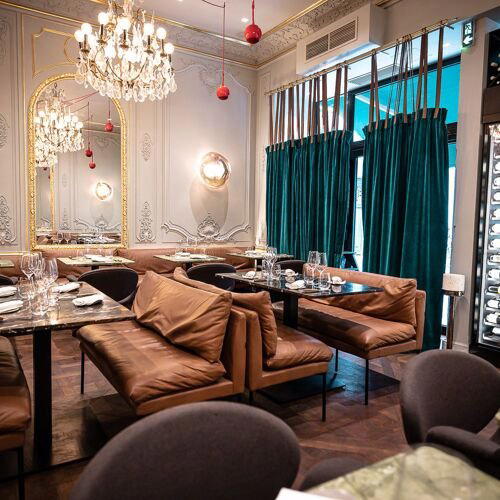
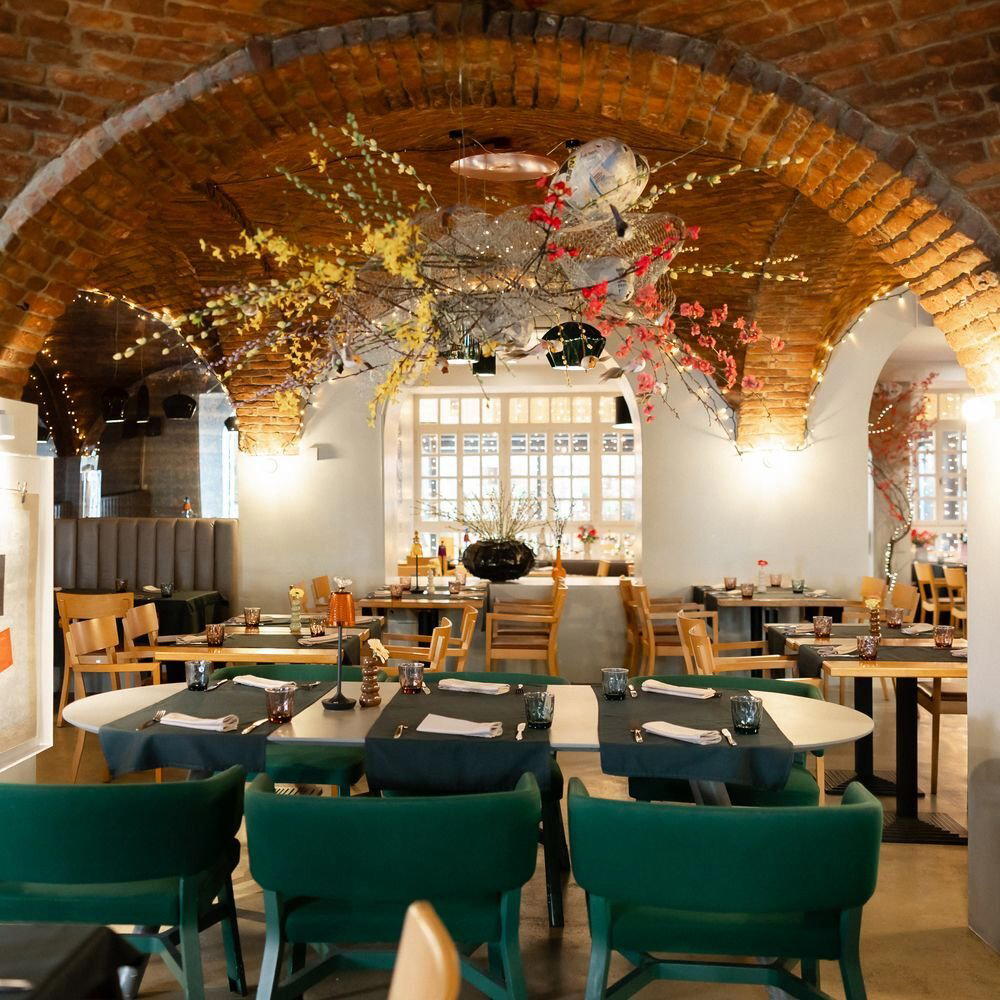
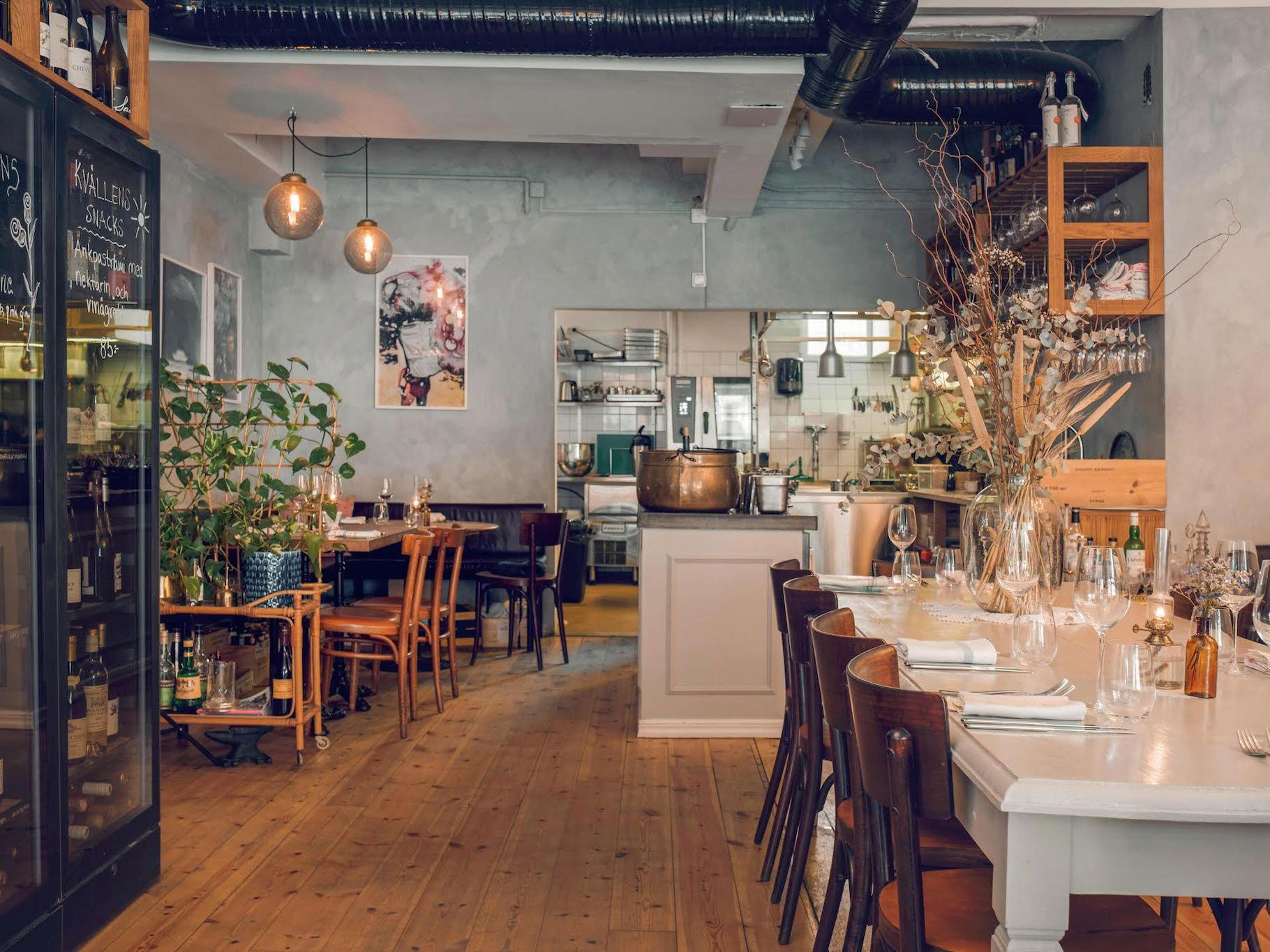
Bars in Zagreb
Browse all →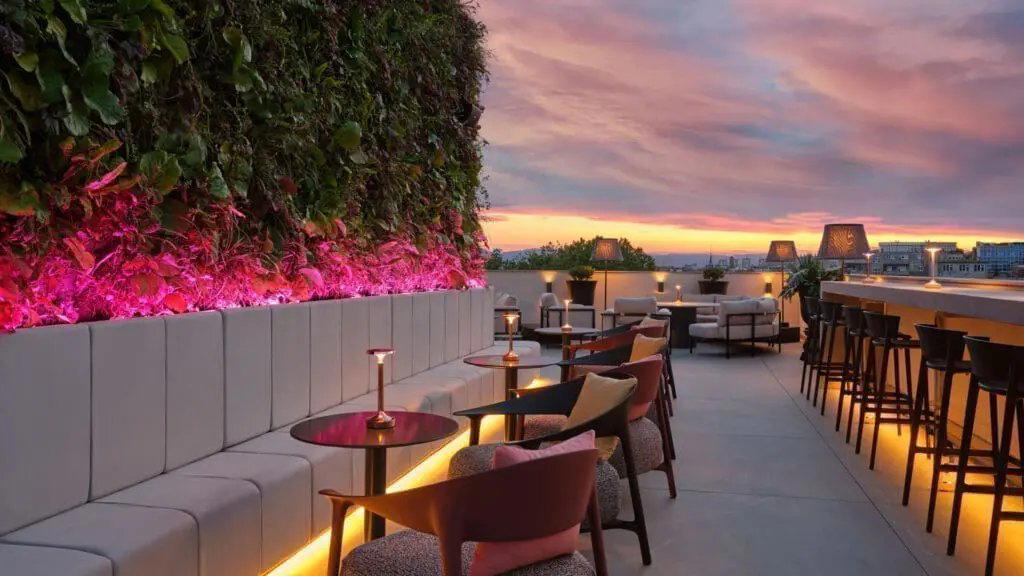
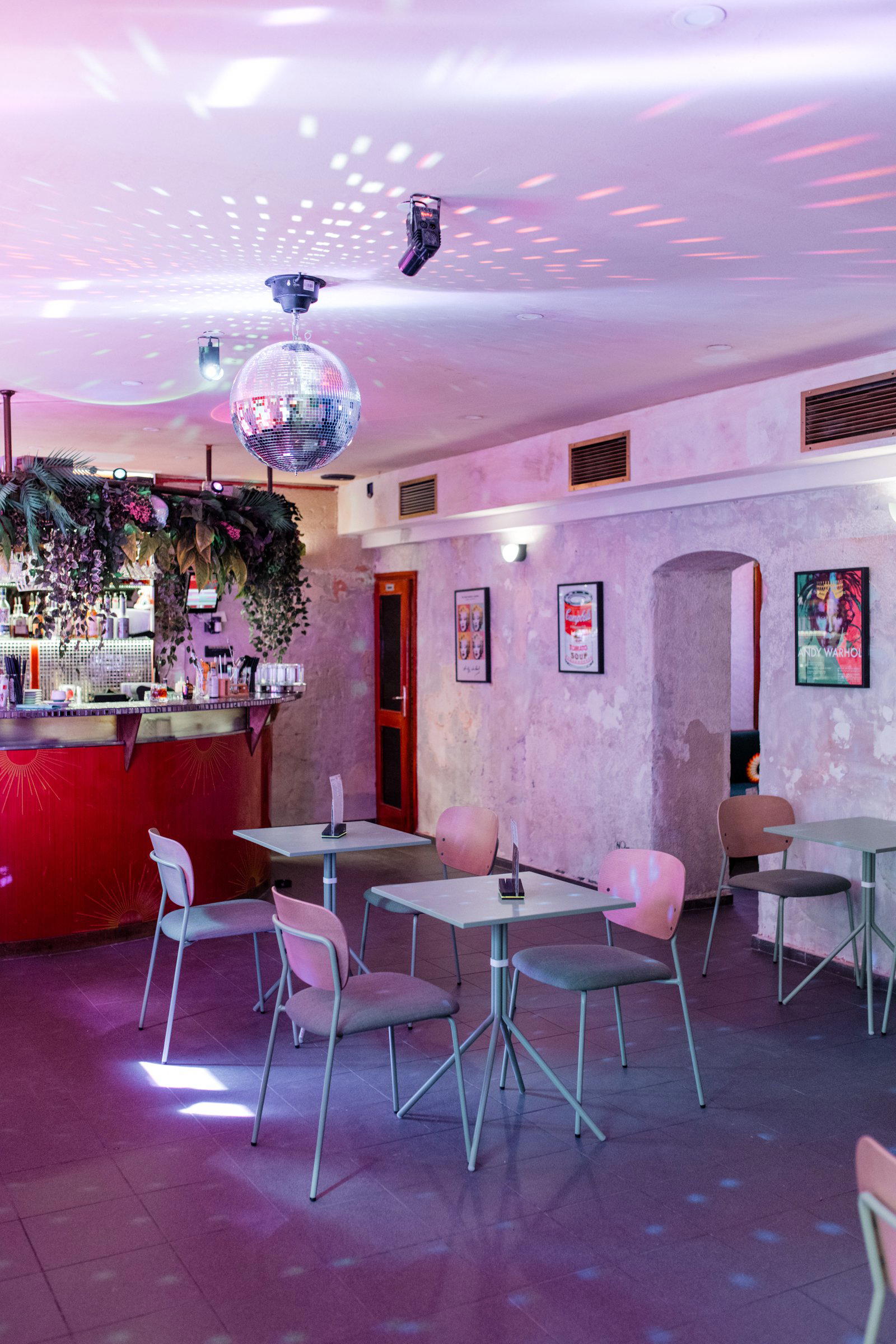
Hotels in Zagreb
Browse all →

At a Glance
- Romantic
- Cozy
- Intimate
- Whimsical
- Casual Hangout
- Date Night
- Solo
- Standalone
Current opening hours
- Monday
- 8 AM–10 PM
- Tuesday
- 8 AM–10 PM
- Wednesday
- 8 AM–10 PM
- Thursday
- 8 AM–10 PM
- Friday
- 8 AM–10 PM
- Saturday
- 8 AM–10 PM
- Sunday
- 9 AM–10 PM
Hours can change for holidays and private events. Last verified .
Welcoming and relaxing French-style decor with a romantic, twee atmosphere featuring old wooden chairs and pale blue/pink upholstery.