Gostionica Ficlek serves Authentic Croatian / Zagreb Traditional food in a historic building on Pod zidom 5, with local sourcing and a conversational pace for lunch or dinner.
Pearl is the En Primeur Club membership app — saves, bookings, and concierge access live there. Same editors, same standards.
- Address
- Pod zidom 5, 10000, Zagreb, Croatia
- Phone
- +385994958909
- Website
- ficlek.hr
- Directions
- Get directions
 Saves & bookings on Pearl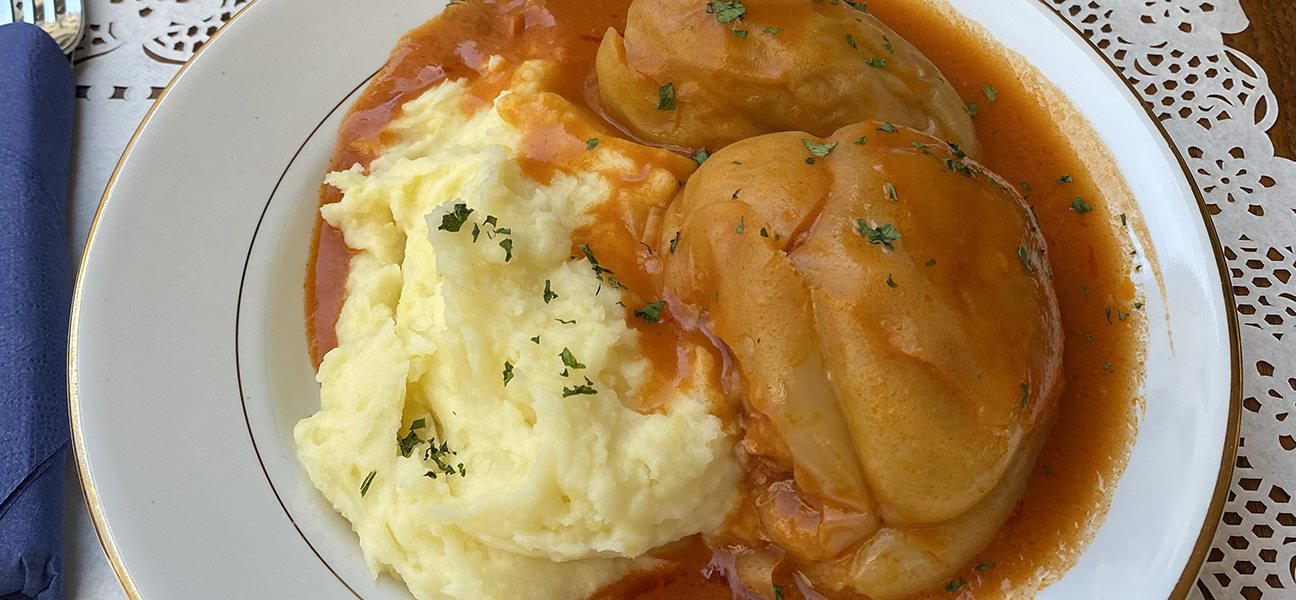
Pod Zidom and the Tradition of the Zagreb Gostionica
Gostionica Ficlek is a restaurant in Zagreb serving authentic Croatian / Zagreb traditional cooking. Not a bistro, not a konoba, not a restaurant in the contemporary sense, but something older and more stubborn. A gostionica operates on the assumption that its guests already know what they want, that the kitchen knows how to cook it, and that the table between them is simply the arrangement that makes the whole thing possible. Gostionica Ficlek, at Pod zidom 5 in Zagreb's historic lower town, sits squarely inside that tradition.
Pod zidom itself is a short street that runs below the medieval walls connecting Gornji Grad to the city below. The address places Ficlek at a point where Zagreb's tourist traffic thins and its neighbourhood character reasserts itself. The approach is quiet, the buildings carry the patina of daily use rather than renovation, and the dining room reflects the same register: functional, worn in the right places, unselfconscious. This is not atmosphere as a designed outcome; it is atmosphere as the residue of continuous occupation.
The Wine Dimension in a Traditional Croatian Context
Croatia's wine identity has shifted considerably over the past two decades. Regions that were producing bulk table wine under Yugoslav-era cooperatives have been reclaimed by individual producers working with indigenous varieties: Graševina from Slavonia, Malvazija Istarska from the Istrian peninsula, Plavac Mali and Pošip from Dalmatia. Zagreb, sitting at the geographic and commercial centre of the country, has historically been the distribution point for all of these, and a well-run gostionica in the city has always had access to a wider cross-section of Croatian wine than any single coastal destination.
The wine list at a venue like Ficlek matters in a way that goes beyond simple pairing. In Zagreb's traditional dining rooms, the carafe or the bottle on the table is a statement about the house's sourcing priorities and its relationship with its regulars. A list that reaches into Slavonian white producers alongside Dalmatian reds signals a kitchen that takes its role as an intermediary between the regions seriously. Croatia now has producers of real standing, several of whom have attracted attention from European importers, and a gostionica that curates those relationships rather than defaulting to particularly recognisable labels is functioning as a genuine editorial voice for Croatian viticulture. For context on how Croatian wine culture plays out across different dining formats around the country, the work being done at venues like Boskinac in Novalja and Pelegrini in Sibenik illustrates how seriously the country's better restaurants now treat the cellar.
Where Ficlek Sits in Zagreb's Dining Hierarchy
Zagreb's restaurant market has stratified sharply over the past decade. At the upper end, tasting-menu formats and contemporary Croatian cooking have drawn international attention: Noel operates at the €€€€ level with modern cuisine, and creative restaurants like Nav push into similar territory. At the accessible end, the city has a wide base of casual dining. The gostionica tier sits between those poles, and it is increasingly the tier that rewards particularly loyal Zagreb regulars, because it is the hardest to replicate or franchise. What Dubravkin Put does for Mediterranean cooking at the €€€ level, a functioning gostionica does for everyday Croatian food: it holds a standard that the market around it keeps trying to undercut.
Among Zagreb's other dining options, Izakaya offers Japanese contemporary cooking at the accessible € tier, Al Dente anchors the Italian end of the market, and Amfora provides a broader Mediterranean frame. Ficlek operates in a different register from all of them: it is a Croatian institution in the literal sense, a place that predates the current era of dining discourse and continues on its own terms.
Croatian Cuisine and the Gostionica Kitchen
Croatian cooking draws from three distinct regional traditions that rarely appear on the same table outside Zagreb. The interior, particularly Slavonia and Zagorje, favours heavy, pork-centred preparations: roasted meats, paprika-heavy stews, fresh pasta dishes like mlinci. The coast and islands bring a Mediterranean emphasis on grilled fish, olive oil, and wild herbs. Istria, in the northwest, layers Italian technique over local ingredients, producing dishes that sit somewhere between the two. A Zagreb gostionica with serious intentions pulls from all of these rather than committing to a single coastal or interior identity.
This regional synthesis is what distinguishes the Zagreb dining tradition from what visitors encounter at destination restaurants elsewhere in Croatia. For comparison, LD Restaurant in Korčula, Restaurant 360 in Dubrovnik, and Agli Amici Rovinj each operate within a specific regional identity shaped by their location. Zagreb's leading traditional rooms operate as a kind of clearing house for the whole country's produce and technique.
Planning a Visit
Ficlek's address at Pod zidom 5 places it within walking distance of the Dolac market and the base of the funicular, making it a logical lunch stop for anyone spending time in the upper town. The street is short and the signage modest, which means first-time visitors benefit from arriving with the address confirmed rather than relying on a landmark search. Given the venue's traditional format and local regulars, booking ahead is worth the effort, particularly for Friday lunch and weekend dinner service, when neighbourhood demand competes with visitor traffic.
For those building a longer Croatian dining itinerary, Nebo by Deni Srdoč in Rijeka, Krug in Split, Alfred Keller in Mali Lošinj, and Korak in Jastrebarsko all sit within a day's travel of Zagreb and represent different registers of contemporary Croatian hospitality. At the other end of the formality spectrum, BioMania Bistro Bol in Bol offers a lighter, produce-driven approach to Croatian coastal cooking.
Fast Comparison
Comparable venues nearby, for context on price, style, and recognition.
| Venue | Cuisine | Price | Notes |
|---|---|---|---|
| Gostionica FiclekThis venue — the venue you are viewing | Authentic Croatian / Zagreb Traditional | $$ | Not listed |
| Tvornica Pljeskavica Kosta | Serbian Grill / Pljeskavica | $$ | Savski marof |
| Kod Pere | Traditional Croatian | $$ | Gornji Grad |
| Amélie | French-Inspired Pastry Shop & Cafe | $$ | Gornji Grad |
| Curry Bowl | Sri Lankan Street Food | $$ | Tkalčićeva |
| Saralee's thai street food | Authentic Thai Street Food | $$ | City Centre (Galleria Business Center area) |
Continue exploring
More in Zagreb
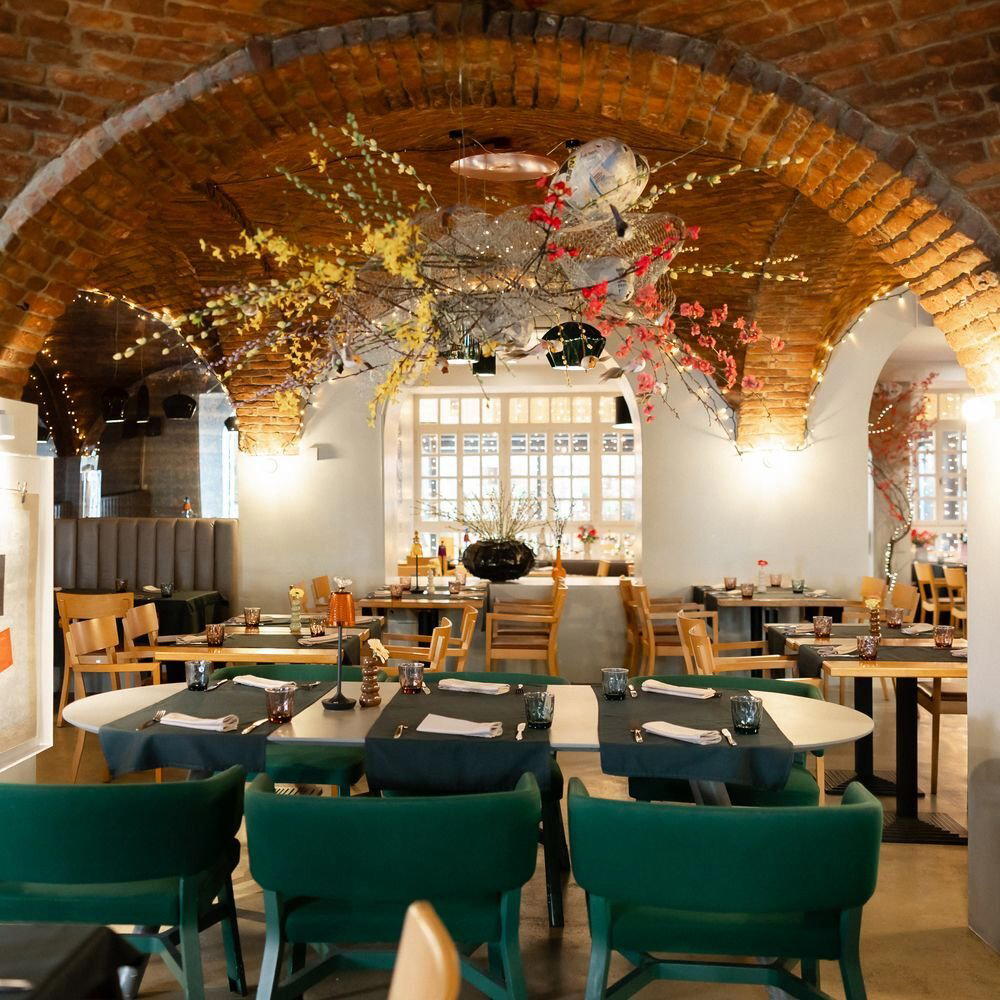
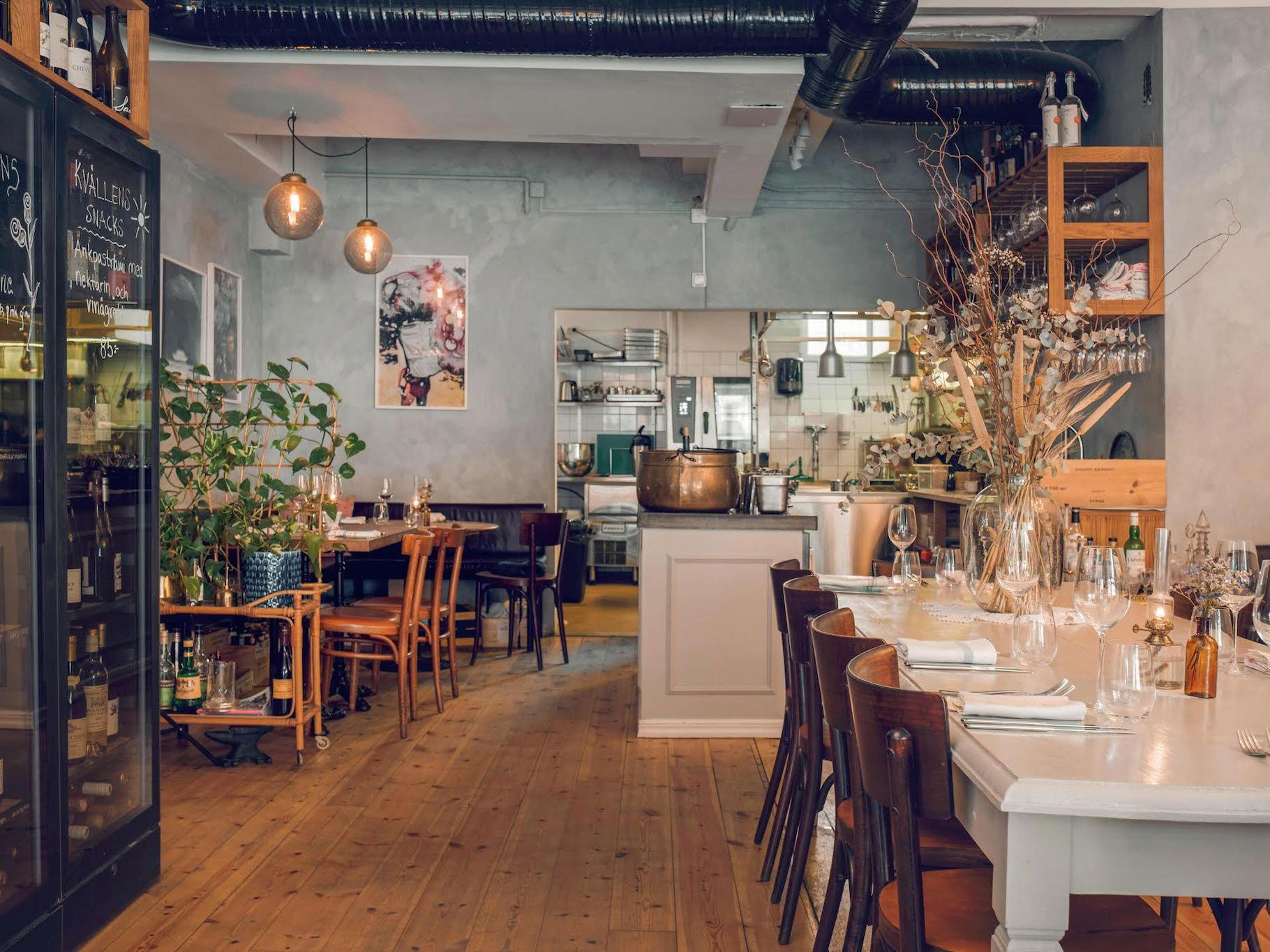
Restaurants in Zagreb
Browse all →
Bars in Zagreb
Browse all →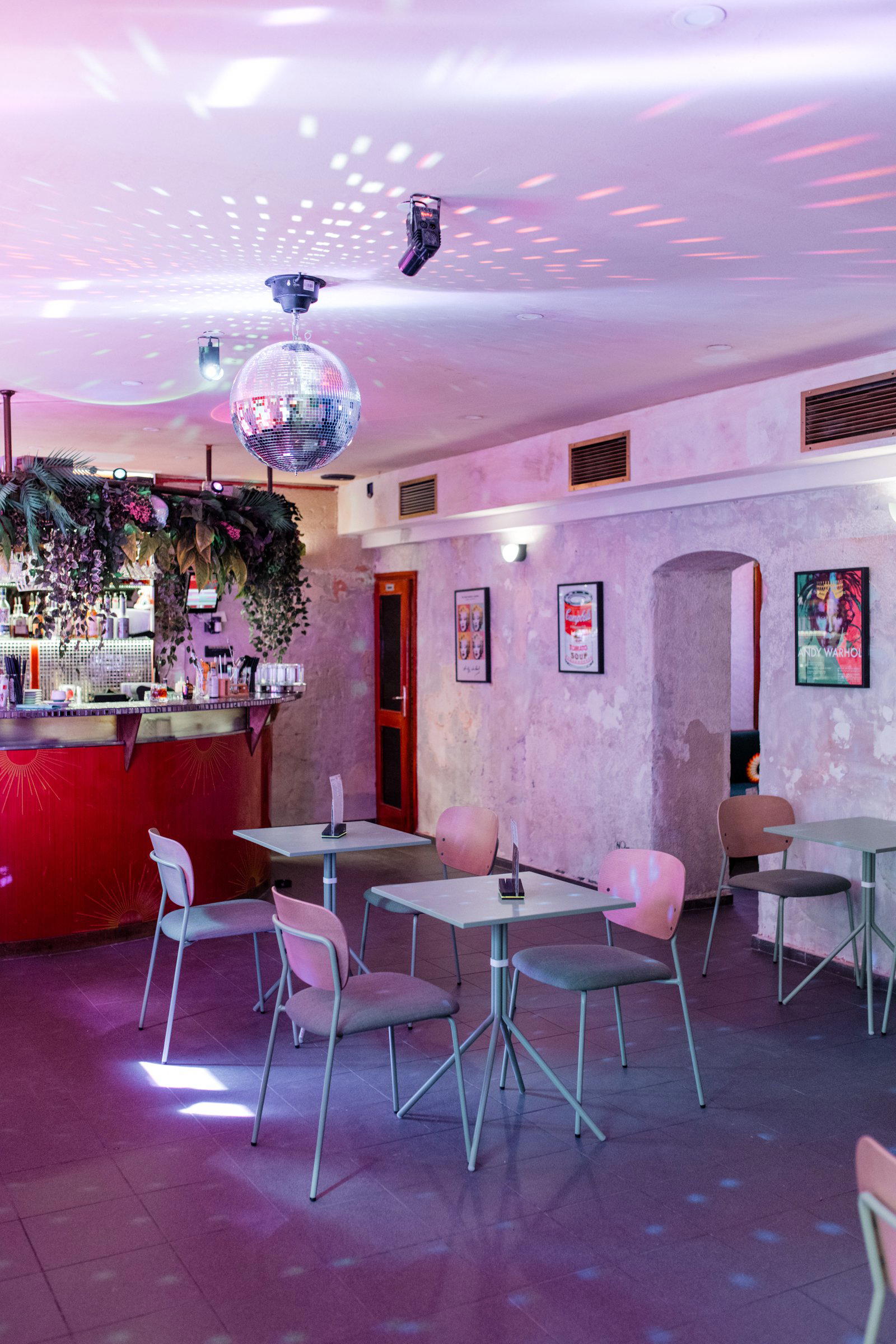
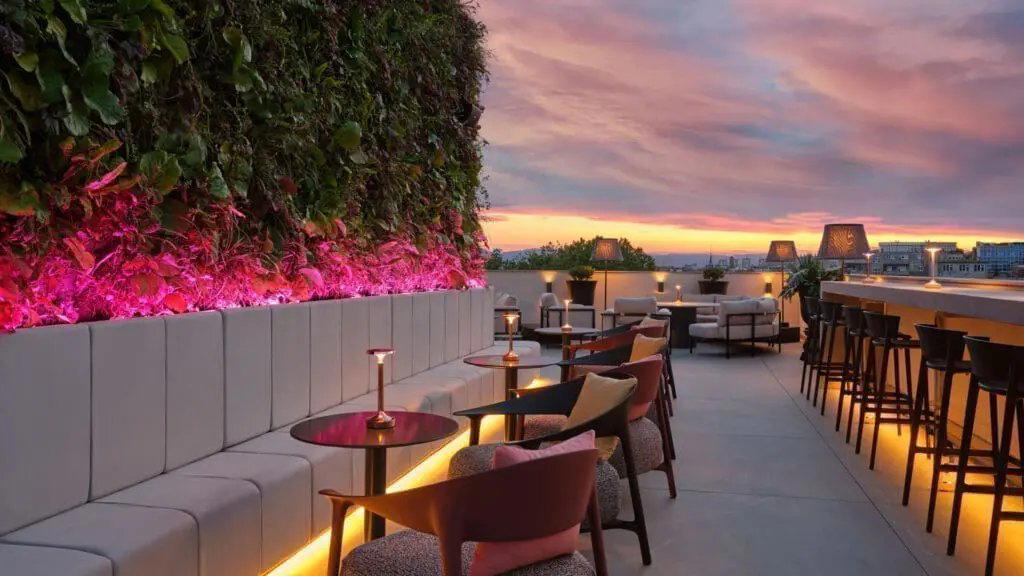
Hotels in Zagreb
Browse all →

At a Glance
- Cozy
- Rustic
- Classic
- Casual Hangout
- Historic Building
- Local Sourcing
- Street Scene
Current opening hours
- Monday
- 11 AM–11 PM
- Tuesday
- 11 AM–11 PM
- Wednesday
- 11 AM–11 PM
- Thursday
- 11 AM–11 PM
- Friday
- 11 AM–11 PM
- Saturday
- 11 AM–11 PM
- Sunday
- 11 AM–11 PM
Hours can change for holidays and private events. Last verified .
Welcoming and cozy old-school eatery atmosphere with a modern bistro feel.