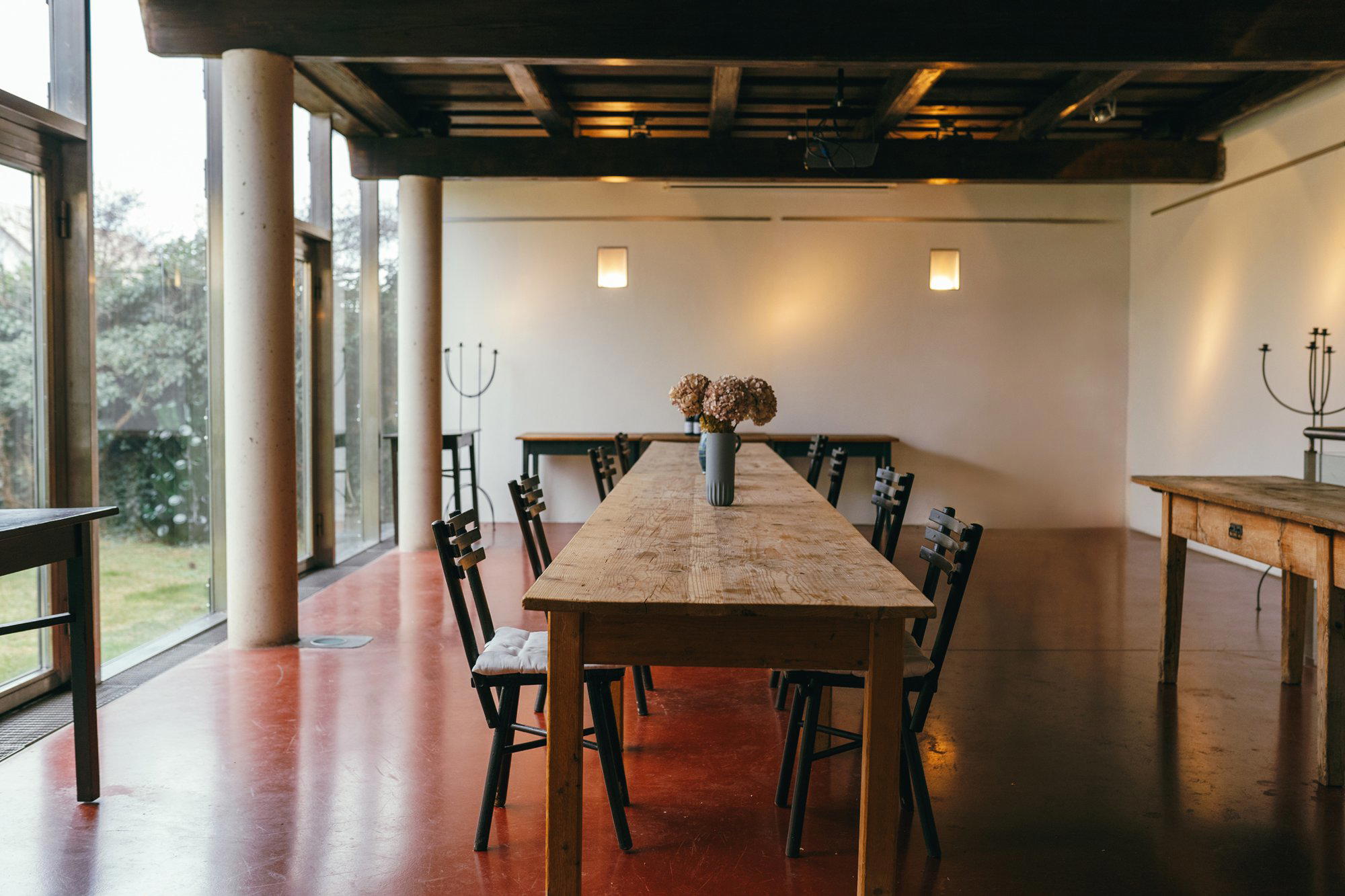
Inside the MAK – Museum of Applied Arts, Salonplafond occupies one of the Ringstrasse's more architecturally charged dining rooms. The setting draws on Vienna's late-nineteenth-century institutional grandeur, while the kitchen leans into Austrian ingredient traditions. It sits in a different register from the city's Michelin-circuit fine dining, offering a midpoint between cultural venue café and serious restaurant.
Pearl is the En Primeur Club membership app — saves, bookings, and concierge access live there. Same editors, same standards.
- Address
- Stubenring 5, 1010 Wien, Austria
- Phone
- +434312260046
- Website
- salonplafond.wien
- Directions
- Get directions
 Saves & bookings on Pearl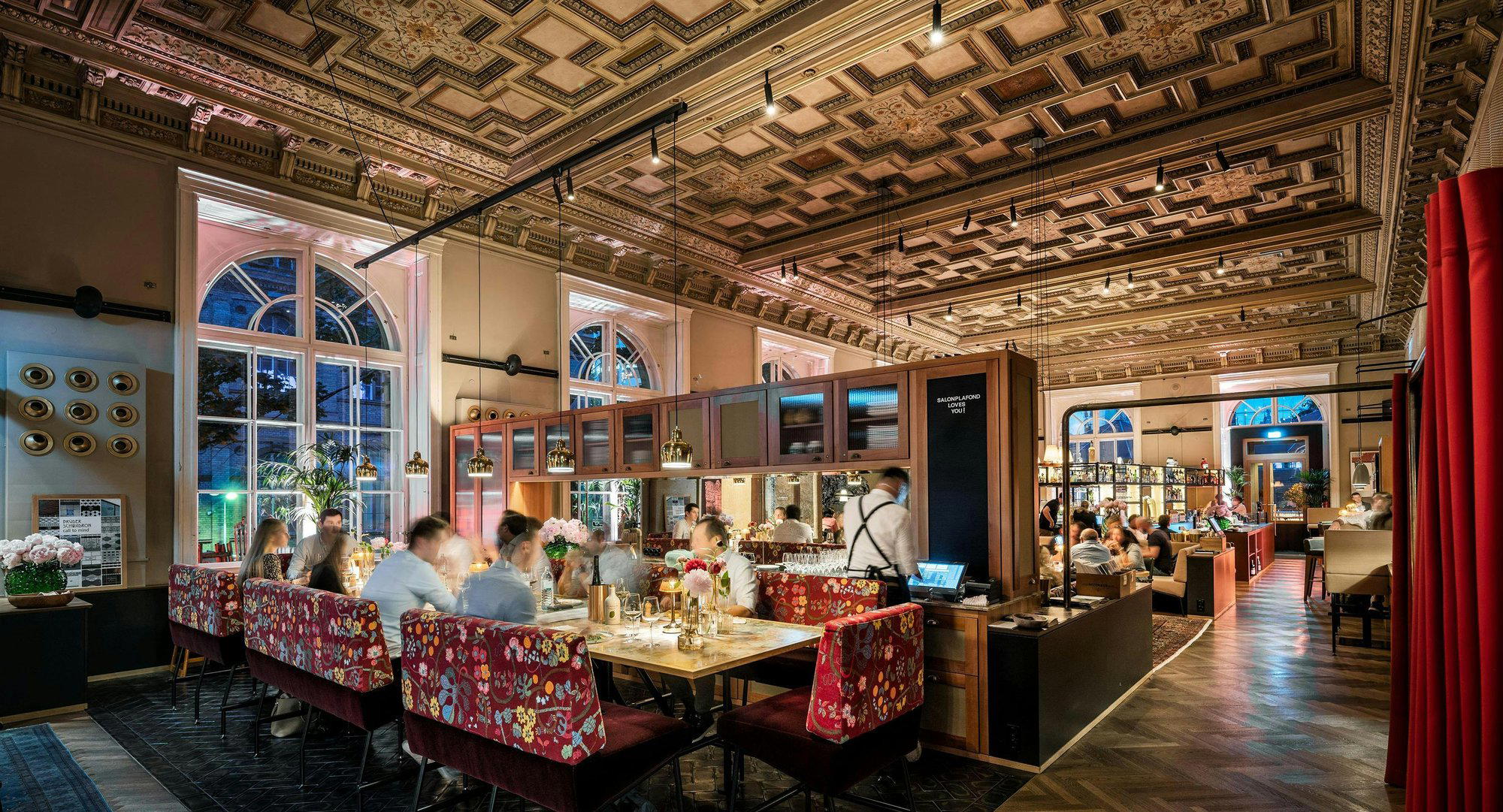
A Room With a Record
The Ringstrasse corridor that stretches through Vienna's first district is one of the more concentrated runs of nineteenth-century institutional architecture in Europe. When Emperor Franz Joseph commissioned the boulevard's great public buildings in the 1860s and 1870s, the interiors were designed to project civic authority as much as function. The MAK, Museum of Applied Arts, completed in 1871 and among the earliest purpose-built applied arts museums on the continent, contains Salonplafond within that precise tradition. The dining room inherits the building's ceiling height, its plasterwork registers, and the particular quality of light that comes from windows scaled for state occasions rather than restaurant sittings. Few dining rooms in Vienna carry that kind of institutional pedigree without having been retrofitted into something more commercially legible.
That context matters when reading Salonplafond against Vienna's broader restaurant picture. The city's most-discussed fine dining addresses, Steirereck im Stadtpark, Amador, Konstantin Filippou, and Mraz and Sohn, occupy a defined Michelin-weighted tier characterised by tasting menus, extended kitchen teams, and price points built around the €€€€ bracket. Salonplafond operates in a different register: a museum restaurant that has developed culinary seriousness without the formal ceremony of that upper tier. It answers a specific question Vienna's dining scene poses, where do you eat well when you want the architecture and the food in the same room, without committing to a four-hour tasting sequence.
What Austrian Ingredient Sourcing Actually Means in Practice
Austrian cuisine's current critical standing rests partly on a sourcing culture that predates the farm-to-table framing imported from Anglophone food media. The country's alpine geography, condensed growing seasons, and regional producer networks, particularly across Lower Austria, Styria, and the alpine valleys, have kept supply chains short by structural necessity as much as culinary philosophy. At the serious end of the Vienna dining scene, this manifests in kitchens that name their suppliers with the same specificity that French restaurants apply to their wine lists. Doubek and Mraz and Sohn both work within this model, as do the country's destination restaurants further afield: Döllerer in Golling an der Salzach, Obauer in Werfen, and Kräuterreich by Vitus Winkler in Sankt Veit im Pongau represent that sourcing rigour applied at the regional level, while Landhaus Bacher in Mautern an der Donau has built its reputation in the Wachau largely on that same logic of proximity.
Salonplafond aligns with that broader Austrian sourcing tradition. The kitchen's orientation toward regional Austrian producers places it on the same cultural axis as those destination addresses, even if the format and price point differ. In a museum context, ingredient provenance also carries an additional communicative role: it connects the food to the same documentary impulse that organises the collections a floor away.
The Competitive Set That Actually Applies
Placing Salonplafond in a peer group requires separating it from the Michelin bracket above and the tourist-facing café circuit below. Its address at Stubenring 5 puts it within the first district's institutional core, close to the Stadtpark and the Ring, which means it draws a visitor demographic that also considers the hotel restaurants of the nearby luxury properties. Within Vienna, the more useful comparisons are restaurants that carry genuine culinary ambition inside non-restaurant primary spaces, cultural institutions, historic buildings, or converted civic structures, where the room is part of the proposition. That is a narrower category than it sounds in most European capitals, and Vienna's density of historic institutional interiors makes it more contested here than elsewhere.
For visitors building a broader Austrian itinerary, the reference points extend beyond Vienna: Ikarus in Salzburg, Griggeler Stuba in Lech, Gourmetrestaurant Tannenhof in Sankt Anton am Arlberg, Schwarzer Adler in Hall in Tirol, Restaurant 141 by Joachim Jaud in Mieming, and Ois in Neufelden collectively map the country's regional ambition. Against those, Salonplafond's value is its urban concentration: the MAK visit and the meal occupy the same physical and cultural space, which is a different kind of efficiency than driving to Werfen or Golling. For international visitors calibrating Austrian dining against reference points from elsewhere, the discipline of a room like Salonplafond sits closer to what New York's Le Bernardin does with its formal dining room tone, using the space to do the heavy editorial lifting, than the ingredient-driven tasting counter logic of a place like Atomix.
Reading the Room Before You Book
Vienna's museum restaurant category has historically ranged from serious kitchen operations to cafeteria-adjacent spaces that trade on captive visitor traffic. Salonplafond's presence in the MAK distinguishes it from that lower end: the building's design credentials and the kitchen's Austrian sourcing orientation set expectations that the room will be treated as a dining destination, not a refuelling point.
For the broader Vienna picture, see our full Vienna restaurants guide.
Know Before You Go
Address: Stubenring 5, 1010 Wien, Austria
Location context: Inside the MAK – Museum of Applied Arts, first district, adjacent to the Stadtpark and the Ringstrasse corridor
Booking: Reservation policy not confirmed, contact the venue ahead of a visit, particularly for weekend lunches when museum footfall increases
Access: U3 Stubentor or U4 Stadtpark are both within a short walk of Stubenring
How It Stacks Up
Comparable venues nearby, for context on price, style, and recognition.
| Venue | Cuisine | Price | Notes |
|---|---|---|---|
| SalonplafondThis venue — the venue you are viewing | Modern Austrian | $$$ | Not listed |
| Kussmaul | Modern Austrian | $$$ | Innere Stadt |
| The Guesthouse Vienna | Modern Viennese Brasserie | $$ | Innere Stadt |
| Schatz Imhof | Modern Austrian Contemporary | $$$ | Alsergrund |
| DAST Restaurant | Modern Austrian Tapas | $$ | Wahring |
| VIENNA 1ST | Austrian Bistro | $$$ | Stephansdom |
Continue exploring
More in Vienna
Restaurants in Vienna
Browse all →
Bars in Vienna
Browse all →
Hotels in Vienna
Browse all →
At a Glance
- Elegant
- Cozy
- Modern
- Sophisticated
- Brunch
- Business Dinner
- Casual Hangout
- Garden
- Historic Building
- Open Kitchen
- Local Sourcing
- Garden
Current opening hours
- Monday
- 10 AM–12 AM
- Tuesday
- 10 AM–12 AM
- Wednesday
- 10 AM–12 AM
- Thursday
- 10 AM–12 AM
- Friday
- 10 AM–12 AM
- Saturday
- 10 AM–12 AM
- Sunday
- 10 AM–12 AM
Hours can change for holidays and private events. Last verified .
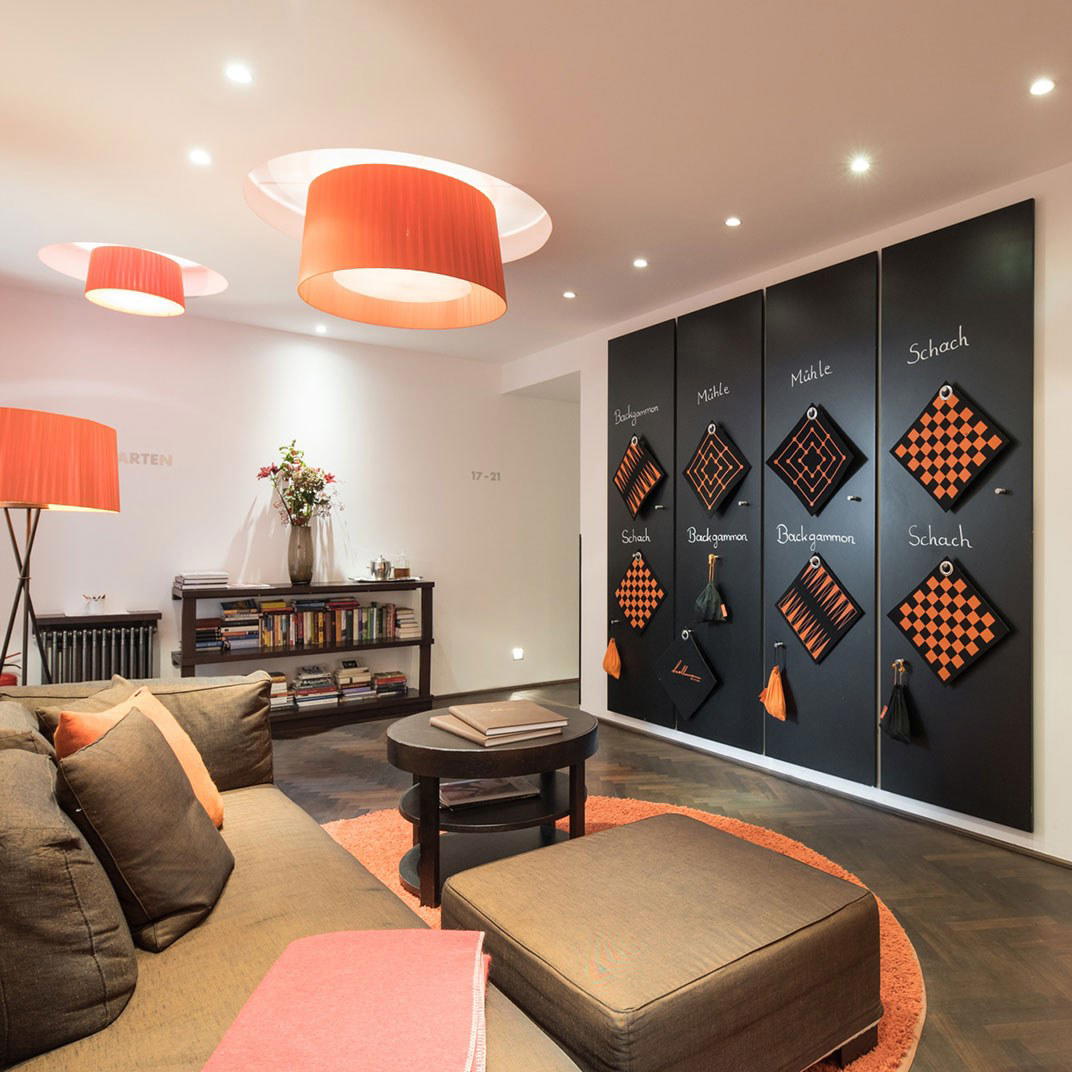
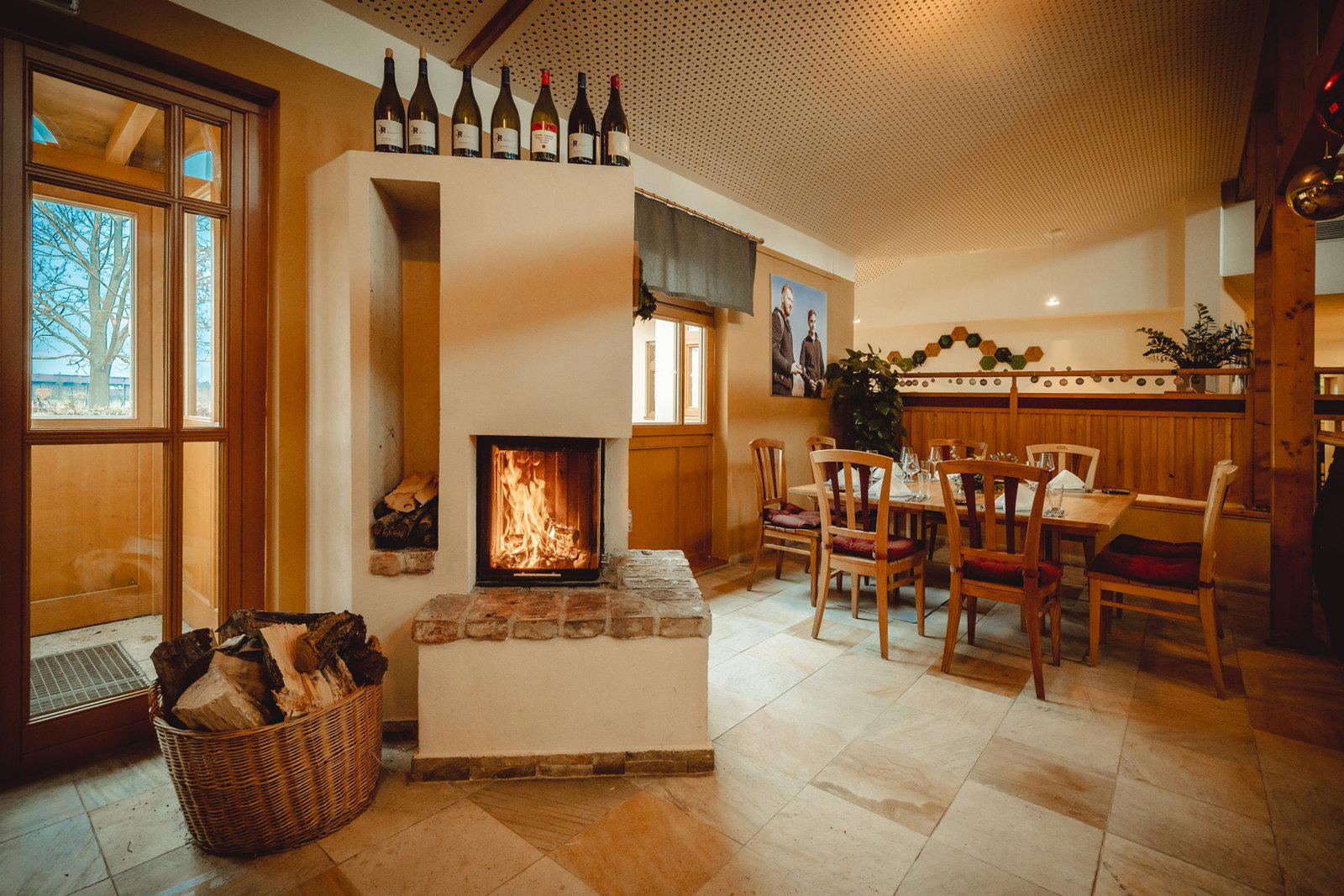
Elegant high-ceilinged space with uncluttered sumptuous atmosphere, cozy tavern vibe using historical furniture and colorful fabrics.